


 中文简体
中文简体 English
Performance Fabrics Environmental Impact: What Sustainable Options Actually Cost
Posted by Zhejiang Wanchang Furniture Co., Ltd.
A restaurant owner called us last spring with a familiar problem. The bar stools in the dining room had been in service for two years, and the fabric already looked worn. The fabric was inexpensive and comfortable at first. When the manager started shopping for replacements, the first quote for a more durable synthetic fabric was nearly double the price. The question became simple. Should they spend more now, or replace again in two years? The answer depends on something most buyers never consider: how the fabric was made and what it costs the environment over its full life.
Content
What Makes a Performance Fabric Sustainable?
Performance fabrics are engineered to resist stains, abrasion, and fading, which is why they appear so often in restaurants, hotels, and busy homes. Their sustainability does not come from a single ingredient. A genuinely sustainable performance fabric combines four things: a low-impact manufacturing process, a material source that does not deplete natural resources, a long service life, and an end-of-life plan that avoids landfill.
Synthetic performance fabrics made from polyester and nylon are petroleum-based. They are durable and easy to clean, but each kilogram of fiber requires a significant amount of energy and releases microplastics during washing. Natural fibers such as linen, hemp, and organic cotton have a smaller carbon footprint in production, but they may require more water and are less resistant to heavy use.
The most practical path forward is not to choose one material over another. It is to select the fabric that will last longest in the intended application and to verify that its production was as clean as possible.
Key Environmental Impacts of Performance Fabrics
Three categories drive most of the environmental burden in upholstery fabric: water, energy, and chemical inputs.
Water use is particularly visible with conventionally grown cotton. Estimates around the industry place the water footprint of a single kilogram of cotton fabric at thousands of liters, depending on the region. Synthetic fibers require far less water, but they consume more energy during extrusion and weaving.
Chemical inputs are the third and often overlooked factor. Stain-resistant finishes, dyes, and flame retardants can involve PFAS chemicals that persist in the environment. Solution-dyed fabrics, where color pigment is added during fiber production, cut water consumption dramatically. PFAS-free finishes avoid a whole class of persistent pollutants while still giving the fabric a useful level of stain resistance.
The table below compares the most common performance fabric types used in furniture upholstery.
| Fabric Type | Water Use | Energy Use | Durability | End-of-Life Options |
|---|---|---|---|---|
| Standard Polyester | Low | High | High | Recyclable in theory, often not in practice |
| Recycled Polyester | Low | Medium | High | Recyclable, diverts plastic waste |
| Linen | Medium | Low | Medium | Biodegradable |
| Organic Cotton | Medium to High | Low | Medium | Biodegradable |
| Solution-Dyed Acrylic | Low | Medium | Very High | Limited recyclability, long lifespan offsets |
When the goal is a long service life, a high-resilience cushion material inside the chair matters as much as the fabric outside. A cushion that keeps its shape for years prevents the entire chair from being replaced prematurely. That is why our high-resilience sponge lounge chair uses both a durable fabric and a cushion that recovers after every sit.
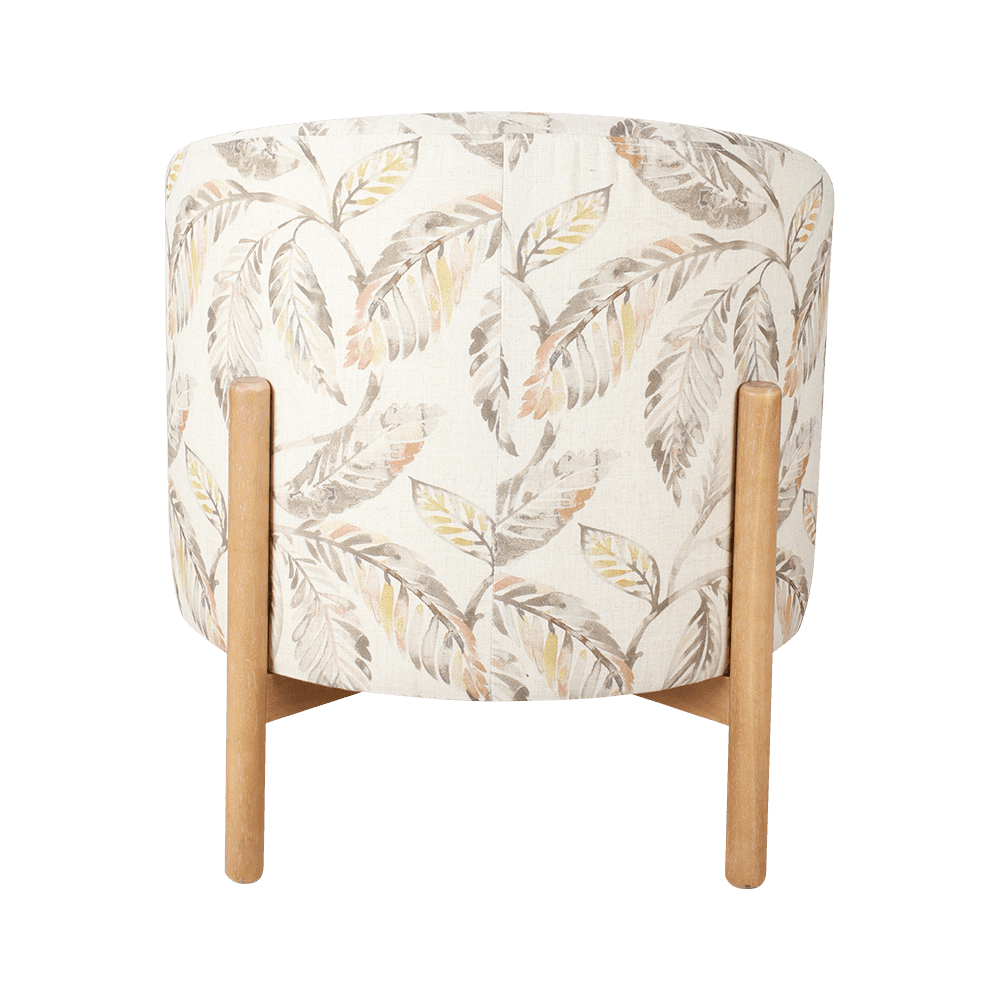 High-Resilience Sponge Lounge Chair with Durable FabricThis lounge chair features a high-resilience sponge cushion that rebounds to maintain shape, paired with durable fabric. Its robust construction ensures long-lasting comfort for extended sitting in homes, offices, or lounges.View Product →
For dining room and restaurant seating, the same logic applies. A dining chair with a high-resilience sponge cushion can remain comfortable and presentable long after a budget foam model has flattened.
How to Evaluate Sustainable Performance Fabrics
Buyers should start with three questions before they approve a fabric.
- Is the material sourced from a known fiber type, and does it come with a certification that covers the supply chain?
- Does the fabric contain PFAS finishes, and if not, what alternative treatment has been used?
- What is the expected life of the fabric under the specific use conditions, including number of seats, cleaning frequency, and exposure to sunlight?
Certifications matter because they allow independent verification. OEKO-TEX Standard 100 checks for harmful substances. The Global Recycled Standard confirms the percentage of recycled content. These are not marketing labels. They are audited systems that trace the material from fiber to finished roll.
One useful way to compare suppliers is to ask for a fabric test report that includes Martindale abrasion cycles. A fabric rated above 40,000 cycles is generally considered heavy duty. For a hotel or restaurant project, that kind of durability is not a luxury. It is the main driver of environmental savings, because it delays replacement.
Material innovations also help. Linen blends and recycled fibers, for example, are not only more natural or cleaner in their origin; they also introduce performance trade-offs that buyers need to understand. Reviewing this comparison of upholstery material options is a practical step for any buyer deciding between linen, velvet, polyester, and other fabric types.
The Role of the Cushion and Frame in Sustainability
A fabric is only one part of the seating system. The cushion beneath it and the frame around it determine whether a chair can last long enough to justify its environmental footprint.
Spring pack foam and high-resilience sponge are engineered to keep their shape over years of use. They also help maintain the relationship between body and seat, which reduces the chance that someone will feel the frame underneath. In a dining setting, a metal-leg chair with a spring pack foam cushion often beats a cheaper all-wood chair on both comfort and service life. Our metal-leg dining chair with a high-resilience sponge cushion is built to keep that comfort from disappearing after a few months of daily use.
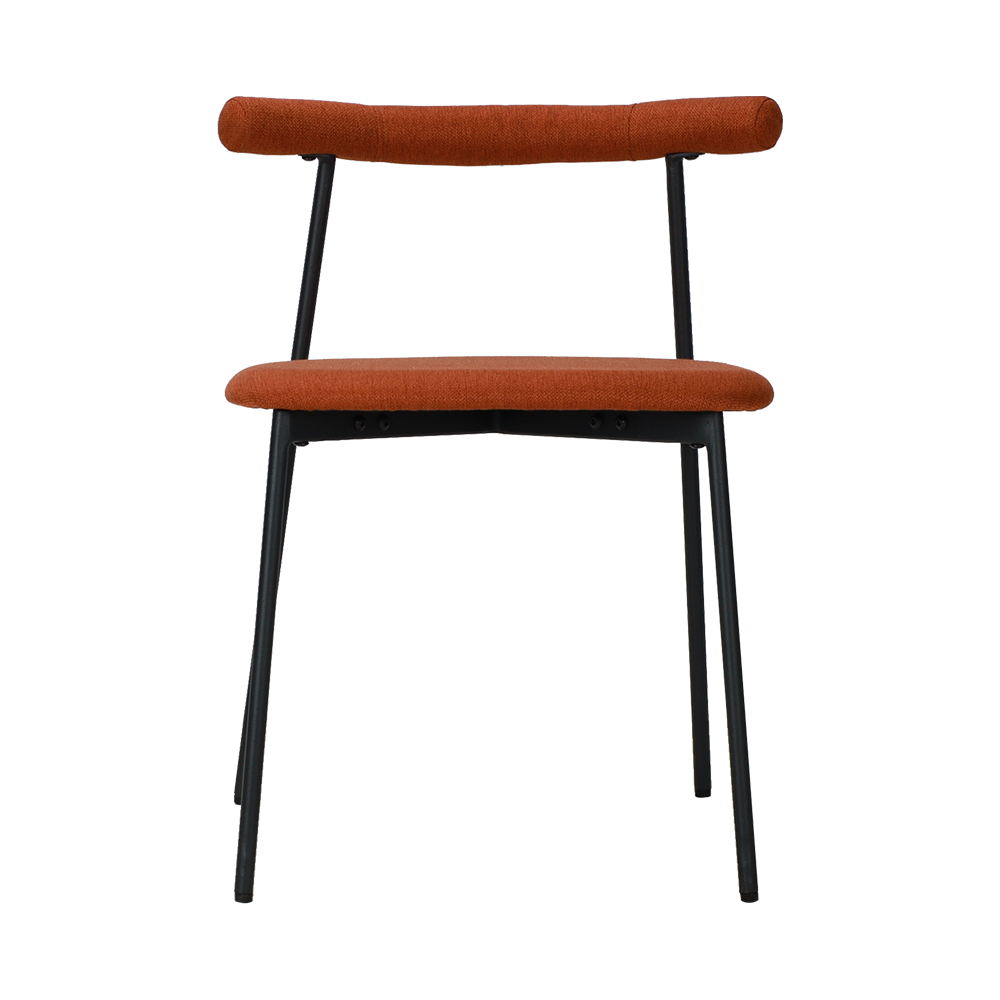 Metal-Leg Dining Chair with Spring Pack Foam CushionThis dining chair combines sturdy powder-coated metal legs with a high-resilience sponge cushion that retains firmness and shape. The curved backrest supports posture, making it a dependable choice for daily dining use.View Product →
The frame material also matters. Solid wood from managed plantations, like rubberwood, is a renewable resource. Metal frames made from steel or aluminum are infinitely recyclable if they are separated at the end of life. A composite frame that blends wood waste with thermoplastics can keep material useful, but the buyer should ask about the exact content and recyclability before assuming it is a sustainable choice.
Practical Buying Advice for Commercial and Residential Spaces
For a restaurant, the first question should be about cleaning. Can the fabric be wiped with a neutral cleaner? Does it hold up to repeated scrubbing? Commercial performance fabrics can meet those needs, but the buyer should require a swatch test before committing to a full order.
For residential use, comfort and appearance tend to carry more weight. However, a family with children or pets should still prioritize abrasion resistance and stain treatment. In both cases, replacing a piece of furniture earlier than necessary is one of the most significant environmental costs in the whole cycle.
Choosing a fabric-upholstered metal bar stool with an easily replaceable cushion is a smart way to manage that risk. When the fabric wears out, the seat can be reupholstered without discarding the frame. That is why we offer upholstered metal bar stools in fabric with cushions designed for longevity.
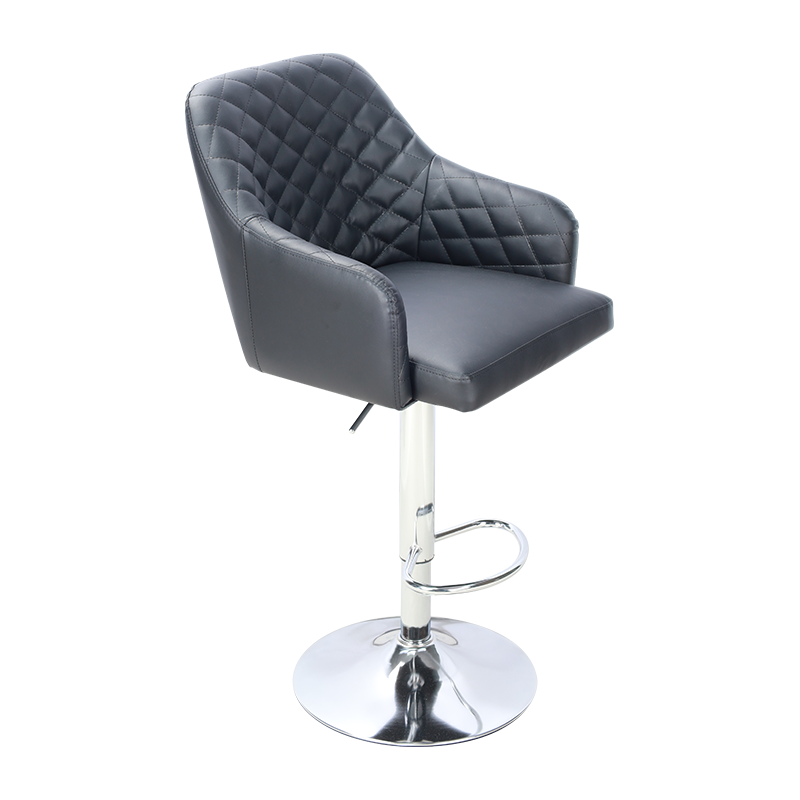 Fabric Upholstered Metal Bar Stool with CushionThis bar stool features a fabric-upholstered seat with a metal frame, offering comfort and stability. The cushion is designed to be easily replaceable, allowing the frame to be reused and extending the stool's service life.View Product →
In the living room, lounge chairs also benefit from thoughtful material choices. More about fabric innovation in lounge chairs can help you see how performance and environmental goals are converging.
Sustainability is not a feature you can judge by a single label. It comes from a chain of decisions: the fiber you choose, the finish applied to it, the cushion and frame underneath it, and how long the finished chair stays in use. For furniture buyers, that last factor is often the most powerful. A chair that lasts ten years instead of three does more for the environment than any single recycled yarn. By asking the right questions about materials, certifications, and durability, purchasing teams can make choices that are both financially reasonable and visibly better for the planet.
-
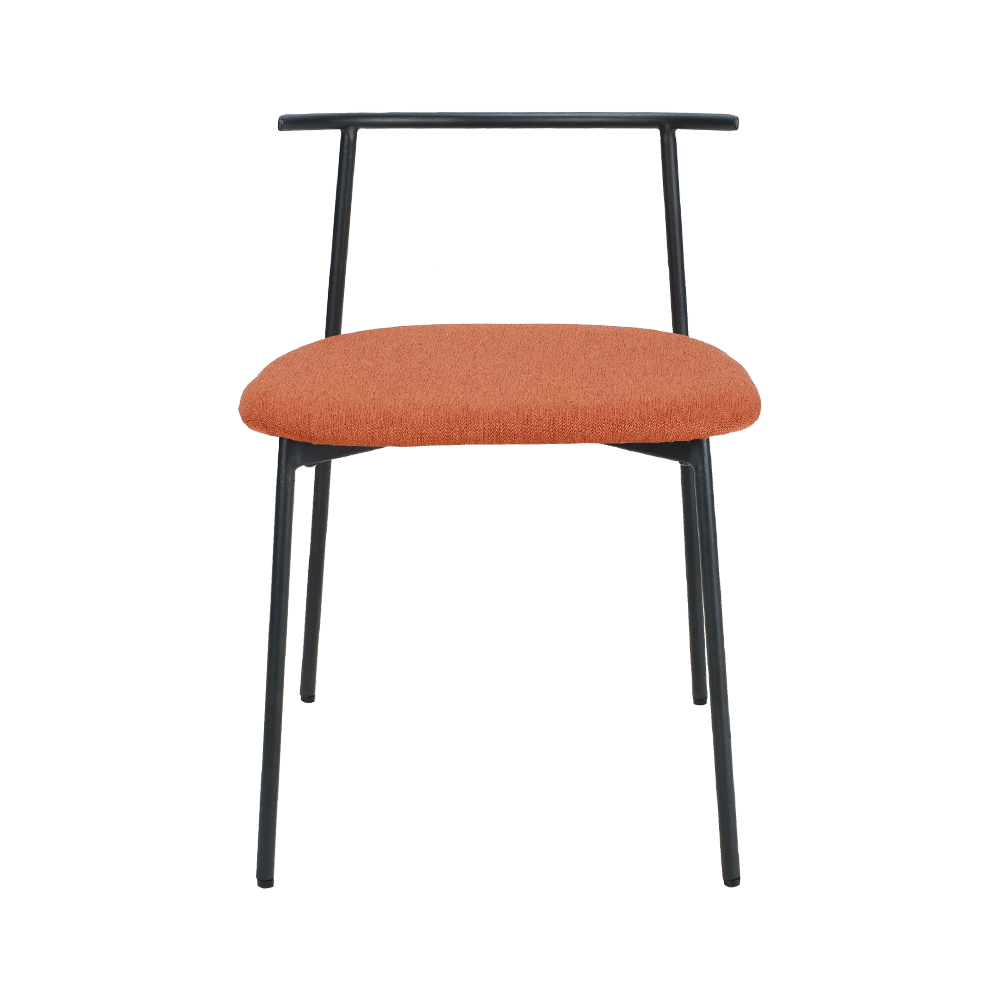
The curved back metal leg dining chair is a blend of modern design and classic comfort, offering an ... -
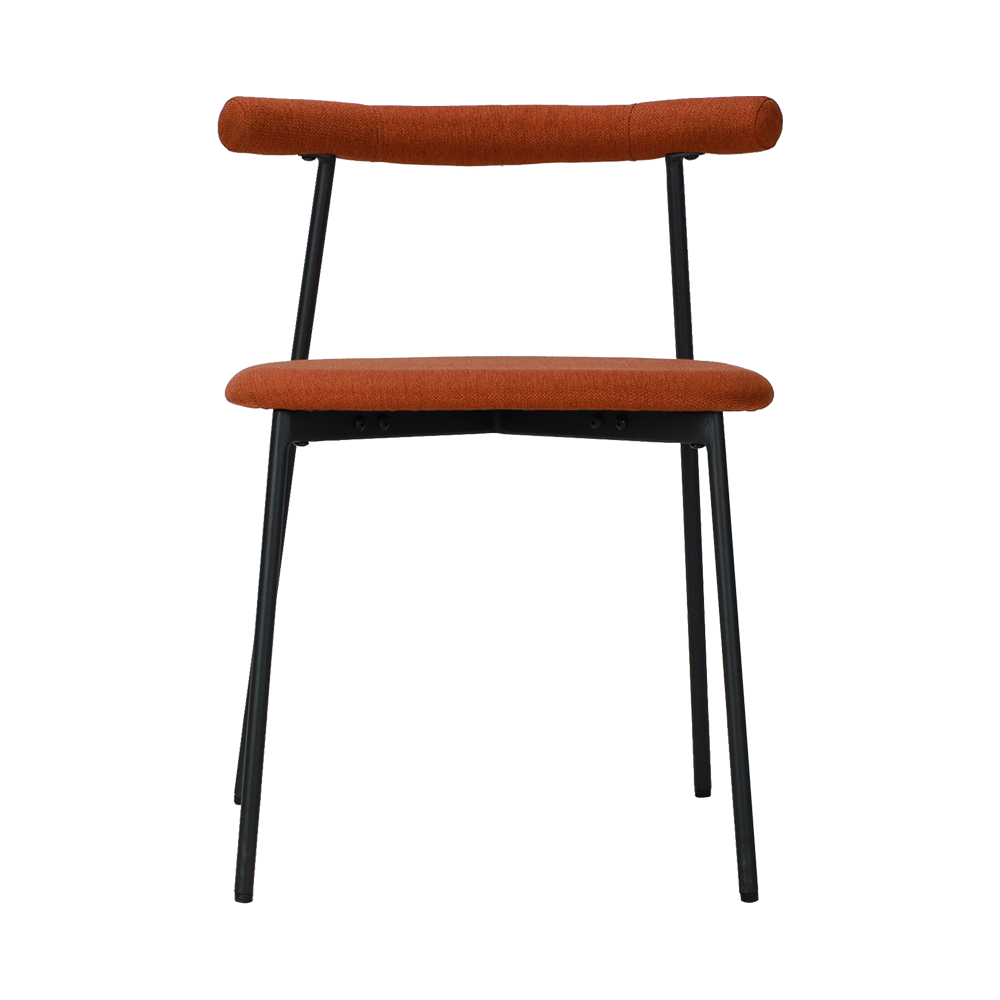
The High Resilience Sponge Cushion Metal Foot Dining Chair offers a blend of comfort, style, and dur... -
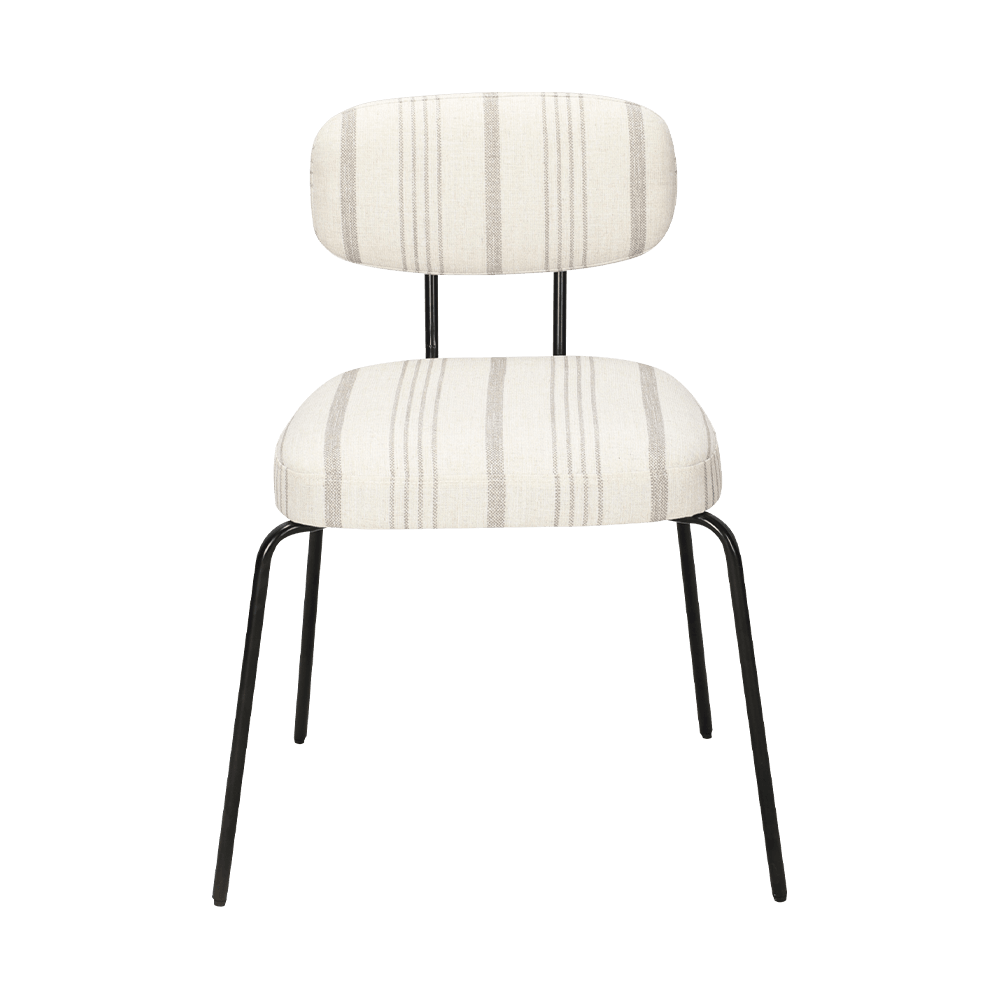
This WS6357 white modern metal dining chair features a simple and elegant design, paired with metal ... -
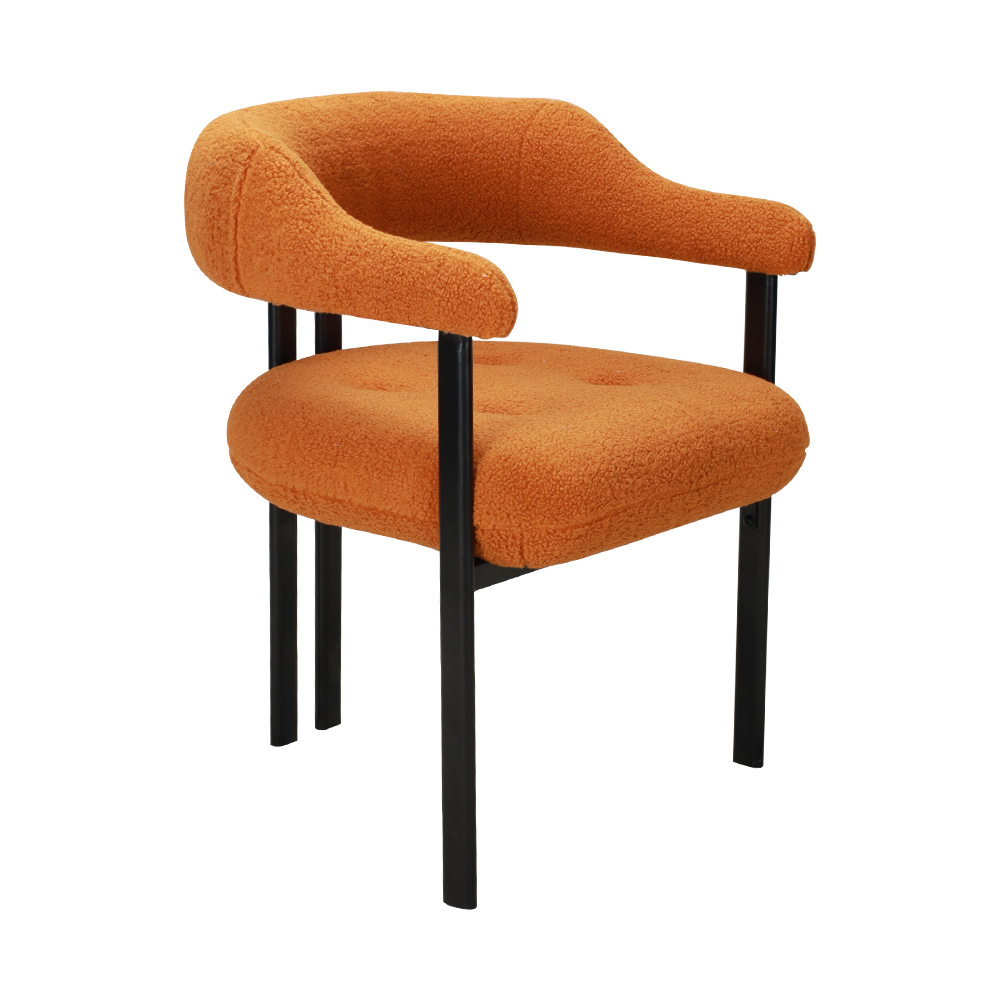
Elevate your dining experience with our WS6353 metal dining chair with a fabric cushion, a blend of ... -
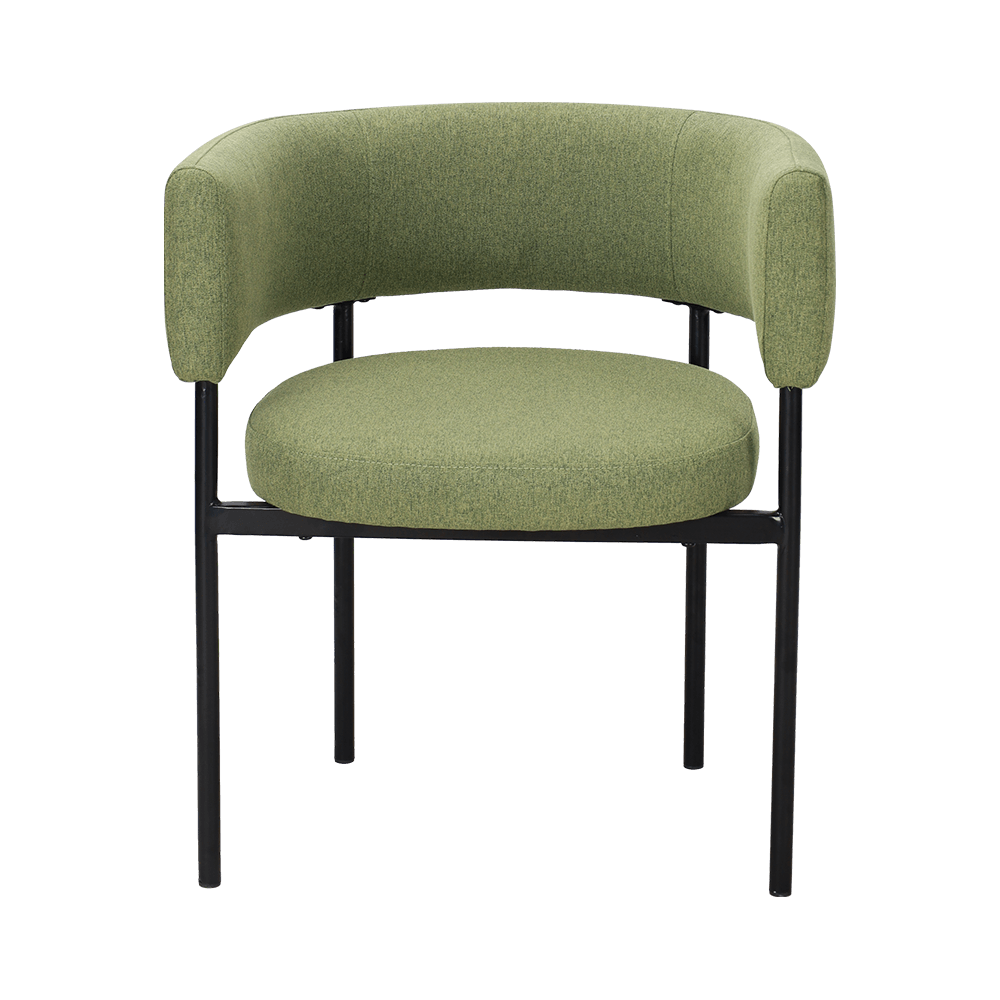
Crafted for both style and functionality, the WS6354 acid green metal leg dining chair features a st... -
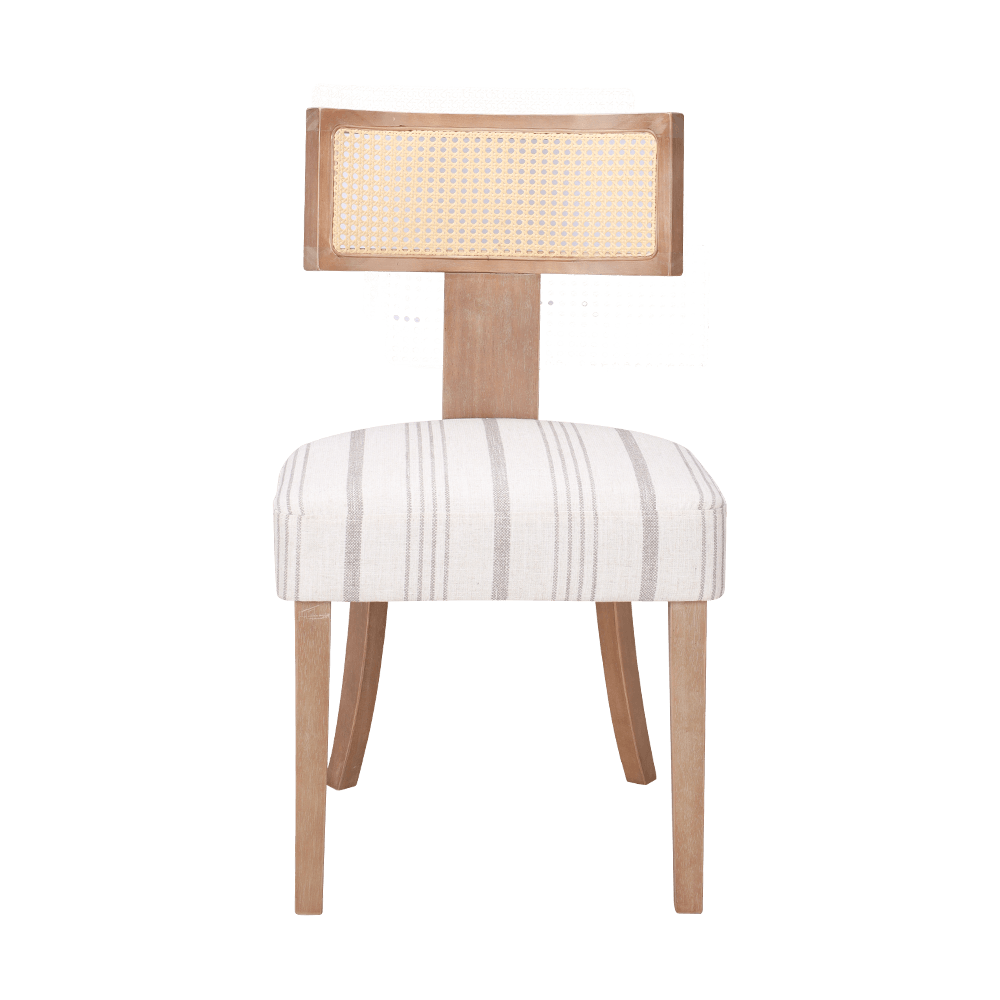
This solid rubber wood dining chair combines natural texture with comfort, featuring a simple yet el... -
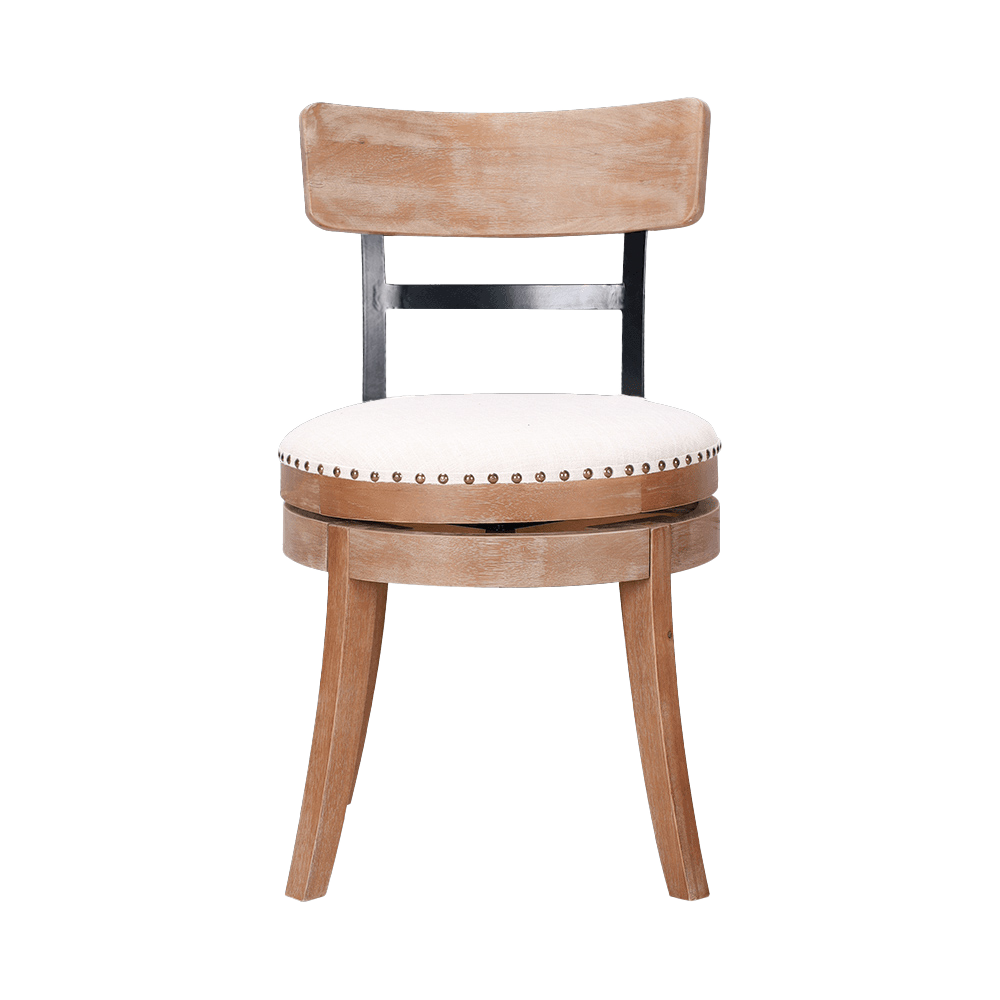
This WS6347 Round Cushion Solid Wood Dining Chair blends comfort with minimalist design, fitting var...

Copyright © Zhejiang Wanchang Furniture Co., Ltd.All Rights Reserved.
Indoor Fabric Sofa Manufacturers

-
 Xucunwancun, Xilong Xiang, Anji County, Zhejiang Province, China
-
 [email protected]
Mobile Site

WeChat Subscription Acount

Copyright © 2024Zhejiang Wanchang Furniture Co., Ltd.
All Rights Reserved.
