


 中文简体
中文简体 English
Furniture Supply Chain: Stages, Risks and How Buyers Should Evaluate Suppliers
Posted by Zhejiang Wanchang Furniture Co., Ltd.
A dining chair looks deceptively simple: a welded frame, a cut of foam, a meter of fabric. Order 900 of them for one container, however, and the furniture supply chain reveals how little slack it really has. A foam delivery runs three days late, the vessel booking slips a week, and a retailer's spring floorset misses its launch window entirely. Furniture is bulky, cube-inefficient, and expensive to expedite, so disruption in this category cuts deeper and lasts longer than in almost any other consumer good.
The conclusion comes first: a furniture supply chain is only as strong as its weakest stage. Importers who audit each stage separately - material sourcing, component manufacturing, quality control, warehousing, freight, and customs - consistently avoid the delay claims, damage disputes, and hidden cost creep that catch less prepared buyers. The sections below break down how the chain works, where it typically fails, and which checks are worth your time before signing with a factory.
Content
- 1 What the Furniture Supply Chain Actually Covers
- 2 Why Furniture Is One of the Hardest Categories to Move
- 3 Where Value Is Created: Sourcing and Manufacturing
- 4 Quality Control: The Tolerances That Decide Return Rates
- 5 Dual-Base Manufacturing: The New Baseline for Resilience
- 6 A Practical Checklist Before You Commit
What the Furniture Supply Chain Actually Covers
In practical terms, the furniture supply chain is the end-to-end process of procuring, producing, and delivering furniture to the end customer. It runs through six stages, and each one has a characteristic failure mode that surfaces later as a claim, a delay, or an unplanned discount.
| Stage | What Happens | Most Common Failure Point |
|---|---|---|
| Raw material sourcing | Timber, steel tube, foam, fabric, and hardware are specified, purchased, and inspected | Price volatility and single-source dependency |
| Manufacturing and assembly | Frames are cut, welded, and shaped; foam is cut; upholstery and finishing are applied | Tolerance stack-up between components |
| Quality control | Load, fatigue, dimensional, and finish inspections before packing | Inspections skipped or rushed during peak season |
| Warehousing and consolidation | Buffer stock, SKU mixing, and container loading plans | Poor palletizing that wastes cube or crushes cartons |
| Freight and customs | Ocean or air booking, documentation, and clearance at destination | Documentation errors and port congestion |
| Distribution and last mile | Delivery to distribution centers, stores, or project sites | Damage during final handling |
Two characteristics set this chain apart from most others. First, furniture is sold by volume, not weight: a 40-foot container usually cubes out long before it weighs out, so every centimeter of wasted packing space is money spent shipping air. Second, the bill of materials is unusually broad. Steel, wood, foam, fabric, and hardware all converge on one assembly line, which means a single late upstream component can idle an entire workshop even when everything else is ready.
Why Furniture Is One of the Hardest Categories to Move
Bulk shapes every logistics decision in this industry. Air freight is rarely economical for seating, so furniture moves predominantly by ocean, which locks in long lead times and makes schedule slips expensive to recover. Heavier, bulkier items are also harder to handle at every touchpoint, from the factory floor to the retail delivery van, and each additional touch raises the probability of damage claims.
Packaging is therefore an engineering task, not an afterthought. Carton strength, corner protection, and internal bracing determine whether a chair survives a stacked sea voyage, and serious factories run drop tests on packed products rather than assuming the carton will hold. Knock-down construction changes the math further: a bar stool that ships with its legs removed occupies a fraction of the cube of an assembled unit, which lowers freight cost per piece and reduces handling damage at the same time. The tradeoff is that knock-down designs demand precise hardware and clear assembly instructions, because poorly toleranced connectors turn into customer complaints at destination.
upholstered metal bar stool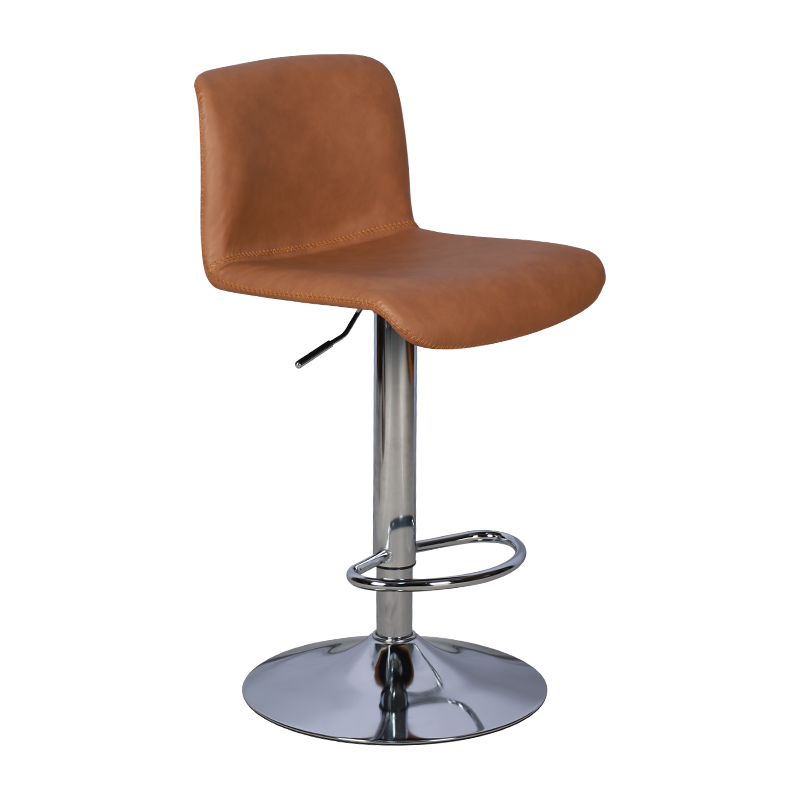 Upholstered Metal Bar Stool with Adjustable HeightA knock-down bar stool with a sturdy metal frame and padded upholstered seat, shown here because flat-pack design reduces shipping cube and freight cost per piece.View Product →
Where Value Is Created: Sourcing and Manufacturing
Cluster effects: why factory location still matters
Location is a supply chain decision before it is a cost decision. Anji in Zhejiang Province is known as China's chair industry capital, and that density matters: frame welders, foam cutters, fabric suppliers, and hardware vendors sit within a short drive of the assembly line. For buyers, cluster proximity translates into faster sampling loops, easier substitution when a component runs short, and lower friction when consolidating mixed SKUs into a single container.
Material decisions that happen upstream
Most quality outcomes are fixed long before assembly begins. Kiln-dried rubber wood should arrive at 8-12% moisture content; anything wetter invites cracking and joint failure once the chair reaches a heated, dry living room. Steel tube wall thickness and its surface treatment - powder coating versus plating - decide how a metal frame handles scratches and humidity. Foam grade matters just as much, because standard sponge compresses within a year of daily use while high-resilience grades hold their shape far longer. A product such as a fabric rubber wood dining chair is a useful reference point here: in one SKU you can inspect exactly these upstream choices, from the wood species and its finish to the cushion foam and the upholstery fabric that will face daily friction.
fabric rubber wood dining chair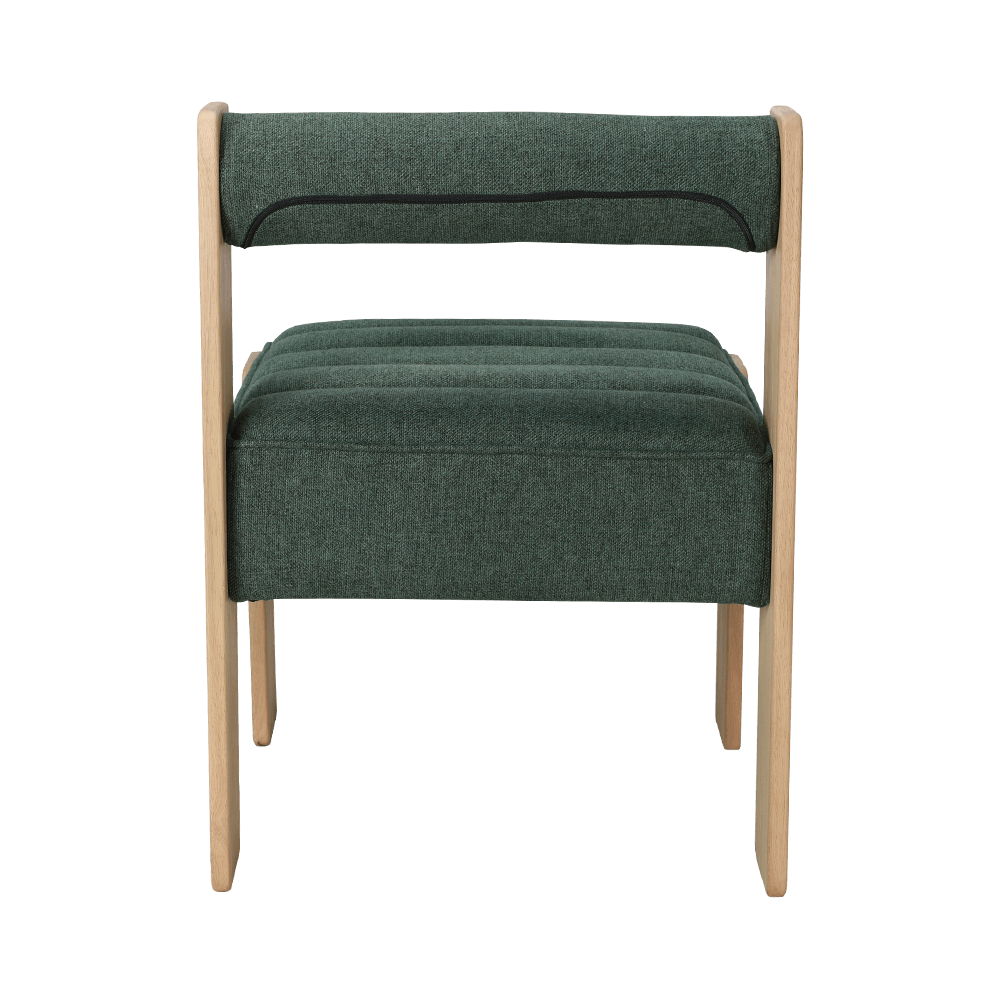 Fabric Rubber Wood Dining ChairA solid rubber wood dining chair with padded fabric seat, useful for inspecting upstream quality choices like wood moisture content, foam grade, and upholstery durability.View Product →
OEM and ODM: turning drawings into repeatable output
For buyers with proprietary designs, the decisive question is not whether a factory can make one beautiful sample, but whether it can make the ten-thousandth unit identical to the first. That requires engineering capacity: converting drawings into fixtures, jigs, and written tolerances, then holding those tolerances across shifts and seasons. This is where OEM relationships are won or lost, and the difference between a trading office and a real manufacturer becomes visible within the first production run; the guide to custom indoor fabric sofa OEM and wholesale production shows what that translation process looks like in practice.
Quality Control: The Tolerances That Decide Return Rates
Quality control is where a supply chain either protects the brand or generates next quarter's claims. Four checkpoints carry most of the weight:
- Frame integrity: weld penetration on metal frames and joint tightness on wooden ones, verified through static load and fatigue testing rather than visual inspection alone.
- Cushion durability: high-resilience sponge, generally 30 kg/m3 density and above, keeps its shape under daily use, and spring-pack foam cushions add a pocket-spring layer that resists the flattened look on heavily used seats.
- Surface systems: coating adhesion and corrosion resistance on metal, plus finish consistency across batches on wood.
- Textile performance: Martindale abrasion results, where roughly 15,000 to 20,000 rubs suit residential seating and 25,000 or more is expected for commercial and hospitality use.
Cushion construction is the easiest checkpoint to test yourself. Sit on a sample for ten minutes, stand up, and watch how quickly the surface recovers; a sofa built with genuinely high-resilience sponge rebounds within seconds, while low-density filling stays compressed. That single test predicts how the product will look after a year on a showroom floor or in a busy living room.
high resilience sponge fabric sofa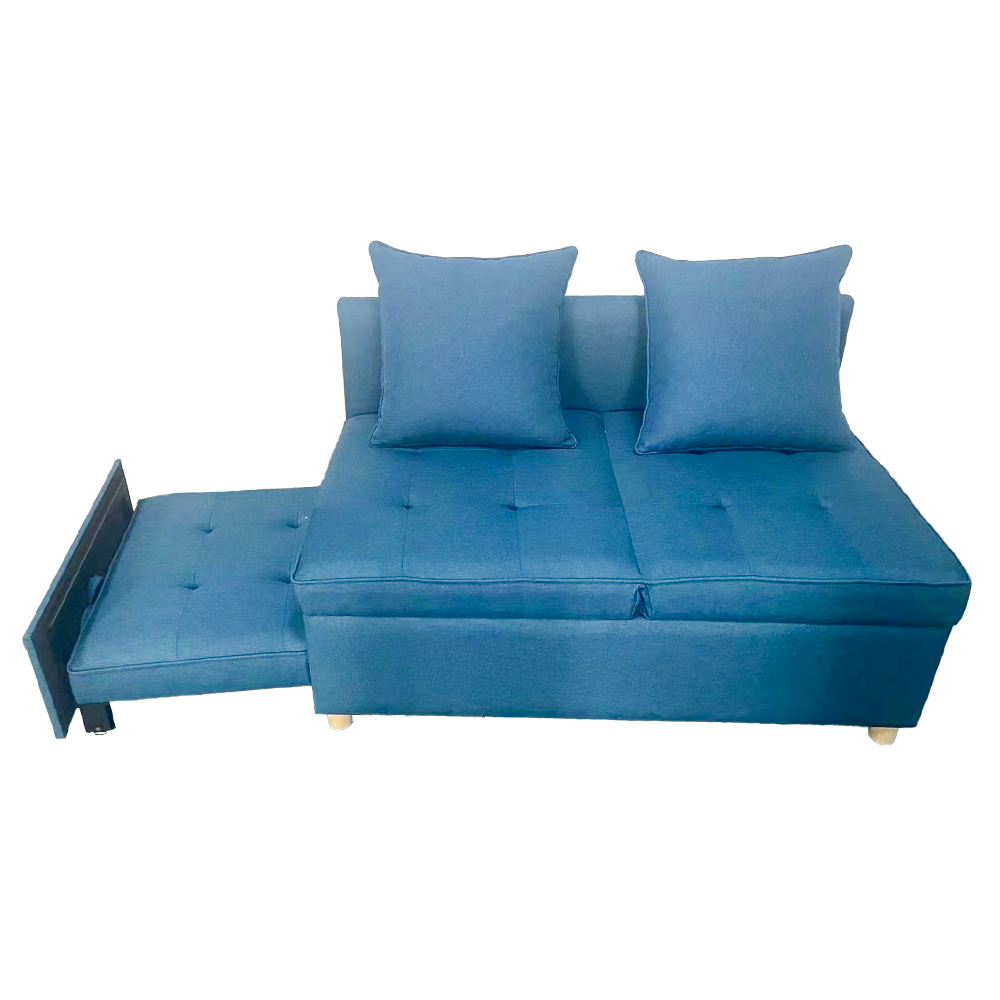 High Resilience Sponge Fabric SofaA fabric sofa with a wooden frame and high-resilience sponge cushions, highlighted because quick rebound after sitting predicts how cushions hold up over long-term use.View Product →
Dual-Base Manufacturing: The New Baseline for Resilience
Freight rate spikes, port congestion, and tariff exposure in recent years have taught buyers the same lesson: a supply chain concentrated in one country is a single point of failure. Multi-base manufacturing has moved from a nice-to-have to standard due diligence for seating programs.
The dual-footprint model is easiest to explain with a concrete case. Wanchang Furniture operates from Anji, where its 70,000-square-meter industrial park and 80,000-square-meter smart production and warehousing base employ more than 500 people, and it has replicated core seating production at Wanchang Furniture (Vietnam) in Binh Duong Province - an 18,000-square-meter plant staffed by 250 professionals within reach of Ho Chi Minh City's container ports. For an importer in Europe or North America, that structure converts supply chain theory into practical options: orders can be routed through Ningbo or through Vietnam depending on capacity, freight conditions, and tariff exposure, and recovery time after a disruption shrinks from months to weeks. The company profile details both bases for buyers evaluating this kind of setup.
Three questions tell you whether a supplier's multi-base story is real: can the same SKU be produced to the same specification at both sites, does each base have independent access to components and ports, and does either base carry buffer stock for your program?
A Practical Checklist Before You Commit
Before signing a purchase agreement, put the following checks in writing with your supplier:
- Sample-to-production consistency: cut open a random carton from a mid-run shipment and compare it against the approved golden sample.
- Material traceability: confirm that foam grades, wood moisture specs, and fabric abrasion ratings are written into the contract, not just the quotation.
- Peak-season capacity: verify that published lead times hold during the July-to-October shipping peak.
- Packing specification: request drop-test evidence and palletizing plans for your exact SKUs.
- Multi-base options: establish which products can shift between China and Vietnam lines if one route is disrupted.
- After-sales parts: check availability of replacement hardware and cushions, which cost far less to ship than whole units.
Treat the supply chain as part of the product itself. Two chairs with identical specifications can deliver completely different business outcomes if one comes from a factory that controls its materials, packs for a stacked sea voyage, and can shift production between two countries. Buyers who inspect the chain stage by stage, with the same rigor they apply to the product, are the ones whose containers arrive when promised.
-
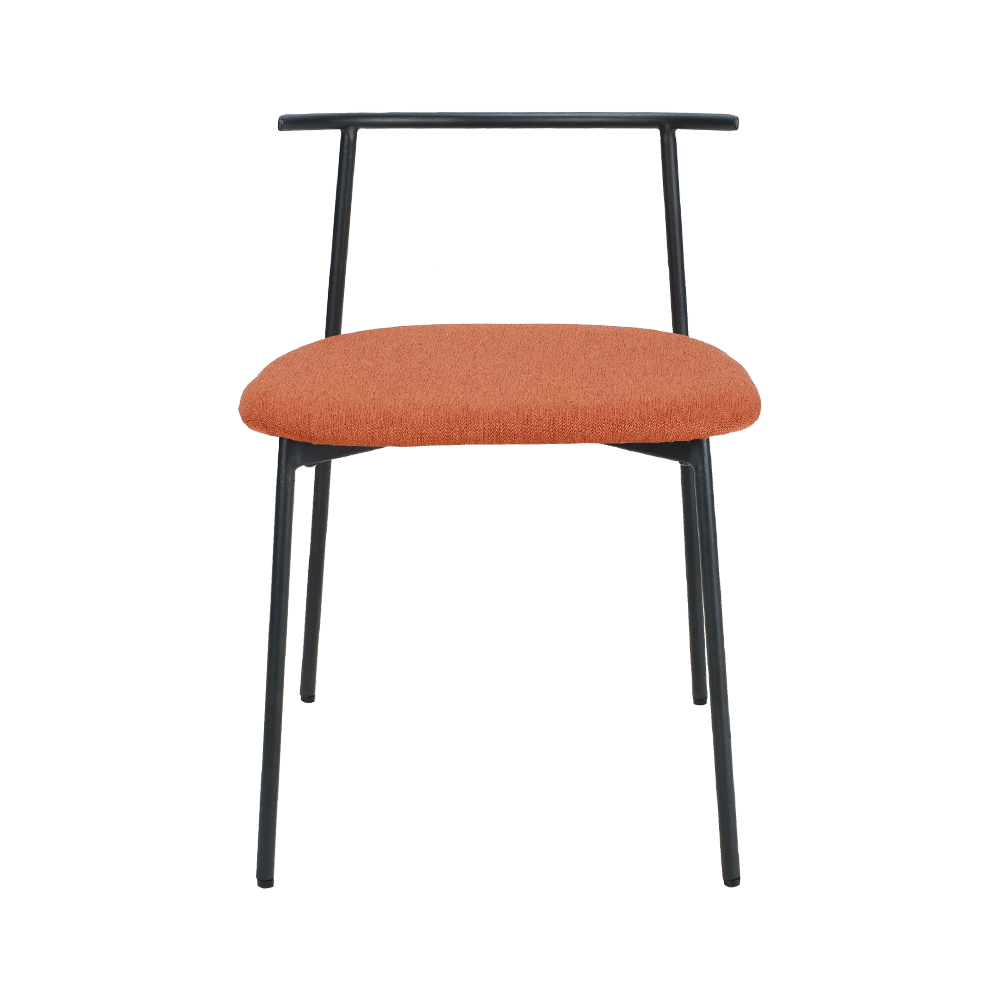
The curved back metal leg dining chair is a blend of modern design and classic comfort, offering an ... -
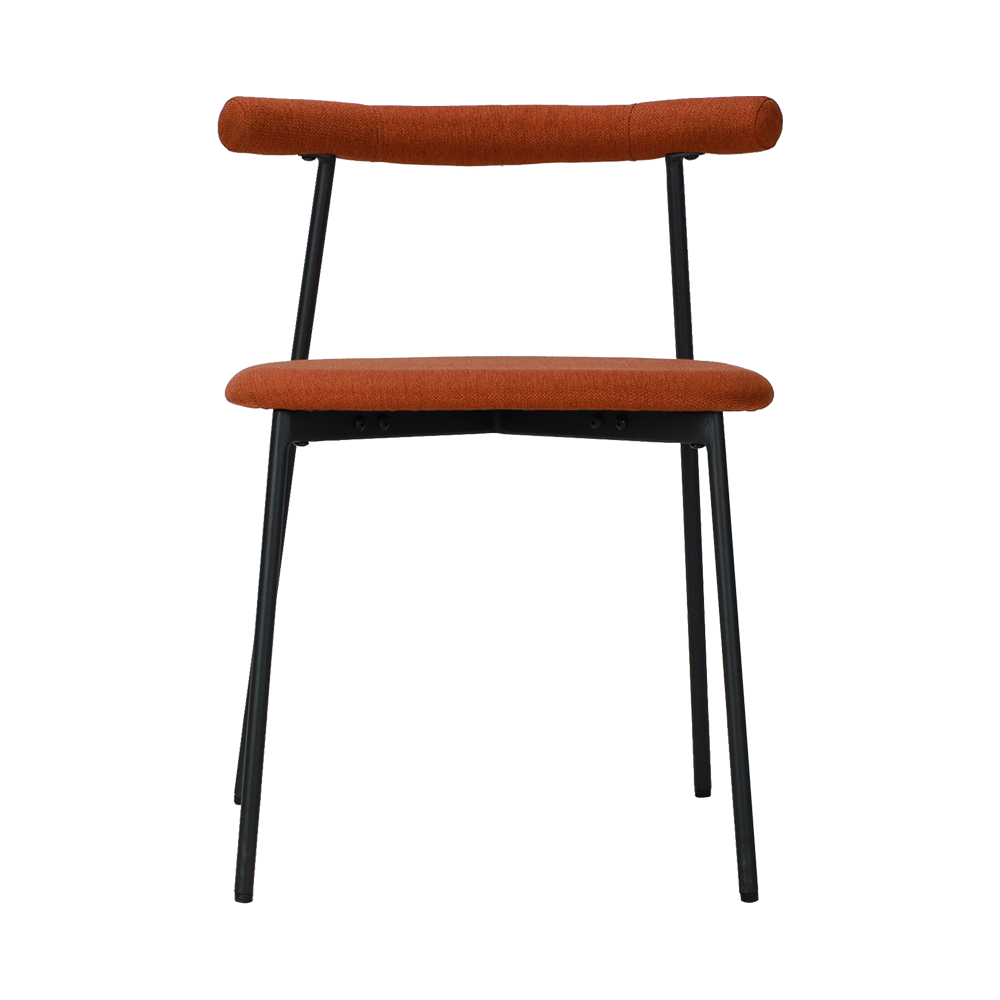
The High Resilience Sponge Cushion Metal Foot Dining Chair offers a blend of comfort, style, and dur... -
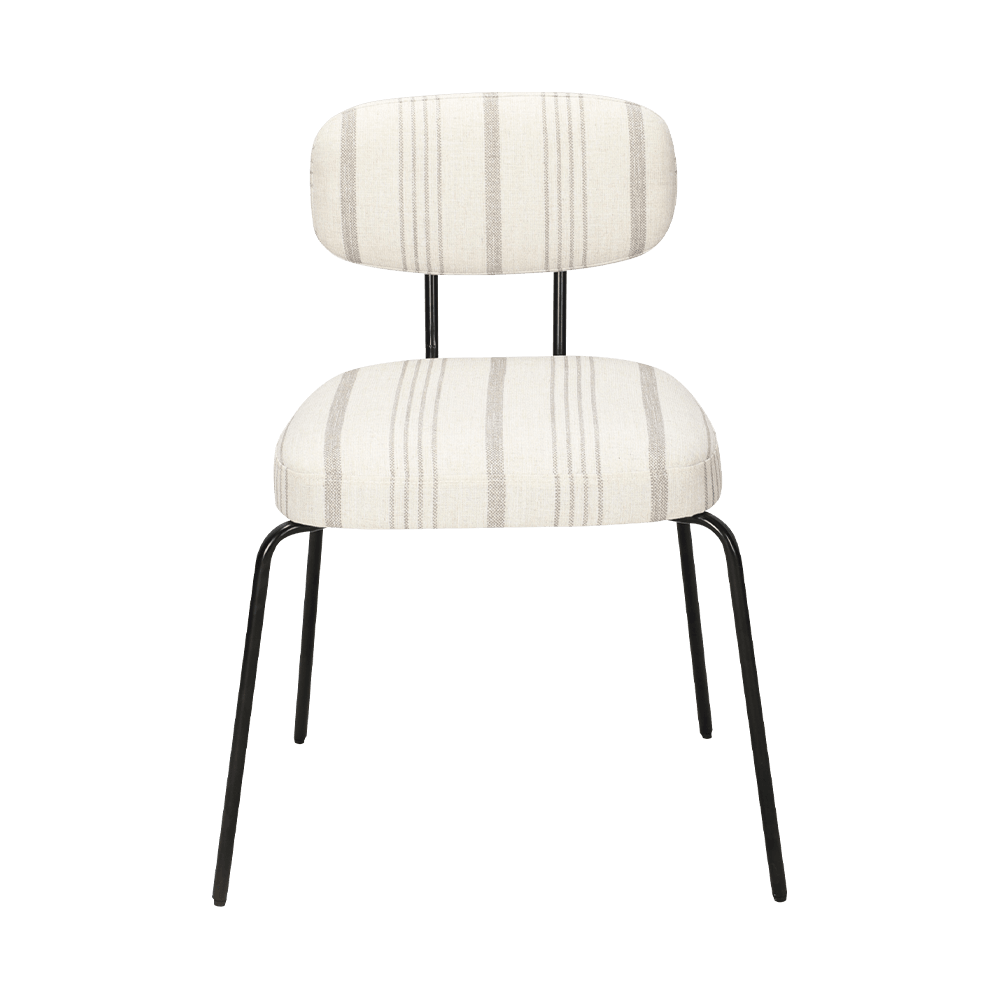
This WS6357 white modern metal dining chair features a simple and elegant design, paired with metal ... -
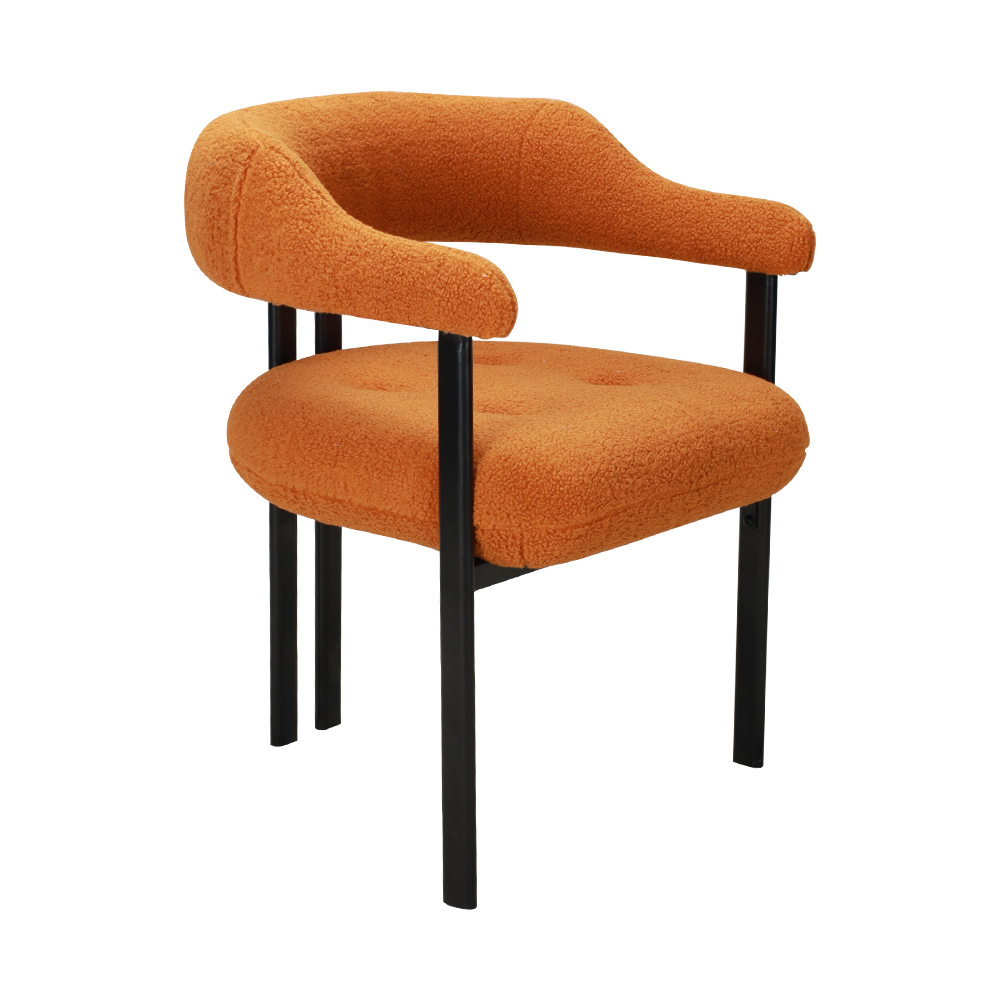
Elevate your dining experience with our WS6353 metal dining chair with a fabric cushion, a blend of ... -
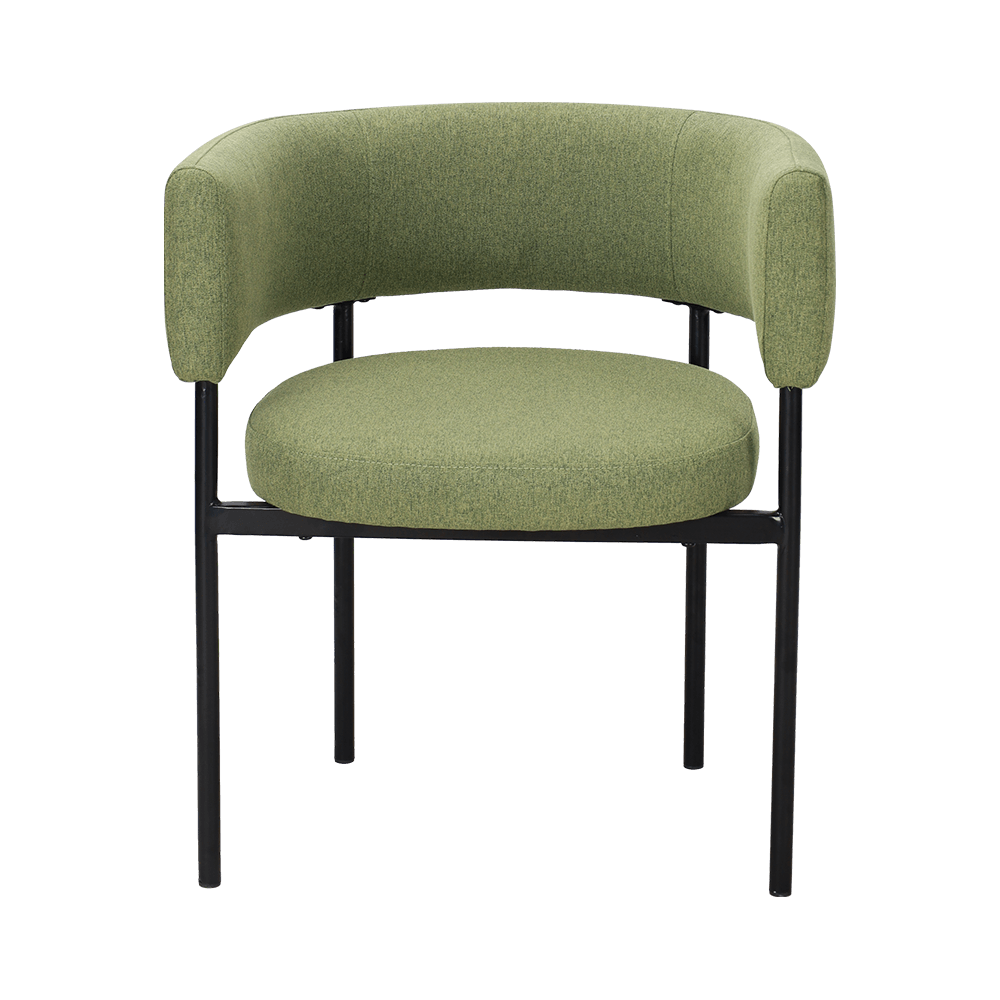
Crafted for both style and functionality, the WS6354 acid green metal leg dining chair features a st... -
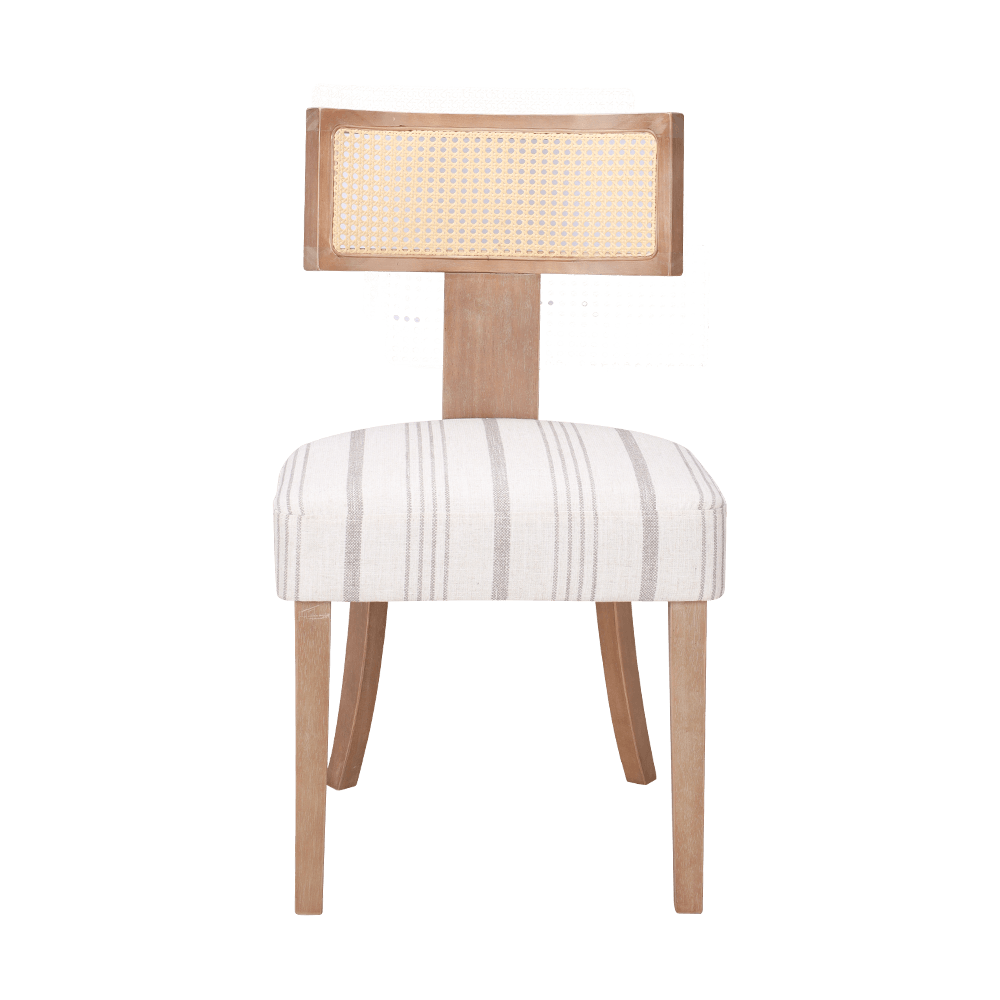
This solid rubber wood dining chair combines natural texture with comfort, featuring a simple yet el... -
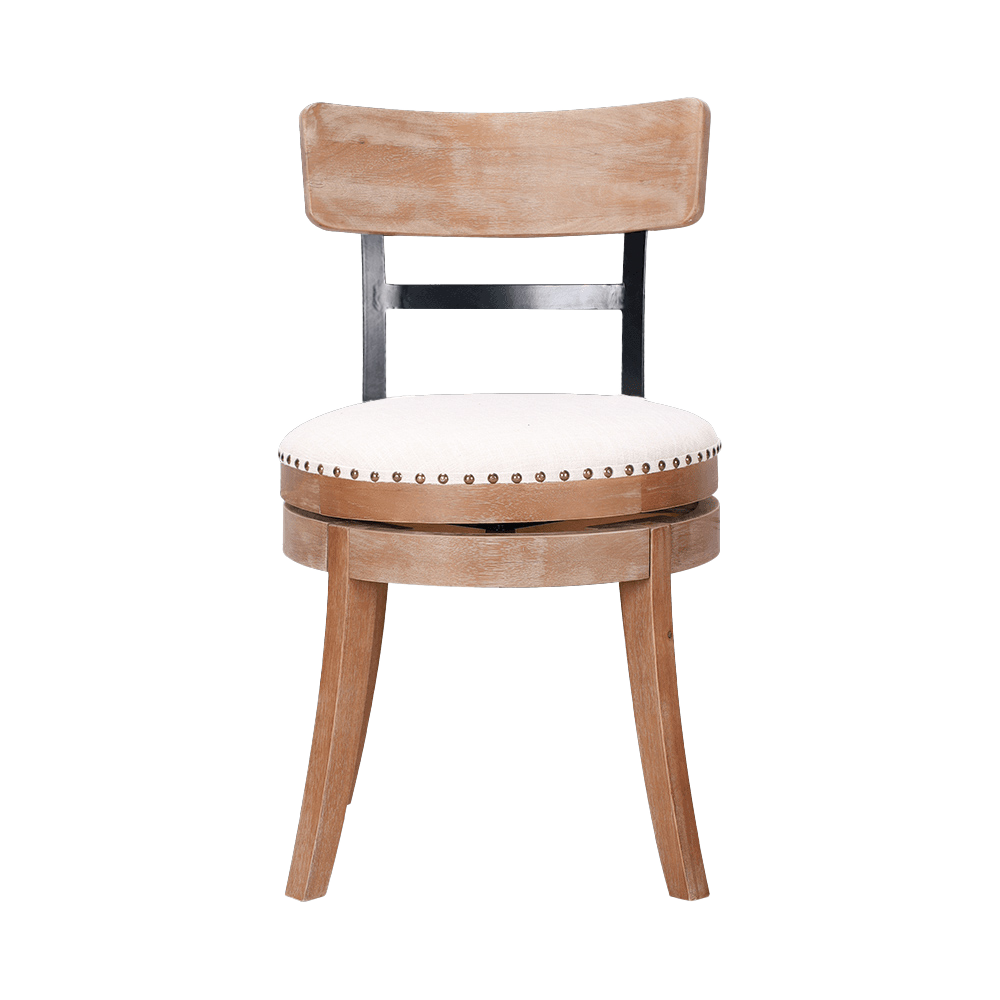
This WS6347 Round Cushion Solid Wood Dining Chair blends comfort with minimalist design, fitting var...

Copyright © Zhejiang Wanchang Furniture Co., Ltd.All Rights Reserved.
Indoor Fabric Sofa Manufacturers

-
 Xucunwancun, Xilong Xiang, Anji County, Zhejiang Province, China
-
 [email protected]
Mobile Site

WeChat Subscription Acount

Copyright © 2024Zhejiang Wanchang Furniture Co., Ltd.
All Rights Reserved.
