


 中文简体
中文简体 English
Formaldehyde in Furniture: How to Choose Safer, Low-Emitting Pieces for Your Home
Posted by Zhejiang Wanchang Furniture Co., Ltd.
Buying new furniture often comes with that familiar chemical smell, especially from upholstered chairs and composite wood pieces. That smell is usually formaldehyde, a colorless gas used in adhesives, resins, and fabric finishes. It is also one of the most discussed indoor air quality concerns. The key thing to know is that formaldehyde in furniture is manageable: by choosing the right materials and asking the right questions, you can dramatically reduce your exposure and still buy comfortable, stylish seating.
Content
What Is Formaldehyde and Why Is It in Furniture?
Formaldehyde is a simple organic compound with a pungent odor. It is produced naturally in small amounts by plants and animals, but it is also a high-volume industrial chemical. In furniture production, formaldehyde is mainly used as an adhesive resin in engineered wood products such as particleboard, medium-density fiberboard (MDF), and plywood. It is also present in some upholstery fabrics, foam fillings, and surface finishes.
When furniture contains urea-formaldehyde (UF) resins, the chemical can slowly release gas into the air. This process, called off-gassing, is strongest when the product is new and rises with temperature and humidity. Because modern homes are often well sealed, the gas can accumulate indoors, which is why formaldehyde in furniture has become a public health topic.
The type of furniture matters. A pressed-wood bookcase and a solid wood dining chair start from very different raw ingredients. Even two sofas from the same price range can have different emission levels depending on whether the frame uses particleboard or kiln-dried hardwood. Understanding these differences is the first step toward safer purchases.
Which Furniture Carries the Highest Formaldehyde Risk?
Not all furniture releases formaldehyde at the same rate. The risk depends on the raw materials and how they are assembled. The table below summarizes common material types and their relative formaldehyde risk.
| Material | Formaldehyde Risk | Why It Matters |
|---|---|---|
| Particleboard / MDF | High | Glue holding fibers together often contains urea-formaldehyde resin. |
| Plywood | Medium | Layered veneer adhesives may include formaldehyde, but lower resin content. |
| Solid wood | Low | Wood itself has no formaldehyde; only finishes or attached panels can add it. |
| Metal frames | Very low | Metal construction avoids wood adhesives entirely. |
| Foam and fabric | Low to medium | Some foam and fabric treatments emit formaldehyde or other VOCs. |
This is why budget furniture made from fluted particleboard often has a stronger odor than a solid wood or metal frame chair. The choice of materials is the first and most effective lever you have. If you are buying a dining set, for example, you can choose a table made from solid oak and chairs with metal legs, avoiding composite panels altogether. If you are furnishing a café or restaurant, the same rule applies: prioritize frames and surfaces that do not rely on glued wood chips.
Health Effects and Safe Exposure Levels
At typical indoor concentrations, formaldehyde can irritate the eyes, nose, and throat. Many people smell it at levels around 0.1 parts per million (ppm), and sensitive individuals may experience headaches or breathing discomfort. Long-term exposure to elevated formaldehyde levels has been linked to respiratory problems, and the chemical is classified as a known human carcinogen at high concentrations.
That sounds worrying, but context matters. In a normal home, furniture alone rarely produces extremely high levels. The bigger concern is the cumulative effect of multiple sources, such as furniture, flooring, and cleaning products, especially in a small room with low ventilation. Keeping indoor levels below 0.1 ppm is a reasonable target recommended by many environmental health agencies.
People who spend a lot of time indoors—children, the elderly, and those with asthma—are more vulnerable. A nursery with a new particleboard dresser and a tightly closed window is a more critical scenario than a large, open-plan living room. This is why we recommend paying extra attention to the materials used in children's rooms and in high-occupancy commercial spaces like offices or waiting rooms.
How to Choose Low-Formaldehyde Furniture
Here is the bottom line: the safest strategy is to avoid products made with urea-formaldehyde adhesives altogether. When you buy seating or case goods, apply the following checks.
1. Choose Solid Wood or Metal Frames
Solid wood and metal frames eliminate the composite panels that are the dominant source of formaldehyde. For dining rooms, a solid rubber wood dining chair uses a single-piece wood frame and requires minimal glue. In commercial settings, a metal leg dining chair with a high-resilience cushion offers durable construction with no wood-based adhesives in the frame.
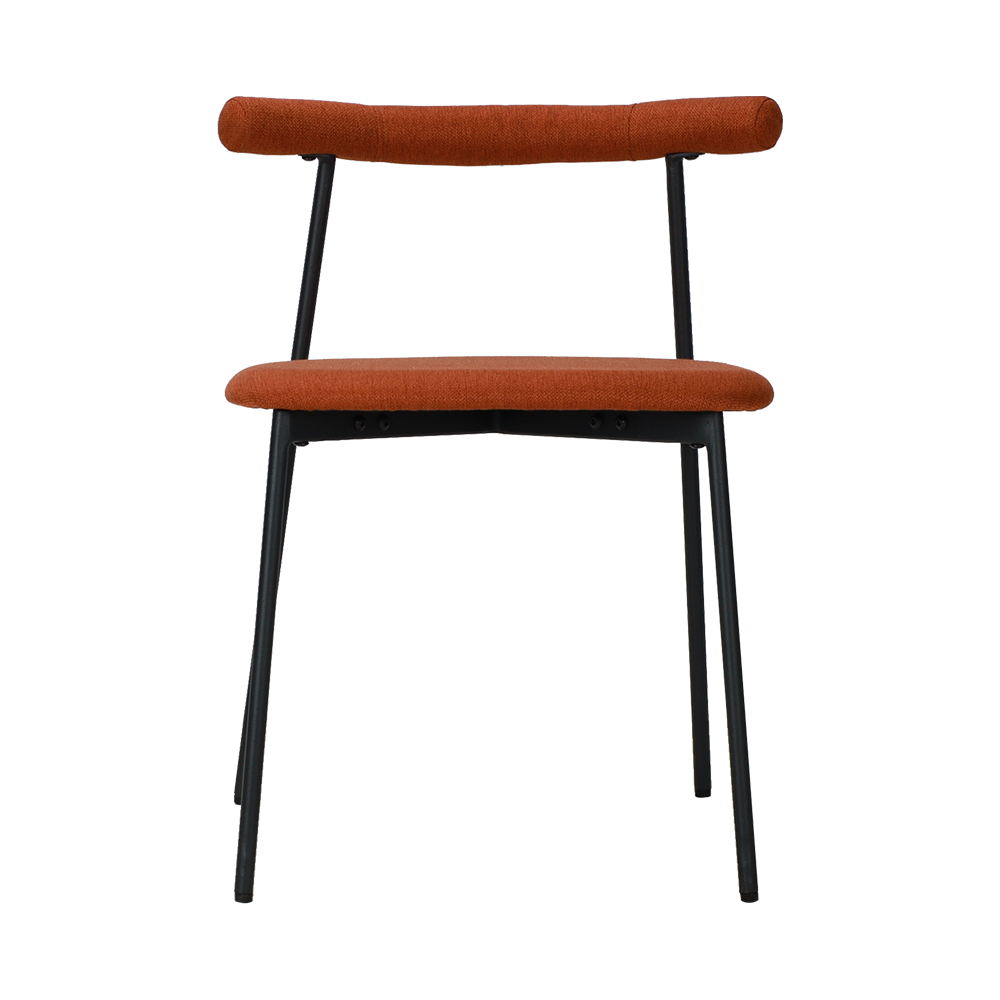 High resilience sponge cushion dining chair Manufacturers, Company - Zhejiang WaWanchang Furniture - High resilience sponge cushion dining chair Manufacturers and Company in China, Custom High resilience sponge cushio...View Product →
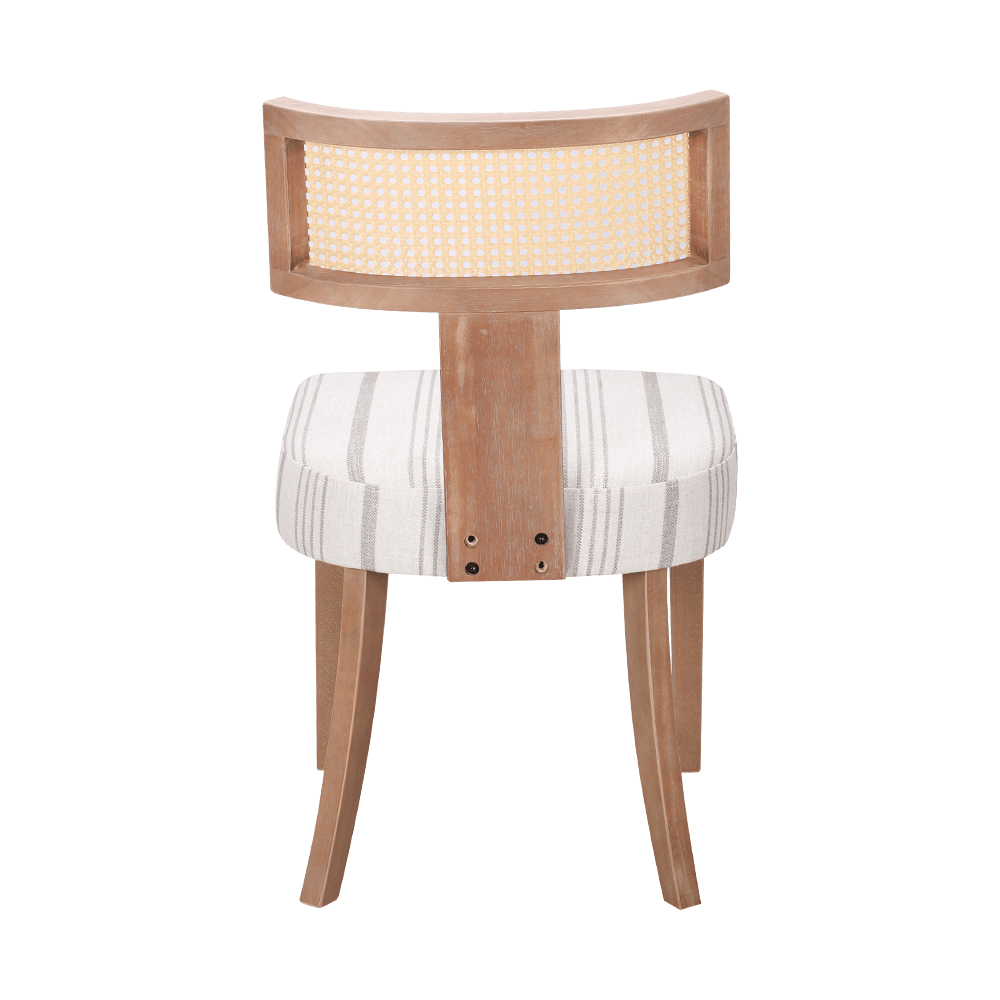 Rubber wood sponge cushion dining chair Manufacturers, Company - Zhejiang WanchaWanchang Furniture - Rubber wood sponge cushion dining chair Manufacturers and Company in China, Custom Rubber wood sponge cushion dining...View Product →
2. Verify the Adhesives and Finishes
Even solid wood chairs can have added formaldehyde if a low-quality finish or a glued-on cushion board is used. Ask your supplier for the adhesive and finish specifications. Look for terms like "no added formaldehyde" (NAF), "ultra-low-emitting formaldehyde" (ULEF), or China's ENF grade. A reputable supplier will provide a test report from the adhesive manufacturer, not just a verbal promise.
3. Look for Low-Emitting Certifications
Certification labels give you a shortcut. In the United States, TSCA Title VI requires composite wood panels to be tested for formaldehyde. In Europe, E1 is the basic class for low emission, while the strictest Japanese standard is F4-star. Ask for the test report, not just a verbal claim. Also check for third-party labels like CARB Phase 2, which for many years represented the strong emissions limits for particleboard.
4. Ask About Upholstery and Foam
Seating with foam cushions and fabric covers can also release chemicals. High-resilience polyurethane foam generally has lower formaldehyde content than cheaper rebond foam, but you should still request a VOC emission report. For lounge areas, a rubber wood resting chair with sponge cushion uses a simple construction and standard foam, making it easier to verify the exact materials used.
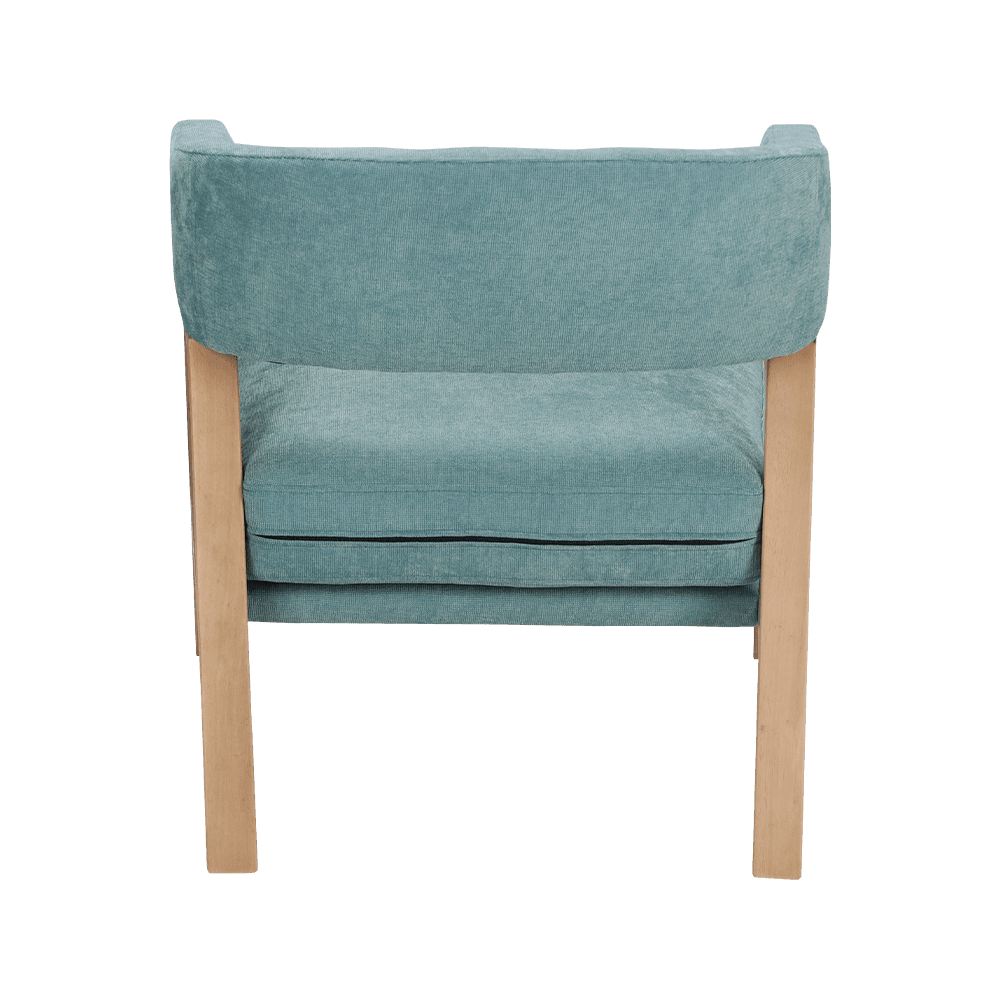 Rubber Wood Sponge Cushion Resting Chair Manufacturers, Company - Zhejiang WanchWanchang Furniture - Rubber Wood Sponge Cushion Resting Chair Manufacturers and Company in China, Custom Rubber Wood Sponge Cushion Resti...View Product →
If you need help comparing frame materials, our metal leg dining chair vs solid wood dining chair guide explains the trade-offs in more detail.
How to Reduce Formaldehyde After Purchase
If you already own furniture that off-gases, you can lower your exposure with practical steps.
First, bring new pieces into the room only after airing them out. Ideally, keep them in a garage, balcony, or ventilated space for a few days before moving them into your living area. If that is not possible, place the item near an open window and run a fan for the first two weeks.
Second, increase ventilation by opening windows and using exhaust fans. Cross-ventilation actively removes formaldehyde gas that would otherwise linger. Third, control humidity and temperature—formaldehyde emission rises in heat and humidity. Use a dehumidifier in humid climates and keep your thermostat at a comfortable, not excessive, level.
Fourth, use an air purifier with activated carbon; standard particle filters do not capture gases. Look for filters that specifically state VOCs and formaldehyde removal. Fifth, wash removable fabric covers if the care label allows, since washing helps remove chemical residues. For leather or faux leather, wipe the surface with a damp cloth.
Most off-gassing declines significantly after a few weeks, but the worst period is the first week or two. If a piece has a strong odor for several months, consider returning it or repurposing it to a well-ventilated outdoor or semi-outdoor space.
Why a Reliable Manufacturer Makes a Difference
Beyond choosing individual products, working with a manufacturer that controls its material sourcing is critical. A transparent supplier can show you the adhesive type, the foam density, and the finishing process before you commit to a large order. That is why our company profile matters: with manufacturing facilities in China and Vietnam, we produce seating from rubber wood, metal, and certified upholstery foams, and we track the chemical inputs for every production line.
When a factory can name the resin used in its chair back panels, you know the formaldehyde question is being handled seriously. Importers and buyers should ask for the same documentation from any vendor: adhesive data sheets, panel test reports, and finished product VOC tests. A few minutes of due diligence protects your customers and your reputation.
Another point is production consistency. Large serial production with standardized procedures is less likely to switch to a cheaper, higher-formaldehyde glue behind your back. A manufacturer with export experience to Europe and North America is used to meeting strict emission requirements, and those compliance routines are usually embedded in the production process. If you are sourcing a thousand chairs for a hotel, the potential liability of a bad batch is much higher than for a single home buyer—so this level of verification matters even more.
Formaldehyde in furniture is a real issue, but it is not a reason to abandon well-made seating. Focus on solid materials, verified adhesives, and proper ventilation. Whether you are furnishing a home or equipping a restaurant, the same principles apply. Choose manufacturers who invest in cleaner production, and you will get furniture that looks good, lasts, and keeps the air your family breathes that much cleaner.
-
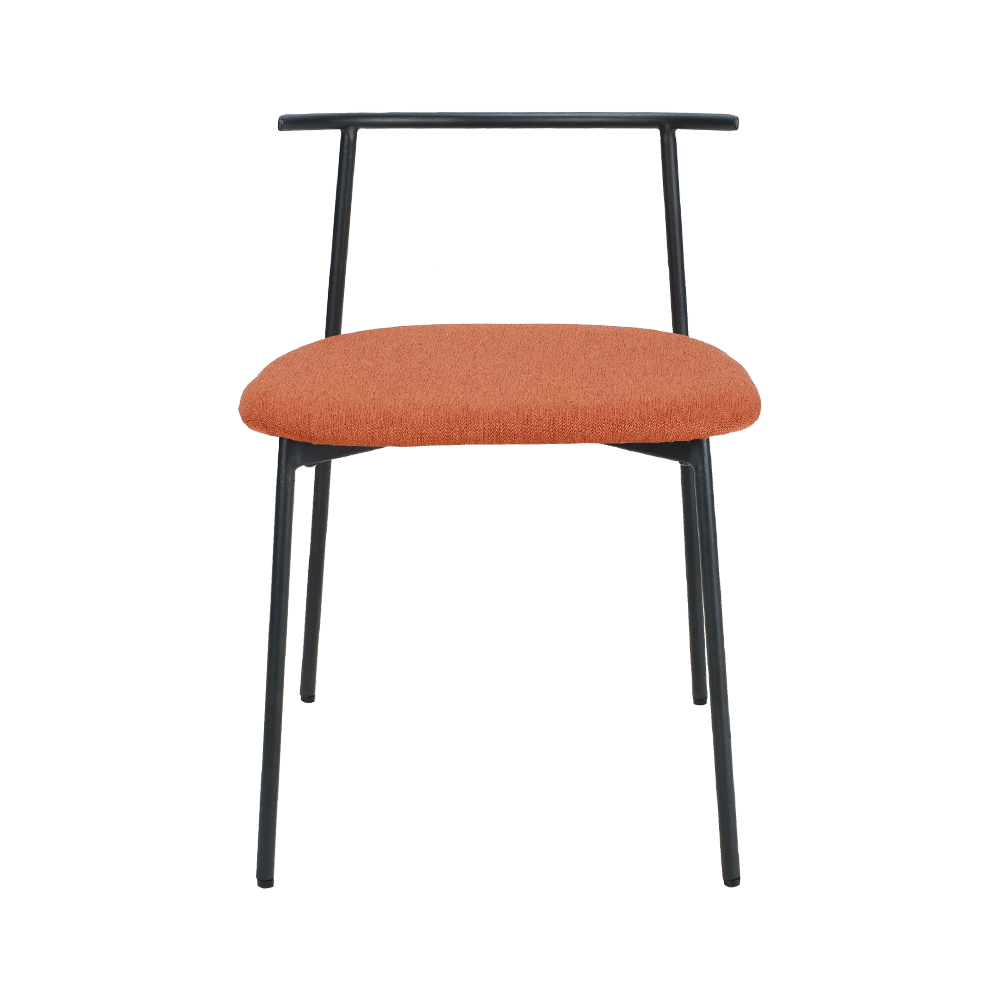
The curved back metal leg dining chair is a blend of modern design and classic comfort, offering an ... -
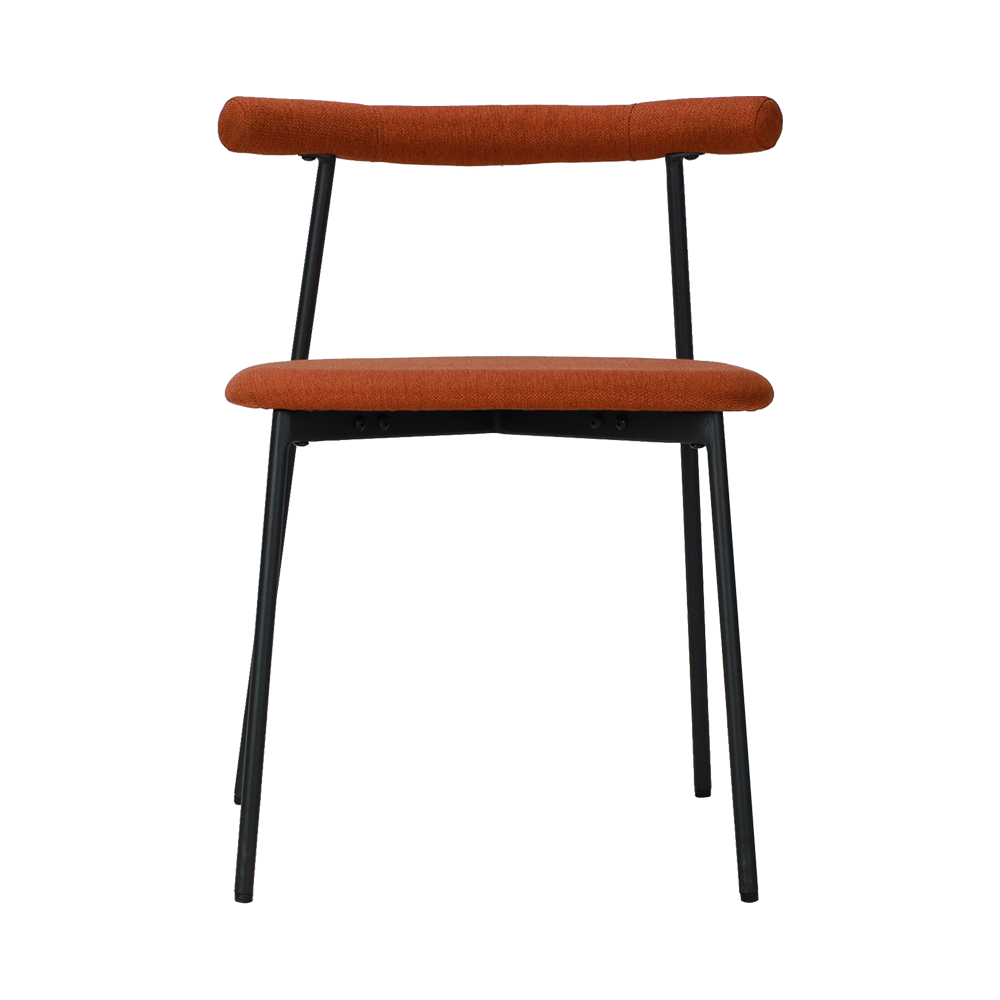
The High Resilience Sponge Cushion Metal Foot Dining Chair offers a blend of comfort, style, and dur... -
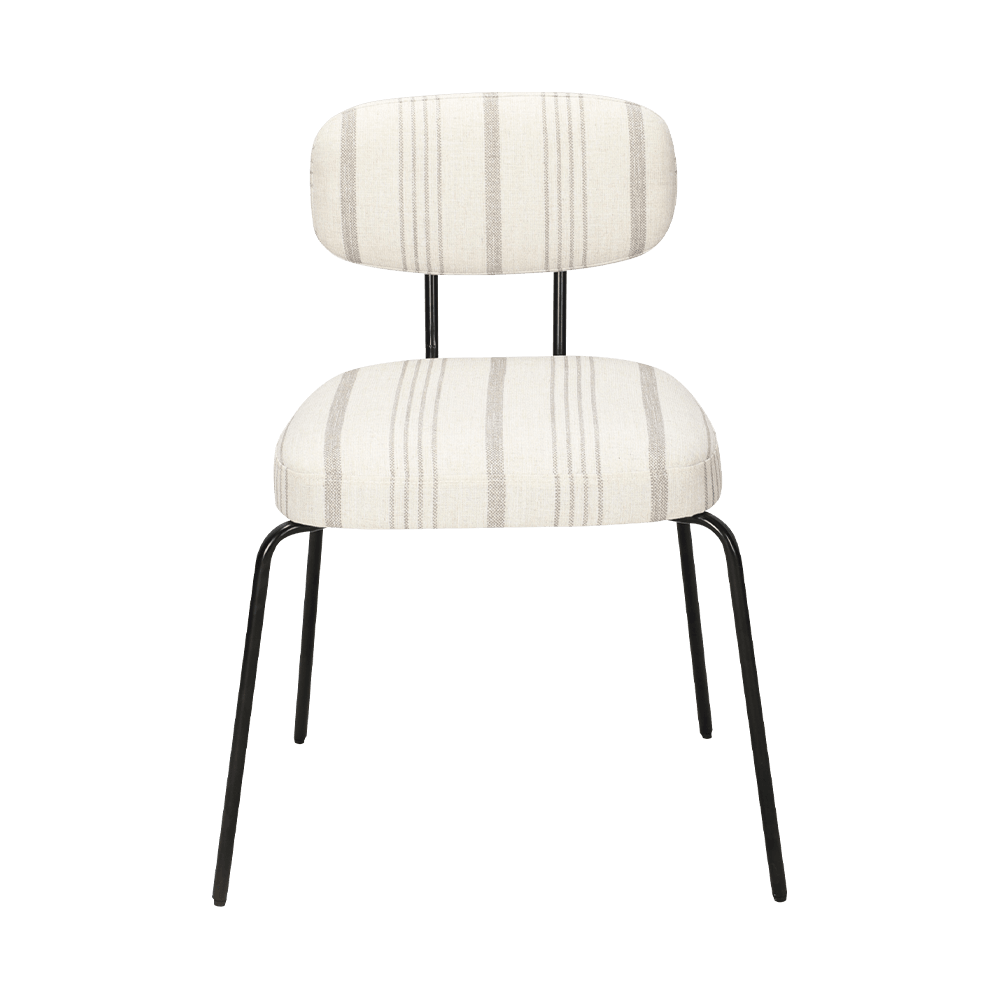
This WS6357 white modern metal dining chair features a simple and elegant design, paired with metal ... -
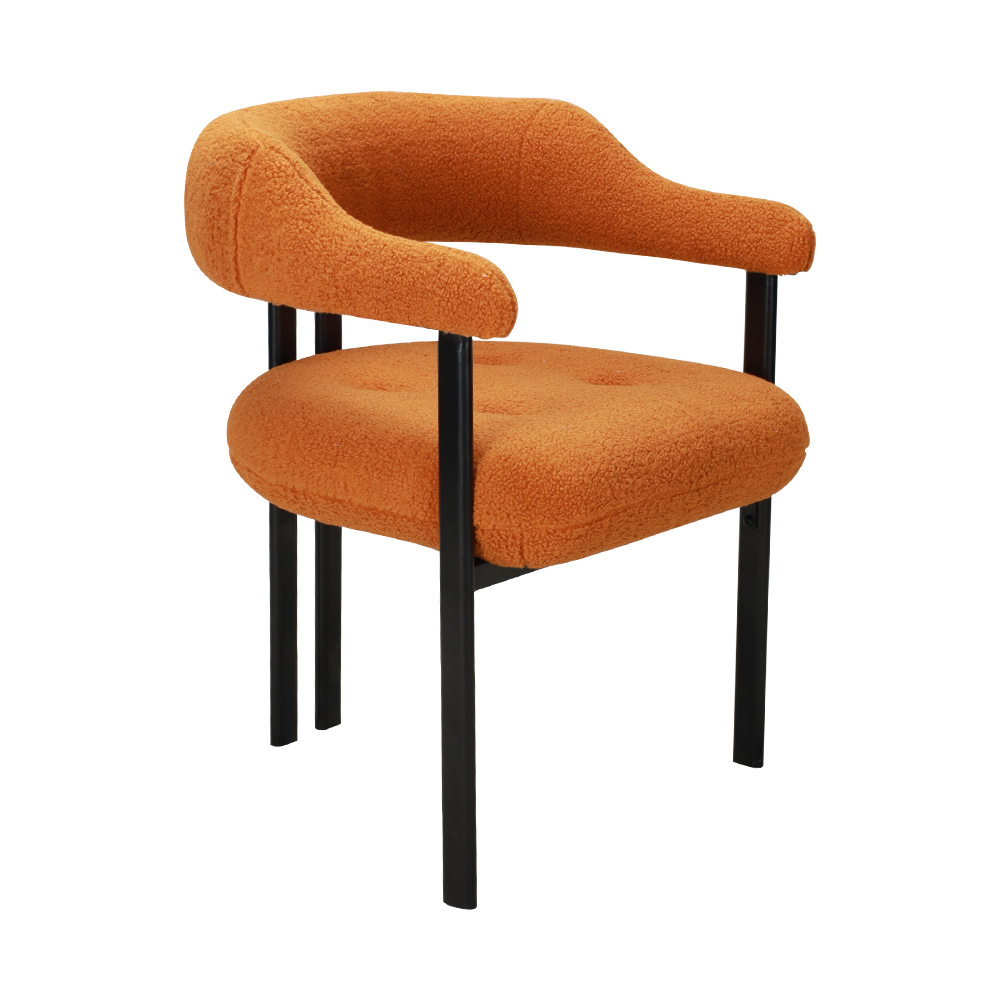
Elevate your dining experience with our WS6353 metal dining chair with a fabric cushion, a blend of ... -
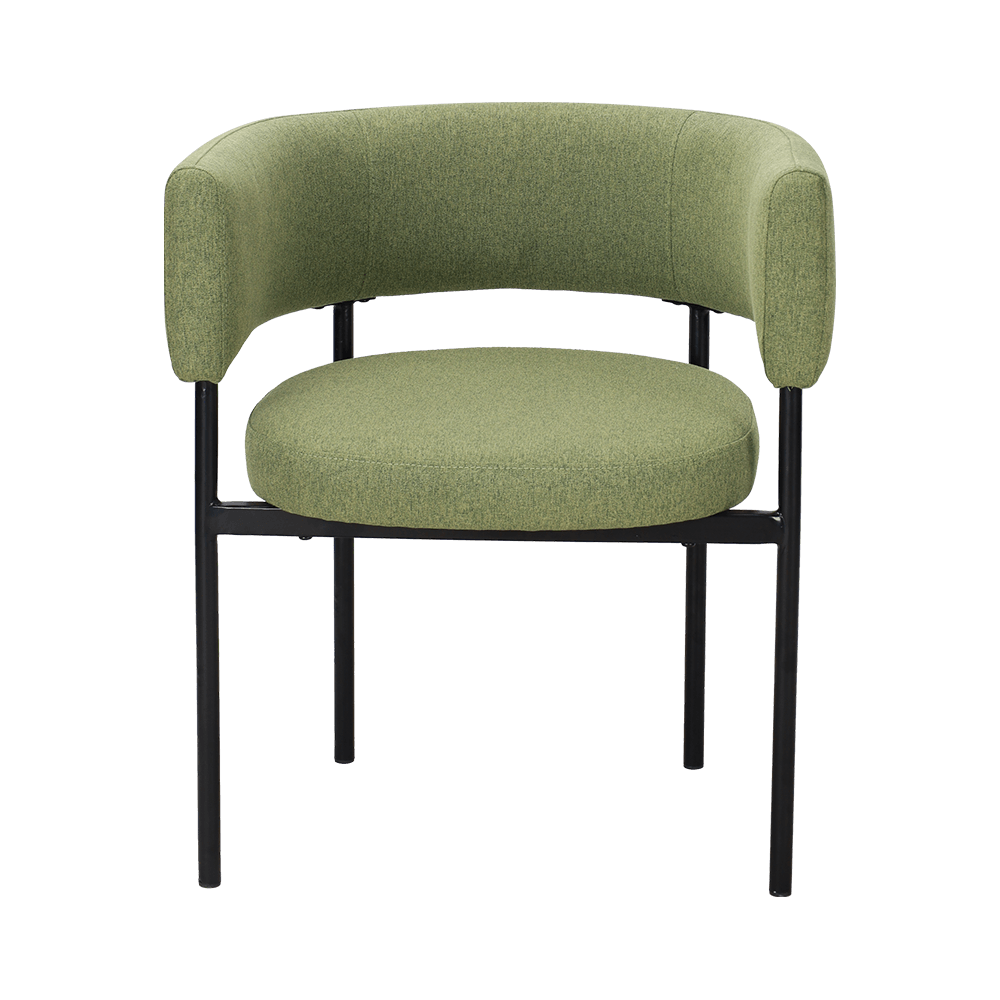
Crafted for both style and functionality, the WS6354 acid green metal leg dining chair features a st... -
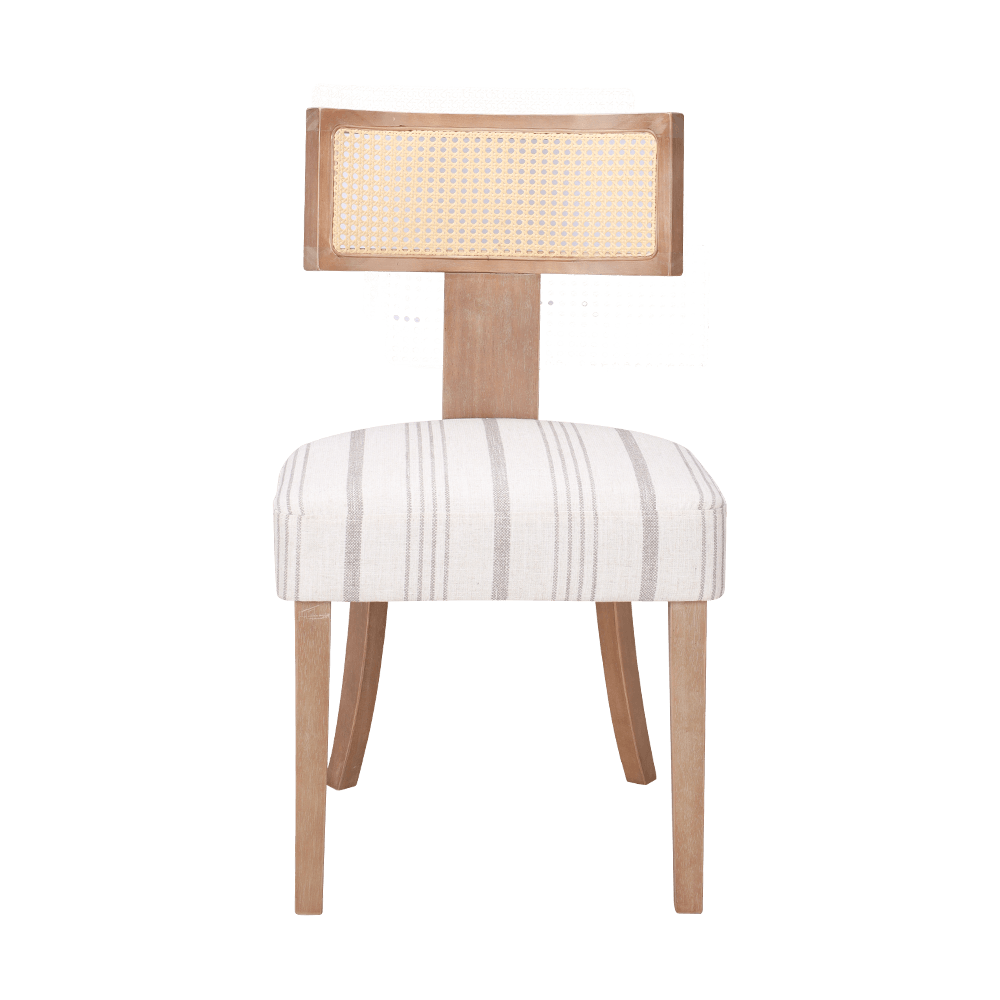
This solid rubber wood dining chair combines natural texture with comfort, featuring a simple yet el... -
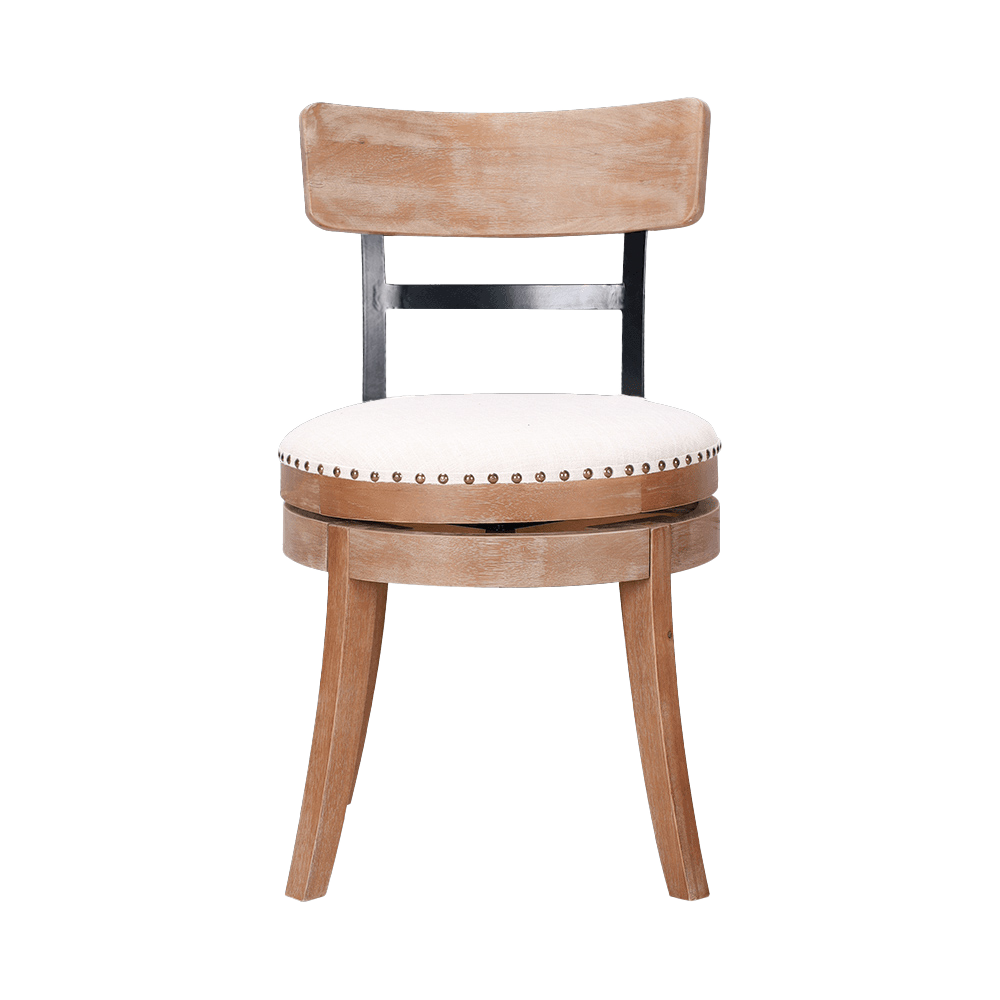
This WS6347 Round Cushion Solid Wood Dining Chair blends comfort with minimalist design, fitting var...

Copyright © Zhejiang Wanchang Furniture Co., Ltd.All Rights Reserved.
Indoor Fabric Sofa Manufacturers

-
 Xucunwancun, Xilong Xiang, Anji County, Zhejiang Province, China
-
 [email protected]
Mobile Site

WeChat Subscription Acount

Copyright © 2024Zhejiang Wanchang Furniture Co., Ltd.
All Rights Reserved.
