


 中文简体
中文简体 English
Top US Furniture Retailers: Market Structure, Quality, and Supplier Insights
Posted by Zhejiang Wanchang Furniture Co., Ltd.
A purchasing manager for a US furniture chain is not looking for another list of famous stores. She is looking for vendors that understand how her channel buys, what customers actually return, and why one dining chair survives freight while another arrives damaged. That is the real story behind the phrase "top furniture retailers in the US." Revenue rankings tell you who is large; they do not tell you how to sell to them.
Here is the conclusion up front: the US furniture market is not a single target. It is several retail channels with different order sizes, design expectations, and quality thresholds. For a supplier, the path into these accounts begins with understanding that structure, then aligning product design, packaging, and documentation accordingly.
Content
How Top Furniture Retailers in the US Are Organized
The familiar retail names are only the visible layer. Behind them sit buying groups, importers, and contract procurement teams with different agendas. It is more useful to segment the market by channel.
National chains and big-box retailers
National chains buy in large quantities and plan assortments several seasons ahead. They expect consistent finishes, standardized packaging, and the ability to supply thousands of units without drift in color or dimensions. Their pricing is aggressive, and their supplier scorecards measure not only price but also on-time delivery, defect rates, and compliance with federal and state regulations.
E-commerce and direct-to-consumer retailers
Online retailers are more forgiving about short run sizes but less forgiving about packaging. A chair that arrives with a dented leg or torn fabric triggers a return and a negative review. E-commerce buyers look for compact cartons, easy assembly instructions, and replaceable parts. Their SKU rotation is faster, so a supplier with agile prototyping and quick sample turnaround has a clear advantage.
Regional independents and design-led stores
Regional stores buy smaller volumes and often buy through importers rather than directly overseas. They value distinctive looks, unusual fabric combinations, and the ability to order a mixed container without a massive commitment. For a manufacturer, this channel is useful for testing new designs before presenting them to larger buyers.
Contract and hospitality buyers
Hotels, restaurants, lounges, and workplace operators purchase on a project basis. They prioritize stain resistance, fire safety, structural durability, and easy maintenance. Their volumes are less predictable, but their willingness to pay for performance is higher. This channel is also a useful reference point if you want to prove a chair works in demanding conditions.
| Retail channel | Typical order profile | Primary concerns |
|---|---|---|
| National chains | Thousands of units per program | Consistency, compliance, delivery reliability |
| E-commerce / DTC | 500-5,000 units, fast rotation | Packaging, damage rates, easy assembly |
| Regional independents | 50-500 units, mixed containers | Design differentiation, flexible terms |
| Contract / hospitality | Project-based quantities | Durability, stain resistance, fire safety |
Product Trends That Move Through Major US Retailers
Seating is the most visible category in furniture retail. Across the channels described above, three seating patterns consistently show up in buying plans: dining chairs with metal legs, bar stools, and upholstered lounge chairs.
Dining chairs with metal legs
Metal-leg dining chairs continue to sell because they combine a clean silhouette with honest durability. A powder-coated steel or iron frame reads as modern, while an upholstered seat keeps the chair comfortable enough for long meals. The construction also translates well online: the open leg structure is easy to photograph and easy for customers to understand. For example, a high-resilience sponge-cushion dining chair gives retailers a straightforward story about comfort and support without adding unnecessary weight or cost.
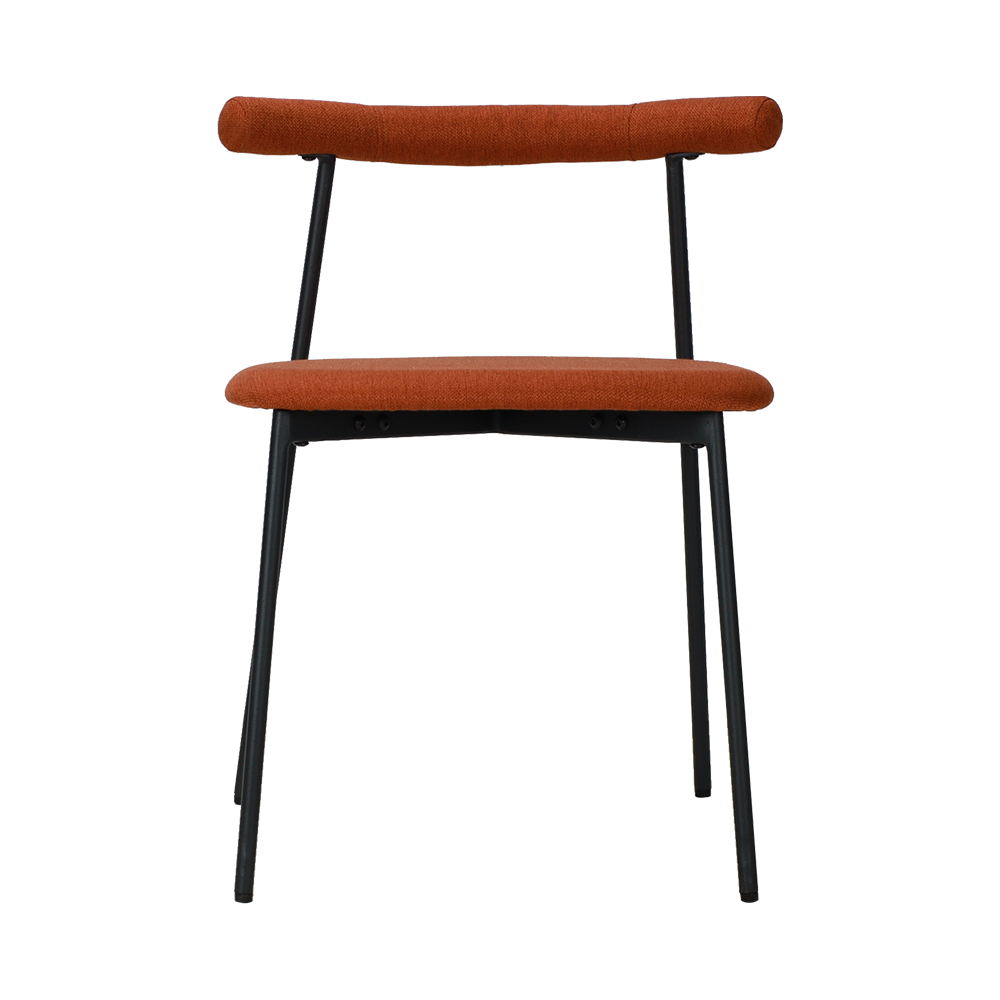 High resilience sponge cushion dining chair Manufacturers, Company - Zhejiang WaWanchang Furniture - High resilience sponge cushion dining chair Manufacturers and Company in China, Custom High resilience sponge cushio...View Product →
Bar stools for home and commercial use
Bar stools have moved beyond the home bar. Kitchen islands, office break rooms, and casual restaurants all drive demand. Retailers look for adjustable heights, upholstered seats, and durable footrests. An upholstered metal bar stool checks those boxes: the metal frame handles daily contact, and the padded seat keeps the piece comfortable for extended sitting.
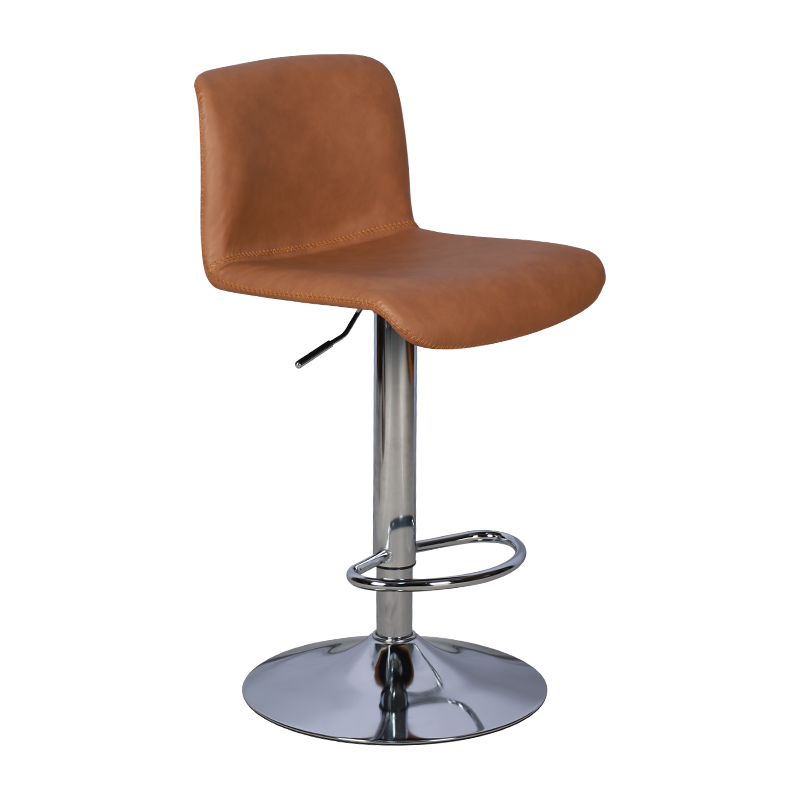 Upholstered Metal Bar Stool Manufacturers, Company - Zhejiang Wanchang FurnitureWanchang Furniture - Upholstered Metal Bar Stool Manufacturers and Company in China, Custom Upholstered Metal Bar Stool for sale, Enhance...View Product →
Lounge chairs and accent seating
Lounge chairs are no longer just decorative. Modern buying teams want a piece that adds function, whether that means built-in storage, a swivel base, or easy-to-clean fabric. A fabric lounge chair with built-in storage is a good example of the type of functional comfort that moves at retail, because it answers a storage problem while still looking like a classic lounge piece.
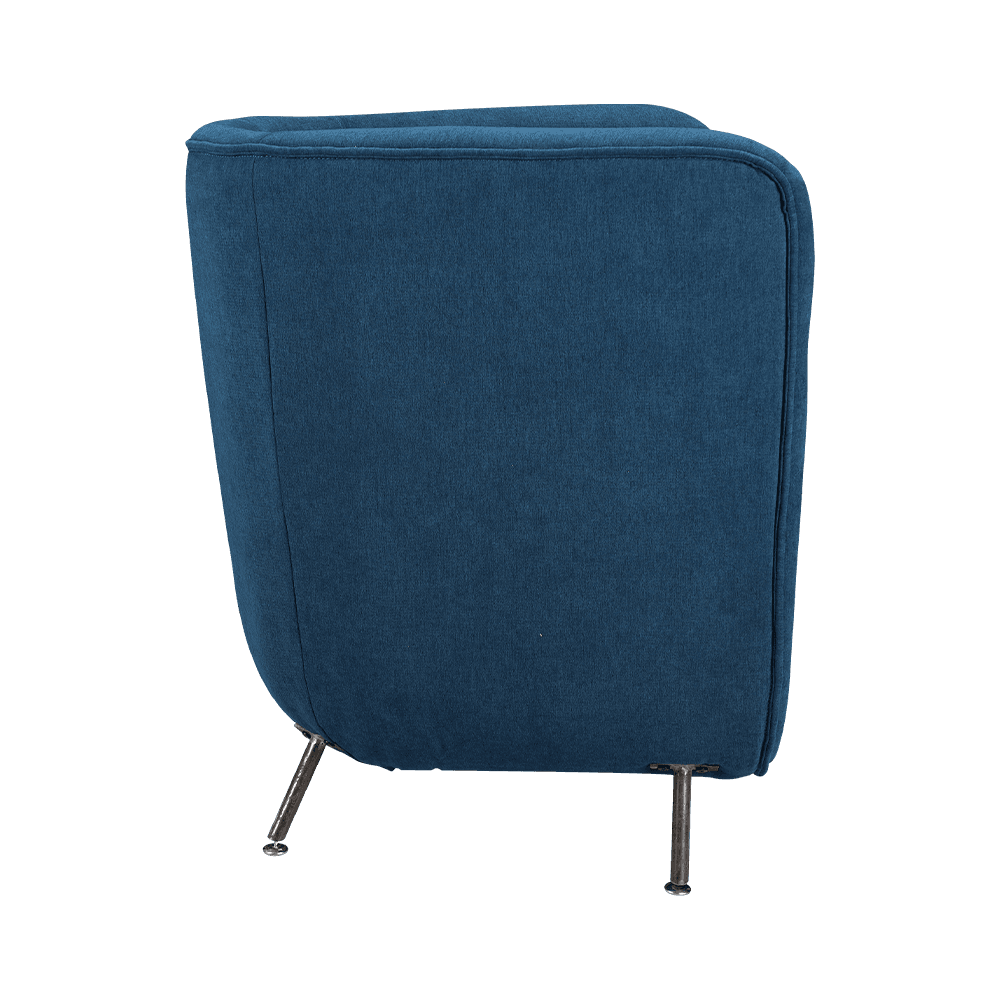 Fabric Lounge Chair with Built-in Storage Manufacturers, Company - Zhejiang WancWanchang Furniture - Fabric Lounge Chair with Built-in Storage Manufacturers and Company in China, Custom Fabric Lounge Chair with Built-...View Product →
Retailers rarely buy one category in isolation. A dining room set can be paired with a storage ottoman or a lounge chair in the same fabric family. That is why many merchants spend time mixing and matching upholstered dining chairs to build fuller room displays. For a supplier, offering a coordinated seating program is more valuable than selling a single bestseller.
Quality, Safety, and Performance Standards Retailers Enforce
Top US retailers rarely accept a product based on appearance alone. Their quality teams test for structural stability, joint strength, fabric durability, and finish resistance. This is especially true for seats that are used daily in dining rooms or commercial spaces. A chair that wobbles after a month of use will come back as a return and hurt the retailer's margin.
- Frame and joint integrity: weight capacity, side-load testing, leg-pull resistance, and stability on uneven floors.
- Upholstery materials: foam density, resilience, fabric abrasion resistance, and seam strength.
- Metal finish: scratch resistance, corrosion protection, and coating adhesion on legs and bases.
- Chemical compliance: formaldehyde emission limits for engineered wood, California TB 117-2013 for upholstered flammability, and heavy-metal limits for coatings.
- Packaging and handling: edge protection, carton burst strength, and drop-test results for direct-to-consumer shipments.
Commercial settings push those standards further. A café chair gets moved, stacked, and bumped dozens of times a day. Buyers who supply restaurants or hotel lounges will ask how a chair performs under continuous use, not just how it looks in a showroom. It pays to understand how metal-leg dining chairs perform in high-traffic areas before you recommend them for a contract order.
Supplier Expectations and Capabilities That Win Orders
Knowing which channel to target is half the work. The other half is convincing a buyer that your factory can meet the operational demands of the US market.
- Container-direct pricing with stable lead times.
- Flexible order quantities and the ability to mix dining chairs, bar stools, and lounge seating in one container.
- Customization options: fabric choice, metal finish, branding, and small design modifications.
- Documentation: test reports, commercial invoices, packing lists, and origin certificates.
- Responsive communication during peak season and quick resolution when issues appear.
For many retailers, the ideal partner is a full-service furniture manufacturer with factories in China and Vietnam that can spread production risk across geographies while keeping the cost structure predictable. The ability to produce seating in both countries tells a buyer that the supplier has experience exporting to North America and can manage capacity spikes.
How to Position Your Product Line for US Retailers
After analyzing how top furniture retailers in the US actually make buying decisions, a supplier can take three practical steps.
- Align your assortment with channel needs. Keep a set of proven basics for big-box and e-commerce buyers, plus a smaller set of design-forward pieces for independents and contract projects.
- Lead with testable claims. Share weight capacities, abrasion resistance numbers, and material certifications in your first presentation. Merchants use data to defend their choices.
- Keep the catalog flexible. A supplier that can swap a fabric, change a finish, or adjust a dimension without re-engineering the whole chair is easier to do business with.
The phrase "top furniture retailers in the US" will always include a few large companies. But for a manufacturer, the useful mental map is not a ranking of names. It is a map of channels, each with its own quality bar and buying rhythm. Suppliers who match their product story to those channels have a far better chance of turning a retail introduction into a long-term program.
-
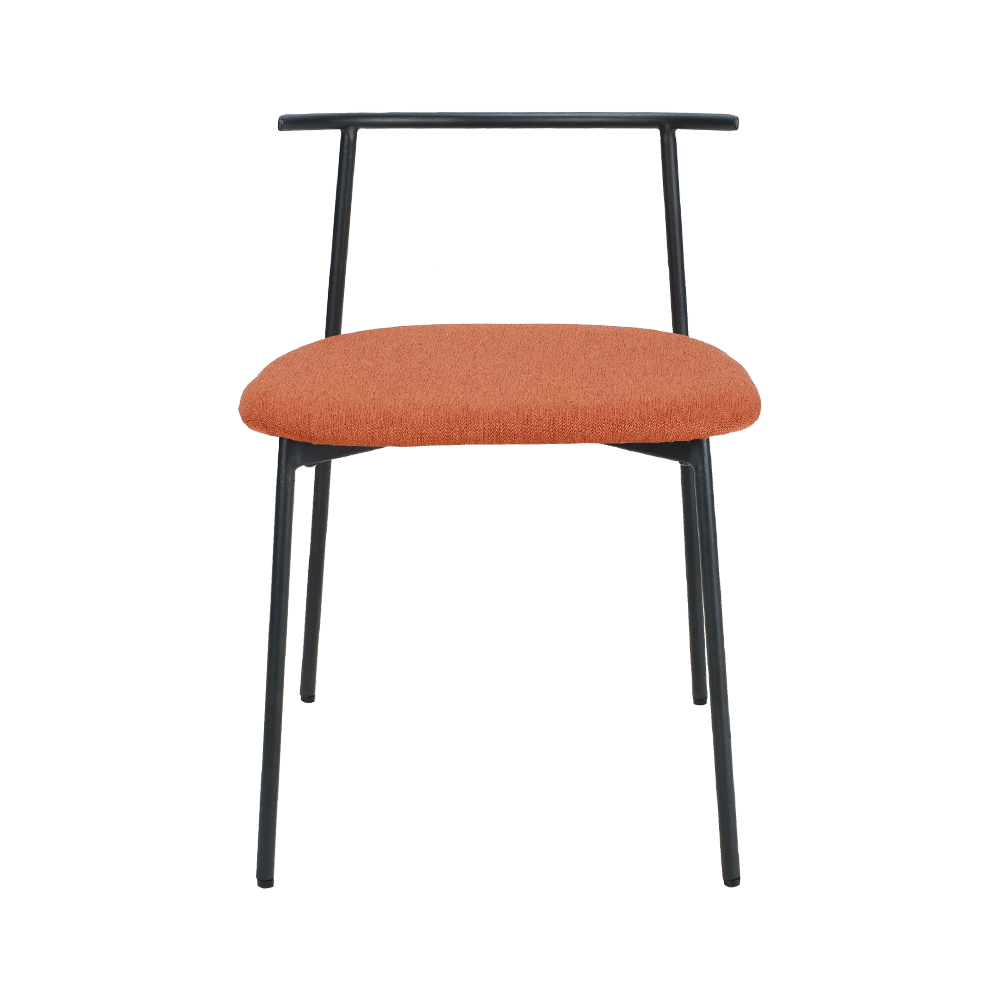
The curved back metal leg dining chair is a blend of modern design and classic comfort, offering an ... -
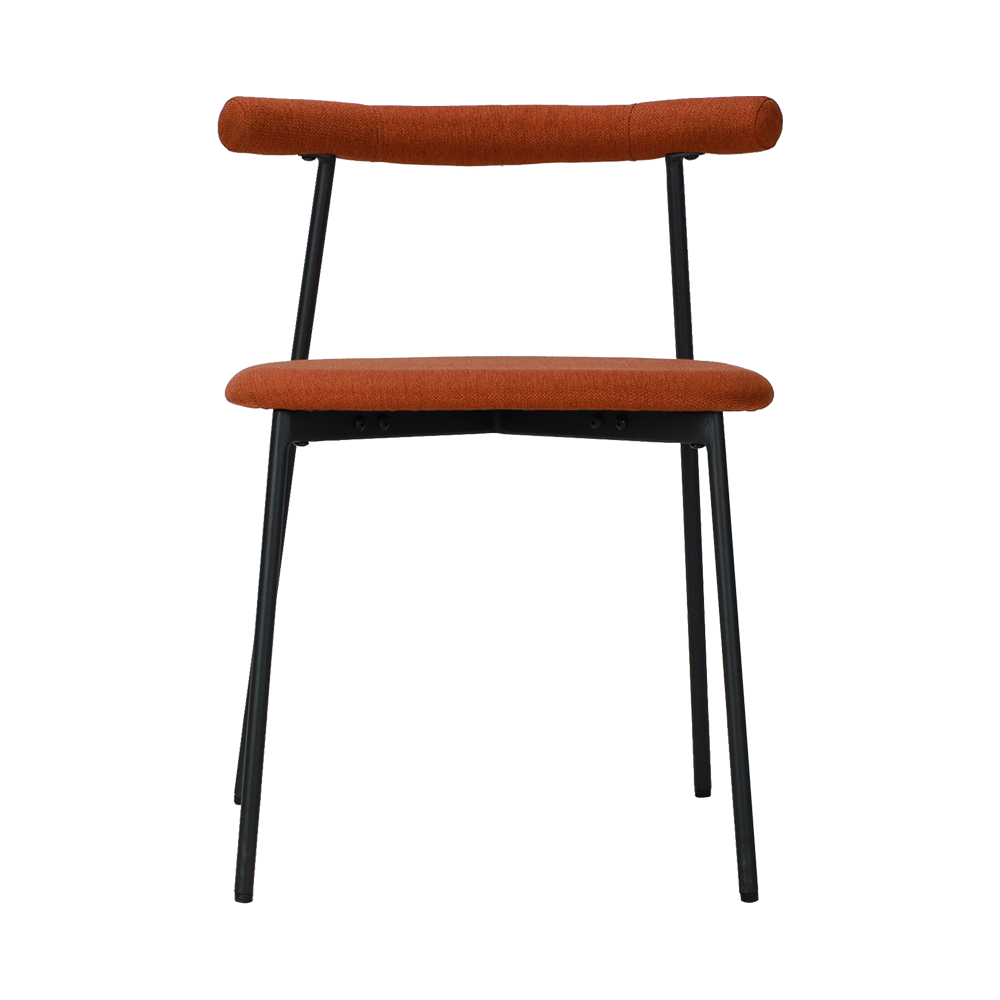
The High Resilience Sponge Cushion Metal Foot Dining Chair offers a blend of comfort, style, and dur... -
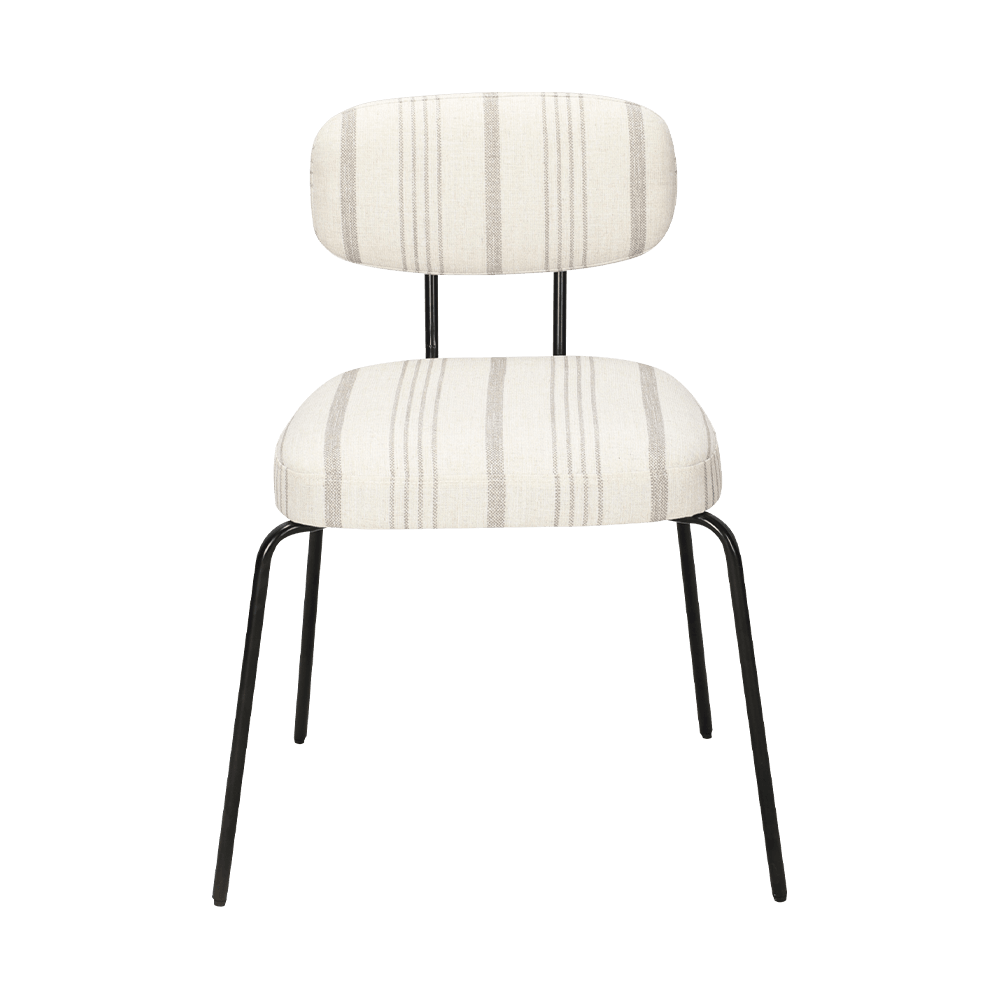
This WS6357 white modern metal dining chair features a simple and elegant design, paired with metal ... -
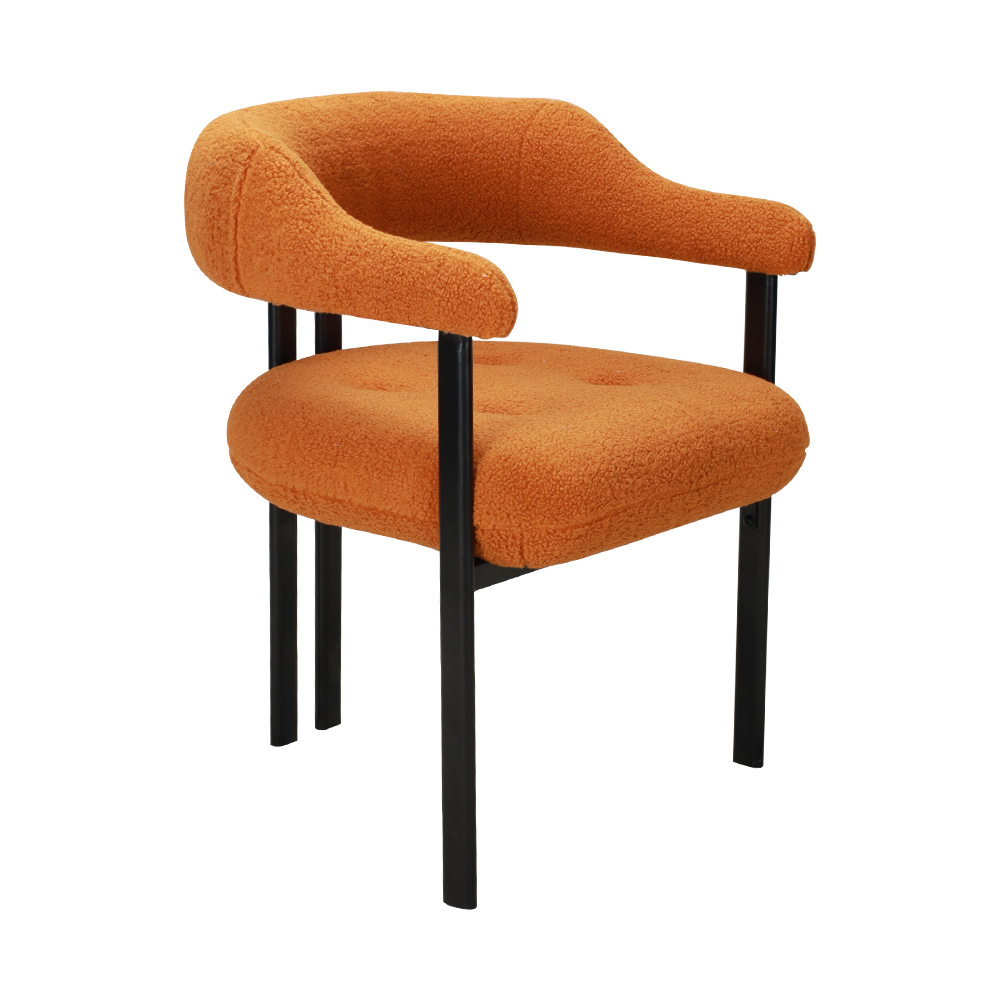
Elevate your dining experience with our WS6353 metal dining chair with a fabric cushion, a blend of ... -
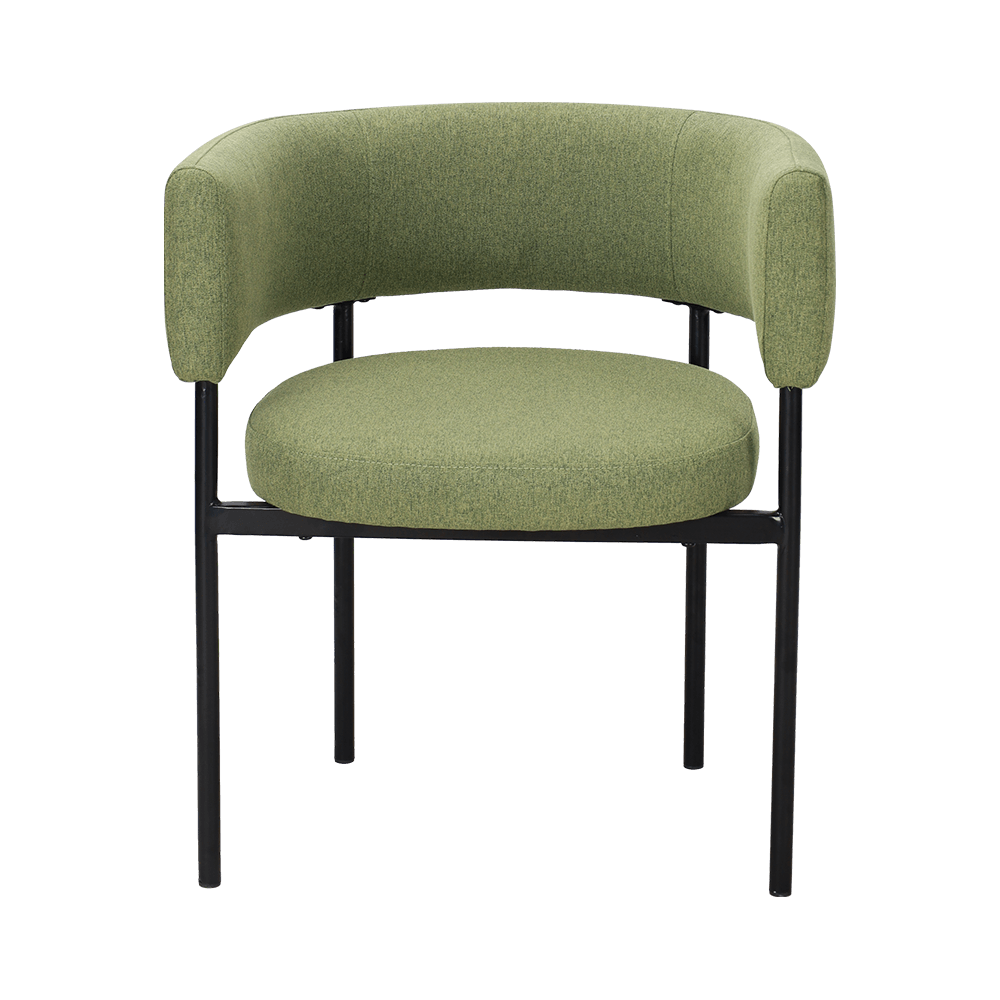
Crafted for both style and functionality, the WS6354 acid green metal leg dining chair features a st... -
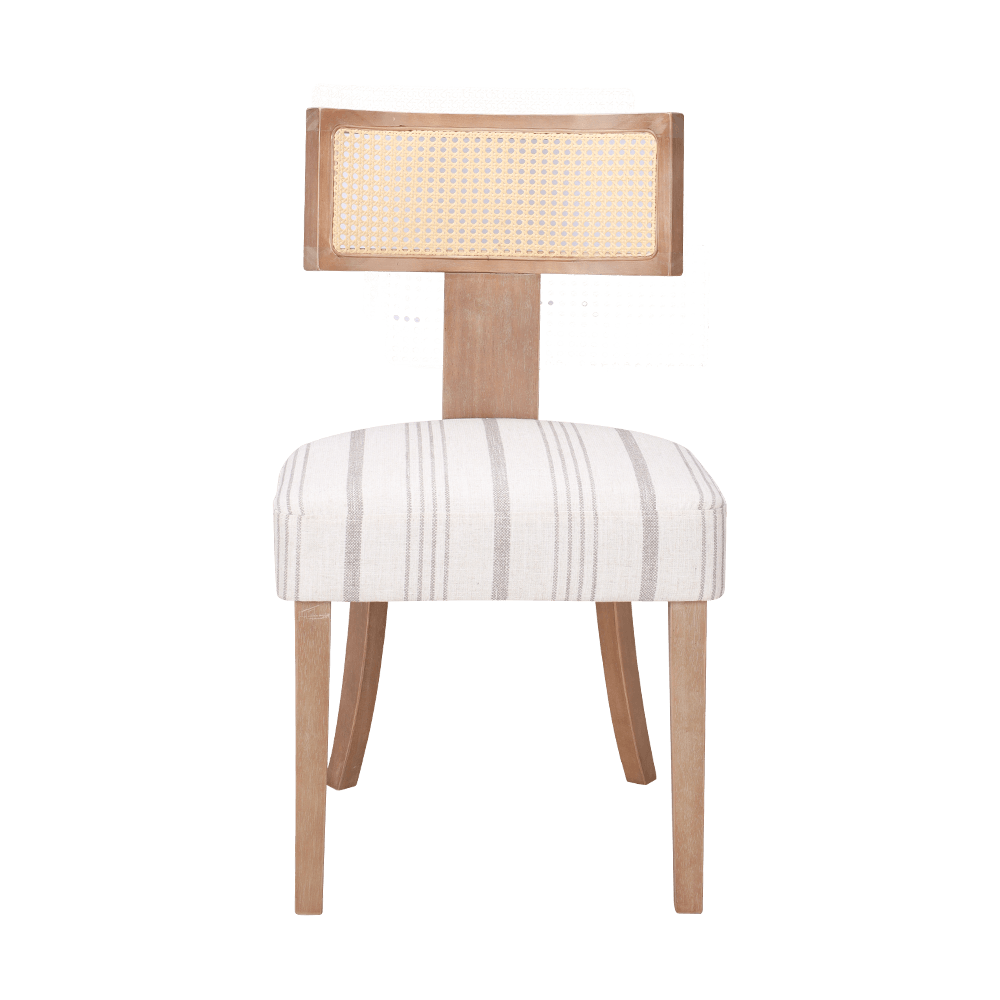
This solid rubber wood dining chair combines natural texture with comfort, featuring a simple yet el... -
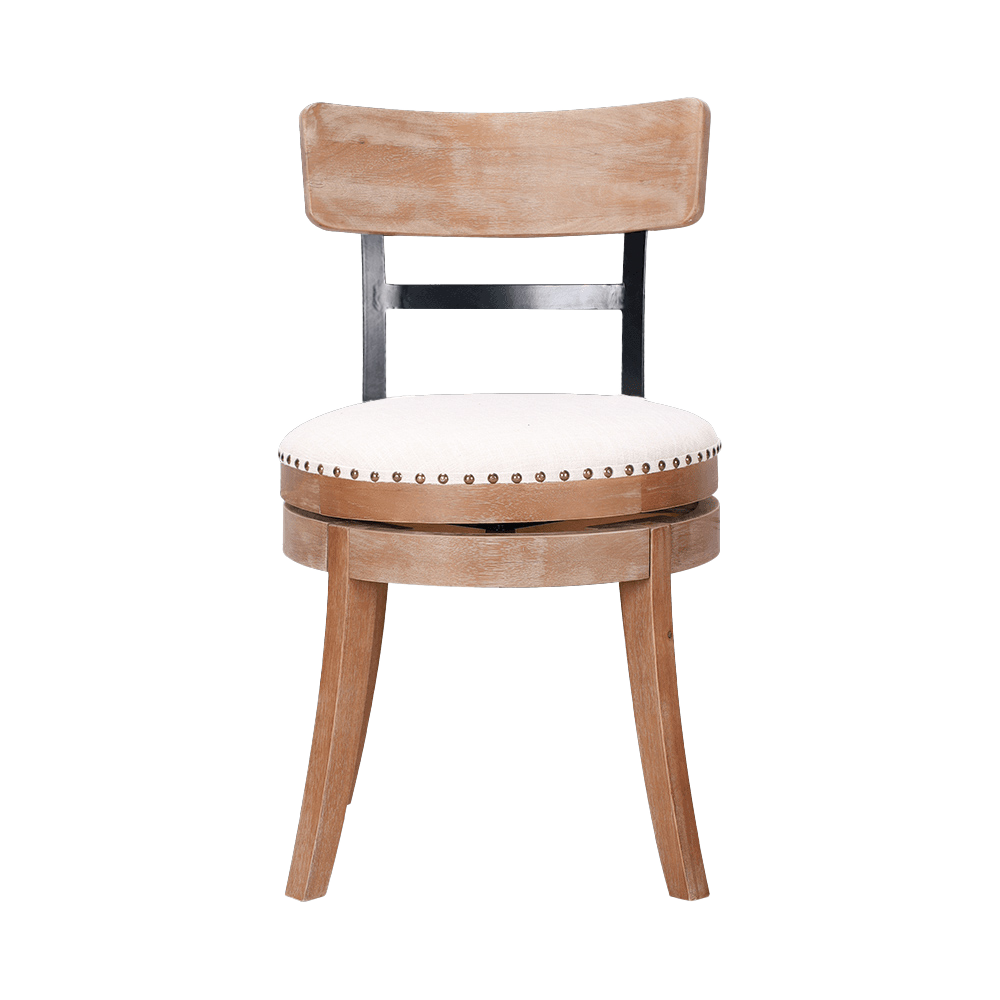
This WS6347 Round Cushion Solid Wood Dining Chair blends comfort with minimalist design, fitting var...

Copyright © Zhejiang Wanchang Furniture Co., Ltd.All Rights Reserved.
Indoor Fabric Sofa Manufacturers

-
 Xucunwancun, Xilong Xiang, Anji County, Zhejiang Province, China
-
 [email protected]
Mobile Site

WeChat Subscription Acount

Copyright © 2024Zhejiang Wanchang Furniture Co., Ltd.
All Rights Reserved.
