


 中文简体
中文简体 English
China Upholstered Dining Chairs Suppliers: What to Look For
Posted by Zhejiang Wanchang Furniture Co., Ltd.
A buyer in the Pacific Northwest recently placed a container order for 2,000 upholstered dining chairs. The sample looked promising—clean stitching, firm foam, a modern wood frame. When production units arrived, seat cushions had lost their resilience within weeks and frame joints started creaking. The cause? The supplier had substituted low-density foam and shortened kiln-drying time to cut costs, two shortcuts impossible to detect from photos or a single sample. For businesses that depend on consistent quality, selecting the right China upholstered dining chairs suppliers is not about finding the lowest FOB price; it is about verifying engineering rigour, material traceability, and production redundancy before a purchase order is signed.
Content
- 1 Manufacturing Scale as a Gatekeeper of Reliability
- 2 Upholstery Materials That Decide Chair Longevity
- 3 Supply Chain Stability Through Dual-Country Production
- 4 A Practical Supplier Assessment Checklist
- 5 Translating Criteria into a Supplier Decision: The WSC Furniture Example
- 6 From Supplier Verification to Long-Term Partnership
Manufacturing Scale as a Gatekeeper of Reliability
One of the fastest ways to filter China upholstered dining chairs suppliers is to examine their physical footprint. A supplier operating from a small workshop may struggle with capacity commitments, seasonal spikes, or consistent finish quality. Purpose-built factories exceeding 50,000 square metres tend to maintain dedicated spray booths, foam curing areas, and assembly lines that reduce cross-contamination between batches. Equally important is location. The Anji region in Zhejiang Province, widely recognised as China’s chair capital, offers an ecosystem of seasoned timber processors, fabric mills, and component specialists. Suppliers based in this cluster can shorten lead times and access higher-grade materials without the logistics premium that an isolated factory must pass on to buyers.
Upholstery Materials That Decide Chair Longevity
Dining chairs endure lateral movement, moisture, and repeated loading. The inside materials determine whether a chair looks good after 12 months of daily use. When vetting a supplier, request details on foam chemistry, not just density numbers. High-resilience sponge with a minimum 35 kg/m³ density and spring-pack reinforcements under the seat deck prevents the “hammock” effect that plagues budget constructions. Similarly, fabric-backed PU leather with verified tear strength over 20 N/cm and colourfastness test reports prevents premature peeling in a restaurant or family kitchen. A competent supplier will offer this data proactively; a transactional reseller will avoid it.
Supply Chain Stability Through Dual-Country Production
Tariff shifts, shipping disruptions, and raw material bottlenecks have made single-factory sourcing a measurable risk. Progressive China upholstered dining chairs suppliers mitigate this by establishing secondary production bases outside mainland China. A supplier that operates a wholly owned facility in Vietnam, for instance, can offer a viable routing alternative for North American buyers, maintaining shipment schedules even when Chinese port congestion spikes. This dual-footprint model also signals financial depth and long-term planning, qualities that correlate strongly with on-time delivery and post-sale support.
A Practical Supplier Assessment Checklist
Before endorsing a supplier, purchasing teams should score candidates against a simple matrix. The table below lists five factors that consistently separate durable supply chains from fragile ones.
| Evaluation Factor | What to Look For |
|---|---|
| Factory floor area | Minimum 50,000 m² with integrated warehousing |
| Foam specification | High-resilience, ≥35 kg/m³; spring-pack option available |
| Wood frame process | Kiln-dried rubberwood or equivalent with mortise-and-tenon joints |
| Alternate production site | Owned overseas factory for tariff and logistics diversification |
| Certified compliance | Reachability for third-party inspections and documented quality systems |
Translating Criteria into a Supplier Decision: The WSC Furniture Example
To make the evaluation tangible, consider how an established manufacturer aligns with the checklist above. Zhejiang Wanchang Furniture Co., Ltd., operating from a 70,000-square-metre campus in Anji, maintains an additional 80,000 square metres of intelligent production and warehousing, fully visible on its manufacturing infrastructure page. The company employs over 500 workers and consistently produces upholstered dining chairs built around high-resilience foam, spring-pack options, and kiln-dried solid wood frames. For North American and European buyers, a 18,000-square-metre subsidiary in Vietnam — staffed with 250 dedicated personnel — creates a reliable shipping alternative without involving third-party contractors. This combination of deep Anji-rooted material access and independent offshore capacity addresses both quality assurance and supply continuity in one agreement. Scalable operations and documented material standards remain the safest predictors of trouble-free imports.
From Supplier Verification to Long-Term Partnership
The global supply of upholstered dining chairs is abundant, but chairs that hold up under daily use and arrive on schedule originate from manufacturers who invest in their own factories, their own secondary sites, and their own material testing protocols. When a business evaluates China upholstered dining chairs suppliers, the conversation should move beyond pricing quickly. Request specification sheets, audit production floors virtually, and ask about alternate sourcing routes. A supplier that answers these inquiries with data, not just reassurances, will safeguard a retailer’s reputation as reliably as it builds its furniture.
-
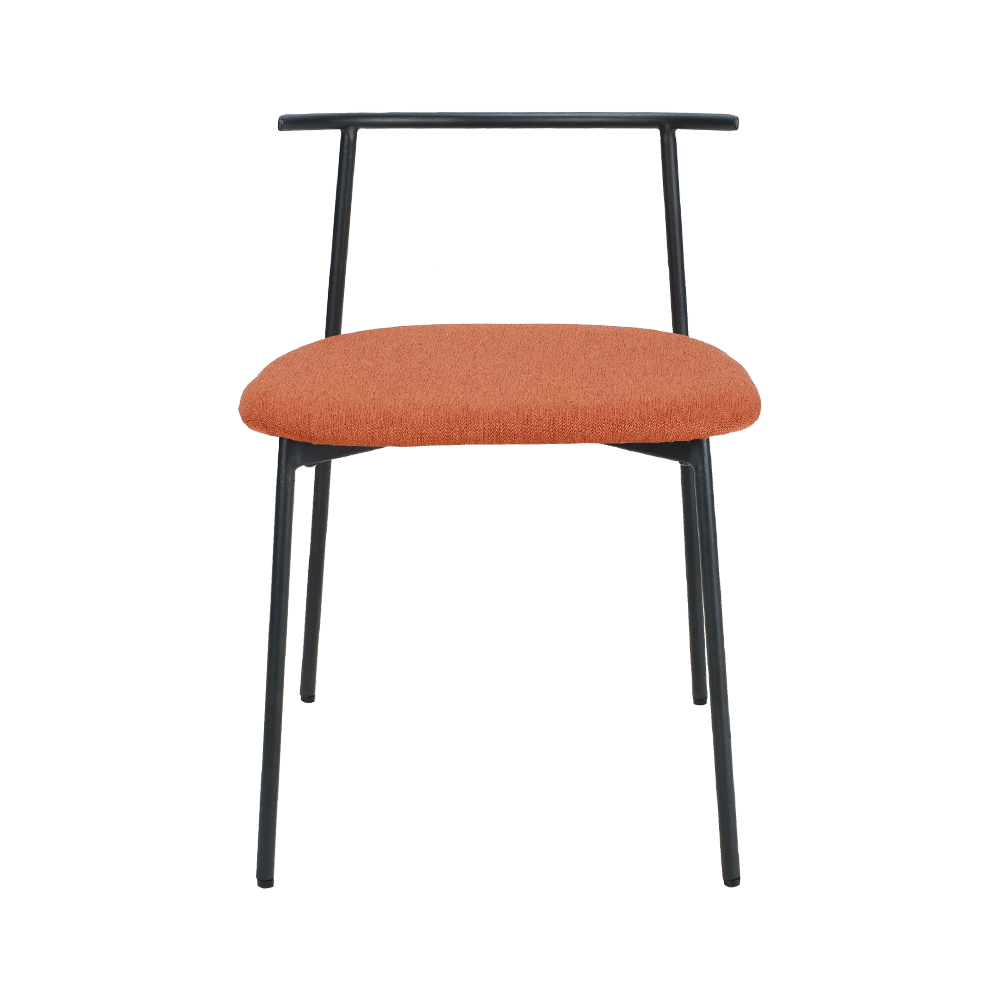
The curved back metal leg dining chair is a blend of modern design and classic comfort, offering an ... -
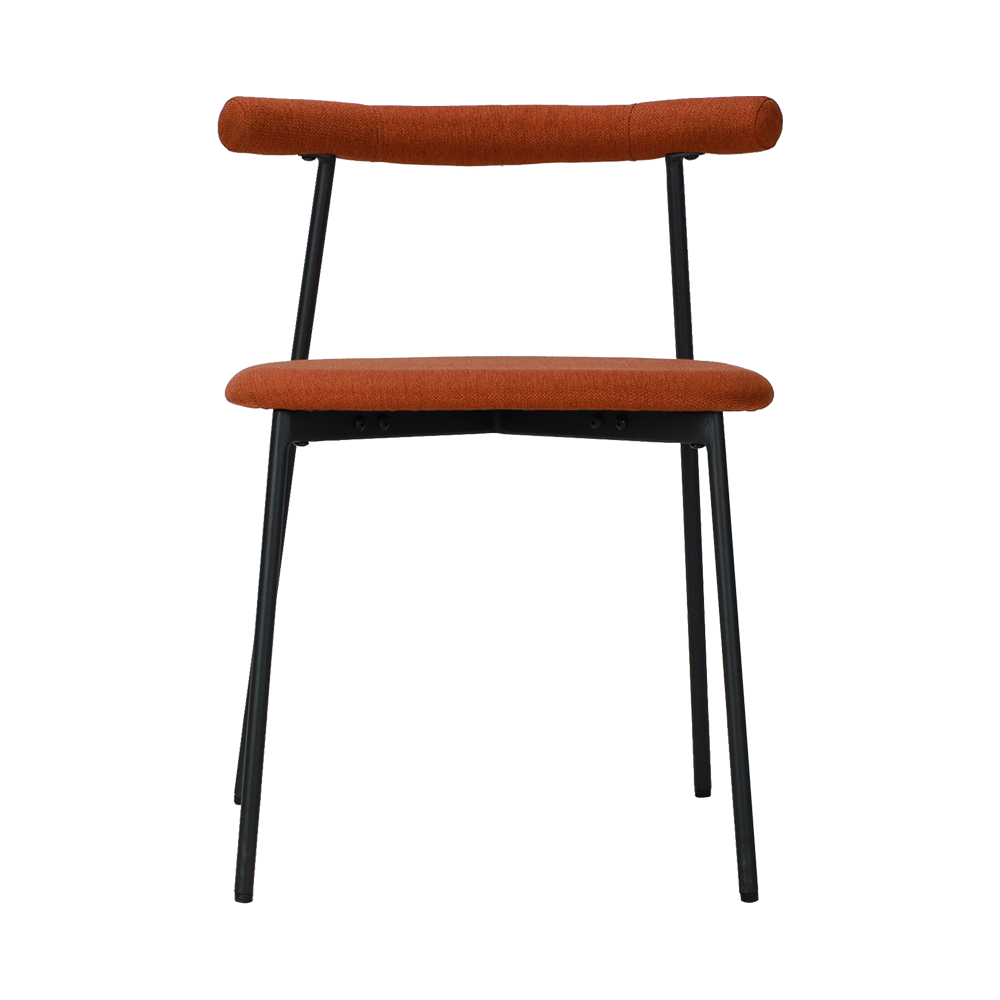
The High Resilience Sponge Cushion Metal Foot Dining Chair offers a blend of comfort, style, and dur... -
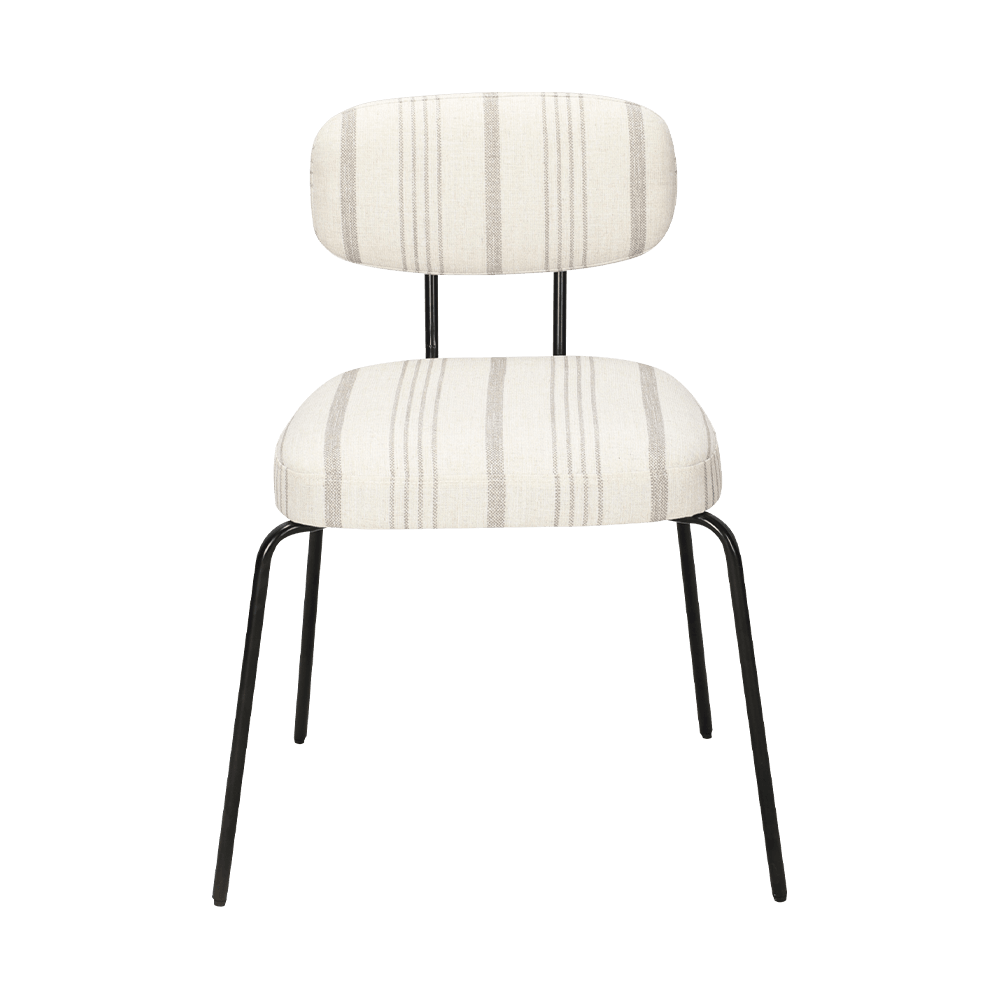
This WS6357 white modern metal dining chair features a simple and elegant design, paired with metal ... -
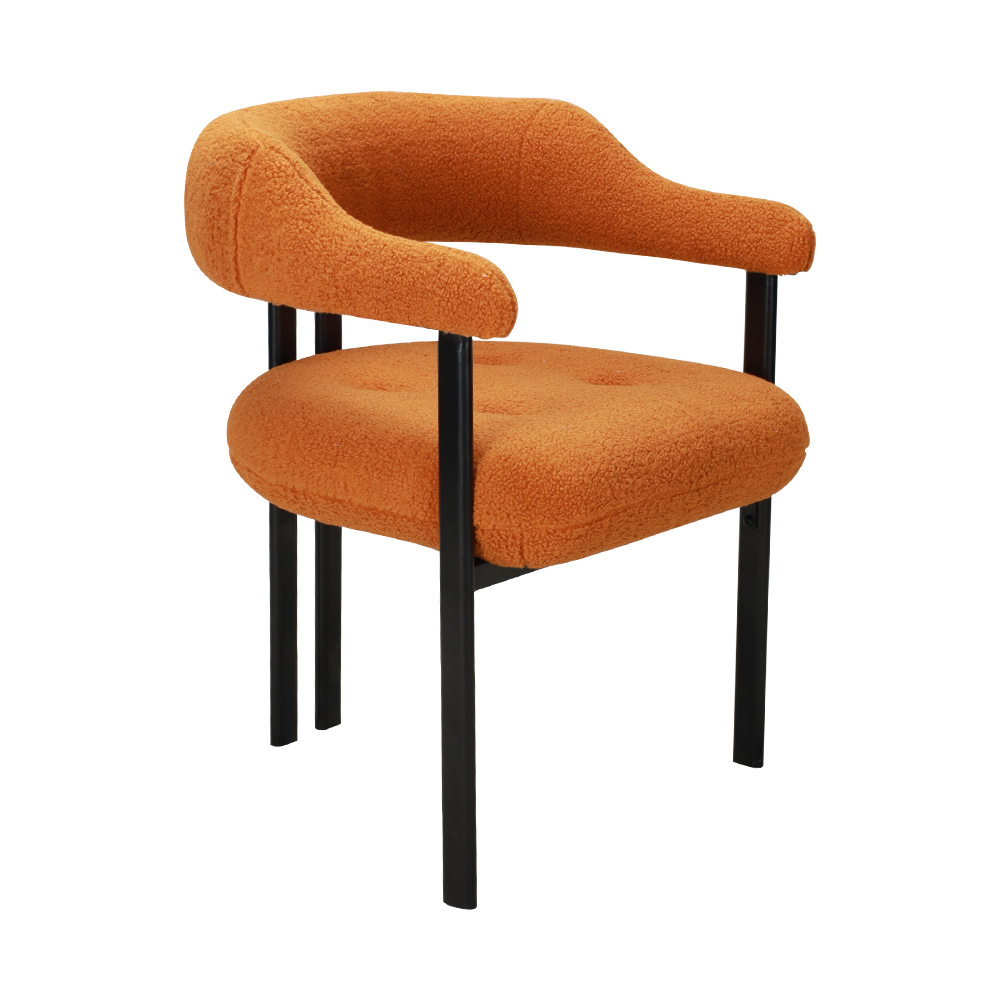
Elevate your dining experience with our WS6353 metal dining chair with a fabric cushion, a blend of ... -
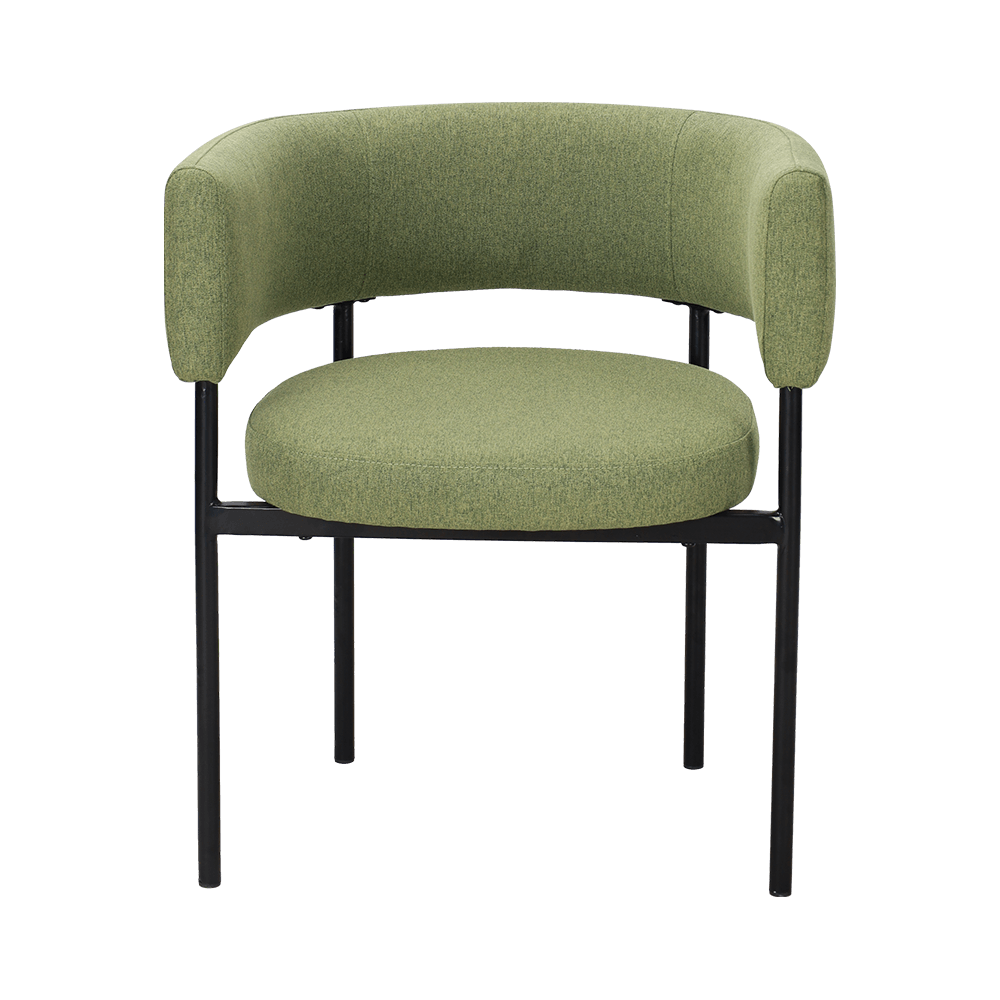
Crafted for both style and functionality, the WS6354 acid green metal leg dining chair features a st... -
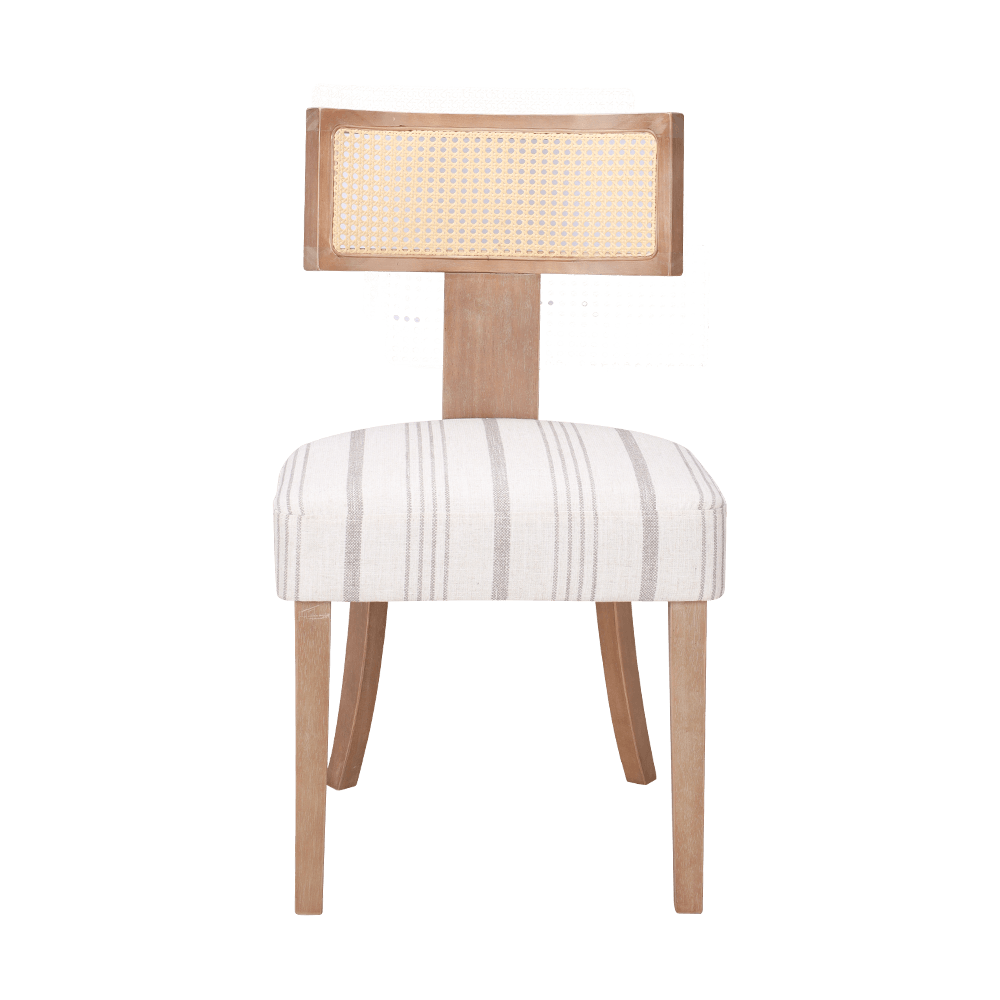
This solid rubber wood dining chair combines natural texture with comfort, featuring a simple yet el... -
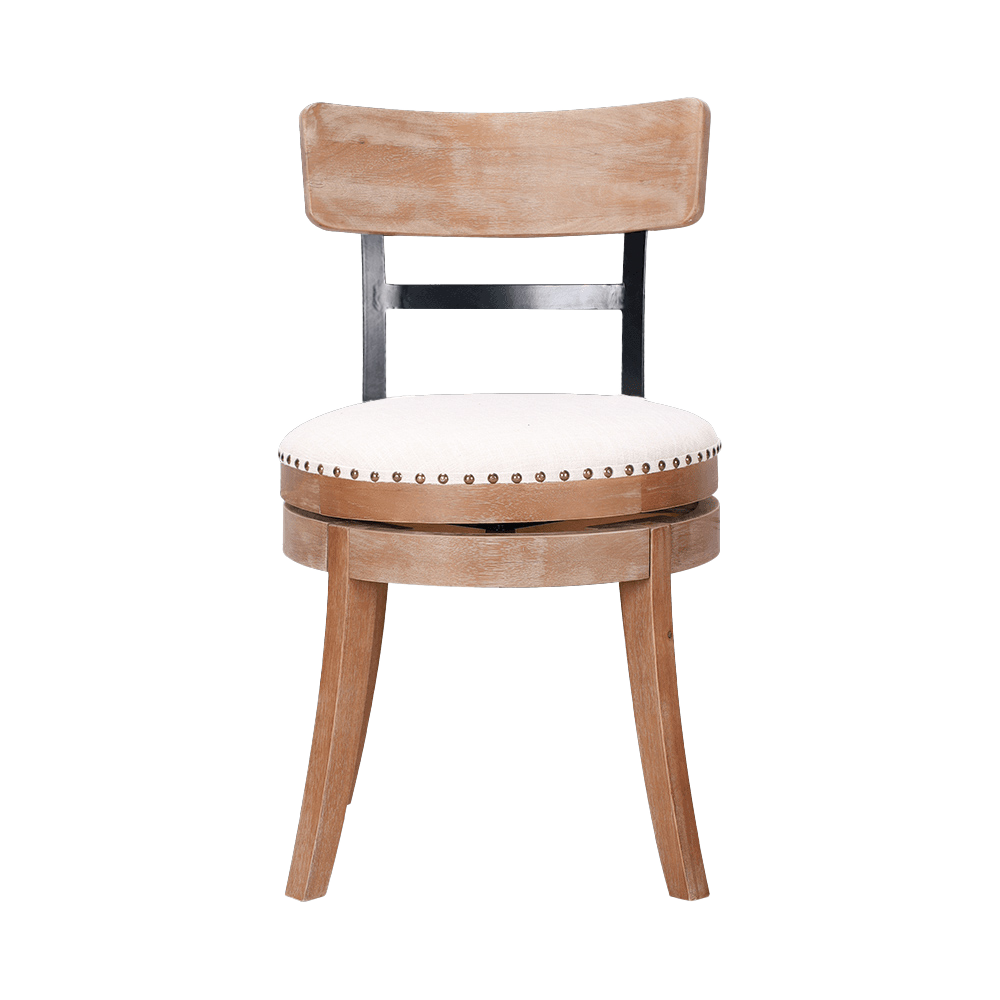
This WS6347 Round Cushion Solid Wood Dining Chair blends comfort with minimalist design, fitting var...

Copyright © Zhejiang Wanchang Furniture Co., Ltd.All Rights Reserved.
Indoor Fabric Sofa Manufacturers

-
 Xucunwancun, Xilong Xiang, Anji County, Zhejiang Province, China
-
 [email protected]
Mobile Site

WeChat Subscription Acount

Copyright © 2024Zhejiang Wanchang Furniture Co., Ltd.
All Rights Reserved.
