


 中文简体
中文简体 English
Custom Indoor Fabric Sofa Factory – WSC Furniture | OEM & Wholesale
Posted by Zhejiang Wanchang Furniture Co., Ltd.
Content
Why Choose a Custom Indoor Fabric Sofa Factory for Your Project
When a hospitality group needs 300 identical sofas with a specified fabric weight, a defined seat-firmness profile, and exact dimensions to fit a boutique guest room, off-the-shelf furniture creates more problems than it solves. Lead times stretch, colour batches drift across shipments, and the structural frame rarely holds up to commercial use. Partnering with a dedicated custom indoor fabric sofa factory eliminates those compromises from the start. You control the bill of materials, you remove distributor mark-ups, and you secure supply-chain visibility that a catalogue purchase cannot offer.
Customisation at factory level goes well beyond choosing a swatch. With a manufacturer that owns its production lines, you specify everything from the density of the high-resilience foam inside the seat cushion to the gauge of the steel used in a concealed sleeper mechanism. Our facility operates as an extension of your sourcing department, not as a middleman. We consistently supply multi-unit projects for hotels, co-living developments, and contract furnishing clients, combining hand-assembled upholstery with CNC-cut frame components to keep repeat order accuracy above 99% within the same production run. For a closer look at the infrastructure that makes this possible, please review WSC Furniture’s manufacturing capabilities.
Buyers often underestimate the cost of rework when foam densities don’t match a specification or when fabric protective treatments fail an abrasion test. A factory-direct relationship lets you lock in your technical requirements at the sampling stage, and the 70,000 square metre campus we operate in China’s Anji furniture cluster, together with our integrated Vietnam production base, gives us the capacity to hold raw materials for your project across seasons—reducing the unit cost volatility that hits open-market purchases.
What to Look for in a Reliable Custom Sofa Manufacturer
Every factory visit begins with a polished showroom, but what separates a capable long-term partner from a transactional vendor shows up in three areas: geographic diversification of production, deep in-house material literacy, and documented repeat-order consistency. When you evaluate a custom indoor fabric sofa factory, you are really evaluating its ability to protect your project timelines when one supply node is disrupted, and to maintain dimensional, colour, and comfort specifications across containers delivered months apart.
Production Capacity and Global Logistics
A single-site factory risks a delay that cascades into penalty clauses on your contract. Our dual-base footprint—main production and assembly campus in Anji, China, plus a full-scale plant in Vietnam—provides built-in redundancy. The Anji location sits inside the world’s largest furniture component ecosystem, which shortens the chain for timber, foam, and hardware by a factor of days rather than weeks. Combined, the two sites employ over 500 skilled operators and are supported by an 80,000 square metre intelligent warehouse that manages finished-goods buffer stock so we can consolidate partial shipments without holding your entire order hostage to one production bottleneck.
From a logistics standpoint, the Vietnam operation gives US and EU importers a practical tariff-engineering lever. Orders shipped from our Vietnamese lines can qualify for different duty treatment, helping you stabilise landed cost in markets where anti-dumping or Section 301 tariffs remain a factor. Both plants run identical quality-control protocols, so the sofa a guest sits on in a Chicago hotel feels identical to the one approved during the Shanghai showroom review.
Material Sourcing and Quality Control
A sofa frame that warps after two humid seasons usually fails because the timber wasn’t kiln-dried to the correct moisture content, or because the jointing method wasn’t appropriate for the wood species. We source rubber-wood directly from managed plantations in Southeast Asia and southern China, machining legs, arm posts, and inner rails on five-axis CNC equipment to maintain joint tolerance under 0.5 mm. For metal components—such as exposed legs or sleeper mechanisms—we draw from mills that provide full mill certificates, so a batch of steel can be traced back to its heat number if a quality query ever arises. Upholstery-grade fabrics, including cotton-linen blends, performance polyester, velvet, and PU leather, are purchased in full rolls from mills we have audited for colourfastness and tensile strength, not from spot-market traders.
This material depth makes hybrid designs entirely feasible. A single sofa can combine a rubber-wood inner frame with a brushed stainless-steel base and a high-abrasion polyester cover, all sourced and assembled under one roof. If you need a concrete example of how a natural timber frame integrates with fabric upholstery, take a look at our rubber-wood frame fabric sofa example. That model is frequently specified as a starting reference by boutique hotel chains that want a warm, residential look with commercial-grade joinery.
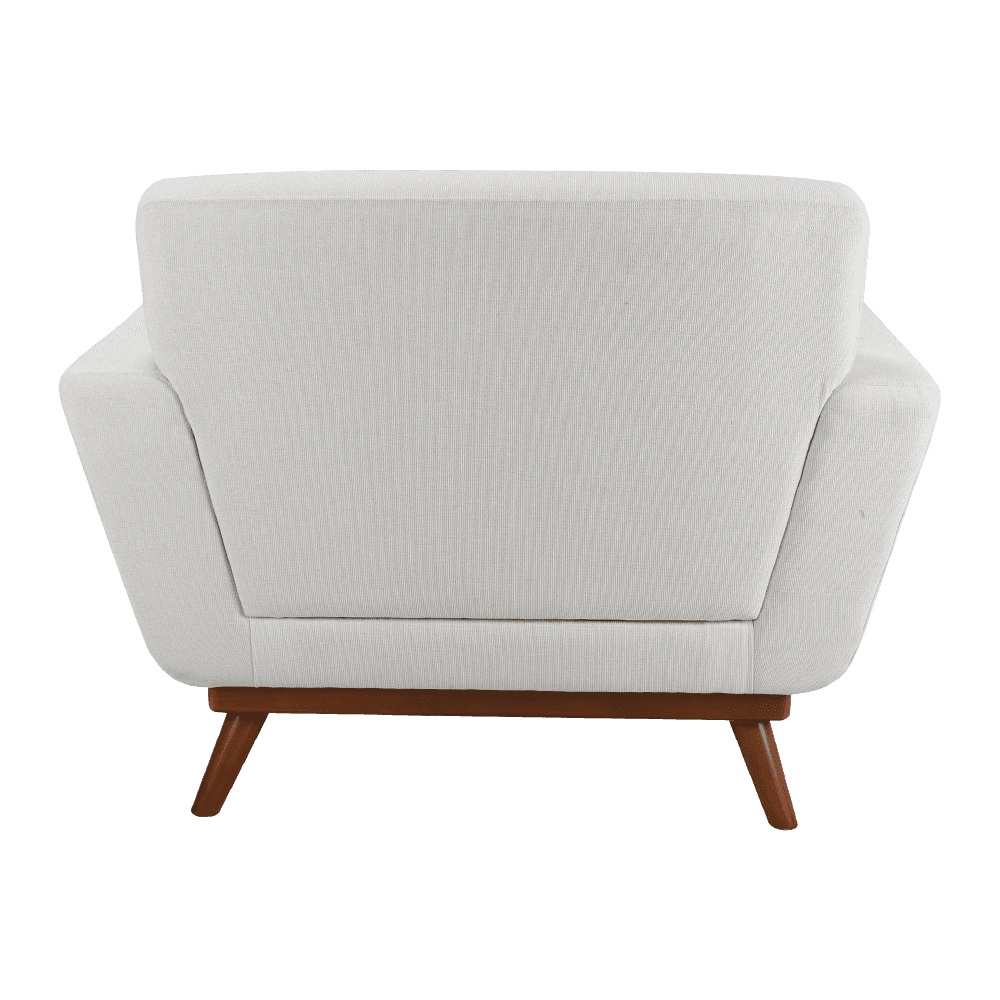 Rubber wood fabric single sofa Manufacturers, Company - Zhejiang Wanchang FurnitWanchang Furniture - Rubber wood fabric single sofa Manufacturers and Company in China, Custom Rubber wood fabric single sofa for sale, T...View Product →
Step-by-Step Customization Process at Our Factory
Custom indoor fabric sofa production should feel methodical, not chaotic. We follow a six-stage workflow that has been refined across thousands of OEM and ODM orders, and we surface every decision point before cutting the first metre of fabric.
Design Communication. Send us a technical drawing, a photo of an existing piece, or a detailed brief that includes target dimensions, intended use (residential, hotel lobby, restaurant lounge), and any specific comfort expectations. Our engineering team converts that into a 3D structural model and returns a bill of materials.
Fabric & Finish Sampling. We pull physical cuttings from our audited fabric library—or source the exact mill reference you provide—and mount them on foam blocks so you can assess hand-feel, stretch, and how the colour reads under hospitality lighting. At this stage we also produce a small timber sample if a stained or painted leg finish is required.
Structure Confirmation. Before we build a full prototype, you receive a cutaway photograph or short video of the internal frame assembly, showing joint type (double-dowel, corner-block, or metal bracket) and spring suspension layout. This step catches structural mismatches early and avoids costly re-sampling.
Pre-Production Sample. One fully upholstered sample is produced, inspected against your specification sheet, and shipped to your office or your client’s design studio. We often ship two samples—one to retain at your warehouse as the “golden sample” and one for client sign-off.
Mass Production & In-Line QC. Once the sample is approved, we sequence the order into our production schedule. In-line inspectors check foam density, seam alignment, and frame integrity at hourly intervals. Any deviation outside the agreed tolerance triggers a line-stop. For orders dispatched from our Vietnam base, the same inspection protocol applies, with additional cross-checks from our Anji quality team who rotate through both factories quarterly.
Final Inspection & Shipping. Every fully assembled or flat-packed unit passes a final dimensional, comfort, and cosmetic audit. We coordinate FCL and LCL shipments through our long-term freight partners and provide container-loading photographs so you see exactly how your order was stowed. To see the breadth of configurations we already manufacture and to spark ideas for your own custom piece, browse our indoor fabric sofa collection.
Commonly Customized Features in Indoor Fabric Sofas
Most procurement briefs land on our desks with three non-negotiables: the fabric must pass 50,000 double rubs, the seat must not bottom out after 18 months of lobby use, and the silhouette must match a specific interior design direction. Because we control the component chain from raw stock to finished product, we adjust each variable independently rather than asking you to accept a compromise from a fixed catalogue unit.
Fabric is the most visible custom element, and the choice often splits into two paths. Cotton-linen blends and textured weaves deliver a premium, natural look favoured by designers for upscale residential and boutique hotel settings. High-performance polyester and solution-dyed acrylics, by contrast, provide the liquid-repellent sturdiness that quick-service restaurant and cruise-ship projects demand. We also process genuine and PU leathers for contract upholstery, managing hide selection to minimise natural marking when a uniform appearance is specified. For a sense of how current palette and texture trends are shaping specification decisions, see our summary of 2026 indoor fabric sofa design trends.
Under the cover, the frame and suspension define longevity. Here are the most frequently adjusted components and their practical implications.
| Component | Common Material Options | Key Consideration |
|---|---|---|
| Upholstery | Cotton-linen, velvet, polyester, PU leather | Abrasion resistance vs. tactile softness |
| Frame | Kiln-dried rubber-wood, engineered hardwood, powder-coated steel | Weight, cost, and humidity tolerance |
| Seat fill | High-resilience foam, memory foam, pocket-spring with foam wrap | Sit feel, recovery speed, and long-term sag resistance |
| Back cushion | Polyester fibre, feather-down blend, channelled foam | Plumpness retention vs. maintenance effort |
| Dimensions | Single-seat, loveseat, three-seat, sectional modules | Room footprint and traffic flow |
One of the configurations we see most often adapted for hotel lounge projects is a deep single-seat unit with a high-resilience foam core and a removable fabric cover. The foam’s density and recovery characteristics directly influence guest perception of quality. Our high-resilience sponge fabric sofa model illustrates the construction method we apply when a client needs a sofa that retains its crown after extended daily use—many specifiers treat it as a benchmark during the sampling discussion.
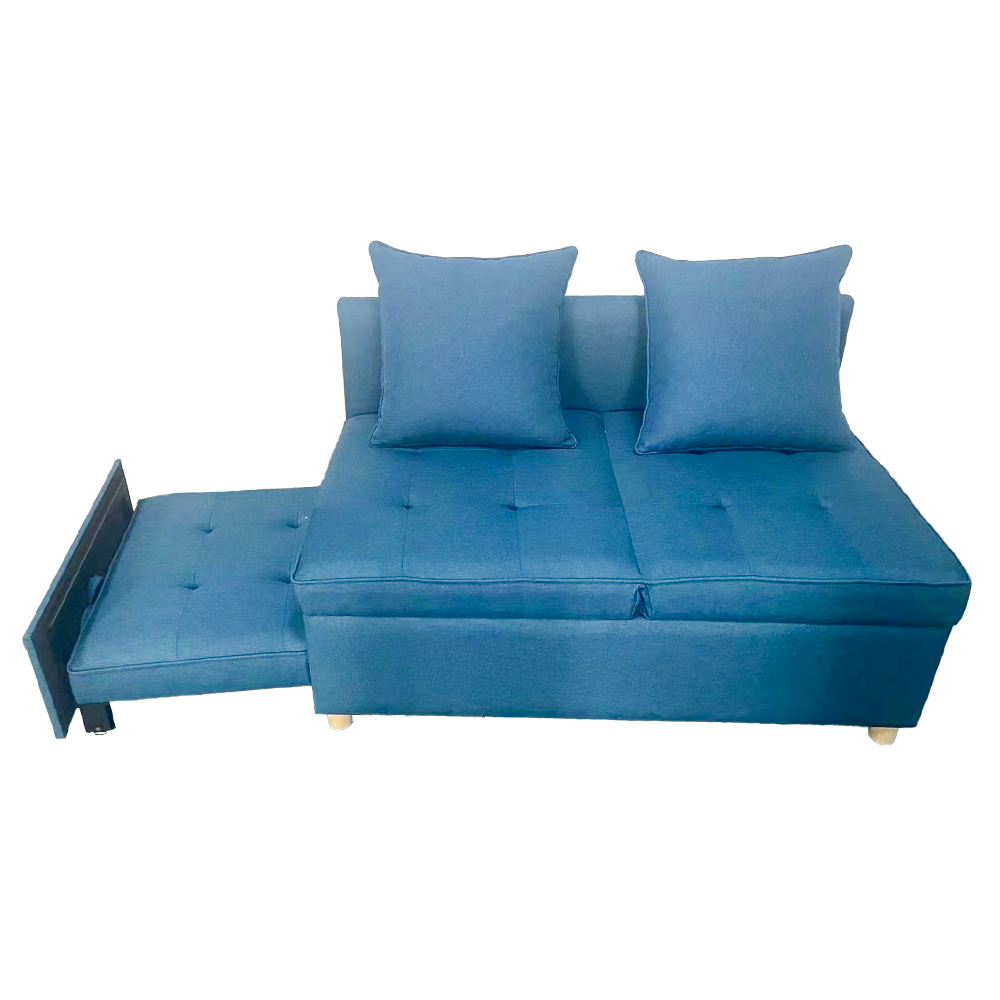 High resilience sponge fabric sofa Manufacturers, Company - Zhejiang Wanchang FuWanchang Furniture - High resilience sponge fabric sofa Manufacturers and Company in China, Custom High resilience sponge fabric sofa for...View Product →
Beyond the core materials, customisation extends to leg finish (stained wood, brushed brass, matte black powder coat), stitching detail (contrast thread, double-needle topstitch), and even the inclusion of integrated USB charging or reading-light brackets. Because we house metal fabrication, wood machining, and upholstery under one operating roof, no component sub-supplier can hold up a design change—the entire value stream stays inside our quality loop.
Quality Assurance: How We Ensure Consistent Output
Consistency at scale is the hardest promise a custom indoor fabric sofa factory makes, and it is the one that determines whether your second shipment matches the first. We treat specification adherence as a measurable engineering outcome, not a post-production hope. The Anji manufacturing cluster plays a foundational role here. With hundreds of specialised component suppliers within a one-hour trucking radius, we can enforce inbound material standards that would be economically unfeasible in a dispersed supply network. Every batch of foam arrives with a density and compression-set certificate that is cross-checked on our own durometer before it reaches the cutting table.
On the production floor, each upholstery station works from a technical sheet that defines seam allowance, pattern-match tolerance for striped or textured fabrics, and staple spacing for the back rail. A dedicated in-line quality auditor pulls random units every four hours and measures seat height, arm symmetry, and cushion gap against the golden sample. Fabric tension and pattern centering on the backrest are reviewed under side-lighting that highlights pull lines invisible under overhead fluorescents. These checks produce a digital record tied to the order number, so any batch-level variation is captured and corrected before the container is loaded.
Finished sofas undergo a multi-point end-of-line inspection that simulates real-world stress: a weighted drop test on the seat platform, a lateral-force push on the armrest, and a 24-hour compression test on a sacrificial cushion from the same production run. While we do not publish specific pass/fail thresholds for proprietary test protocols, the process aligns with the structural expectations required by major US and European contract furniture tenders. The dual-factory model strengthens this further: the Vietnam plant runs the same test jigs and the same documentation software, so a buyer who qualifies one site automatically qualifies the quality system at the other.
For projects where colour consistency is critical—think a chain that sources sofa upholstery to match an existing brand palette—we retain a lab-dip library for every dyed or coated material we approve. When a re-order arrives two years later, we pull the original dip, produce a fresh lab sample, and obtain written confirmation before production begins. This simple discipline has prevented more client disappointments than any high-tech inspection tool ever could.
-
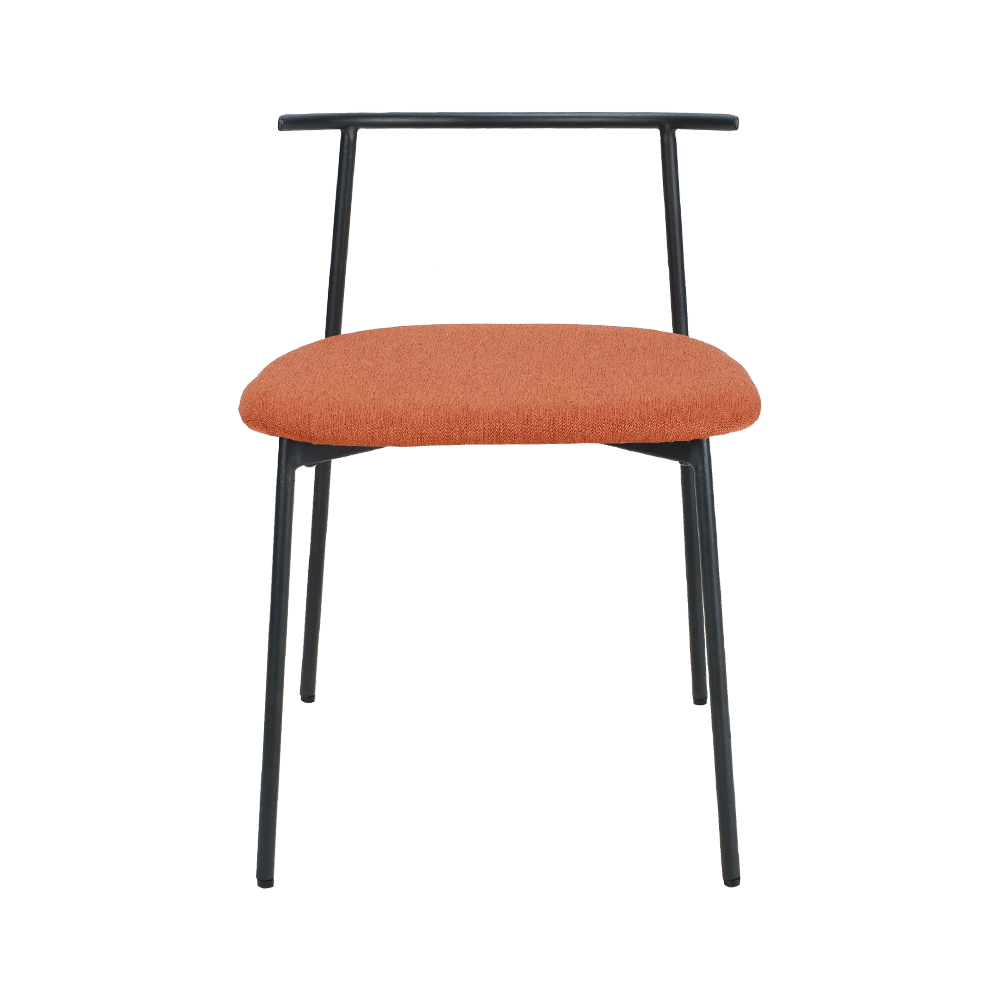
The curved back metal leg dining chair is a blend of modern design and classic comfort, offering an ... -
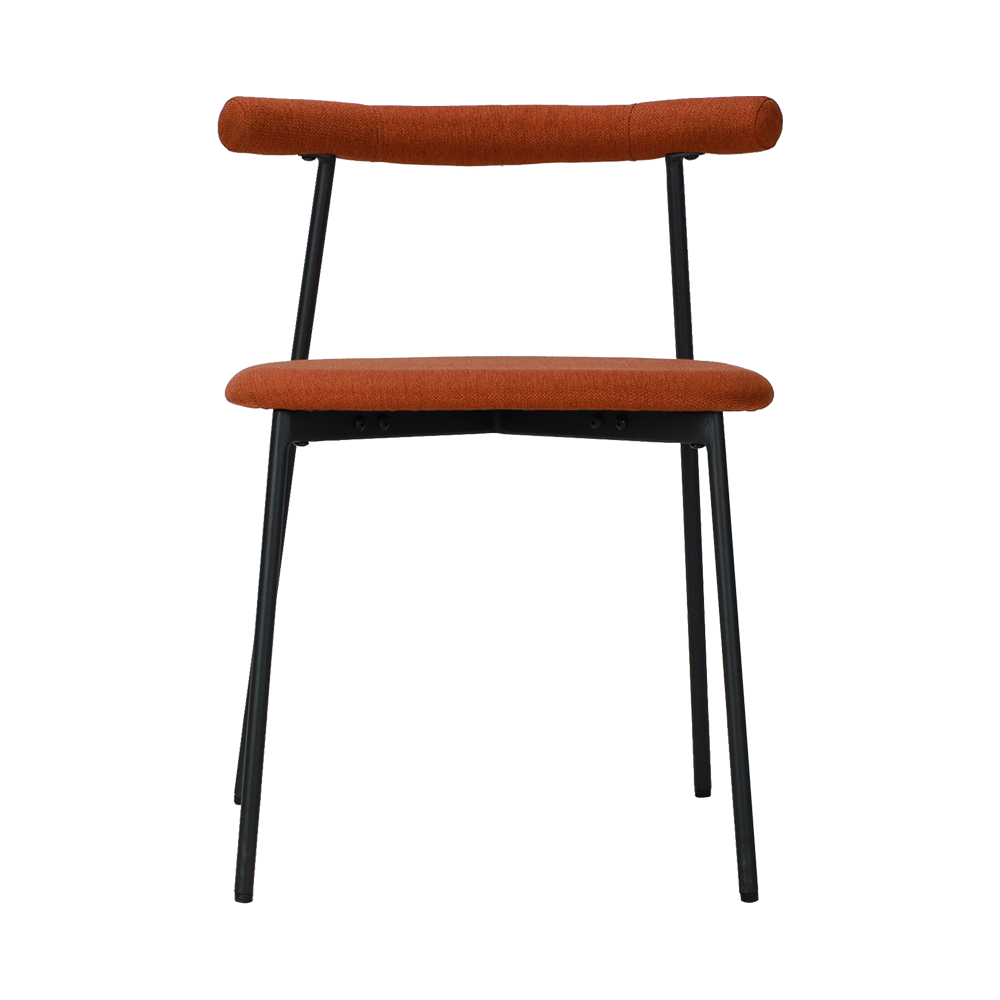
The High Resilience Sponge Cushion Metal Foot Dining Chair offers a blend of comfort, style, and dur... -
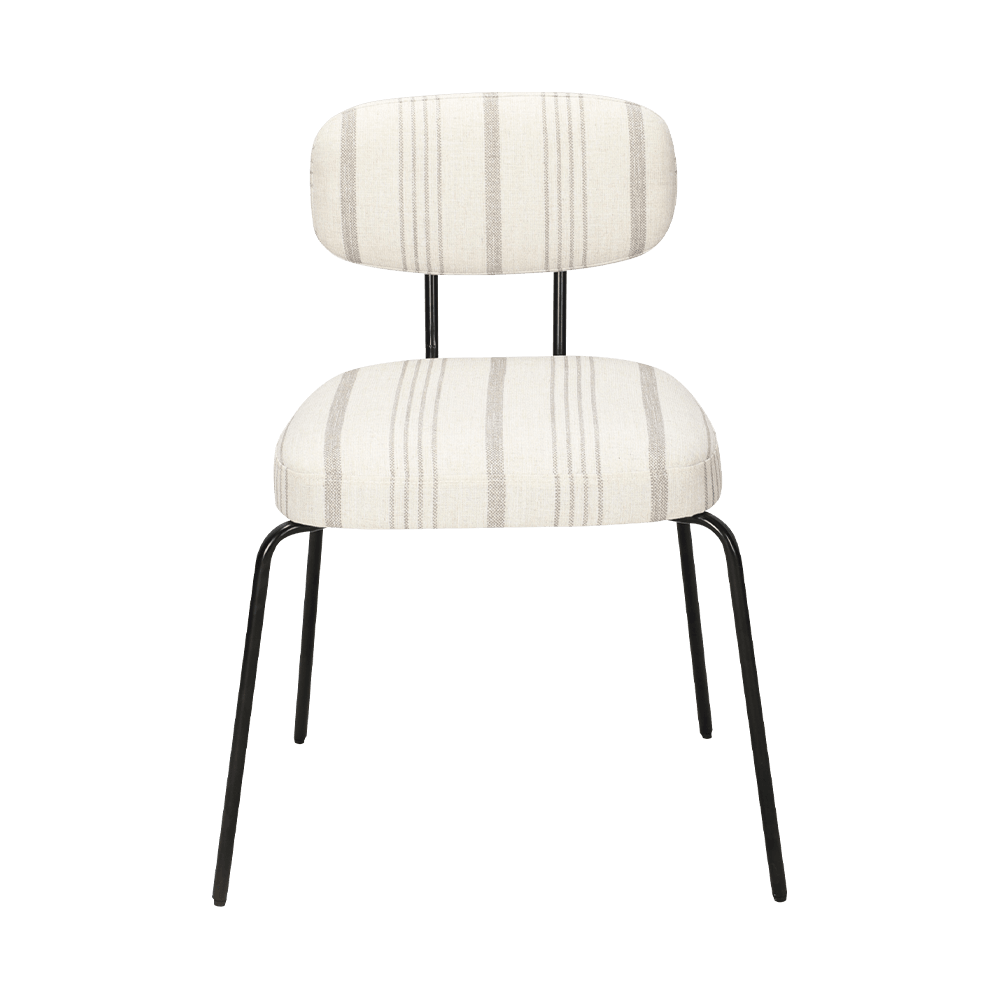
This WS6357 white modern metal dining chair features a simple and elegant design, paired with metal ... -
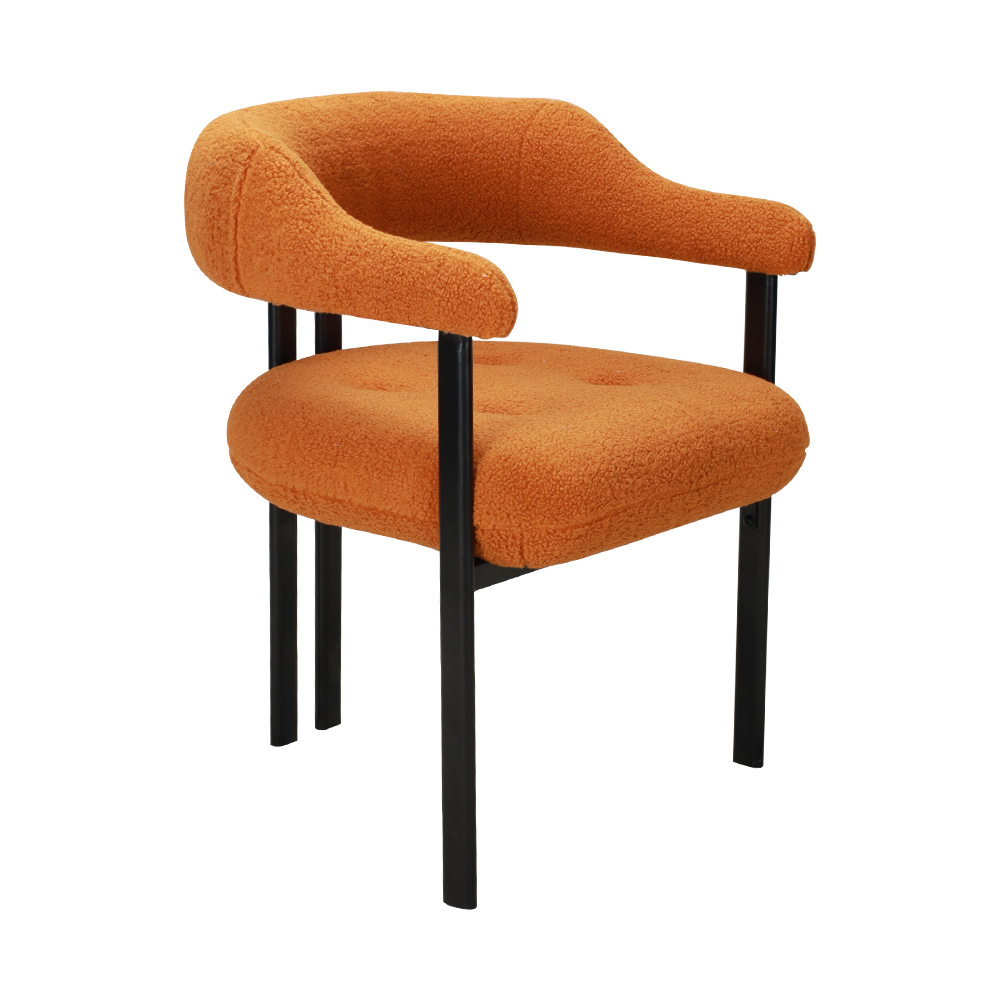
Elevate your dining experience with our WS6353 metal dining chair with a fabric cushion, a blend of ... -
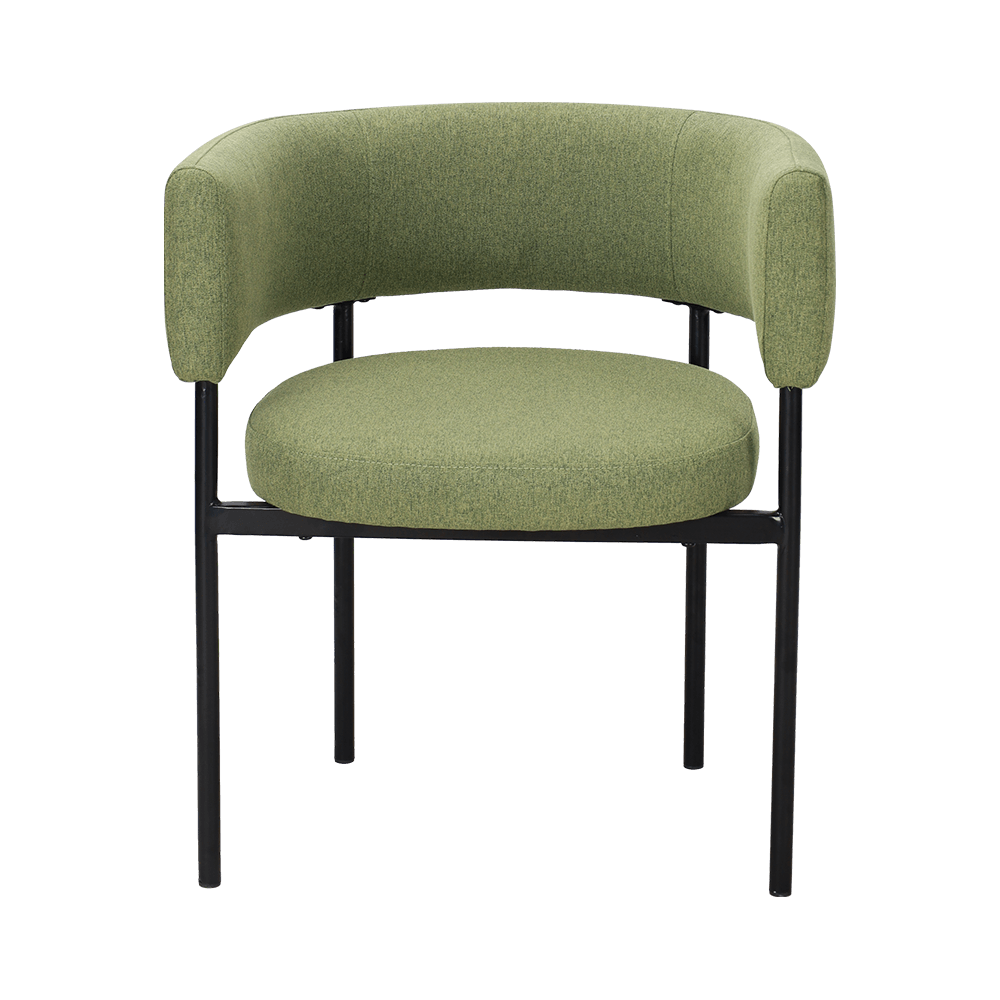
Crafted for both style and functionality, the WS6354 acid green metal leg dining chair features a st... -
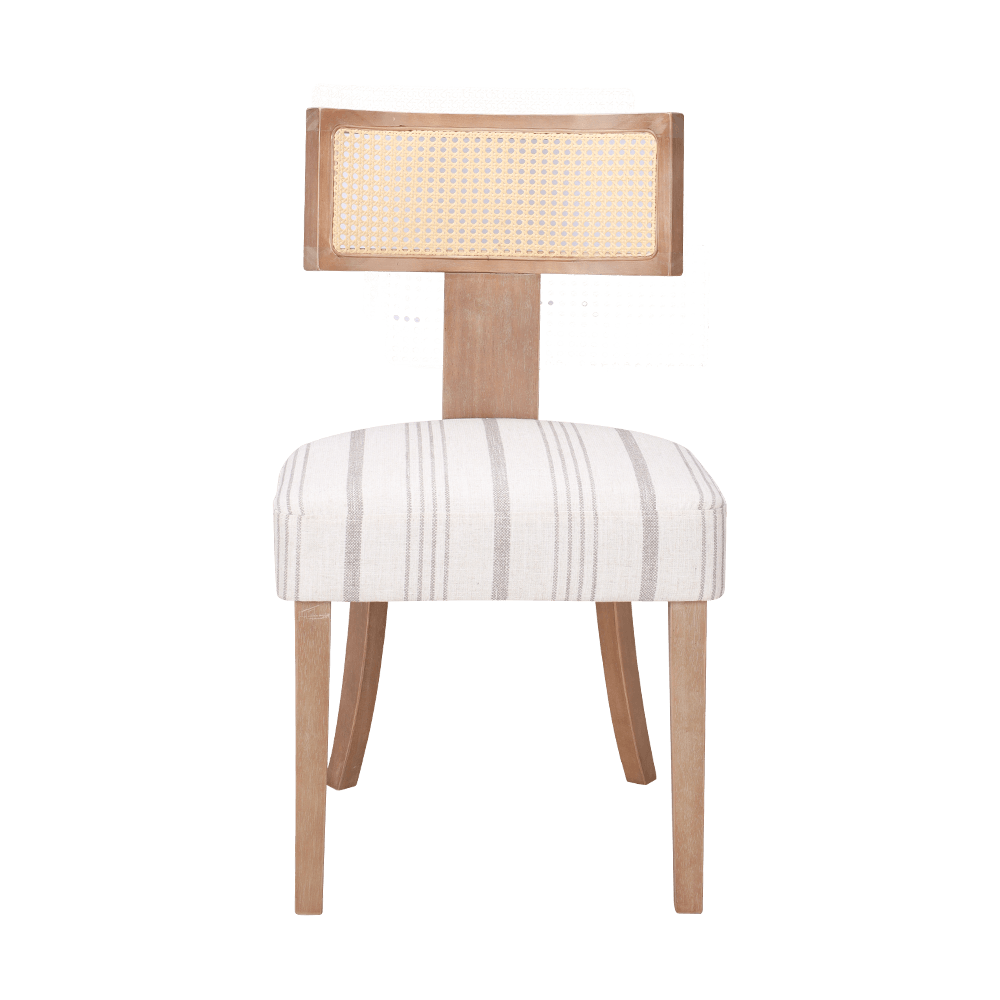
This solid rubber wood dining chair combines natural texture with comfort, featuring a simple yet el... -
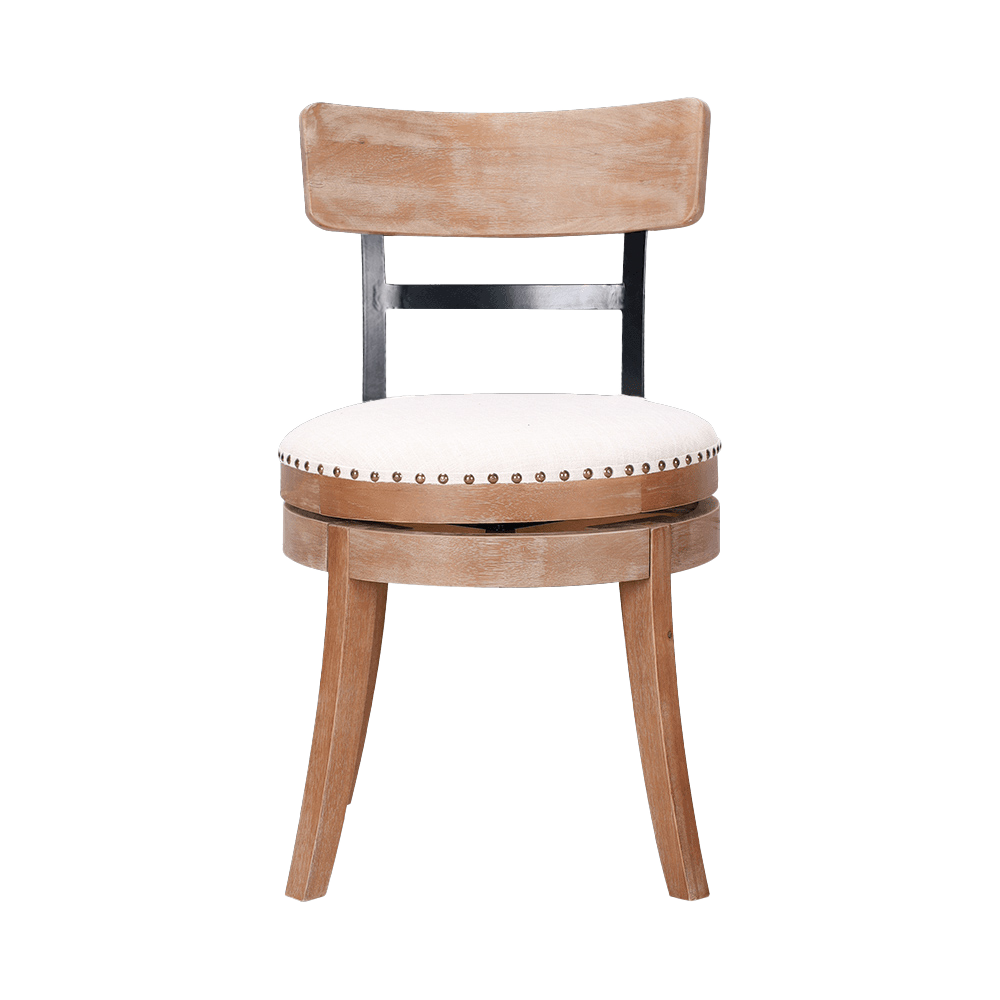
This WS6347 Round Cushion Solid Wood Dining Chair blends comfort with minimalist design, fitting var...

Copyright © Zhejiang Wanchang Furniture Co., Ltd.All Rights Reserved.
Indoor Fabric Sofa Manufacturers

-
 Xucunwancun, Xilong Xiang, Anji County, Zhejiang Province, China
-
 [email protected]
Mobile Site

WeChat Subscription Acount

Copyright © 2024Zhejiang Wanchang Furniture Co., Ltd.
All Rights Reserved.
