


 中文简体
中文简体 English
How Do You Choose Upholstered Dining Chairs That Actually Hold Up?
Posted by Zhejiang Wanchang Furniture Co., Ltd.
Content
- 1 Fabric Durability Ratings: What the Numbers on a Spec Sheet Actually Mean
- 2 Frame Construction: Why Joinery Matters More Than Wood Species
- 3 Foam Density and Cushioning: How to Avoid a Seat That Flattens Within a Year
- 4 Matching Chair Height and Style to Table Height and Room Layout
- 5 Stain Resistance and Cleaning Considerations for Everyday Dining Use
Fabric Durability Ratings: What the Numbers on a Spec Sheet Actually Mean
Upholstery durability is measured using double rubs, a test that counts how many back-and-forth motions a fabric withstands before showing visible wear, and this single number is one of the most useful specs for comparing chairs that otherwise look nearly identical. Fabric rated below 15,000 double rubs is generally considered light-duty, better suited to occasional-use seating like a formal dining room used mainly for holidays, while fabric rated between 15,000 and 30,000 double rubs holds up well to regular daily dining use in an average household. Fabric rated above 30,000 double rubs is considered heavy-duty or commercial grade, which matters for households with children, pets, or dining chairs that also serve as everyday desk or workspace seating.
| Double Rub Rating | Durability Level | Best Fit |
|---|---|---|
| Under 15,000 | Light-duty | Formal or occasional-use dining rooms |
| 15,000–30,000 | Medium-duty | Everyday family dining use |
| Above 30,000 | Heavy-duty/commercial grade | High-traffic households, pets, children, dual-purpose seating |
Fiber content also affects real-world durability beyond the double rub number — tightly woven synthetic blends like polyester or performance fabrics generally resist staining and pilling better than looser natural weaves like linen, which is worth weighing against the softer hand-feel that natural fibers typically offer.
Frame Construction: Why Joinery Matters More Than Wood Species
Buyers often focus on wood species when evaluating chair quality, but joinery — how the frame's pieces are actually connected — has a bigger impact on long-term stability than the type of wood used. Mortise-and-tenon joints, where one piece of wood fits into a matching cavity in another and is secured with glue and often a dowel, distribute stress across a wider surface area than simpler butt joints held together primarily by screws or staples. This matters specifically at the points where a dining chair experiences the most repeated stress — the connection between seat and legs, and between the backrest and seat frame — since these joints flex slightly with every sit-down and stand-up motion over years of use.
Frame details worth checking before purchase
- Mortise-and-tenon or dowel joinery at stress points, rather than screws or staples alone
- Corner blocks glued and screwed into the underside of the seat frame for added rigidity
- Kiln-dried hardwood frames, which resist warping better than green or air-dried lumber
A chair with premium upholstery fabric wrapped around a poorly joined frame will typically fail at the frame level long before the fabric shows meaningful wear, which is why frame construction deserves at least as much scrutiny as fabric choice when comparing options in a similar price range.
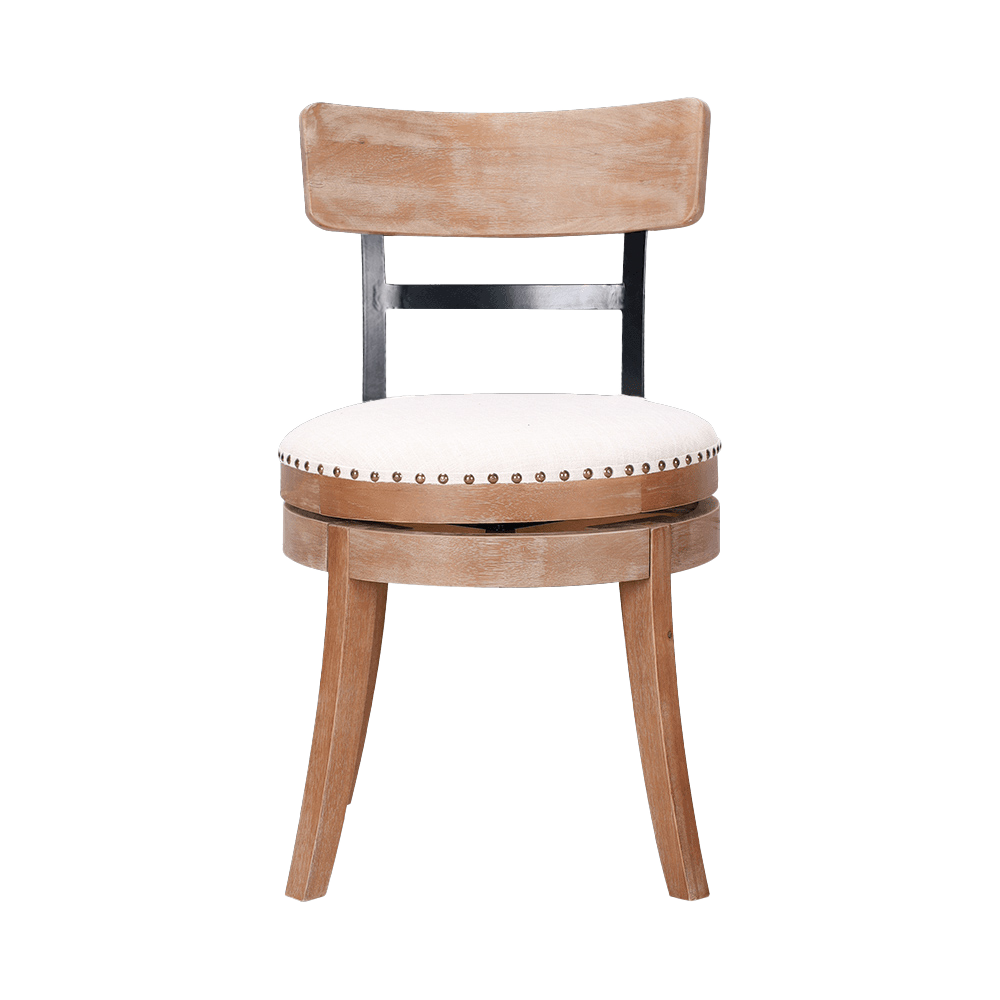
Foam Density and Cushioning: How to Avoid a Seat That Flattens Within a Year
Seat cushion comfort at the point of purchase can be misleading, since low-density foam often feels soft and inviting in a showroom but compresses permanently within months of regular use, leaving a flattened seat that no longer provides adequate support. Foam density, measured in pounds per cubic foot, is the more reliable indicator of long-term comfort retention than initial softness alone — foam in the 1.8 to 2.5 pound density range generally holds its shape well under daily dining use, while foam below this range tends to lose loft and support noticeably faster.
High-resilience foam, which uses a different cell structure than standard polyurethane foam, offers better long-term shape retention at a similar density and is increasingly common in mid-range and higher-end upholstered dining chairs specifically because it resists the permanent compression that lower-grade foam develops. Seat depth also plays into comfort perception independent of foam quality — a seat that's too deep forces the sitter to either perch at the front edge or slump against the backrest, so checking seat depth against typical adult thigh length, generally in the 17-19 inch range for dining chairs, avoids a fit issue that comfortable foam alone can't fix.
Matching Chair Height and Style to Table Height and Room Layout
Correct chair-to-table proportion is a detail that affects comfort every single meal, yet it's easy to get wrong when chairs and tables are purchased separately or replaced individually over time. The standard clearance range between seat height and tabletop height is roughly 10-12 inches, which allows comfortable knee clearance and forearm positioning at the table without the seat feeling either too low or too cramped underneath. Standard dining tables sit around 28-30 inches high, pairing with chair seat heights around 18 inches, while counter-height tables around 34-36 inches need chairs with seat heights closer to 24-26 inches to maintain that same clearance range.
- Standard dining table (28–30 in.): pair with chairs around 18 in. seat height
- Counter-height table (34–36 in.): pair with chairs around 24–26 in. seat height
- Bar-height table (40–42 in.): pair with chairs around 28–30 in. seat height
Armrest height and placement matter for this proportion as well, since armrests that sit too high relative to the tabletop can prevent a chair from tucking fully underneath, creating both a functional inconvenience and a visually inconsistent look around the table when chairs sit at uneven distances from the edge.
Stain Resistance and Cleaning Considerations for Everyday Dining Use
Dining chairs face more frequent spill exposure than almost any other upholstered furniture in the home, which makes cleanability a practical priority rather than a secondary aesthetic concern, particularly in households with young children. Performance fabrics treated with a stain-resistant finish, often based on fluoropolymer or similar liquid-repellent coatings, cause spills to bead on the surface rather than absorbing immediately, giving enough time to blot the spill before it sets into the fabric fibers. Untreated natural fabrics like cotton or linen absorb liquid far more readily, which means spills need to be addressed almost immediately to avoid staining, a practical limitation worth considering for a chair that will see regular use around food and drink.
Removable, washable seat cushions offer a different solution to the same problem — rather than relying on the fabric's inherent stain resistance, a removable cover can simply be laundered when needed, which extends the practical lifespan of the chair regardless of how spill-resistant the base fabric is. For households prioritizing low-maintenance cleaning over fabric texture or appearance, checking whether a chair's cushion cover is removable and machine washable is often a more decisive factor than the fabric's stated stain resistance rating alone.
-
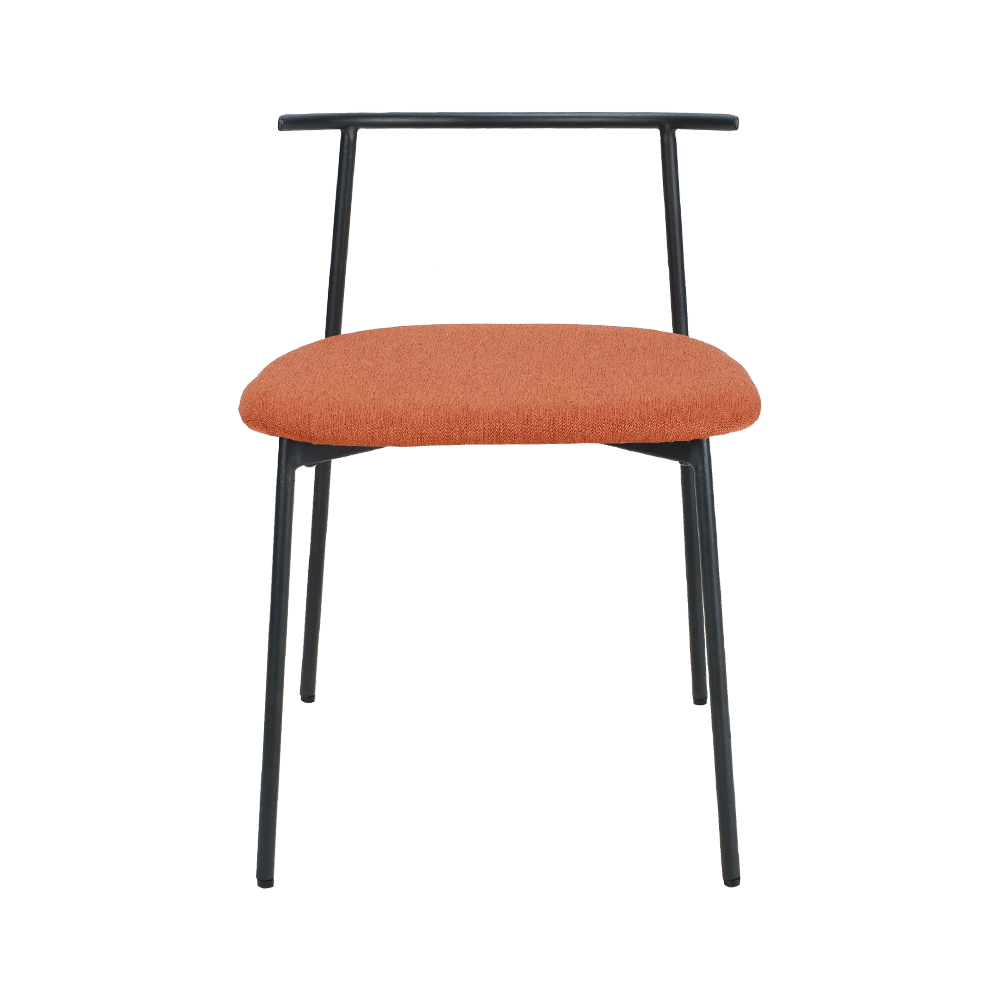
The curved back metal leg dining chair is a blend of modern design and classic comfort, offering an ... -
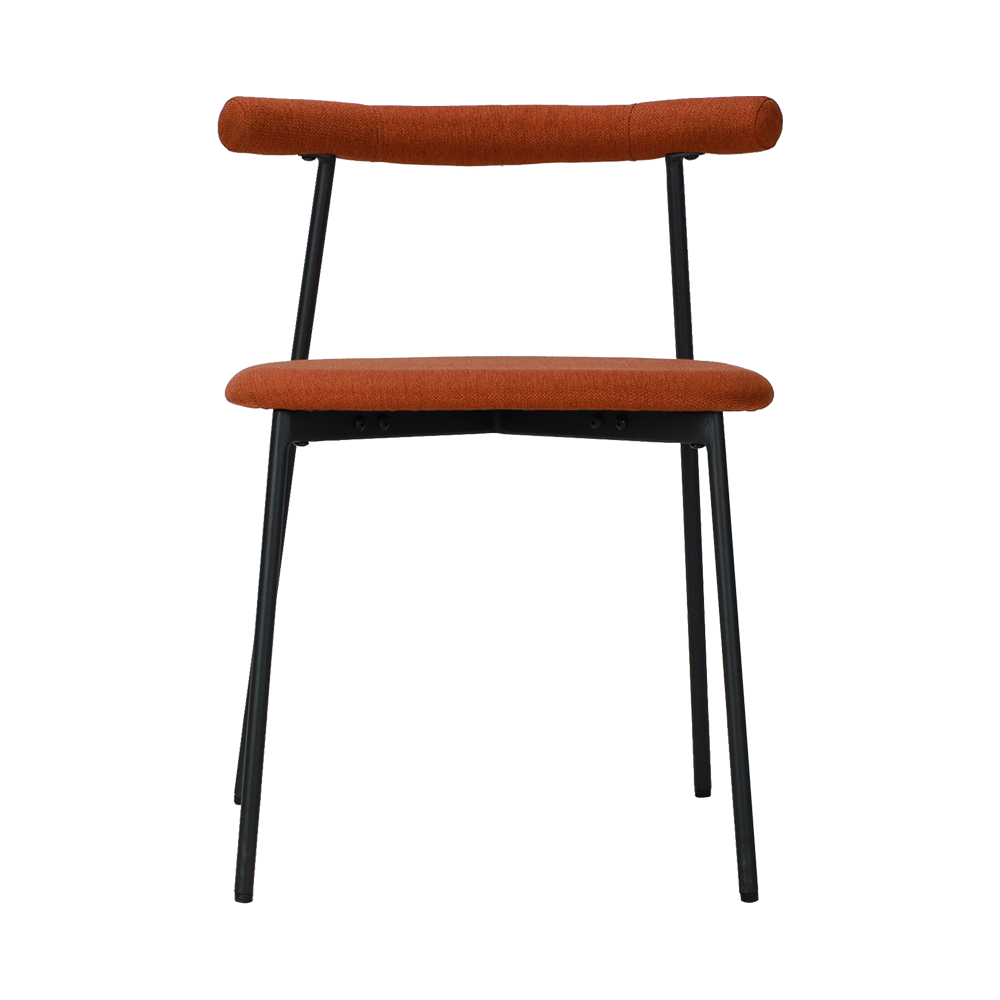
The High Resilience Sponge Cushion Metal Foot Dining Chair offers a blend of comfort, style, and dur... -
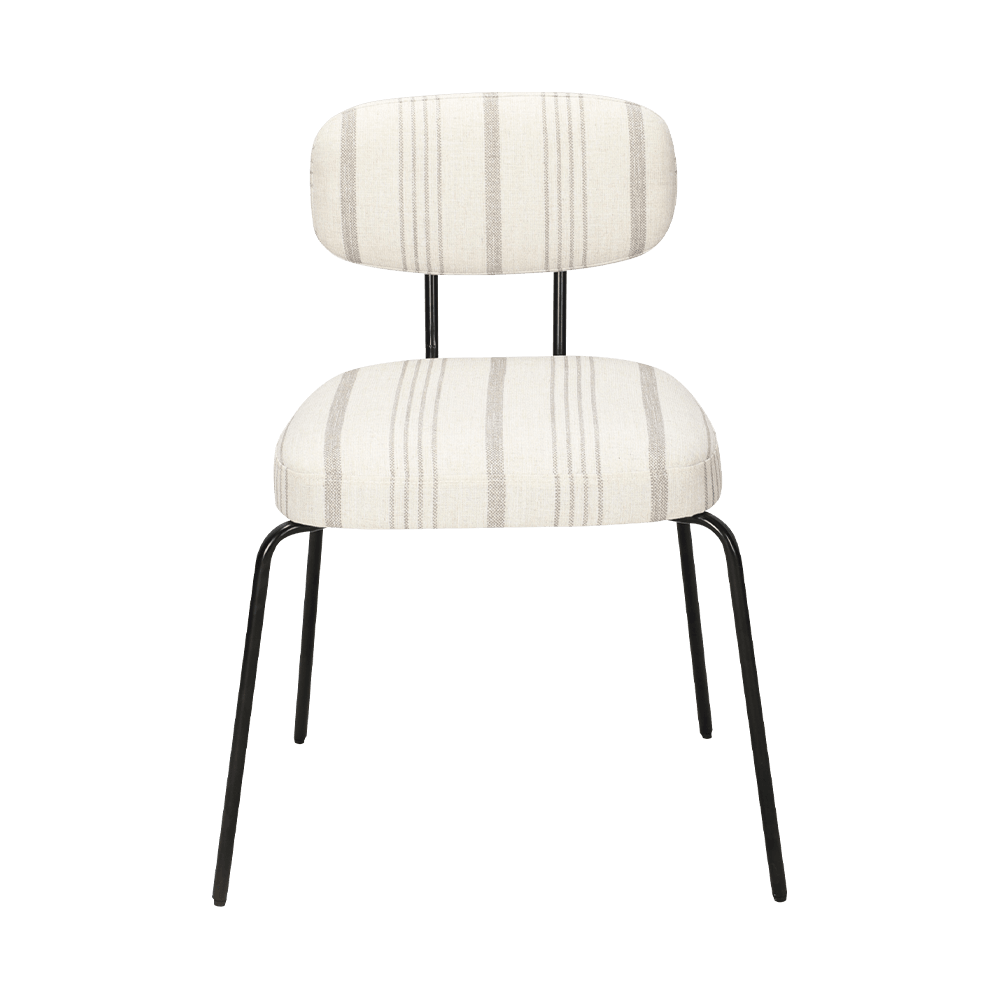
This WS6357 white modern metal dining chair features a simple and elegant design, paired with metal ... -
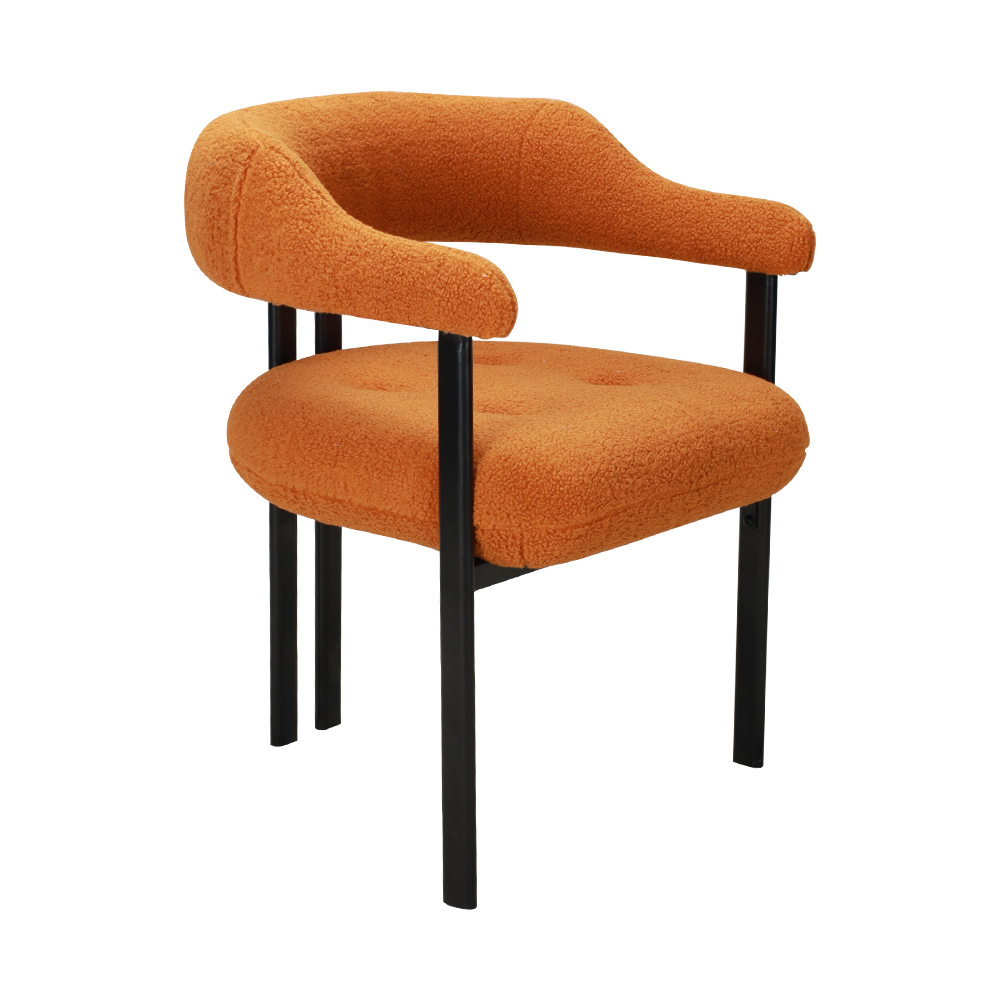
Elevate your dining experience with our WS6353 metal dining chair with a fabric cushion, a blend of ... -
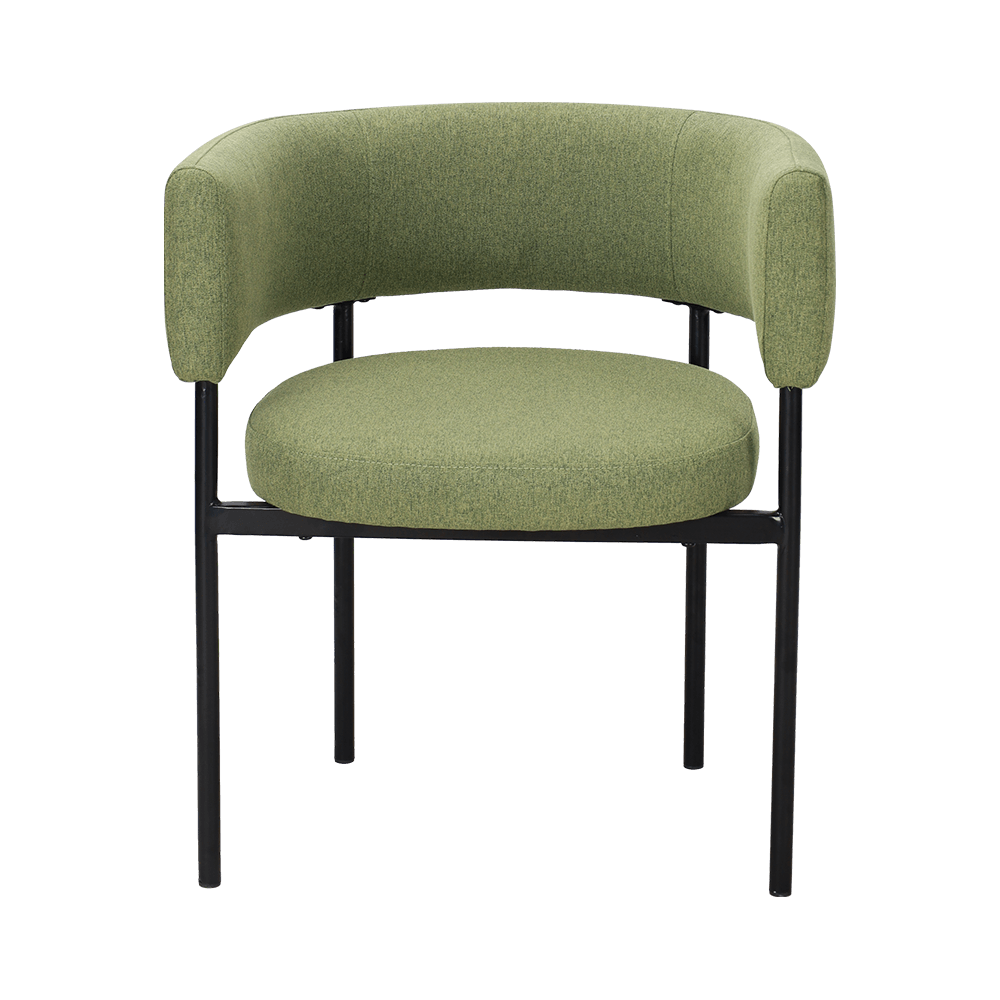
Crafted for both style and functionality, the WS6354 acid green metal leg dining chair features a st... -
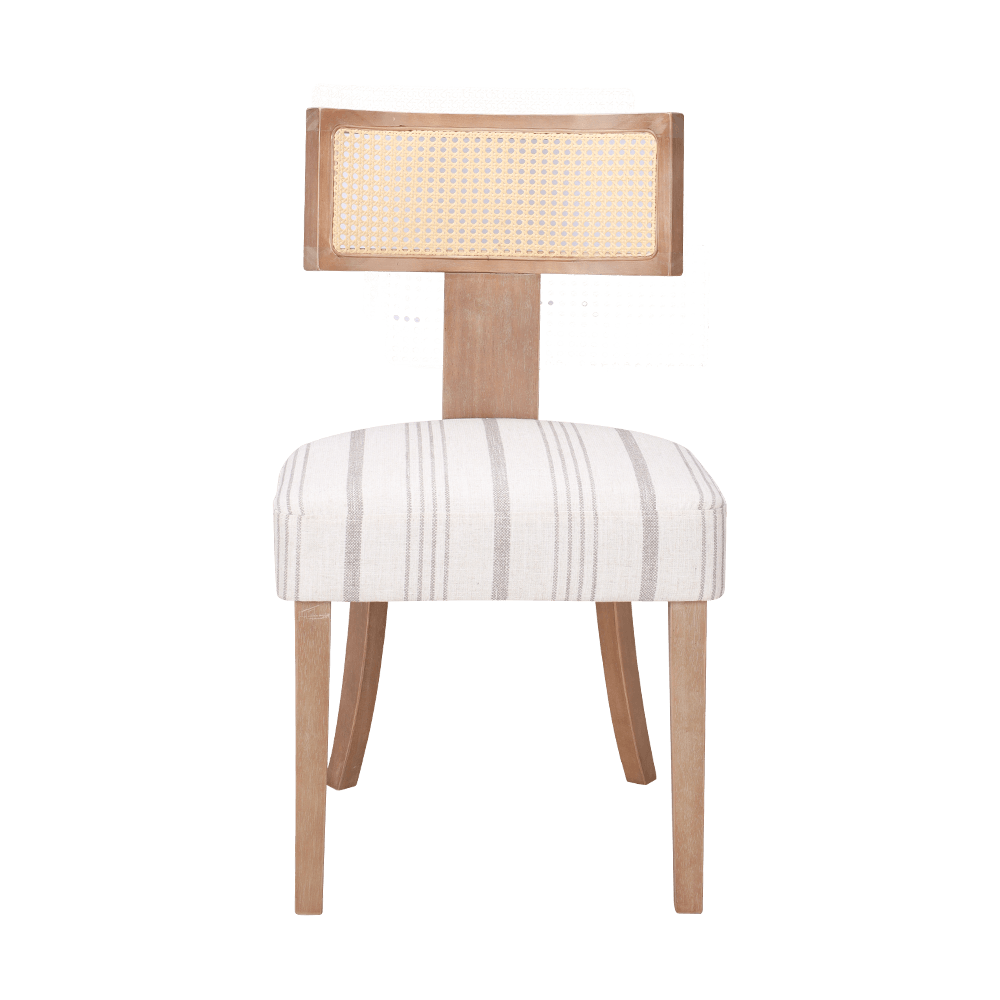
This solid rubber wood dining chair combines natural texture with comfort, featuring a simple yet el... -

This WS6347 Round Cushion Solid Wood Dining Chair blends comfort with minimalist design, fitting var...

Copyright © Zhejiang Wanchang Furniture Co., Ltd.All Rights Reserved.
Indoor Fabric Sofa Manufacturers

-
 Xucunwancun, Xilong Xiang, Anji County, Zhejiang Province, China
-
 [email protected]
Mobile Site

WeChat Subscription Acount

Copyright © 2024Zhejiang Wanchang Furniture Co., Ltd.
All Rights Reserved.
