


 中文简体
中文简体 English
How Do You Choose a Fabric Lounge Chair That Balances Comfort and Durability?
Posted by Zhejiang Wanchang Furniture Co., Ltd.
Content
- 1 What Sets a Fabric Lounge Chair Apart from Standard Seating
- 2 Frame Construction and Its Effect on Long-Term Comfort
- 3 Fabric Selection Criteria Worth Understanding
- 4 Ergonomic Features That Improve the Reclining Experience
- 5 Matching Fabric Lounge Chairs to Different Room Settings
- 6 Maintenance Practices That Preserve Fabric Quality Over Time
What Sets a Fabric Lounge Chair Apart from Standard Seating
A lounge chair is built around a single purpose that distinguishes it from ordinary seating: extended, reclined comfort rather than upright, task-oriented sitting. Its reclined shape and ergonomic design allow the body to settle into a resting position, often supported by an extended base that lets the legs stretch out fully. Fabric lounge chairs bring a particular set of qualities to this form, offering a soft, textured surface that feels warm and inviting compared to the coolness of leather or the rigidity of molded plastic, making them a common choice for spaces where comfort and a relaxed atmosphere take priority over formal presentation.
The appeal of fabric as an upholstery choice goes beyond surface feel. Fabric breathes more readily than leather or vinyl, which matters during longer periods of reclined sitting when body heat and moisture can build up against a non-breathable surface. This breathability, combined with the wide range of textures, weaves, and colors available in fabric upholstery, gives fabric lounge chairs a versatility that other materials struggle to match, particularly for buyers looking to coordinate a chair with an existing room's color palette or texture scheme.
Frame Construction and Its Effect on Long-Term Comfort
The frame beneath the fabric upholstery determines how well a lounge chair holds its shape and supports the body over years of use. Classic lounge chair frames are often built from hardwood such as oak, beech, or walnut, chosen for its combination of strength and flexibility, allowing the frame to absorb the repeated stress of reclining and rising without developing creaks or structural weakness. Modern lounge chairs frequently substitute metal frames, typically steel or aluminum, which offer a slimmer profile and a more contemporary aesthetic while maintaining comparable load-bearing strength.
Beneath the visible frame, the suspension system plays an equally important role in comfort. Webbing straps, sinuous springs, or a combination of both distribute body weight across the seat base, preventing the sagging that occurs when cushioning alone bears the full load. Chairs built with a denser network of springs or webbing generally offer more consistent support over time, while lower-cost frames relying solely on foam padding over a solid platform tend to lose their supportive quality more quickly.
Common Frame Materials and Their Characteristics
| Frame Material | Key Characteristic | Typical Setting |
| Hardwood | Strong, flexible, classic appearance | Living rooms, reading nooks |
| Steel | High load capacity, slim profile | Modern interiors, offices |
| Aluminum | Lightweight, corrosion resistant | Covered patios, sunrooms |
Fabric Selection Criteria Worth Understanding
Not all upholstery fabrics perform equally well on a lounge chair, where the fabric endures repeated friction from reclining and rising, sustained body contact, and, in many settings, exposure to sunlight through nearby windows. Woven fabrics such as chenille, boucle, or tightly woven cotton blends tend to hold up better under this kind of repeated use than looser knit fabrics, which can stretch or pill over time.
Durability ratings, often expressed through a double rub count, provide a useful benchmark for comparing fabric options. Fabrics rated for higher double rub counts are engineered to withstand more repeated friction cycles before showing visible wear, making them better suited to lounge chairs used daily than lower-rated decorative fabrics intended for occasional-use furniture. Buyers furnishing a chair for heavy daily use, such as a primary reading or television-viewing spot, should prioritize fabrics with double rub counts suited to heavy residential or light commercial use rather than purely decorative-grade textiles.
Fabric Qualities to Evaluate Before Purchase
- Double rub count indicating abrasion resistance for repeated use
- Weave tightness, since tighter weaves generally resist pilling and stretching
- Colorfastness rating, particularly for chairs placed near windows or in sunrooms
- Cleaning code, which indicates whether water-based or solvent-based cleaning is appropriate
Ergonomic Features That Improve the Reclining Experience
Beyond frame and fabric, the specific ergonomic features built into a lounge chair determine how well it actually delivers on its core promise of restful, extended comfort. Adjustable backrests allow the user to fine-tune recline angle to suit different activities, whether that's a more upright position for reading or a fuller recline for napping, and chairs offering multiple locked positions tend to accommodate a wider range of body types and preferences than fixed-angle designs.
Built-in headrests provide critical neck support during deeper recline positions, preventing the strain that develops when the head has no support and tips backward unsupported. Armrests, meanwhile, contribute to overall comfort by giving the arms a stable resting point and easing the transition into and out of the chair, particularly important for chairs used by older adults or anyone with mobility considerations. Extended leg rests or ottomans, whether built-in or paired separately, complete the reclined posture by supporting the full length of the legs rather than leaving them unsupported past the knee.
Matching Fabric Lounge Chairs to Different Room Settings
Fabric lounge chairs adapt readily across a range of indoor settings, though each environment places somewhat different demands on the chair's design and material selection. In a living room, a fabric lounge chair often serves as a secondary seating anchor alongside a sofa, and buyers in this setting typically prioritize fabric texture and color coordination with existing decor alongside comfort features like adjustable recline.
In a dedicated reading nook, comfort features take on greater priority than aesthetic coordination, since the chair will likely see extended single-position use. A well-padded seat, supportive headrest, and an armrest height suited to holding a book comfortably all matter more in this context than they might in a chair used primarily for occasional guest seating. Sunrooms and covered patios present a middle ground, where fabric chairs need to be positioned away from direct sun or moisture exposure, or fitted with performance fabrics engineered to resist fading and moisture absorption while still offering the soft hand feel associated with traditional upholstery.
Maintenance Practices That Preserve Fabric Quality Over Time
Routine care significantly extends the usable life of a fabric lounge chair. Regular vacuuming with an upholstery attachment removes dust and debris before it works into the fabric weave, reducing the abrasive wear that accumulated grit can cause during normal sitting and shifting. Rotating or fluffing removable cushions periodically helps maintain even wear and prevents permanent compression in high-contact areas like the seat and headrest.
When spills or stains occur, checking the fabric's cleaning code before applying any cleaning solution prevents accidental damage from an incompatible cleaning method. Fabrics coded for water-based cleaning generally tolerate mild soap and water solutions, while those requiring solvent-based cleaning need a dry-cleaning solvent or professional attention to avoid staining or texture damage. Keeping fabric lounge chairs out of direct, prolonged sunlight, or using UV-protective window treatments nearby, further helps preserve color vibrancy and prevents the fabric weakening that extended UV exposure can cause over time.
Choosing a fabric lounge chair ultimately comes down to balancing frame durability, fabric performance, and ergonomic features against the specific setting and usage pattern intended for the piece. A chair selected with these factors in mind, rather than appearance alone, is far more likely to remain a comfortable, functional fixture in the room for years rather than a piece that shows wear and loses its supportive quality within a short time.
-
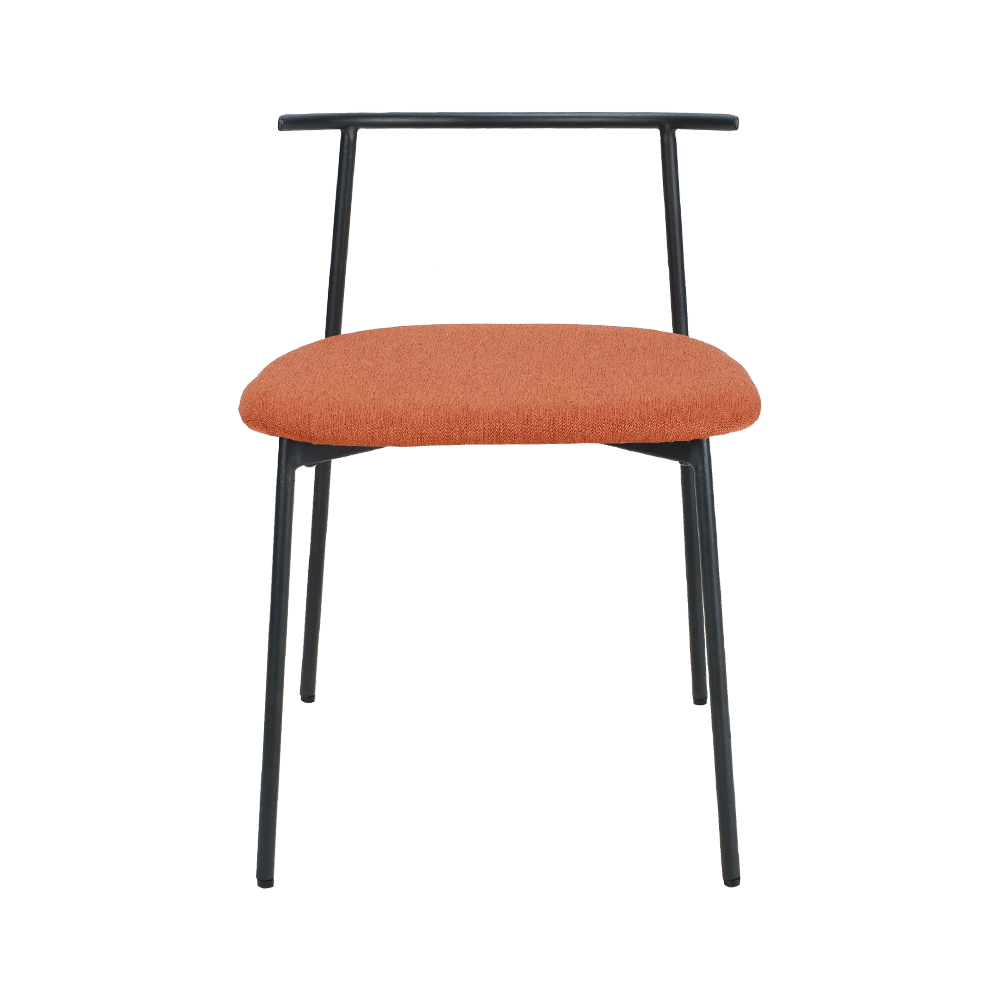
The curved back metal leg dining chair is a blend of modern design and classic comfort, offering an ... -
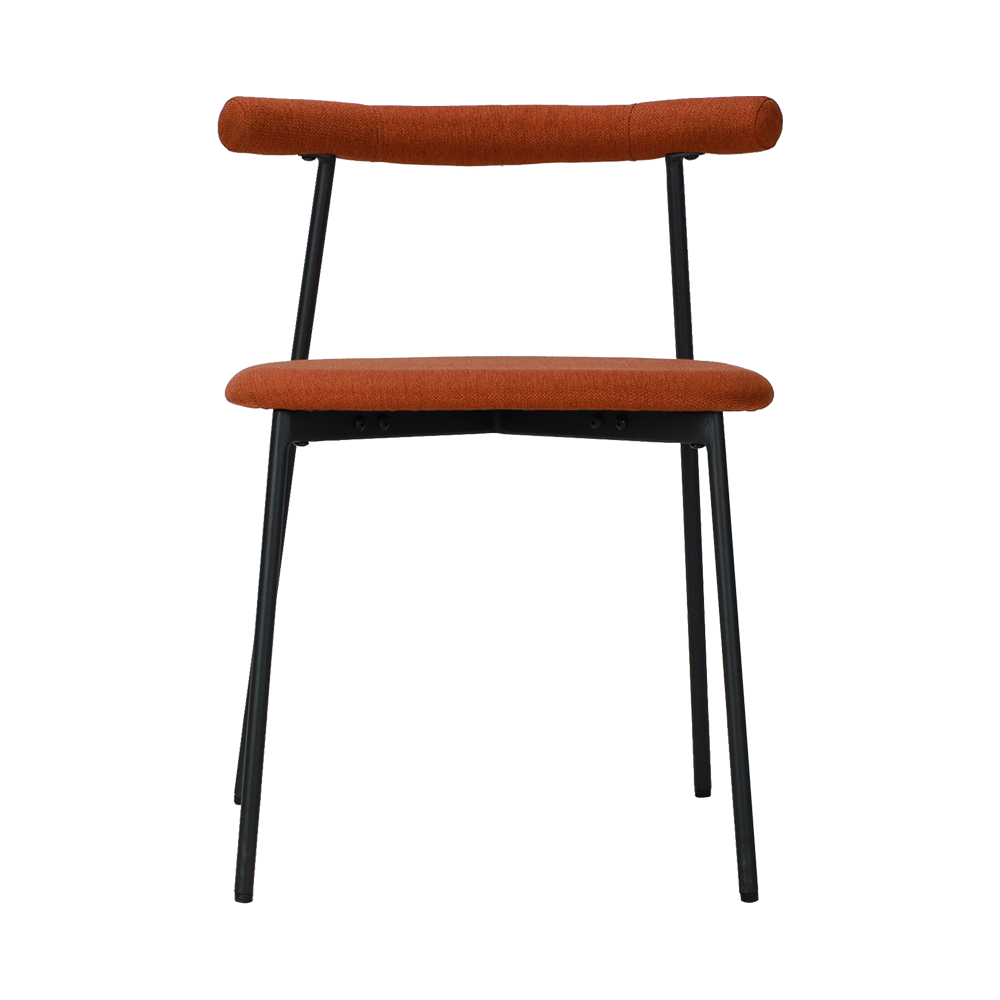
The High Resilience Sponge Cushion Metal Foot Dining Chair offers a blend of comfort, style, and dur... -
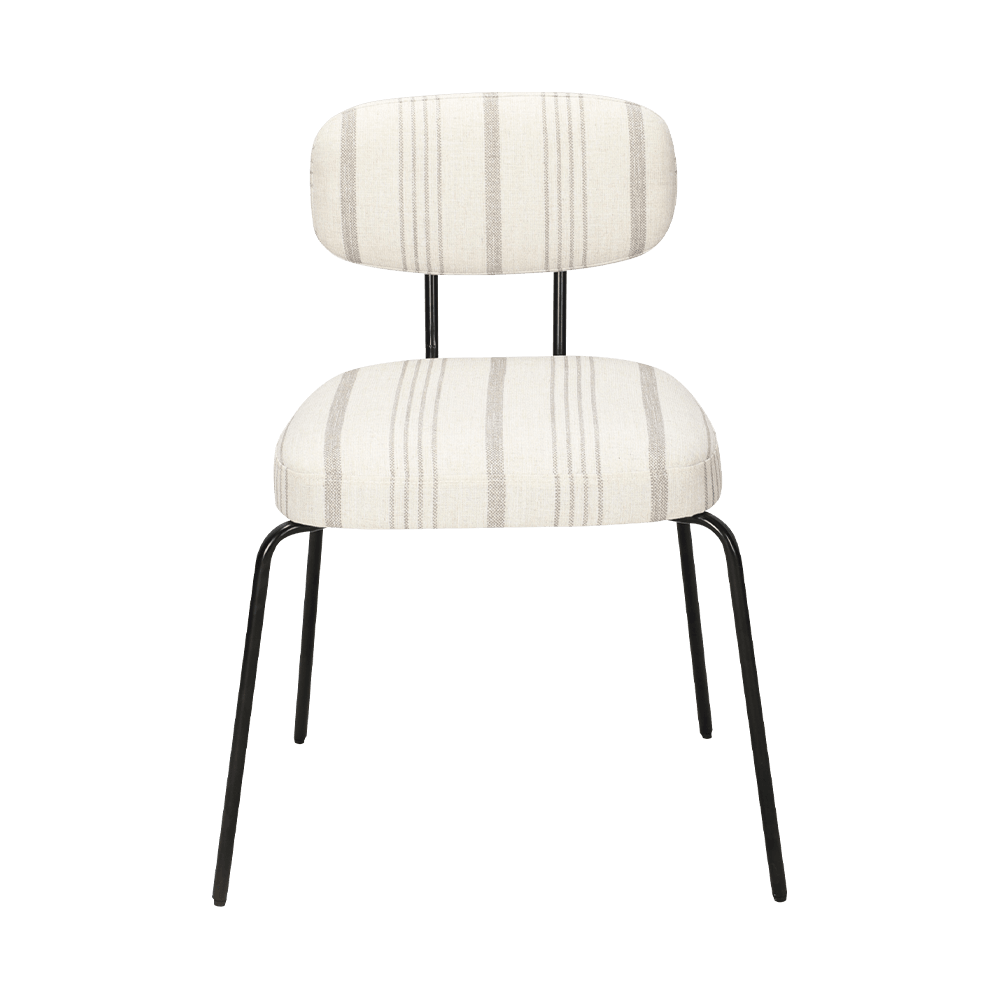
This WS6357 white modern metal dining chair features a simple and elegant design, paired with metal ... -
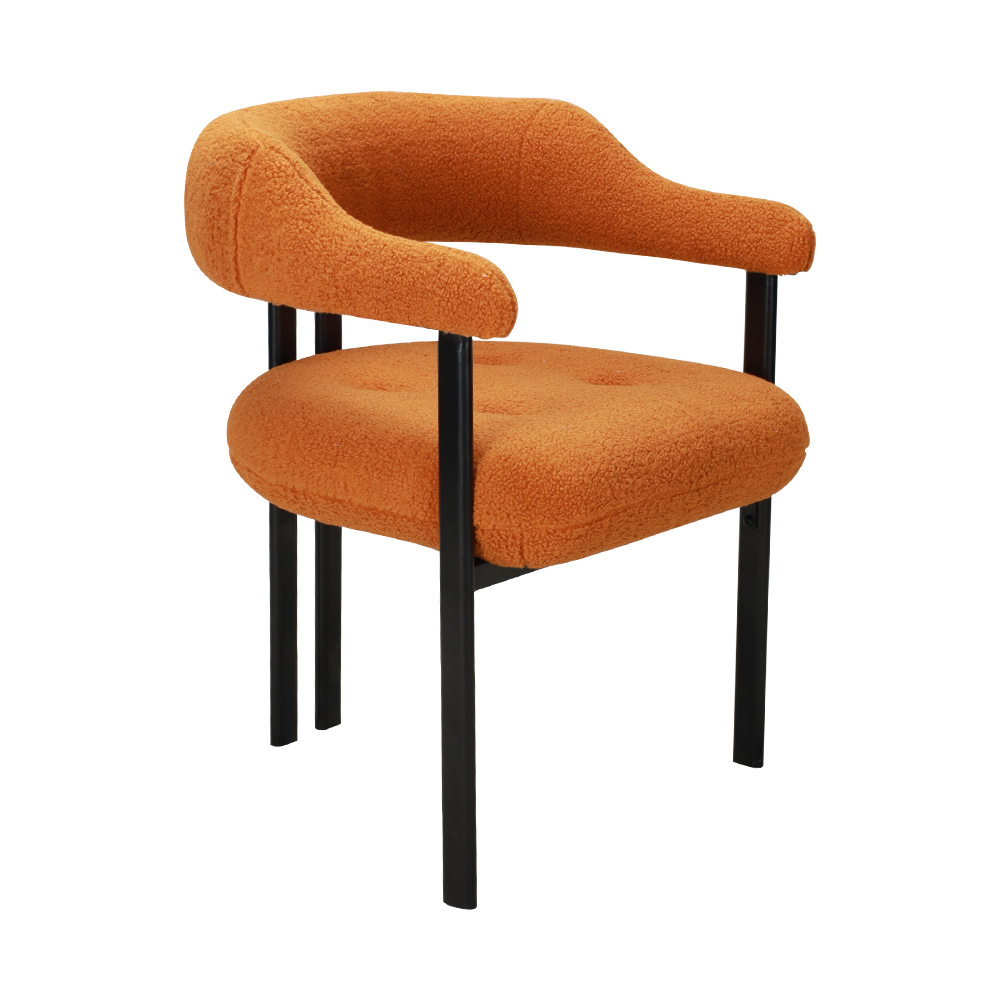
Elevate your dining experience with our WS6353 metal dining chair with a fabric cushion, a blend of ... -
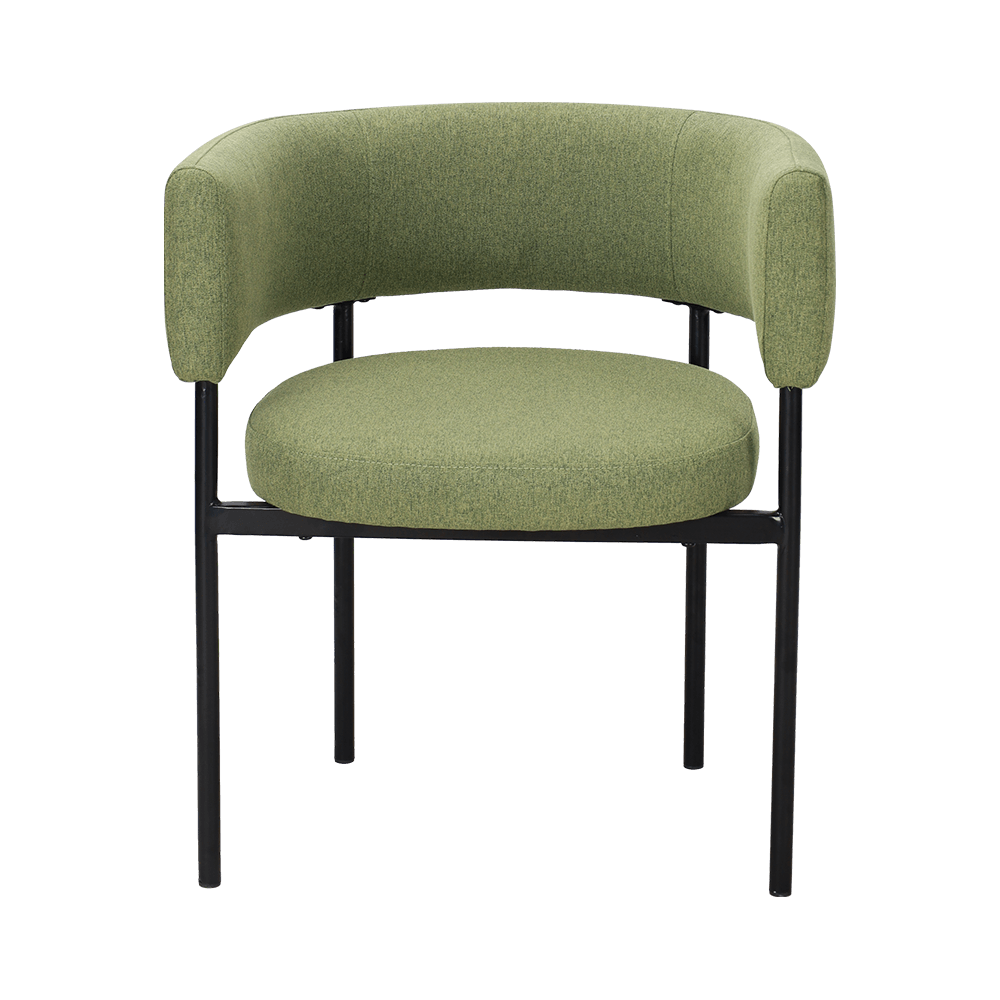
Crafted for both style and functionality, the WS6354 acid green metal leg dining chair features a st... -
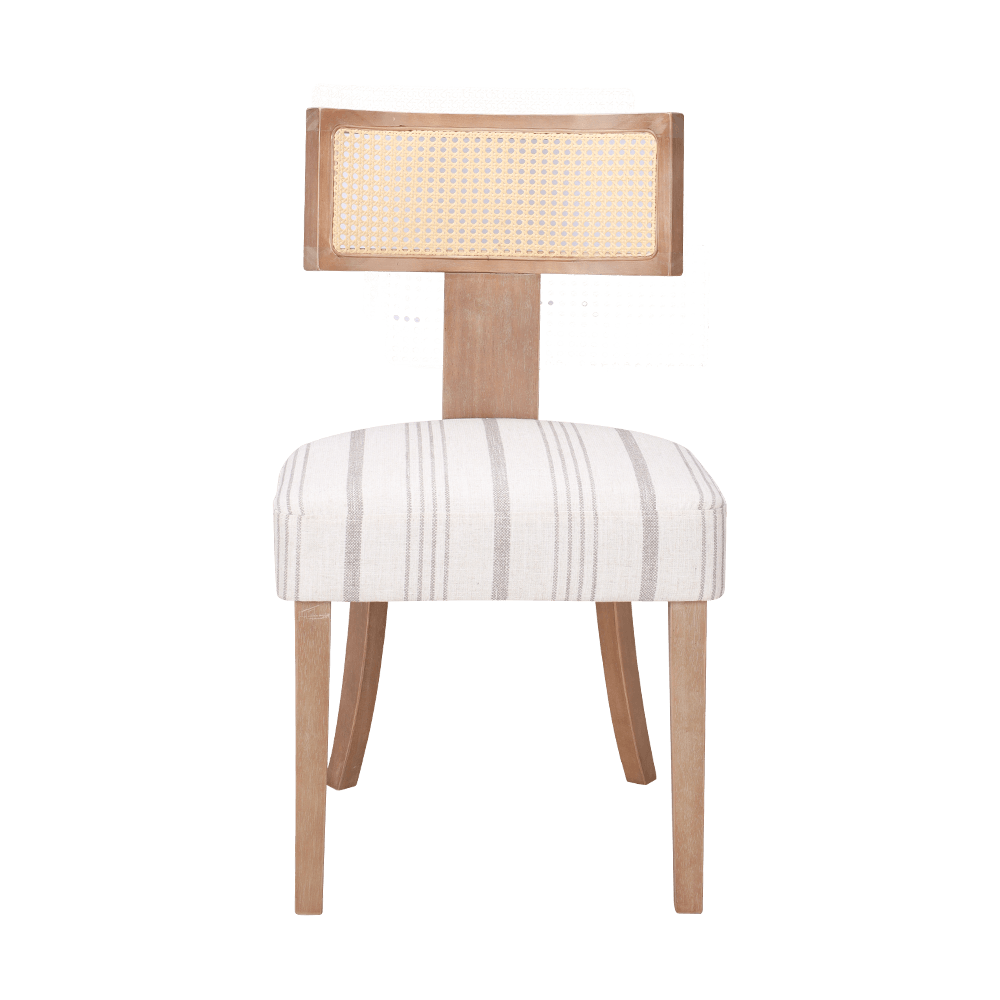
This solid rubber wood dining chair combines natural texture with comfort, featuring a simple yet el... -
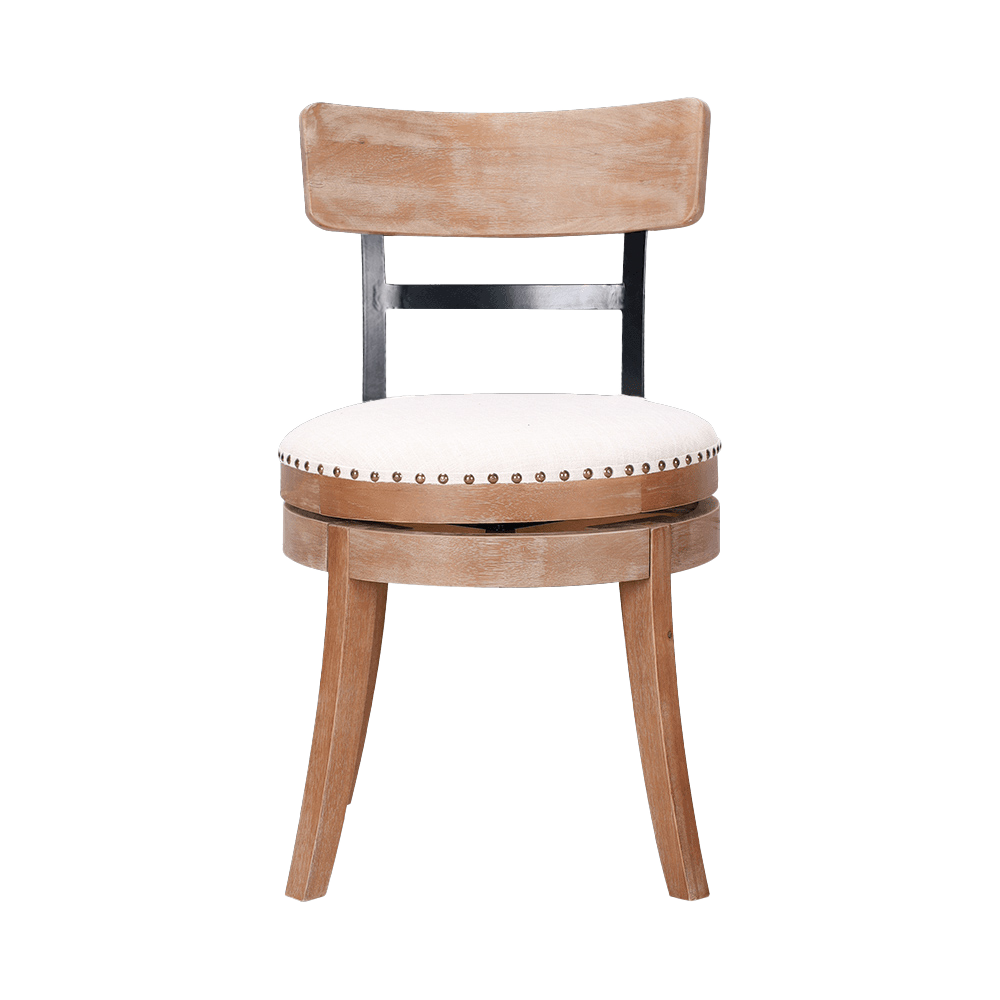
This WS6347 Round Cushion Solid Wood Dining Chair blends comfort with minimalist design, fitting var...

Copyright © Zhejiang Wanchang Furniture Co., Ltd.All Rights Reserved.
Indoor Fabric Sofa Manufacturers

-
 Xucunwancun, Xilong Xiang, Anji County, Zhejiang Province, China
-
 [email protected]
Mobile Site

WeChat Subscription Acount

Copyright © 2024Zhejiang Wanchang Furniture Co., Ltd.
All Rights Reserved.
