


 中文简体
中文简体 English
Fabric or Leather Lounge Chair: Which One Should You Choose?
Posted by Zhejiang Wanchang Furniture Co., Ltd.
Content
- 1 Understanding the Core Differences Between Fabric and Leather Lounge Chairs
- 2 Comfort and Everyday Feel
- 3 Durability and Long-Term Performance
- 4 Maintenance and Cleaning Requirements
- 5 Design Flexibility and Style Options
- 6 Cost Considerations Over Time
- 7 Why Fabric Lounge Chairs Are Often the Better Choice
- 8 Tips for Choosing the Right Fabric Lounge Chair
Understanding the Core Differences Between Fabric and Leather Lounge Chairs
Choosing between a fabric lounge chair and a leather lounge chair is one of the most common dilemmas homeowners face when furnishing a living room, reading nook, or family space. Both materials offer distinct aesthetics and performance characteristics, but they behave very differently over time depending on your household, climate, and daily habits. Leather is prized for its polished look and durability against spills, while fabric is celebrated for its softness, warmth, and versatility in design. Understanding how each material performs in real-world conditions is the first step toward making a confident, long-term investment in your seating.
While leather often carries a reputation for luxury, fabric lounge chairs have become increasingly popular for their comfort, adaptability, and ability to fit into a wider range of home styles. Below, we break down the practical factors that matter most when comparing the two.
Comfort and Everyday Feel
Comfort is often the deciding factor for anyone shopping for a lounge chair, since these pieces are typically used for relaxing, reading, or unwinding after a long day. Fabric lounge chairs tend to have a softer, warmer touch that feels inviting in any season. Woven and textured fabrics also breathe better than leather, which means they do not trap heat or feel sticky against skin during warmer months.
Temperature Sensitivity
Leather can feel cold to the touch in winter and uncomfortably warm or tacky in summer, especially in rooms without consistent climate control. Fabric, on the other hand, maintains a more neutral temperature year-round, making it a more comfortable choice for households in regions with fluctuating seasonal temperatures.
Texture and Softness
Fabric upholstery offers a plush, cozy texture that many people find more relaxing for long lounging sessions. Leather, while smooth and sleek, can feel stiffer initially and often requires a break-in period before it molds to the body.
Durability and Long-Term Performance
Durability is a key concern for any furniture purchase, and both materials have strengths depending on how the chair will be used. High-quality leather is naturally resistant to punctures and can last for decades if properly maintained, but it is also prone to cracking, fading, and peeling when exposed to direct sunlight or dry indoor air over time. Fabric lounge chairs, particularly those made with performance-grade or tightly woven textiles, resist wear from daily use, pet claws, and general household activity remarkably well.
| Factor | Fabric Lounge Chair | Leather Lounge Chair |
| Resistance to Cracking | Not prone to cracking | Can crack with age or dryness |
| Sunlight Fading | Minimal with UV-resistant fabrics | Can fade or discolor over time |
| Pet Scratch Resistance | Good with tight weaves | Vulnerable to claw punctures |
| Lifespan with Proper Care | 10-15 years | 15-20 years |
Maintenance and Cleaning Requirements
Maintenance routines differ significantly between the two materials, and this is often where fabric lounge chairs pull ahead for busy households. Leather requires regular conditioning to prevent drying and cracking, and spills need to be wiped up immediately to avoid staining. Fabric, especially performance fabrics treated with stain-resistant coatings, can often be cleaned with mild soap and water or simply vacuumed to remove dust and debris.
- Fabric chairs typically allow for removable, washable cushion covers
- Leather requires periodic conditioning treatments to maintain suppleness
- Spills on fabric can be blotted and treated with fabric-safe cleaners
- Leather stains from ink, dye, or oil can be difficult or impossible to fully remove
- Fabric options are generally more forgiving for households with children
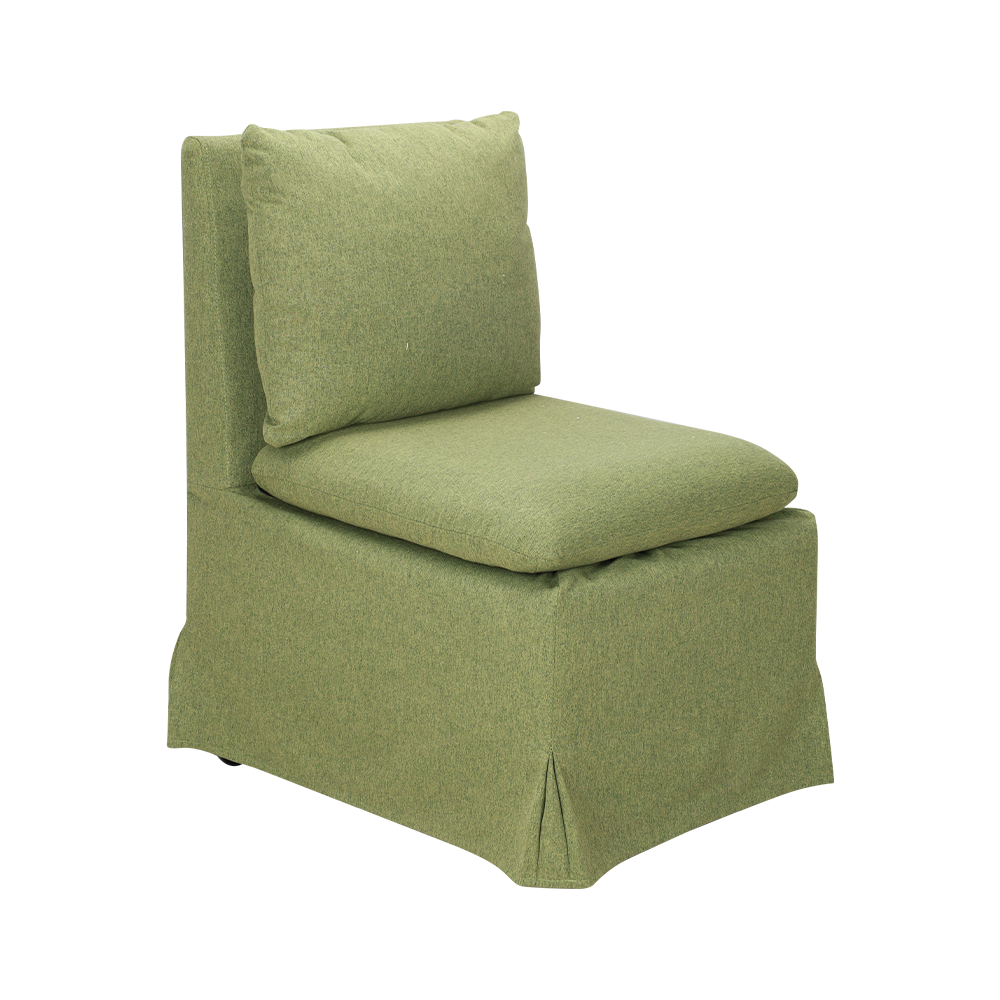
Design Flexibility and Style Options
One of the strongest advantages of fabric lounge chairs is the sheer variety of colors, patterns, and textures available. Leather is generally limited to a narrower palette of neutral tones such as black, brown, tan, and white, which can restrict design flexibility in rooms with bold or eclectic color schemes. Fabric, by contrast, comes in an almost limitless range of hues, prints, and weaves, allowing homeowners to match or contrast their chair with existing decor far more easily.
Matching Your Interior Theme
Whether your home leans toward a minimalist Scandinavian look, a cozy farmhouse style, or a bold contemporary aesthetic, fabric lounge chairs offer the flexibility to complement nearly any design direction. Leather tends to convey a more formal or traditional feel, which may not suit every interior style.
Cost Considerations Over Time
Upfront cost is another important factor when comparing these two materials. Genuine leather lounge chairs typically carry a higher price tag due to the cost of raw materials and tanning processes. Fabric lounge chairs, while available at premium price points for designer or performance-grade textiles, generally offer more accessible options across a wider range of budgets. When factoring in the cost of leather conditioning products, professional cleaning, and potential repairs for cracked or peeling leather, fabric often proves to be the more economical choice over the lifespan of the chair.
Why Fabric Lounge Chairs Are Often the Better Choice
When weighing comfort, maintenance, design flexibility, and long-term value together, fabric lounge chairs frequently come out ahead for most households. They offer a warmer, more inviting feel for daily lounging, resist common household wear when made with performance fabrics, and provide far greater flexibility in color and pattern selection to suit evolving decor trends. For families with children or pets, the practicality of washable covers and stain-resistant treatments makes fabric a particularly appealing option.
Leather still holds appeal for those seeking a sleek, formal aesthetic and are willing to invest in regular upkeep, but for the majority of homeowners prioritizing comfort, adaptability, and budget-friendly durability, fabric lounge chairs represent the more practical and versatile choice.
Tips for Choosing the Right Fabric Lounge Chair
If you decide fabric is the right direction for your space, keep the following practical tips in mind while shopping:
- Look for performance fabrics labeled as stain-resistant or liquid-repellent
- Choose tightly woven textiles for better durability against pets and daily use
- Opt for removable, machine-washable cushion covers when available
- Consider darker or patterned fabrics in high-traffic households to hide minor wear
- Check the fabric's rub count rating for an indication of long-term durability
By paying attention to these details, you can select a fabric lounge chair that combines style, comfort, and lasting performance for years of everyday use.
-
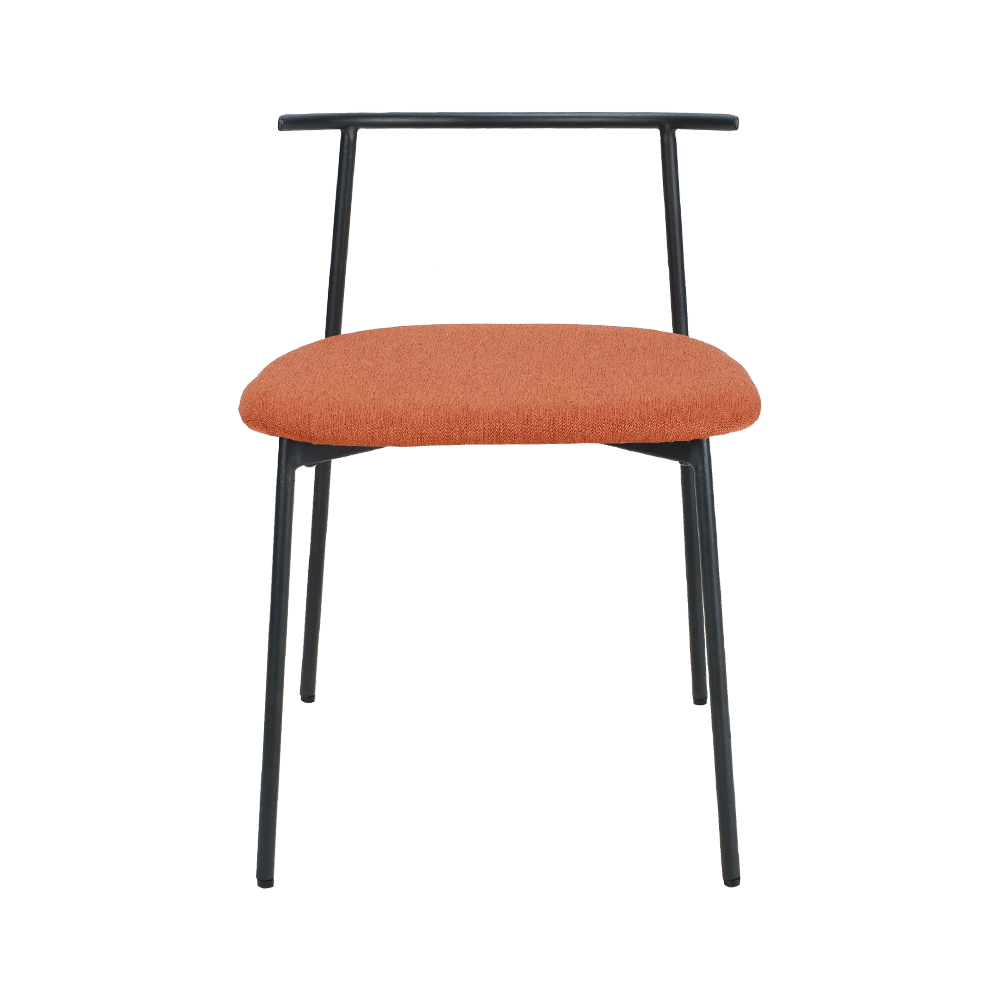
The curved back metal leg dining chair is a blend of modern design and classic comfort, offering an ... -
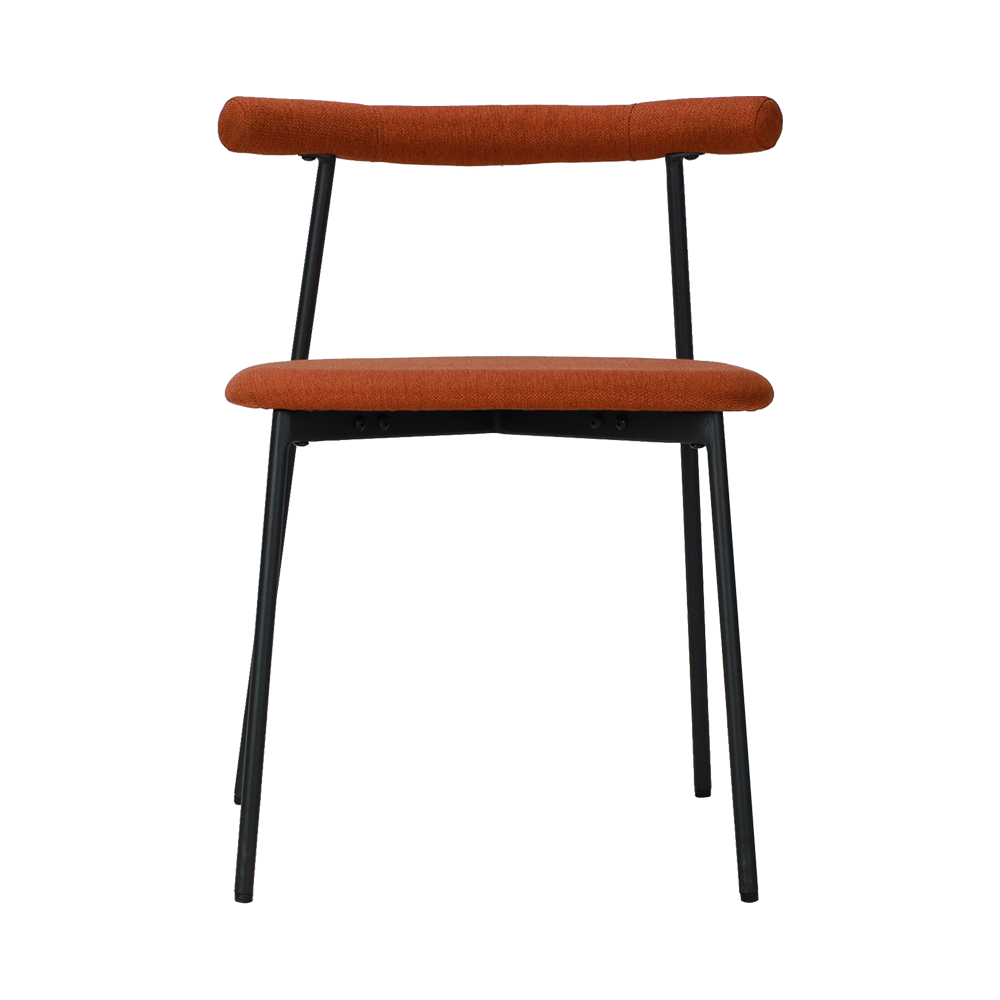
The High Resilience Sponge Cushion Metal Foot Dining Chair offers a blend of comfort, style, and dur... -
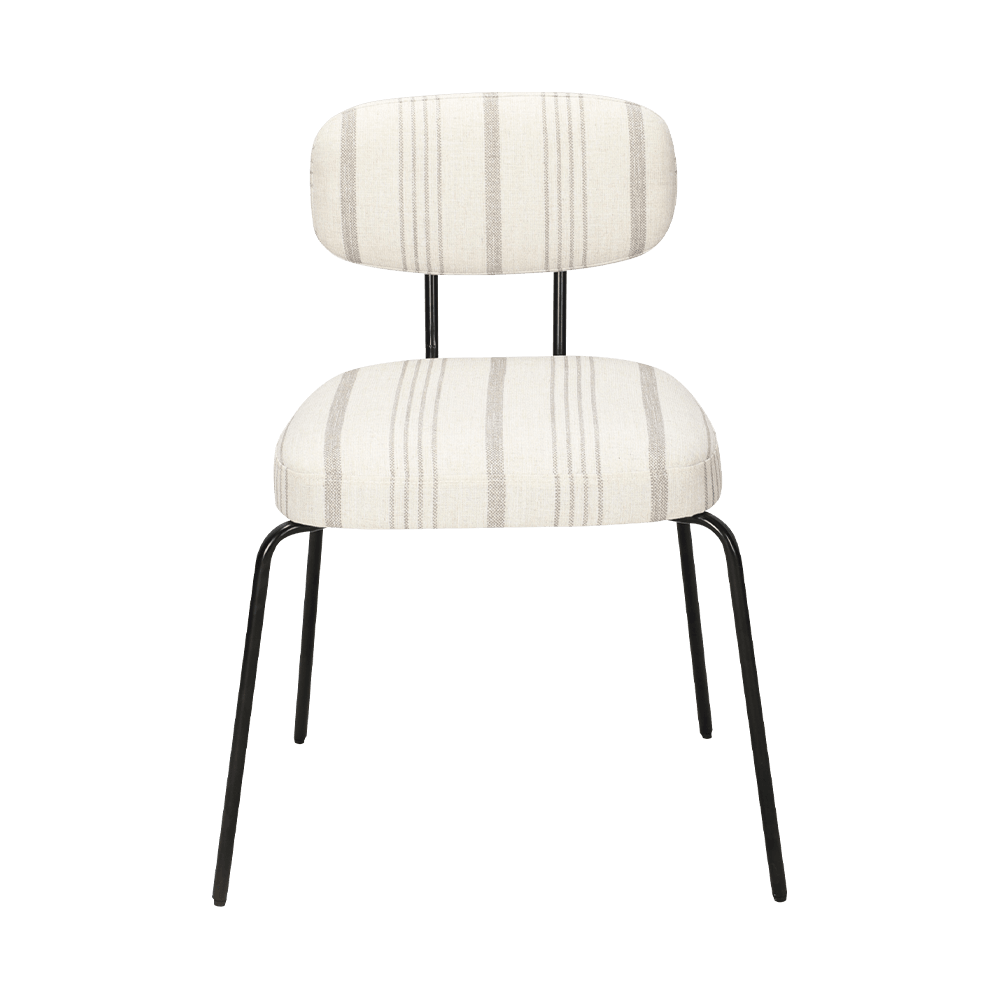
This WS6357 white modern metal dining chair features a simple and elegant design, paired with metal ... -
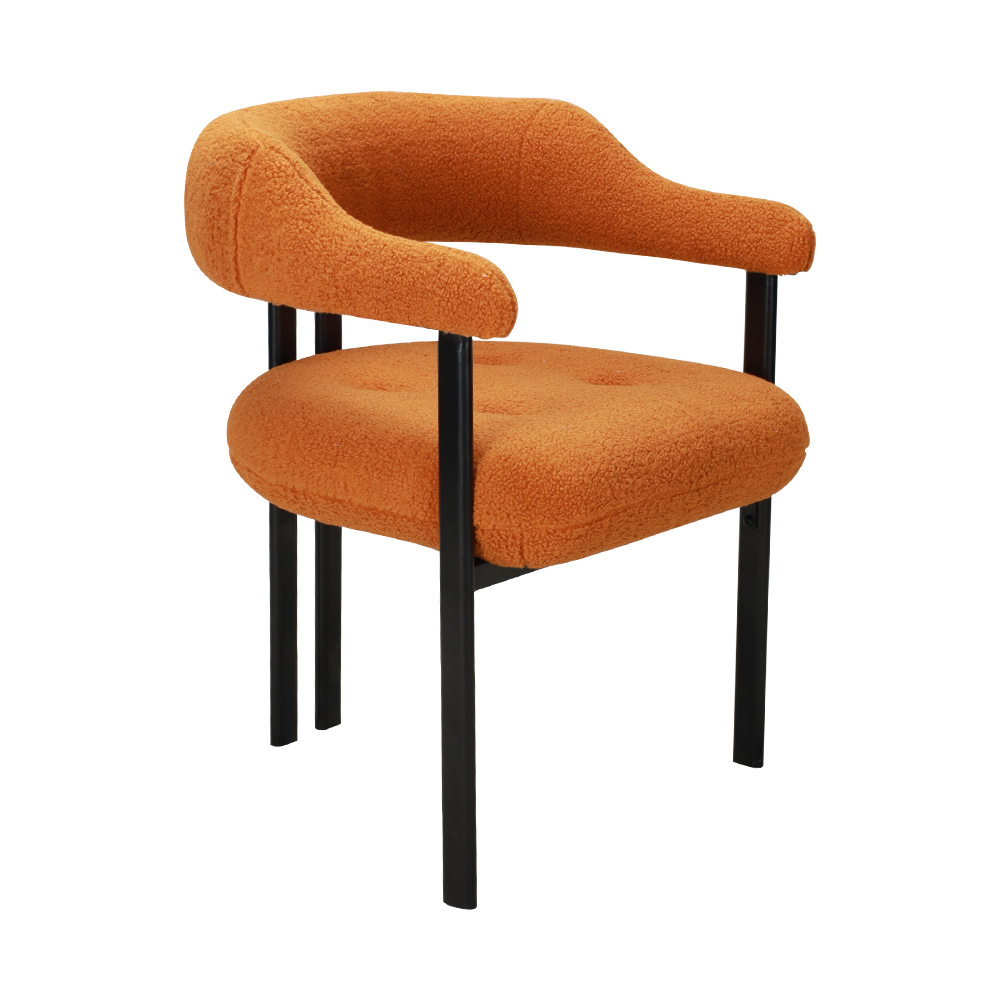
Elevate your dining experience with our WS6353 metal dining chair with a fabric cushion, a blend of ... -
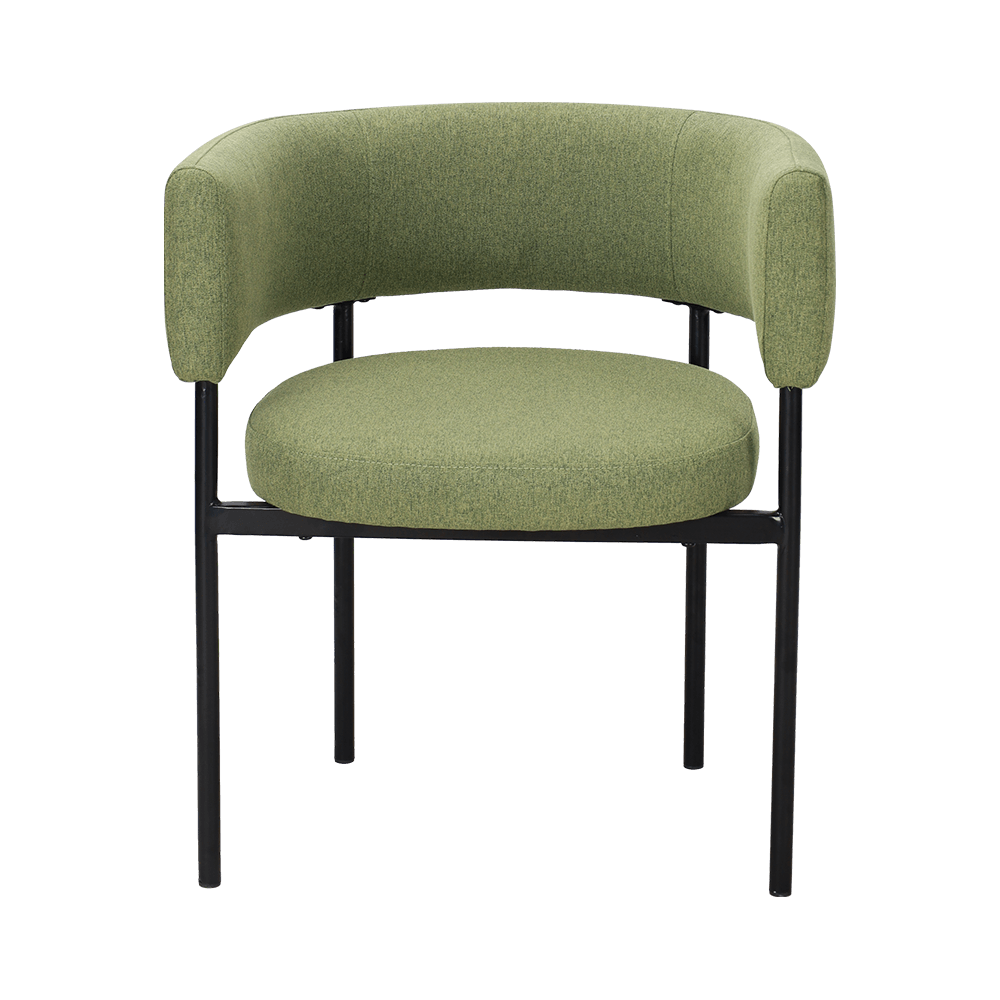
Crafted for both style and functionality, the WS6354 acid green metal leg dining chair features a st... -
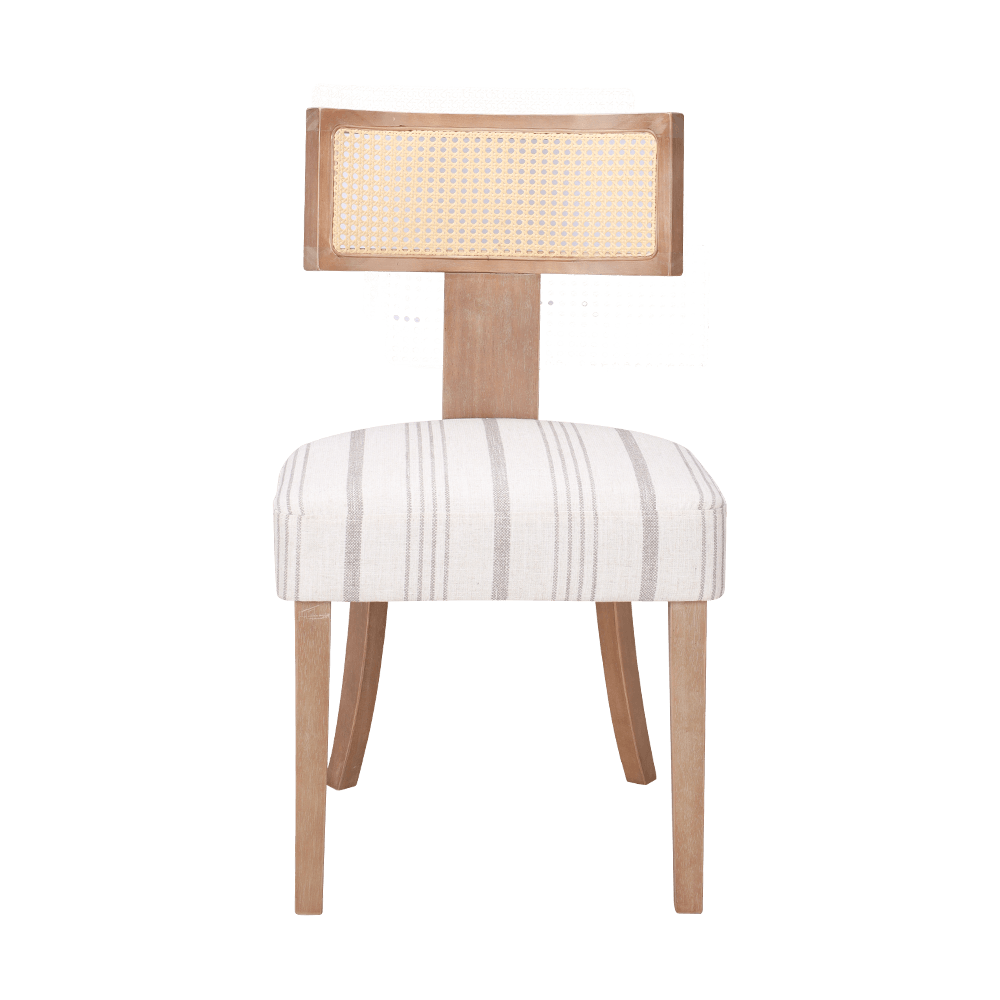
This solid rubber wood dining chair combines natural texture with comfort, featuring a simple yet el... -
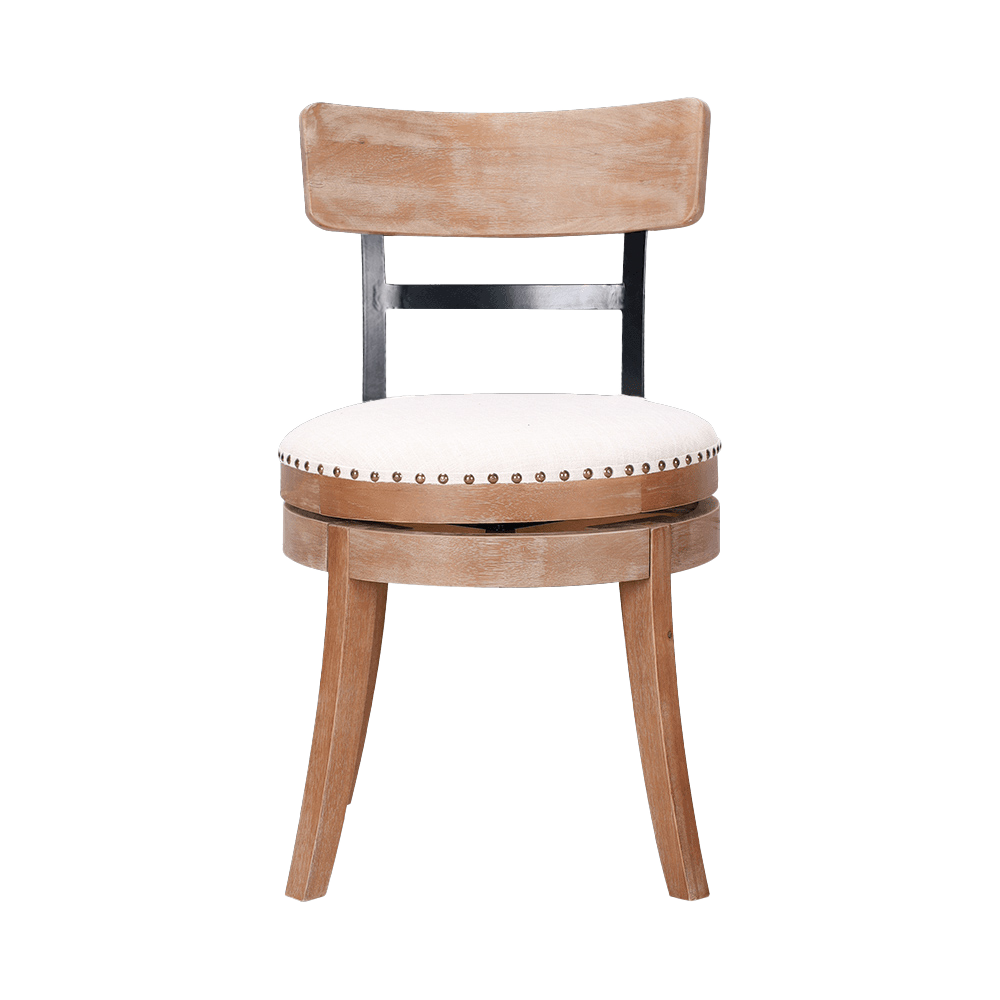
This WS6347 Round Cushion Solid Wood Dining Chair blends comfort with minimalist design, fitting var...

Copyright © Zhejiang Wanchang Furniture Co., Ltd.All Rights Reserved.
Indoor Fabric Sofa Manufacturers

-
 Xucunwancun, Xilong Xiang, Anji County, Zhejiang Province, China
-
 [email protected]
Mobile Site

WeChat Subscription Acount

Copyright © 2024Zhejiang Wanchang Furniture Co., Ltd.
All Rights Reserved.
