


 中文简体
中文简体 English
Metal Leg Dining Chair vs Solid Wood Dining Chair Guide
Posted by Zhejiang Wanchang Furniture Co., Ltd.
Content
- 1 Metal Leg Dining Chair vs Solid Wood Dining Chair: Practical Choice for Modern Dining Spaces
- 2 Structural Differences Between Metal Leg and Solid Wood Dining Chairs
- 3 Durability and Load Capacity in Daily Use
- 4 Design Flexibility and Interior Style Compatibility
- 5 Maintenance and Long-Term Care
- 6 Choosing the Right Dining Chair for Your Space
Metal Leg Dining Chair vs Solid Wood Dining Chair: Practical Choice for Modern Dining Spaces
When selecting dining seating, the most practical conclusion is that metal leg dining chairs offer stronger structural stability and modern styling, while solid wood dining chairs provide natural aesthetics and traditional durability. Both chair types perform well in residential and commercial dining environments, but the choice largely depends on design preference, expected load capacity, and maintenance requirements.
In modern furniture manufacturing, these two chair structures represent the most widely used solutions. Metal leg dining chairs are commonly paired with upholstered seats, molded plywood shells, or plastic seats, while solid wood dining chairs emphasize natural material integrity and craftsmanship. Understanding their structural differences, durability characteristics, and typical applications helps buyers make a more informed decision.
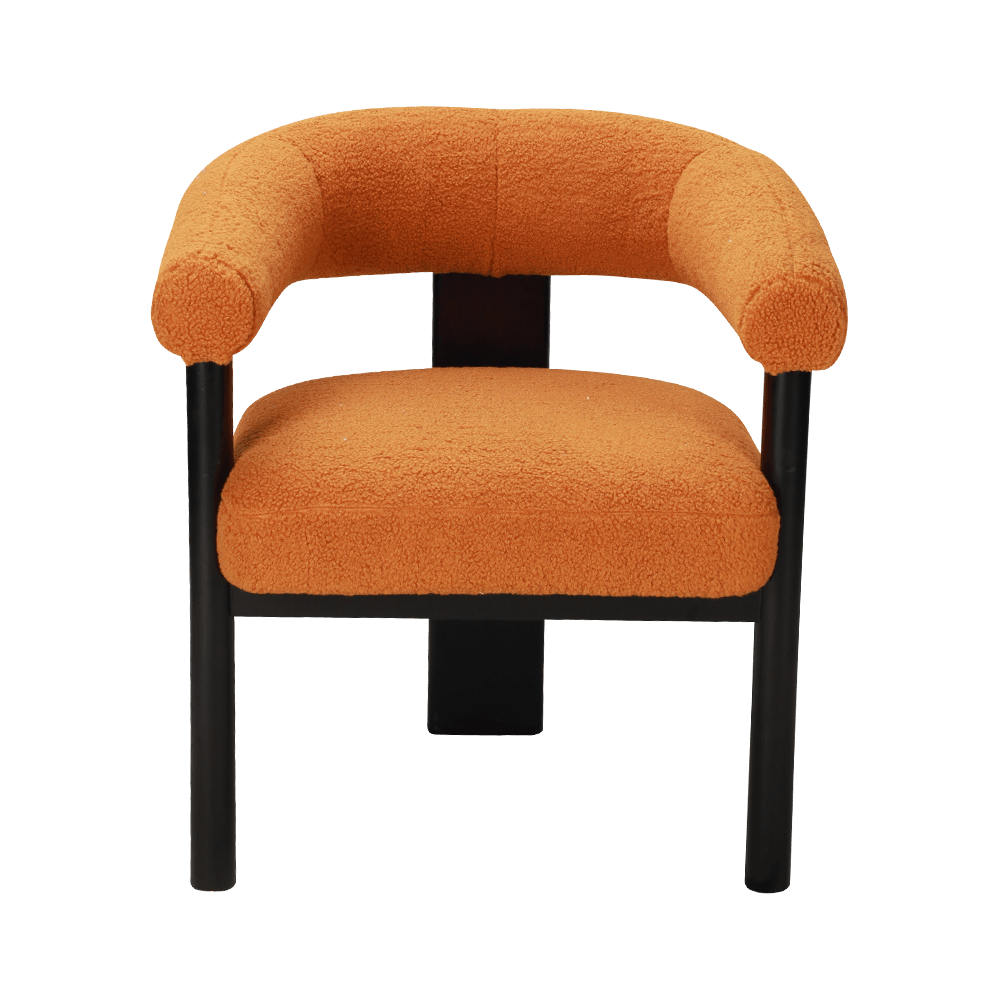
Structural Differences Between Metal Leg and Solid Wood Dining Chairs
The core structural difference lies in the frame material and joint construction. Metal leg dining chairs typically use welded steel or aluminum frames, while solid wood dining chairs rely on mortise-and-tenon or dowel joinery. Each construction method influences stability, weight, and long-term durability.
| Feature | Metal Leg Dining Chair | Solid Wood Dining Chair |
|---|---|---|
| Primary Material | Steel or aluminum legs | Hardwood frame |
| Weight | Typically 4–6 kg | Typically 6–9 kg |
| Joint Structure | Welded frame | Mortise and tenon joints |
| Typical Style | Modern and industrial | Classic and natural |
These structural characteristics directly influence how each chair performs under daily dining use, especially in high-traffic environments.
Durability and Load Capacity in Daily Use
Durability is one of the most important factors for dining chairs used daily. Metal leg dining chairs are known for their strong load-bearing capacity due to the welded steel frame. In commercial environments such as restaurants, these chairs frequently withstand loads exceeding 120–150 kg.
Performance Advantages of Metal Leg Dining Chairs
- High structural strength due to welded metal frame
- Lower risk of joint loosening over time
- Suitable for restaurants and cafés with high seating turnover
Durability Characteristics of Solid Wood Dining Chairs
- Strong load capacity when hardwood such as oak or ash is used
- Mortise-and-tenon joints distribute stress effectively
- Long lifespan when properly maintained
Well-manufactured hardwood chairs can last more than 10–15 years in residential dining rooms, making them a long-term furniture investment.
Design Flexibility and Interior Style Compatibility
Furniture designers often select between metal leg and solid wood structures based on interior design goals. Each chair type supports different aesthetic directions.
Metal Leg Dining Chair Style Applications
- Modern apartments with minimalist furniture
- Industrial or loft-style dining areas
- Restaurants with contemporary interior design
Solid Wood Dining Chair Style Applications
- Traditional dining rooms
- Scandinavian or natural interior styles
- Farmhouse or rustic dining spaces
Because of this versatility, furniture brands frequently combine materials, for example pairing solid wood seats with metal legs to achieve both structural strength and natural visual appeal.
Maintenance and Long-Term Care
Maintenance requirements differ significantly between the two chair types. Metal leg dining chairs generally require less maintenance because powder-coated steel frames resist corrosion and scratches.
- Metal frames only require occasional cleaning
- Powder coating helps prevent rust formation
- Loose screws on seat connections can be tightened easily
Solid wood dining chairs require slightly more care to maintain their appearance and structural condition.
- Wood surfaces benefit from periodic polishing
- Avoid prolonged exposure to moisture
- Regular tightening of joints may be required after years of use
With proper maintenance, both chair types can remain stable and visually appealing for many years.
Choosing the Right Dining Chair for Your Space
The final choice between a metal leg dining chair and a solid wood dining chair should consider three practical factors: expected usage intensity, interior design preference, and long-term maintenance expectations.
- Choose metal leg dining chairs for modern interiors and high durability needs
- Choose solid wood dining chairs for natural aesthetics and traditional craftsmanship
- Consider mixed-material designs for balanced performance and appearance
Both options remain widely used in furniture manufacturing because they address different functional and aesthetic requirements. Understanding these characteristics allows buyers and designers to select dining seating that matches the practical needs of their space.
-
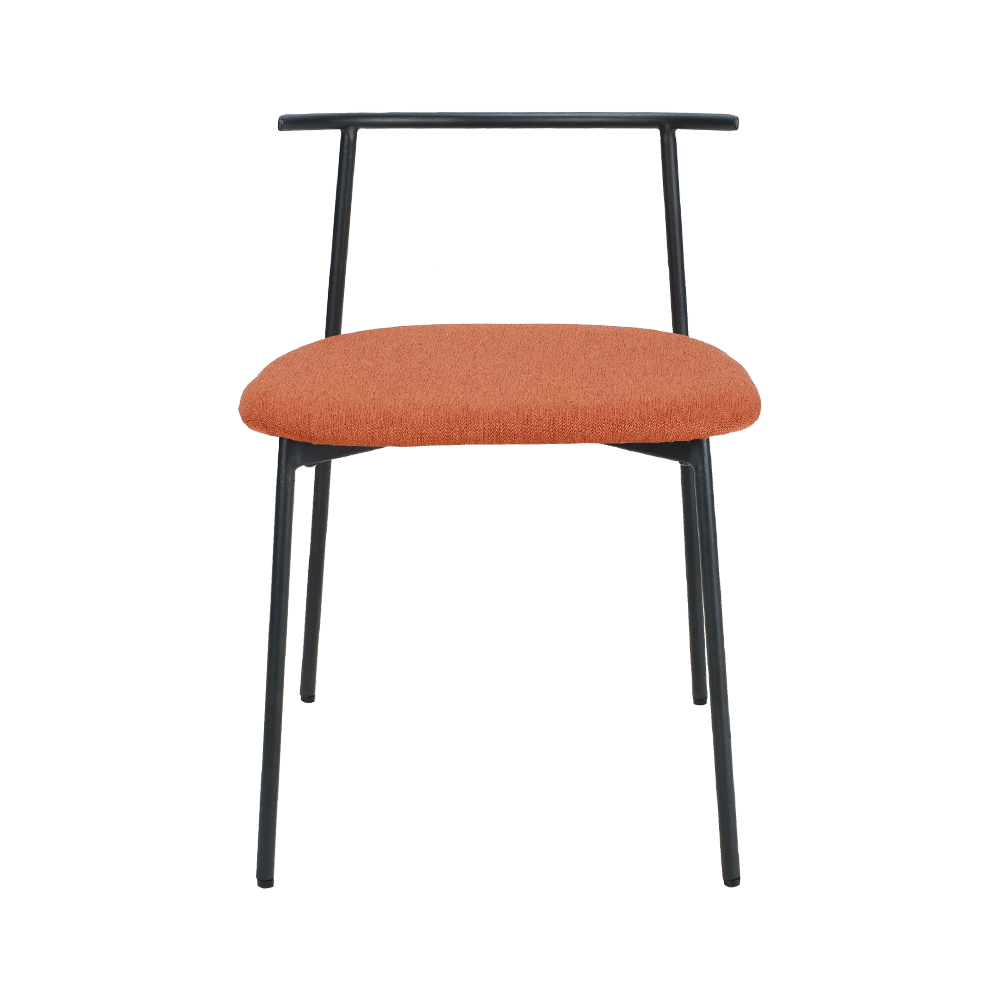
The curved back metal leg dining chair is a blend of modern design and classic comfort, offering an ... -
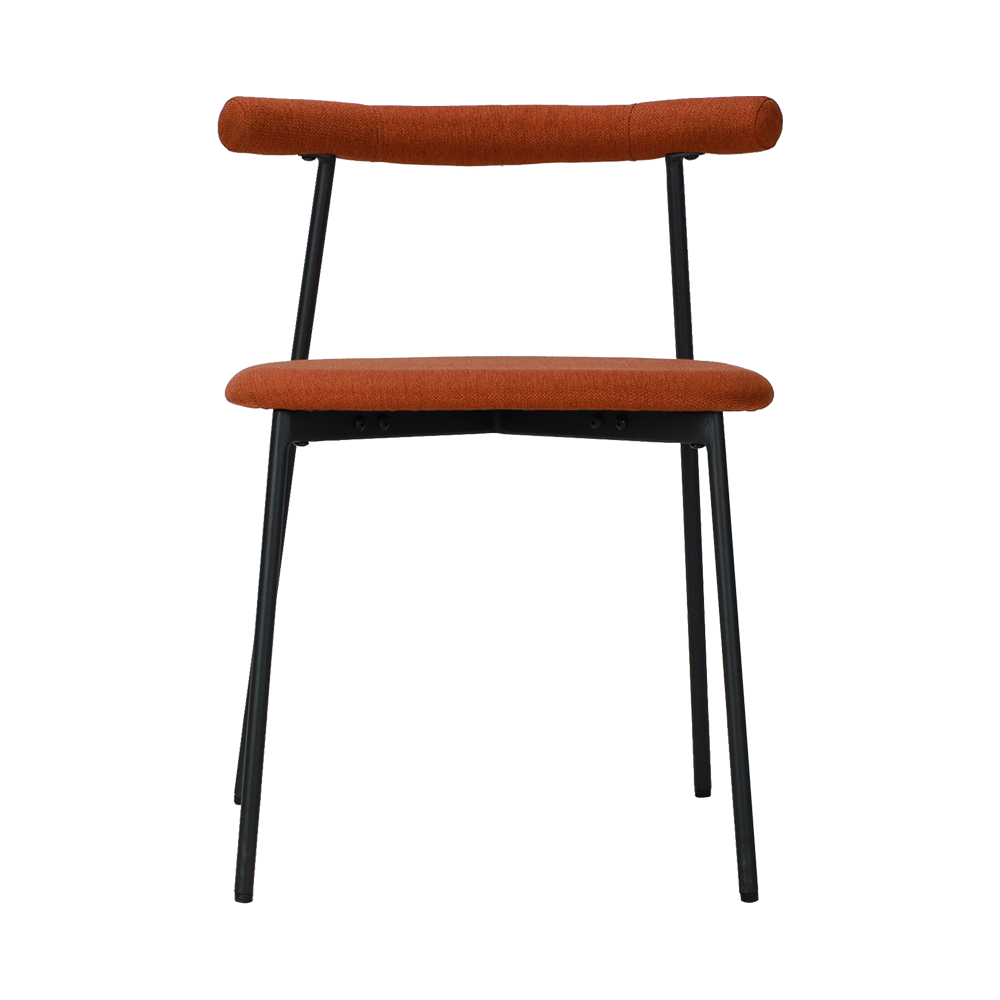
The High Resilience Sponge Cushion Metal Foot Dining Chair offers a blend of comfort, style, and dur... -
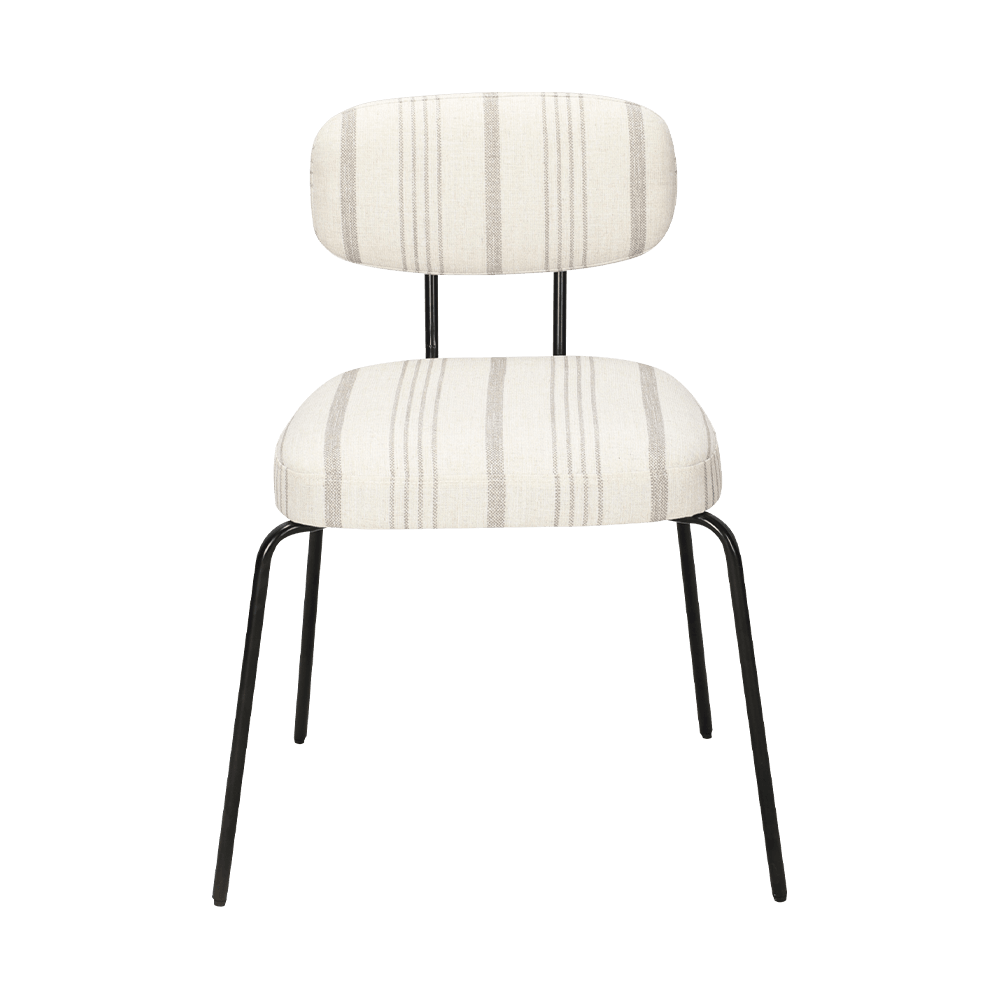
This WS6357 white modern metal dining chair features a simple and elegant design, paired with metal ... -
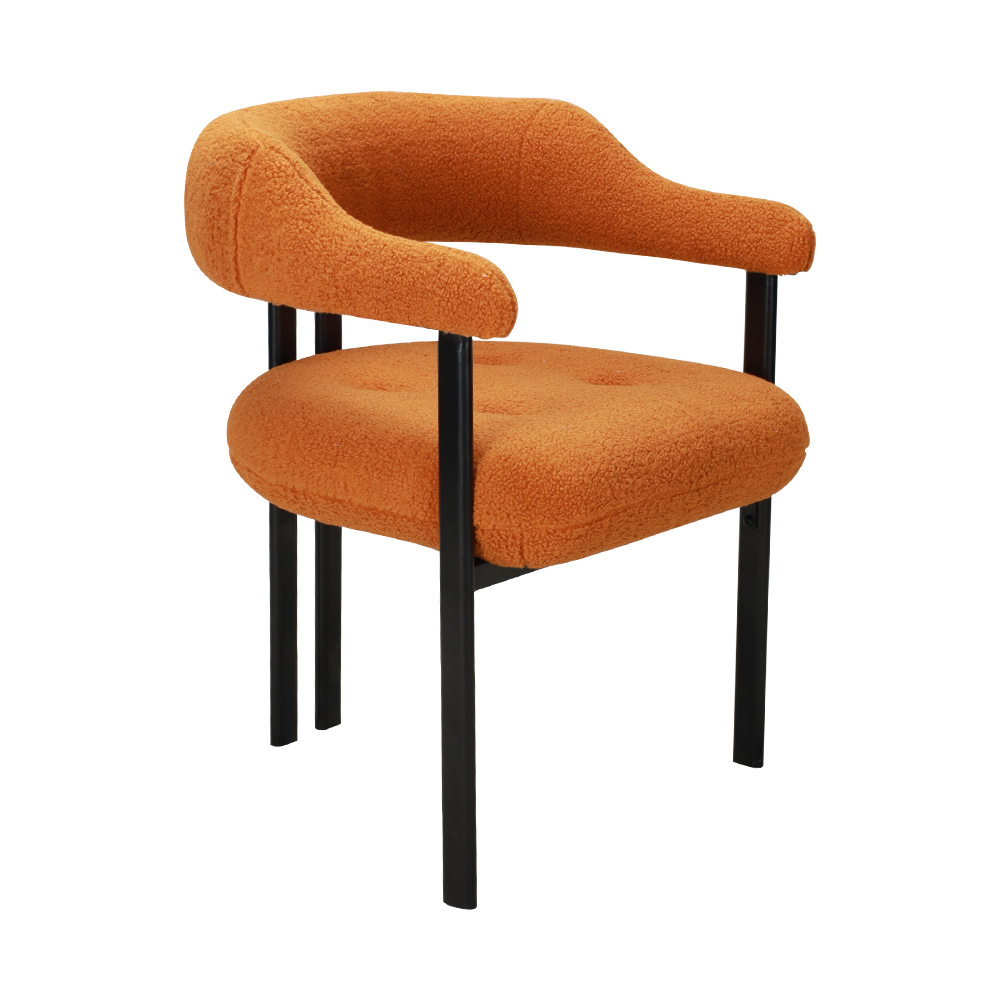
Elevate your dining experience with our WS6353 metal dining chair with a fabric cushion, a blend of ... -
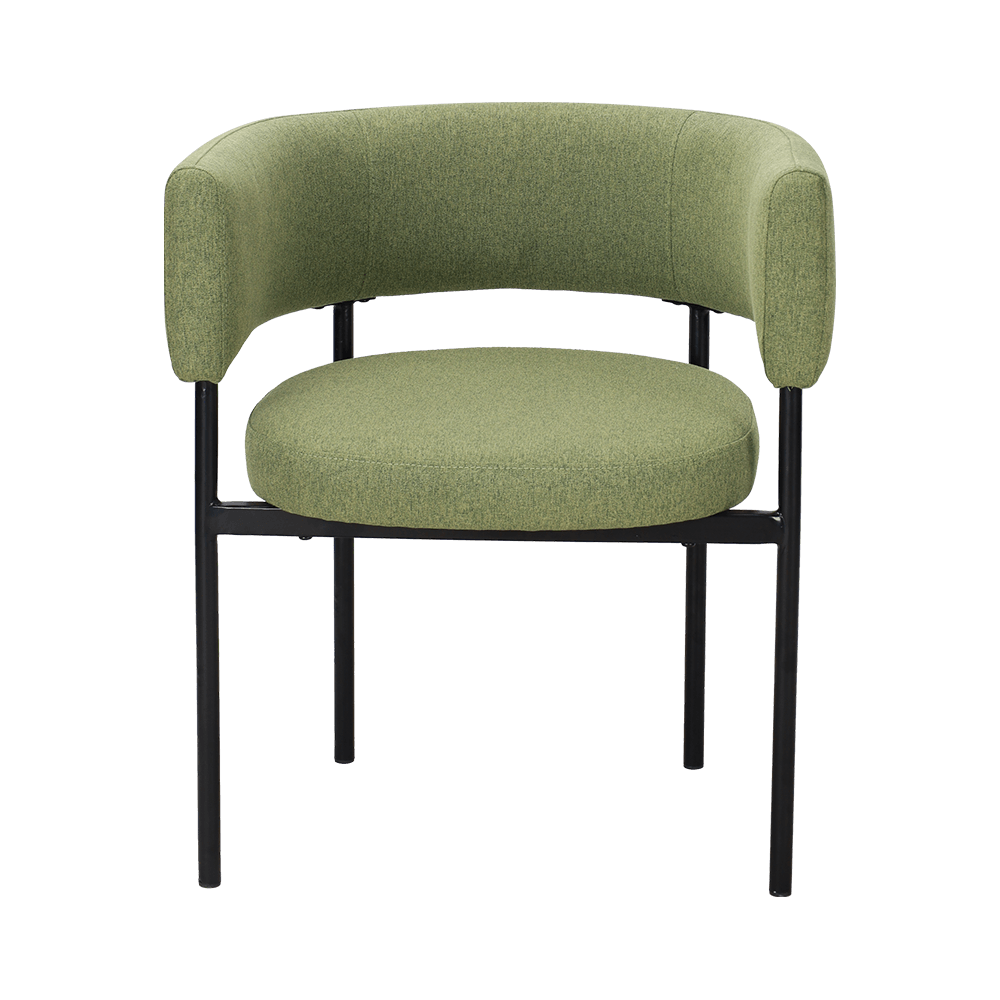
Crafted for both style and functionality, the WS6354 acid green metal leg dining chair features a st... -
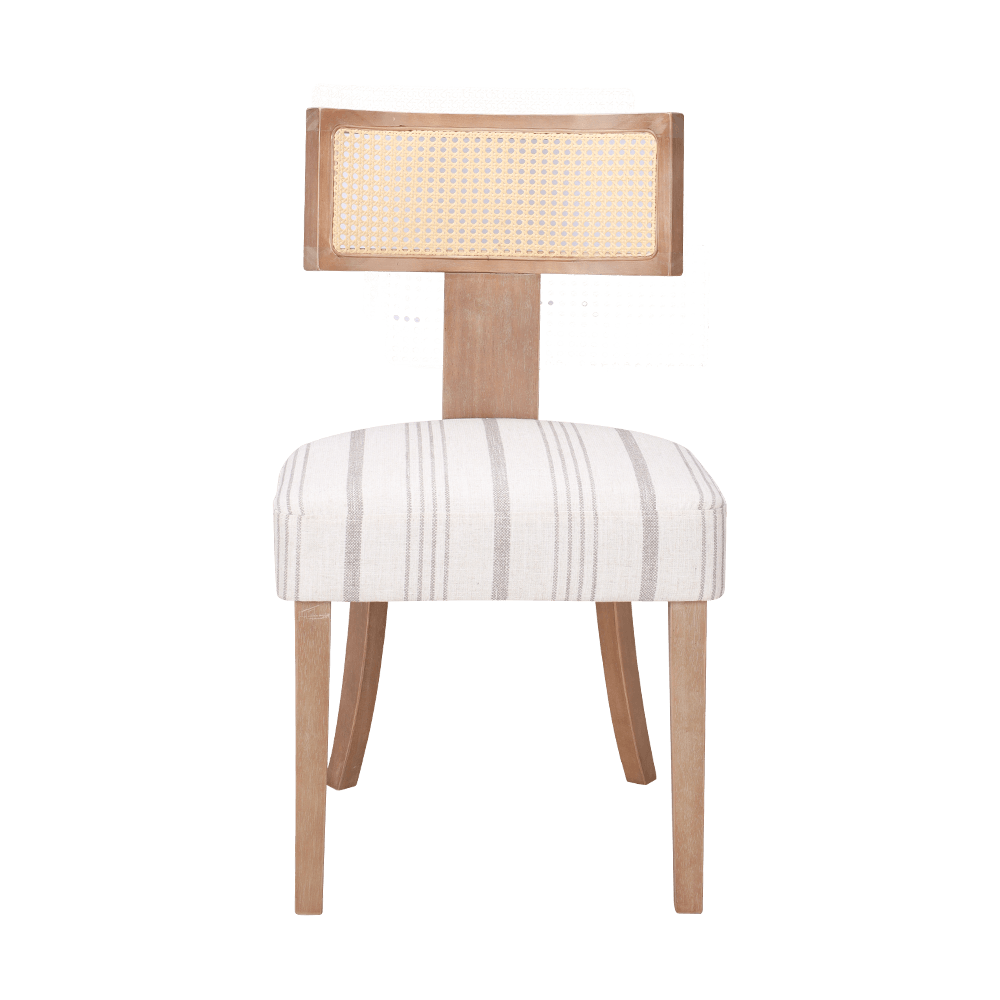
This solid rubber wood dining chair combines natural texture with comfort, featuring a simple yet el... -
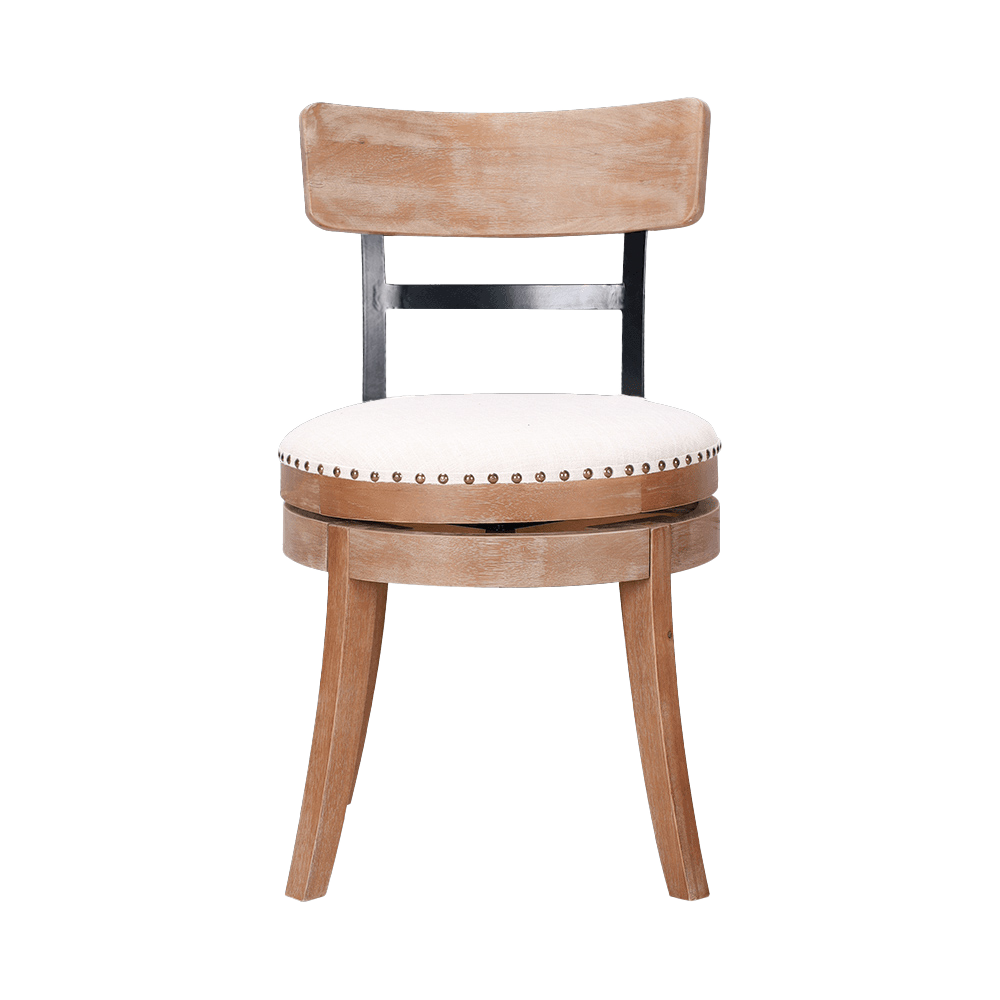
This WS6347 Round Cushion Solid Wood Dining Chair blends comfort with minimalist design, fitting var...

Copyright © Zhejiang Wanchang Furniture Co., Ltd.All Rights Reserved.
Indoor Fabric Sofa Manufacturers

-
 Xucunwancun, Xilong Xiang, Anji County, Zhejiang Province, China
-
 [email protected]
Mobile Site

WeChat Subscription Acount

Copyright © 2024Zhejiang Wanchang Furniture Co., Ltd.
All Rights Reserved.
