


 中文简体
中文简体 English
Upholstered Dining Chairs: Complete Guide to Fabrics, Frames, Styles, Comfort & Maintenance
Posted by Zhejiang Wanchang Furniture Co., Ltd.
Content
- 1 Why Upholstered Dining Chairs Transform the Dining Experience
- 2 Frame Materials and Construction: What Determines Long-Term Durability
- 3 Upholstery Fabric Options: Choosing the Right Material for Your Lifestyle
- 4 Upholstery Fabric Comparison: At a Glance
- 5 Seat Padding and Comfort: Understanding What's Inside the Chair
- 6 Styles of Upholstered Dining Chairs and How to Match Them to Your Interior
- 7 How to Clean and Maintain Upholstered Dining Chairs
- 8 Buying Guide: Key Questions to Ask Before Purchasing Upholstered Dining Chairs
Why Upholstered Dining Chairs Transform the Dining Experience
Upholstered dining chairs occupy a unique position in home furnishing — they sit at the intersection of comfort, style, and daily practicality in a way that few other pieces of furniture do. Unlike hard wooden or metal dining chairs, upholstered versions invite people to linger at the table, making meals more relaxed and social occasions more comfortable. The cushioned seat and often padded back eliminate the fatigue that hard surfaces cause during long dinners, celebrations, or family gatherings that stretch well beyond the meal itself. This comfort advantage is not merely a luxury consideration — for households with young children, elderly family members, or people with back sensitivity, it is a genuine functional requirement.
Beyond comfort, upholstered dining chairs introduce textile and color into the dining room in a way that is proportionally significant. A dining set of six or eight chairs represents a large combined surface area of fabric, and the choice of upholstery material, color, and texture has a greater visual impact on the room than almost any other single furnishing decision. Understanding how to choose, maintain, and style upholstered dining chairs is therefore genuinely useful knowledge for anyone furnishing a dining space, whether from scratch or refreshing an existing room.
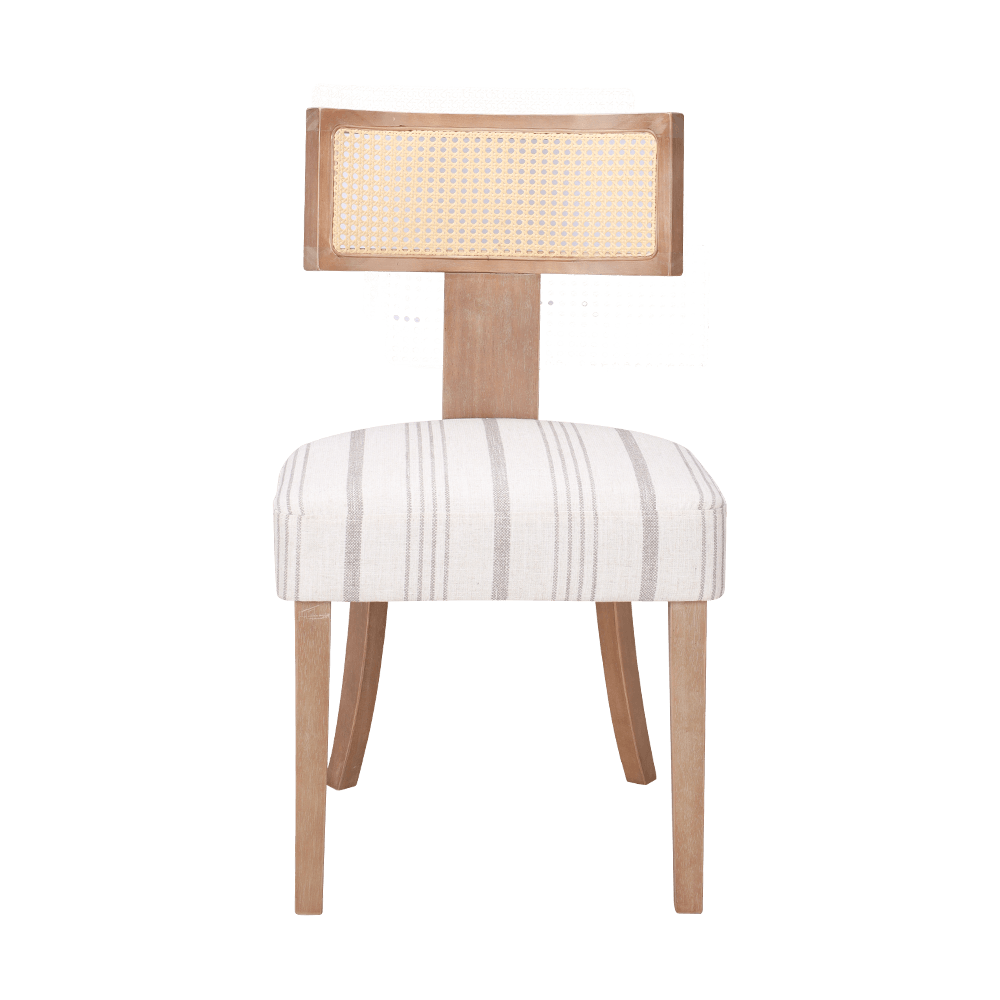
Frame Materials and Construction: What Determines Long-Term Durability
The frame of an upholstered dining chair is its skeleton, and the quality of that skeleton determines whether the chair will remain structurally sound after years of daily use or begin to wobble, creak, and fail within a few years of purchase. Dining chairs experience a form of mechanical stress that most furniture does not — they are repeatedly tilted backward and forward, rocked side to side, scraped across floors, and subjected to the full body weight of users who rarely sit down gently. Frame material and construction method are therefore the most important quality indicators in any upholstered dining chair, even though they are completely hidden by the upholstery and padding.
Solid Hardwood Frames
Solid hardwood — typically beech, oak, ash, rubberwood, or maple depending on price point — is the gold standard for dining chair frames. Hardwood frames can be joined using traditional mortise-and-tenon, dowel, or corner block joinery, all of which produce connections that can flex slightly under load without cracking and can be re-glued if they loosen over time. Beech is the most common hardwood used in mid-market dining chair frames due to its excellent strength-to-cost ratio, consistent grain that takes stain evenly, and good screw-holding ability. Oak frames are more expensive but offer superior hardness and are often left visible as a design feature. When evaluating solid hardwood frame quality, look for corner blocks — small triangular wood or metal blocks glued and screwed into the interior corners of the seat frame — which dramatically increase racking resistance and are a reliable indicator of quality construction.
Engineered Wood and MDF Frames
Medium-density fiberboard (MDF) and particleboard frames are found in budget upholstered dining chairs and represent a significant quality compromise. These materials have substantially lower screw-holding strength than solid wood — screws driven into MDF can strip out after relatively few tighten-loosen cycles, which means that any joint that loosens in service cannot be reliably re-secured. MDF is also susceptible to moisture swelling, which can distort chair legs and seat frames in kitchens or dining rooms subject to humidity variation. Plywood frames occupy a middle ground — high-quality plywood with multiple cross-grained layers has reasonable screw-holding strength and good resistance to warping, and is used in some mid-market designs as a cost-effective alternative to solid hardwood for seat pans and back panels while retaining solid wood for the structural legs and rails.
Metal Frames
Steel and aluminum frames are common in contemporary and industrial-style upholstered dining chairs, offering excellent structural strength, light weight (particularly aluminum), and resistance to the joint loosening that can affect wood frames over time. Welded steel tube frames are virtually indestructible under normal dining use and have become the structural basis of many mid-century modern and Scandinavian-influenced chair designs. The visual character of metal frames — thin, clean-lined, often finished in matte black, brushed gold, or chrome — pairs particularly well with linen, velvet, and leather upholstery in contemporary interiors. The main limitation of metal frames is that they cannot be easily repaired if bent or damaged, whereas a cracked wood joint can be re-glued and reinforced by a competent furniture restorer.
Upholstery Fabric Options: Choosing the Right Material for Your Lifestyle
The upholstery fabric on a dining chair must simultaneously satisfy aesthetic requirements — looking appropriate in the room, complementing other furnishings, expressing a desired style — and practical requirements that are unusually demanding for a textile. Dining chair fabric is exposed to food and drink spills, body oils and perspiration, friction from clothing, and the abrasion of frequent wiping. The fabric must withstand all of this while retaining its appearance and structural integrity for many years. Understanding the specific properties of each fabric type allows buyers to match the material to their actual lifestyle rather than selecting purely on appearance.
Performance Fabrics (Stain-Resistant and Cleanable)
Performance fabrics — including solution-dyed acrylics, polyester microfibers, and specifically treated blends marketed under brand names like Crypton, Sunbrella, and Aquaclean — are engineered for high-use environments and are the most practical choice for family dining rooms with children or for households where the dining table is used daily for meals. Solution-dyed acrylic yarns, in which the color pigment is integrated into the fiber during manufacturing rather than applied as a surface dye, provide exceptional color fastness and resistance to staining because there are no surface dye sites for staining compounds to bond with. Crypton-treated fabrics incorporate a moisture barrier at the fiber level and an antimicrobial treatment, providing genuine liquid repellency that allows wine, coffee, and sauces to be blotted away without penetrating to the foam beneath. These fabrics typically achieve abrasion ratings of 50,000–100,000 double rubs on the Wyzenbeek test, making them among the most durable options available.
Velvet
Velvet upholstered dining chairs have experienced a strong resurgence in interior design over the past decade, driven by the material's exceptional visual richness, color depth, and tactile quality. Modern velvet for furniture upholstery is almost always a synthetic velvet — typically polyester or a polyester-viscose blend — rather than the pure silk velvet of historical furniture. Synthetic velvet is significantly more durable and stain-resistant than natural velvet and can be cleaned with water-based cleaning solutions, whereas silk velvet requires specialist dry cleaning. The pile construction of velvet means it shows pressure marks and directional shading — marks left by sitting that appear as lighter or darker areas in the pile — which some find characterful but others find untidy. Crushed velvet fabrics, in which the pile is deliberately laid in irregular directions, minimize this issue. Velvet is not recommended for households with cats, as the pile attracts and holds cat hair tenaciously and is easily snagged by claws.
Linen and Linen-Blend Fabrics
Linen and linen-blend upholstery fabrics produce an appearance that is simultaneously relaxed, natural, and sophisticated — the characteristic slightly irregular weave of linen gives it a textural quality that synthetic fabrics cannot authentically replicate. Pure linen has high natural strength and good abrasion resistance, but it is prone to creasing and can be difficult to clean when food or drink spills occur, as linen fibers swell when wet and can leave water marks if not dried evenly. Linen-polyester blends address these limitations while retaining much of linen's visual character, and are the most practical version of this aesthetic. Linen and linen-blend upholstered dining chairs work best in dining rooms where the chairs are used primarily for meals rather than as everyday seating, and where a more relaxed approach to minor marks and patina is acceptable.
Faux Leather and Genuine Leather
Leather and faux leather upholstery are the easiest dining chair materials to keep clean — spills sit on the surface and can be wiped away immediately with a damp cloth, leaving no residual staining if addressed promptly. Genuine leather develops a patina over time that many consider an attractive quality, softening and acquiring character with use in a way that fabric upholstery does not. However, genuine leather dining chairs represent a significant investment — typically two to five times the price of equivalent fabric-upholstered versions — and require conditioning treatment every 6–12 months to prevent drying and cracking. Polyurethane (PU) faux leather has improved dramatically in recent years, with premium products achieving a surface texture, visual depth, and softness that is difficult to distinguish from genuine leather. The key quality indicator in faux leather is the backing material — fabric-backed PU is significantly more durable and resistant to peeling than foam-backed versions, which can delaminate at stress points such as seat edges and corners after 3–5 years of use.
Upholstery Fabric Comparison: At a Glance
| Fabric Type | Stain Resistance | Durability | Best For | Avoid If |
| Performance Fabric | Excellent | Very High | Families with children, daily use | You want a natural textile feel |
| Velvet | Moderate | Moderate–High | Formal dining rooms, adult households | You have cats or young children |
| Linen / Linen Blend | Low–Moderate | Moderate | Casual, relaxed dining aesthetics | Frequent messy meals are expected |
| Genuine Leather | Very Good | Very High | Premium, long-term investment | Budget is limited; you prefer vegan materials |
| Faux Leather (PU) | Excellent | Moderate (quality dependent) | Easy cleaning, vegan preference | You want material to age gracefully |
Seat Padding and Comfort: Understanding What's Inside the Chair
The comfort of an upholstered dining chair is determined not just by the presence of padding but by the type, density, and layering of the padding materials used. Two chairs upholstered in identical fabric can provide dramatically different sitting experiences depending on their internal construction, and this is an aspect of chair quality that is completely invisible to the buyer at the point of purchase. Asking manufacturers or retailers about the foam specification — or checking product descriptions that provide this detail — is the only way to assess padding quality before purchase.
Foam Density and Firmness
Upholstery foam is characterized by two independent properties: density (measured in kg/m³ or lbs/cubic foot) and firmness (measured by Indentation Load Deflection, or ILD). Density indicates durability — how long the foam will maintain its original thickness and support before permanently compressing. High-density foam (35–50 kg/m³) will last significantly longer than low-density foam (18–25 kg/m³), which begins to break down and bottom out within 2–3 years of regular use. Firmness determines the feel — a low ILD value (around 15–20) produces a very soft, plush feel, while a high ILD (30–45) produces a firm, supportive feel. For dining chairs, a medium-firm foam in the 25–35 ILD range with high density (35+ kg/m³) provides a good balance of comfort for extended seating and durability for daily use. Budget dining chairs often use reconstituted foam — a mixture of shredded foam offcuts bonded together — which has lower durability and a less consistent feel than new-cut foam of equivalent density.
Seat Depth, Height, and Ergonomic Proportions
The ergonomic proportions of an upholstered dining chair matter as much as the cushion quality for long-term comfort. Seat height — measured from the floor to the top of the uncompressed seat cushion — should be coordinated with the dining table height, leaving approximately 25–30cm between the seat and the underside of the table to allow comfortable sitting without the thighs being pressed against the table apron. Standard dining tables are 74–76cm high, and standard dining chair seat heights are 44–48cm, creating an appropriate differential. Seat depth — front to back — should allow most adult users to sit with their back touching the backrest while their knees are at or slightly beyond the front edge of the seat; a depth of 42–48cm accommodates most adult body proportions. Chairs with a back angle (the angle between the seat and the backrest) of approximately 95–100° — slightly reclined from vertical — provide better lumbar support than fully vertical backs and significantly improve comfort during extended seating.
Styles of Upholstered Dining Chairs and How to Match Them to Your Interior
Upholstered dining chairs are produced across a wider style spectrum than almost any other category of furniture, from traditional wingback and balloon-back designs to mid-century modern tulip-inspired forms and minimalist contemporary silhouettes. Identifying which style family is appropriate for a given interior — and understanding the specific design details that define each style — prevents costly mismatches between the chairs and the surrounding room.
Contemporary and Minimalist Upholstered Dining Chairs
Contemporary upholstered dining chairs are characterized by clean lines, minimal decorative detailing, and a focus on the interplay between the chair's silhouette, material, and color. Slim metal legs in matte black, brushed brass, or polished chrome are a defining feature, providing structural support with minimal visual mass. The seat and back are often fully upholstered — sometimes as a single continuous padded surface — in performance fabrics, velvet, or faux leather in bold solid colors or subtle textured weaves. These chairs work best in dining rooms with neutral walls and flooring that allow the chair color to serve as the primary decorative accent, and pair well with glass, concrete, marble, or solid-color laminate dining table tops.
Mid-Century Modern
Mid-century modern upholstered dining chairs reference the design language of 1950s–1970s Scandinavian and American furniture design: tapered solid wood legs (often in walnut or teak finish), organically curved seat and back shells, and a contrast between the warm wood tones of the frame and the textile upholstery. Classic mid-century chair forms include the bucket seat (a rounded, shell-like seat that wraps around the sitter) and the scoop back (a gently curved backrest that provides lumbar support without the formality of a traditional high back). Upholstery in muted mustard, rust, teal, or olive fabric colors with a slight texture — tweed, boucle, or textured weave — is most authentic to this style, though contemporary versions in performance fabric or velvet are widely available and more practical for dining use.
Traditional and Classic Upholstered Dining Chairs
Traditional upholstered dining chairs — including Chesterfield-influenced tufted designs, Queen Anne styles with cabriole legs, and Chippendale-inspired carved wood frame chairs — suit dining rooms with classical architectural detailing, period-style furniture, and a formal or heritage aesthetic. These chairs typically feature fully upholstered seats and backs with deep button tufting, nail-head trim detailing along the frame edges, and legs in dark wood finishes or turned wooden forms. Fabric choices for traditional dining chairs tend toward damask, silk-effect jacquards, or high-quality textured weaves in rich, saturated colors — deep burgundy, forest green, navy, or gold — or in neutral tones with subtle pattern interest. The construction quality of traditional chairs varies enormously — the finest examples feature hand-tied spring seats and genuine eight-way hand-tied suspension, while budget versions use simple foam over webbing in identical visual wrapping.
How to Clean and Maintain Upholstered Dining Chairs
Maintaining upholstered dining chairs requires a consistent routine rather than occasional intensive cleaning — regular light maintenance prevents the buildup of embedded soil and food residue that is much harder to remove than fresh spills. The specific cleaning method appropriate for a given chair depends on the fabric type and the manufacturer's cleaning code, which is standardized across the industry and provides essential guidance on which cleaning agents are safe to use.
Understanding Fabric Cleaning Codes
Most upholstered furniture carries a fabric cleaning code tag, typically attached to the seat bottom or visible on the product specification. These codes indicate which cleaning agents are safe: W indicates water-based cleaners only; S indicates solvent-based (dry cleaning) products only; W-S indicates either water-based or solvent-based cleaners can be used; and X indicates vacuuming only — no water or solvent cleaning agents. Using a water-based cleaner on an S-coded fabric, or a solvent cleaner on a W-coded fabric, can cause shrinkage, color bleeding, or permanent damage to the fabric construction. Always verify the cleaning code before attempting spot cleaning, and test any cleaning product on an inconspicuous area of the fabric — such as the underside of the seat — before applying it to a visible surface.
Routine Maintenance Best Practices
- Blot spills immediately: Act within the first 30–60 seconds of a spill occurring, using a clean white cloth or paper towel to blot — never rub — the spill from the outside inward toward the center. Rubbing spreads the stain and drives it deeper into the fiber structure. Remove as much liquid as possible by blotting before applying any cleaning agent.
- Vacuum weekly: Use a soft upholstery brush attachment to vacuum seat surfaces, crevices between seat and back, and the back surface of the chair weekly. This removes crumbs, dust, and loose debris before it becomes embedded in the fabric pile and contributes to the graying and dulling of upholstery color over time.
- Apply fabric protector treatment: For fabric upholstery (not leather), applying a fluorocarbon-based fabric protector spray such as Scotchgard after purchase and every 12–18 months thereafter significantly increases the fabric's resistance to liquid penetration and staining. Allow the protector to dry fully — typically 24 hours — before using the chairs.
- Rotate chairs periodically: If your dining chairs are used unevenly — the chairs at the ends of the table may be used more frequently than those along the sides — rotate the positions of chairs every few months to even out wear patterns across the set.
- Condition leather annually: Genuine leather dining chairs require conditioning with a leather conditioner product every 6–12 months to replenish natural oils lost through use and cleaning, preventing the leather from drying, stiffening, and eventually cracking. Apply conditioner with a soft cloth, work it into the leather in circular motions, and allow it to absorb fully before buffing with a clean cloth.
- Protect from direct sunlight: Ultraviolet radiation from direct sunlight causes all upholstery fabrics — including performance fabrics — to fade and degrade over time. Position dining chairs away from south or west-facing windows where possible, or use UV-filtering window film or lined curtains to protect the fabric from prolonged sun exposure.
Buying Guide: Key Questions to Ask Before Purchasing Upholstered Dining Chairs
With hundreds of upholstered dining chair options available across a wide price range, narrowing the field to chairs that genuinely suit your needs requires asking the right questions before committing to a purchase. The following considerations address the most common sources of buyer dissatisfaction and help identify chairs that will perform well in your specific situation.
- What is the frame material and joint construction? Ask specifically whether the frame is solid hardwood, engineered wood, or metal, and how the joints are made. Corner blocks, mortise-and-tenon joints, and welded metal connections indicate quality construction. Stapled butt joints in MDF indicate the opposite.
- What is the foam density specification? Request the foam density in kg/m³ or lbs/cubic foot. Anything below 30 kg/m³ (1.8 lbs/ft³) in a dining chair seat should be considered low quality for regular use. Reputable manufacturers will provide this information; those who cannot or will not answer the question likely have something to hide about the foam specification.
- What is the fabric's abrasion rating? Ask for the Wyzenbeek or Martindale abrasion test result for the upholstery fabric. For dining chairs, a minimum of 25,000 double rubs (Wyzenbeek) or 30,000 cycles (Martindale) should be considered the threshold for adequate durability. Performance fabrics typically rate 50,000–100,000 double rubs.
- Is the fabric removable or replaceable? Some upholstered dining chair designs feature drop-in seat pads that can be removed for cleaning or replaced with new fabric when the original upholstery wears out or you want to update the look. This feature significantly extends the useful life of the chair frame and reduces long-term cost.
- What are the exact dimensions, and do they fit your table? Measure your dining table height, the clearance beneath the apron, and the available space per place setting before ordering. Chairs with arms require more lateral space per seat — typically 60–70cm per armchair versus 45–55cm for an armless chair — and arms must clear the table apron when the chair is pushed in, which is not always guaranteed without checking specific measurements.
- What is the weight capacity rating? Most dining chairs are rated for a static weight capacity of 120–150kg. For households with users above this weight, confirm that the chair is specifically rated for the required load and that the frame construction — particularly the leg joints — can sustain that weight over many years of daily use.
-
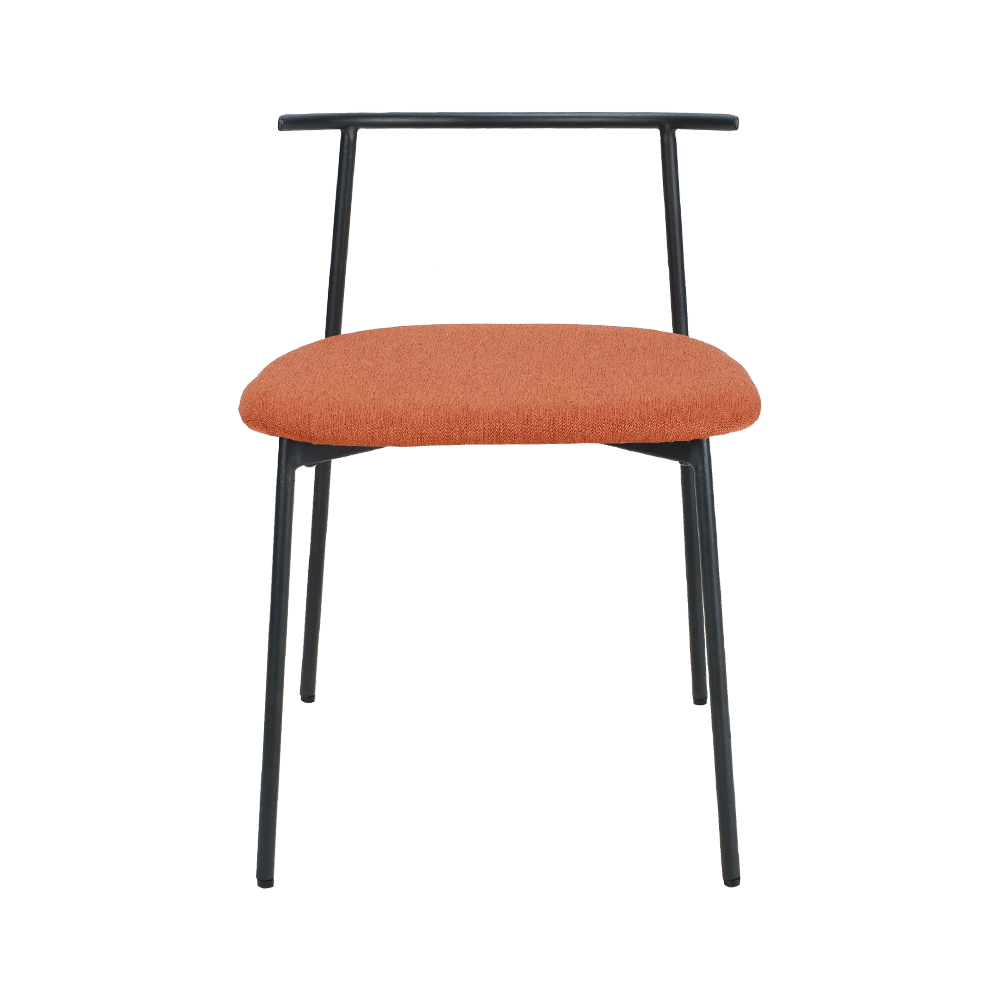
The curved back metal leg dining chair is a blend of modern design and classic comfort, offering an ... -
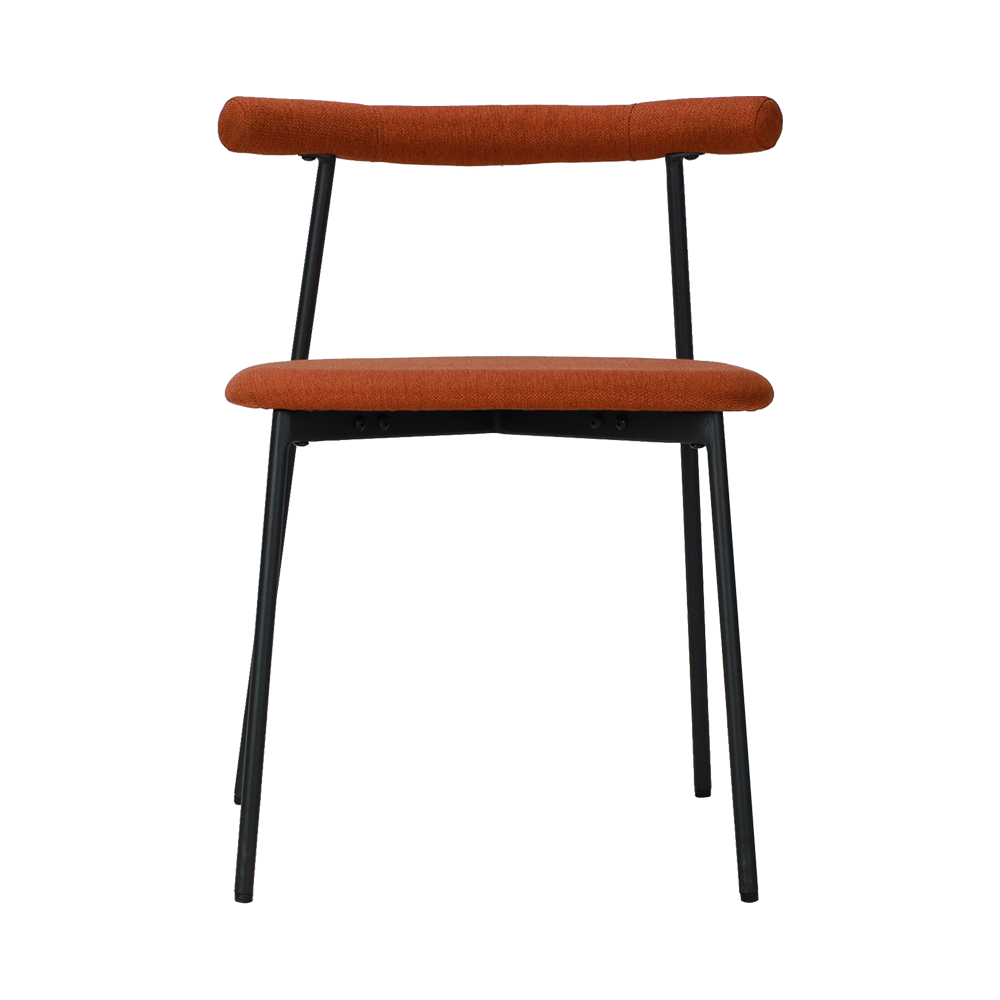
The High Resilience Sponge Cushion Metal Foot Dining Chair offers a blend of comfort, style, and dur... -
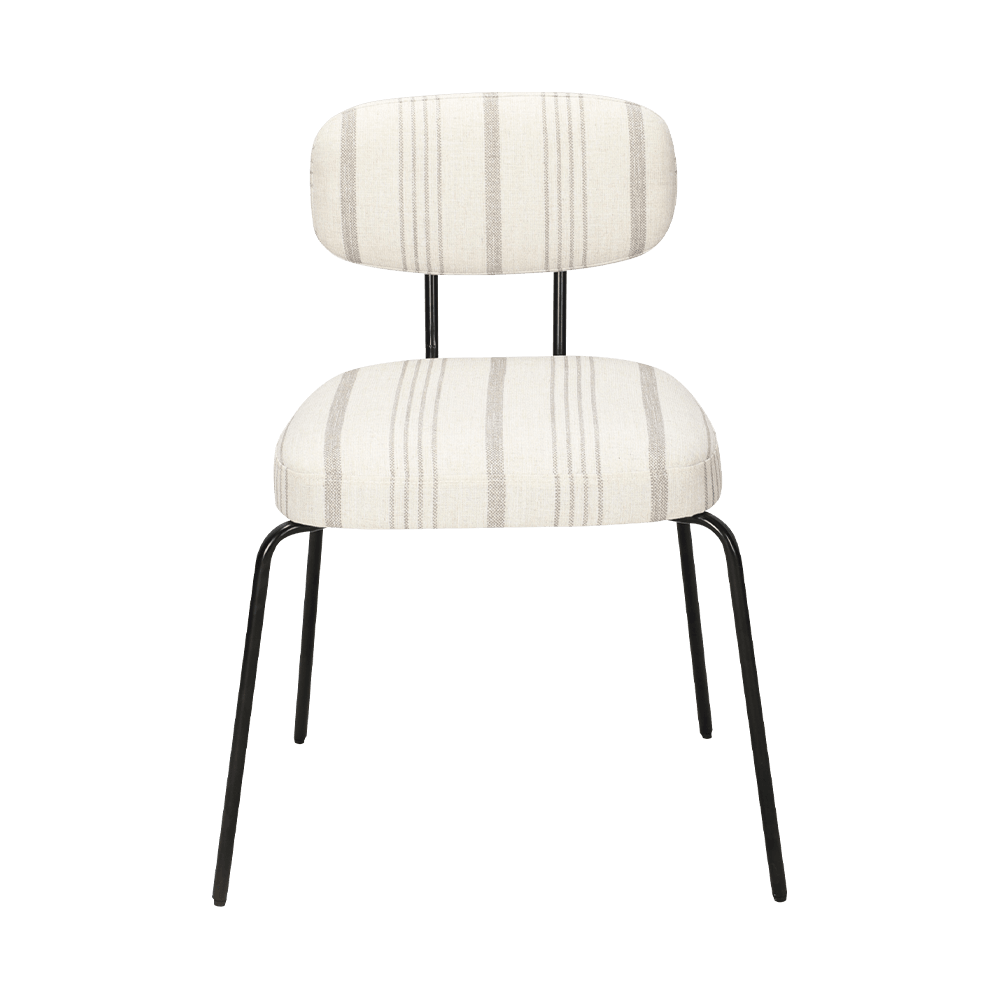
This WS6357 white modern metal dining chair features a simple and elegant design, paired with metal ... -
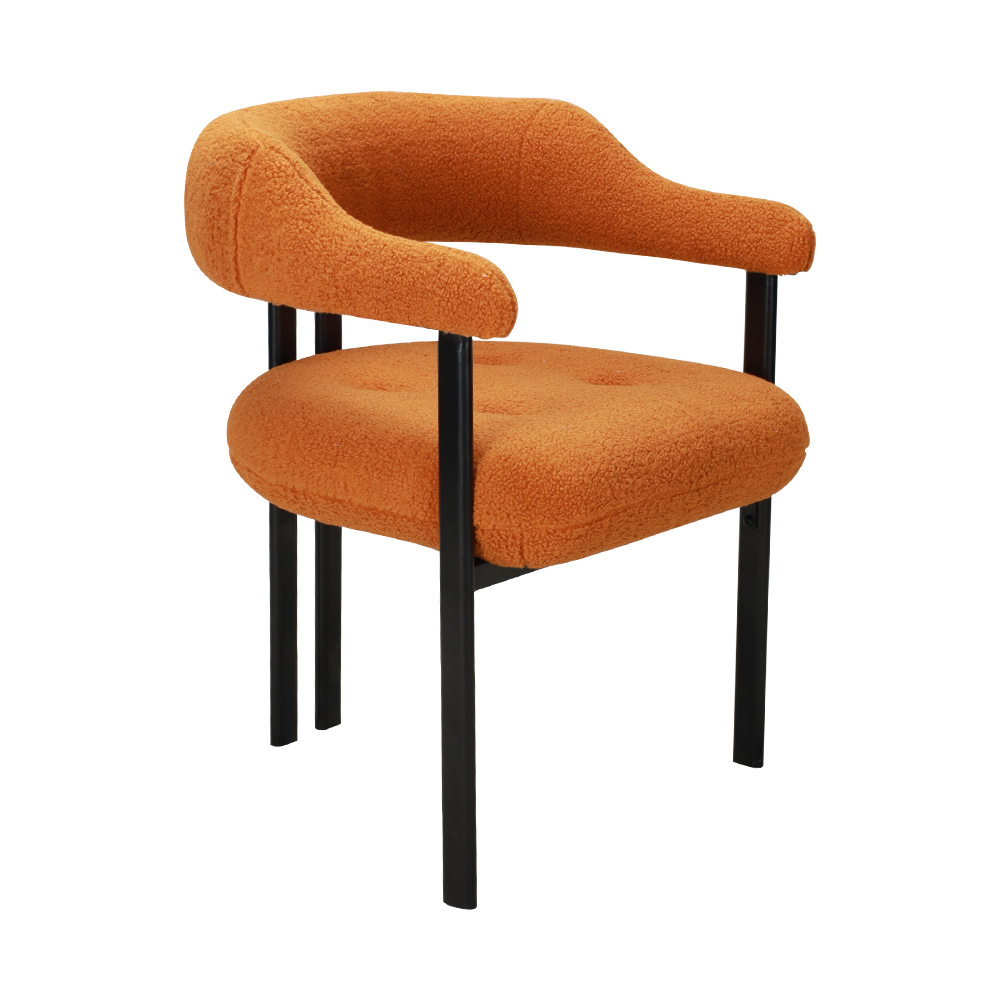
Elevate your dining experience with our WS6353 metal dining chair with a fabric cushion, a blend of ... -
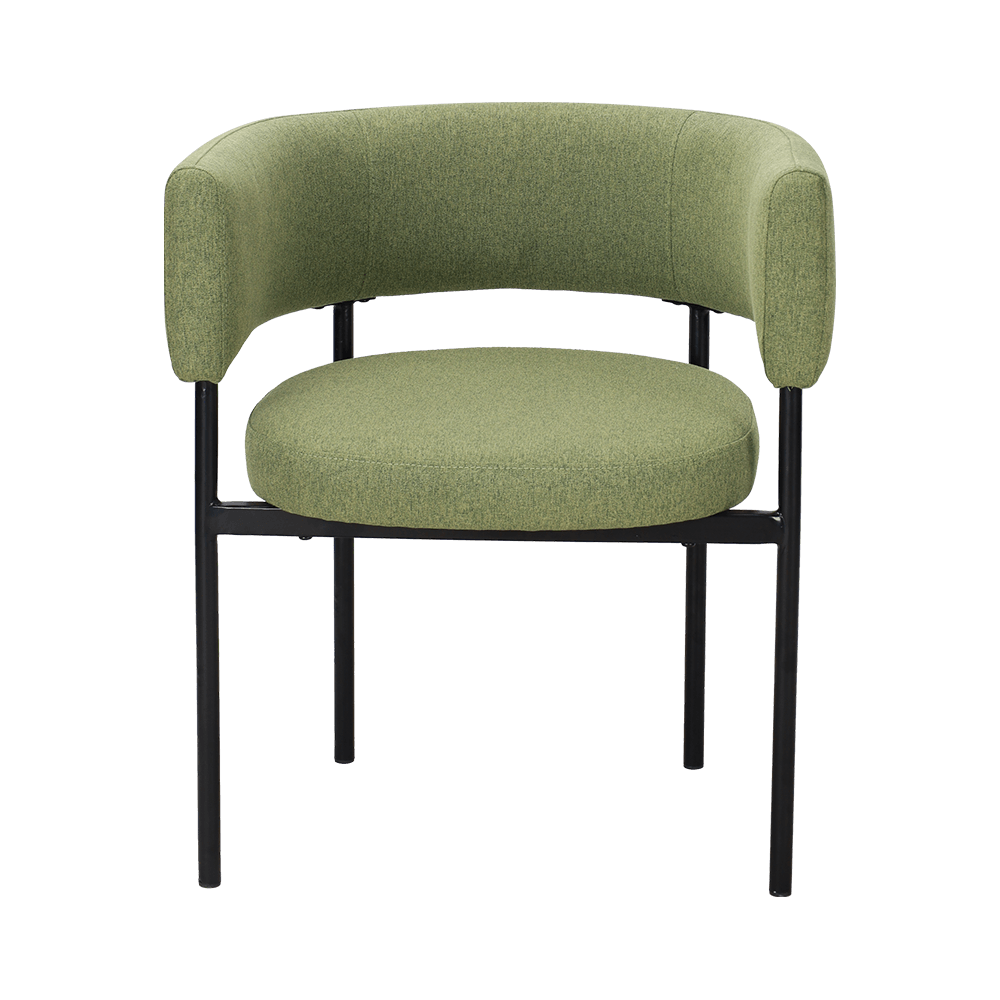
Crafted for both style and functionality, the WS6354 acid green metal leg dining chair features a st... -

This solid rubber wood dining chair combines natural texture with comfort, featuring a simple yet el... -
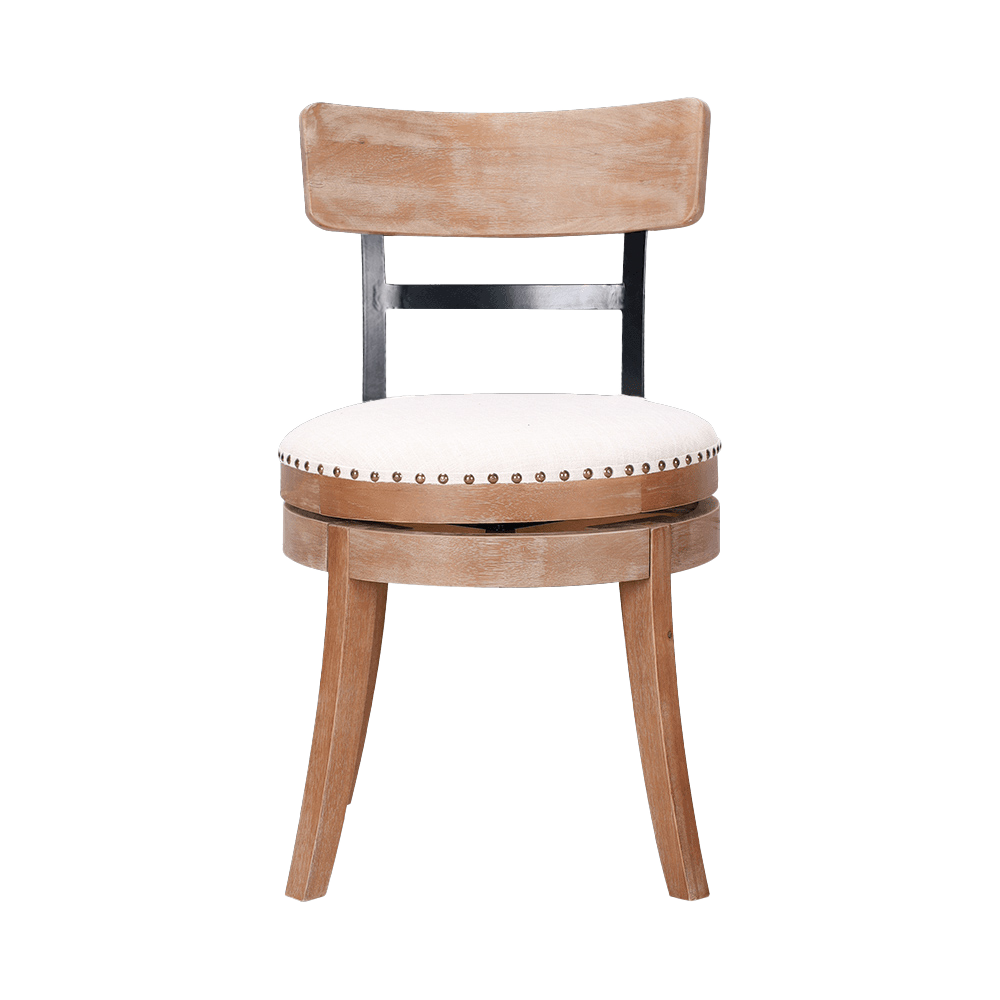
This WS6347 Round Cushion Solid Wood Dining Chair blends comfort with minimalist design, fitting var...

Copyright © Zhejiang Wanchang Furniture Co., Ltd.All Rights Reserved.
Indoor Fabric Sofa Manufacturers

-
 Xucunwancun, Xilong Xiang, Anji County, Zhejiang Province, China
-
 [email protected]
Mobile Site

WeChat Subscription Acount

Copyright © 2024Zhejiang Wanchang Furniture Co., Ltd.
All Rights Reserved.
