


 中文简体
中文简体 English
Indoor Fabric Sofas, Lounge & Dining Chairs: Buying Guide
Posted by Zhejiang Wanchang Furniture Co., Ltd.
Indoor fabric sofas, lounge chairs, and fabric dining chairs are the three seating categories that define the comfort, character, and functionality of a living space. Chosen well, they work together as a cohesive interior — the sofa anchoring the living room, lounge chairs adding flexibility and a secondary seating focus, and fabric dining chairs completing the space with a coordinated textile story that connects the dining area to the broader room. The practical conclusion for anyone furnishing or refreshing an indoor space is this: fabric choice and frame construction are the two decisions that determine long-term satisfaction more than any other factor. A beautifully styled sofa with a weak frame or a poorly chosen fabric will disappoint within two to three years; a well-constructed piece in the right fabric will remain comfortable and presentable for ten to fifteen years or more. This guide covers every dimension of selection — fabric performance, frame quality, proportions, style coordination, and care — across all four seating categories.
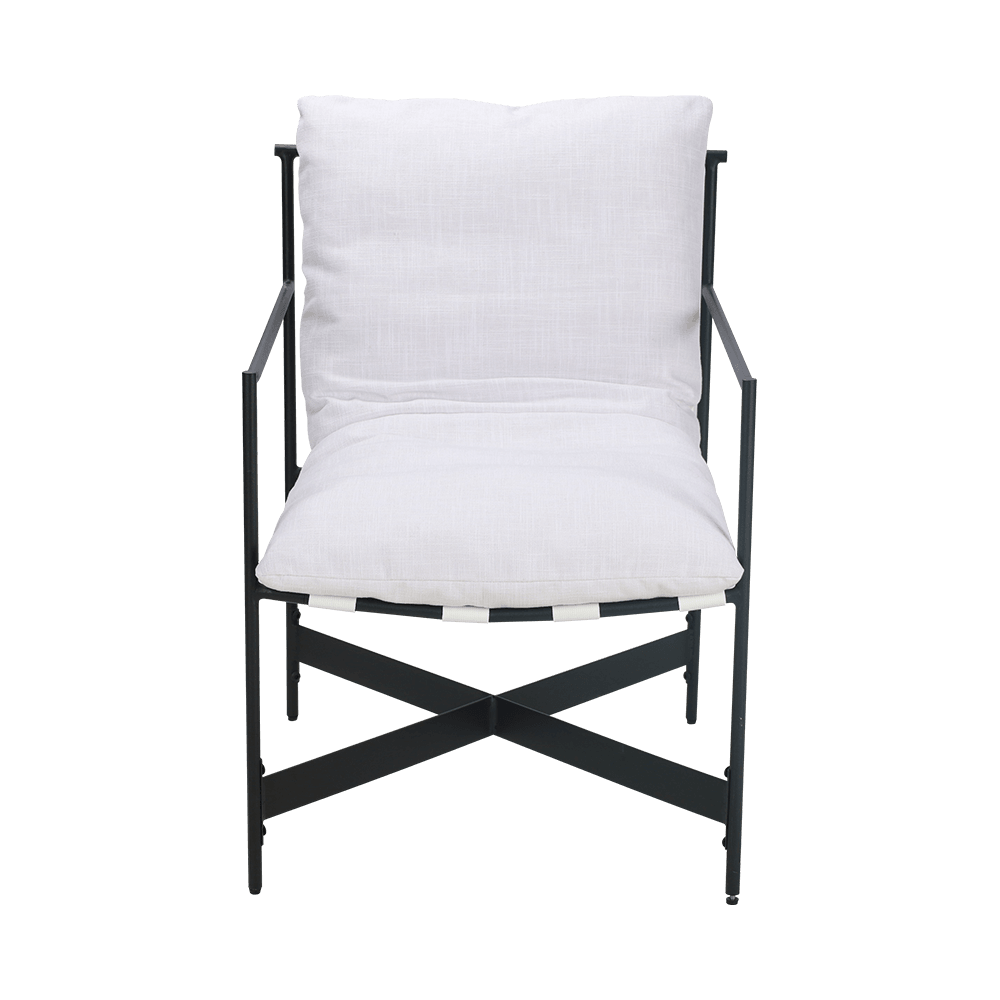
Content
- 1 Indoor Fabric Sofas: Construction, Fabric Performance, and What to Prioritize
- 2 Indoor Lounge Chairs: Comfort, Form, and Placement
- 3 Lounge Chair Living Room: Integrating Chairs into a Cohesive Seating Arrangement
- 4 Fabric Dining Chairs: Performance Requirements and Design Integration
- 5 Care and Maintenance: Protecting Your Fabric Seating Investment
- 6 A Practical Buying Checklist for Indoor Fabric Seating
Indoor Fabric Sofas: Construction, Fabric Performance, and What to Prioritize
The indoor fabric sofa is the single largest upholstered investment in most living rooms, and it is the piece that receives the most sustained use — seated weight, friction from movement, spills, pet contact, and UV exposure from windows all act on the sofa fabric continuously. Selecting the right fabric for the sofa's specific use environment is therefore the most commercially significant decision in the buying process.
Sofa Fabric Performance: Key Metrics
Fabric performance for indoor sofas is measured by the Martindale abrasion test — a standardized method (ISO 12947) that rubs a fabric sample against a standard wool abradant under set load until the fabric shows visible wear. The result, expressed in rubs, defines the fabric's durability category:
- Under 15,000 rubs: Decorative only — wall panels, cushion fronts, minimal-use pieces. Not appropriate for sofa upholstery in regular use.
- 15,000–25,000 rubs: Light residential use — a sofa in a bedroom or low-traffic sitting room used occasionally. Not recommended for the main living room sofa.
- 25,000–40,000 rubs: Standard residential use — appropriate for most living room sofas in adult households without pets or children.
- 40,000–100,000 rubs: Heavy residential or light commercial use — the recommended minimum for sofas in family households with children or pets, and for any sofa expected to last 10+ years.
- Over 100,000 rubs: Contract/commercial grade — hotels, waiting rooms. Appropriate for extremely demanding residential environments.
Beyond abrasion, the other critical fabric metrics for indoor sofas are pilling resistance (ISO 12945-2, grade 3–5 for residential; grade 5 = no pilling), colour fastness to light (ISO 105-B02, minimum grade 4 for window-adjacent sofas, grade 5–6 preferred), and colour fastness to rubbing (ISO 105-X12, minimum grade 3–4 wet to prevent dye transfer to clothing).
Fabric Types for Indoor Sofas: A Practical Comparison
| Fabric Type | Typical Martindale (rubs) | Pilling Risk | Stain Resistance | Feel / Comfort | Best For |
|---|---|---|---|---|---|
| Polyester weave | 30,000–80,000+ | Low–Medium | Good | Smooth to textured | Family homes, everyday sofas |
| Velvet (polyester) | 25,000–60,000 | Low | Moderate | Luxuriously soft | Living rooms, low-traffic adult spaces |
| Linen / linen blend | 20,000–40,000 | Low | Poor–Moderate | Natural, cool, textured | Scandinavian / natural interiors, adults only |
| Cotton weave | 15,000–30,000 | Medium | Poor | Soft, breathable | Casual, slipcover-style sofas |
| Chenille | 20,000–50,000 | Medium | Moderate | Very soft, plush | Cozy living rooms, adult households |
| Performance fabric (e.g. Crypton, Aquaclean) | 50,000–100,000+ | Low | Excellent | Varies by construction | Families with children and pets |
Sofa Frame and Suspension: What Determines Long-Term Comfort
The frame is the structural foundation of the sofa and the primary determinant of its longevity. Key frame considerations:
- Kiln-dried hardwood (beech, ash, or oak): The benchmark frame material for quality sofas. Kiln-drying reduces moisture content to 6–8%, preventing the warping, cracking, and joint loosening that occurs in undried or softwood frames. Hardwood frames with dowelled, glued, and corner-blocked joints last 15–25 years. A sofa advertised as having a "solid wood frame" is not necessarily hardwood — ask specifically for kiln-dried hardwood or check the species.
- Engineered wood (plywood, MDF, particleboard): Plywood is an acceptable substitute for hardwood in less-stressed frame components. MDF and particleboard are inferior — they hold screws poorly, do not tolerate moisture, and can delaminate under sustained stress. Mid-market sofas frequently use a combination of kiln-dried hardwood for structural joints and plywood for panels, which is a reasonable compromise.
- Suspension systems: Eight-way hand-tied coil springs are the traditional premium suspension — each coil is individually tied in eight directions with jute twine, creating a deep, even support surface. Sinuous (S-spring or no-sag spring) systems are the mainstream alternative — faster to produce, comfortable, and durable when made from heavy-gauge steel. Webbing-only suspension (interwoven elastic or jute webbing without springs) is the lowest-cost approach and will sag more quickly under sustained use.
- Seat cushion fill: High-resilience (HR) foam with a density of 35–45 kg/m³ and ILD (Indentation Load Deflection) rating of 30–35 lbs provides good initial comfort and adequate recovery. Foam wrapped in Dacron (polyester fiberfill) adds a softer surface feel. Down-wrapped foam provides premium softness but requires regular refluffing. Pure down fill is the softest option but requires significant maintenance and loses shape quickly.
Sofa Proportions and Room Sizing
A sofa that is out of scale with its room — either too large or too small — will never look right regardless of its quality or style. Practical sizing guidelines:
- The sofa's length should occupy approximately two-thirds of the wall it sits against — a 4-metre wall works well with a 2.4–2.6-metre three-seater sofa.
- Allow a minimum of 90 cm of clear floor space in front of the sofa for comfortable movement and for the coffee table, if present.
- Seat height of 42–48 cm suits most adults for comfortable seating and standing. Lower seat heights (under 40 cm) feel more relaxed but are harder to rise from for older adults.
- Seat depth of 55–65 cm suits most people — deeper seats (70+ cm) feel very relaxed but require cushion support when sitting upright at a table or working.
Indoor Lounge Chairs: Comfort, Form, and Placement
An indoor lounge chair fulfills a different function than a sofa — it is typically a single-occupant seat designed for extended relaxation, reading, or watching television, often with a higher back and deeper seat than a standard dining or occasional chair. In the living room, a well-chosen lounge chair creates a secondary seating zone that makes the room feel more layered and inviting, and allows two people to face each other for conversation rather than sitting side by side on the sofa.
Types of Indoor Lounge Chairs
The lounge chair category encompasses several distinct forms, each suited to different uses and room styles:
- Club chair (tub chair): A compact, fully upholstered chair with a rounded back that wraps partially around the sides. Seat height typically 42–46 cm, overall height 70–80 cm. Well suited to small living rooms where a large armchair would overwhelm the space. Available in a very wide range of fabrics and the most versatile lounge chair form for living room use.
- Wingback armchair: A tall-backed chair with side "wings" that originally served to retain heat from the fireplace. Seat height 42–48 cm, back height 100–120 cm. Creates a strong visual statement and works particularly well in traditional, transitional, and eclectic interiors. The tall back requires adequate ceiling height and clear wall space to avoid feeling visually heavy.
- Accent / occasional chair: A lighter-weight, often more architecturally expressive chair that prioritizes visual interest alongside seating function. May have exposed wooden or metal legs, a more sculptural back, or contrast fabric on the back. Used to introduce color, pattern, or material interest into a room that is otherwise more neutral.
- Recliner / power recliner: A fully upholstered chair with a mechanism allowing the back to recline and a footrest to extend. Available in manual lever, push-back, or power (motorized) configurations. Highly functional for television viewing and relaxation, but requires clear space behind the chair for the backrest to recline — typically 30–45 cm of clearance depending on the mechanism. Traditional recliners have a utilitarian aesthetic; modern recliners in clean-lined upholstered forms are increasingly design-friendly.
- Chaise longue: An extended lounge chair that supports the full length of the legs, essentially a hybrid between a chair and a daybed. Requires more floor space than a standard armchair — typically 150–200 cm in length — but provides an unmatched level of reclined comfort. Works well in a bedroom, reading corner, or large living room as a secondary seating piece.
Fabric Considerations for Lounge Chairs
Because lounge chairs typically receive less total use than the main sofa, they offer slightly more freedom in fabric selection — fabrics in the 20,000–35,000 rub range are acceptable for an adult-only household where the chair is used occasionally rather than daily. This opens up the possibility of more decorative fabrics — open-weave textiles, lightweight linens, printed fabrics — that would be impractical on a heavily used sofa. The lounge chair is also the ideal piece to introduce pattern, as its smaller scale means a bold print or interesting texture doesn't overwhelm the room.
For lounge chairs that will receive sustained daily use — a reading chair used for two to three hours daily, or a recliner as the primary television-viewing seat — the same durability standards as the sofa apply. Focus on 40,000+ rub fabrics and pay particular attention to the seat and arm areas, which receive concentrated friction and compression.
Lounge Chair Placement in the Living Room
Placement determines whether a lounge chair enhances the room or becomes an awkward obstacle. Effective placement principles:
- Create a conversation grouping: Position the lounge chair at approximately 90 degrees to the sofa, with both pieces facing toward a common focal point (fireplace, television, or coffee table). This creates a natural conversation arrangement while keeping the room open. An ottoman or side table between the sofa and chair completes the grouping.
- Use a pair for balance: Two matching or complementary lounge chairs flanking a fireplace, console, or at the end of a sofa grouping creates symmetry and visual calm — particularly effective in formal living rooms or open-plan spaces where the seating area needs to read as a defined zone.
- Create a reading corner: A lounge chair with a floor lamp, small side table, and bookshelf creates a functional and visually appealing reading nook in an alcove, corner, or bay window. This use works particularly well with a higher-backed wingback or club chair that provides visual enclosure.
- Allow circulation space: Maintain a minimum of 75–90 cm of clear walkway around the chair for comfortable room circulation. In smaller rooms, armless accent chairs occupy less visual and physical space than fully upholstered armchairs.
Lounge Chair Living Room: Integrating Chairs into a Cohesive Seating Arrangement
The relationship between the sofa and lounge chairs in a living room is the central design challenge of the space. Getting this relationship right — in scale, material, and arrangement — is what separates living rooms that feel considered and inviting from those that feel either overcrowded or disjointed.
Mixing Sofa and Chair Fabrics Successfully
A common question in living room seating selection is whether the sofa and lounge chairs must match. They do not — and in many cases, mixing fabric types and even colors creates a more interesting and personalized result than a matching suite. However, successful mixing requires a clear organizing principle. The most reliable approaches are:
- Tonal coordination: Keep sofa and lounge chairs within the same color family but vary the tone — a mid-grey sofa paired with charcoal accent chairs and light greige cushions creates visual interest while maintaining harmony. This approach works reliably across all interior styles.
- Texture contrast within a neutral palette: A smooth linen sofa paired with a velvet lounge chair in the same or adjacent neutral creates richness through texture rather than color. This is a particularly effective approach in minimal or Scandinavian interiors where the material story is more important than color contrast.
- One statement, rest neutral: A neutral sofa (grey, oatmeal, warm white) with one or two lounge chairs in a stronger color or pattern — a deep green velvet chair, a geometric-print accent chair — gives the room a clear focal point and personality without the risk of color clash.
- Repeat a color from soft furnishings: If the sofa cushions contain a particular color, echoing that color in the lounge chair fabric creates a coordinated link between the pieces without matching them exactly.
Sizing the Lounge Chair to the Sofa
Scale compatibility between sofa and lounge chairs is critical. A large, deep-seated three-seater sofa paired with a small, lightweight accent chair creates an uncomfortable visual imbalance — the chair looks lost. As a guide, the seat height of the lounge chair should be within 5 cm of the sofa's seat height, and the overall visual mass of the chair should be proportionate to the sofa. A large Chesterfield sofa pairs well with a substantial wingback or club chair; a streamlined contemporary sofa suits a cleaner-lined, lower-profile accent chair.
Style Pairings: Sofa and Lounge Chair by Interior Type
| Interior Style | Sofa Type / Fabric | Lounge Chair Type | Fabric / Finish for Chair | Key Coordinating Principle |
|---|---|---|---|---|
| Contemporary / modern | Clean-line 3-seater, medium grey polyester | Low-profile accent chair | Boucle, mustard or terracotta | Texture and color accent against neutral sofa |
| Scandinavian / Nordic | Low-back sofa, oatmeal linen blend | Slim-legged club chair | Natural linen, light grey bouclé | Tonal neutrals, natural materials |
| Traditional / classic | Rolled-arm Chesterfield, deep blue velvet | Wingback armchair | Woven check, herringbone, or complementary velvet | Heritage fabrics, coordinated color family |
| Transitional | Tight-back sofa, warm taupe performance fabric | Upholstered barrel chair | Textured weave, warm green or navy | Warm neutrals with one rich accent |
| Bohemian / eclectic | Low-seat sofa, natural cotton or linen | Rattan-framed chair or floor chair | Kilim-inspired weave, printed cotton | Mixed materials, pattern layering |
Fabric Dining Chairs: Performance Requirements and Design Integration
Fabric dining chairs are the upholstered seating solution for the dining area — offering substantially more comfort than hard wooden or plastic chairs for extended meals and social gatherings, while allowing the textile story of the room to extend from the living area into the dining zone. The challenge with fabric dining chairs is that the dining environment is inherently harsher on upholstery than the living room: food and drink spills are frequent, seated pressure is concentrated (seated at a table places more forward-pressure on the front edge of the seat), and chairs are frequently dragged across hard floors, stressing the legs and joints.
Fabric Performance Priorities for Dining Chairs
The performance priorities for fabric dining chairs differ somewhat from sofa and lounge chair fabrics:
- Stain resistance is the primary concern — food and beverage spills on dining chairs are inevitable. Fabrics with inherent moisture resistance or applied stain-resist treatments (such as Teflon, Scotchgard, or manufacturer-integrated treatments like Aquaclean's water-activated cleaning system) are strongly recommended. Aquaclean-certified fabrics, for example, can be spot-cleaned with water alone — removing most food stains without specialist cleaning products, which is practically valuable in a dining environment.
- Abrasion at the seat front edge: The front edge of a dining chair seat receives concentrated abrasion from clothing, particularly trousers and denim. Fabrics with tight weave structures and medium-weight constructions (minimum 250–350 gsm for seat fabric) resist this type of localized wear better than lighter or looser-weave fabrics.
- Easy cleaning: Dining chair fabric should be cleanable with a damp cloth for everyday maintenance. The fabric's cleaning code — W (water-based cleaner), S (solvent-based cleaner), W/S (either), or X (vacuum only) — should be confirmed before purchase. W-coded fabrics are the most practical choice for dining applications.
- Colour fastness to light: Dining chairs near windows receive significant UV exposure, particularly the seat surface which faces upward. Minimum grade 4 (ISO 105-B02) colour fastness to light is important to prevent fading from creating an uneven appearance across a set of chairs.
Dining Chair Frame and Seat Construction
Dining chair frames experience more stress per unit weight than sofa frames — the impact loading when a person sits down, the rocking and tilting during use, and the leverage on joints when a seated person leans back all apply concentrated forces to a small frame structure. Quality indicators for fabric dining chair frames include:
- Solid hardwood legs and frame: Beech is the most common hardwood for dining chair frames — it is dense, takes mechanical fixings well, and bends without cracking in steam-bent chair components. Chair frames with solid hardwood legs and seat rail structures last significantly longer than those with softwood or engineered wood frames.
- Mortise and tenon or dowelled joints: The joint between the seat rail and the leg is the highest-stress point in a dining chair. Mortise and tenon joints (a projecting tenon fitting into a corresponding mortise cavity) glued with PVA or epoxy are the most durable construction. Dowelled joints with glue are an acceptable alternative. Joints that rely on screws alone will loosen under repeated impact loading.
- Seat cushion thickness and foam specification: A dining chair seat cushion of 40–60 mm thickness with HR foam density of 30–40 kg/m³ provides good comfort during meals without the deep sink that would make the chair uncomfortable at table height. Very thin cushions (under 30 mm) quickly feel hard; very thick cushions (over 80 mm) raise the seated height uncomfortably relative to standard table height.
- Seat height: Standard dining chair seat height is 44–48 cm, designed to work with standard dining table height of 73–76 cm. The gap between seat surface and table underside should be 25–30 cm to allow comfortable seating without the table pressing against the thighs. Verify this clearance when mixing chairs from different sources with an existing table.
Fabric Dining Chair Styles and How to Coordinate with the Room
Fabric dining chairs come in a range of structural forms, each with different aesthetic implications and practical characteristics:
- Fully upholstered chair (padded seat and back): Maximum comfort for long meals; strongest visual presence at the table. The upholstered back receives less wear than the seat but should still be specified in a fabric with minimum 20,000 rubs since it is in contact with clothing throughout every meal.
- Seat-pad only (wooden or metal frame with upholstered seat): Exposes the frame material as a visual design element — particularly effective with natural wood or painted frames in Scandi, farmhouse, or contemporary interiors. Easier to replace the seat fabric over time since it typically unscrew from the frame.
- Upholstered seat with button-tufted back: A traditional form with decorative tufting on the back panel — works well in classic, transitional, and Art Deco-influenced interiors. The button construction creates indentations where fabric is gathered, which should be considered when cleaning.
- Parsons chair (fully upholstered including legs): A neoclassical form where the entire chair, including the straight legs, is wrapped in fabric — creating a clean, graphic silhouette that suits contemporary and transitional interiors. The leg upholstery is vulnerable to scuffing and cleaning is more complex than chairs with exposed legs.
For coordinating fabric dining chairs with the living room seating, repeating one of the colors or textures present in the living room into the dining chairs creates a cohesive open-plan space without requiring everything to match. A living room with a grey sofa and green velvet accent chairs works naturally with green or grey fabric dining chairs — the color repetition creates a visual connection across the two zones without the rigidity of a fully matched scheme. Alternatively, contrasting the dining chairs intentionally against the living room palette — using warm terracotta dining chairs in a room with cool grey sofas — can clearly delineate the two zones in an open plan, which is sometimes preferable to making them blend together.
Care and Maintenance: Protecting Your Fabric Seating Investment
Even the most durable indoor fabric sofa, lounge chair, or dining chair will deteriorate prematurely without appropriate care. The good news is that the most effective maintenance practices require very little time and no specialist equipment.
Routine Maintenance for All Indoor Upholstered Furniture
- Vacuum weekly: Use an upholstery brush attachment on a low suction setting to remove dust, skin cells, and debris from sofa, lounge chair, and dining chair surfaces. Pay particular attention to cushion crevices and under cushions where debris accumulates. Regular vacuuming prevents abrasive particles from grinding into fabric fibers during use, which is a primary cause of premature fabric wear.
- Rotate and flip cushions monthly: For sofas and lounge chairs with reversible cushions, rotating and flipping cushions distributes wear and compression evenly across all surfaces, extending the useful life of both the foam core and the fabric cover.
- Treat spills immediately: Blot (do not rub) liquid spills with a clean white cloth to absorb as much as possible before the liquid penetrates the fiber. Rubbing spreads the spill and drives it deeper into the fabric. Follow with the appropriate cleaning method for the fabric's cleaning code. For most polyester and blended fabrics, a solution of mild dish soap in cool water applied with a clean cloth, blotted dry, then allowed to air dry, is effective for most food and beverage spills.
- Protect from direct sunlight: UV radiation bleaches and weakens fabric fibers over time. Rotate lounge chairs and sofa positions seasonally if they receive direct sunlight, or use window film or blinds to limit UV exposure during peak sun hours. Even high-lightfastness fabrics will eventually fade with prolonged direct exposure.
- Use a fabric protector treatment: Applying a fluorocarbon-based fabric protector (Scotchgard or similar) once or twice a year creates a temporary hydrophobic surface barrier that causes liquids to bead and allows more time for spill absorption before staining. Most performance fabrics come with factory-applied protection, but it depletes with cleaning and use and should be reapplied periodically.
- Use a fabric shaver for pilling: Some fabrics — particularly chenille, cotton blends, and acrylic — develop pills (small balls of fiber) on the surface with use. A battery-operated fabric shaver (defuzzer) removes these in minutes, restoring the fabric's appearance. Pills are a cosmetic issue, not a structural problem, and do not indicate that the fabric is damaged.
Specific Care Notes by Fabric Type
| Fabric | Spot Cleaning | Avoid | Annual Deep Clean | Special Notes |
|---|---|---|---|---|
| Polyester weave | Mild soap + cool water, blot dry | Hot water (shrinkage), bleach | Steam cleaning or upholstery shampoo | Most forgiving of all common upholstery fabrics |
| Velvet | Blot only; minimal water | Rubbing (crushes pile), excess water | Professional cleaning recommended | Restore crushed pile with steam and soft brush |
| Linen / linen blend | Cold water, blot; solvent cleaner for oils | Hot water (shrinks), vigorous scrubbing | Professional upholstery cleaning | Prone to water marks; always feather out wet edges |
| Chenille | Mild soap + cool water, blot gently | Rubbing (snags pile), excessive moisture | Low-moisture professional cleaning | Fabric shaver for surface pills |
| Performance fabric (Aquaclean, Crypton) | Water only for most stains; dry cloth | Solvents (strips treatment), abrasive tools | Reapply fabric protector after deep clean | Most stain-resistant option for family and pet households |
A Practical Buying Checklist for Indoor Fabric Seating
Bringing the selection process together into a structured checklist helps avoid the most common purchasing mistakes — buying for appearance alone, underspecifying durability for the actual use environment, or selecting pieces that don't work together at scale in the real room.
- Measure first, browse second: Record the length, width, and height constraints for each seating position — including doorway widths and stairwell dimensions that the furniture must pass through on delivery. Nothing is more frustrating than a sofa that cannot be brought into the room.
- Define the use environment honestly: Assess pets, children, frequent entertaining, and eating habits before selecting fabric. Choosing a beautiful but impractical fabric for a high-use household leads to dissatisfaction within the first year.
- Request fabric samples before ordering: Fabric appearance changes significantly between a small catalogue image, a 10 cm sample, and a full-sized piece of furniture in your specific room lighting. Always obtain a sample large enough to assess texture, sheen, and color in situ before committing.
- Verify the Martindale rating: Ask for the specific rub count — "durable" and "suitable for domestic use" are not standardized descriptions. The Martindale number is the objective measure.
- Sit in the piece before buying: Particularly for sofas and lounge chairs, comfort is highly individual. Seat depth, back angle, cushion firmness, and armrest height all affect whether a piece works for your body. If buying online, review the return policy carefully.
- Check the frame warranty: A quality sofa frame should carry a minimum 10-year structural warranty. A one-year or two-year warranty on a sofa frame indicates low confidence in the construction quality from the manufacturer.
- Consider the full set before buying individual pieces: For dining chairs especially, buying all chairs from the same production run ensures colour and fabric consistency across the set. Reordering even the same fabric in a later batch can result in slight colour variation due to dye lot differences.
-
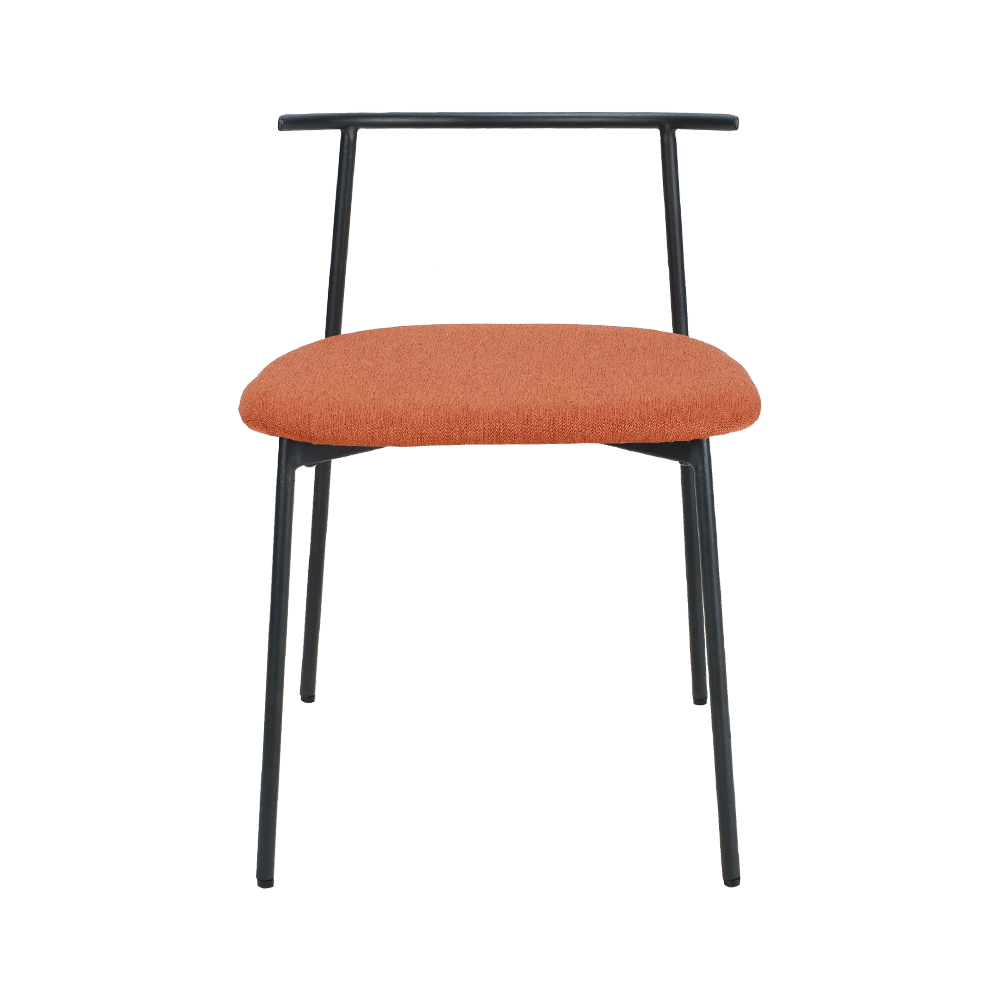
The curved back metal leg dining chair is a blend of modern design and classic comfort, offering an ... -
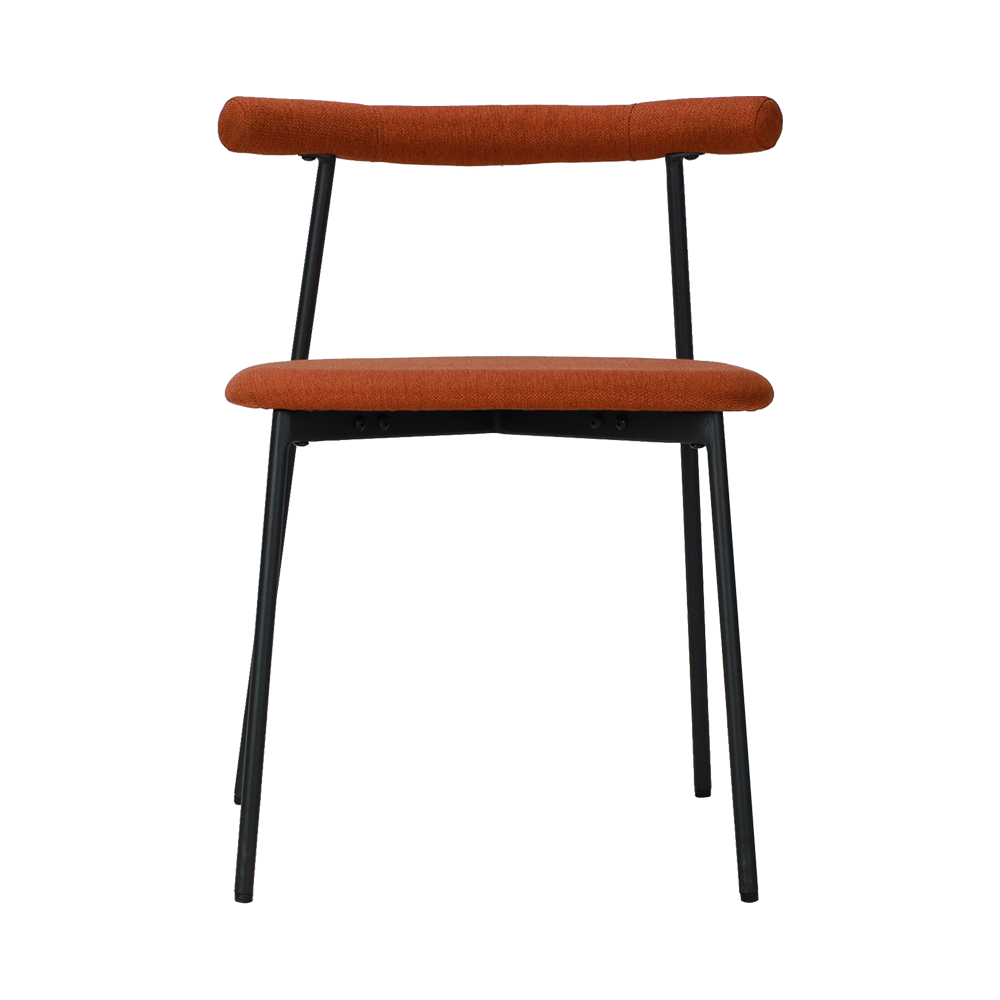
The High Resilience Sponge Cushion Metal Foot Dining Chair offers a blend of comfort, style, and dur... -
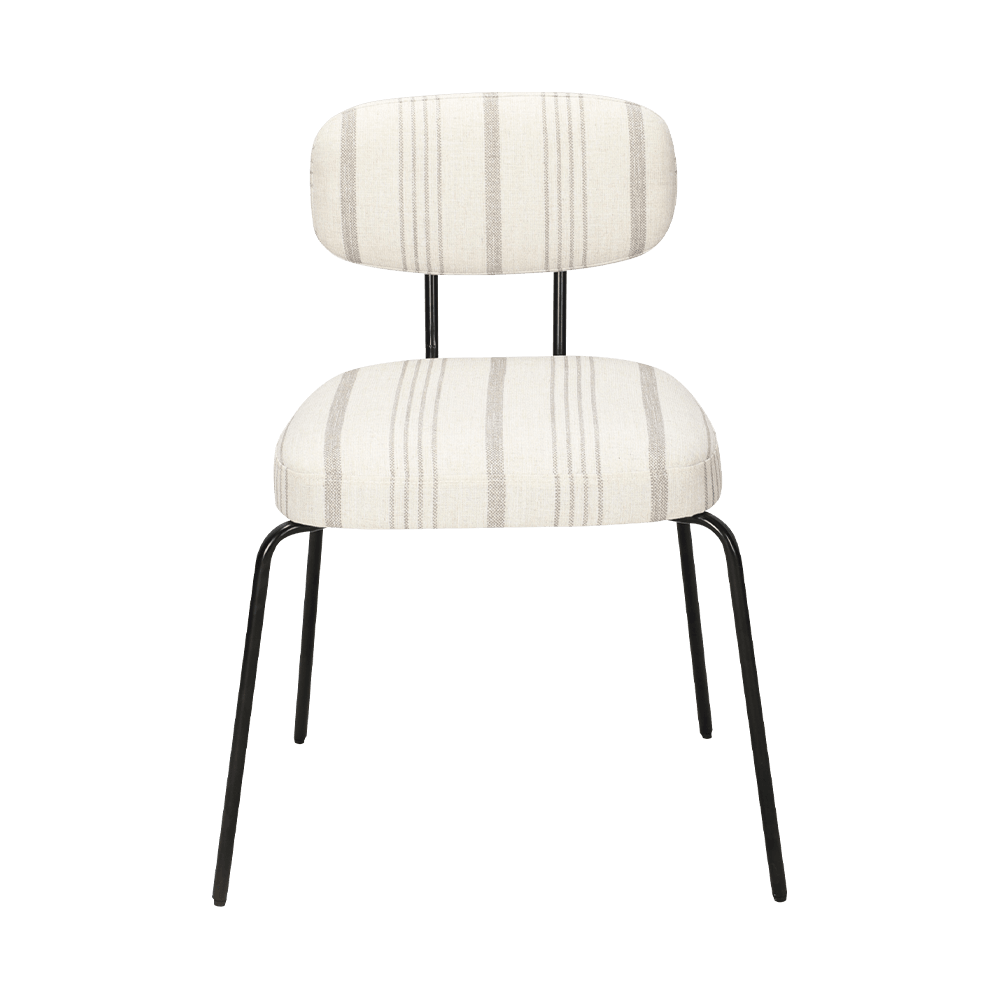
This WS6357 white modern metal dining chair features a simple and elegant design, paired with metal ... -
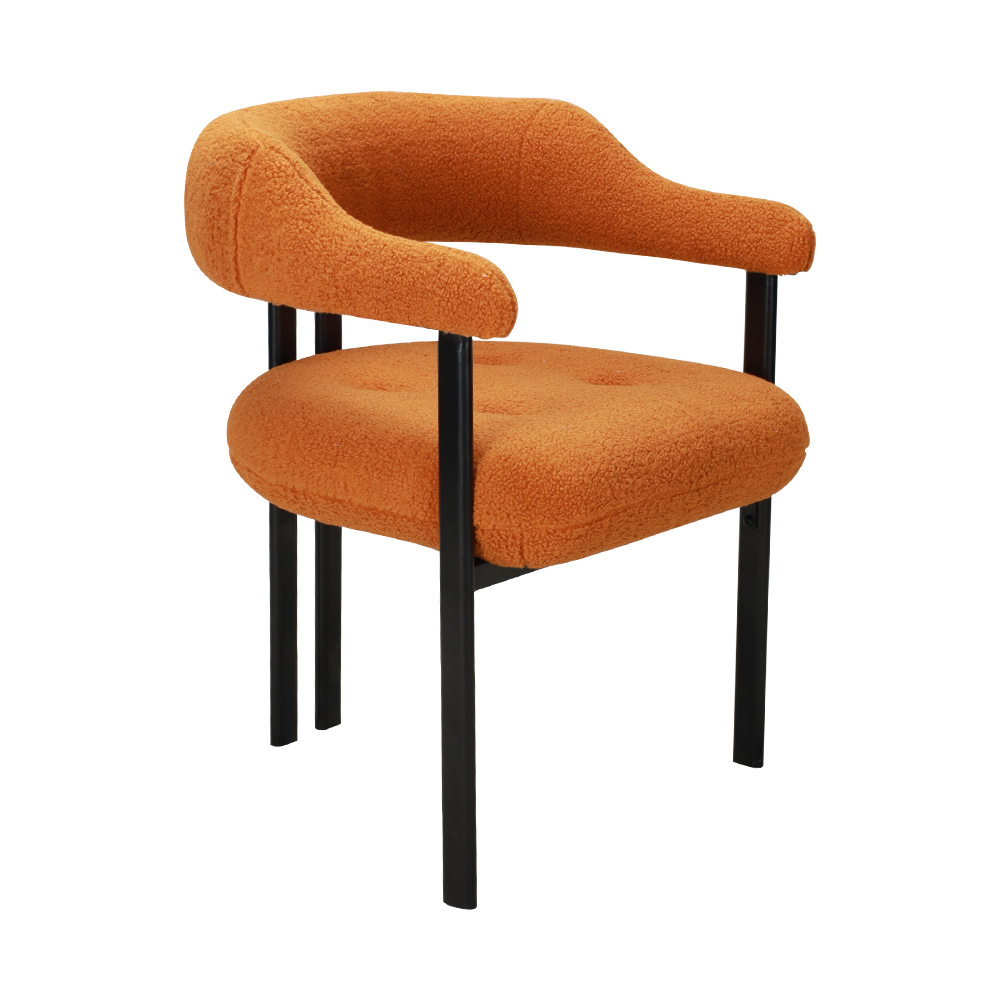
Elevate your dining experience with our WS6353 metal dining chair with a fabric cushion, a blend of ... -
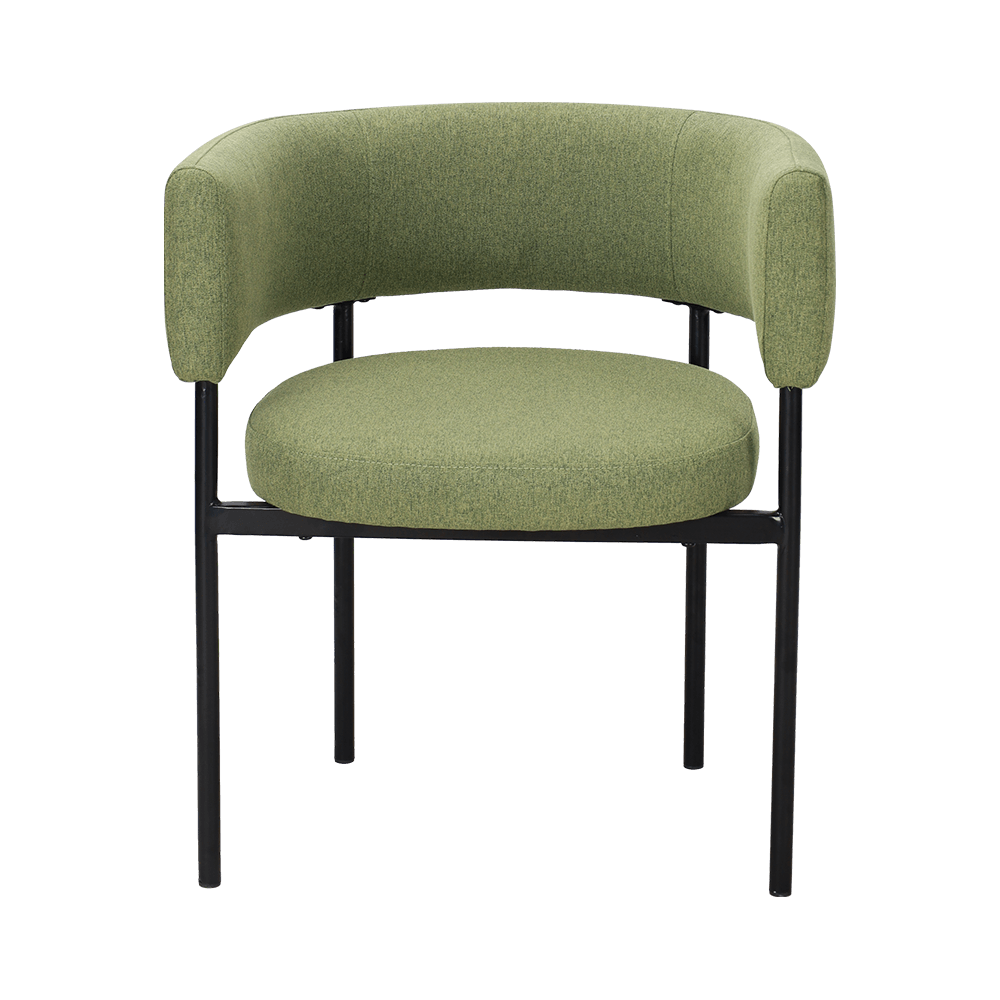
Crafted for both style and functionality, the WS6354 acid green metal leg dining chair features a st... -
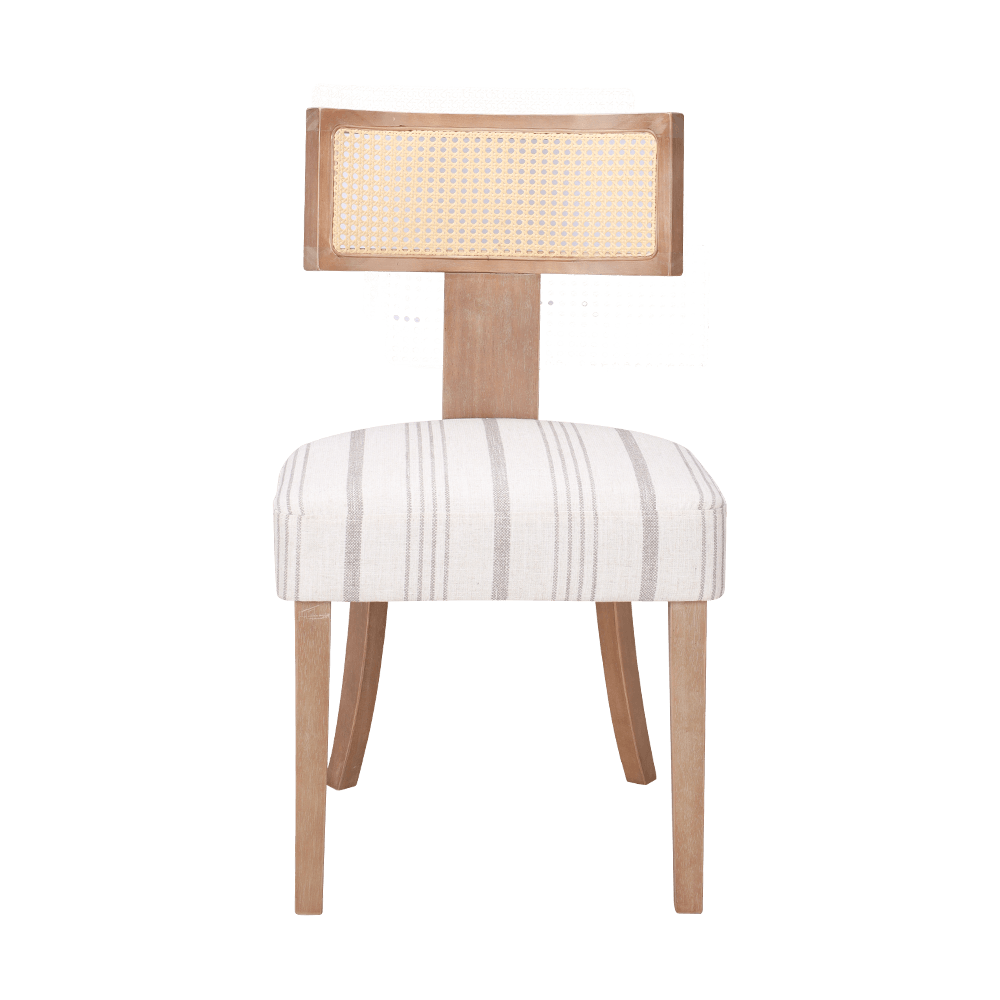
This solid rubber wood dining chair combines natural texture with comfort, featuring a simple yet el... -
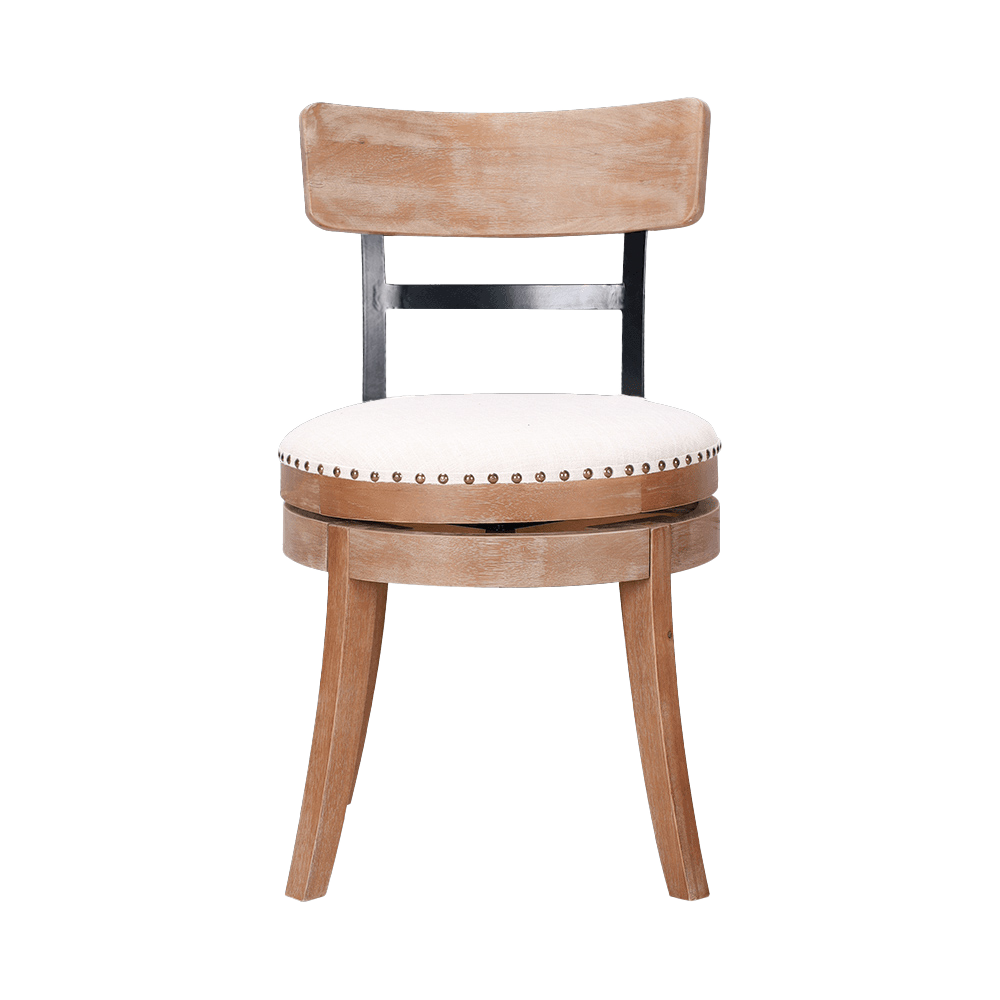
This WS6347 Round Cushion Solid Wood Dining Chair blends comfort with minimalist design, fitting var...

Copyright © Zhejiang Wanchang Furniture Co., Ltd.All Rights Reserved.
Indoor Fabric Sofa Manufacturers

-
 Xucunwancun, Xilong Xiang, Anji County, Zhejiang Province, China
-
 [email protected]
Mobile Site

WeChat Subscription Acount

Copyright © 2024Zhejiang Wanchang Furniture Co., Ltd.
All Rights Reserved.
