


 中文简体
中文简体 English
Fabric Dining Chairs & Upholstered Dining Chairs: The Complete Guide
Posted by Zhejiang Wanchang Furniture Co., Ltd.
Content
- 1 Why Fabric and Upholstery Define the Dining Chair Experience
- 2 Fabric Dining Chair vs. Upholstered Dining Chair: Understanding the Distinction
- 3 The Seven Primary Fabric Types for Dining Chairs
- 4 Dining Chair Fabric Comparison at a Glance
- 5 Frame Construction: What Sits Under the Fabric
- 6 Cushion and Suspension Systems: The Comfort Layer
- 7 Upholstered Dining Chair Styles: Matching Construction to Interior Design
- 8 Practical Considerations: Cleaning, Pets, Children, and Colorfastness
- 9 Reupholstering vs. Replacing: A Long-Term Value Perspective
Why Fabric and Upholstery Define the Dining Chair Experience
The dining chair is one of the most used pieces of furniture in any home. A household that sits down to dinner together uses its dining chairs for thousands of hours over a decade — and the fabric or upholstery on those chairs determines whether that experience is comfortable and visually cohesive, or scratchy, stained, and worn out within a few years. Choosing the right fabric dining chair is not simply an aesthetic decision — it is a practical one that directly affects comfort, durability, maintenance burden, and how well the chair holds its appearance through years of daily use.
This guide covers everything relevant to selecting fabric dining chairs and upholstered dining chairs — from the performance properties of each fabric type, to frame construction quality, cushion systems, style options, and the specific practical questions (cleaning, pet households, high-use environments) that most buyers need to answer before making a decision.
Fabric Dining Chair vs. Upholstered Dining Chair: Understanding the Distinction
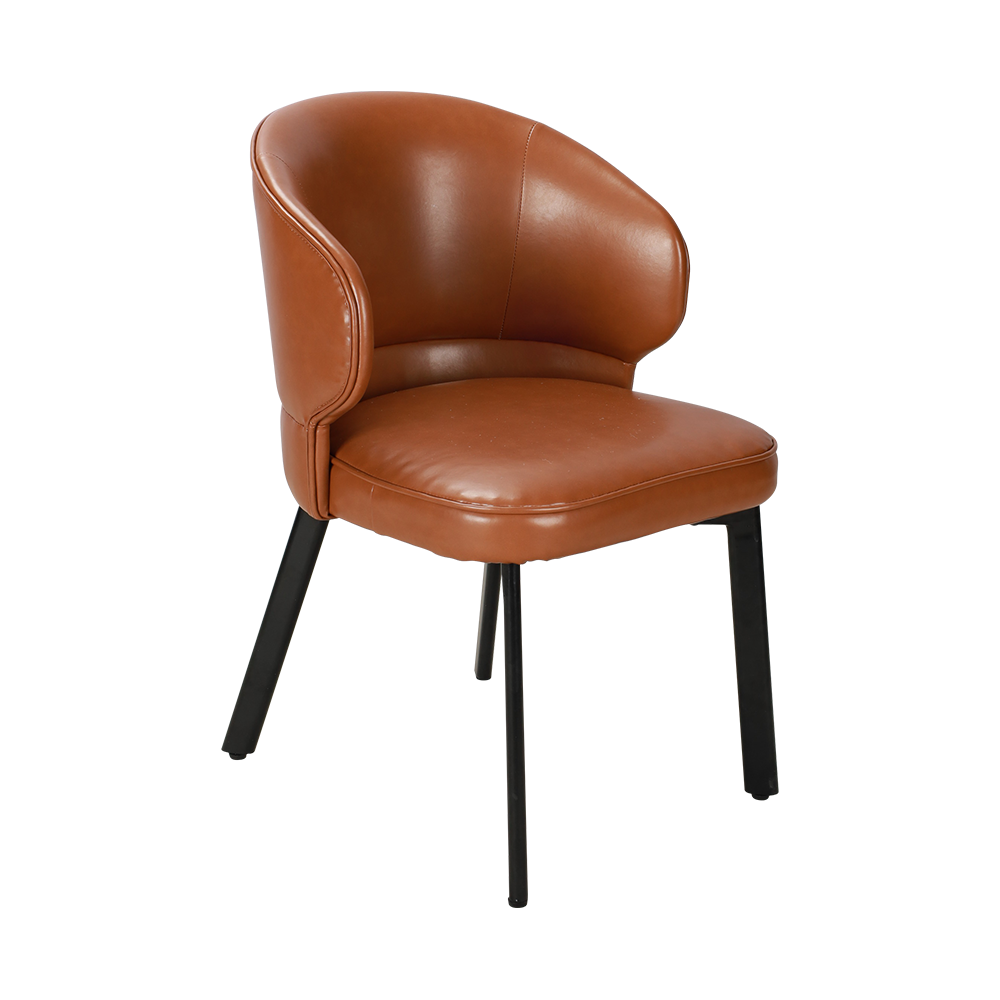
The terms fabric dining chair and upholstered dining chair are often used interchangeably, but they describe related rather than identical things. A fabric dining chair refers to the covering material — a chair upholstered in textile (as distinct from leather, metal, or solid wood). An upholstered dining chair describes the construction method — a chair whose seat, back, or both are padded and covered with a material layer, creating cushioned comfort above the structural frame. All fabric dining chairs are upholstered, but not all upholstered dining chairs use fabric — some use leather, faux leather, velvet, or vinyl.
In practice, the majority of upholstered dining chairs on the market today are fabric-covered, making the distinction primarily useful when comparing against leather or fully exposed wood alternatives. Upholstered dining chairs consistently rank first for comfort among all dining chair material categories — the combination of padded cushioning and soft fabric covering creates a seating experience that no hard wood or metal chair can replicate, particularly for extended meals, family gatherings, or dining spaces that double as work-from-home seating.
The Seven Primary Fabric Types for Dining Chairs
The fabric covering an upholstered dining chair determines more about its long-term performance than any other single variable. Each fabric category has a distinct profile of durability, comfort, stain resistance, maintenance requirements, and cost. Understanding these profiles prevents the most common upholstered dining chair mistake: choosing a beautiful fabric that fails under the actual conditions of the dining environment it is placed in.
Polyester and Polyester Blends
Polyester is the most widely used fabric in dining chair upholstery, and for reasons that are easy to justify: it is affordable, colorfast, resistant to wrinkling and fading, and because its synthetic structure does not absorb liquid as readily as natural fibers, it resists staining more effectively than cotton or linen. Polyester's synthetic properties make it extremely durable, and most polyester upholstery is designed to prevent wrinkling and fading over time so it will always look fresh. The primary limitation of polyester is pilling — the loose fiber clusters that form on the surface under repeated friction from clothing contact. This is manageable with a fabric shaver but should be anticipated in high-use chairs. Polyester-blend constructions, which combine polyester with cotton or nylon, balance the durability and easy-care properties of polyester with improved softness and reduced pilling tendency.
Cotton and Cotton Blends
Cotton is the most accessible natural upholstery fabric and one of the most versatile — it accepts a wide range of dye colors, has a soft and breathable hand, and is suitable for both casual and formal dining environments. Cotton is a great breathable material choice for dining room chairs because of its natural fibers and absorbent qualities, and its natural composition makes it less likely to pill than synthetic fabrics. The trade-off is that cotton's absorbency — the same property that makes it breathable and comfortable — means liquid stains penetrate readily. Pure cotton dining chair upholstery is best suited to low-spillage environments or households without young children. Cotton-polyester blends address the stain vulnerability while retaining most of the comfort and breathability advantages of pure cotton.
Linen
Linen brings a distinctive textured elegance to upholstered dining chairs that few other fabrics replicate — its natural, slightly irregular weave creates visual depth and a relaxed sophistication that suits farmhouse, coastal, Scandinavian, and transitional dining room styles particularly well. Linen is breathable and soft but may require more maintenance than synthetic options. It wrinkles more readily than polyester and is prone to staining — linen dining chairs are therefore best positioned as a considered aesthetic choice in lower-traffic dining rooms, or specified as the back fabric in chairs where the seat uses a more durable performance fabric. For higher-traffic use, linen-cotton blends provide improved durability while retaining most of the characteristic linen texture and appearance.
Velvet
Velvet occupies the premium tier of dining chair upholstery fabrics, and its use in dining chairs has grown substantially as the jewel-toned velvet dining chair trend has moved from commercial restaurant interiors into residential dining rooms. Velvet has a rich texture and sheen which infuses a high-end luxurious look to the dining room, and it has a very soft texture which feels very comfortable. It is also a long-lasting fabric if properly maintained. The practical considerations for velvet are important to understand before committing: velvet is a dust magnet, attracts pet hair readily, and should be kept out of direct sunlight which degrades the pile over time. Modern performance velvet — woven from polyester or nylon pile rather than traditional silk or cotton — addresses some of these limitations by making the fabric more stain-resistant and easier to clean while retaining the characteristic lush surface.
Microfiber
Microfiber is one of the most practical choices for fabric dining chairs in busy households. Microfiber is durable and stain-resistant, making it excellent for families. The ultra-fine fiber structure creates a tightly woven surface that resists spill penetration, is easy to clean with a damp cloth, and does not show everyday wear as visibly as looser-woven fabrics. Microfiber dining chairs are available across a wide price range, from budget-friendly options to premium constructions that closely mimic suede or leather in visual texture. For households with children, pets, or both, microfiber is consistently among the most reliable long-term fabric choices.
Performance Fabrics: Crypton, Sunbrella, and OEKO-TEX Certified Options
Performance fabrics are the current growth category in upholstered dining chair upholstery, driven by hospitality industry specifications filtering into the residential market. These are engineered textiles — typically polyester or nylon base constructions — that have been treated with or woven from fibers that deliver stain resistance, moisture repellency, and in some cases antimicrobial protection, without the visual or tactile trade-offs of vinyl or faux leather. Commercial upholstery fabrics treated with performance enhancers such as Crypton resist stains and clean easily. OEKO-TEX certified fabrics that are stain-resistant and water-repellent are now widely available in residential dining chairs, providing independently verified assurance that the fabric meets safety standards for harmful substance content — a relevant consideration for households with young children who come into close contact with chair surfaces. Performance fabric dining chairs represent the current best-practice recommendation for high-use family dining rooms where both aesthetics and durability must be maintained simultaneously.
Vinyl and Faux Leather (PU)
While vinyl and polyurethane faux leather are not textile fabrics in the traditional sense, they are the dominant upholstery material in commercial dining environments and deserve inclusion in any comprehensive fabric dining chair guide. Vinyl is easy to clean, resists common stains, and high-quality vinyl is easy to disinfect with a solution of bleach and water without causing damage to the upholstery. The trade-off is comfort and breathability — vinyl does not breathe, which makes it feel warm and slightly adhesive in warm environments, and lower-quality faux leather constructions crack or peel at the surface within a few years. CV vinyl — a fabric-backed vinyl coating — offers a middle ground between performance vinyl and woven fabric, combining wipeability with a softer surface texture and greater resistance to creasing than standard unsupported vinyl.
Dining Chair Fabric Comparison at a Glance
| Fabric Type | Durability | Stain Resistance | Comfort | Maintenance | Best For |
|---|---|---|---|---|---|
| Polyester / Blend | High | High | Medium | Easy | Everyday use, budget-conscious buyers |
| Cotton / Blend | Medium | Low | High | Moderate | Casual dining, breathable comfort |
| Linen / Blend | Medium | Low | High | Moderate | Farmhouse, Scandi, low-traffic rooms |
| Velvet | High | Medium (performance velvet) | Very High | Moderate to High | Formal dining, statement interiors |
| Microfiber | High | High | High | Easy | Families, children, pets |
| Performance Fabric (Crypton / OEKO-TEX) | Very High | Very High | High | Very Easy | High-use family dining, commercial settings |
| Vinyl / Faux Leather (PU) | High | Very High | Medium | Very Easy | Commercial dining, easy-clean priority |
Frame Construction: What Sits Under the Fabric
The frame beneath the upholstery determines the structural lifespan of a fabric dining chair — and it is the component most frequently overlooked by buyers focused on fabric selection. A beautifully upholstered chair on a poorly constructed frame will begin wobbling within a year of regular use, and no amount of quality fabric can compensate for a frame that lacks structural integrity.
Solid Hardwood Frames
Solid hardwood — typically kiln-dried beech, oak, maple, rubberwood, or mango — is the gold standard for upholstered dining chair frames. Kiln drying removes residual moisture from the timber, stabilizing the wood and preventing the warping and joint loosening that occur when frames constructed from green or insufficiently dried wood are placed in temperature- and humidity-variable domestic environments. Solid hardwood chairs provide a sturdy foundation for upholstery, and material sourcing that focuses on responsibly harvested, natural resources balances environmental sustainability with long-term performance. Joints in quality hardwood frames use mortise-and-tenon or dowel construction with wood glue and mechanical fasteners — this multi-reinforcement approach is significantly more durable than single-method joinery. Corner blocks — small triangular reinforcements glued and screwed inside the frame at each corner — are a reliable quality indicator in upholstered dining chairs and are present in well-constructed frames across all price points.
Engineered Wood and MDF Frames
Many mid-market fabric dining chairs use frames made from engineered wood — plywood, LVL (laminated veneer lumber), or MDF — rather than solid timber. Furniture-grade plywood is a legitimate structural material for dining chair frames: its layered construction actually resists splitting better than solid wood in some joint configurations, and it is dimensionally stable. MDF is less suitable for structural frame components because it does not hold screws or fasteners as reliably as solid wood or plywood, particularly under the lateral stress that dining chair frames experience during normal use — being pushed back from the table, being sat in at angle, being lifted by one leg. When evaluating a fabric dining chair at a mid-market price point, look for frame material specifics in the product specifications rather than accepting generic "wood" or "solid construction" marketing language.
Metal Frames
Steel and iron frames are increasingly common in upholstered dining chairs, particularly in industrial, mid-century modern, and contemporary design styles where exposed legs are part of the aesthetic. Powder-coated steel frames combine high strength with excellent corrosion resistance and are available in a wide range of finishes from matte black to brushed brass. Metal-frame upholstered dining chairs tend to be lighter than solid hardwood equivalents while being fully comparable in structural strength — a practical advantage for dining rooms where chairs are moved frequently.
Cushion and Suspension Systems: The Comfort Layer
The depth, density, and type of cushioning within an upholstered dining chair defines its comfort at the point of use. Three cushion and suspension system types are commonly found in fabric dining chairs at different price points:
- High-density foam: The standard cushion material for upholstered dining chairs. Foam density is measured in kg/m³ — a higher density number indicates a firmer, longer-lasting foam that resists compression set (permanent deformation from repeated sitting). Foam rated at 35–45 kg/m³ is the appropriate range for dining chair seats intended for daily use; lower-density foam will develop visible sag within months of regular use. Quality constructions use solid-cut high-density foam rather than shredded or reconstituted foam fill, which compresses unevenly and creates lumpy seating surfaces over time.
- Sinuous spring (no-sag spring) suspension: A continuous S-shaped steel wire spring system attached across the seat frame, providing a resilient, responsive base under the foam cushion. A dual support seat with high-gauge sinuous springs and web suspensions offers both comfort and lasting durability. Sinuous spring systems distribute seating load evenly across the frame, reducing point-load stress at the frame corners and improving both comfort and frame longevity compared to foam-on-board constructions alone.
- Webbing suspension: Interwoven jute, rubber, or polypropylene webbing stretched across the seat frame provides a flexible, breathable base for the seat cushion. Rubber webbing (Pirelli or equivalent) offers excellent resilience and is more durable than jute in high-humidity environments. Webbing is lighter than sinuous springs and produces a slightly more flexible seat feel — well-suited to dining chairs where portability is a consideration.
Upholstered Dining Chair Styles: Matching Construction to Interior Design
The style of an upholstered dining chair — the shape of its back, the height of its seat, the design of its legs, and the proportion of upholstered surface to exposed frame — determines how it sits within a room's design language. The following are the dominant construction styles found in upholstered dining chairs today:
| Chair Style | Upholstered Coverage | Design Era / Aesthetic | Typical Frame Exposure |
|---|---|---|---|
| Parsons Chair | Full seat and back | Modern, transitional | None (fully upholstered) |
| Side / Dining Chair (seat pad only) | Seat only | Classic, Shaker, farmhouse | Back and legs fully exposed |
| Tufted Back Chair | Full seat and back (tufted) | Formal, glam, Victorian-inspired | Legs only |
| Host / Carver (Armchair) Dining Chair | Seat, back, and arm pads | Traditional, transitional | Legs and frame rails |
| Barrel / Curved Back Chair | Seat and curved back | Contemporary, mid-century modern | Legs only |
| Cross / X-Back Chair | Seat only | French café, transitional | Decorative back fully exposed |
A practical trend from interior design professionals is to mix chair styles within a dining set — typically using fully upholstered Parsons or tufted host chairs at the ends of the table and upholstered-seat side chairs along the length. This creates visual interest and differentiates the host seating without requiring a completely new fabric selection, since the same upholstery across the set maintains cohesion. If a dining chair has an upholstered backrest, the trend is to choose a different fabric for the back — something with pattern or texture that doesn't necessarily need to be a performance fabric.
Practical Considerations: Cleaning, Pets, Children, and Colorfastness
Cleaning Fabric Dining Chairs
Every fabric dining chair will eventually encounter food and drink spills — the only variable is how the fabric responds. The key principle for all upholstered dining chair cleaning is act immediately: blotting a spill in the first 30 seconds prevents the liquid from wicking into the foam cushion below the fabric surface, which is significantly harder to dry out and can develop mildew if moisture sits for extended periods. Blot — never rub — using a clean cloth, working from the outside edge of the spill inward to prevent spreading.
Most fabric dining chairs carry a care code tag using standardized cleaning symbols: W (water-based cleaning agent), S (solvent-based only), WS (either), or X (vacuum only — no liquid). Always check the care code before applying any cleaning solution, as using the wrong cleaning agent can permanently alter the fabric's color or texture. Performance fabrics and most polyester constructions accept W-rated cleaning and can be spot-cleaned with mild soapy water. Velvet requires gentler treatment — a soft brush to restore pile direction after cleaning is essential to prevent permanent crushing of the surface texture.
Fabric Dining Chairs in Households with Pets and Children
Households with pets or young children need fabric dining chairs that tolerate a higher frequency of cleaning cycles, resist staining from a wider range of substances, and shed pet hair rather than trapping it. The clear priority fabric choices in this scenario are performance fabrics, microfiber, and tight-weave polyester — all of which can be cleaned repeatedly without fabric degradation, resist most common food stains, and can be vacuumed or lint-rolled effectively. Velvet and linen, while beautiful, are genuinely poor choices for pet households: velvet traps pet hair deeply in its pile, and linen stains too readily for daily family dining use. If aesthetics strongly favor velvet or linen, a practical compromise is to use those fabrics only on the chair back — where contact with food and children is less direct — and specify a performance fabric for the seat.
Colorfastness and Sun Exposure
When dining areas receive significant natural light, selecting a fabric resistant to fading is essential. Colors such as yellow, orange, and red tend to lose their vibrancy more rapidly, while purple and blue show greater resistance to fading. Polyester upholstery is inherently more fade-resistant than cotton or linen due to the synthetic dye-bonding characteristics of its fiber structure. For dining rooms with large windows or direct sun exposure for significant portions of the day, specifying a fabric with a minimum lightfastness rating of 5 on the Blue Wool Scale (the standard measurement for upholstery colorfastness) is advisable. Fabrics rated at 4 or below will show visible color change within 12–18 months under direct sun exposure.
Reupholstering vs. Replacing: A Long-Term Value Perspective
A quality upholstered dining chair built on a solid hardwood frame with good joint construction has a structural lifespan that significantly outlasts the fabric covering it. A well-built fabric dining chair can be reupholstered as time goes by — if the fabric starts showing wear or you simply want to update the look, a custom upholstery shop can recover the chairs in new fabric. The economic calculus, however, requires careful consideration: reupholstering is labor-intensive and is often comparable in cost to purchasing new chairs at the mid-market price point. The case for reupholstering becomes compelling when the frame quality of the existing chairs is genuinely high — solid hardwood construction, quality joinery, deep foam cushioning — because recreating that structural quality at a comparable price in a new purchase is difficult. For chairs with entry-level frames and hardware, replacement is usually the more economical path once the fabric life is exhausted.
The practical implication for buyers is clear: invest in frame quality at the point of purchase, not just in fabric aesthetics. A fabric dining chair bought primarily for its covering fabric on a poor structural frame will need complete replacement when the fabric wears. The same investment in a well-framed chair with a more modest fabric leaves open the option to reupholster in a superior or updated fabric later — effectively doubling the usable life of the chair and providing flexibility to update the room's design language without full furniture replacement.
-
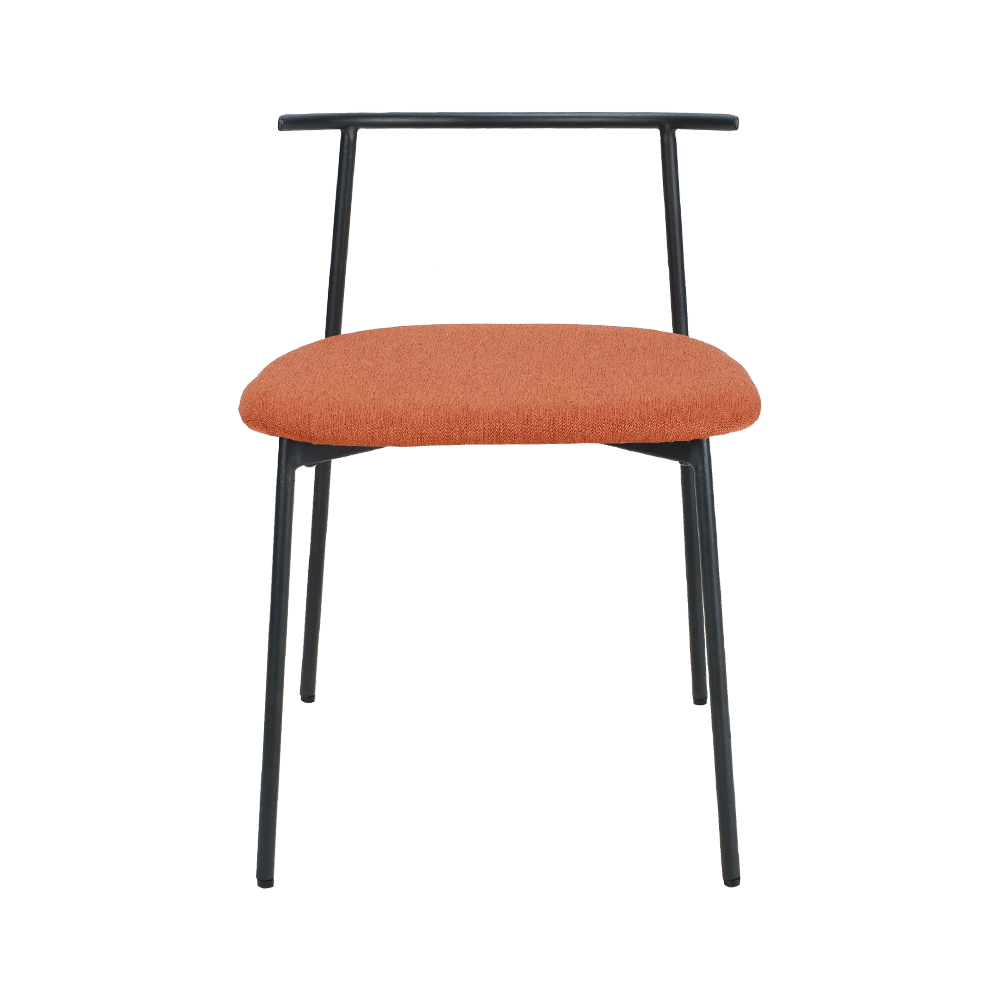
The curved back metal leg dining chair is a blend of modern design and classic comfort, offering an ... -
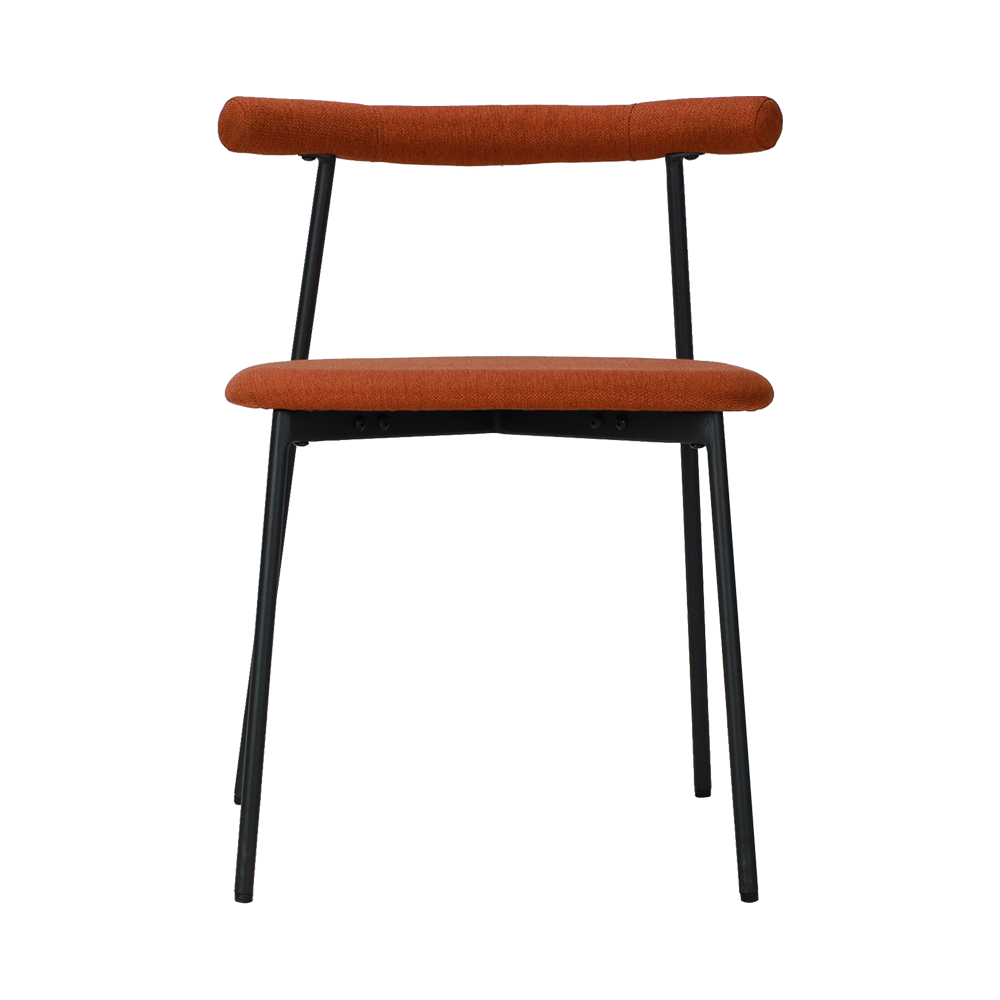
The High Resilience Sponge Cushion Metal Foot Dining Chair offers a blend of comfort, style, and dur... -
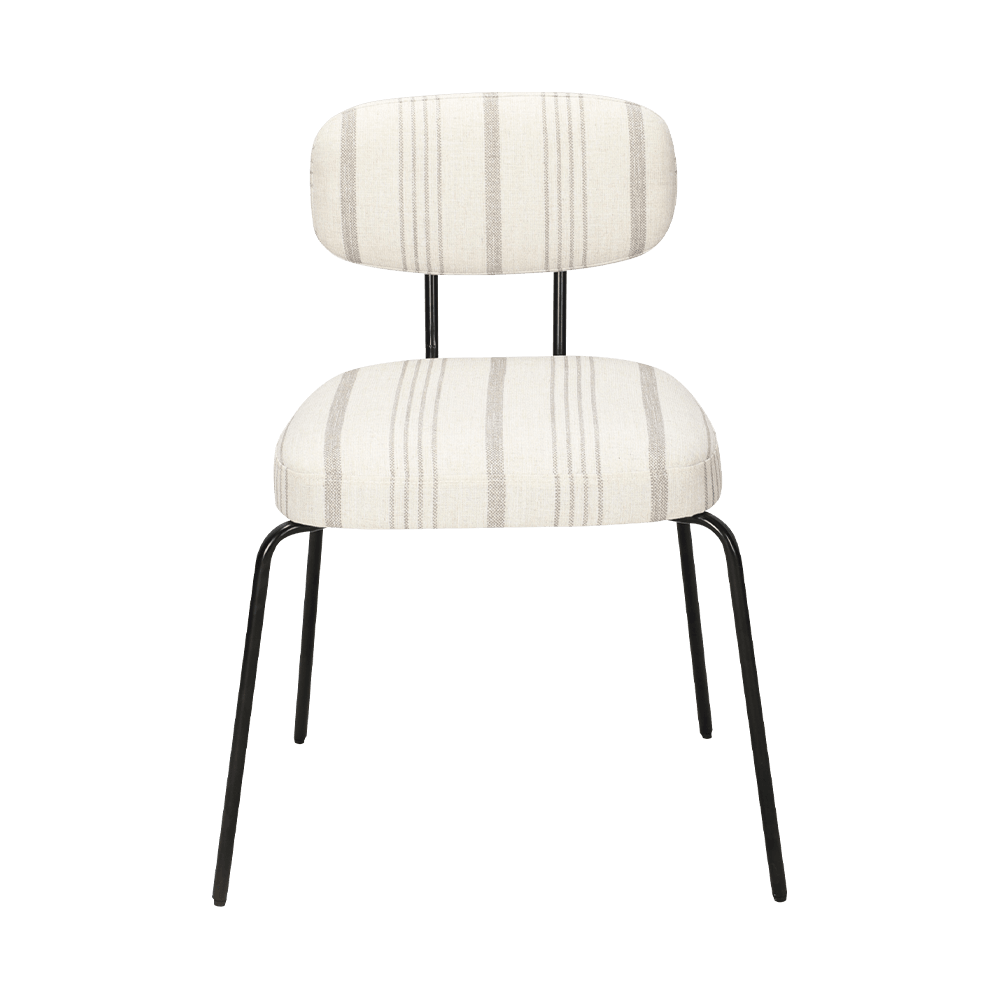
This WS6357 white modern metal dining chair features a simple and elegant design, paired with metal ... -
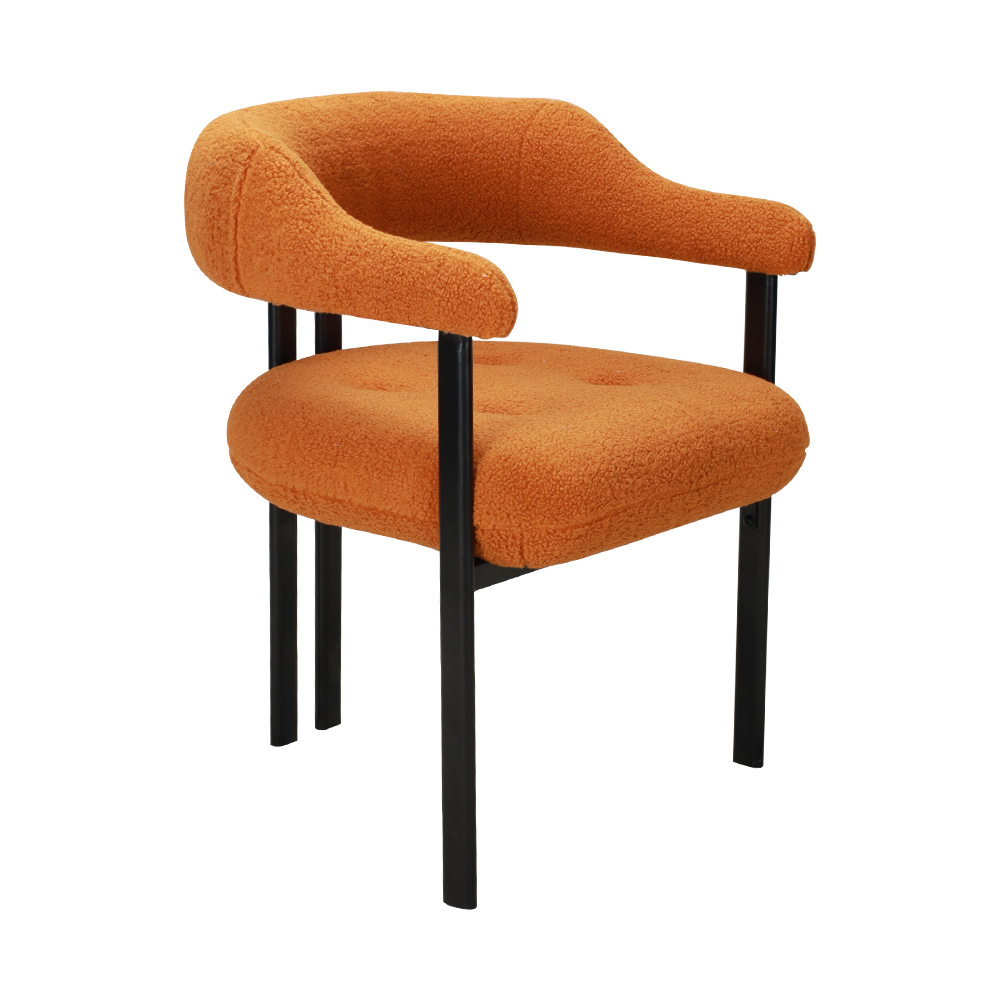
Elevate your dining experience with our WS6353 metal dining chair with a fabric cushion, a blend of ... -
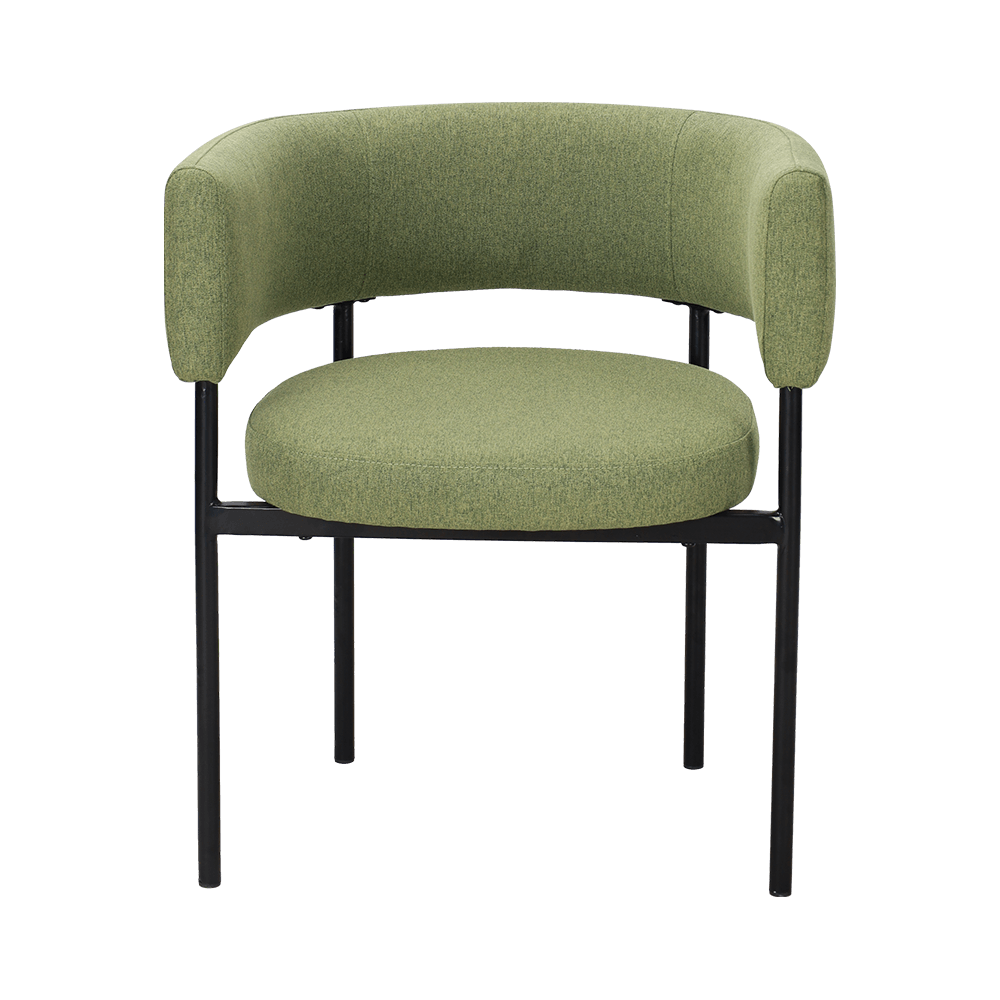
Crafted for both style and functionality, the WS6354 acid green metal leg dining chair features a st... -
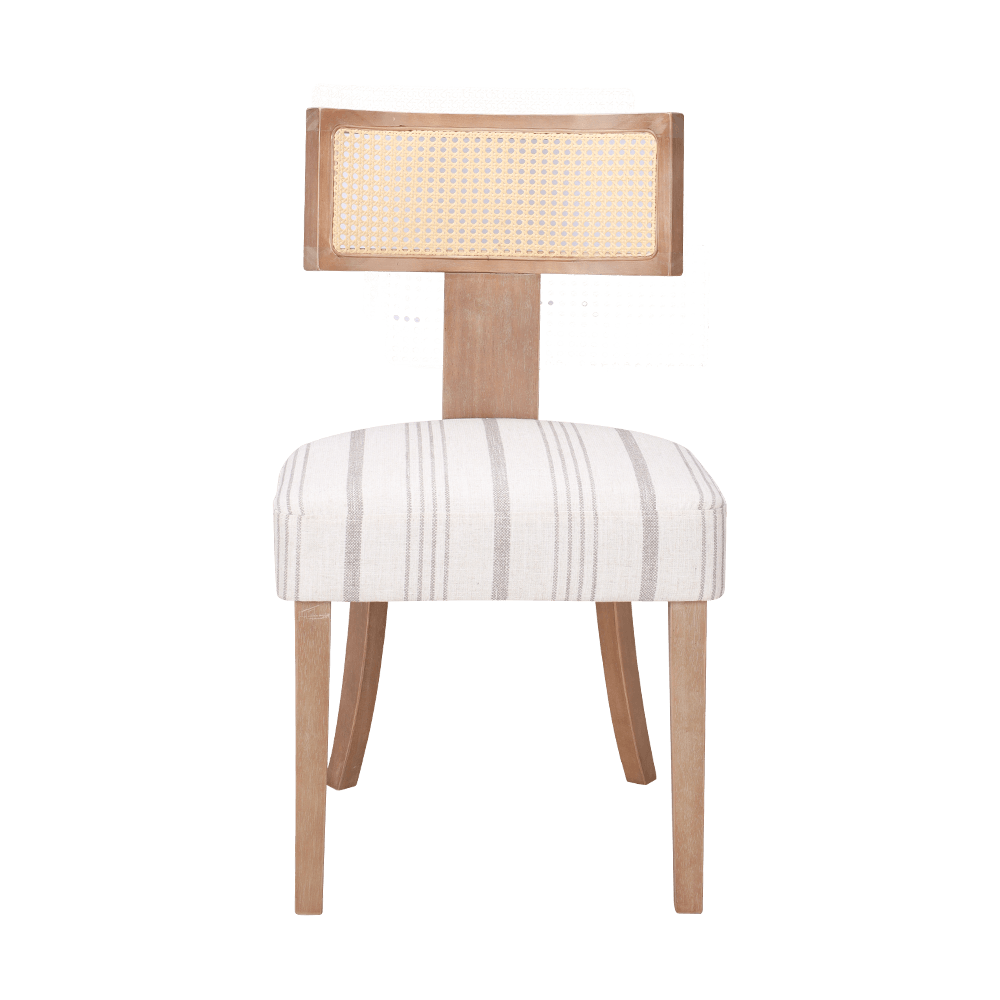
This solid rubber wood dining chair combines natural texture with comfort, featuring a simple yet el... -
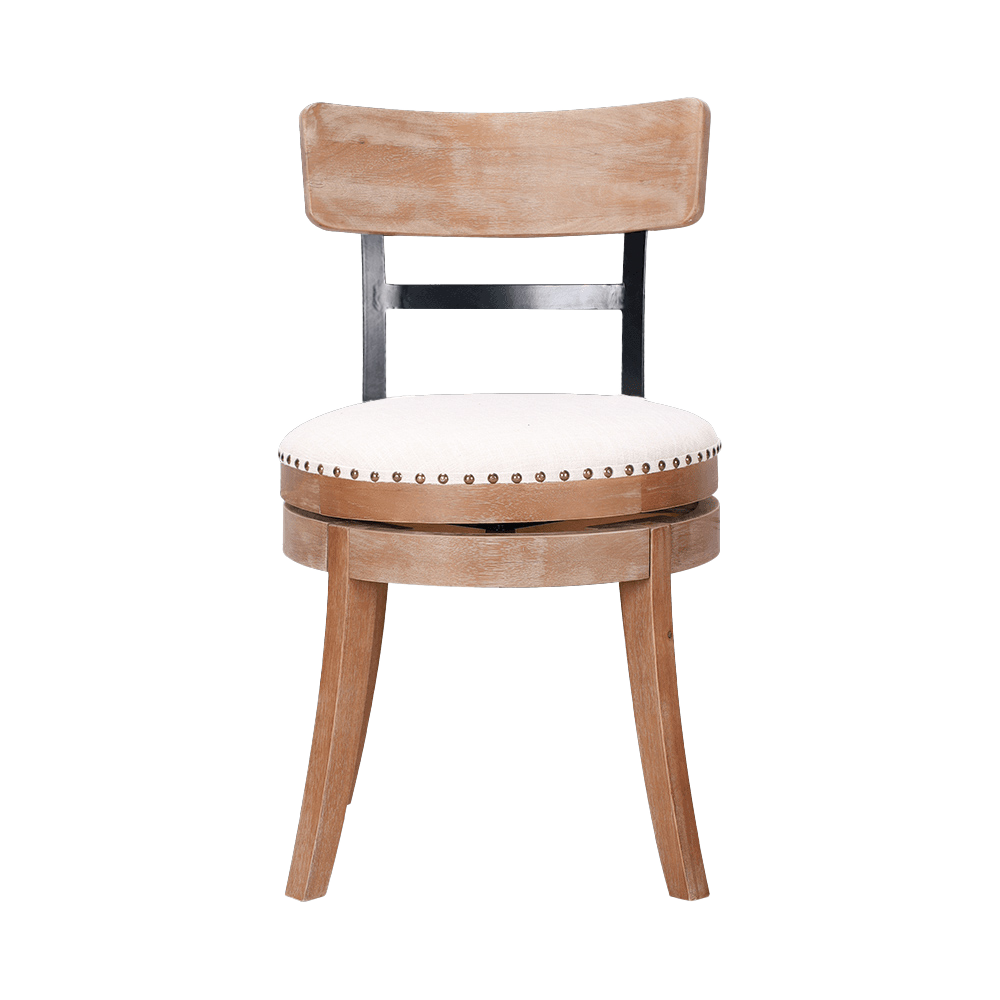
This WS6347 Round Cushion Solid Wood Dining Chair blends comfort with minimalist design, fitting var...

Copyright © Zhejiang Wanchang Furniture Co., Ltd.All Rights Reserved.
Indoor Fabric Sofa Manufacturers

-
 Xucunwancun, Xilong Xiang, Anji County, Zhejiang Province, China
-
 [email protected]
Mobile Site

WeChat Subscription Acount

Copyright © 2024Zhejiang Wanchang Furniture Co., Ltd.
All Rights Reserved.
