


 中文简体
中文简体 English
Comparing Fabric Dining Chair Materials: Linen, Velvet, Polyester, and More
Posted by Zhejiang Wanchang Furniture Co., Ltd.
Content
- 1 Why fabric choice matters for dining chairs
- 2 Quick comparison table — material strengths at a glance
- 3 Linen: natural look, breathable but needs caution
- 4 Velvet: luxury feel with special maintenance
- 5 Polyester and polyester blends: the practical everyday choice
- 6 Cotton and cotton blends: comfort with limitations
- 7 Microfiber and performance fabrics: engineered for living
- 8 Blends and finishes: the middle ground
- 9 How to choose based on household needs
- 10 Purchase and upkeep recommendations
- 11 Final considerations: balance performance, look and budget
Why fabric choice matters for dining chairs
Choosing the right fabric for a dining chair affects comfort, longevity, cleaning effort and how the chair fits within the room’s look and daily use. A dining chair faces food spills, abrasion from frequent sitting, and varying humidity and sunlight exposure. This article compares common upholstery materials—linen, velvet, polyester, cotton, microfiber and blended/technical fabrics—so you can match performance to real-world needs rather than rely on appearance alone.
Quick comparison table — material strengths at a glance
| Material | Durability | Stain Resistance | Comfort / Breathability | Care Difficulty | Best use |
| Linen | Medium | Low (unless treated) | High | Moderate (professional cleaning recommended) | Casual or coastal dining rooms |
| Velvet | Medium–High (pile wear over time) | Medium (depends on fiber & finish) | Warm, less breathable | Moderate to high (gentle vacuuming, spot clean) | Formal dining, lounge-style chairs |
| Polyester / Polyester blends | High | High (many are treated) | Medium | Low (machine washable or simple spot-clean) | High-traffic homes, kids’ households |
| Cotton | Low–Medium | Low (unless treated) | High | Moderate (can shrink or fade) | Casual, breathable seating |
| Microfiber / Performance fabrics | High | Very high (often water- and oil-resistant) | Medium–High | Low (simple wipe or mild soap) | Dining rooms needing easy maintenance |
Linen: natural look, breathable but needs caution
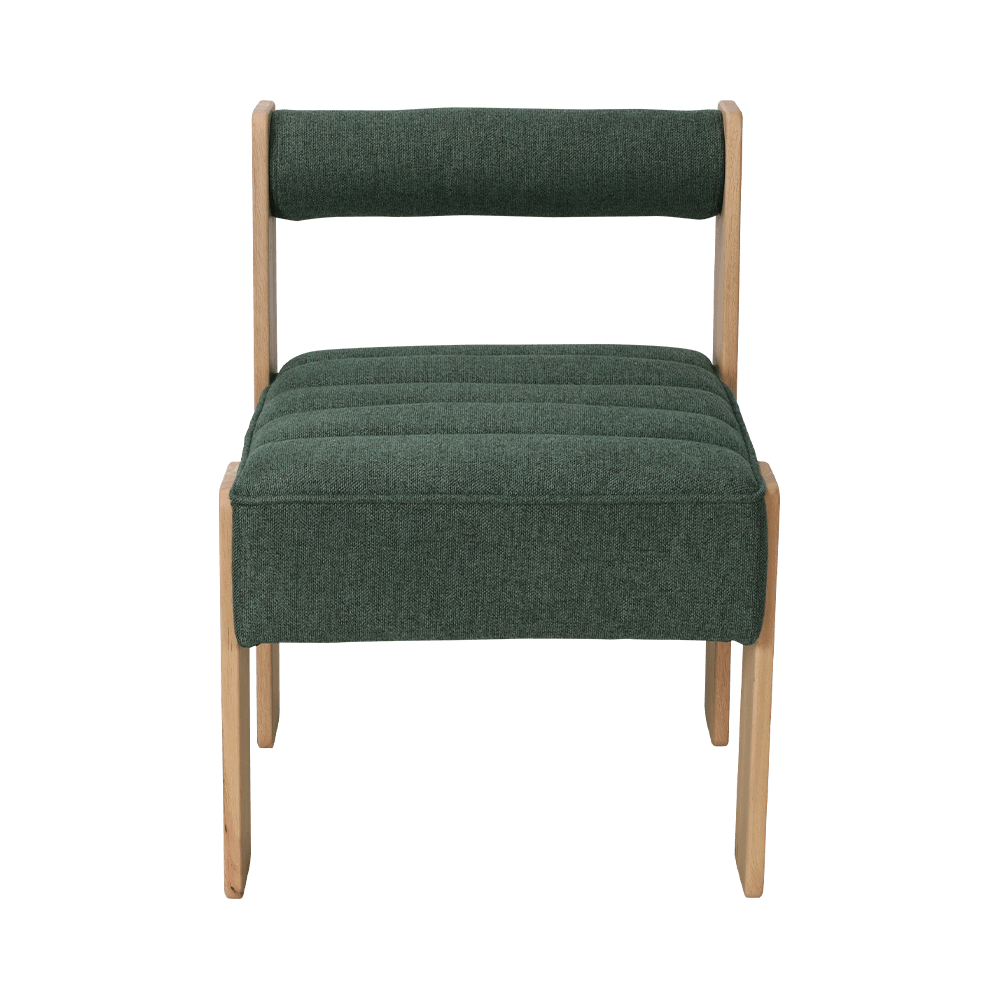
Linen is prized for its natural texture, matte finish and breathable feel. On fabric dining chairs it reads as relaxed, artisanal and comfortable in warm climates. However, pure linen wrinkles easily, tends to abrade faster at stress points, and is naturally less stain resistant than synthetics. For dining use, look for heavier-weight linen (higher thread count and tighter weave) or linen blends that add polyester or viscose for improved durability and stain control.
Practical care tips for linen dining chairs
- Treat with a stain repellent coating before first use if the fabric is untreated.
- Blot spills immediately; avoid rubbing that drives stains deeper into the weave.
- Vacuum regularly to prevent grit from abrading fibers; dry-cleaning prolongs life for tight weaves.
Velvet: luxury feel with special maintenance
Velvet adds depth and a luxurious tactile quality to dining chairs. Modern upholstery velvet often uses synthetic fibers (polyester or nylon) or blends that improve durability while retaining the soft pile. Velvet’s short-term comfort and high visual impact make it popular for formal or statement chairs, but the pile shows pressure marks, and liquid spills can mat fibers if not cleaned carefully.
How to live with velvet in the dining room
- Choose performance velvet (polyester/nylon-based) for better stain resistance and easier cleaning.
- Keep a soft upholstery brush or lint roller to lift pile and remove crumbs after use.
- For oily stains, use a gentle solvent recommended by the manufacturer or professional cleaning.
Polyester and polyester blends: the practical everyday choice
Polyester and its blends dominate the commercial market because they combine high abrasion resistance, a wide range of colors, and the ability to accept protective finishes. Many modern polyesters are engineered for spill resistance and are easy to clean; some are even machine-washable when used as removable covers. For households with children or frequent entertaining, polyester is a low-friction, low-fuss option.
Buying checklist for polyester chairs
- Confirm Martindale or Wyzenbeek abrasion ratings for commercial-grade durability if available.
- Prefer fabrics with a durable water repellent (DWR) or stain guard applied.
- Check whether cushions are removable and whether covers are machine washable or dry-clean only.
Cotton and cotton blends: comfort with limitations
Cotton feels soft and breathable but tends to stain and wear faster than synthetics. For dining chairs, cotton blends that incorporate polyester or performance finishes are preferable. Pure cotton can fade with sunlight and may shrink if laundered improperly. Use cotton when breathability and a natural look are priorities, and prepare to invest more in protective treatments or replacement slipcovers over time.
Maintenance guidance for cotton upholstery
- Pre-treat with a fabric protector and reapply after professional cleaning.
- Spot-clean with mild detergent; test an inconspicuous area first to check for colorfastness.
- Consider removable slipcovers for easy laundering in busy homes.
Microfiber and performance fabrics: engineered for living
Microfiber (usually polyester-based) and modern performance fabrics are engineered to resist liquids and oils, dry quickly and maintain color. These fabrics often have a tight weave that prevents food from penetrating fibers and allow easy removal of stains with a damp cloth or mild soap. Because of that, microfiber is frequently recommended for dining chairs where durability and low maintenance are top priorities.
Care advantages of performance fabrics
- Wipe-and-go cleaning for most spills; many resist absorption long enough to blot away liquids.
- Strong abrasion resistance suitable for daily use and commercial settings.
- Often compatible with low-cost reupholstery if style needs change over the years.
Blends and finishes: the middle ground
Blended fabrics (for example, linen-polyester, cotton-polyester, or performance blends with acrylic/nylon) aim to combine the best attributes of each fiber: the look of natural fibers with the resilience of synthetics. Finishes such as stain guards, water repellents, anti-microbial treatments and UV stabilizers further improve performance. When comparing materials, pay attention to fiber percentages, weave density and whether protective finishes are factory-applied.
What to check on labels and swatches
- Fiber content by percentage — higher synthetic content generally equals easier care.
- Abrasion test ratings (Martindale/Wyzenbeek) when available for durability expectations.
- Recommended cleaning codes from the manufacturer: W (water), S (solvent), WS (either), X (vacuum only).
How to choose based on household needs
Match fabric performance to how the dining chair will be used. For everyday family dining with kids or pets, prioritize performance fabrics or polyester blends with protective finishes. For a formal dining room used occasionally, linen or velvet can deliver the desired look if you accept higher maintenance. In multi-use spaces (open-plan dining with heavy traffic) aim for midweight blends that balance appearance and resilience.
Decision checklist
- If you entertain frequently: choose polyester or microfiber with a DWR finish.
- If you want a natural, breathable feel and sit lightly: consider linen blends and add a stain protector.
- If aesthetics and texture matter more than low maintenance: velvet or pure linen can be suitable for low-traffic chairs.
Purchase and upkeep recommendations
Before you buy, request a swatch and test it under your lighting. Rub the swatch with a damp cloth and look for color transfer; check pile direction on velvet to see how pressure marks will show. Confirm whether the chair’s cushions are removable and whether covers are washable. For longevity, rotate chairs when possible, vacuum weekly and address stains immediately using manufacturer-recommended methods.
Simple daily care routine
- Brush or vacuum crumbs after meals to prevent abrasive particles from wearing fabric.
- Blot liquids immediately with a clean, absorbent cloth; avoid aggressive rubbing.
- Schedule a professional steam clean for delicate natural fabrics once a year.
Final considerations: balance performance, look and budget
There is no single “best” fabric for dining chairs — only the best match for your household’s priorities. Performance synthetics deliver ease and durability at a modest cost; natural fibers like linen and cotton provide comfort and texture but require more care; velvet offers visual impact at the expense of higher maintenance. Use the comparison table and checklists above to choose a fabric that aligns with how often chairs will be used, who will use them, and how much time you want to spend on upkeep.
If you’d like, provide details about your household (children, pets, frequency of use, style preference) and I’ll recommend 3 fabric options with specific care steps tailored to your needs.
-
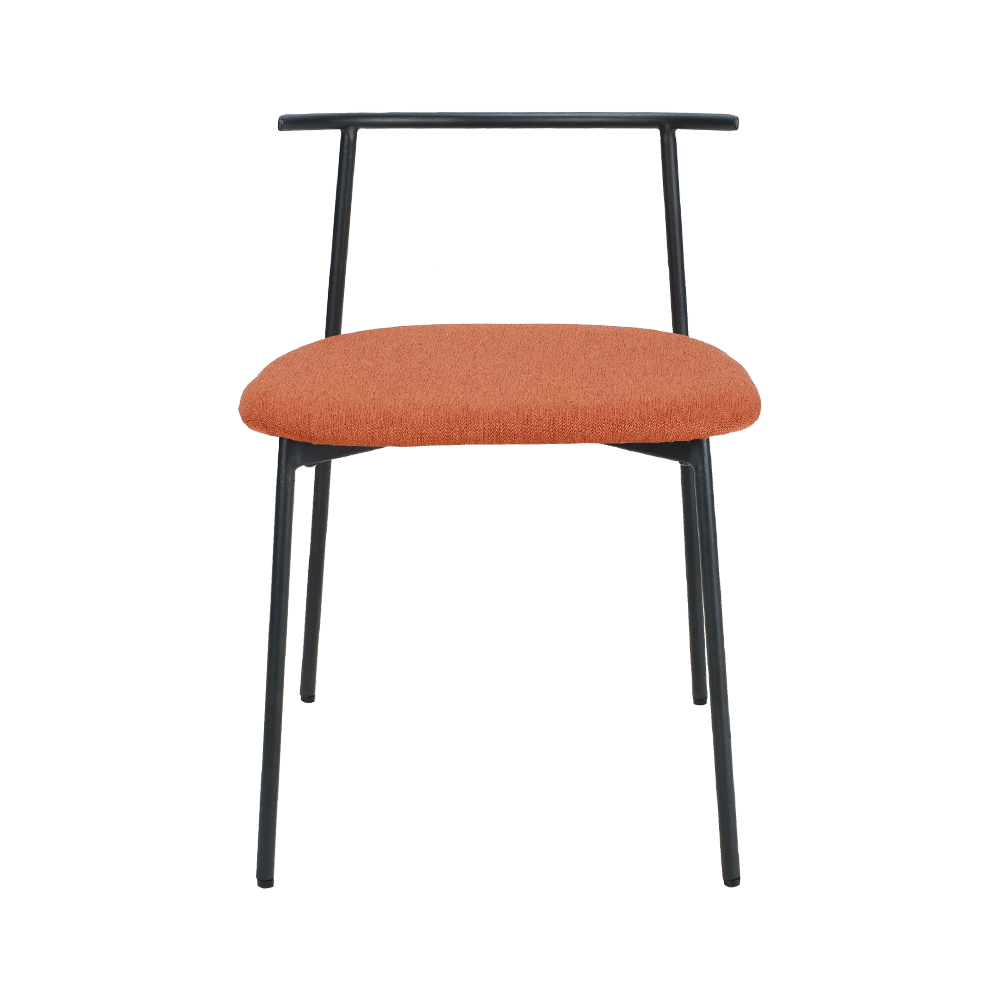
The curved back metal leg dining chair is a blend of modern design and classic comfort, offering an ... -
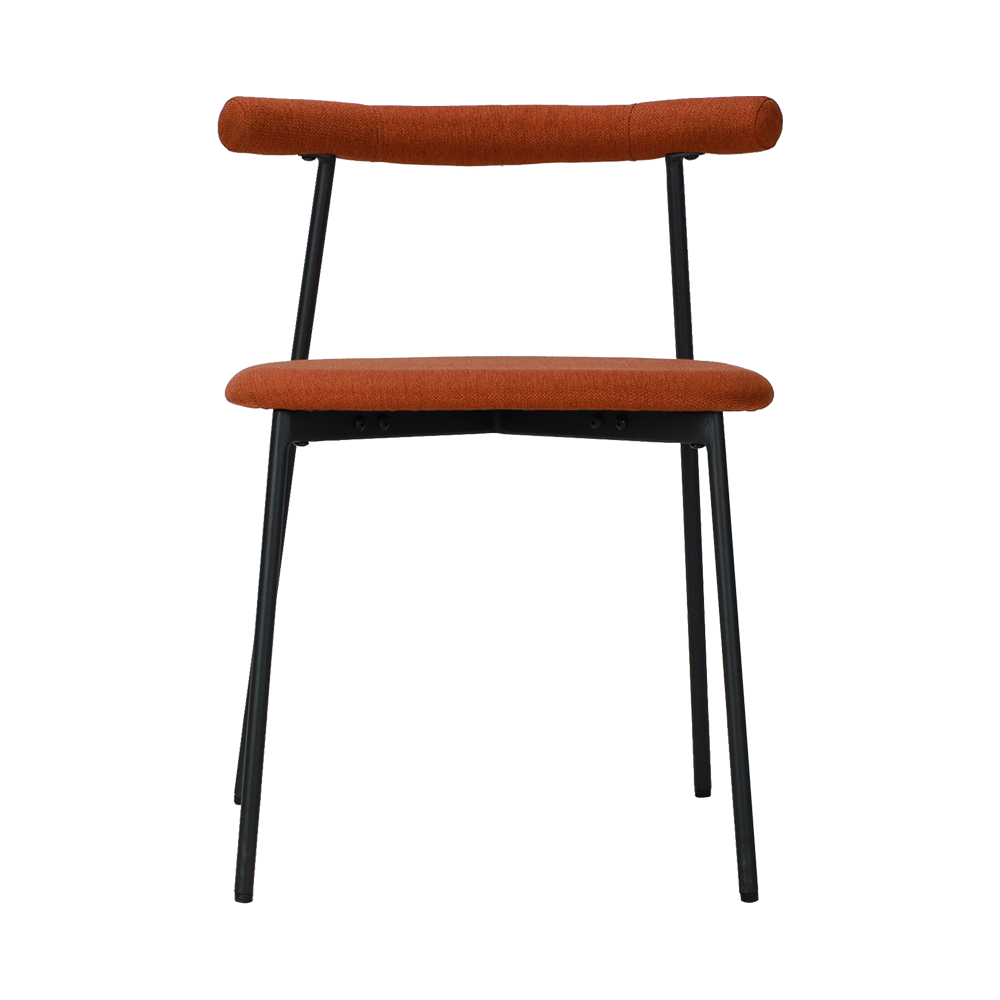
The High Resilience Sponge Cushion Metal Foot Dining Chair offers a blend of comfort, style, and dur... -
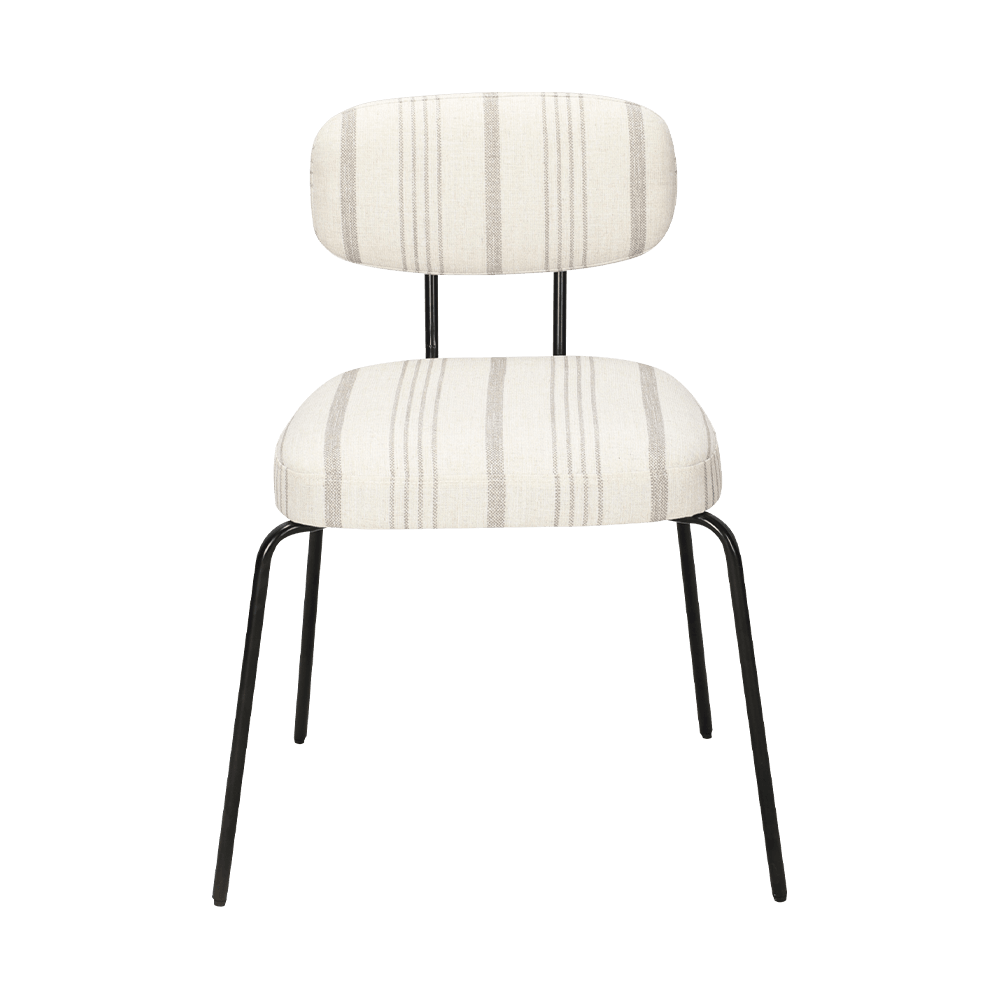
This WS6357 white modern metal dining chair features a simple and elegant design, paired with metal ... -
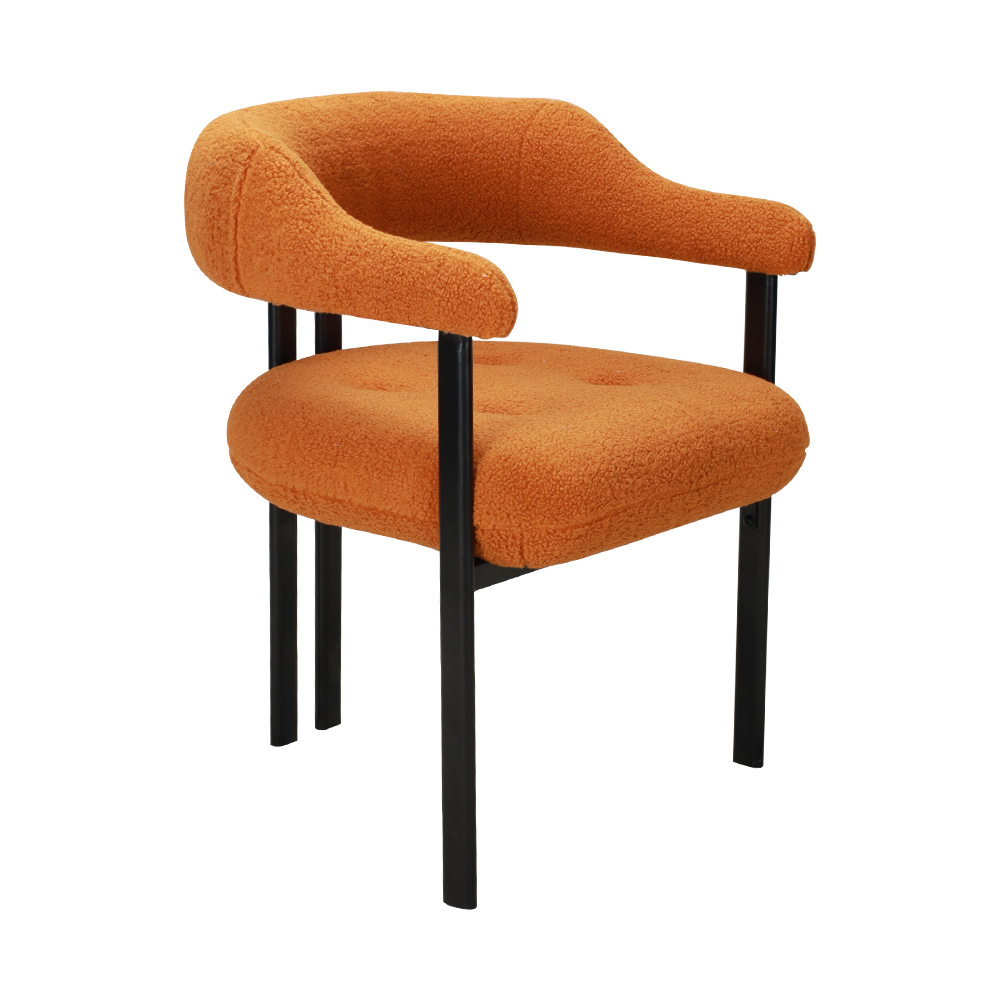
Elevate your dining experience with our WS6353 metal dining chair with a fabric cushion, a blend of ... -
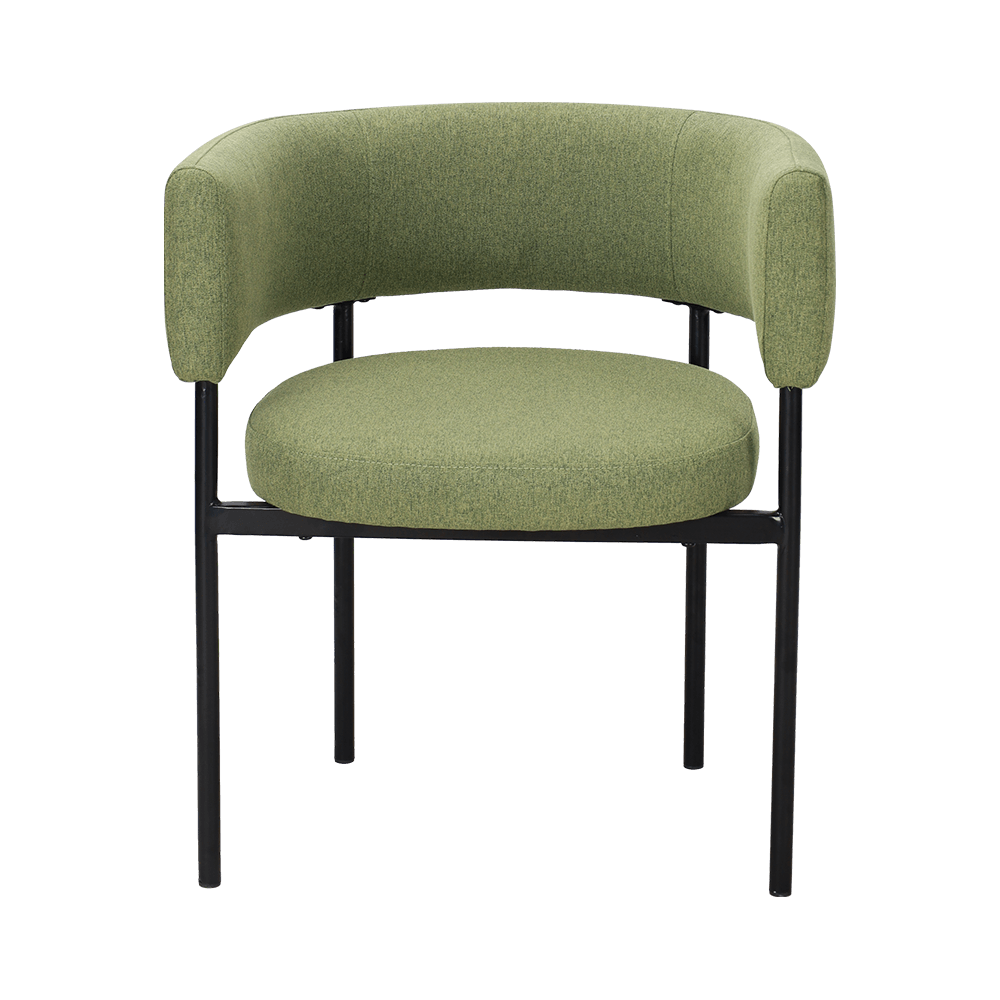
Crafted for both style and functionality, the WS6354 acid green metal leg dining chair features a st... -
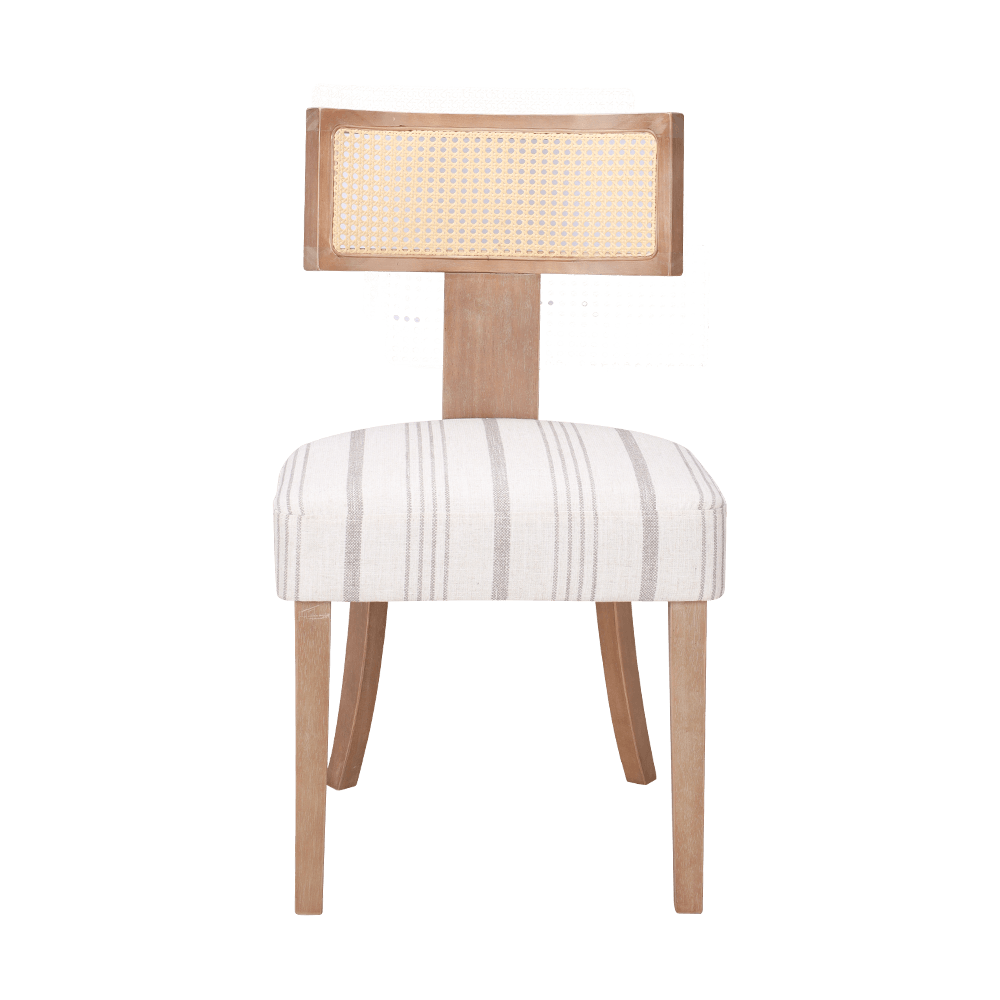
This solid rubber wood dining chair combines natural texture with comfort, featuring a simple yet el... -
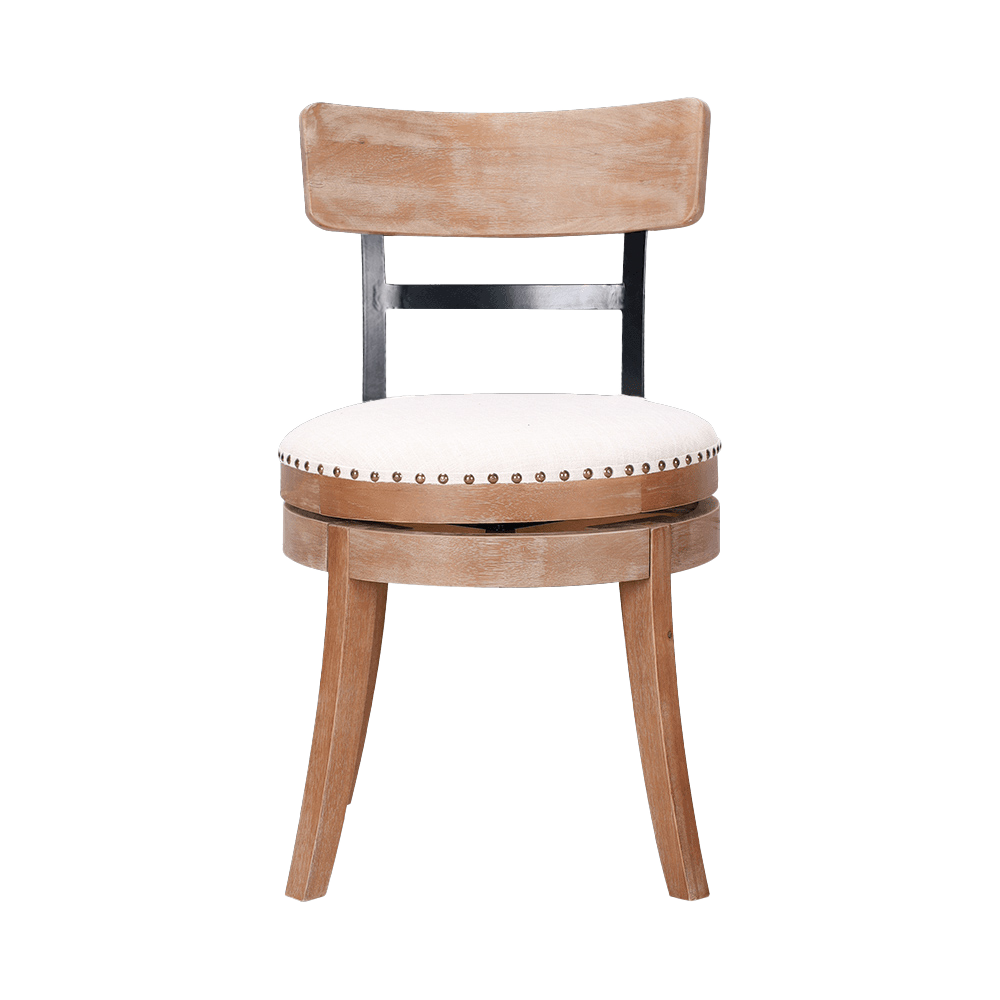
This WS6347 Round Cushion Solid Wood Dining Chair blends comfort with minimalist design, fitting var...

Copyright © Zhejiang Wanchang Furniture Co., Ltd.All Rights Reserved.
Indoor Fabric Sofa Manufacturers

-
 Xucunwancun, Xilong Xiang, Anji County, Zhejiang Province, China
-
 [email protected]
Mobile Site

WeChat Subscription Acount

Copyright © 2024Zhejiang Wanchang Furniture Co., Ltd.
All Rights Reserved.
