


 中文简体
中文简体 English
What Are Performance Fabrics? A Comprehensive Guide to Durable, Stain-Resistant Upholstery
Posted by Zhejiang Wanchang Furniture Co., Ltd.
If you’ve ever shopped for upholstered furniture, chances are you’ve come across the term “performance fabric.” It sounds like a marketing buzzword, but in our decades of manufacturing seating for homes, restaurants, and commercial spaces, we’ve seen firsthand how these materials genuinely change the way furniture lives. So, what are performance fabrics? In short, they are textiles specifically engineered to stand up to spills, daily use, cleaning, and sunlight without losing their look or feel. Unlike conventional upholstery fabrics that may stain easily or fade quickly, performance fabrics are built with durability and easy maintenance as their core mission.
Content
What Makes a Fabric “Performance”?
Performance fabrics achieve their resilience through a combination of fiber construction, finishing treatments, and sometimes a tight weave. Common synthetic fibers such as polyester, nylon, and olefin (polypropylene) are frequently used because they naturally resist moisture and wear. Many performance fabrics also receive a topical treatment that creates a barrier against liquids, allowing spills to bead up instead of soaking in. Some are solution-dyed, meaning the color is embedded into the fiber itself, so it won’t fade even after repeated exposure to sunlight or harsh cleaning agents.
It’s also important to understand that performance doesn’t mean sacrificing comfort. The best performance fabrics still feel soft to the touch and breathe well. At our factories in Anji, China—the renowned “Chair Industry City”—we pair these fabrics with high-density foam, spring-packed cushions, and ergonomic frame designs to create seating that performs both on the surface and underneath. The result is furniture that looks good, feels great, and keeps its appearance through years of real-life use.
Key Benefits of Choosing Performance Fabrics
When you select a piece upholstered in performance fabric, you’re making a long‑term investment. Here are the most important advantages we see from a manufacturer’s perspective:
- Stain resistance: Most performance fabrics are tested to repel common household stains like red wine, coffee, and pet accidents. Spills can often be blotted away with a clean cloth, leaving no trace.
- Durability: These fabrics are engineered to resist abrasion, pilling, and tearing. In commercial settings such as restaurants and hotel lobbies, performance upholstery can withstand far more traffic than standard fabrics.
- UV and fade resistance: Solution-dyed performance fibers hold their color even when exposed to natural light, making them ideal for sunlit rooms and near windows.
- Easy cleaning: Many performance fabrics can be cleaned with mild soap and water, and some are even bleach‑cleanable. This simplifies maintenance for busy households.
- Breathability: Despite their protective qualities, most performance fabrics allow air to circulate, so you don’t feel sticky or overheated.
Where Can You Use Performance Fabrics?
Performance fabrics are versatile enough for nearly any room. In living rooms, sofas and lounge chairs see constant use from family and guests. A performance‑upholstered sofa, such as our 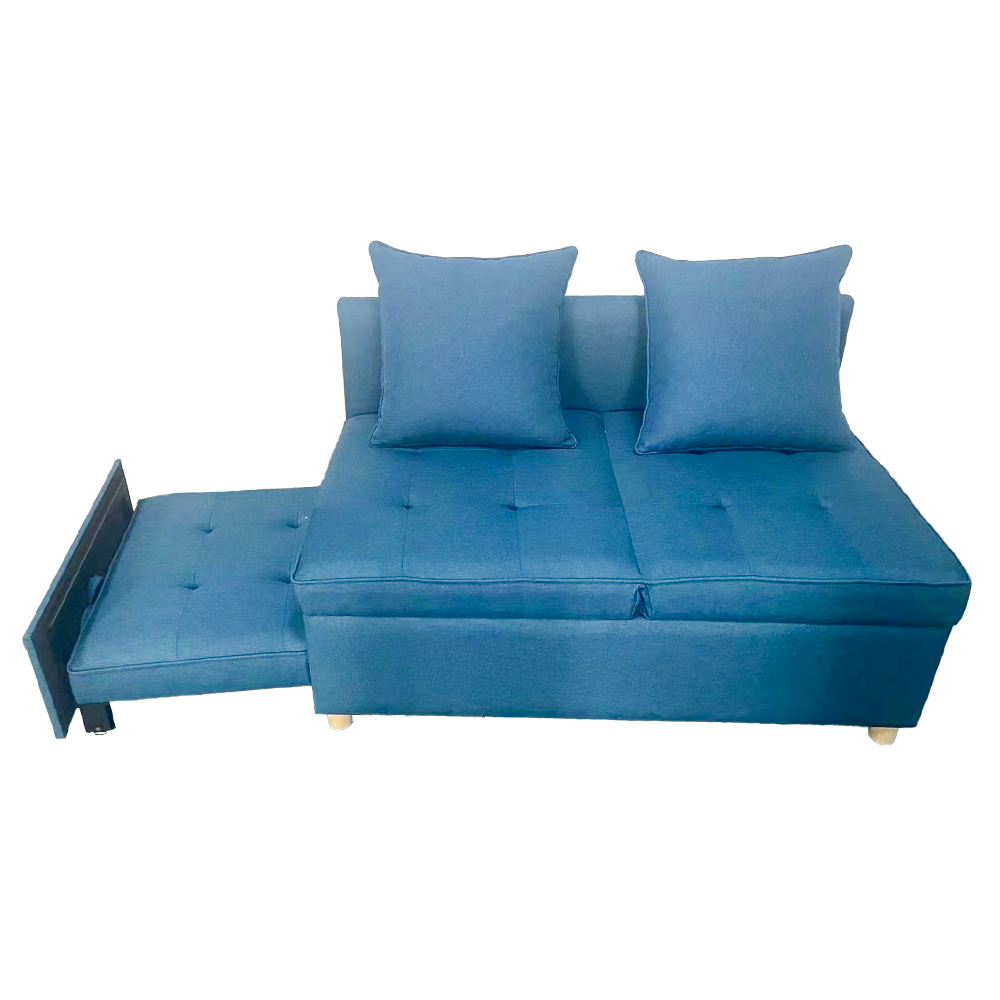 High Resilience Sponge Fabric Sofa with Performance UpholsteryIdeal for busy living rooms, this sofa combines stain-resistant performance fabric with supportive high-resilience sponge cushioning, making it a reliable centerpiece that withstands daily use.View Product →, combines stain‑resistant covering with supportive cushioning, making it a worry‑free centerpiece. Dining rooms are another prime location. Spills from meals are inevitable, and having performance fabric on dining chairs means you can wipe up sauce or wine without panic. For high‑traffic commercial areas—think bar stools in a busy pub or lounge chairs in a corporate breakroom—performance fabric is almost mandatory. Our
 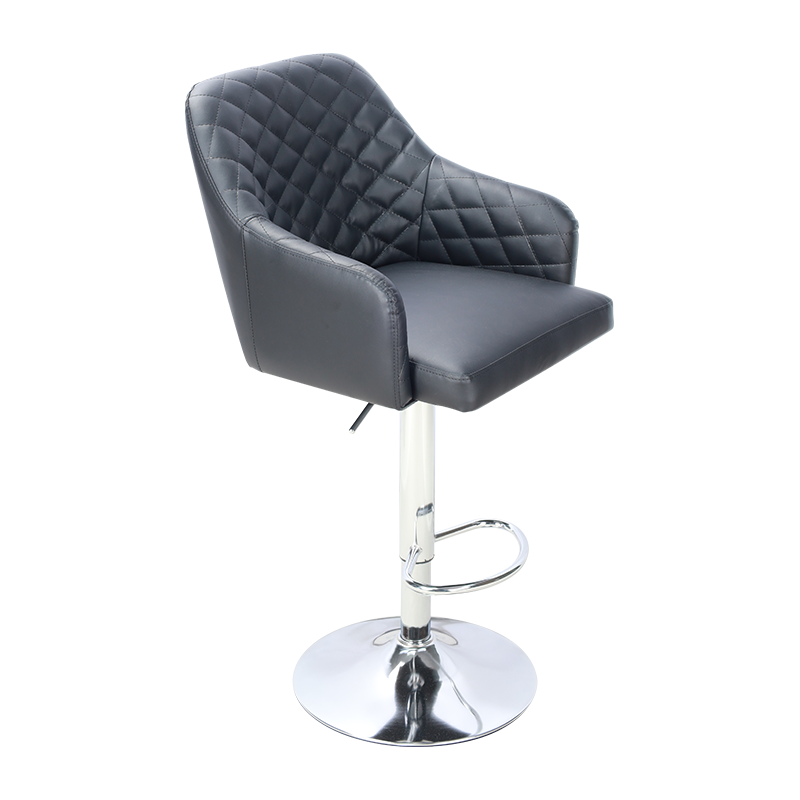 Fabric Upholstered Metal Bar Stool for High-Traffic SpacesA sleek bar stool with stain-resistant fabric and a sturdy metal frame, perfect for commercial settings like pubs or breakrooms where durability and easy maintenance are essential.View Product → is a popular choice for such environments because it resists stains while maintaining a sleek profile.
Even in bedrooms, performance fabric works well on accent chairs or ottomans. For spaces that demand both style and resilience, we often recommend our 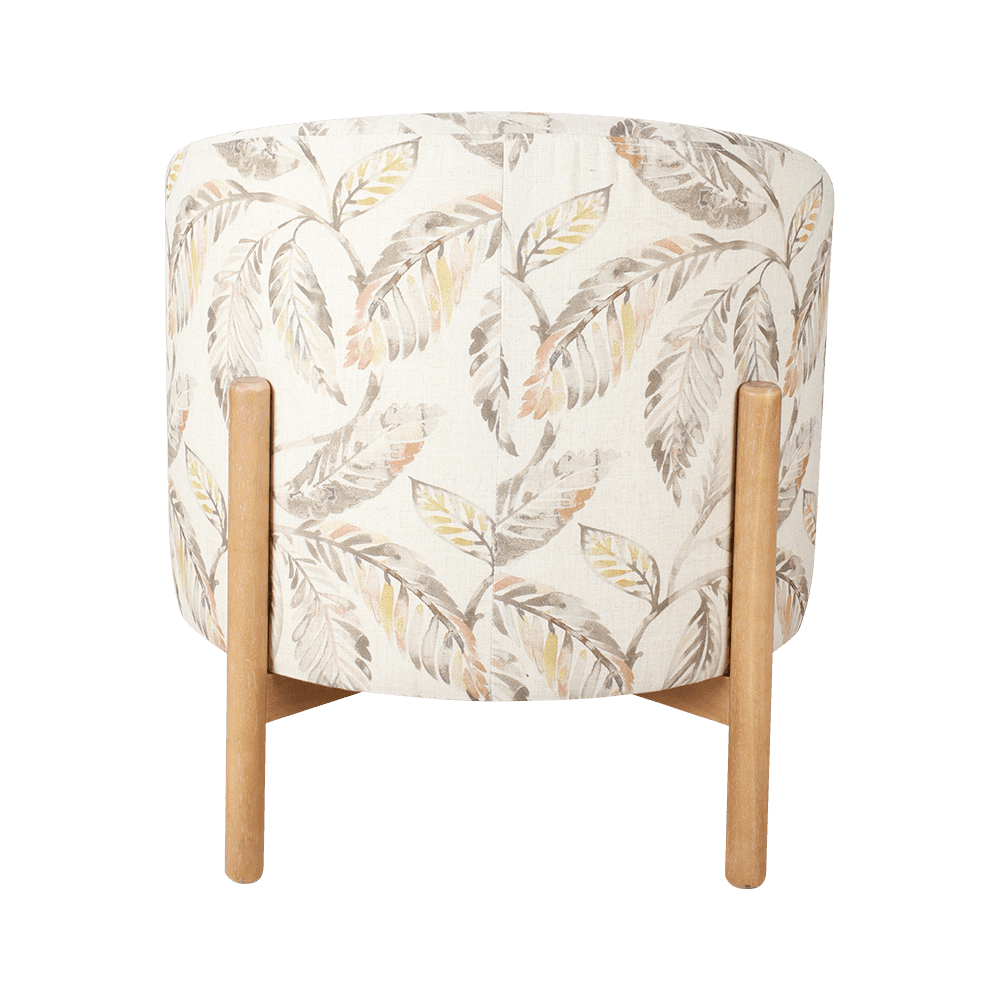 High Resilience Sponge Cushion Lounge ChairThis lounge chair pairs a plush, shape-holding high-resilience sponge cushion with a durable performance cover, offering both style and resilience for bedrooms or relaxation areas.View Product →, which pairs a durable performance cover with a plush seat that holds its shape.
Common Types of Performance Fabrics
Not all performance fabrics are the same. Understanding the differences helps you choose the right one for your specific use case. The table below outlines the most common categories you’ll encounter:
| Fabric Type | Key Properties | Best For |
|---|---|---|
| Polyester | Stain resistant, colorfast, soft feel | Living rooms, dining chairs, sofas |
| Nylon | Extremely abrasion resistant, durable | High‑traffic commercial seating |
| Olefin (Polypropylene) | Water resistant, UV stable, lightweight | Outdoor or indoor‑outdoor furniture |
| Acrylic | Fade resistant, wool‑like softness | Upholstery that sees direct sunlight |
| Microfiber (ultra‑fine polyester) | Soft, stain resistant, easy to clean | Family rooms, children’s zones |
How to Evaluate a Performance Fabric
When you’re shopping for upholstered furniture, you can ask a few simple questions to gauge fabric quality:
- What is the fiber content? Look for solution‑dyed fibers, especially polyester or olefin, which offer built‑in color and stain resistance.
- What is the abrasion rating (Wyzenbeek or Martindale)? A higher number means the fabric can handle more rubbing before showing wear. For residential use, 15,000+ double rubs is good; for commercial, 30,000+ is recommended.
- Is the fabric treated with a stain repellent? Many performance fabrics include a built‑in barrier; confirm if the treatment is applied at the fiber stage or as a top coating.
- How does it clean? Ask for cleaning instructions. Some fabrics are water‑cleanable; others may require a specific detergent.
Is Performance Fabric Worth the Investment?
From a manufacturer’s standpoint, performance fabric adds value to a piece of furniture in ways that exceed its modest upcharge. Clients who choose performance fabrics typically report fewer stains, less fading, and longer overall furniture life. For families with children or pets, the peace of mind is priceless. For commercial buyers, the reduced maintenance and replacement costs make performance fabric a clear economic choice.
We’ve seen how fabric choice affects the longevity of our products. That’s why we offer a range of upholstery options on many of our seating lines. If you’re considering a large purchase—whether for your home or a business—we recommend exploring performance fabric options in person. You can also read our detailed guide on comparing fabric dining chair materials to see how performance stacks up against other popular upholstery types.
Ultimately, performance fabric is not a gimmick—it’s a proven engineering solution that makes furniture more livable. By choosing it, you’re opting for a piece that can handle life’s surprises while still looking the way you want it to. Whether you’re furnishing a cozy home dining area or a bustling restaurant, understanding what performance fabrics are and how they work will help you make a smarter, more satisfying purchase.
-
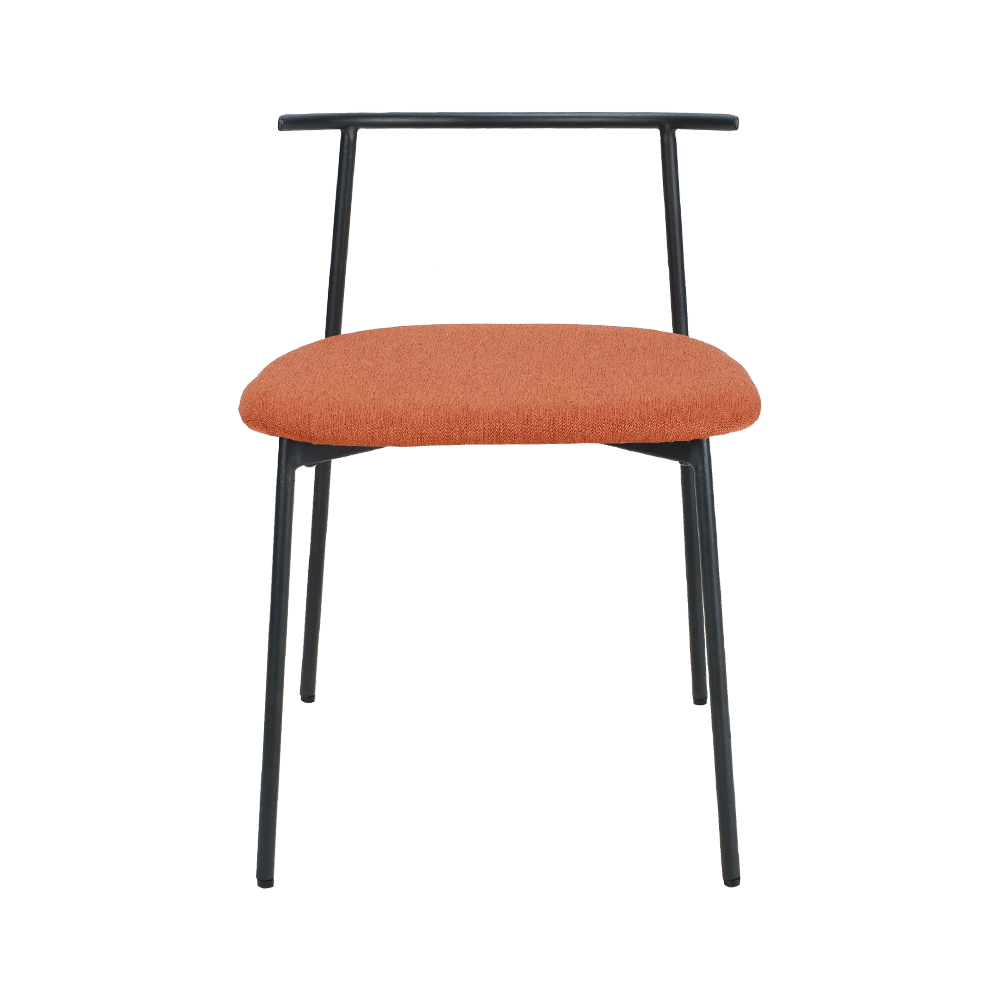
The curved back metal leg dining chair is a blend of modern design and classic comfort, offering an ... -
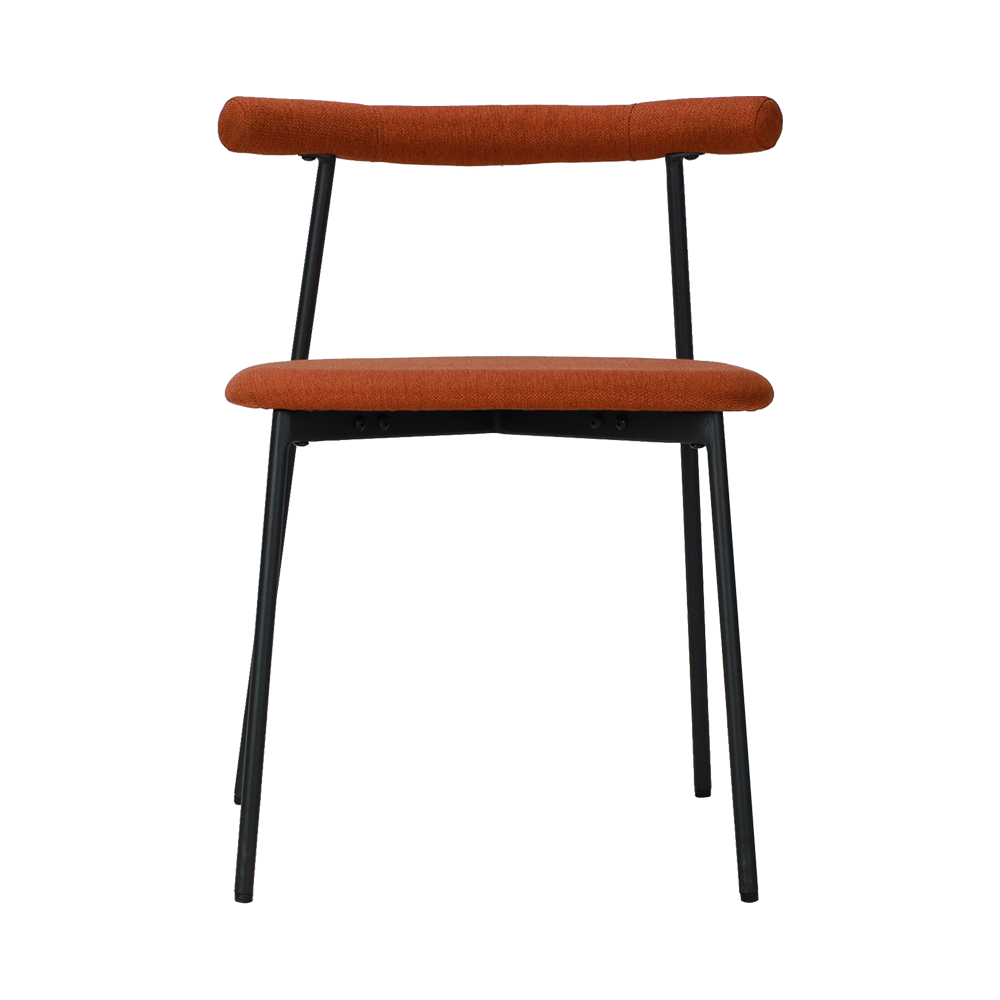
The High Resilience Sponge Cushion Metal Foot Dining Chair offers a blend of comfort, style, and dur... -
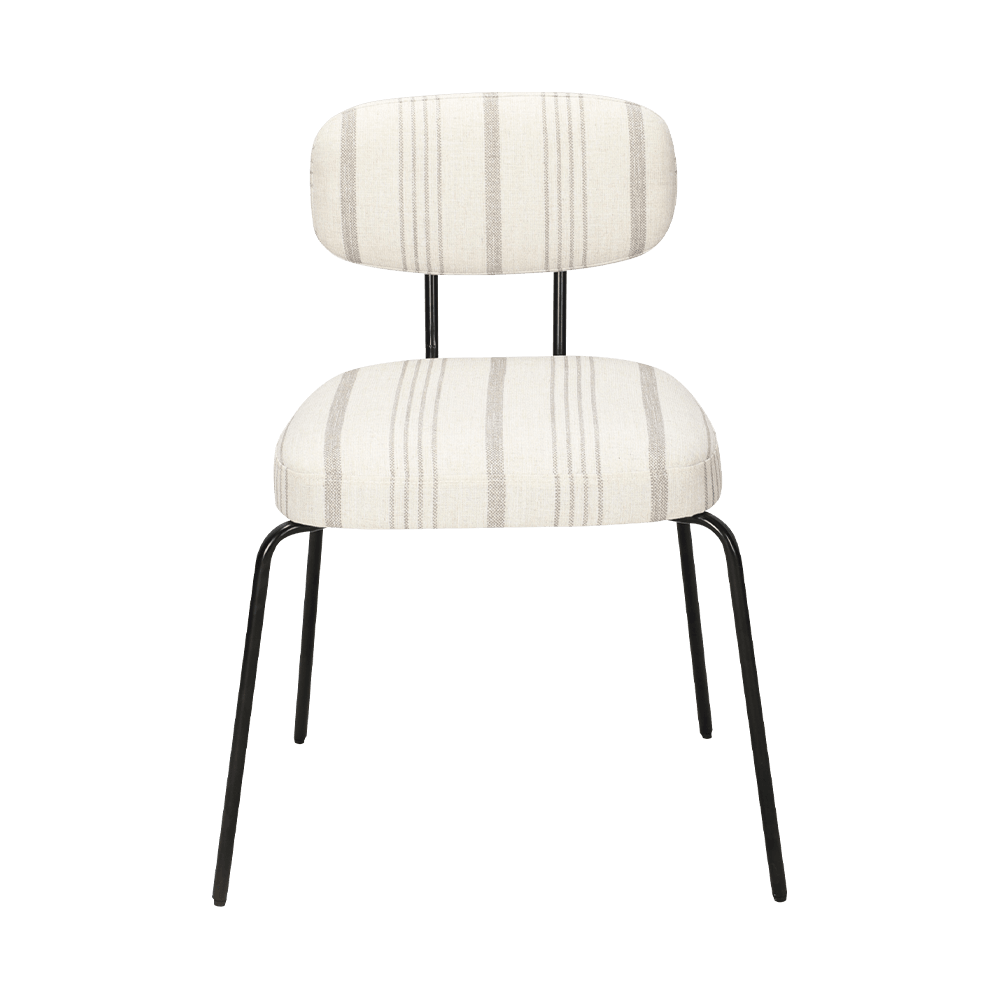
This WS6357 white modern metal dining chair features a simple and elegant design, paired with metal ... -
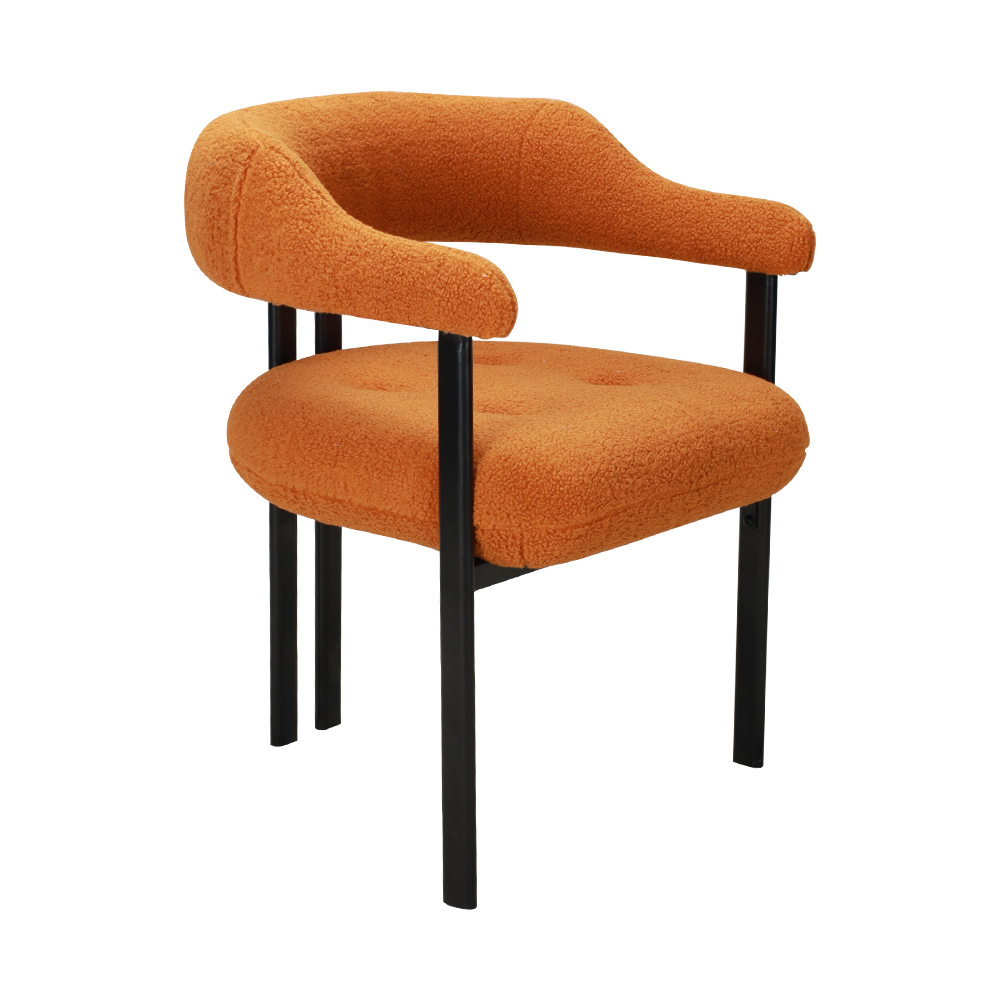
Elevate your dining experience with our WS6353 metal dining chair with a fabric cushion, a blend of ... -
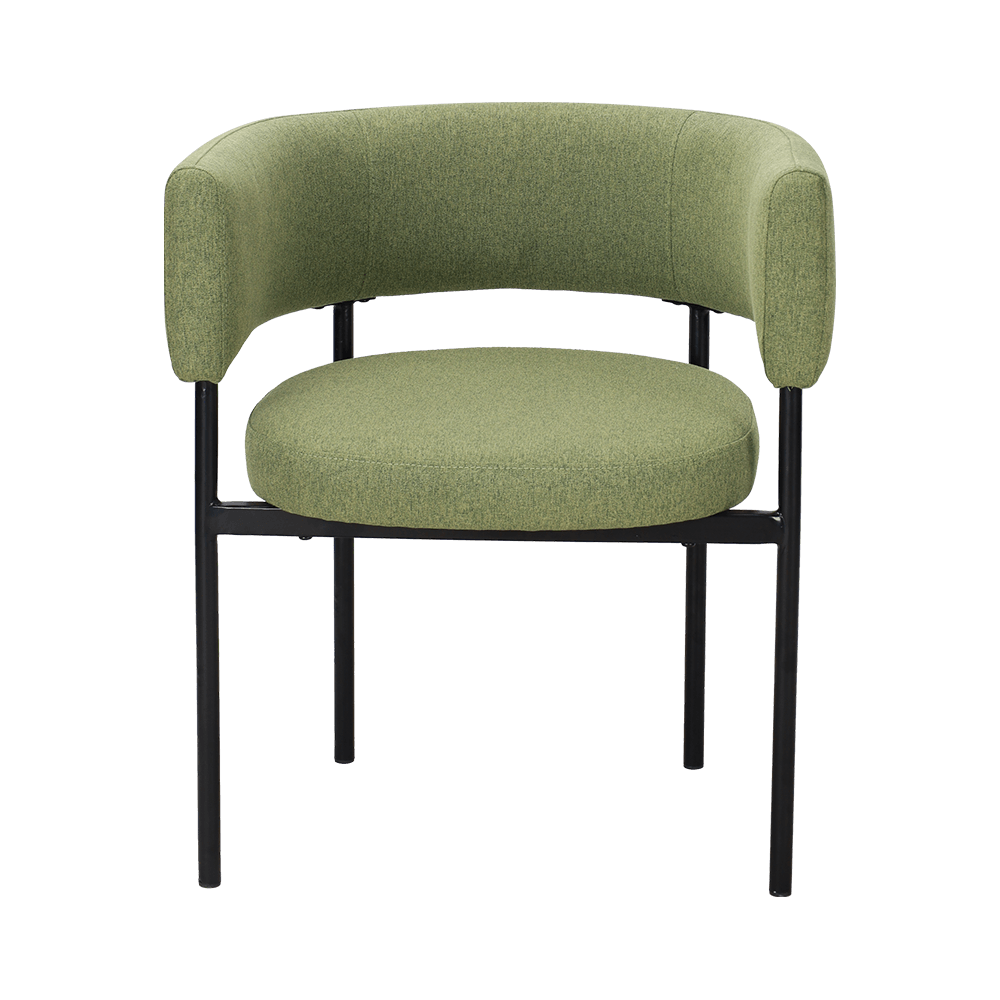
Crafted for both style and functionality, the WS6354 acid green metal leg dining chair features a st... -
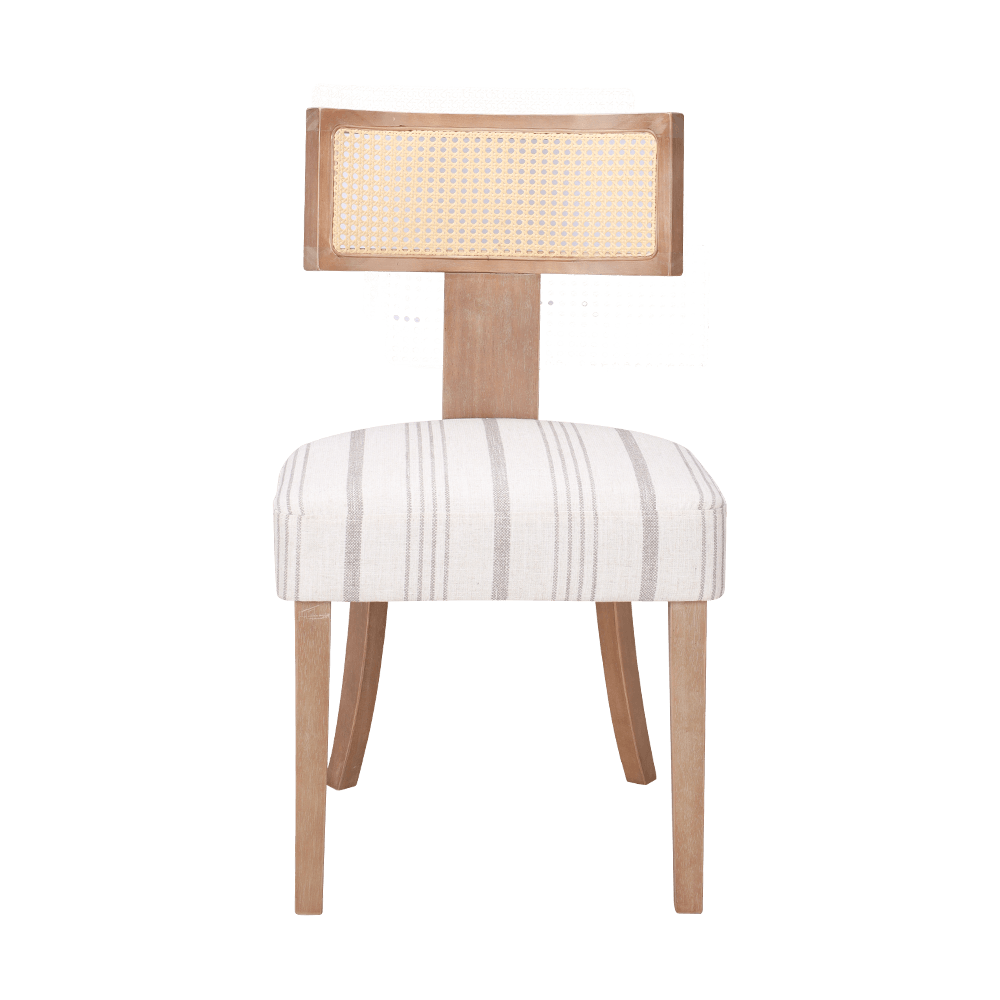
This solid rubber wood dining chair combines natural texture with comfort, featuring a simple yet el... -
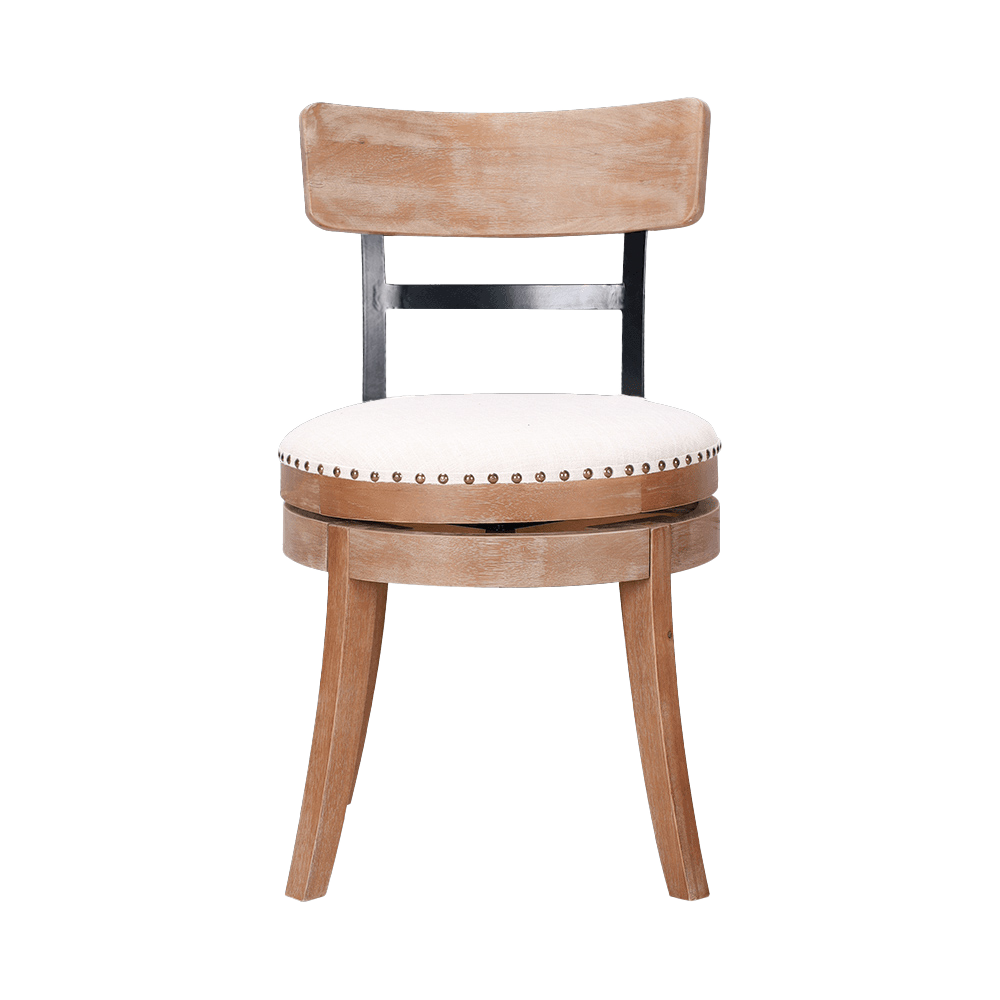
This WS6347 Round Cushion Solid Wood Dining Chair blends comfort with minimalist design, fitting var...

Copyright © Zhejiang Wanchang Furniture Co., Ltd.All Rights Reserved.
Indoor Fabric Sofa Manufacturers

-
 Xucunwancun, Xilong Xiang, Anji County, Zhejiang Province, China
-
 [email protected]
Mobile Site

WeChat Subscription Acount

Copyright © 2024Zhejiang Wanchang Furniture Co., Ltd.
All Rights Reserved.
