


 中文简体
 English
2026 Furniture Market Analysis: Key Trends for Reading Chairs and Tables
Posted by Zhejiang Wanchang Furniture Co., Ltd.
As a manufacturer that has spent nearly two decades building seating for homes, restaurants, and contract projects, we read the 2026 furniture market analysis for reading chairs and tables a little differently than a research firm might. For us, the data is not just statistics; it represents how people actually live, read, work, and rest. Tables certainly earn attention, but the chair is where comfort becomes personal. In this article, we offer our own reading of the market, grounded in what we observe through production orders, material sourcing, and demand from Europe, the Americas, and Southeast Asia.
Content
Market Size and Growth Trends in 2026
Published estimates value the global furniture market at roughly USD 549 billion in 2026, with forecasts rising to around USD 736 billion by 2025 and exceeding USD 1.2 trillion by the mid-2030s. Reading chairs and tables live inside this broader industry and are shaped by the same forces: urbanization, smaller rooms, persistent remote work, and a growing appetite for multi-functional pieces.
Within our own order books, seating demand has remained noticeably resilient. Buyers are less willing to compromise on seated comfort, even for corners of the home that were once afterthoughts. This is visible in the rising share of upholstered chairs with high-resilience foam, solid-wood frames, and durable fabrics.
| Metric | 2026-2025 reading | Direction |
|---|---|---|
| Global furniture market size | About USD 549 billion in 2026; USD 736 billion in 2025 | Long-term growth above USD 1.2 trillion by 2035 |
| Chairs and stools | Steady demand from home and commercial buyers | Rising share of ergonomic, multi-functional designs |
| Tables and desks | Moderate growth tied to hybrid work and study | Compact and multifunctional tables favored |
| Asia Pacific | Largest production and consumption region | Anji, China remains a key chair manufacturing cluster |
| Online sales | Expanding distribution channel | E-commerce continues to gain share worldwide |
Segment Insights: Reading Chairs and Tables
Reading Chairs: Comfort Is the Product
A reading chair is the closest thing furniture makes to a personal room: a seat sized for long sessions with a book, a screen, or simply a quiet moment. In our catalogue, this category overlaps heavily with the lounge and resting chairs we produce worldwide. In 2026, demand for reading chairs is being driven by consumers who want ergonomic support in a form that still looks like home. Deep seats, supportive backrests, armrests at the right height, and stable bases are now baseline expectations rather than upgrades.
Perhaps the most interesting shift is the rise of the multi-functional reading chair. Built-in storage, reclining options, and washable covers turn a single piece of furniture into a small-space solution. This is especially important for apartments and compact houses where every square meter must work harder.
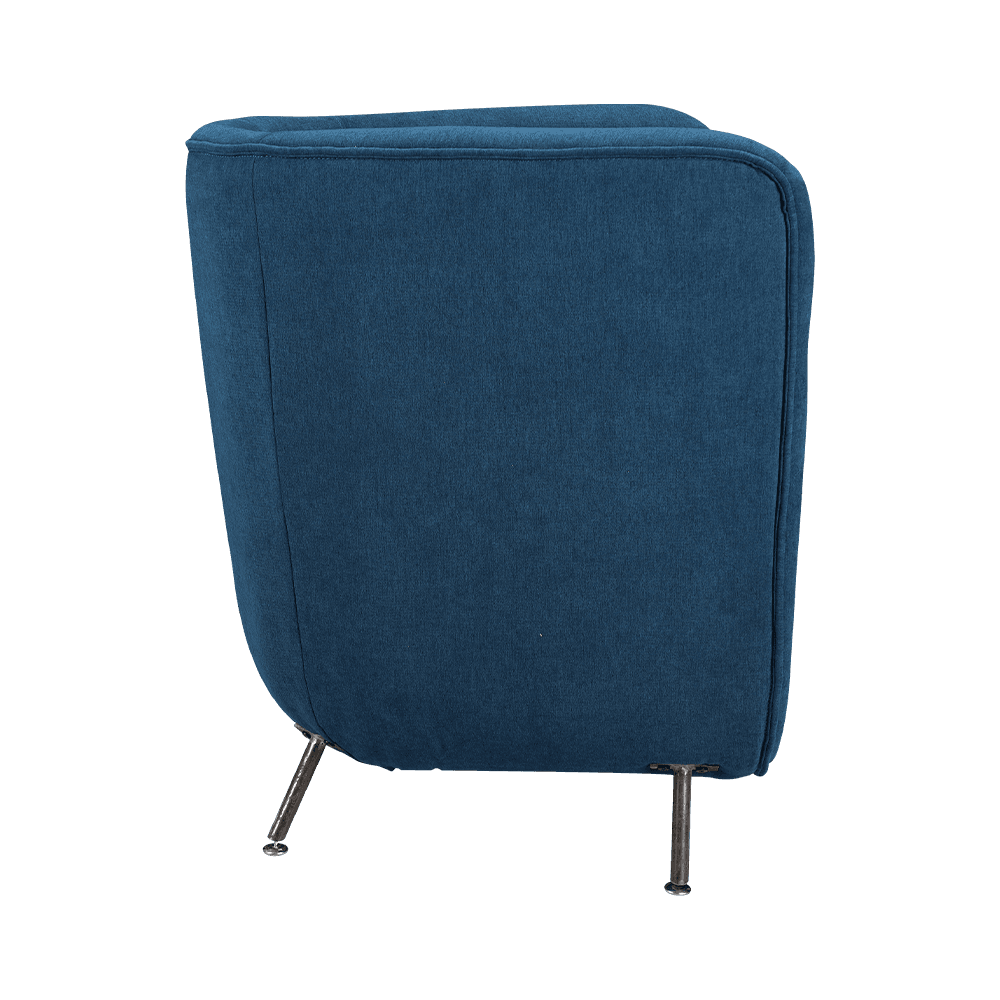 Fabric Lounge Chair with Hidden Storage CompartmentThis chair pairs soft upholstery with a built-in storage area beneath the seat, ideal for compact living spaces. Its practical design supports the trend toward multi-functional furniture in reading nooks and small apartments.View Product →
Tables: Stable Companions to the Chair
For tables, the analysis is simpler but just as important. A reading nook needs a surface for a cup, a lamp, and maybe a stack of books. Height, stability, and ease of cleaning matter more than elaborate design. In 2026, the trend is toward occasional and side tables that are light enough to move and sturdy enough to last. As with chairs, wood and wood-look surfaces are leading preferences, while metal legs add visual openness in small rooms.
Key Trends Shaping the 2026 Market
- Ergonomics is now the default. The line between office and living-room seating has blurred. Reading chairs with proper lumbar support and high-resilience cushions are moving from niche to mainstream.
- Multifunctionality wins. Storage ottomans, sofa-beds, and chairs with side pockets are performing well because they solve a real problem in smaller homes.
- Natural and mixed materials. Rubberwood, bentwood, and responsibly sourced timber are paired with metal legs and performance fabrics. Buyers want the warmth of wood and the durability of engineered construction.
- Commercial spaces are back. Hotels, bookstores, co-working lounges, and coffee shops are investing in reading-friendly seating. This is driving orders for contract-grade chairs that can handle heavy daily use.
- Repairability and circularity. Second-hand furniture markets are growing, which pushes manufacturers toward timeless design, replaceable cushions, and easy-to-clean materials.
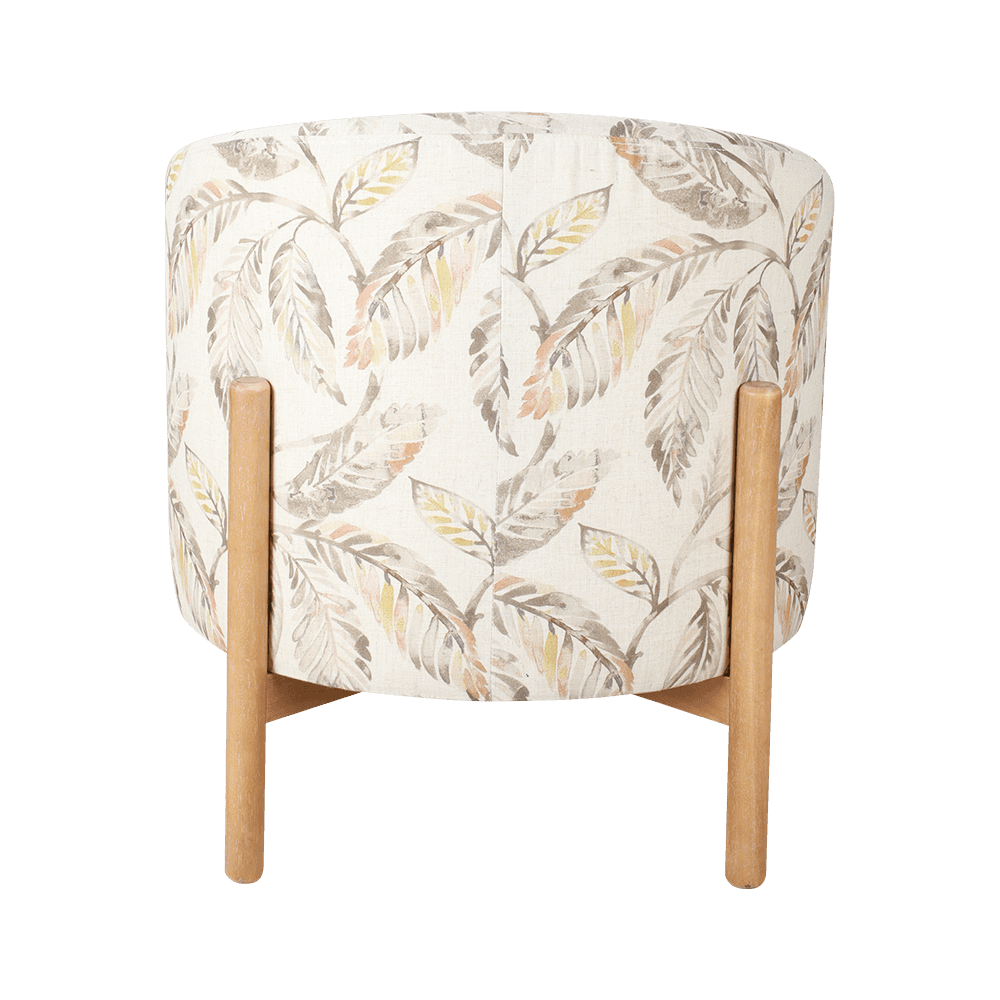 High-Resilience Sponge Cushion Lounge Chair with FootstoolFeaturing quick-rebound cushioning and a matching footstool, this lounge chair is built for extended relaxation. It suits homes, offices, and lounges, offering durable comfort while complementing the discussion of high-quality seating essentials.View Product →
Regional Insights and the Manufacturing Advantage
Asia Pacific remains the largest furniture manufacturing hub, and Anji, China, known as the Chair Industry City, plays an outsized role in chair production. Being based in Anji gives us direct access to mature supply chains for hardware, fabric, foam, and wood. Our manufacturing base in Anji spans 70,000 square meters of industrial park and 80,000 square meters of intelligent production and warehousing, supported by a team of more than 500 people.
We have also invested in a second production facility in Vietnam, covering 18,000 square meters with 250 specialists. For importers and distributors, dual production bases reduce supply-chain risk and provide flexibility across delivery schedules and market requirements.
What Buyers Should Look For in 2026
When the market is crowded and price pressure is real, the fastest way to avoid problems is to look below the surface. In our experience, four points separate a good reading chair from a short-lived one.
- Frame construction. For wood frames, kiln-dried hardwood such as rubberwood is a reliable choice. For metal legs, check wall thickness, weld quality, and surface treatment.
- Seat foam density. High-resilience sponge and spring-pack foam constructions hold their shape far longer than low-density foam. This is the single most important comfort factor for daily use.
- Fabric performance. Linen, velvet, polyester blends, and PU leather each have trade-offs. For reading chairs, choose fabrics with good abrasion resistance and easy cleaning.
- Documentation and compliance. Commercial buyers should ask about flammability test reports, formaldehyde limits, and load-test certificates before placing large orders.
| Consideration | What to check | Why it matters |
|---|---|---|
| Comfort and ergonomics | Seat depth, backrest angle, cushion resilience | Longer sitting sessions require better support |
| Material durability | Frame species, foam density, fabric rub count | Determines product life and warranty costs |
| Space efficiency | Compact footprint, stacking, storage functions | Urban homes demand multi-purpose pieces |
| Versatility | Mix-and-match finishes, neutral colors | Easier for retailers to sell across interiors |
| Maintenance | Removable covers, stain-resistant coatings | Reduces after-sales complaints |
| Sustainability | Wood origin, recyclable materials | Aligns with regulatory and consumer expectations |
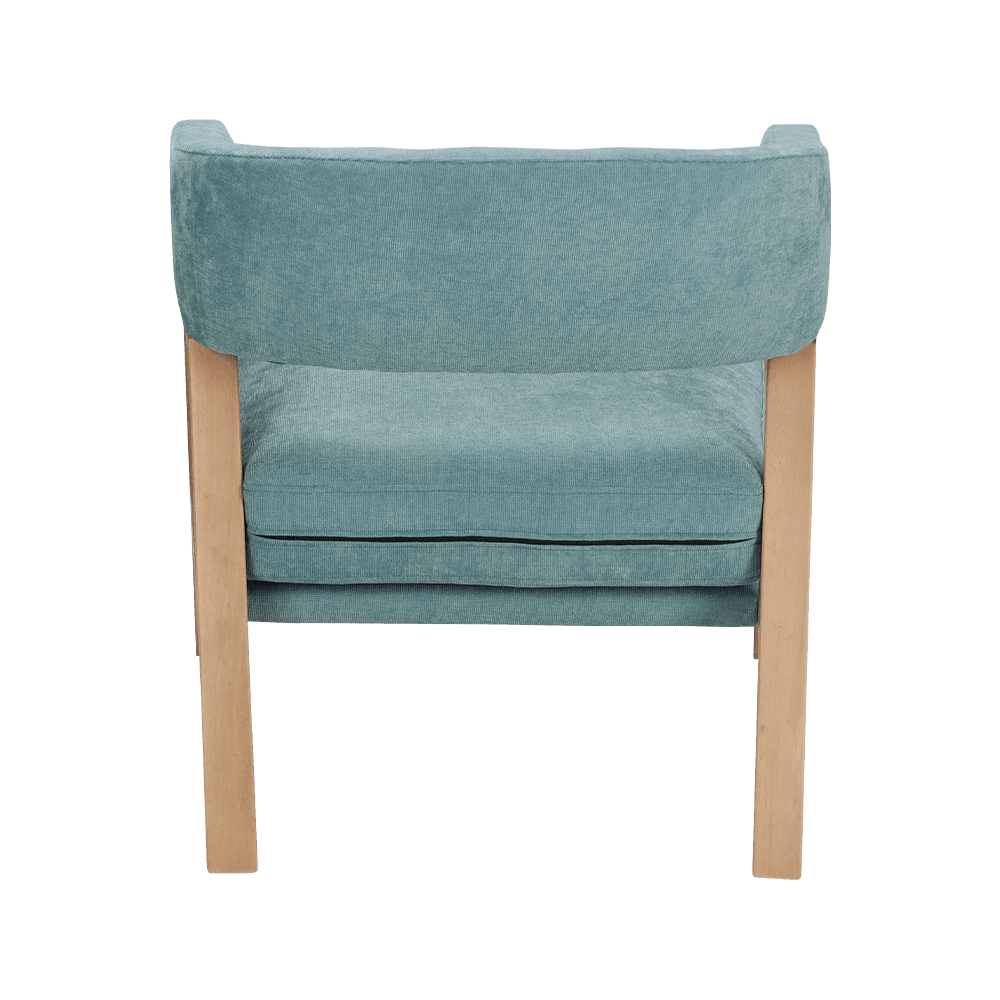 Rubber Wood Resting Chair with Cushioned Seat and BackrestCrafted from durable rubber wood with high-density foam cushions, this resting chair combines natural warmth with ergonomic comfort. Its slightly reclined back and wide armrests make it a reliable choice for living rooms, bedrooms, or home offices.View Product →
Supply Chain Considerations and Outlook
Two restraints dominated 2026 discussions: volatile raw-material prices and rising logistics costs. We saw both on our own procurement side, yet the right production structure absorbs much of the stress. Our Vietnam facility helps balance capacity and lead times, while our Anji base remains the center of design, tooling, and new-product development. For buyers, the practical takeaway is to work with manufacturers who control the whole process, from wood drying and metal forming to upholstery and final quality control.
Looking ahead, the outlook for reading chairs and tables is genuinely positive. Ergonomic furniture markets are forecast to grow at a CAGR of around 6.8% through the mid-2030s, and home office furniture at roughly 7.3%, which confirms that comfortable, functional seating will retain a long-term place in household budgets. As we often say in our industry notes, comfort and multifunctionality go hand in hand. The 2026 pattern strengthens that conviction: buyers are not looking for more furniture; they are looking for better seats and better tables.
-
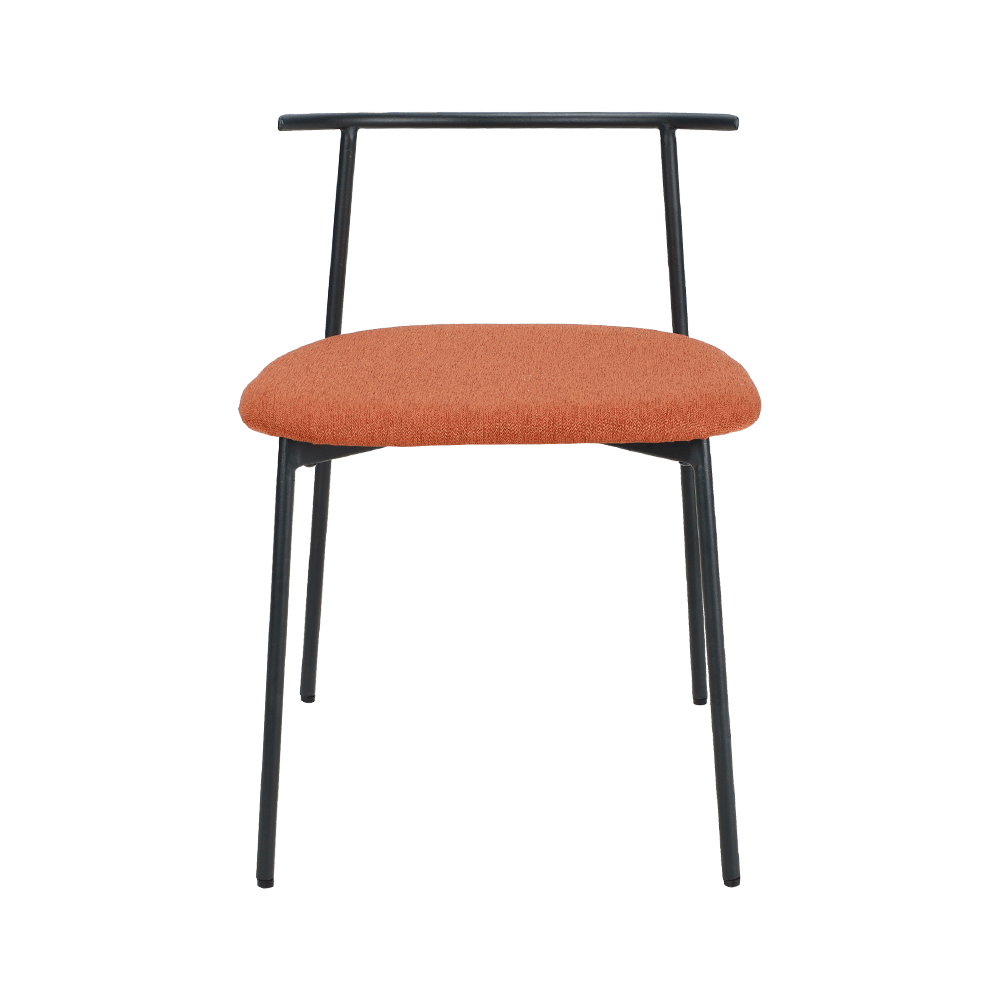
The curved back metal leg dining chair is a blend of modern design and classic comfort, offering an ... -
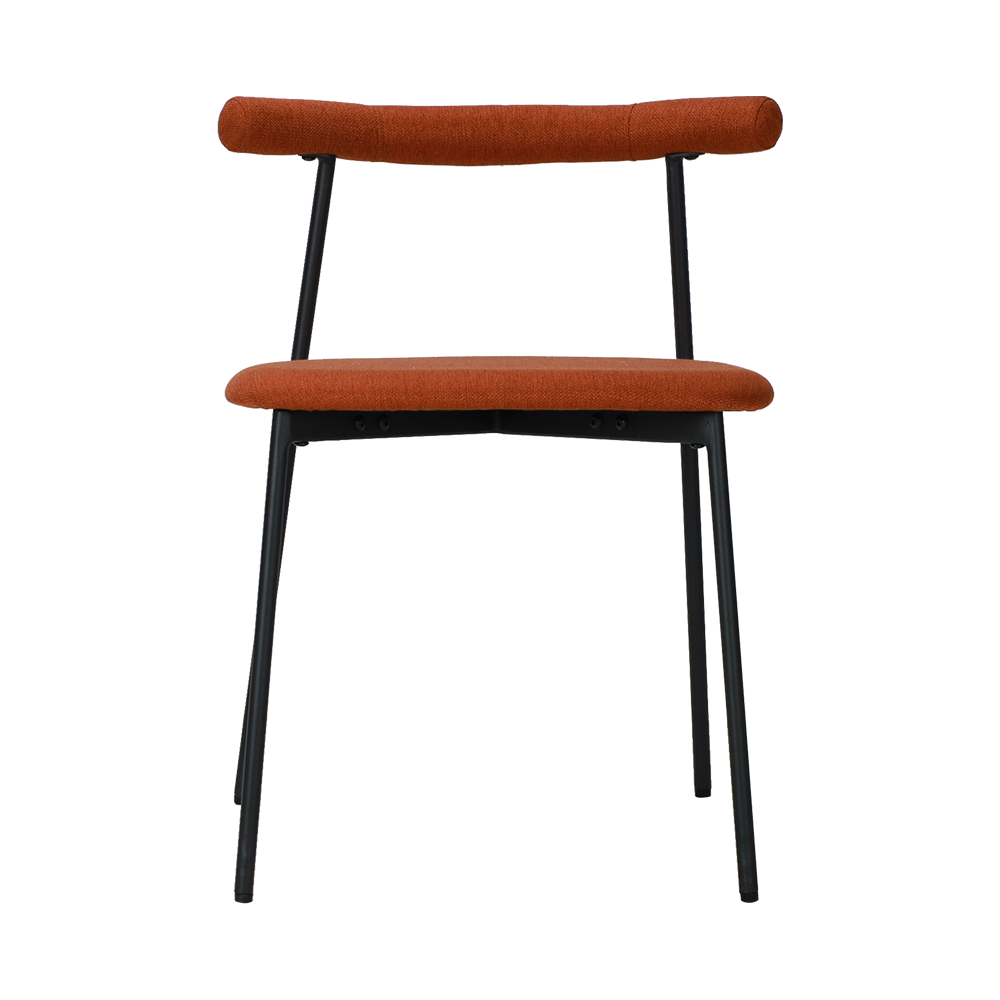
The High Resilience Sponge Cushion Metal Foot Dining Chair offers a blend of comfort, style, and dur... -
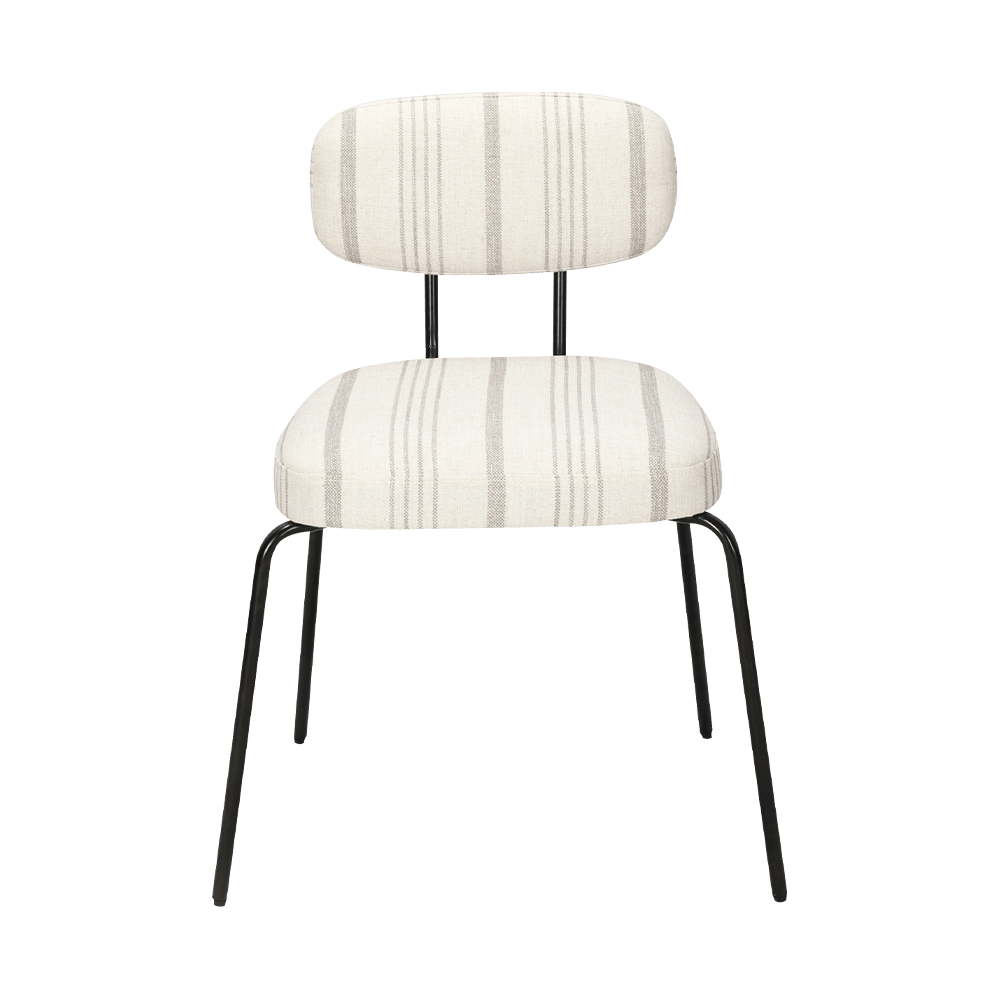
This WS6357 white modern metal dining chair features a simple and elegant design, paired with metal ... -
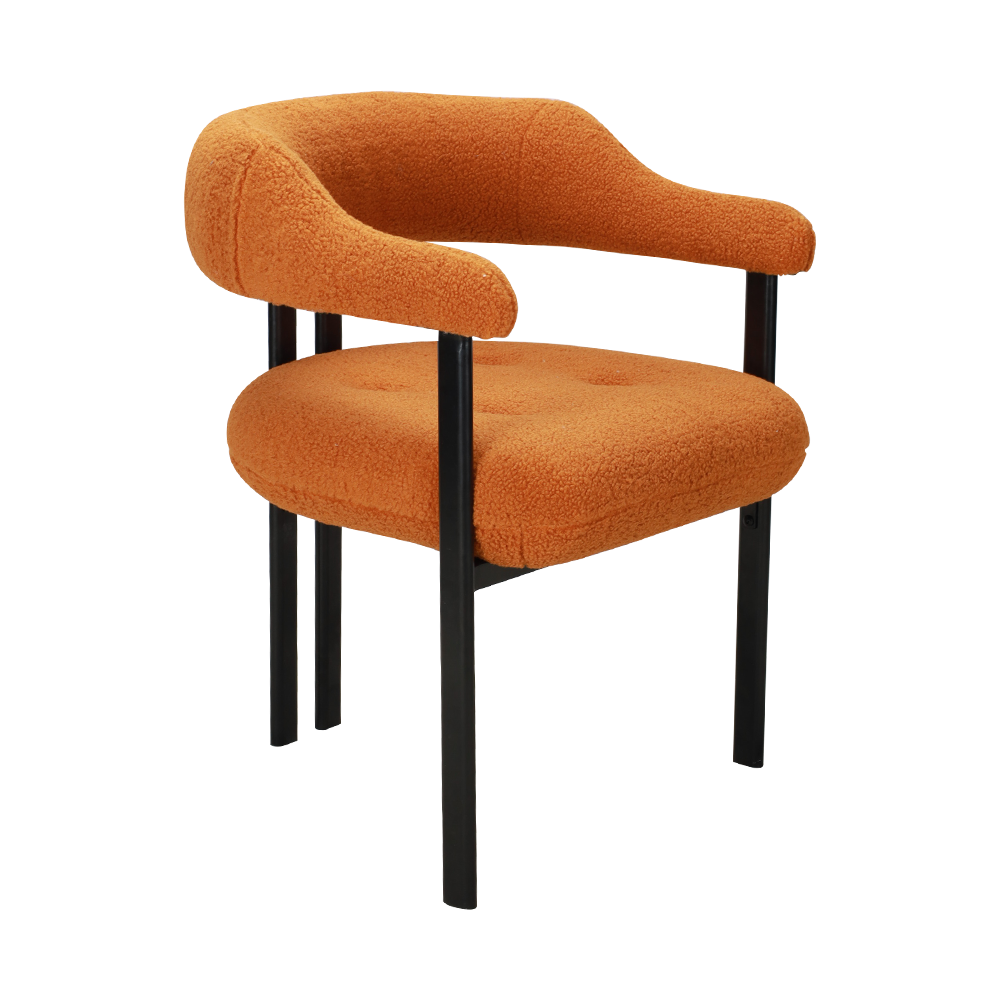
Elevate your dining experience with our WS6353 metal dining chair with a fabric cushion, a blend of ... -
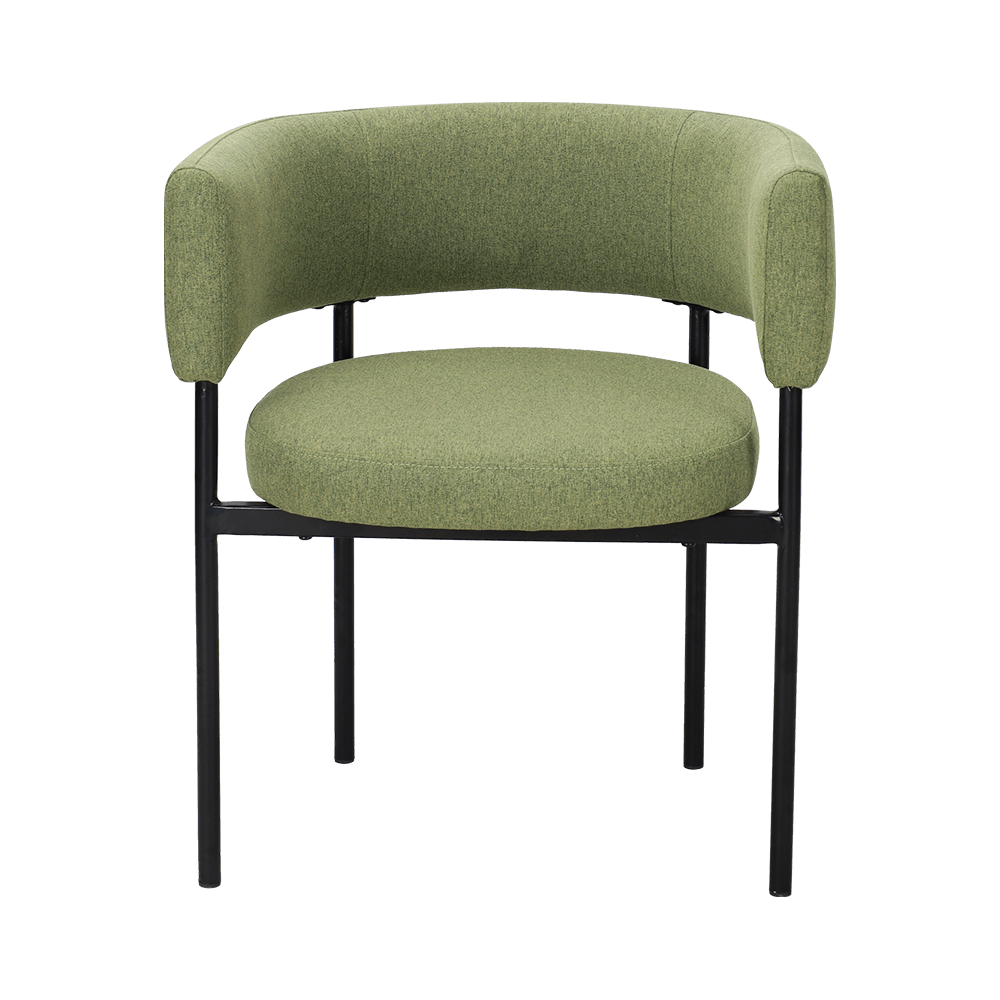
Crafted for both style and functionality, the WS6354 acid green metal leg dining chair features a st... -
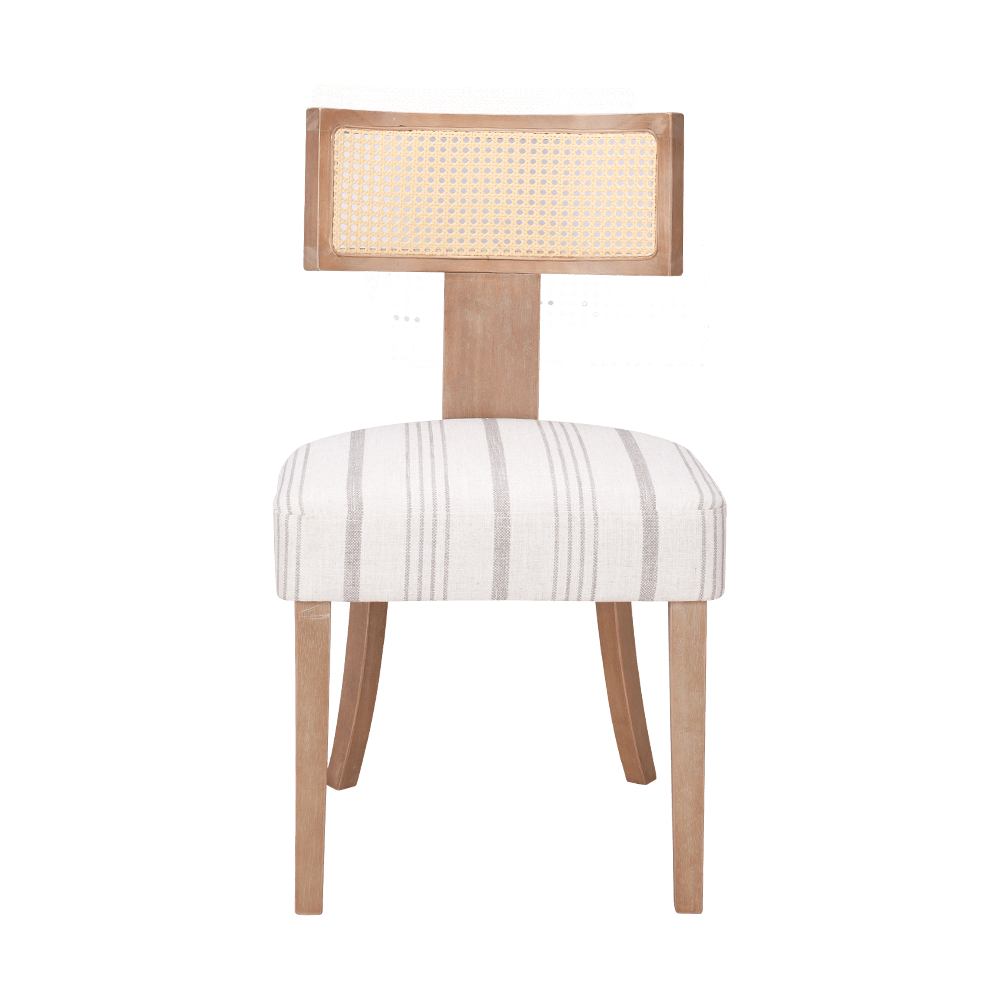
This solid rubber wood dining chair combines natural texture with comfort, featuring a simple yet el... -
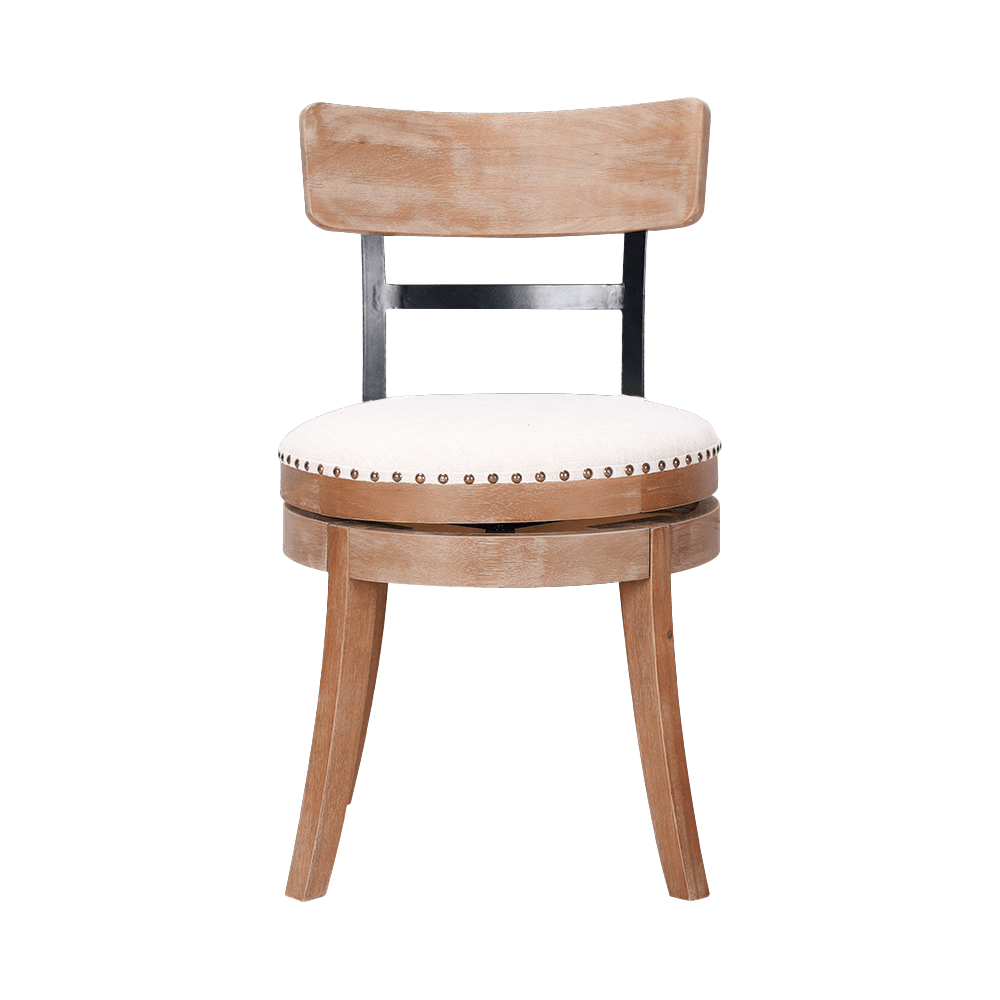
This WS6347 Round Cushion Solid Wood Dining Chair blends comfort with minimalist design, fitting var...

Copyright © Zhejiang Wanchang Furniture Co., Ltd.All Rights Reserved.
Indoor Fabric Sofa Manufacturers

-
 Xucunwancun, Xilong Xiang, Anji County, Zhejiang Province, China
-
 [email protected]
Mobile Site

WeChat Subscription Acount

Copyright © 2024Zhejiang Wanchang Furniture Co., Ltd.
All Rights Reserved.
