


 中文简体
 English
CertiPUR-US Certified Polyurethane Foam: A Complete Guide for Furniture Buyers
Posted by Zhejiang Wanchang Furniture Co., Ltd.
If you have ever sat on a dining chair that felt pleasant for ten minutes and uncomfortable after thirty, you already know that the foam inside the seat does most of the work. Cushioning rarely shows up in a catalog photograph, yet it decides how a chair feels in a showroom, how it survives a busy restaurant floor, and increasingly, what a buyer is permitted to specify. That is why "CertiPUR-US certified polyurethane foam" appears in more sourcing documents today than it did a decade ago.
For importers, hospitality purchasers and retailers serving health-conscious customers, the certification answers a simple question: what exactly is inside the cushion, and how do we know? In the sections below we explain what the program verifies, how foam choices shape the seating we manufacture, and what to look for when you review a foam specification with a supplier.
Content
- 1 What CertiPUR-US Certification Actually Means
- 2 Why Buyers Put Certified Foam in the Specification
- 3 Where Certified Foam Fits Into Our Seating Range
- 4 Reading a Foam Specification Sheet Without a Chemistry Degree
- 5 What to Confirm Before You Place an Order
- 6 How We Approach Foam, Compliance and Production
- 7 Questions Buyers Ask Us Most
What CertiPUR-US Certification Actually Means
CertiPUR-US is a voluntary certification program for flexible polyurethane foam, the material used in the seat cushions and backrests of most upholstered dining chairs, bar stools, sofas, ottomans and lounge chairs. Foam samples are submitted to independent, accredited laboratories rather than being self-declared by the foam producer, and certified foams are retested on an annual basis to keep the designation valid.
Two details are worth remembering. First, the certification applies to the foam itself, not to a finished chair or sofa, so a furniture supplier still needs to document which foam grades were used in which component. Second, the program addresses both what the foam is made without and what it releases into indoor air, which is why specifiers treat it as a shortcut for materials screening.
| Requirement | What it means in practice |
|---|---|
| Made without ozone depleters | No CFCs, HCFCs or methylene chloride are used in manufacturing the foam. |
| Low emissions for indoor air quality | Total volatile organic compound emissions measured below 0.5 parts per million. |
| No restricted flame retardants | PBDEs, TDCPP and TCEP, sometimes labelled "Tris", are excluded from the formulation. |
| No heavy metals | Mercury, lead and other regulated heavy metals are not present in the foam. |
| No regulated phthalates | Phthalates restricted by the U.S. Consumer Product Safety Commission are not used. |
| No formaldehyde | The formulation must be free of formaldehyde and formaldehyde-releasing additives. |
Why Buyers Put Certified Foam in the Specification
Certified foam is not a marketing gimmick imposed on furniture makers. It solves practical problems that come up in real purchasing conversations, particularly when seating is bought in volume for spaces where people sit for hours.
- Indoor air quality: chairs, sofas and bar stools sit inches away from the people using them, so emission thresholds give buyers something measurable to point to instead of a verbal assurance.
- Restricted substances: even in markets where certification is not mandatory, procurement teams use it as a fast, credible filter during supplier qualification.
- Batch consistency: certification requires documented formulations and periodic retesting, which tends to mean less variation in firmness and resilience between production runs.
- Project access: hospitality, education and workplace fit-out tenders increasingly ask for foam documentation as part of the submittal package.
Where Certified Foam Fits Into Our Seating Range
Our seating is built around cushioning rather than around frames alone, so foam selection is part of the design conversation from the first sample. Across our dining chairs, bar stools, sofas, ottomans and lounge chairs, we work with high-resilience sponge, standard sponge cushioning and spring-pack foam constructions, choosing grades according to where the piece will be used and how long it is expected to hold its shape.
Take bar seating, for example. A counter stool takes repeated, concentrated loading at the front edge of the seat, so a resilient cushion that recovers quickly matters more than a thick, soft one that gradually flattens under daily use.
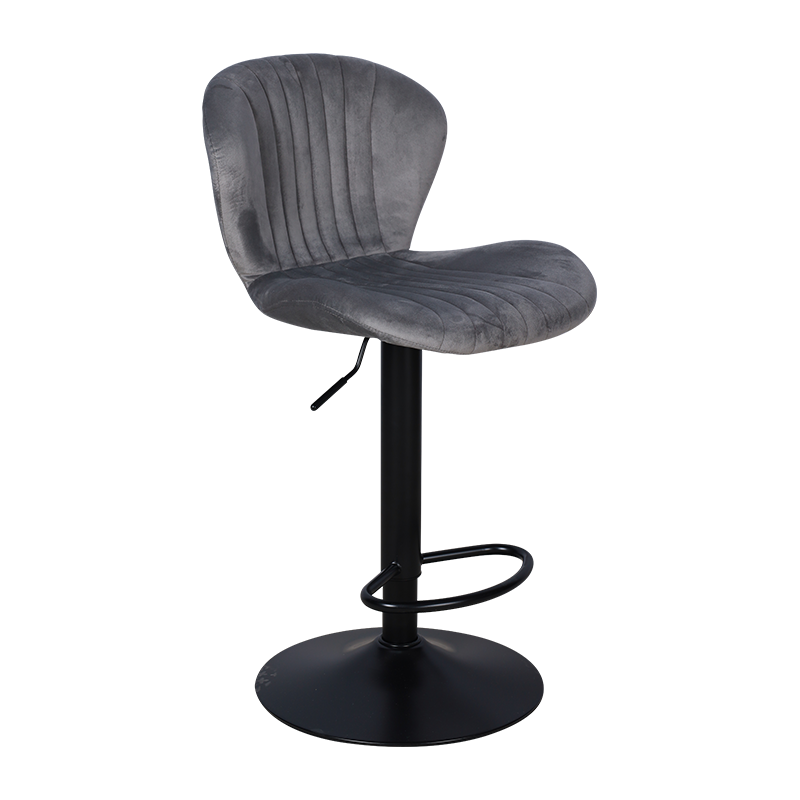 High Resilience Cushion Metal Bar StoolParameter Packaging method WS3035/WS3036 LCL Product size 42*46.5*86.5 CM Packaging size 65*61.5*46 CM Material Metal, Sponge, FabricView Product →
Lounge and resting chairs follow the same logic in a different way. These pieces are designed for longer, more relaxed sitting, so the foam needs enough support to keep the spine comfortable while still feeling soft at the shoulders and seat. High-resilience sponge cushions are a natural fit for that balance.
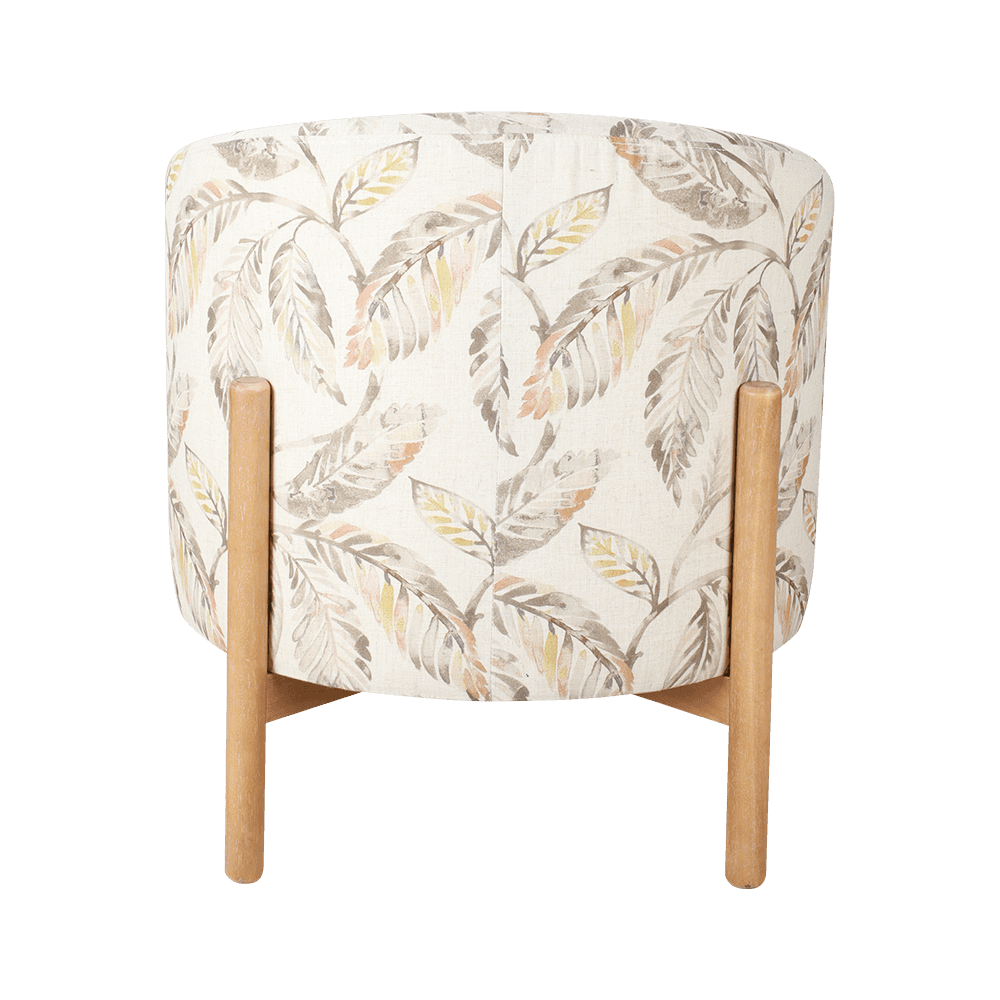 High resilience sponge cushion Lounge ChairParameter Packaging method 1PC/CTN Product size 70.5*64*75.5 CM / Footstool 42.5*42.5*39 CM Packaging size 81.5*66*57 CM Material Rubber wood, Cloth, High resilience s...View Product →
Sofas place the highest demand on foam because the seat platform is broad and rarely loaded evenly. A high-resilience sponge build helps the cushions return to shape after guests stand up, which keeps the silhouette looking tidy in a living room or hotel lobby.
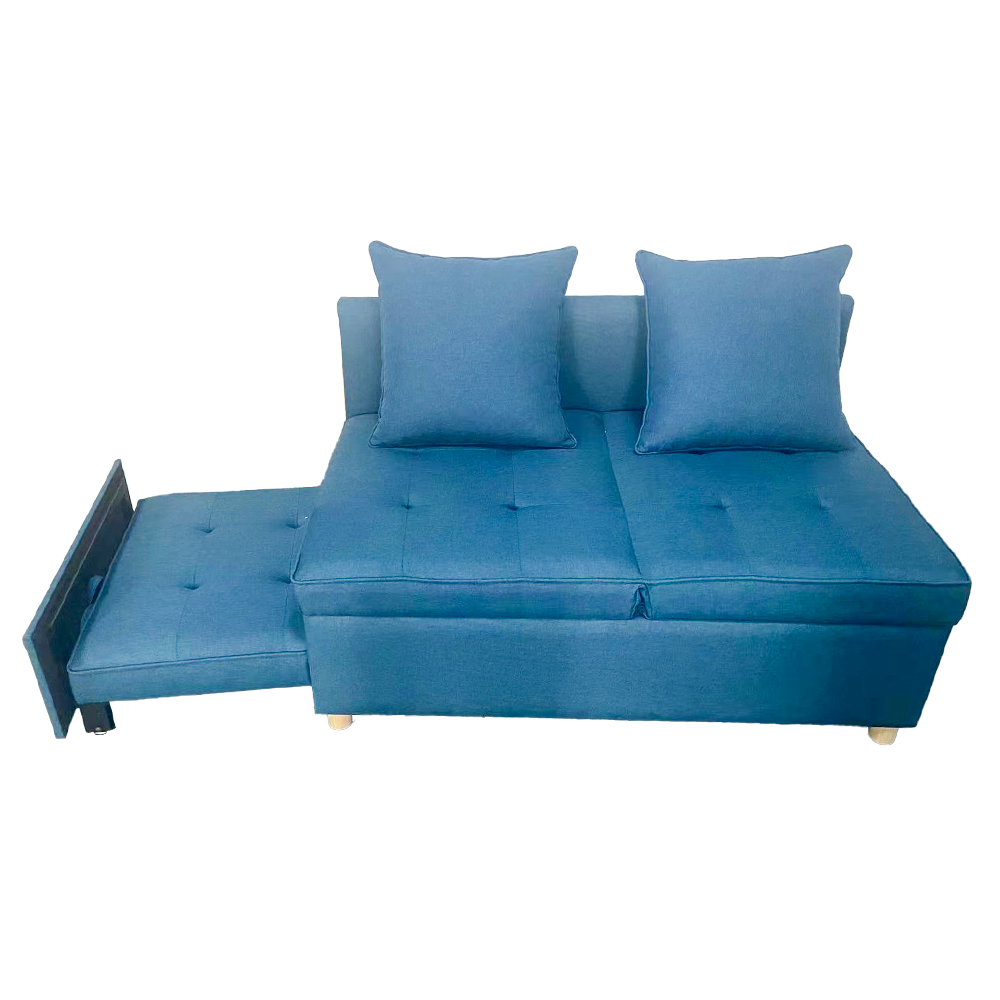 High resilience sponge fabric sofaParameter Packaging method 1PC/CTN Product size 119*78.5*68.5 CM Packaging size 121*80*46 CM Material Fabric, High resilience sponge, Wooden frame, Sofa bedView Product →
Dining chairs and ottomans use the same principles on a smaller scale, and the filling choice is often what separates a chair that still feels supportive after three years from one that sags within a season. We keep a longer discussion of cushion materials in our guide to common filling materials for seat and back cushions.
Reading a Foam Specification Sheet Without a Chemistry Degree
When a foam supplier sends a data sheet, most of the numbers describe physical behaviour rather than chemistry. The four below are the ones that most often decide whether a cushion suits a residential dining room or a hotel bar.
| Property | What it describes | Why it matters |
|---|---|---|
| Density | Mass of foam per unit volume | Higher density generally supports longer service life under frequent use. |
| IFD or ILD | Firmness measured as indentation load deflection | Determines whether the seat feels soft, medium or firm at first sit. |
| Ball rebound | Resilience or "bounce back" percentage | Explains how quickly a cushion recovers after someone stands up. |
| Compression set | Permanent thickness loss after sustained compression | Predicts how much the cushion flattens over months of daily use. |
| Certification status | Whether the grade holds a valid CertiPUR-US listing | Provides verifiable evidence for emission and content claims. |
A useful habit is to ask for the certification record and the physical data sheet together. The certification tells you the foam meets the content and emission requirements; the data sheet tells you whether that same foam is the right grade for the seat you are building.
What to Confirm Before You Place an Order
- Ask which specific foam grade is used in the seat, the backrest and any arm padding, rather than accepting a general statement about cushioning.
- Request certification documentation for each grade, including the foam producer's name and the validity date of the listing.
- Confirm the target density and firmness range in writing, so that a later production sample can be compared against it.
- Discuss how the foam is cut, wrapped and inserted into the upholstery, since an oversized or compressed insert changes the feel of a certified grade.
- Agree on realistic expectations for service life in your specific application, whether that is a home dining room or a high-traffic bar.
How We Approach Foam, Compliance and Production
Wanchang Furniture has been manufacturing seating since 2005 from our base in Anji, China, a region known as the chair capital of the country. Our 70,000 square metre industrial park and 80,000 square metres of smart production and warehousing space support design, upholstery and assembly under one operation, with more than 500 people on the team. Our plant in Vietnam's Nam Tan Uyen Industrial Zone adds 18,000 square metres of overseas capacity with around 250 staff, which helps us keep supply stable for customers in Europe, the Americas and Southeast Asia.
Foam specifications sit inside that system rather than beside it. When a project calls for certified cushioning, we document the grade used in each component, keep records aligned with the foam producer's certification, and check incoming material against the agreed density and firmness range. You can read more about who we are and how we work on our company profile page.
Questions Buyers Ask Us Most
Does CertiPUR-US certification cover the whole chair?
No. It covers the flexible polyurethane foam grades used in the cushioning. Framing, fabric, adhesives and metal components are covered by their own specifications and tests, so a complete submittal package usually combines several documents.
Does certified foam feel softer or firmer?
Neither. Certification says nothing about firmness, density or resilience. Those come from the grade you select, which is why we always quote both the certification and the physical properties of a foam.
Can certified foam be used in commercial seating?
Yes, and it is common in restaurant, bar and hotel projects where seating is used continuously. In those settings, pairing a certified grade with a higher-density, higher-resilience formulation gives the best balance of compliance and longevity.
Choosing foam is one of the quiet decisions that determines whether a chair earns a good reputation or quietly disappoints. If you are sourcing dining chairs, bar stools, sofas, ottomans or lounge chairs and need cushioning that meets a documented standard, our team is glad to walk through the grades we use, share the supporting paperwork, and build samples that let you judge the feel for yourself.
-
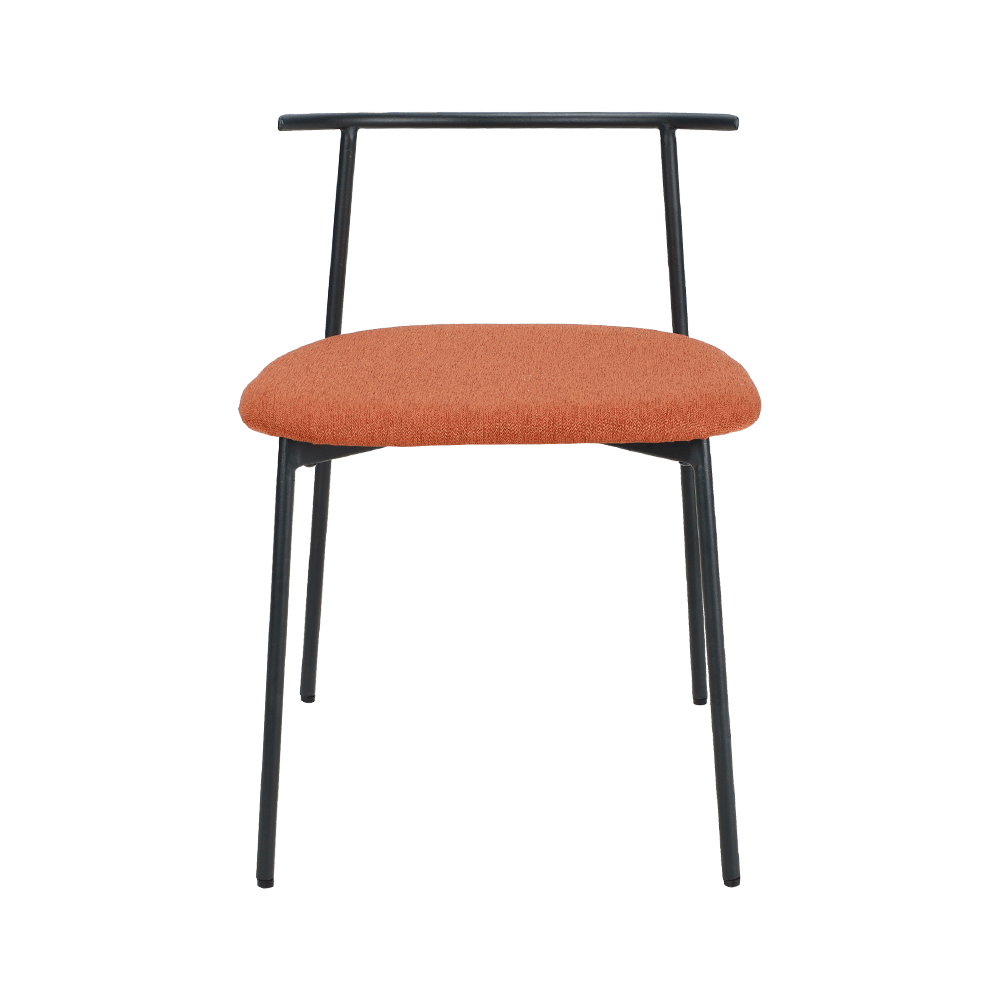
The curved back metal leg dining chair is a blend of modern design and classic comfort, offering an ... -
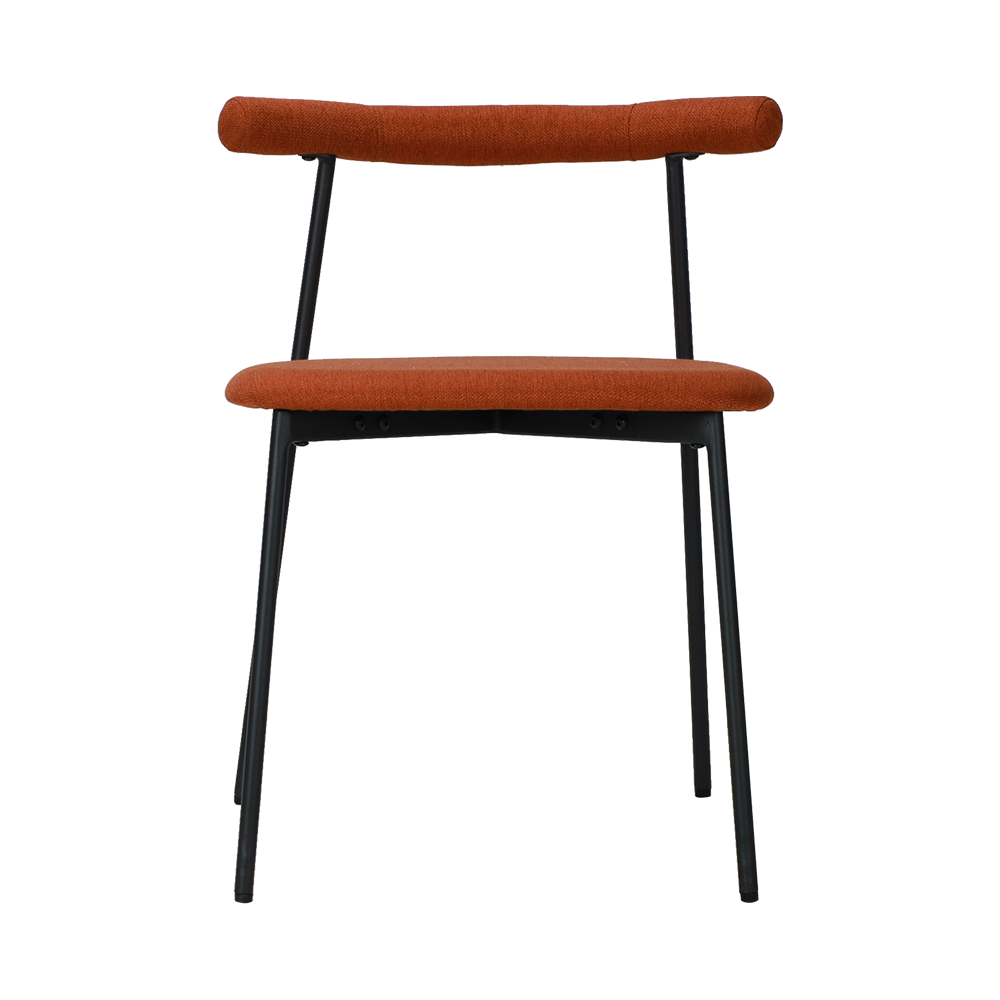
The High Resilience Sponge Cushion Metal Foot Dining Chair offers a blend of comfort, style, and dur... -
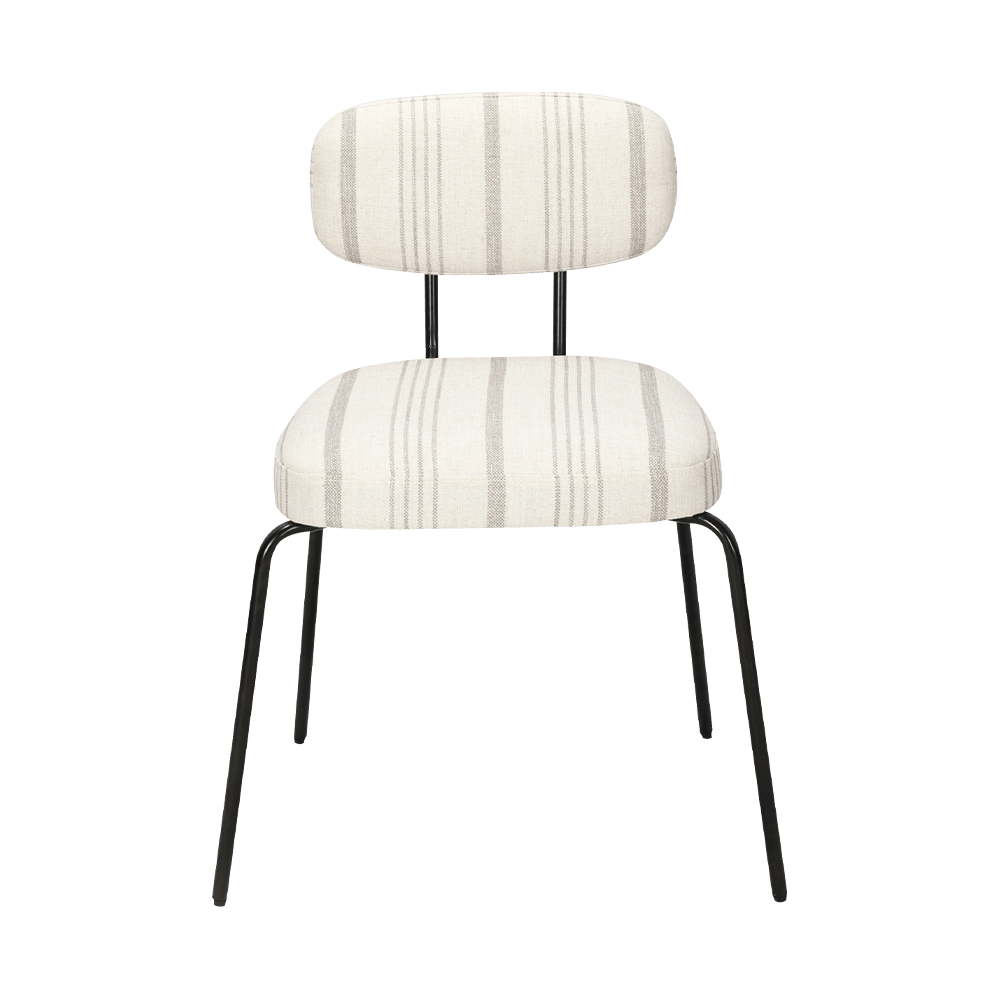
This WS6357 white modern metal dining chair features a simple and elegant design, paired with metal ... -
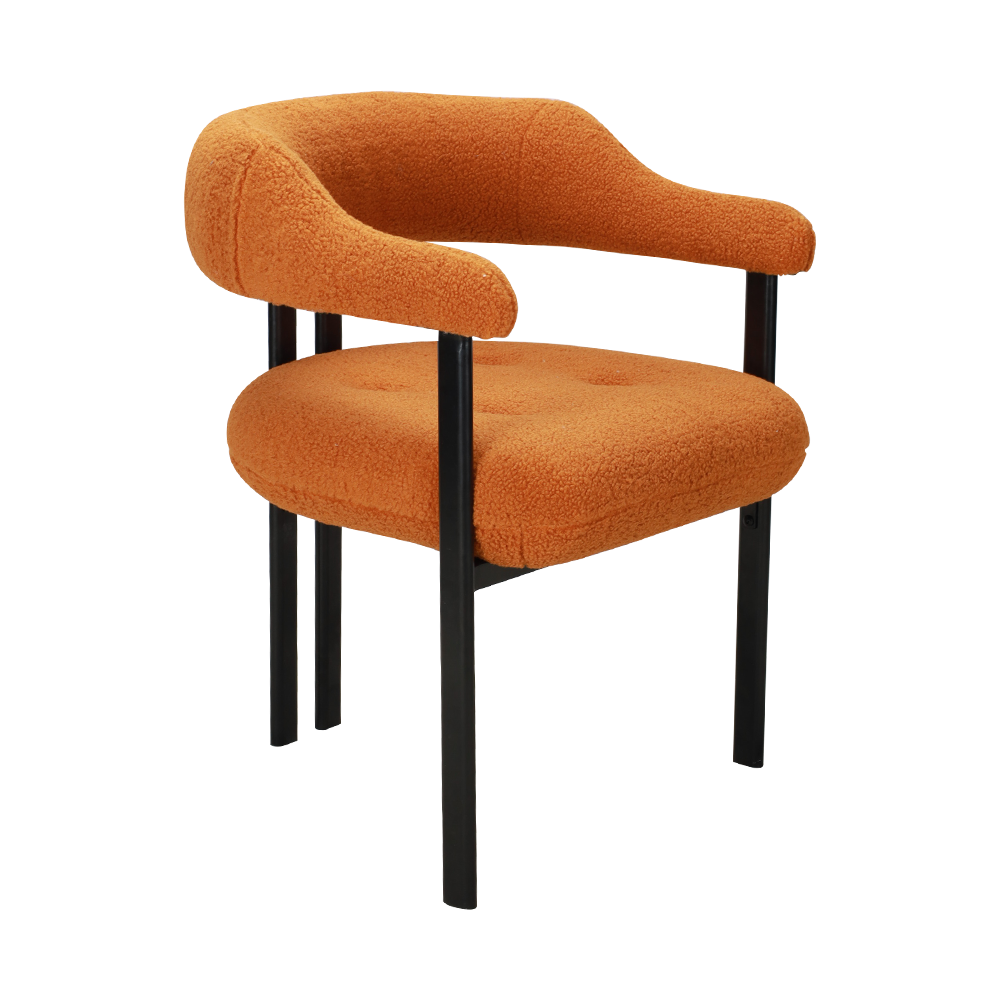
Elevate your dining experience with our WS6353 metal dining chair with a fabric cushion, a blend of ... -
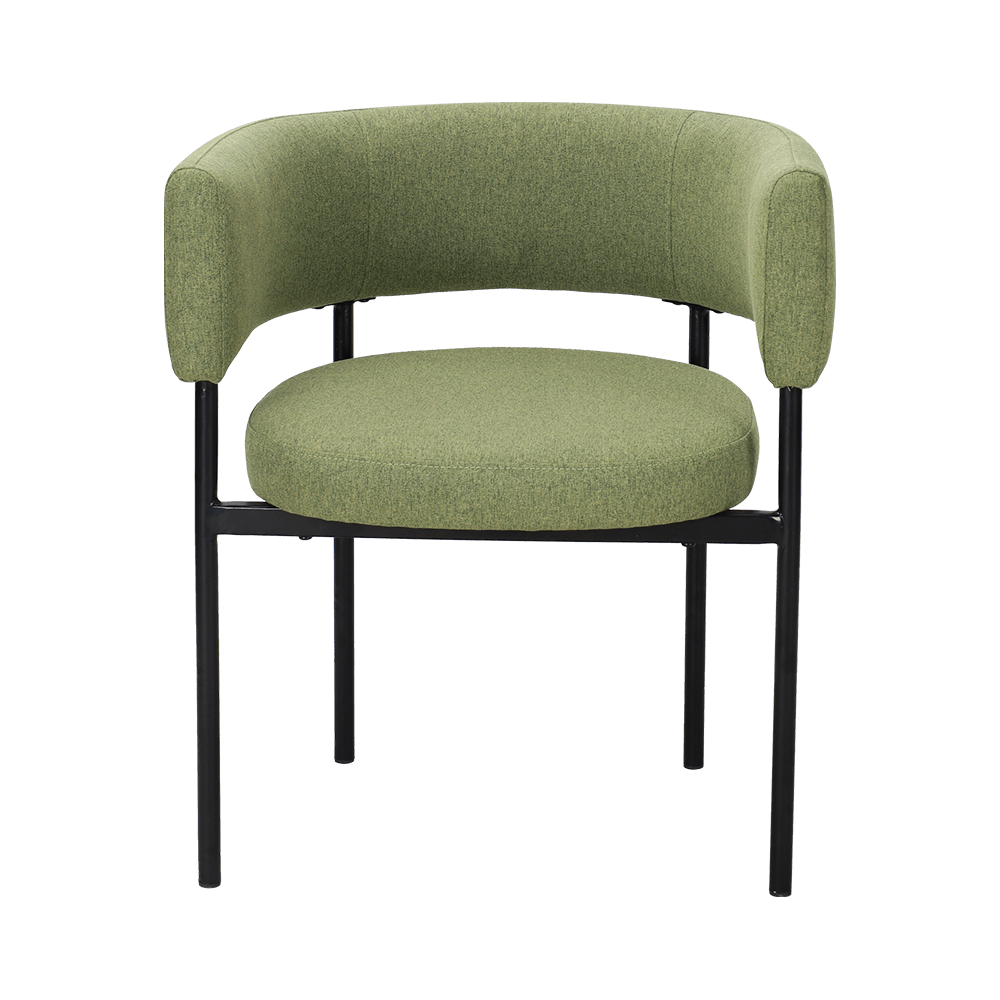
Crafted for both style and functionality, the WS6354 acid green metal leg dining chair features a st... -
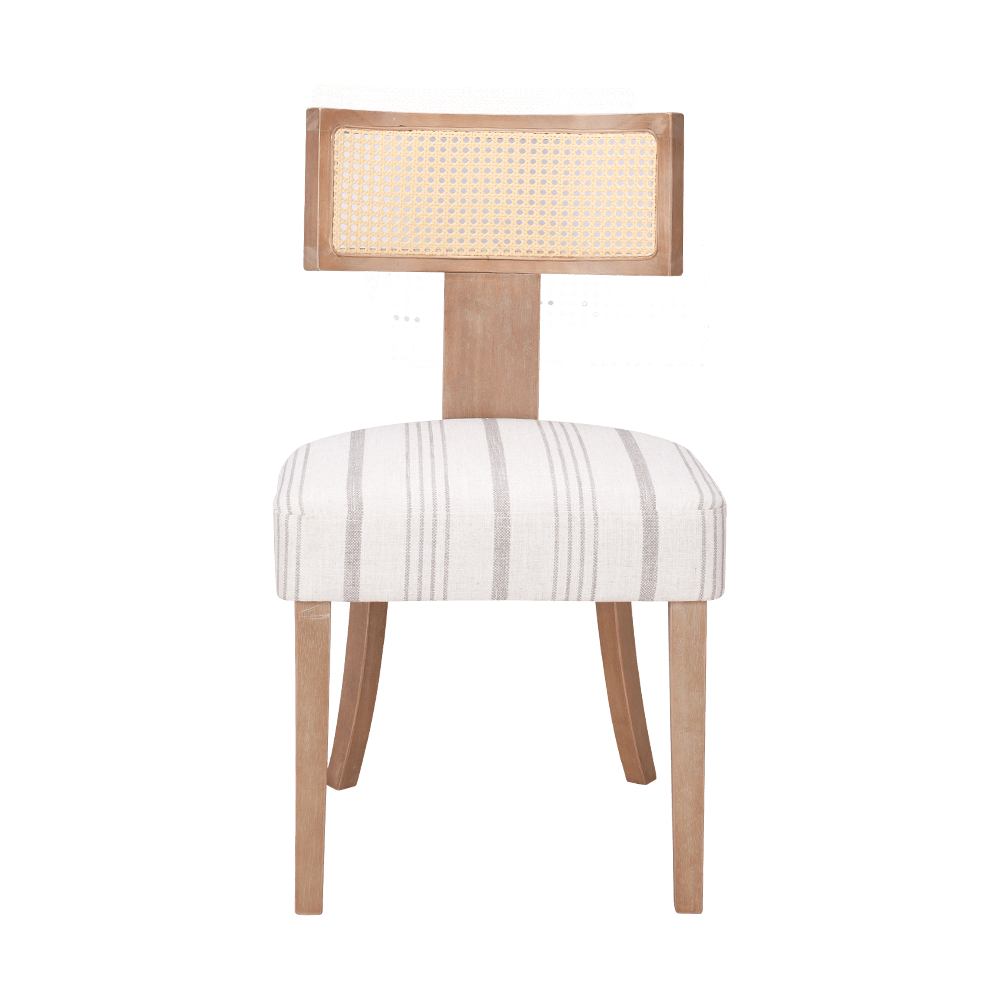
This solid rubber wood dining chair combines natural texture with comfort, featuring a simple yet el... -
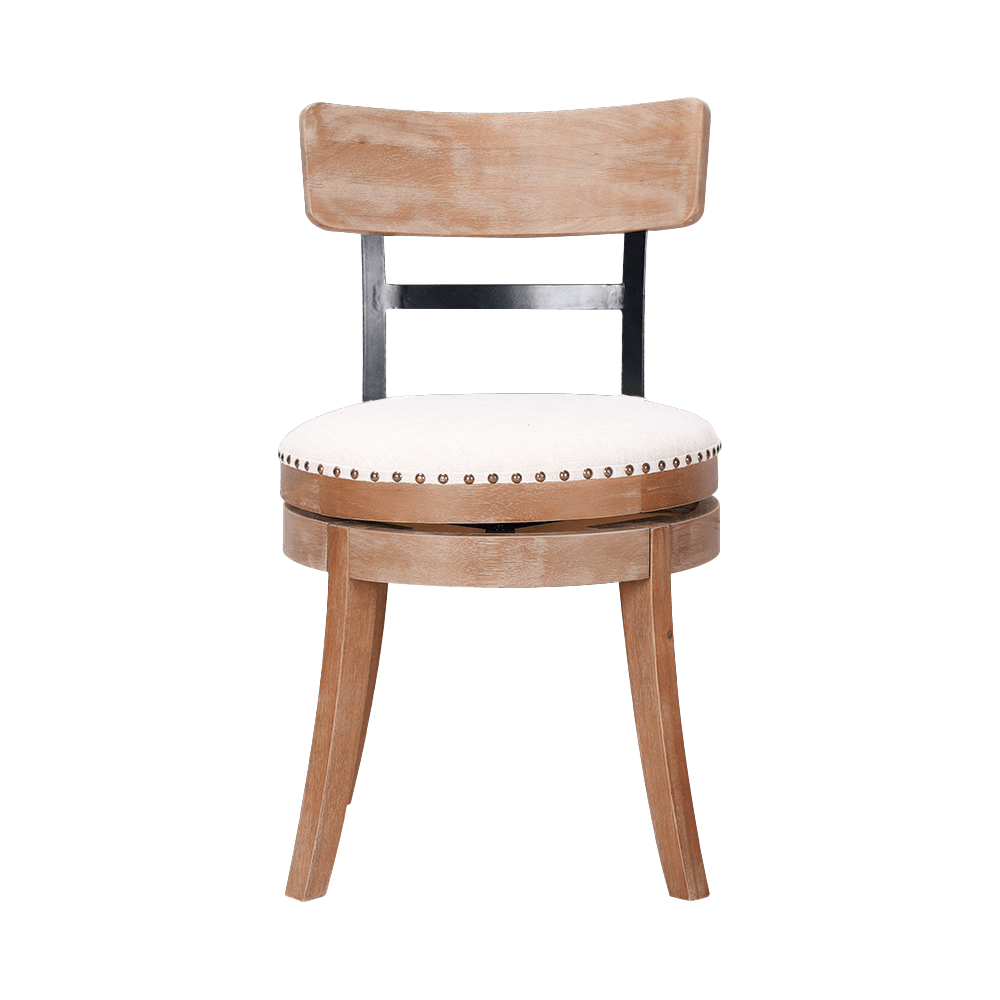
This WS6347 Round Cushion Solid Wood Dining Chair blends comfort with minimalist design, fitting var...

Copyright © Zhejiang Wanchang Furniture Co., Ltd.All Rights Reserved.
Indoor Fabric Sofa Manufacturers

-
 Xucunwancun, Xilong Xiang, Anji County, Zhejiang Province, China
-
 [email protected]
Mobile Site

WeChat Subscription Acount

Copyright © 2024Zhejiang Wanchang Furniture Co., Ltd.
All Rights Reserved.
