


 中文简体
 English
FF&E Procurement News 2026: Sourcing Seating That Survives Real Projects
Posted by Zhejiang Wanchang Furniture Co., Ltd.
FF&E procurement news rarely arrives as a single dramatic headline. More often it shows up as a quiet revision inside a tender pack: a delivery window pushed back by three weeks, a new documentation request, an instruction to price the same chair from a second production region. For anyone sourcing furniture for hotels, restaurants, or multi-unit residential projects, those small changes decide whether a project opens on schedule.
We manufacture seating — dining chairs, bar stools, lounge chairs, sofas, and footstools — across two production bases, one in Anji, China and one in Binh Duong, Vietnam. That places us on the supplier side of the FF&E conversation every week, and it gives us a practical view of what the industry's news cycle is really about: not product launches, but capacity, paperwork, and whether a chair still looks right in year three.
Content
- 1 What FF&E Procurement News Actually Covers
- 2 Three Storylines Shaping FF&E Sourcing Right Now
- 3 Matching the Seating Category to the Space
- 4 What We Check Before a Sample Leaves the Factory
- 5 Vietnam Capacity and the Sourcing Conversation
- 6 How We Work With Procurement Teams
- 7 A Short Checklist Before You Commit a Seating Package
What FF&E Procurement News Actually Covers
Furniture, fixtures, and equipment is a catch-all term for everything a guest touches that a developer does not pour in concrete. In practice, the news that matters to procurement teams clusters around a handful of themes: where goods are made, how long they take to arrive, what documentation travels with them, and how well they survive commercial use.
Seating tends to dominate these packages by unit count. A single restaurant fit-out can call for sixty dining chairs, a dozen bar stools, and several lounge pieces — all listed on the same schedule and all expected inside the same delivery window. When sourcing conditions shift, seating is usually where the numbers move first.
- Region and capacity — new plants, expanded lines, and the balance between China and Southeast Asia.
- Freight and duty exposure — route changes, container availability, and landed-cost comparisons.
- Specification and compliance — foam density, fabric performance, finish durability, and material declarations.
Three Storylines Shaping FF&E Sourcing Right Now
Dual-region quoting has become routine
Buyers increasingly ask for the same item quoted from two countries. The goal is rarely the lowest possible price; it is a plan B that stays in the drawer until it is needed. A supplier with a single factory has a single answer when a port slows down or a duty line moves, and procurement teams have learned to price that risk into the programme.
Documentation is a gate, not an afterthought
Millwork packages have always arrived with paperwork. Seating now does too. Cushion fill specifications, fabric composition, surface treatments on metal legs, packaging materials, and replacement part lists are requested before a purchase order rather than after. Suppliers who can answer in one reply save a project weeks of back-and-forth.
Comfort has moved into the tender document
Ergonomics used to be a showroom conversation. Today, seat height, seat depth, back angle, foam density, and weight rating appear as line items. That is good news for operators, because a dining chair that reads beautifully in a render can still be uncomfortable after forty minutes — and guests notice far sooner than designers do.
Matching the Seating Category to the Space
Most FF&E schedules group seating by function rather than by style. Reading a schedule that way makes it much easier to see which specification really matters where, and it stops a project from buying banqueting chairs for a lobby that actually needed lounge seating.
| Seating category | Typical FF&E placement | Specification points raised first |
|---|---|---|
| Metal-leg dining chair | Hotel restaurants, cafés, banqueting, coworking | Leg finish and floor protection, seat foam density, stacking |
| Solid wood dining chair | Fine dining, clubhouses, residential dining | Wood species and moisture content, joint construction, tipping resistance |
| Bar stool, fixed or swivel | Bar counters, high communal tables, pool bars | Seat height against counter height, footrest placement, swivel return |
| Lounge and resting chair | Lobbies, lounges, guest rooms, spa areas | Seat depth and back angle, frame rigidity, fabric cleanability |
| Sofa, ottoman, footstool | Suites, waiting areas, breakout zones | Foam and spring construction, modular dimensions, storage hardware |
Two details trip up more projects than any other: seat height measured against a drawing instead of an actual counter, and a fabric chosen for appearance without anyone checking how it handles cleaning in a commercial setting.
What We Check Before a Sample Leaves the Factory
When a buyer sends us an FF&E schedule, we try to answer the practical questions before the aesthetic ones. Samples matter enormously, but a sample that arrives without anyone knowing how the frame behaves under daily commercial use only delays the decision.
Dining chairs for high-traffic dining rooms
For restaurants and banqueting spaces, the first question is usually the floor. Metal legs need the right glide or foot cap for tile, timber, or carpet, and the finish has to resist chair-to-chair contact during service. Seat foam density and the way the back joins the frame decide how the chair feels at the end of a long shift.
 Metal Leg Upholstered Dining Chair with BackA sturdy iron-frame dining chair with soft fabric cushion and rust-resistant metal, suited to restaurants and banqueting spaces considering floor glides and foam density.View Product →
Bar stools that match the counter, not the catalogue photo
Bar stools fail when seat height and footrest position are guessed. The footrest should land where a guest's foot naturally falls, and a swivel should return to centre rather than drifting over an evening. We ask for the counter height and the intended seating duration before recommending a model.
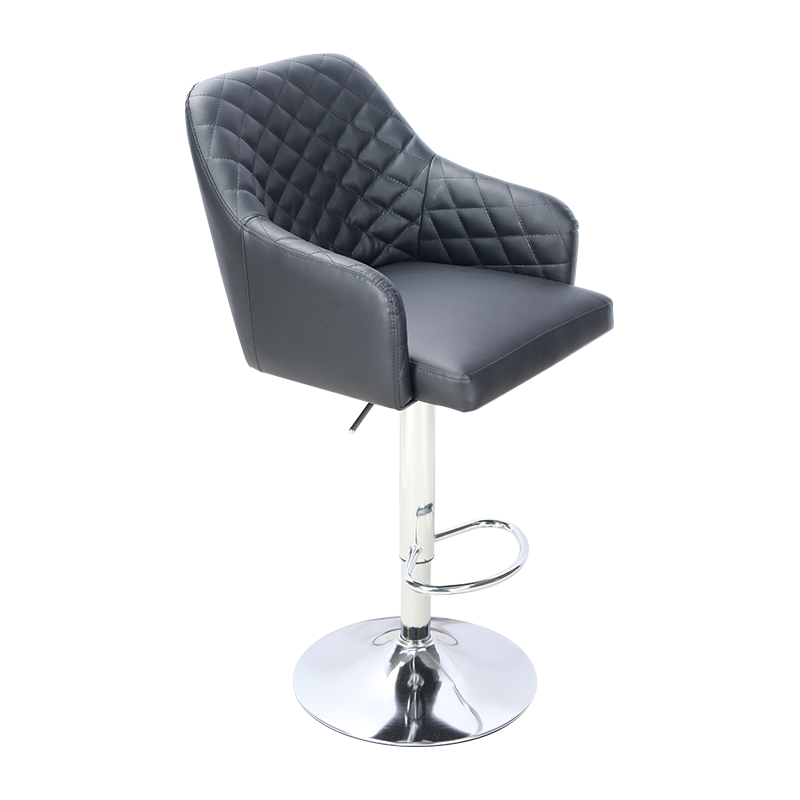 Fabric Upholstered Metal Bar Stool with Cushioned SeatA metal-framed bar stool with plush fabric upholstery and cushioned seat, suited to kitchen islands and home bars where footrest placement and swivel return matter.View Product →
Lounge chairs where guests actually sit for an hour
Lounge seating is judged in the second hour, not the first five minutes. We look at seat depth relative to back angle, whether the frame flexes under load, and whether the fabric can be cleaned in place — three things that separate a genuine lobby chair from a decorative one.
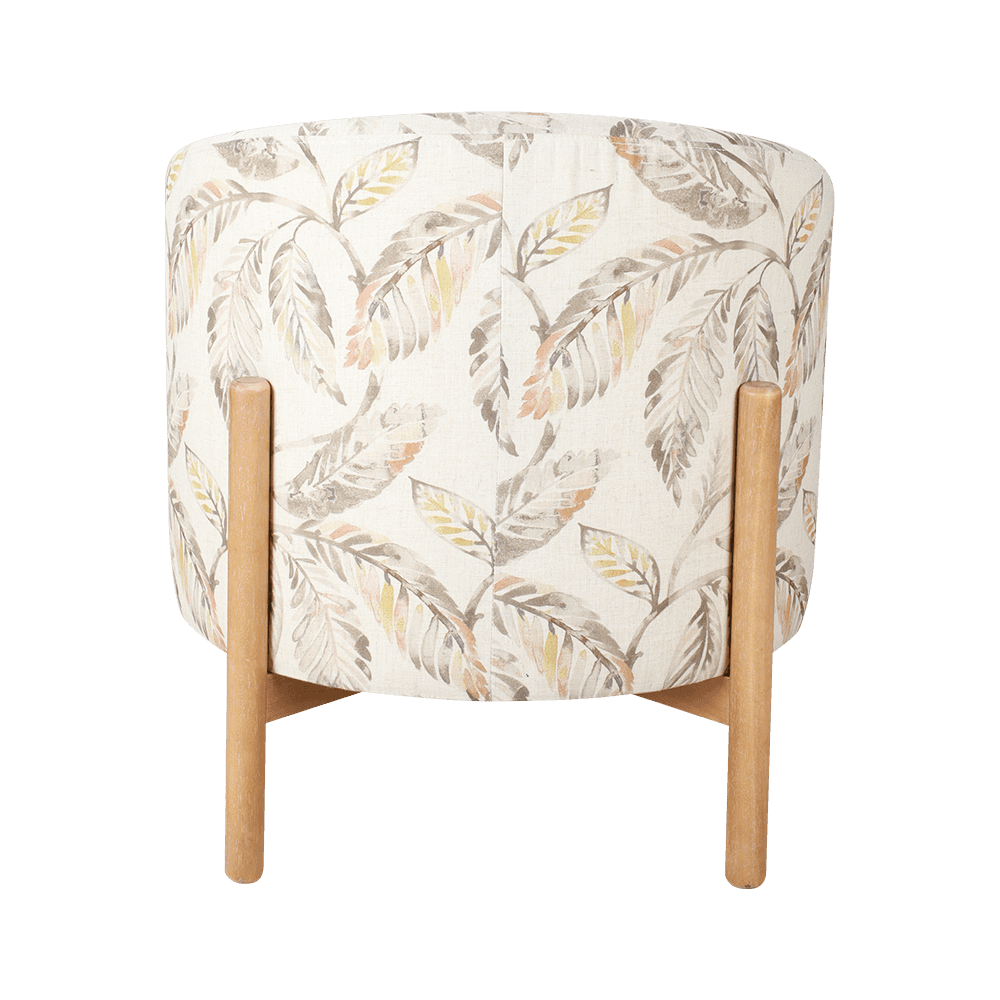 High Resilience Sponge Cushion Lounge Chair with FootstoolA rubber-wood lounge chair from Wanchang with high-resilience sponge cushion and matching footstool, designed for extended comfort in homes, offices, and lounges.View Product →
Vietnam Capacity and the Sourcing Conversation
One of the most consistent threads in procurement coverage is regional diversification, and it is the reason we opened a second production base in Vietnam. The facility in Nam Tan Uyen Industrial Park, Binh Duong covers roughly 18,000 square metres and employs around 250 people, complementing the larger operation in Anji, the Chinese chair-manufacturing cluster where the company began in 2005.
For buyers, that means a single seating programme can be quoted from two regions with a shared specification and finish language. These conversations usually begin at trade events rather than in email threads, which is why we take part in platforms such as the Vietnam International Furniture and Interior Accessories Exhibition each season.
How We Work With Procurement Teams
Our focus is seating, not the whole FF&E package, and we are comfortable saying so. That narrower scope means fewer surprises in a schedule: one team handles the frame, the foam, the fabric, and the finish, so a question about a bar stool does not have to travel through three departments. If you would like to see how the two factories are set up and how orders move through them, you can read more about our production background before we talk specifics.
A Short Checklist Before You Commit a Seating Package
- Confirm seat height against the actual counter, table, or desk specification.
- Check foam density and frame construction, not only the cover fabric.
- Ask for both production regions in the same quote so the comparison is genuine.
- Request documentation with the sample, not after the order is placed.
- Test one unit the way guests will use it — for a full shift, not a minute.
- Agree on replacement parts and restocking lead times before signing anything.
None of this is glamorous, and very little of it makes the headlines. It is, however, how FF&E packages arrive on time and how a chair ends up looking in year three the way it looked on opening day. If you are working through a seating schedule right now, we are glad to look at it with you — and to tell you honestly which parts of it we can build well.
-
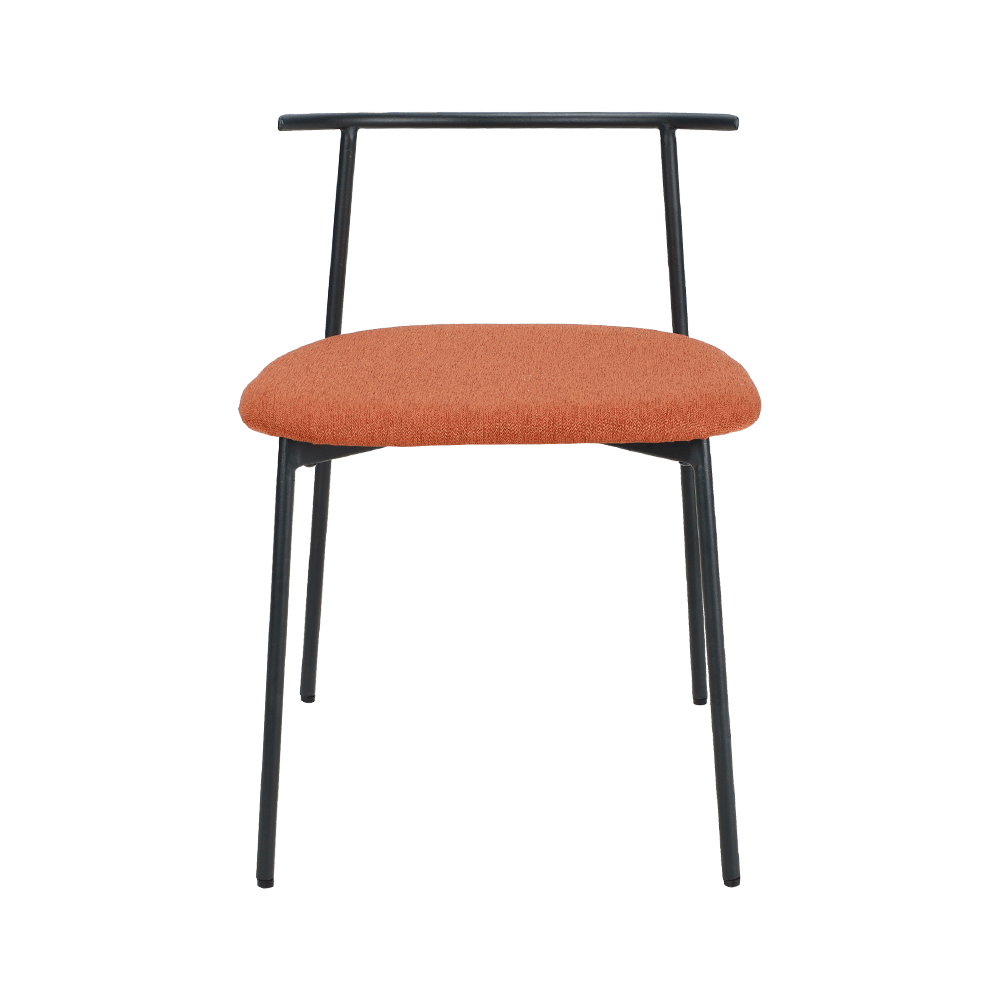
The curved back metal leg dining chair is a blend of modern design and classic comfort, offering an ... -
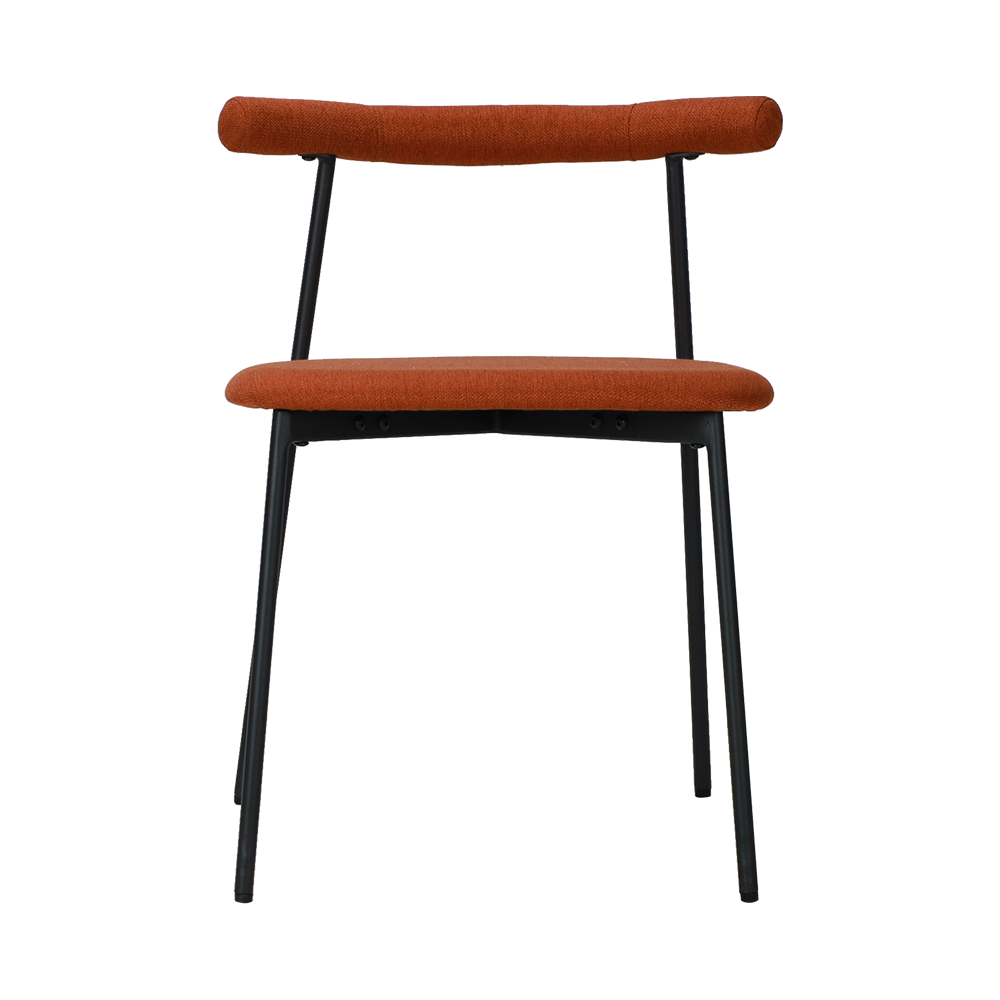
The High Resilience Sponge Cushion Metal Foot Dining Chair offers a blend of comfort, style, and dur... -
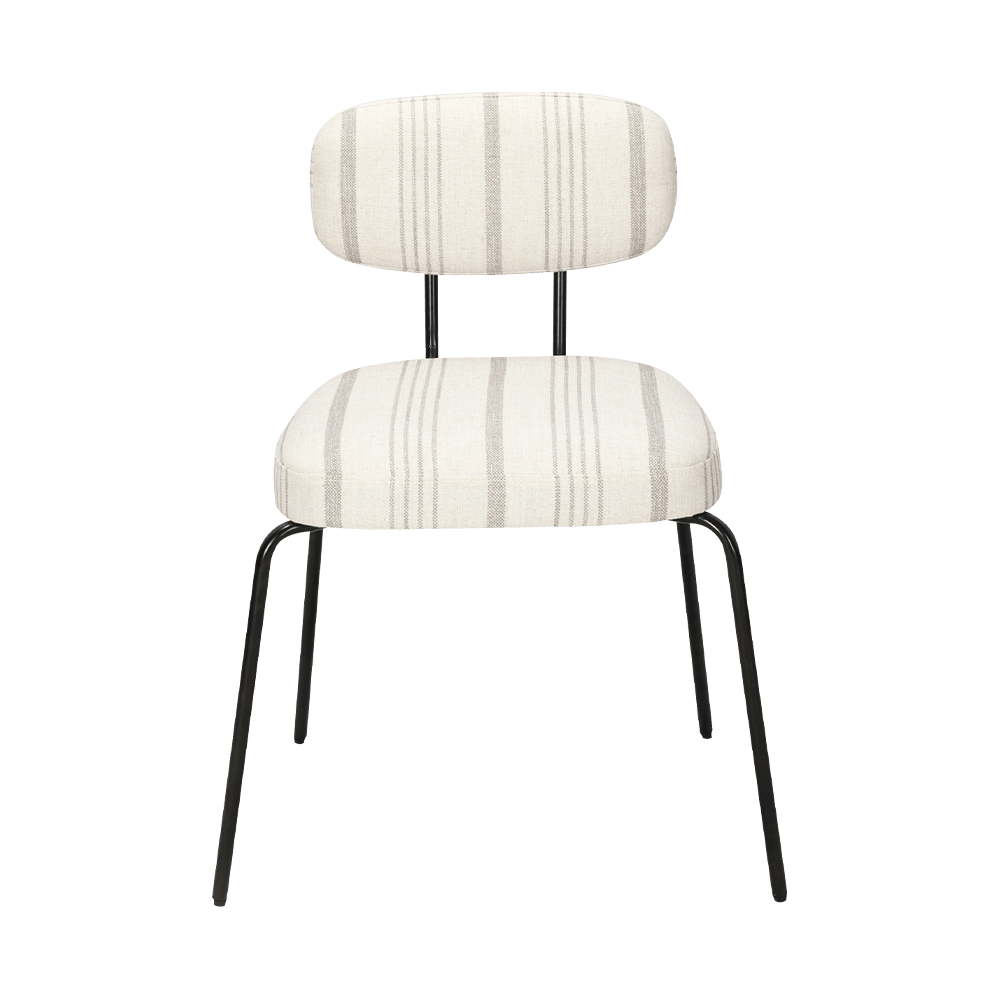
This WS6357 white modern metal dining chair features a simple and elegant design, paired with metal ... -
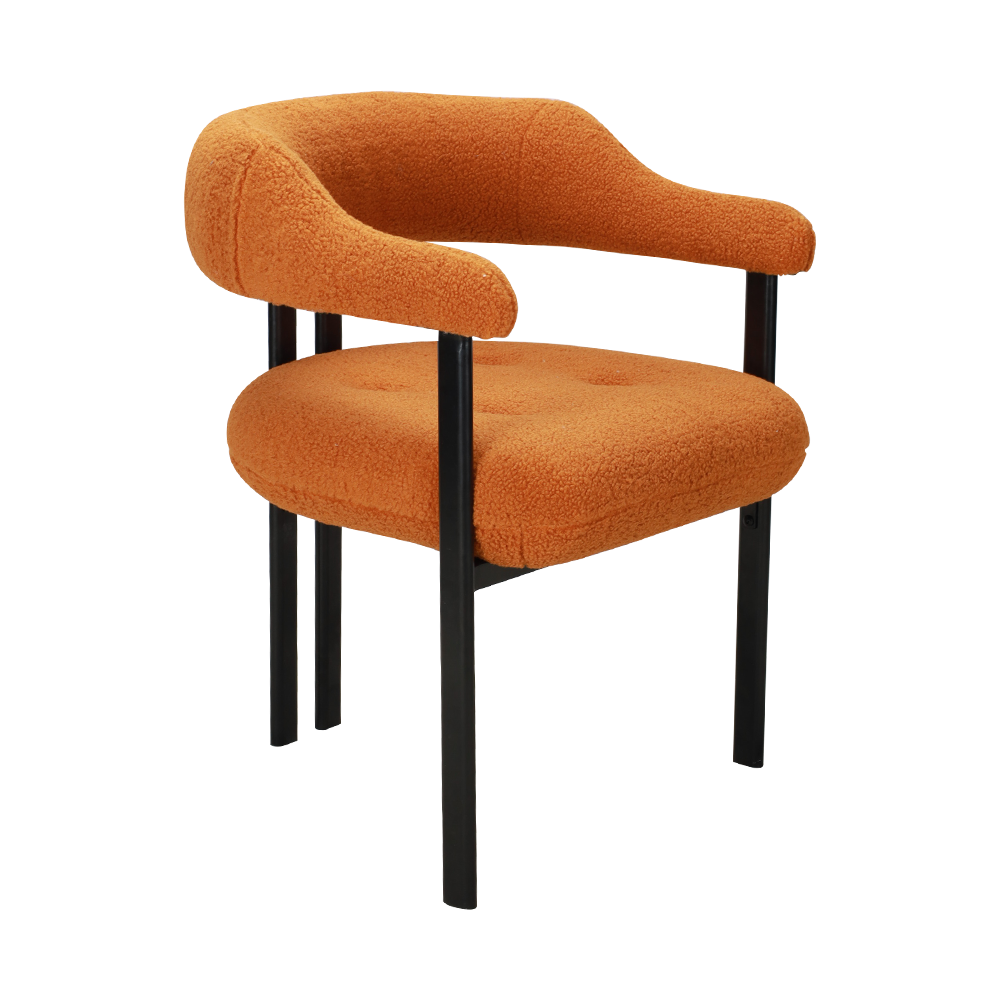
Elevate your dining experience with our WS6353 metal dining chair with a fabric cushion, a blend of ... -
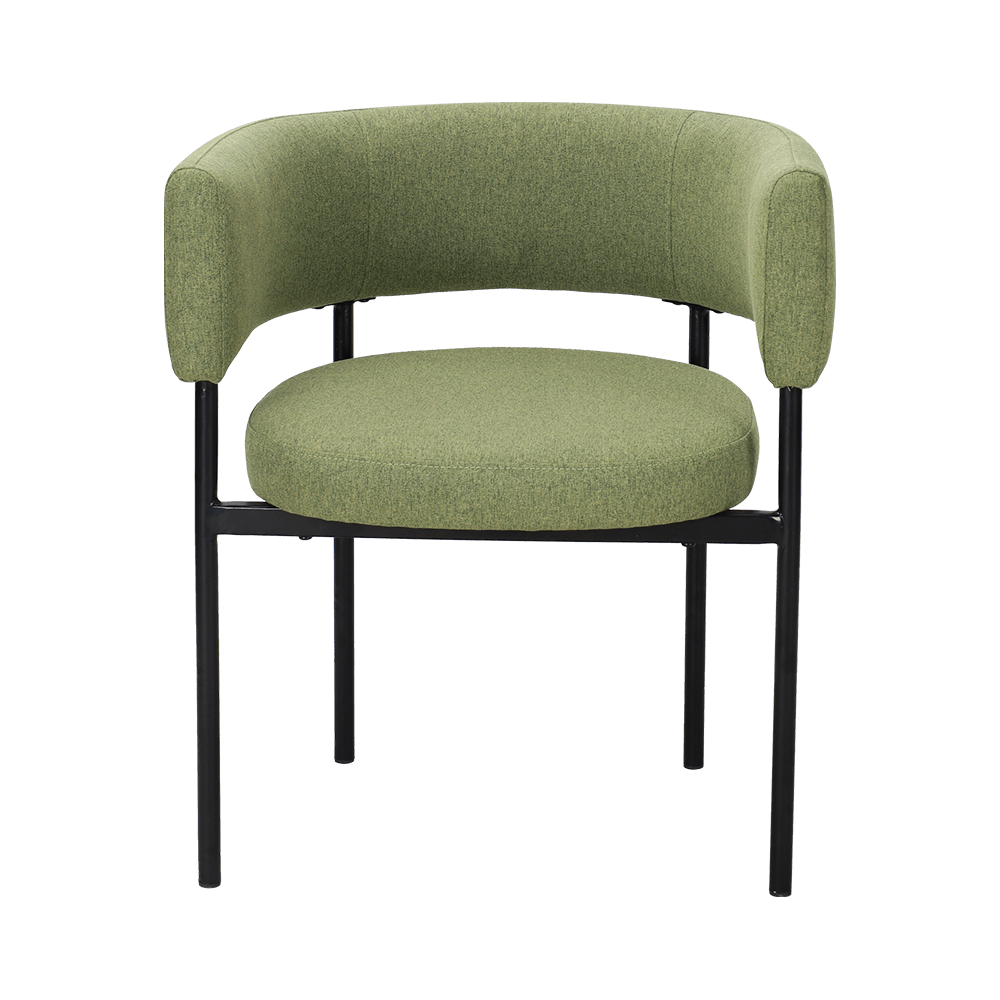
Crafted for both style and functionality, the WS6354 acid green metal leg dining chair features a st... -
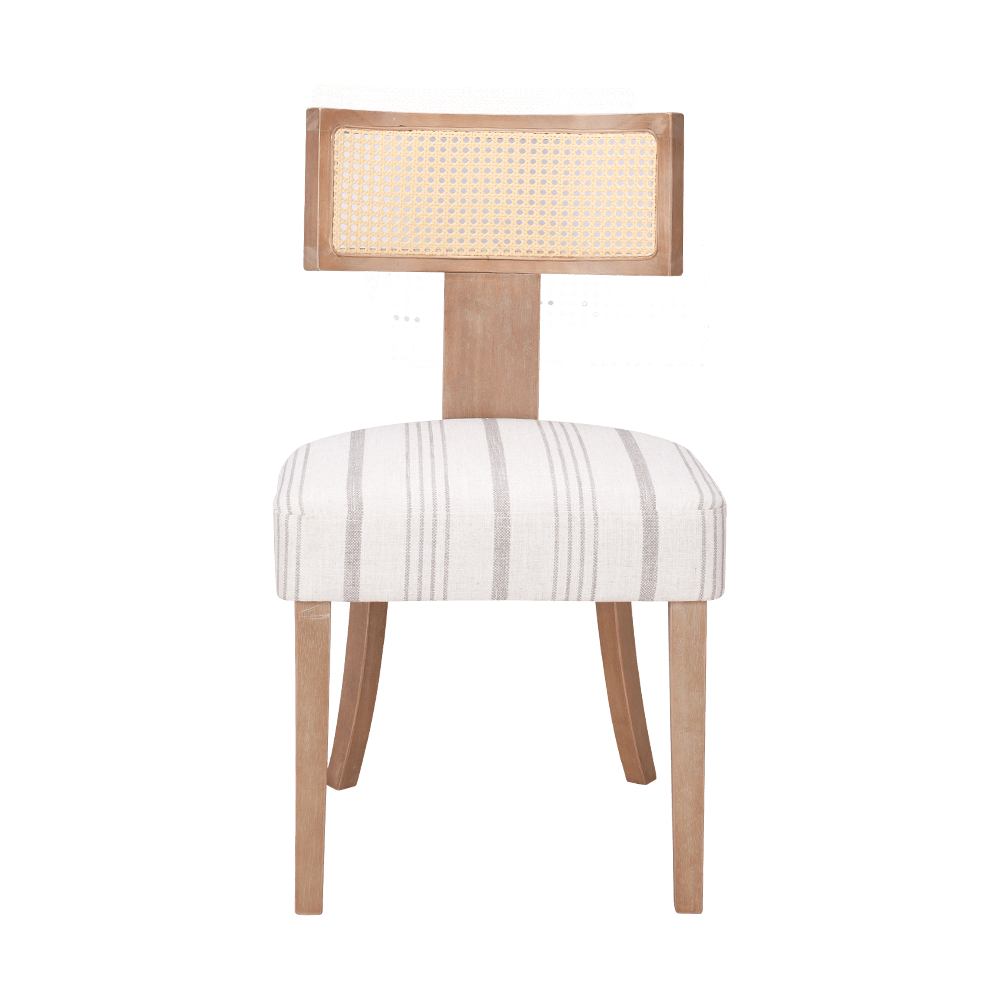
This solid rubber wood dining chair combines natural texture with comfort, featuring a simple yet el... -
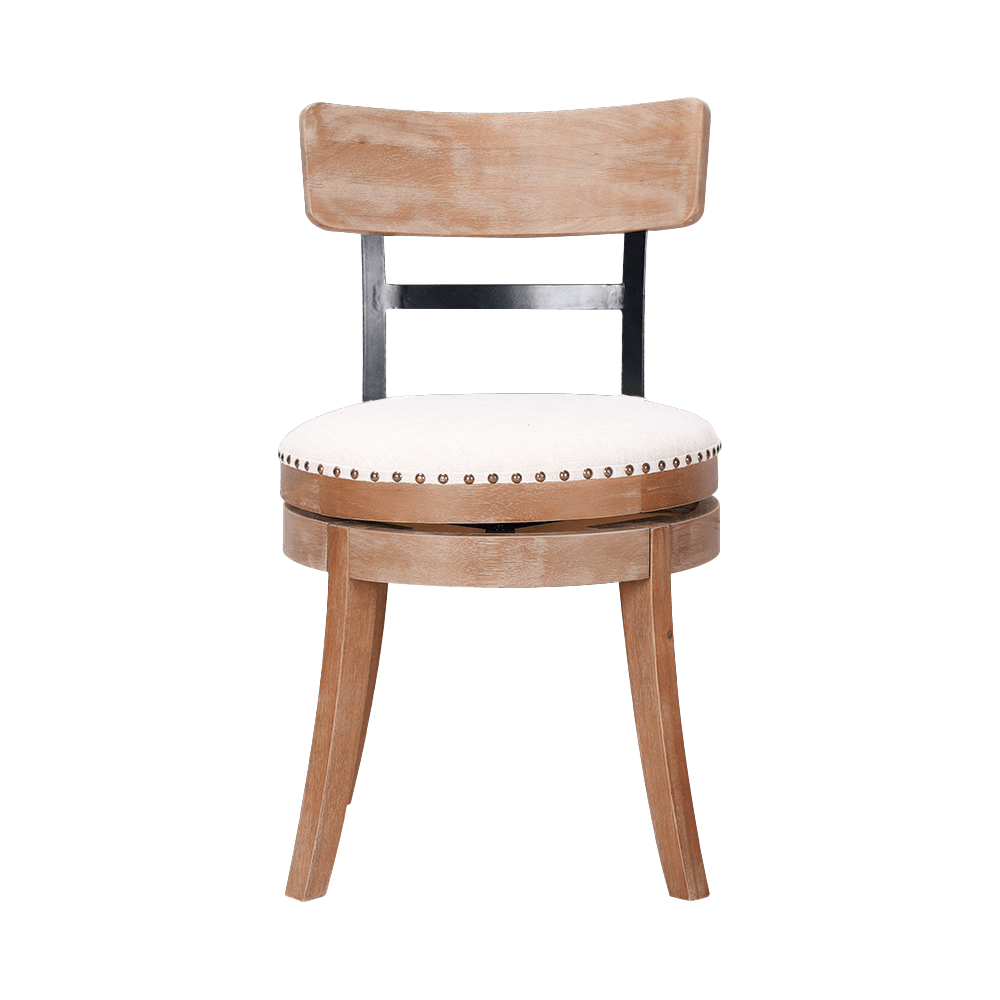
This WS6347 Round Cushion Solid Wood Dining Chair blends comfort with minimalist design, fitting var...

Copyright © Zhejiang Wanchang Furniture Co., Ltd.All Rights Reserved.
Indoor Fabric Sofa Manufacturers

-
 Xucunwancun, Xilong Xiang, Anji County, Zhejiang Province, China
-
 [email protected]
Mobile Site

WeChat Subscription Acount

Copyright © 2024Zhejiang Wanchang Furniture Co., Ltd.
All Rights Reserved.
