


 中文简体
中文简体 English
Solid Wood Dining Chairs: Complete Buying Guide, Care Tips & Style Selection
Posted by Zhejiang Wanchang Furniture Co., Ltd.
Content
- 1 Understanding Solid Wood Construction Quality
- 2 Wood Species Selection and Characteristics
- 3 Evaluating Comfort and Ergonomic Design
- 4 Finish Options and Surface Protection
- 5 Maintenance and Long-Term Care
- 6 Style Coordination and Design Integration
- 7 Purchasing Considerations and Value Assessment
- 8 Sustainable and Environmental Considerations
Understanding Solid Wood Construction Quality
Solid wood dining chairs represent a significant investment in both quality and longevity, distinguished from their veneer or composite counterparts by construction that uses genuine wood throughout the entire frame and visible surfaces. Unlike chairs made with particle board cores or thin wood veneers, solid wood chairs feature structural components milled from single pieces of hardwood or softwood, creating furniture that can withstand decades of daily use while developing character through natural aging.
The construction quality of solid wood dining chairs depends on several critical factors including joinery methods, wood selection, and finishing techniques. Premium chairs utilize mortise-and-tenon joints, where precisely cut tongues fit into matching slots and are secured with wood glue and sometimes dowels or screws. This traditional joinery creates structural integrity far superior to simple butt joints or metal brackets. Corner blocks reinforcing the seat-to-leg connections provide additional stability, particularly important for chairs that will experience regular movement and weight shifts during meals.
Wood grain orientation significantly impacts chair durability and resistance to warping. Quality manufacturers orient grain to follow stress lines, placing vertical grain along chair legs for maximum strength and horizontal grain across seat frames to resist splitting. The thickness of wood components indicates quality, with chair legs typically measuring between 1.5 to 2.5 inches in diameter and seat frames using lumber at least 0.75 inches thick. Thinner components may reduce costs but compromise structural longevity and stability.
Wood Species Selection and Characteristics
Different wood species offer distinct aesthetic qualities, durability profiles, and price points that significantly influence the performance and appearance of dining chairs. Understanding these characteristics helps buyers select chairs that align with their functional needs, design preferences, and budget constraints.
Hardwood Options for Dining Chairs
Oak remains one of the most popular choices for solid wood dining chairs, prized for its exceptional strength, prominent grain patterns, and resistance to wear. Red oak displays a warm, pinkish-brown tone with pronounced grain, while white oak offers slightly cooler tones and superior moisture resistance. Both varieties rank high on the Janka hardness scale at approximately 1,290 to 1,360 pounds-force, ensuring chairs withstand regular use without showing excessive wear on contact points like seat edges and armrests.
Maple provides a harder alternative to oak, measuring 1,450 on the Janka scale, with a fine, consistent grain that accepts stains uniformly. Hard maple's light, creamy color serves as an excellent foundation for both natural finishes that highlight the wood's subtle grain and darker stains for traditional aesthetics. The wood's density creates chairs with exceptional impact resistance, though this same hardness can make maple more challenging to work with, often reflected in higher manufacturing costs.
Walnut delivers rich, chocolate-brown tones with dramatic grain patterns that darken with age and light exposure. While slightly softer than oak at 1,010 Janka hardness, walnut offers superior workability and exceptional dimensional stability, resisting warping and cracking in varying humidity conditions. The species commands premium pricing due to slower growth rates and high demand for its distinctive appearance. Walnut chairs typically feature clear finishes that showcase the wood's natural beauty rather than stains that would obscure the characteristic coloring.
Cherry wood develops increasingly rich red tones through oxidation over years of use, beginning with a lighter pinkish-tan color that matures into deep reddish-brown hues. This natural aging process creates heirloom-quality chairs that become more beautiful with time. Cherry's moderate hardness of 950 Janka makes it easier to carve for decorative details while still providing adequate durability for dining chair applications. The wood's fine, straight grain accepts finishes beautifully, though cherry's tendency to show scratches more readily than harder species requires consideration for high-traffic dining areas.
Alternative Wood Choices
Ash delivers light coloring with pronounced grain patterns similar to oak but with slightly lower density at 1,320 Janka hardness. The species offers excellent shock resistance and flexibility, making it particularly suitable for chairs with curved or bent components. Ash accepts stains readily and provides good value compared to premium hardwoods, though recent concerns about emerald ash borer infestations have affected availability in some regions.
Beech presents a fine, even texture with minimal grain figure, creating chairs with clean, contemporary appearances. European beech measures approximately 1,300 Janka hardness and demonstrates excellent strength-to-weight ratios. The wood's ability to bend when steamed makes it ideal for chairs featuring curved backs or seats. Beech's neutral tan coloring accepts stains uniformly, allowing manufacturers to achieve consistent color across large production runs.
| Wood Species | Janka Hardness | Color Range | Grain Pattern | Price Point |
| Oak | 1,290-1,360 | Light tan to medium brown | Prominent, open grain | Moderate |
| Maple | 1,450 | Cream to light brown | Fine, uniform grain | Moderate to high |
| Walnut | 1,010 | Rich chocolate brown | Straight with dark streaks | Premium |
| Cherry | 950 | Light pink to deep red | Fine, straight grain | High |
| Ash | 1,320 | White to light brown | Pronounced, similar to oak | Moderate |
| Beech | 1,300 | Pale cream to pink-brown | Fine, even texture | Moderate |
Evaluating Comfort and Ergonomic Design
Comfort in solid wood dining chairs results from careful attention to dimensions, angles, and support features that accommodate the human body during extended seating periods. Unlike upholstered furniture where cushioning compensates for dimensional shortcomings, solid wood chairs rely on precise geometry to provide comfortable seating without soft materials.
Seat height typically ranges from 17 to 19 inches from floor to seat surface, measured at the front edge where users initially sit. This dimension must coordinate with table height, generally 28 to 30 inches, to provide adequate leg clearance and comfortable arm positioning for dining. A clearance of 10 to 12 inches between seat and table underside allows most adults to sit comfortably without knee contact. Chairs intended for counter-height tables require seat heights of 24 to 26 inches, while bar-height seating positions seats at 28 to 30 inches.
Seat depth affects both comfort and posture, with optimal measurements between 16 and 18 inches from front edge to backrest. Deeper seats accommodate taller individuals but may cause shorter users' feet to dangle, while shallow seats provide inadequate thigh support. The seat should support approximately two-thirds of the thigh length, allowing the back to contact the backrest while feet rest flat on the floor. Some manufacturers offer chairs with slightly curved seat surfaces that cradle the body's natural contours, though many traditional designs feature flat seats that work well when properly proportioned.
Back support design varies considerably across different chair styles, from simple ladder-back configurations to elaborate carved splats and contoured lumbar supports. Effective back support positions the backrest angle between 100 and 110 degrees from the seat surface, providing comfortable recline without forcing upright rigidity. The backrest should contact the lower back at approximately 6 to 8 inches above the seat, supporting the lumbar curve without creating pressure points. Chairs with wider, sculpted backrests distribute pressure across broader areas, improving comfort during extended seating.
- Armrests should position 7 to 9 inches above the seat surface, allowing arms to rest comfortably with shoulders relaxed
- Seat width between armrests or at narrowest point should measure at least 18 inches to accommodate most body types
- Front seat edge should feature a slight roundover or waterfall edge to prevent pressure on the back of thighs
- Leg placement and stretchers must not interfere with natural foot positioning or movement
- Weight capacity should exceed 250 pounds for standard residential use, with commercial applications requiring 300+ pound ratings
Finish Options and Surface Protection
The finish applied to solid wood dining chairs serves multiple functions including protecting wood from moisture damage, preventing staining from spills and contact, enhancing natural grain patterns, and providing the desired color and sheen level. Different finish types offer varying levels of protection, maintenance requirements, and aesthetic qualities that significantly impact both the chairs' appearance and longevity.
Film-Forming Finishes
Polyurethane finishes create durable surface films that excel at protecting wood from water damage, alcohol spills, and general wear. Water-based polyurethanes dry clear without adding amber tones, preserving the wood's natural color while providing excellent protection. These finishes cure through evaporation and chemical cross-linking, creating hard surfaces resistant to common dining hazards. Multiple thin coats build to final film thickness of 3 to 5 mils, with light sanding between coats ensuring proper adhesion. Water-based formulations emit fewer volatile organic compounds during application and cleanup compared to oil-based alternatives.
Oil-based polyurethanes enhance wood grain with warm amber tones that deepen over time, creating rich appearances particularly complementary to oak, maple, and pine. These finishes generally provide superior durability compared to water-based versions, with better resistance to chemicals and physical abrasion. The trade-offs include longer drying times between coats, stronger odors during application, and eventual yellowing that continues throughout the finish's lifespan. For dining chairs in traditional or rustic settings where enhanced wood tones align with design goals, oil-based polyurethane delivers excellent performance.
Lacquer finishes dry extremely quickly through solvent evaporation, allowing multiple coats in single work sessions and facilitating efficient production schedules. The resulting finish forms hard, clear films that polish to high-gloss sheens or rub down to satin appearances. Lacquer provides good moisture resistance and repairs easily through re-coating, as new applications dissolve into existing layers rather than forming distinct boundaries. However, lacquer's susceptibility to damage from alcohol, heat, and solvents makes it less suitable for dining chairs that will encounter wine spills, hot dishes, or cleaning products.
Penetrating Oil Finishes
Tung oil and linseed oil penetrate wood fibers rather than forming surface films, creating natural-looking finishes that enhance grain while providing moderate protection. These oils polymerize within wood pores, hardening to create water-resistant barriers that maintain wood's natural texture. The application process involves flooding surfaces with oil, allowing 15 to 30 minutes penetration time, then wiping away excess before it becomes tacky. Multiple applications build protection gradually, with 3 to 5 coats providing adequate protection for dining chair use.
Danish oil represents a hybrid approach combining penetrating oils with small amounts of varnish, creating finishes slightly more protective than pure oils while retaining natural appearance and easy application. The varnish component provides enhanced water resistance and surface hardness compared to straight oil finishes. Danish oil works particularly well on open-grained woods like oak and ash, where the finish settles into grain valleys, creating subtle highlighting effects. Maintenance requires periodic reapplication, typically every 1 to 2 years depending on use intensity.
Specialty Finishing Considerations
Conversion varnish finishes used in commercial furniture manufacturing cure through chemical catalyzation, creating extremely durable surfaces resistant to scratches, chemicals, and moisture. These professional-grade finishes require specialized equipment and expertise but deliver superior performance in high-use environments. The catalyzed cure creates cross-linked molecular structures significantly harder than air-dry finishes, though damaged areas require complete refinishing rather than simple touch-ups.
Distressed or antiqued finishes intentionally create worn appearances through techniques including edge rounding, chain distressing, fly-specking, and color glazing. These decorative treatments often combine with standard protective topcoats that seal the distressed surface while allowing the aged character to show. The aesthetic appeals to buyers seeking furniture with character and visual interest, though authentic solid wood construction ensures these chairs will develop genuine patina alongside the artificial aging effects.
Maintenance and Long-Term Care
Proper maintenance preserves solid wood dining chairs' beauty and structural integrity across generations of use. Regular care prevents common problems including finish deterioration, joint loosening, and wood damage from environmental factors or use patterns. A systematic maintenance approach addresses both routine cleaning and periodic restoration activities.
Daily and weekly cleaning involves removing dust and food particles with soft, dry cloths or microfiber dusters that capture debris without scratching finished surfaces. For more thorough cleaning, slightly dampened cloths remove sticky residues and fingerprints, though excess moisture should never contact wood surfaces. Immediate attention to spills prevents liquid penetration that can damage finishes and raise wood grain. Water rings from glass condensation lift with gentle rubbing using a cloth dampened with mineral spirits or a paste of baking soda and water applied briefly then wiped clean.
Environmental control significantly impacts solid wood stability and finish longevity. Relative humidity should remain between 35% and 55% year-round to minimize wood expansion and contraction that causes joints to loosen and finishes to crack. Humidifiers during dry winter months and dehumidifiers in humid climates help maintain optimal conditions. Positioning chairs away from heat registers, air conditioning vents, and direct sunlight prevents localized drying or moisture accumulation that creates uneven dimensional changes across chair components.
- Apply furniture paste wax every 6 to 12 months to film finishes for enhanced luster and additional moisture protection
- Inspect joints annually for signs of loosening, tightening screws or re-gluing joints before failure occurs
- Rotate chair positions periodically if some receive more use than others to distribute wear evenly
- Use felt pads or rubber caps on leg bottoms to protect floors and reduce noise during movement
- Avoid dragging chairs across floors, instead lifting them by the seat frame to prevent joint stress
- Clean underneath and between components during deep cleaning to prevent dust accumulation
Refinishing becomes necessary when finishes show extensive wear, scratches penetrate through protective layers, or color preferences change. The process begins with finish removal through chemical strippers or careful sanding, working through progressively finer grits from 80 or 120 up to 220. Complete finish removal reveals bare wood ready for staining if desired, followed by new protective topcoats. Many homeowners successfully refinish solid wood chairs using readily available products and basic tools, though professional refinishing ensures optimal results for valuable or antique pieces.
Joint repair addresses the most common structural issue in solid wood dining chairs. Loose joints require disassembly, removal of old glue residue, and re-gluing with fresh wood adhesive. Mortise-and-tenon joints benefit from modern wood glues that create bonds stronger than the surrounding wood when properly clamped during curing. Broken components sometimes require complete replacement, a task simplified by solid wood construction that allows new pieces to be shaped and fitted using traditional woodworking techniques. Maintaining original joinery methods during repairs preserves chair authenticity and ensures repairs match original strength.
Style Coordination and Design Integration
Selecting solid wood dining chairs requires consideration of how their style, proportions, and finish integrate with existing dining tables, room architecture, and overall interior design schemes. Successful coordination creates cohesive dining spaces that feel intentional and well-composed rather than haphazard or mismatched.
Traditional dining rooms typically feature formal chair designs with details including turned legs, carved backs, upholstered seats, and rich wood tones. Chairs in classic styles such as Queen Anne, Chippendale, or Windsor complement formal dining tables with similar detailing and wood species. Matching wood tones between chairs and tables creates unified, traditional appearances, though intentional mixing of woods can add visual interest when carefully executed. Upholstered seats in traditional dining chairs provide comfort during extended meals while offering opportunities to introduce fabric patterns and colors that coordinate with window treatments and room textiles.
Contemporary and modern interiors favor cleaner-lined chairs with minimal ornamentation, straight legs, and simple geometric forms. Woods with subtle grain patterns like maple or beech suit these aesthetics, often finished in natural tones or light stains that maintain brightness. Walnut provides dramatic contrast for modern settings, particularly when combined with lighter-toned tables or used as accent chairs among lighter wood seating. The simplicity of modern solid wood chairs allows their form and material quality to speak without competing decorative elements.
Rustic and farmhouse styles embrace solid wood chairs with visible wood character including knots, grain variation, and natural color differences between pieces. Distressed finishes, chunky proportions, and simple construction techniques align with casual, lived-in aesthetics. Mixing chair styles around farmhouse tables creates collected-over-time appearances, though maintaining consistent wood tones or finish styles provides visual cohesion despite varied forms. Ladder-back and Windsor-style chairs particularly suit rustic settings, their traditional forms and straightforward construction embodying farmhouse sensibilities.
Transitional design bridges traditional and contemporary aesthetics through simplified traditional forms or contemporary designs with subtle traditional detailing. Solid wood chairs in transitional spaces might feature tapered legs rather than turned, with straight-lined backs including minimal carved details or shaped splats. Neutral wood finishes in medium tones work across style boundaries, maintaining flexibility as design preferences evolve. The versatility of transitional chairs makes them excellent choices for buyers who appreciate both traditional craftsmanship and contemporary simplicity.
Purchasing Considerations and Value Assessment
Investing in solid wood dining chairs requires evaluation of multiple factors beyond initial purchase price, including construction quality, manufacturer reputation, warranty coverage, and long-term value retention. Understanding these considerations helps buyers make informed decisions that balance budget constraints with quality expectations and longevity requirements.
Price ranges for solid wood dining chairs span from under $100 per chair for basic designs in common hardwoods to over $1,000 per chair for premium species with elaborate details and superior construction. Mid-range chairs typically cost $200 to $500 each, offering solid construction, attractive designs, and durable finishes suitable for decades of regular use. The price differential reflects factors including wood species, construction complexity, finish quality, country of manufacture, and brand positioning. Domestic manufacturers often command premium pricing reflecting higher labor costs but may provide superior quality control and customer service compared to imported alternatives.
Construction inspection reveals quality differences that justify price variations. Examine joint areas for tight fits without visible gaps, ensuring mortise-and-tenon or dowel joints rather than simple screwed connections. Check for corner blocks reinforcing seat frames and leg attachments. Assess wood thickness in legs and seat frames, avoiding chairs with components that feel lightweight or flex under moderate pressure. Test stability by gently rocking the chair on different leg pairs, noting any wobbling that indicates poor construction or loose joints.
| Quality Indicator | Premium Quality | Standard Quality | Budget Quality |
| Joinery Method | Mortise-and-tenon with glue | Dowels with glue and screws | Screws or staples only |
| Wood Selection | Premium hardwoods, select grade | Common hardwoods, #1 grade | Mixed grades with defects |
| Finish Application | Hand-rubbed, multiple coats | Spray-applied, 3-4 coats | Minimal coats, inconsistent |
| Weight per Chair | 18-25+ pounds | 12-18 pounds | Under 12 pounds |
| Warranty Coverage | Lifetime or 10+ years | 1-5 years | 30-90 days or none |
Warranty terms provide insight into manufacturer confidence in their construction quality. Lifetime warranties on structural components indicate builders expect their joinery and wood selection to last indefinitely under normal use. More limited warranties covering 1 to 5 years suggest adequate but not exceptional construction. Finish warranties typically extend for shorter periods than structural coverage, as finish wear depends heavily on maintenance and use patterns beyond manufacturer control.
Buying sets versus individual chairs involves trade-offs between cost savings and flexibility. Sets of 4, 6, or 8 chairs typically offer per-chair discounts of 10% to 20% compared to individual pricing. However, purchasing exact quantities needed rather than predetermined sets prevents over-buying or under-furnishing. Many buyers purchase matching side chairs in sets with separate armchair purchases for table ends, creating cohesive appearances while providing distinguished seating for hosts. This approach works particularly well when manufacturers offer chairs in coordinated collections with matching side and arm versions.
Sustainable and Environmental Considerations
Environmental consciousness increasingly influences furniture purchasing decisions, with solid wood chairs offering inherent sustainability advantages when sourced and manufactured responsibly. Understanding certification systems, wood sourcing practices, and manufacturing impacts helps buyers align purchases with environmental values.
Forest Stewardship Council (FSC) certification verifies wood originates from responsibly managed forests that maintain biodiversity, protect indigenous peoples' rights, and ensure long-term forest health. FSC-certified furniture carries chain-of-custody documentation tracking wood from forest through manufacturing to final sale. While FSC certification increases costs slightly, it provides assurance that chair production supports sustainable forestry rather than contributing to deforestation or ecosystem degradation.
Domestic hardwood species like oak, maple, cherry, and walnut generally represent more sustainable choices than tropical imports when harvested from North American forests managed under state and federal regulations. The shorter transportation distances reduce carbon footprints associated with shipping, while supporting regional forestry economies encourages continued sustainable management. Reclaimed wood from deconstructed buildings or recovered from rivers offers maximum sustainability by repurposing existing timber rather than harvesting living trees, though higher processing costs typically elevate pricing.
Manufacturing practices significantly impact environmental footprints beyond wood sourcing. Water-based finishes reduce volatile organic compound emissions compared to solvent-based alternatives, improving air quality during production and in homes after delivery. Manufacturers implementing waste reduction through efficient cutting patterns and using sawdust and scraps for particleboard or energy generation demonstrate environmental stewardship. Local or regional manufacturing reduces transportation impacts while supporting community employment.
The longevity inherent to quality solid wood chairs represents perhaps their greatest environmental benefit. Chairs lasting 30, 50, or 100+ years with periodic refinishing avoid the waste generated by shorter-lived furniture requiring replacement every 5 to 10 years. This durability means solid wood chairs, despite higher initial costs and resource use during manufacture, ultimately consume fewer resources per year of service than cheaper alternatives requiring frequent replacement. The ability to repair, refinish, and restore solid wood chairs enables multi-generational use that matches heirloom aspirations with environmental responsibility.
-
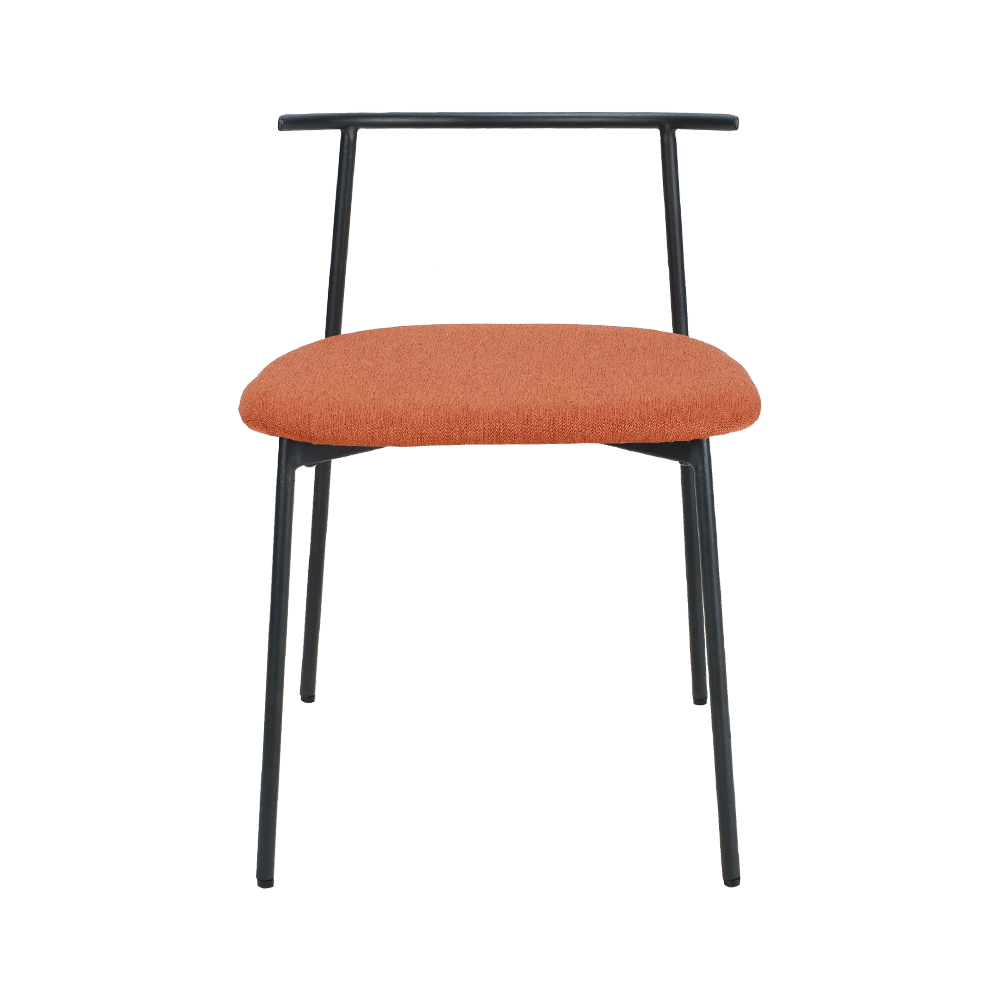
The curved back metal leg dining chair is a blend of modern design and classic comfort, offering an ... -
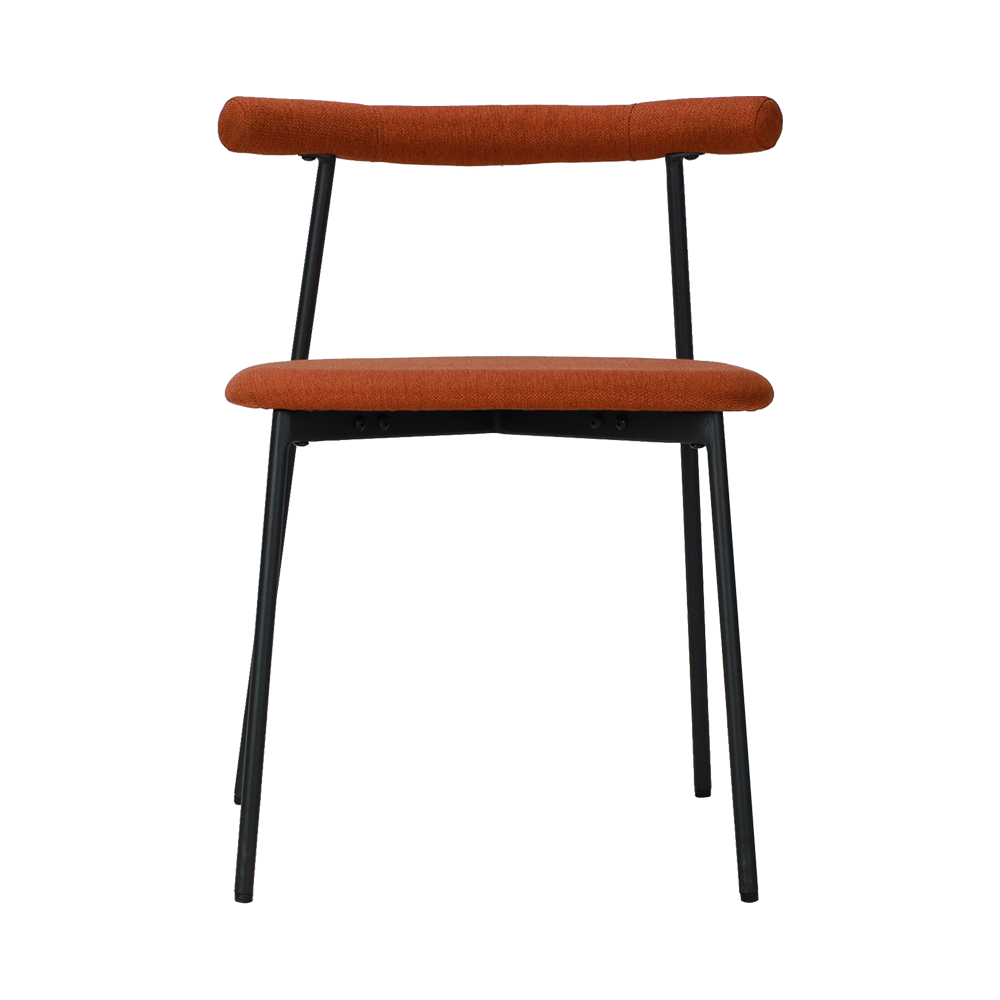
The High Resilience Sponge Cushion Metal Foot Dining Chair offers a blend of comfort, style, and dur... -
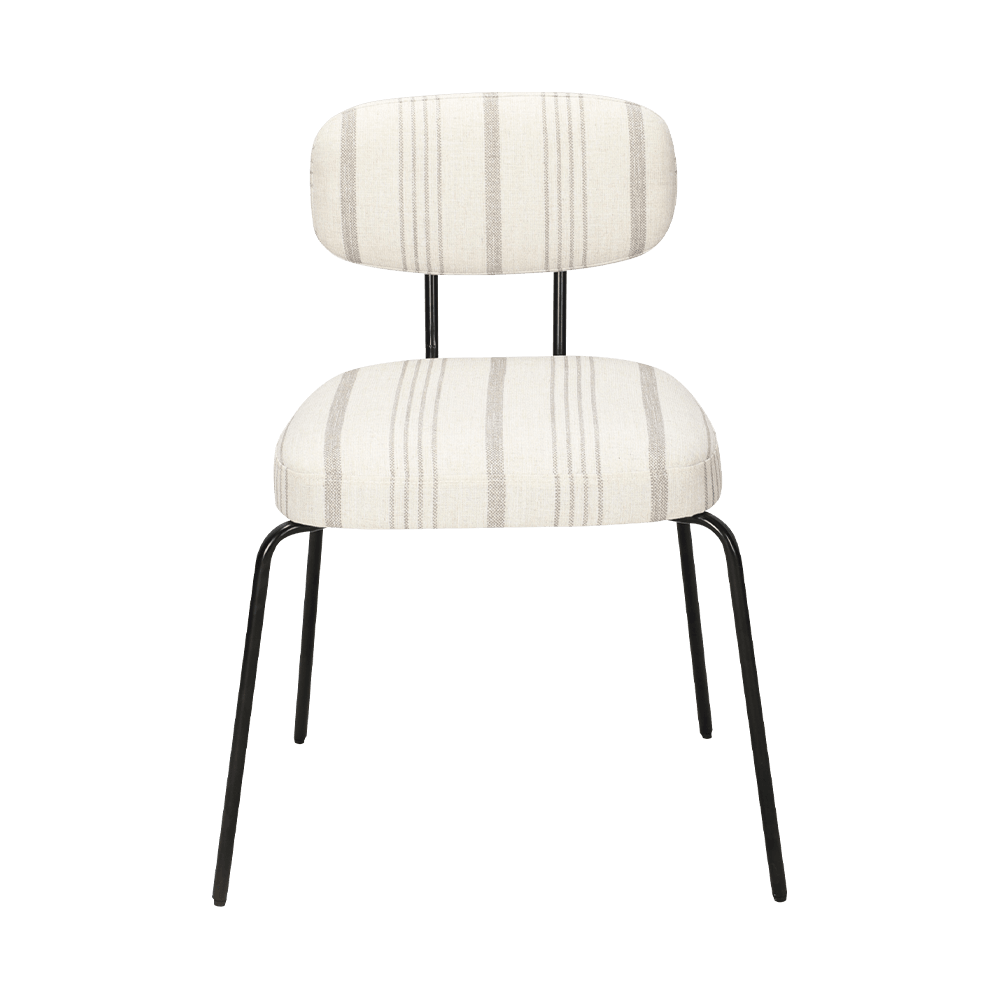
This WS6357 white modern metal dining chair features a simple and elegant design, paired with metal ... -
Elevate your dining experience with our WS6353 metal dining chair with a fabric cushion, a blend of ... -
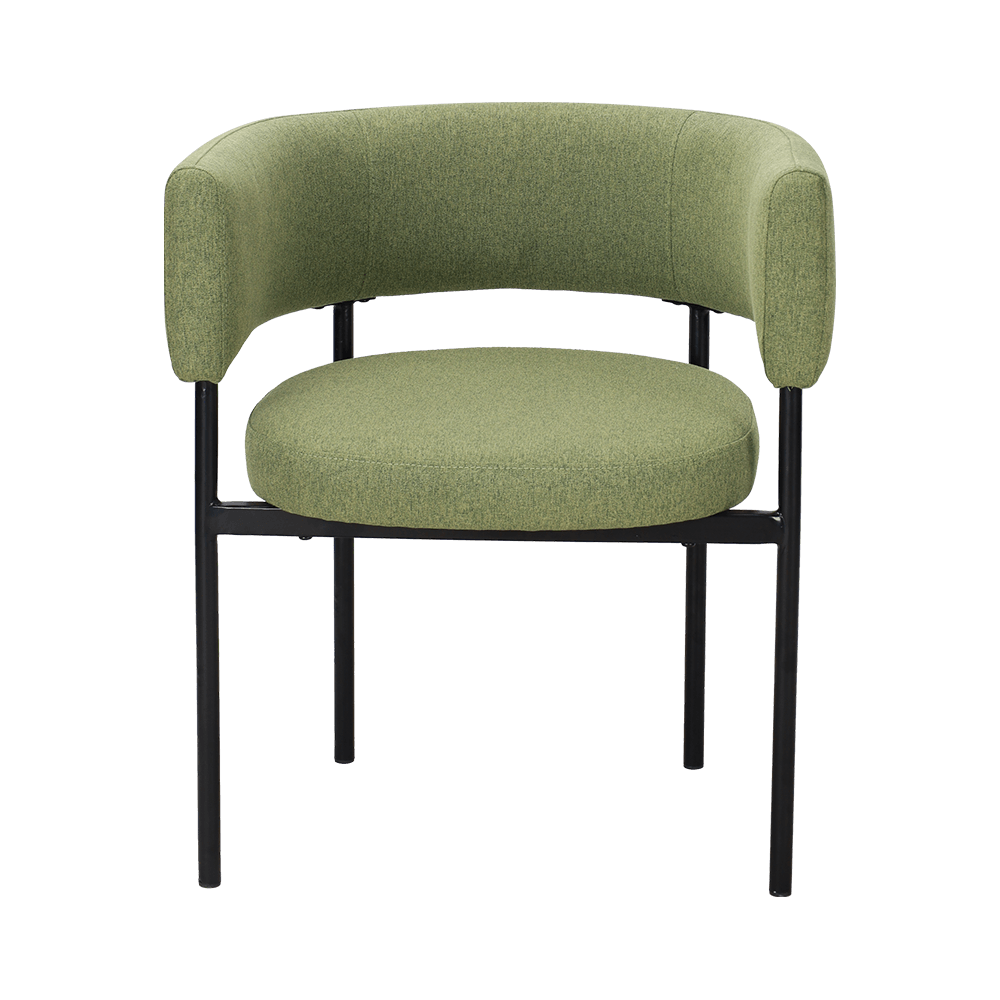
Crafted for both style and functionality, the WS6354 acid green metal leg dining chair features a st... -
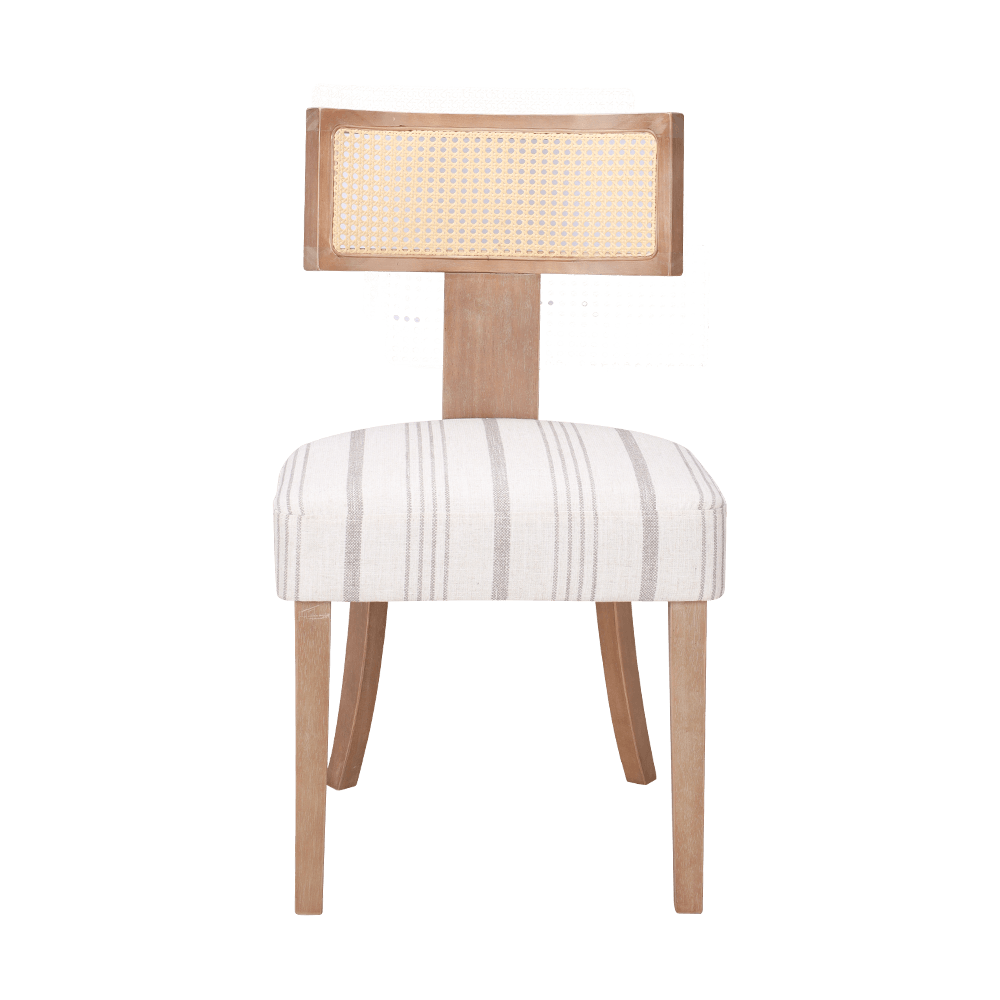
This solid rubber wood dining chair combines natural texture with comfort, featuring a simple yet el... -
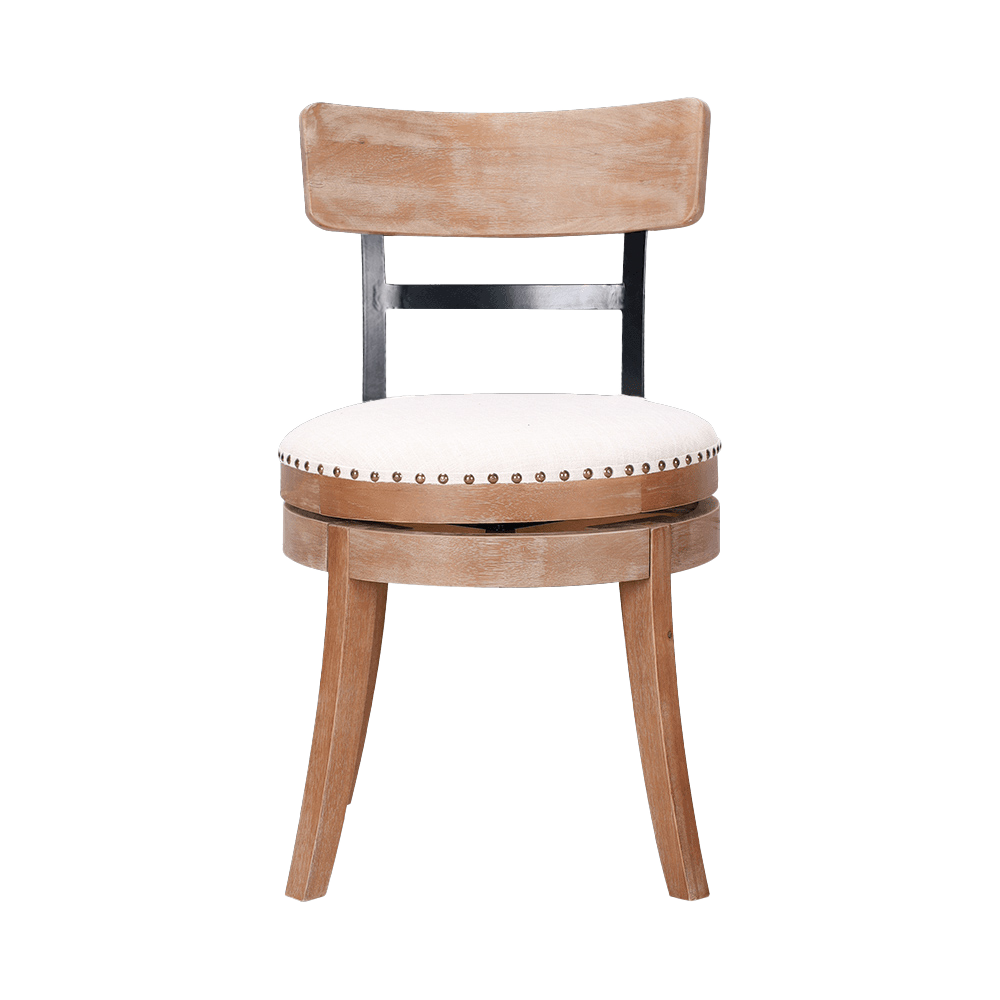
This WS6347 Round Cushion Solid Wood Dining Chair blends comfort with minimalist design, fitting var...

Copyright © Zhejiang Wanchang Furniture Co., Ltd.All Rights Reserved.
Indoor Fabric Sofa Manufacturers

-
 Xucunwancun, Xilong Xiang, Anji County, Zhejiang Province, China
-
 [email protected]
Mobile Site

WeChat Subscription Acount

Copyright © 2024Zhejiang Wanchang Furniture Co., Ltd.
All Rights Reserved.
