


 中文简体
中文简体 English
Indoor Lounge Chairs: Defining Comfort and Style in Personal Spaces
Posted by Zhejiang Wanchang Furniture Co., Ltd.
Indoor lounge chairs are more than just seating; they are design statements and personal sanctuaries within the home. Distinct from upright dining or task chairs, lounge chairs are engineered for prolonged relaxation, offering deep seats, supportive angles, and materials that invite you to unwind. They serve as focal points in living rooms, reading nooks, bedrooms, and home offices, blending ergonomic comfort with aesthetic appeal to create a dedicated space for rest, reflection, and leisure.
Content
Distinct Styles of Indoor Lounge Chairs
The design of a lounge chair fundamentally shapes the ambiance of a room. From timeless classics to contemporary innovations, understanding key styles helps in selecting a chair that complements your interior design vision.
Modern and Mid-Century Modern
Characterized by clean lines, organic curves, and minimalist silhouettes. Think of iconic designs like the Eames Lounge Chair or the Egg Chair. These often feature molded wood, leather upholstery, and slender metal legs, emphasizing both form and function.
Traditional and Classic
Evoking a sense of grandeur and comfort, traditional lounge chairs often include rolled arms, detailed woodwork (like cabriole legs), nailhead trim, and rich, patterned fabrics such as velvet or damask. Wingback chairs are a prime example, offering enveloping support.
Contemporary and Transitional
This style blends elements from modern and traditional designs, resulting in versatile pieces that fit a wide range of decors. They might feature the streamlined look of modern design but with softer edges and more textured, approachable fabrics.
Ergonomic and Recliners
Focused on ultimate physical comfort, these chairs prioritize adjustability. They may offer built-in lumbar support, adjustable headrests, extendable footrests (ottomans), and smooth recline mechanisms, often operated by a lever or button.
Key Materials: Construction and Upholstery
The longevity, comfort, and feel of a lounge chair are determined by its materials. Quality construction involves a synergy between a sturdy frame, supportive cushioning, and a durable, pleasing fabric or leather.
| Component | Common Materials | Characteristics & Considerations |
|---|---|---|
| Frame | Hardwood (Oak, Maple, Beech), Plywood, Steel, Aluminum | Kiln-dried hardwood offers the best strength and resistance to warping. Joints should be reinforced (doweled, screwed, or corner-blocked), not just glued. |
| Seat Suspension | Elastic Webbing, Spring Systems (Sinuous/Coil) | Webbing is common and provides good support; high-end chairs use eight-way hand-tied springs for superior, durable bounce and comfort. |
| Cushioning/Fill | High-Resilience Foam, Down/Feather Blend, Polyester Fiber | High-density foam retains shape. Down blends offer luxurious softness but require fluffing. Look for multi-layered cushioning (e.g., foam core with down wrap) for ideal comfort. |
| Upholstery | Fabric (Linen, Cotton, Velvet, Performance), Genuine/Protected Leather, Faux Leather | Consider durability (Martindale rub test for fabrics), cleanability, and feel. Performance fabrics resist stains and fading. Full-grain leather ages beautifully; top-grain is more uniform. |
A Practical Guide to Choosing Your Lounge Chair
Selecting the perfect lounge chair involves a balance of personal comfort, functional needs, and spatial harmony. Follow this step-by-step guide to make an informed decision.
- 1. Assess Your Space and Scale: Measure the intended area carefully. Ensure there is adequate space for the chair itself, plus room to walk around it and extend any footrest. A large chair in a small room will feel overwhelming, and vice versa.
- 2. Prioritize Ergonomics and "Test Sit": Comfort is non-negotiable. Your feet should rest flat on the floor (or on an ottoman), with knees level with or slightly below hips. The back should be fully supported, especially in the lumbar region. If buying online, read detailed dimension and angle specifications.
- 3. Define Your Primary Use: Is it for reading, watching TV, napping, or as an accent piece? For reading, consider chairs with good arm support and a high back. For napping, a recliner or deep-seated chair is ideal.
- 4. Match Your Design Aesthetic: The chair should harmonize with your existing decor. Consider the lines, color, and texture. It doesn't have to match perfectly but should complement the room's overall style—acting either as a cohesive element or a bold, intentional contrast.
- 5. Evaluate Material for Lifestyle: Households with pets, children, or high usage need durable, easy-to-clean materials like performance fabric, protected leather, or dark, patterned textiles. For a low-traffic adult space, you can prioritize more delicate materials like linen or pure down fill.
- 6. Set a Realistic Budget: Quality lounge chairs are an investment. A higher budget typically buys better frame construction, superior cushioning that won't sag, and more durable upholstery, ensuring the chair remains comfortable and attractive for years.
Styling and Placement for Maximum Impact
A well-placed lounge chair enhances both function and form. Consider these ideas to integrate your chair seamlessly into your home:
Create a Reading Nook: Position the chair near a window or bookshelf. Pair it with a floor lamp for task lighting, a small side table for books and a drink, and a plush throw blanket. This defines a dedicated zone for relaxation.
Anchor a Conversation Area: In a living room, float a pair of lounge chairs opposite a sofa to encourage face-to-face conversation. A shared ottoman or coffee table in the center ties the grouping together.
Utilize Unused Corners: An often-wasted corner can be transformed into a charming retreat with a single lounge chair and a tall, slender plant. The chair itself becomes a sculptural element that softens the angle.
Accessorize Thoughtfully: Layer textures and colors with cushions that complement but don't exactly match the chair's upholstery. A sheepskin rug draped over the arm or a basket next to it holding magazines adds personality and warmth.
Care and Maintenance for Longevity
Proper care preserves the beauty and comfort of your investment. Maintenance routines vary by material.
Fabric Upholstery: Vacuum regularly with an upholstery attachment to remove dust and grit that can wear down fibers. Address spills immediately by blotting (not rubbing) with a clean, damp cloth. Annually, consider a professional fabric clean, especially for natural fibers. Use fabric protectors as a preventive measure.
Leather Upholstery: Dust with a dry, soft cloth weekly. Use a dedicated leather conditioner 2-4 times a year to prevent drying and cracking. Keep away from direct heat and sunlight to avoid fading. Wipe spills promptly and avoid harsh cleaners.
General Upkeep: Rotate and fluff cushions regularly to ensure even wear. Tighten any loose screws or bolts in the frame periodically. Check the stability of the chair, especially if it is a recliner, and follow the manufacturer's instructions for any mechanical parts. Plump back cushions and pillows to maintain their form.
An indoor lounge chair is a personal haven. By thoughtfully considering style, construction, comfort, and placement, you can select a piece that not only elevates your interior design but also provides a cherished spot for daily respite and rejuvenation for many years to come.
-
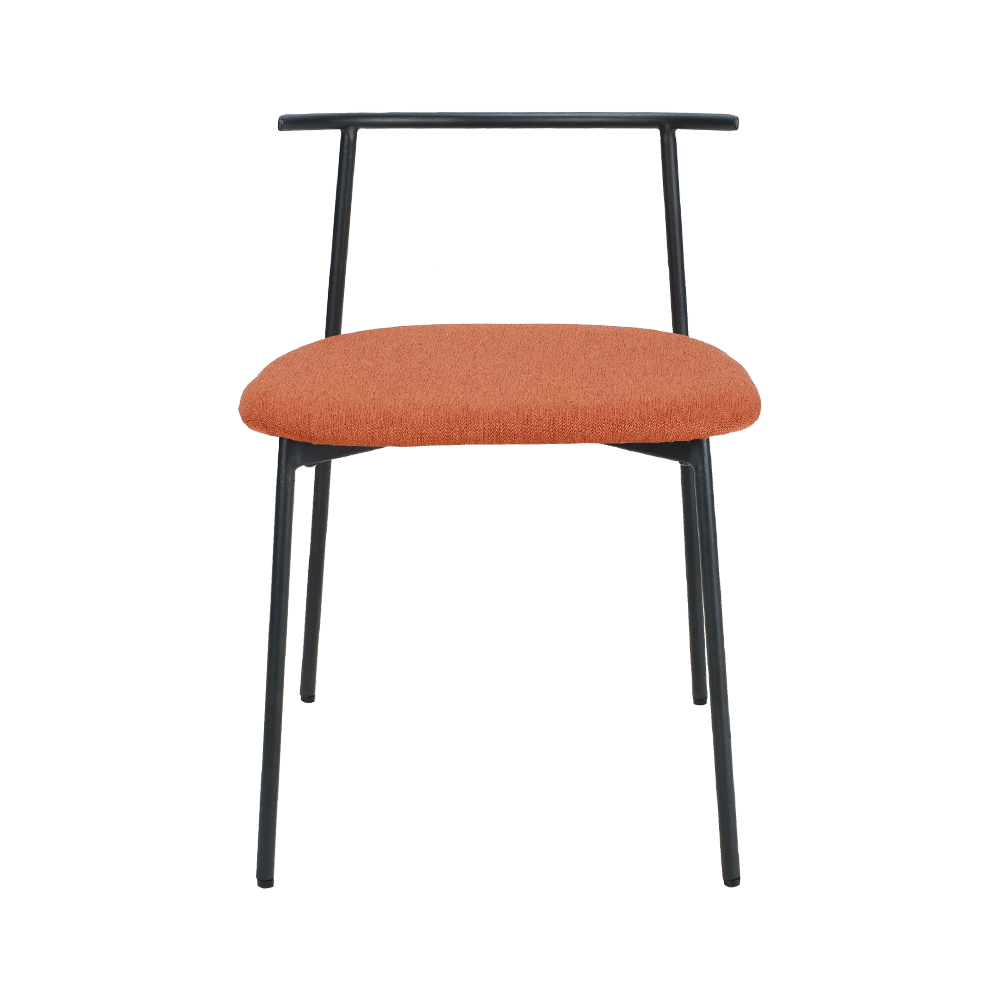
The curved back metal leg dining chair is a blend of modern design and classic comfort, offering an ... -
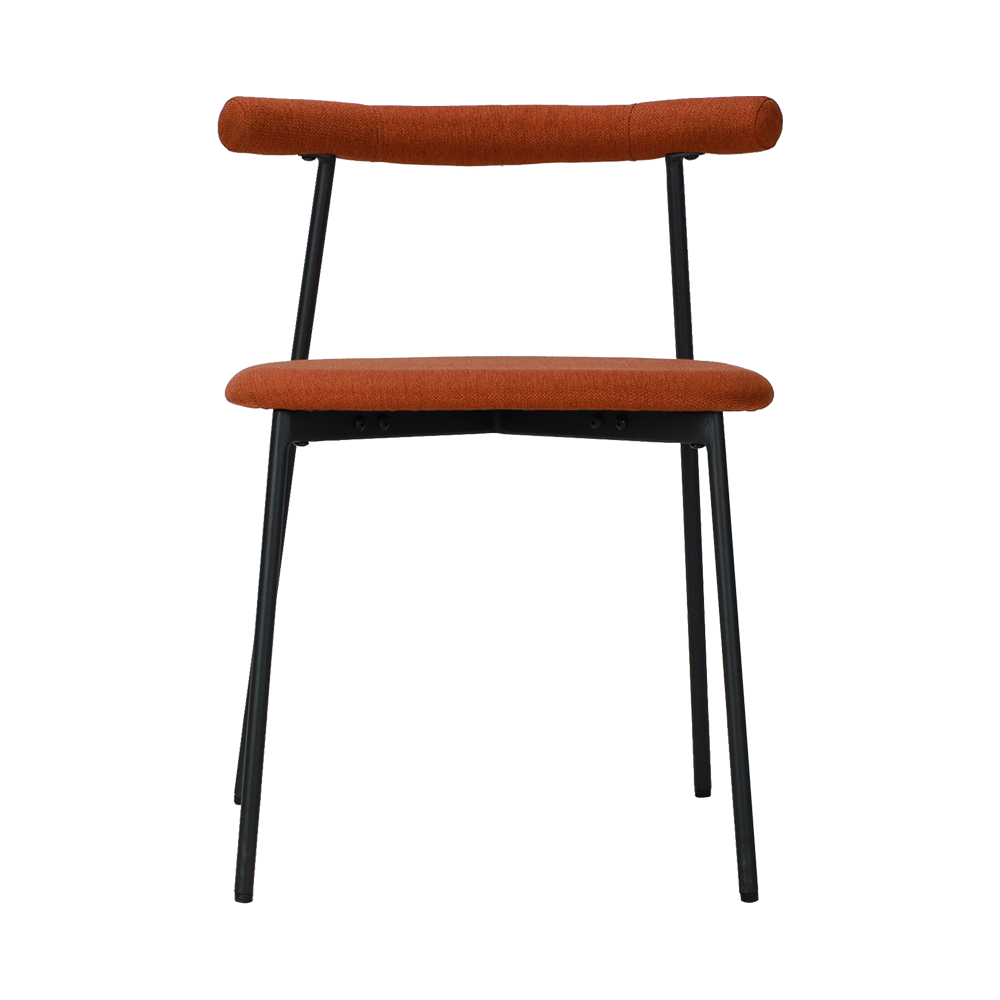
The High Resilience Sponge Cushion Metal Foot Dining Chair offers a blend of comfort, style, and dur... -
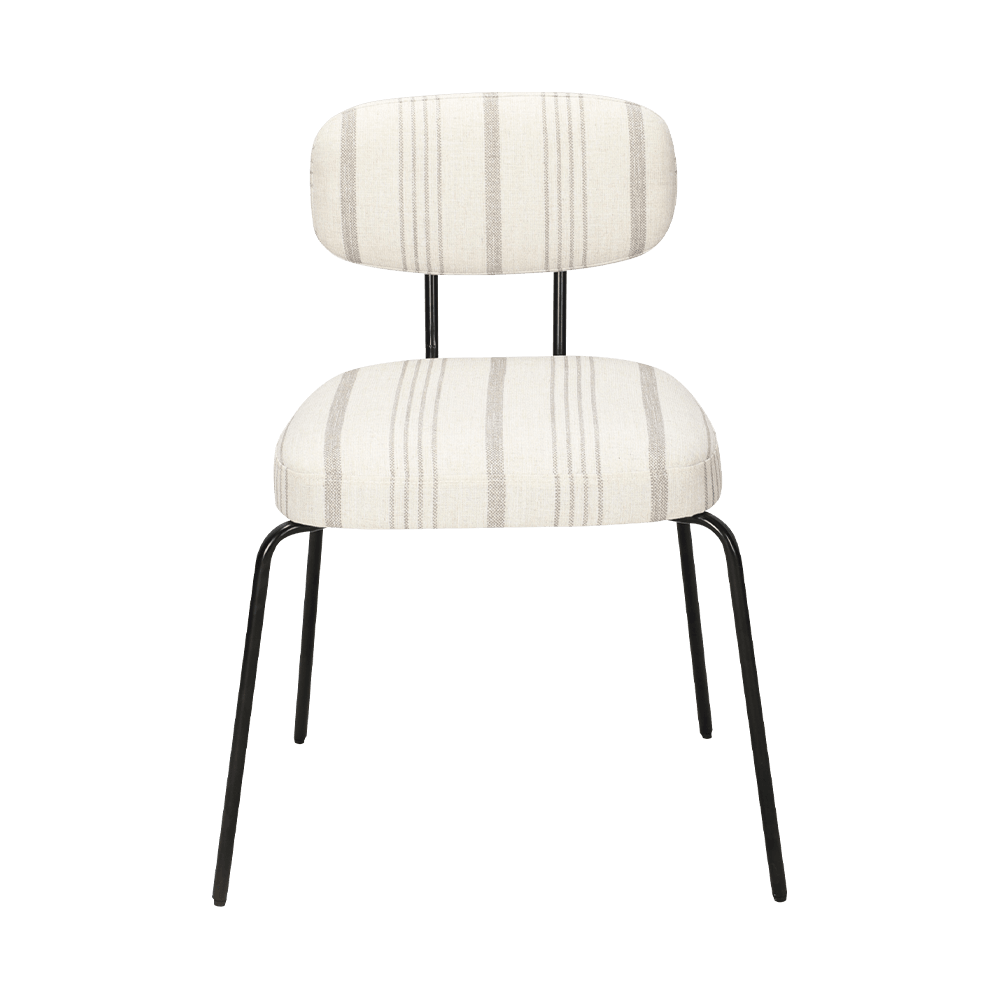
This WS6357 white modern metal dining chair features a simple and elegant design, paired with metal ... -
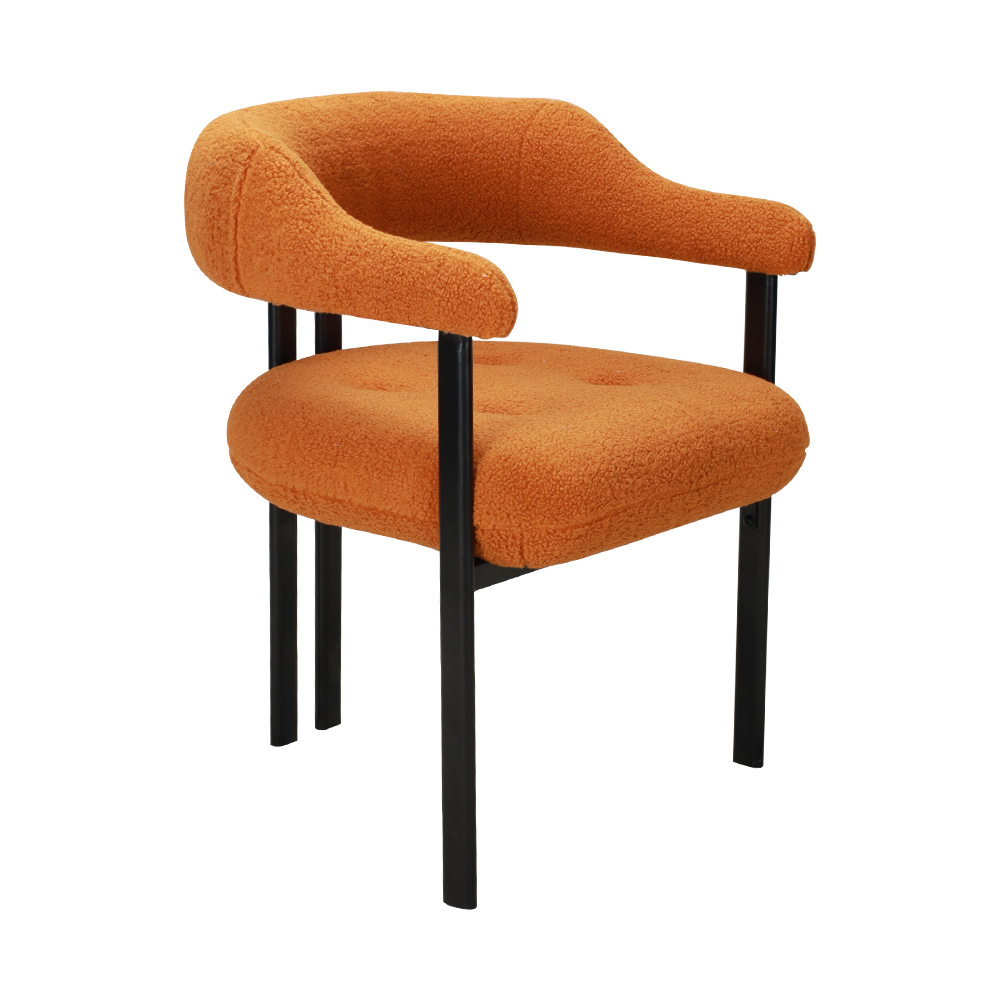
Elevate your dining experience with our WS6353 metal dining chair with a fabric cushion, a blend of ... -
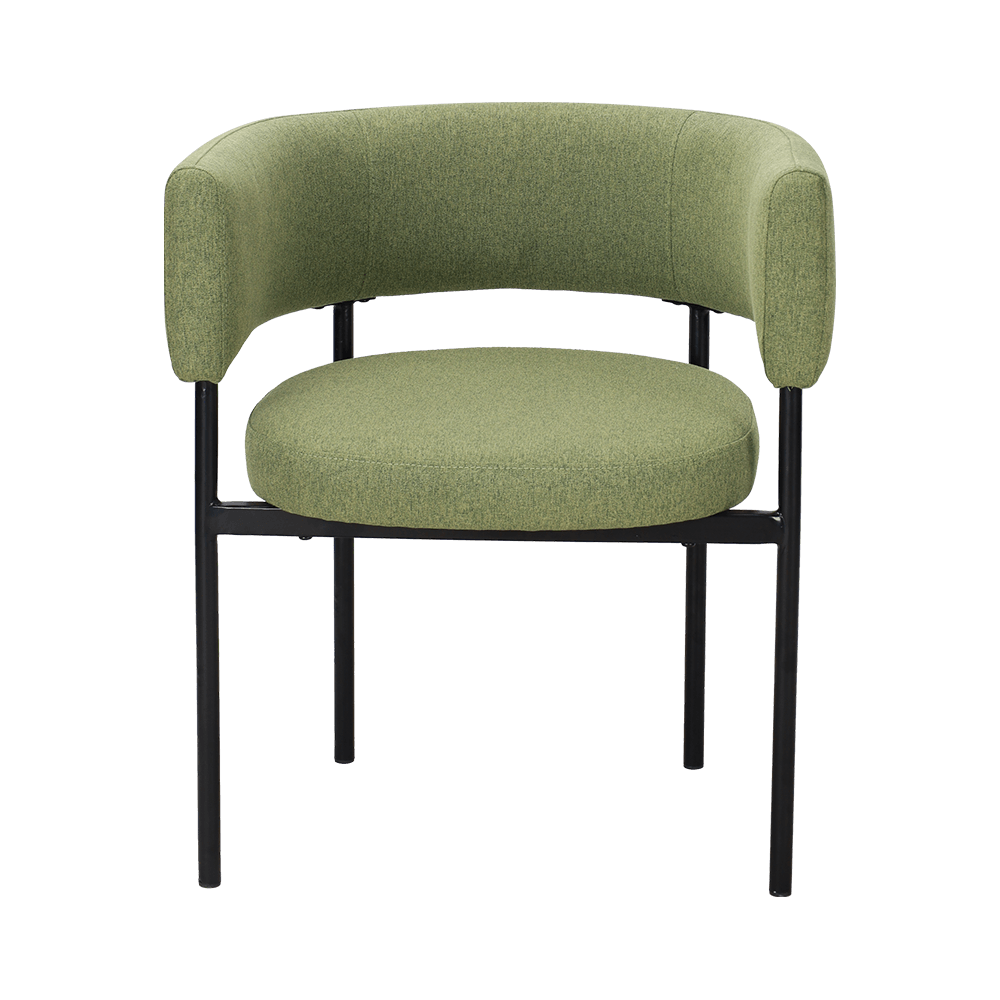
Crafted for both style and functionality, the WS6354 acid green metal leg dining chair features a st... -
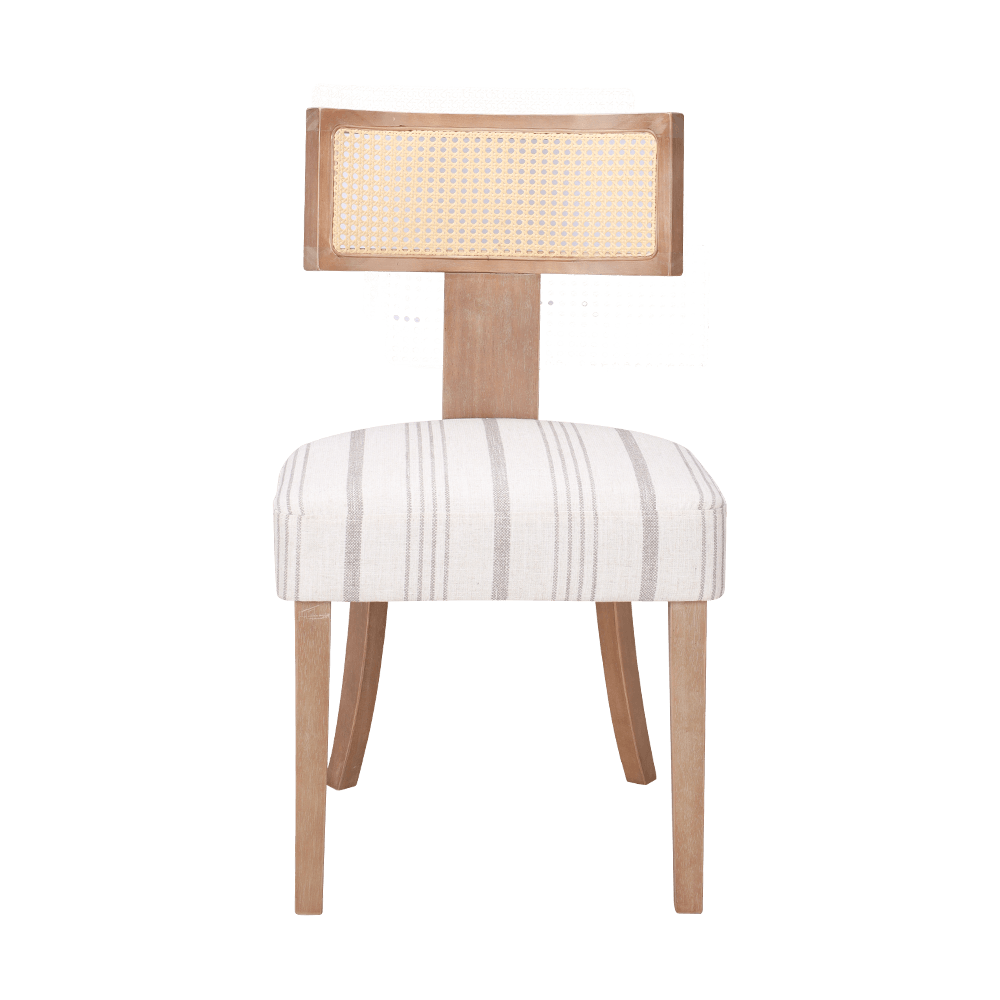
This solid rubber wood dining chair combines natural texture with comfort, featuring a simple yet el... -
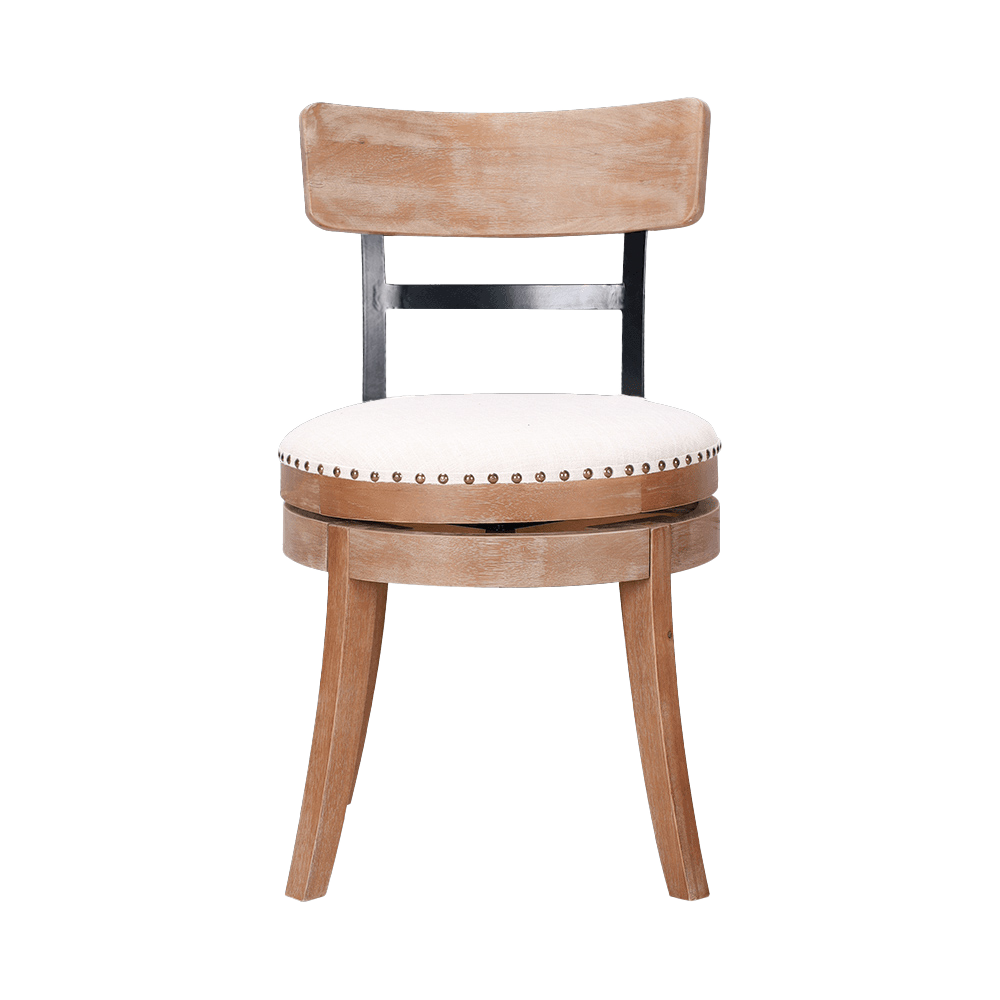
This WS6347 Round Cushion Solid Wood Dining Chair blends comfort with minimalist design, fitting var...

Copyright © Zhejiang Wanchang Furniture Co., Ltd.All Rights Reserved.
Indoor Fabric Sofa Manufacturers

-
 Xucunwancun, Xilong Xiang, Anji County, Zhejiang Province, China
-
 [email protected]
Mobile Site

WeChat Subscription Acount

Copyright © 2024Zhejiang Wanchang Furniture Co., Ltd.
All Rights Reserved.
