


 中文简体
中文简体 English
Indoor Lounge Chairs Design Features, Materials, and Placement Guide
Posted by Zhejiang Wanchang Furniture Co., Ltd.
Content
Functional Role of Indoor Lounge Chairs in Interior Spaces
Indoor lounge chairs are designed to provide extended seating comfort while contributing to the visual balance of interior environments. Unlike task chairs or dining chairs, lounge chairs emphasize relaxed posture, wider seating areas, and supportive backrest angles. They are commonly placed in living rooms, bedrooms, hotel lobbies, and reading areas where comfort and spatial harmony are equally important.
From a functional perspective, indoor lounge chairs often serve as accent seating, offering flexibility in layout without occupying excessive floor space. Their design allows users to sit comfortably for longer periods, making them suitable for leisure activities such as reading, conversation, or quiet relaxation.
Structural Design and Ergonomic Considerations
The structure of an indoor lounge chair directly affects comfort, durability, and usability. Key structural elements include the seat height, seat depth, backrest angle, and armrest positioning. These components work together to support the body in a relaxed but stable posture.
Seat Proportions and Support
A well-designed lounge chair typically features a lower seat height and deeper seat depth compared to standard chairs. This allows the user’s legs and back to rest naturally. Adequate cushioning density helps distribute body weight evenly, reducing pressure points during extended use.
Backrest Angle and Armrest Function
The backrest angle influences how relaxed the seating posture feels. A slightly reclined backrest supports the spine without forcing excessive leaning. Armrests, when included, should align with natural arm height to reduce shoulder strain and improve overall seating comfort.
Material Options for Indoor Lounge Chairs
Material selection affects both the visual character and long-term performance of indoor lounge chairs. Common materials are chosen based on comfort, maintenance needs, and compatibility with interior design styles.
- Fabric upholstery offering soft touch and a wide range of color options
- Leather surfaces valued for durability and easy cleaning
- Wooden frames providing structural stability and natural appearance
- Metal frames used for modern interiors with clean, minimal lines
Upholstery materials are often paired with internal foam or spring systems to achieve the desired balance between softness and support. The frame material determines load-bearing capacity and long-term shape retention.
Indoor Lounge Chair Styles and Typical Applications
Indoor lounge chairs are available in various styles to suit different interior functions. Their application often depends on space size, usage frequency, and overall design theme.
| Chair Style | Design Characteristics | Common Placement |
| Accent Lounge Chair | Compact form with visual focus | Living rooms and bedrooms |
| Reclining Lounge Chair | Adjustable backrest | Reading areas and lounges |
| Armless Lounge Chair | Open and flexible design | Small spaces and corners |
Placement and Space Planning Considerations
Proper placement of indoor lounge chairs enhances both comfort and room flow. Chairs should be positioned to allow easy movement while maintaining visual balance with surrounding furniture. In living rooms, lounge chairs are often placed adjacent to sofas to form conversational groupings.
In bedrooms or private spaces, a single lounge chair can create a functional relaxation corner when paired with a side table or floor lamp. Adequate clearance around the chair ensures comfortable access and prevents overcrowding.
Maintenance and Long-Term Use Considerations
Routine maintenance extends the lifespan of indoor lounge chairs and preserves their appearance. Upholstered surfaces benefit from regular cleaning to prevent dust accumulation and fabric wear. Frame components should be checked periodically for joint stability and surface condition.
Selecting materials that align with expected usage frequency helps maintain consistent seating performance over time. Chairs placed in high-traffic areas may require more durable upholstery and reinforced frames to support daily use.
-
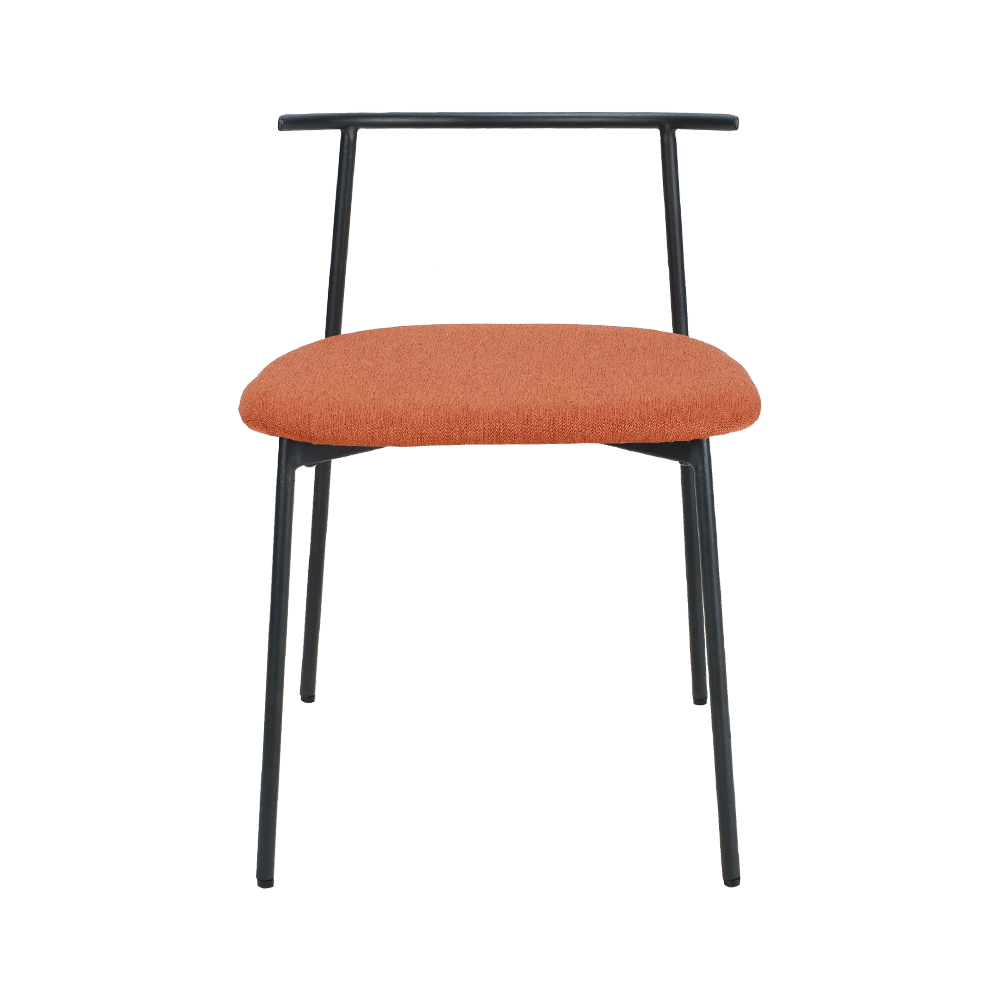
The curved back metal leg dining chair is a blend of modern design and classic comfort, offering an ... -
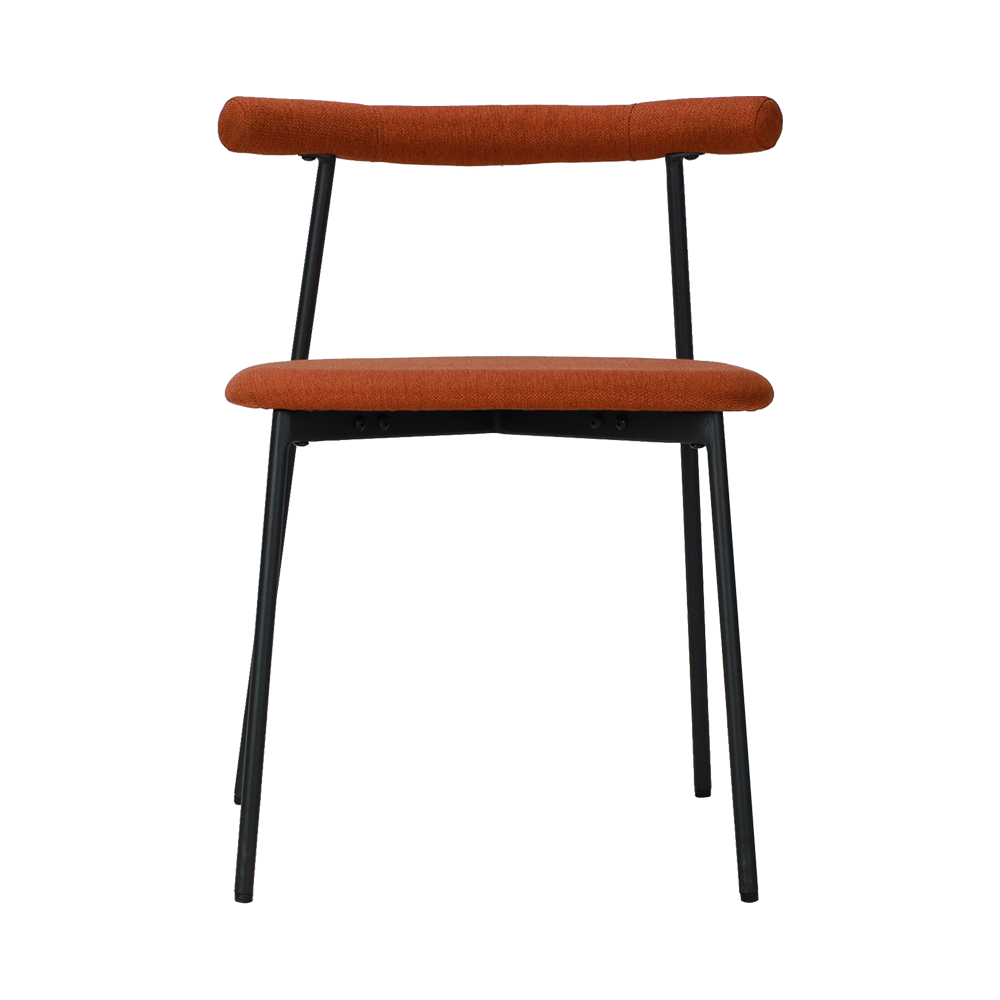
The High Resilience Sponge Cushion Metal Foot Dining Chair offers a blend of comfort, style, and dur... -
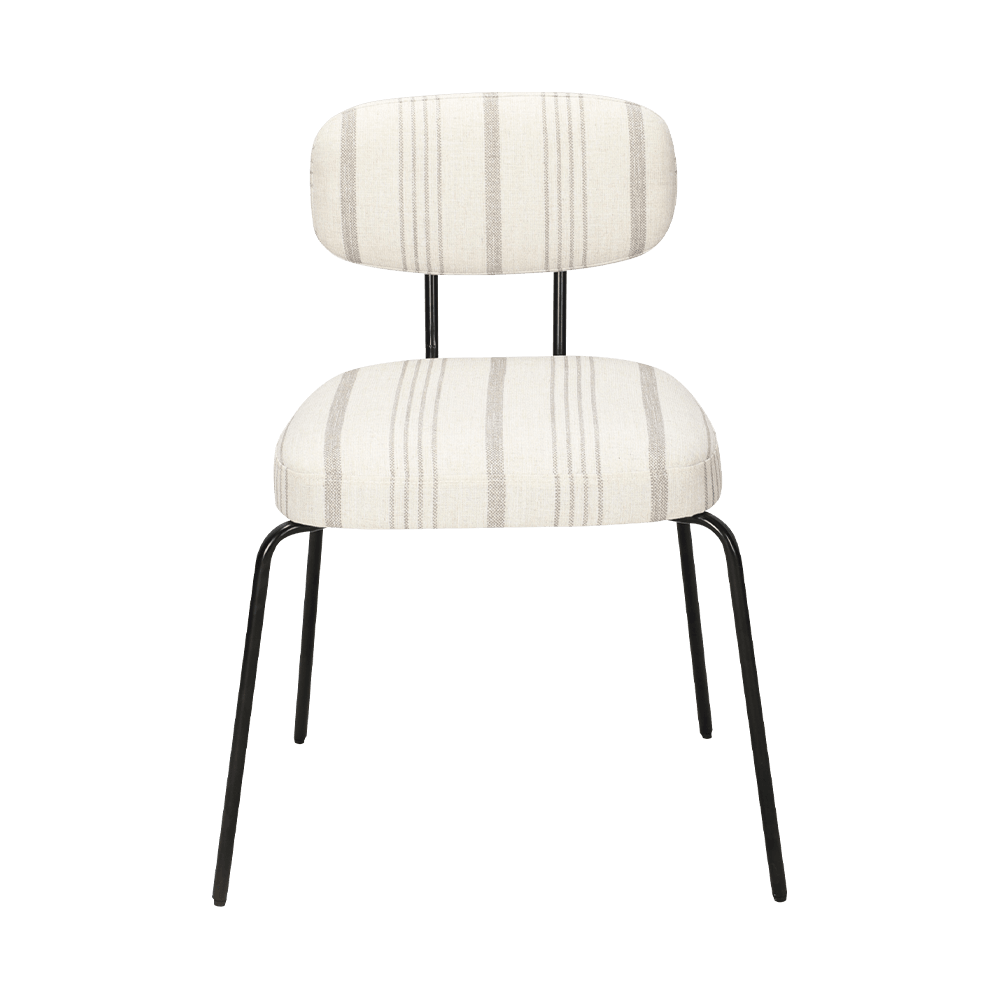
This WS6357 white modern metal dining chair features a simple and elegant design, paired with metal ... -
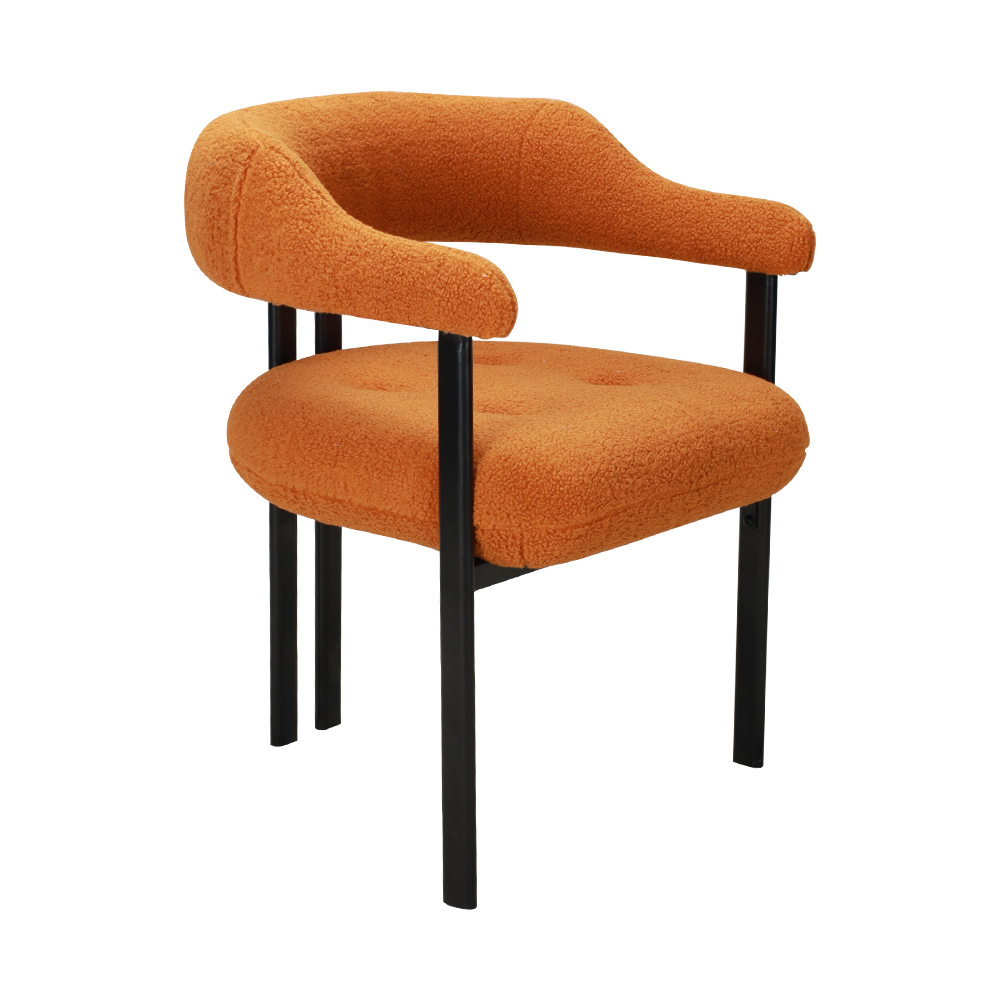
Elevate your dining experience with our WS6353 metal dining chair with a fabric cushion, a blend of ... -
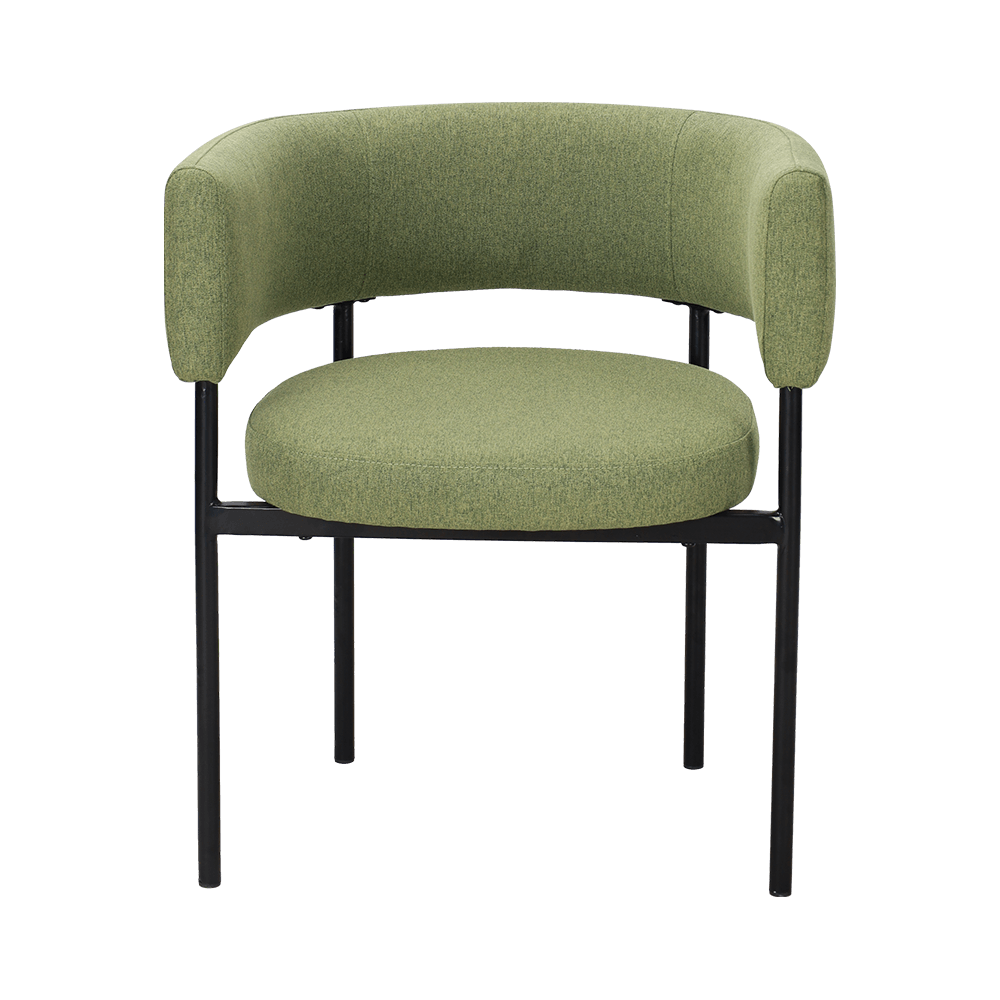
Crafted for both style and functionality, the WS6354 acid green metal leg dining chair features a st... -
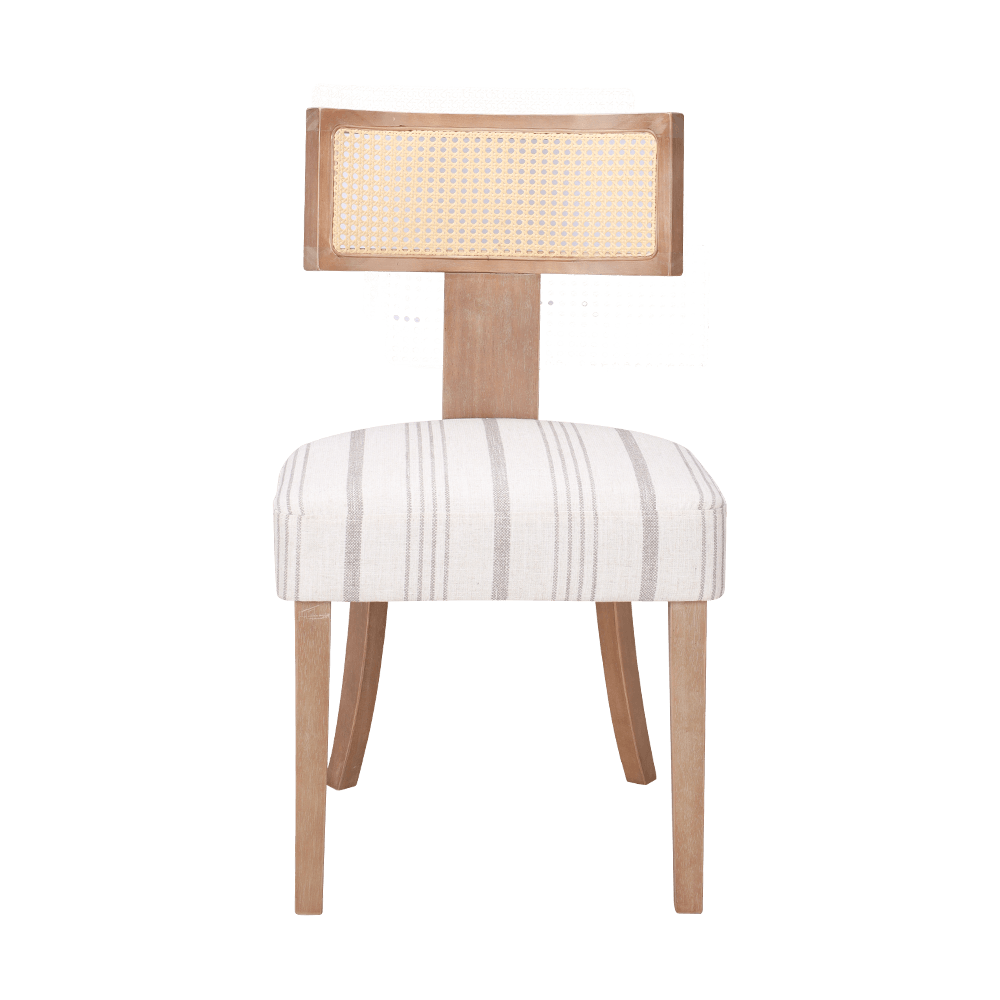
This solid rubber wood dining chair combines natural texture with comfort, featuring a simple yet el... -
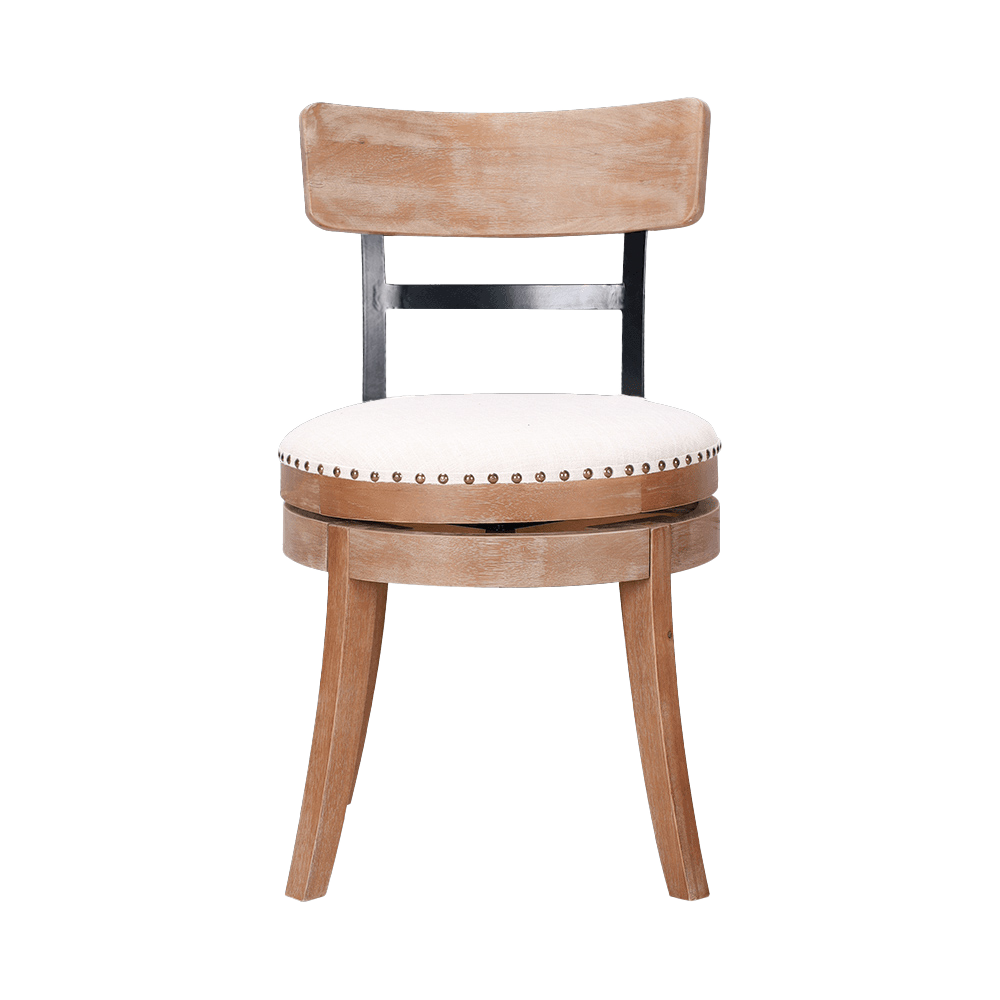
This WS6347 Round Cushion Solid Wood Dining Chair blends comfort with minimalist design, fitting var...

Copyright © Zhejiang Wanchang Furniture Co., Ltd.All Rights Reserved.
Indoor Fabric Sofa Manufacturers

-
 Xucunwancun, Xilong Xiang, Anji County, Zhejiang Province, China
-
 [email protected]
Mobile Site

WeChat Subscription Acount

Copyright © 2024Zhejiang Wanchang Furniture Co., Ltd.
All Rights Reserved.
