


 中文简体
 English
Medical Silicone Sheet: A Practical Guide to Choosing, Using, and Sourcing
Posted by Zhejiang Wanchang Furniture Co., Ltd.
There is a quiet moment in almost every dressing change when a clinician lifts the corner of a sheet and the skin underneath looks calm instead of angry. More often than not, the material behind that moment is a medical silicone sheet: a thin, soft, faintly tacky film that behaves nothing like the acrylic adhesives many of us grew up with.
We have spent years coating and converting silicone gels for hospital, home-care and sports applications, and the same questions keep arriving from wound-care nurses, procurement managers and product developers. What exactly is this material? How does it interact with skin? And which line on a specification sheet actually matters when you are comparing suppliers? This guide is our attempt to answer those questions in plain language, without the marketing gloss.
Content
- 1 What Is a Medical Silicone Sheet, Exactly?
- 2 Why Silicone Behaves So Differently on Skin
- 3 Where Medical Silicone Sheets Earn Their Place
- 4 Reading a Specification Sheet Like a Buyer
- 5 Matching the Sheet to the Skin in Front of You
- 6 What Good Manufacturing Looks Like From the Inside
- 7 Custom Shapes, OEM and the Details That Decide a Project
- 8 Handling and Storage Notes Worth Passing On
What Is a Medical Silicone Sheet, Exactly?
The phrase describes a family of products rather than a single item on a shelf. In practice, a medical silicone sheet is a carrier material — woven fabric, nonwoven, polyurethane film, foam, or a pure gel layer — coated with a skin-friendly silicone gel adhesive, laminated with a release liner, and die-cut into a shape that suits the anatomy it will sit on.
Two broad groups are worth keeping separate in your mind. Soft silicone gel sheets, familiar from scar therapy, are usually thicker and rely on gentle conformance rather than aggressive tack. Silicone adhesive sheets — the tapes, dressings and fixation devices used every day in clinics — need measurable peel and shear strength so they stay put through movement, moisture and time. The chemistry overlaps considerably; the engineering targets do not.
| Format | Typical carrier | Common use |
|---|---|---|
| Soft gel sheet | Gel layer with thin film backing | Hypertrophic, keloid and post-surgical scars |
| Adhesive tape sheet | Woven or nonwoven fabric | Fixation on fragile or frequently re-dressed skin |
| Perforated sheet | Elastic fabric or nonwoven | Breathable fixation across larger areas |
| Foam sheet | Polyurethane foam | Exudate management and pressure distribution |
| Transparent film sheet | PU film | IV sites and waterproof coverage |
Why Silicone Behaves So Differently on Skin
Silicone gel adhesives are not simply "less sticky" versions of acrylic glue. Their chemistry produces an entirely different relationship with the skin surface, and three explanations come up repeatedly in the clinical literature.
Occlusion and hydration
A well-applied sheet limits water loss from the stratum corneum, and the resulting hydrated environment is widely thought to support the normal regulation of collagen production during healing. This is one reason scar protocols tend to call for long, consistent wear times rather than short bursts of a few hours.
Temperature and signalling
Silicone has relatively low thermal conductivity, so the covered area usually stays a little warmer than surrounding skin. Researchers have proposed that this shift, working together with hydration, influences signalling between the epidermis and the dermis — a theory that fits the practical observation that results build gradually over weeks rather than days.
Adhesion that lets go
The peel behaviour is the difference most clinicians notice first. Silicone wets the skin surface and holds through weak interfacial forces, yet it releases cleanly when lifted at a low angle, so the stratum corneum stays where it belongs. On elderly, paediatric or steroid-thinned skin, that single property can decide whether a dressing plan is workable at all.
Where Medical Silicone Sheets Earn Their Place
Scar management
Soft gel sheeting has been used as a scar therapy since the early 1980s and remains a first-line non-invasive option for hypertrophic and keloid scars, as well as for closed surgical incisions. Typical protocols ask for 12 to 23 hours of wear per day over several months, with the sheet washed and reused until it stops adhering. For a closer look at how these protocols play out in practice, our team has written about clinical experience with silicone gel scar sheets, including the practical details that tend to get lost in summaries.
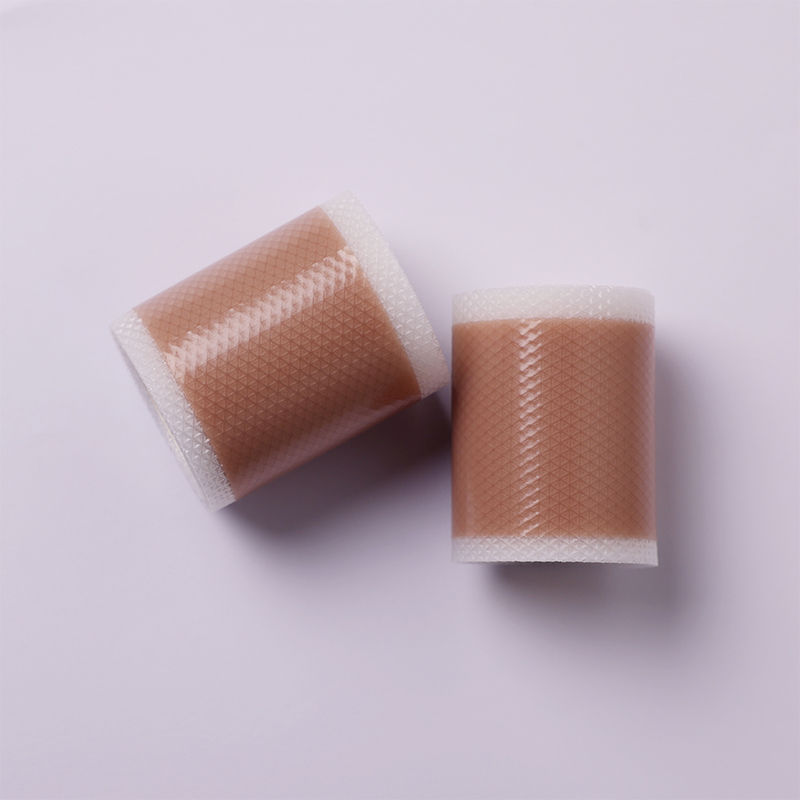 Hypoallergenic Silicone Scar Roll SheetCut-to-length silicone scar sheet for long or irregular post-surgical scars, supporting continuous coverage and reusable home scar care.View Product →
Fixation and wound care
This is where volume really lives. Silicone medical tapes hold cannulas, secure dressings and anchor tubing without the wet, tearing sensation that patients associate with acrylics, and they can be repositioned several times before losing grip. Silicone wound dressings and IV films follow the same logic: the adhesive is chosen so that removal is uneventful, which matters enormously when a patient is re-dressed daily for a week. You can browse the wider hospital and clinical care range to see how the formats differ across those settings.
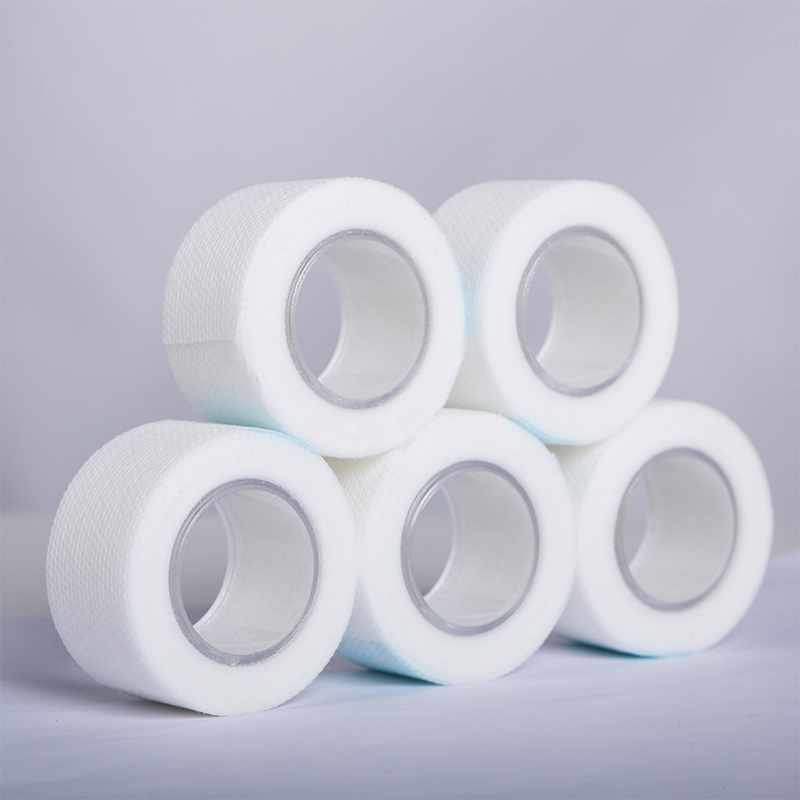 Standard Silicone Hypoallergenic Medical TapeRepositionable, breathable silicone tape for secure dressing, IV line, and tubing fixation with gentle removal in frequent dressing changes.View Product →
Beyond the bedside
The same material shows up in places that surprise people: acupoint patches that stay fixed through movement, kinesiology tapes that replace acrylic adhesives on athletes, facial patches for fine lines, and waterproof ear covers. The common thread is skin that needs to be covered for hours without being irritated by the removal afterwards.
Reading a Specification Sheet Like a Buyer
Two suppliers can both describe their product as "medical grade silicone" and still deliver very different experiences on the ward. When we review requirements with a customer, these are the parameters we insist on pinning down before quoting.
| Parameter | What to ask for | Why it matters |
|---|---|---|
| Adhesive thickness | Coating weight in g/m², not just total sheet thickness | Drives tack, conformability and cost |
| Peel adhesion | Values on steel and on skin-simulating substrates | Predicts whether it will hold, and how it releases |
| Moisture vapour transmission | MVTR in g/m²/24h for the full construction | Balances hydration against maceration risk |
| Release force | Liner peel values after accelerated ageing | Prevents liner lift and dispensing failures on line |
| Biocompatibility | Cytotoxicity, irritation and sensitisation data | Supports regulatory files and tender responses |
| Sterility and shelf life | Method (EO or gamma) and validated stability period | Determines distribution and stock rotation limits |
Matching the Sheet to the Skin in Front of You
Once the numbers are clear, selection becomes a matter of honest assessment. A few questions we find useful:
- How fragile is the skin? Thin, aged or steroid-treated skin calls for low-peel silicone and gentle removal technique.
- How long will the sheet stay in place? A single shift and a seven-day dwell time require different adhesive profiles.
- Will the area move or stretch? Joints, shoulders and the sacrum reward elastic carriers and perforated patterns.
- Is moisture involved? Sweat, wound exudate and showering all argue for film-backed or breathable constructions.
- How often will it be changed? Repeated application on the same site is where silicone earns its reputation, and where cheaper adhesives quietly fail.
What Good Manufacturing Looks Like From the Inside
Silicone coating is unforgiving. A small drift in catalyst ratio, oven profile or line speed shows up later as inconsistent peel, liner lift or partial cure — problems that rarely appear in the sample you approve but reliably appear in the third production batch. That is why we work inside a 5,000 m² Class 100,000 GMP cleanroom in Shanghai, with coating, lamination, slitting and die-cutting kept under one roof so that the variables stay visible.
Documentation matters as much as the physical product. A quality system built around ISO 13485, with batch traceability and test data packaged to support CE marking and FDA submissions, saves months when a customer's regulatory team starts asking questions. If a supplier cannot tell you which production run a sample came from, that is worth treating as a warning sign.
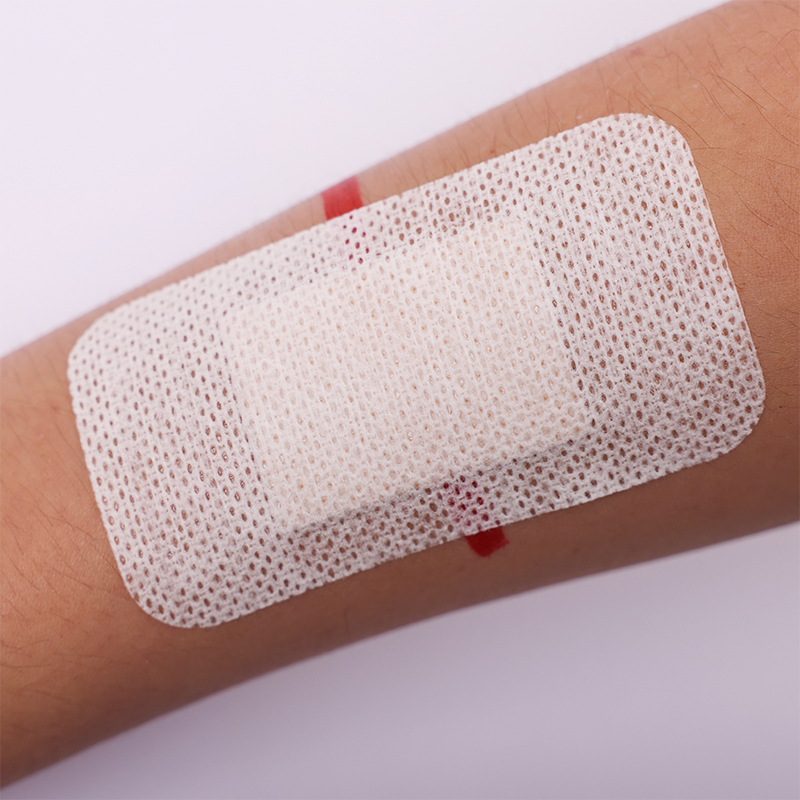 Non-Woven Breathable Silicone Wound DressingBreathable non-woven dressing with silicone border and absorbent island pad for gentle fixation and low-to-moderate exudate management.View Product →
Custom Shapes, OEM and the Details That Decide a Project
Most of the enquiries we receive are not for a catalogue item. A distributor wants a 4 cm by 6 cm oval instead of a rectangle; a clinic group needs a pre-cut anchor shape for a specific catheter; a brand wants its logo printed on the release liner. This is ordinary work for a converter that controls its own adhesive, and it is where in-house formulation capability really shows its value — adjusting tack or conformability for one product line without disturbing another.
- Tooling and die-cut shapes: rotary cutting for high volume, laser or flatbed for short runs.
- Liners and packaging: printed liners, individual pouches, sachets and multi-language retail cartons.
- Kitting: combining tapes, dressings and fixation devices into a single sterile procedure pack.
- Sample stages: pilot coating before full-scale commitment, so the design is proven at production speed.
Handling and Storage Notes Worth Passing On
Even a well-made sheet can disappoint if it is stored or applied carelessly. A short list we share with customers:
- Apply to clean, dry, unmoisturised skin; lotions and oils sit between the adhesive and the surface.
- Avoid tension when placing the sheet — stretch it and the edges will lift within hours.
- Store in a cool, dry place away from direct sunlight, and respect the shelf life printed on the pouch.
- Wash reusable gel sheets gently with mild soap, air dry, and replace them once adhesion fades.
- Never re-sterilise a single-use product, however intact it looks.
A medical silicone sheet is a small, unglamorous object. It does not dazzle anyone in a demonstration, and it rarely features in a headline. But it decides how a dressing change feels, whether a scar protocol gets followed for the full three months, and whether an elderly patient's skin survives a week of monitoring. Getting the specification right is not a technicality — it is the whole point. If you are weighing formats or need a construction that does not yet exist on the market, we are always glad to work through the options with you.
-
The curved back metal leg dining chair is a blend of modern design and classic comfort, offering an ... -
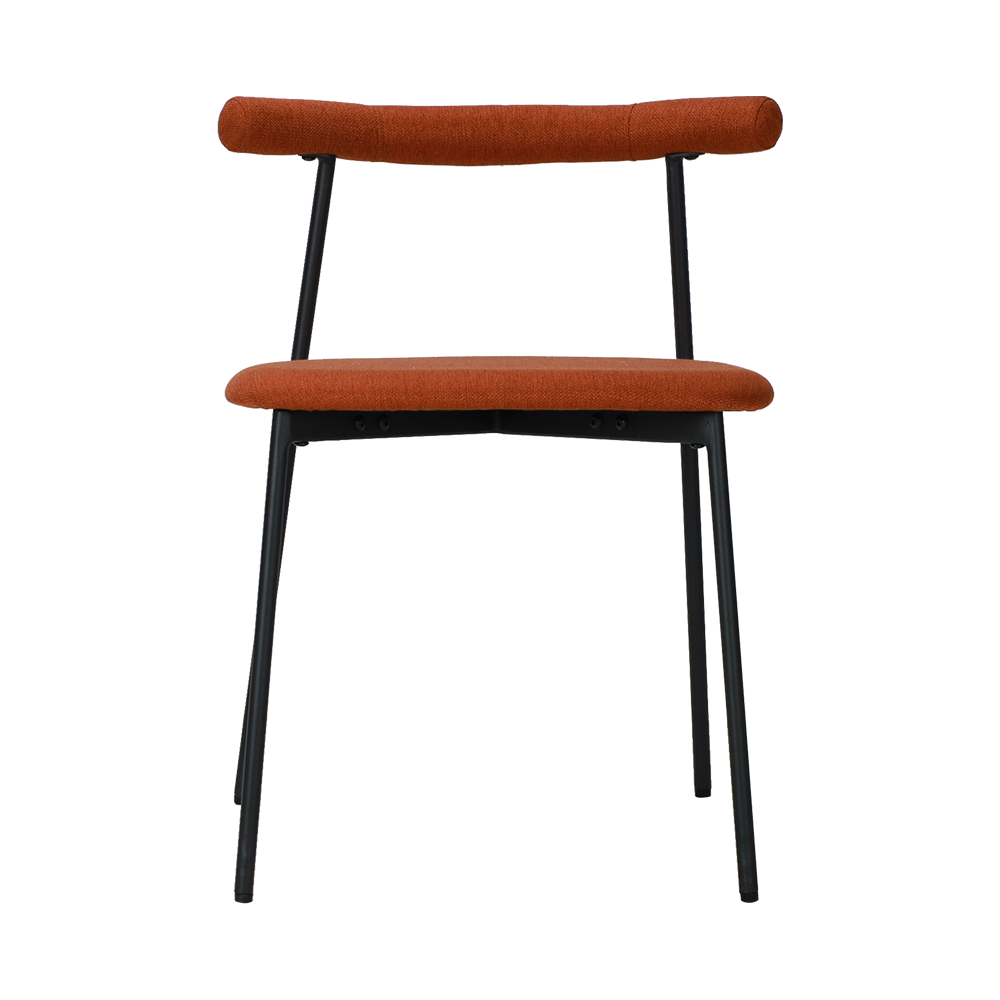
The High Resilience Sponge Cushion Metal Foot Dining Chair offers a blend of comfort, style, and dur... -
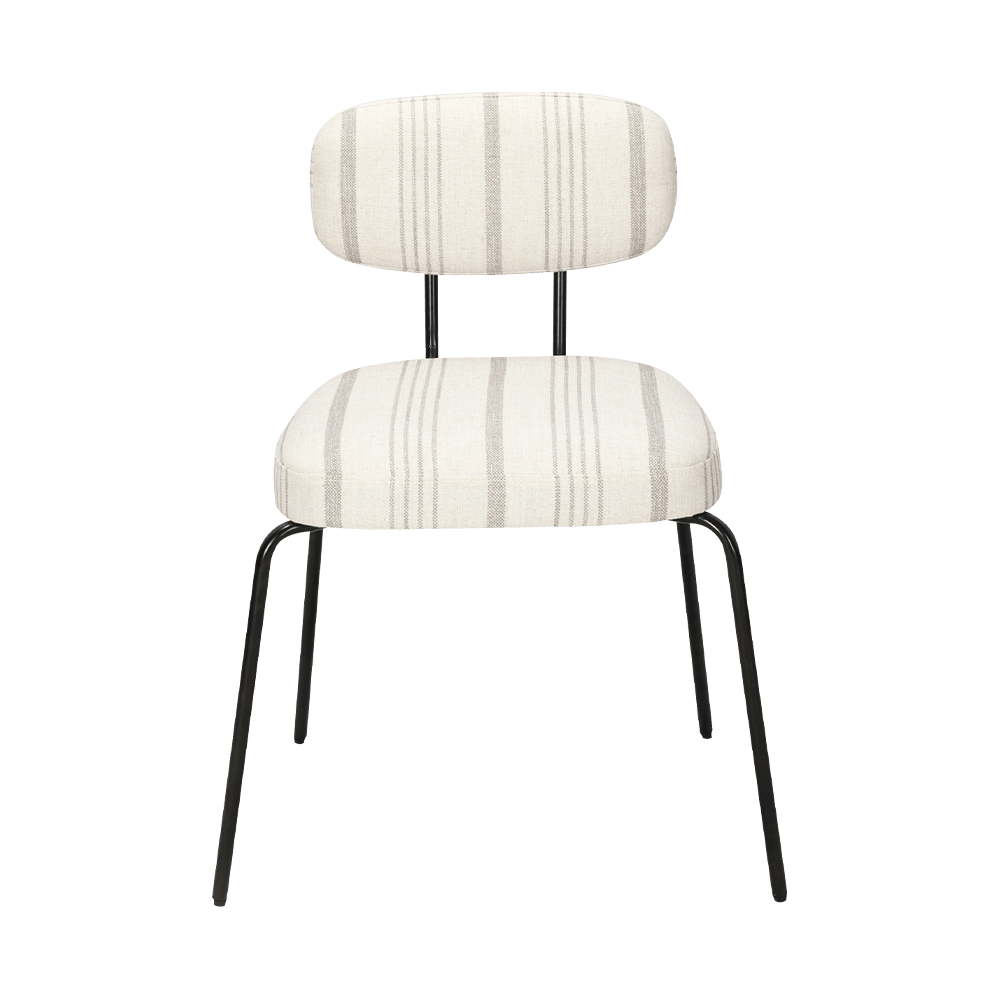
This WS6357 white modern metal dining chair features a simple and elegant design, paired with metal ... -
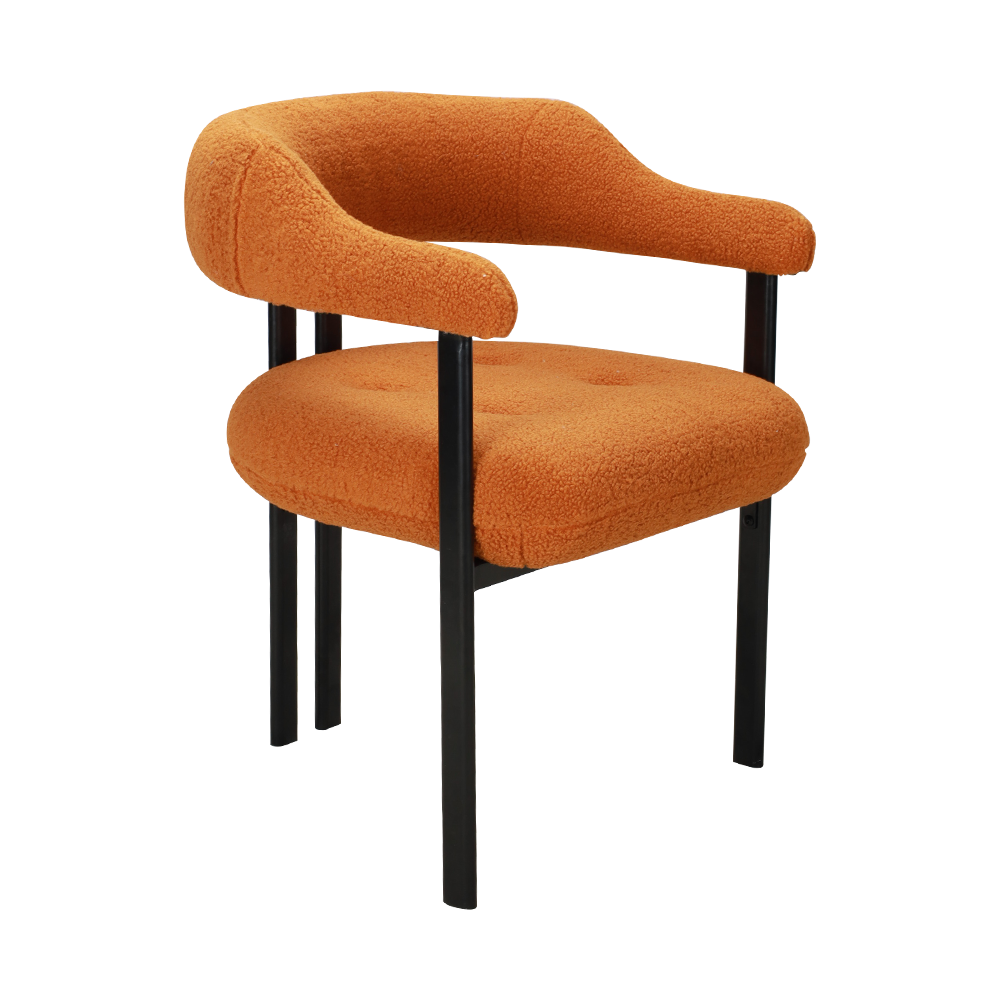
Elevate your dining experience with our WS6353 metal dining chair with a fabric cushion, a blend of ... -
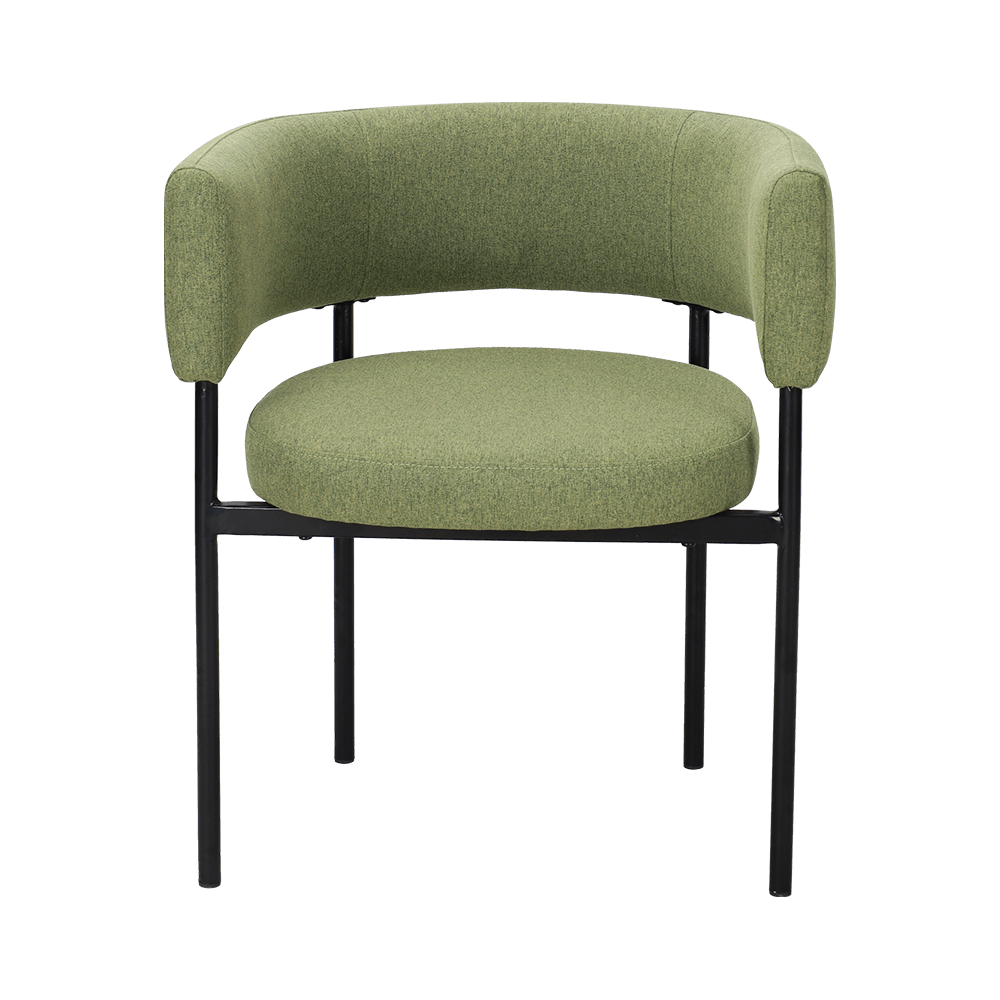
Crafted for both style and functionality, the WS6354 acid green metal leg dining chair features a st... -
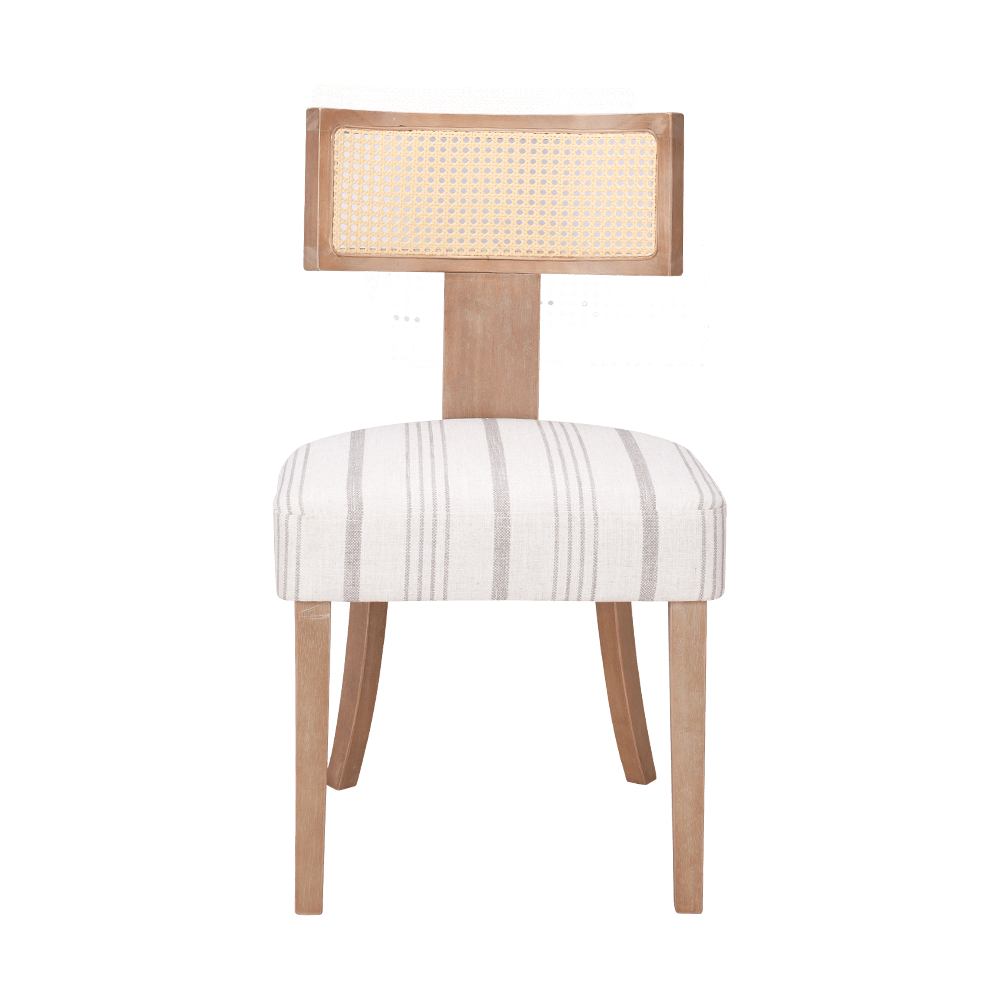
This solid rubber wood dining chair combines natural texture with comfort, featuring a simple yet el... -
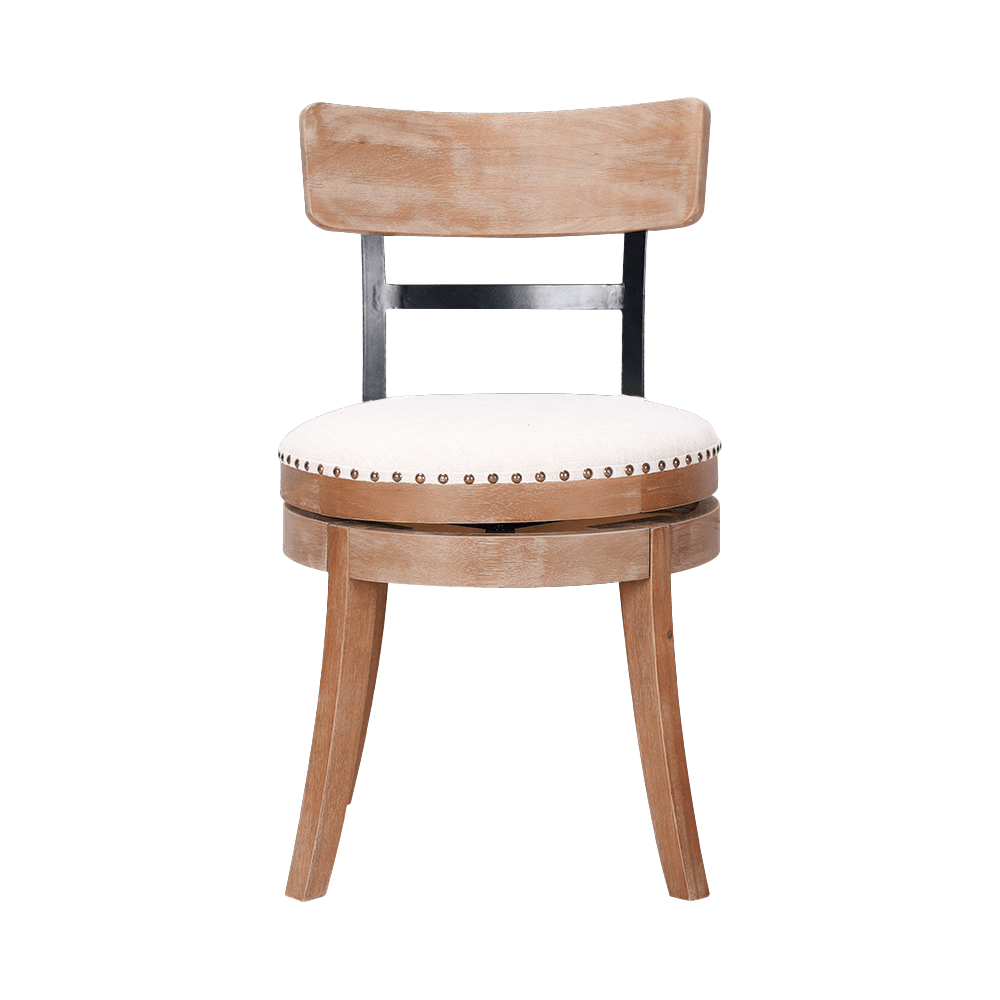
This WS6347 Round Cushion Solid Wood Dining Chair blends comfort with minimalist design, fitting var...

Copyright © Zhejiang Wanchang Furniture Co., Ltd.All Rights Reserved.
Indoor Fabric Sofa Manufacturers

-
 Xucunwancun, Xilong Xiang, Anji County, Zhejiang Province, China
-
 [email protected]
Mobile Site

WeChat Subscription Acount

Copyright © 2024Zhejiang Wanchang Furniture Co., Ltd.
All Rights Reserved.
