


 中文简体
 English
Vietnam Furniture Suppliers: A Practical Sourcing Guide for Global Buyers
Posted by Zhejiang Wanchang Furniture Co., Ltd.
Vietnam has become a serious sourcing destination for seating and case goods, but the phrase "Vietnam furniture suppliers" covers everything from large export factories to small workshops. For buyers, the real question is not simply which country to source from. It is which factory can match your designs, volumes, quality standards, and delivery rhythm. At Wanchang Furniture, we have spent years manufacturing dining chairs, bar stools, sofas, lounge chairs, and ottomans from our base in Anji, China, and we also operate a production site in Nam Tan Uyen Industrial Park in Binh Duong, Vietnam. That dual footprint has taught us that good sourcing relationships are built on clear communication, practical factory checks, and product knowledge. You can learn more about our manufacturing background if you want context before you start comparing suppliers.
Below is a practical guide to sourcing seating from Vietnam, written from the perspective of a manufacturer that works with global buyers.
Content
- 1 Why Vietnam Furniture Suppliers Appeal to Global Buyers
- 2 What Vietnam Furniture Suppliers Typically Make
- 3 Matching Seating to the End Use
- 4 How to Vet a Vietnam Furniture Supplier
- 5 Design, Materials, and Commercial Fit
- 6 Sampling, Quality Control, and Delivery
- 7 Logistics, Communication, and Long-Term Partnership
- 8 Questions to Ask Before You Commit
Why Vietnam Furniture Suppliers Appeal to Global Buyers
Vietnam's furniture sector has grown because it combines a deep woodworking and upholstery supply chain with an export-oriented manufacturing culture. The main furniture clusters around Binh Duong, Dong Nai, and Ho Chi Minh City give buyers access to component suppliers, fabric and foam sources, metal fabrication, finishing, and logistics. For seating programs, this matters because a dining chair or bar stool may combine a wooden frame, metal legs, foam, fabric, and hardware. A nearby supplier network shortens lead times and makes problem-solving easier.
Trade access is another reason. Vietnam has become a natural complement to China-based production for many importers who want supply diversification without moving too far from established Asian sourcing routes. But country-level advantages only become real when the factory you choose has the right equipment, trained staff, and quality systems. A supplier with a strong Vietnam address but no in-house control over key processes can still create surprises.
What Vietnam Furniture Suppliers Typically Make
The product mix is broad, but for buyers focused on seating, several categories come up repeatedly. Use the table below as a starting point for matching product type to sourcing questions.
| Product category | Typical buyers | What to verify | Good fit for |
|---|---|---|---|
| Metal leg dining chairs | Importers, restaurants, retailers | Frame welding, powder coating, upholstery consistency, load testing | Contemporary dining rooms and cafes |
| Solid wood dining chairs | Furniture wholesalers, hospitality projects | Wood species, moisture control, joinery, finish | Classic and transitional interiors |
| Bar stools | Bars, hotels, home retailers | Seat height, footrest strength, swivel mechanism, stability | Commercial bars and kitchen counters |
| Sofas and lounge chairs | Retailers, hotel projects | Frame construction, foam density, fabric durability, packaging | Living rooms, lobbies, and lounges |
| Ottomans and footstools | Retailers, contract buyers | Storage hardware, cushion resilience, stitching | Bedrooms and reception areas |
 Metal-Leg Upholstered Dining Chair with BackA custom dining chair with iron frame, fabric-upholstered sponge cushion, and rust-resistant metal treatment; useful for buyers assessing residential-to-contract seating and sampling.View Product →
For many buyers, a metal-leg upholstered dining chair is a useful starting point because it sits between residential retail and commercial contract use. The frame, coating, and cushion all need to work together, so it is worth asking for material samples and a pre-production sample before you commit to a full order.
Matching Seating to the End Use
The same chair can be right for a home dining table and wrong for a busy restaurant. Before comparing quotes from Vietnam furniture suppliers, define where the product will live and how hard it will work.
- Residential retail: prioritize comfort, fabric range, easy assembly, and protective packaging.
- Hospitality and food service: check stain resistance, cleanability, frame strength, and stability under frequent use.
- Lounge and reception areas: consider seat depth, back support, foam resilience, and how the upholstery will wear.
A bar stool is a good example. Seat height, footrest position, and stability matter more than a photo can show. If the stool will be used at a hotel bar, ask about swivel mechanisms, weight capacity, and replacement parts. For home use, buyers often prioritize fabric selection and a compact footprint.
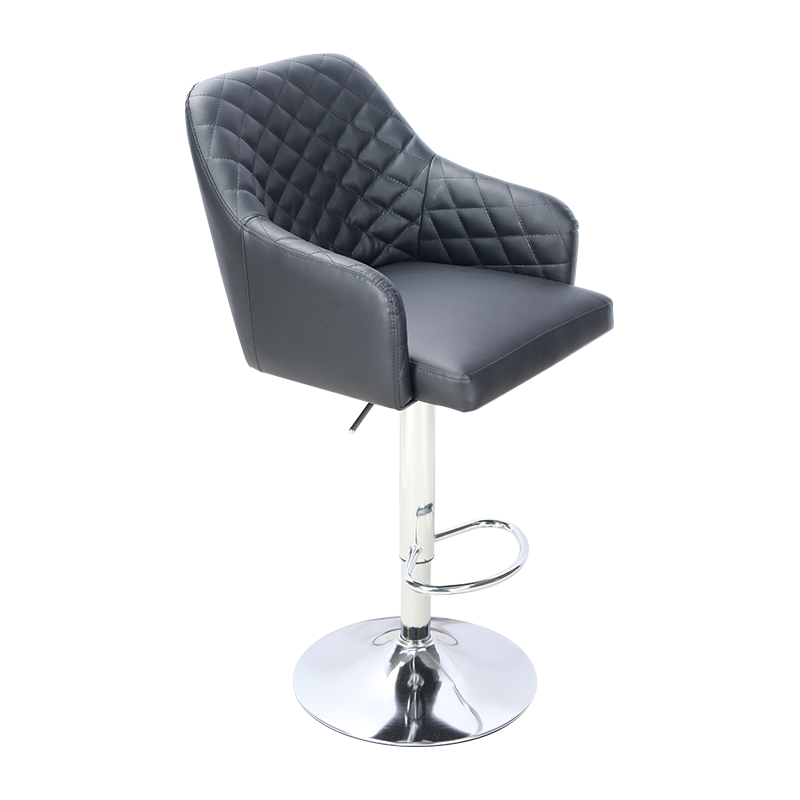 Fabric Upholstered Metal Bar StoolA cushioned bar stool with fabric upholstery and metal frame, offered in multiple colors for kitchen-island or home-bar seating; test configuration before ordering.View Product →
Our fabric upholstered metal bar stool is one option, but the wider lesson is to test the specific configuration. A stool that feels solid in a showroom may behave differently after months of daily use, so sampling and user feedback are essential.
How to Vet a Vietnam Furniture Supplier
A factory visit is valuable, but many buyers start with a desktop review. Use a consistent checklist so that a friendly sales team does not become a substitute for evidence.
- Confirm the legal entity and factory address, and check that the production site matches the company you are contracting with.
- Ask for capacity figures, main product lines, and a simple process map from raw material to packing.
- Review which processes are completed in-house and which are outsourced, especially metal fabrication, upholstery, and finishing.
- Check material sourcing and traceability for wood, foam, fabric, leather, and hardware.
- Review quality control procedures and inspection points during frame building, upholstery, assembly, and final packing.
- Request samples and any relevant testing reports, then compare them against your drawings and target market requirements.
- Clarify minimum order quantities, sample lead time, production lead time, payment terms, and change procedures.
- Discuss packaging, loading plans, labeling, and who handles export documents and shipment booking.
Our Vietnam factory covers 18,000 square meters and employs around 250 people. It supports our broader production and warehousing base in Anji, where we have 70,000 square meters of industrial space and more than 500 employees. We share these details not as a shortcut to trust, but because buyers should always ask for comparable facts from every supplier.
Design, Materials, and Commercial Fit
Price is easy to compare; material and construction choices are harder. A dining chair quote may look competitive until you compare frame thickness, foam density, fabric weight, or finish preparation. Buyers who ask detailed questions usually get fewer surprises after the container arrives.
- Wood: confirm species, moisture content, joinery, and visible defect standards.
- Metal: check tube thickness, welding quality, coating preparation, and rust protection.
- Upholstery: review fabric or leather selection, foam density, stitching, and whether covers are fixed or removable.
- Hardware: inspect screws, glides, swivel mechanisms, and storage fittings for smooth operation.
For solid wood programs, sample the actual finish and check how the chair ages in use. Wood tone, grain, and sheen can vary between production runs, so a signed approval sample helps keep expectations aligned.
 White Fabric Solid Wood Dining ChairA rubber-wood dining chair with white fabric and sponge upholstery, suited to modern-to-classic dining rooms; review finish and aging before solid-wood programs.View Product →
A solid wood dining chair is not automatically better than a metal-leg chair. The right choice depends on design intent, maintenance, and target price. We produce both categories because buyers often need a coordinated collection rather than a single item.
Sampling, Quality Control, and Delivery
Good suppliers treat sampling as a gate, not a formality. The sample should confirm dimensions, materials, color, finish, comfort, and packaging. Once approved, it becomes a reference for production, not a one-off showpiece.
- Approve a pre-production sample against the drawing, dimensions, color standard, and finish.
- Keep a golden sample or approved reference at the factory for production comparison.
- Check frames, upholstery, assembly, and packing at defined inspection points.
- Use a final inspection protocol that matches your market, whether that is AQL-based or buyer-specific.
- Review carton strength, drop test results, labeling, and container loading before shipment.
For Vietnam-based production, delivery planning should include the route from factory to port, document preparation, and any buyer-specific labeling. Ask who handles export clearance and who is responsible for booking. If the factory does not own the process, make the handoffs explicit.
Logistics, Communication, and Long-Term Partnership
The best sourcing relationships are boring in the right way: predictable samples, predictable production, predictable paperwork. That does not happen by accident. It comes from clear specifications, a named account contact, and a factory team that is willing to raise problems early.
Vietnam's time zone and export culture make communication manageable for buyers in the US and Europe, but language is not the same as clarity. Put decisions in writing. Use photos and dimensioned drawings. Confirm changes in writing before production. Where possible, visit the factory or use a trusted third-party inspection partner. Trade fairs can also help buyers compare suppliers in person, and our furniture exhibition page lists some of the fairs we follow and attend.
Questions to Ask Before You Commit
- Which processes are completed in-house, and which are outsourced?
- What is your current capacity and realistic lead time for this product family?
- Can you provide material, finish, and foam samples before sampling the full chair?
- How do you control quality at each production stage?
- What is your minimum order quantity and sample lead time?
- How do you pack for sea freight, and what damage rate do you normally see?
- Who handles export documents, inspection, and shipment booking?
If the answers are vague, dig deeper. A good Vietnam furniture supplier will not mind a structured conversation; it helps both sides avoid expensive assumptions.
Choosing among Vietnam furniture suppliers is ultimately a matching exercise. The country offers a strong manufacturing base, but the factory must fit your product, your quality standard, and your way of working. If you are sourcing dining chairs, bar stools, sofas, lounge chairs, or ottomans, start with a clear brief, ask for evidence, and sample before you scale. We are always glad to talk through what has worked for other buyers and where the risks usually sit.
-
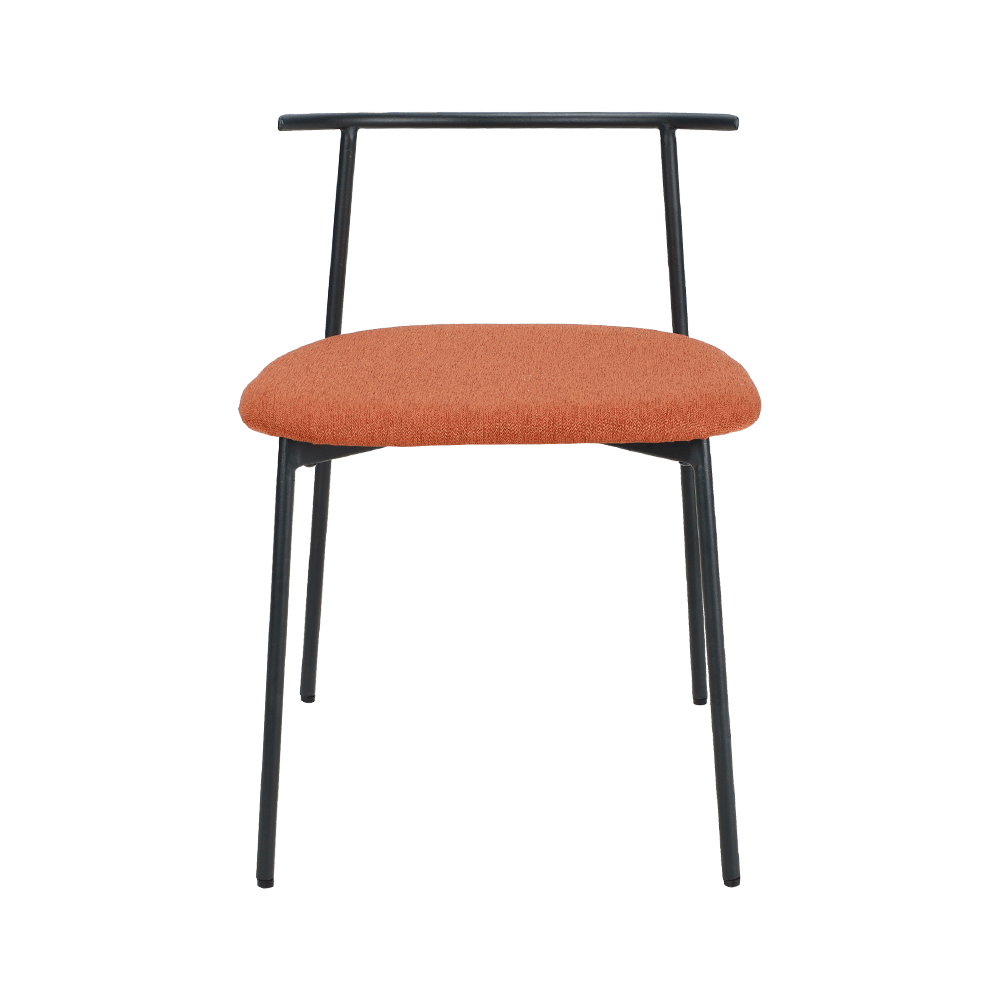
The curved back metal leg dining chair is a blend of modern design and classic comfort, offering an ... -
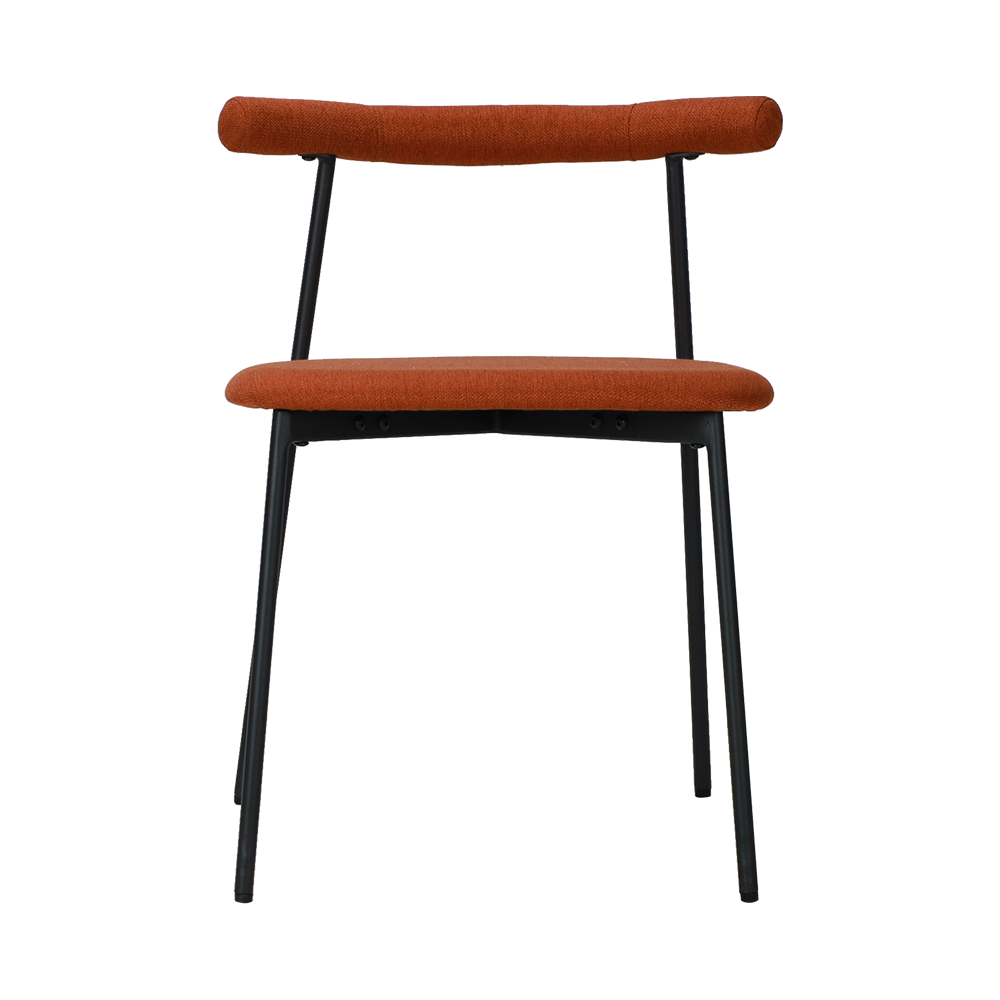
The High Resilience Sponge Cushion Metal Foot Dining Chair offers a blend of comfort, style, and dur... -
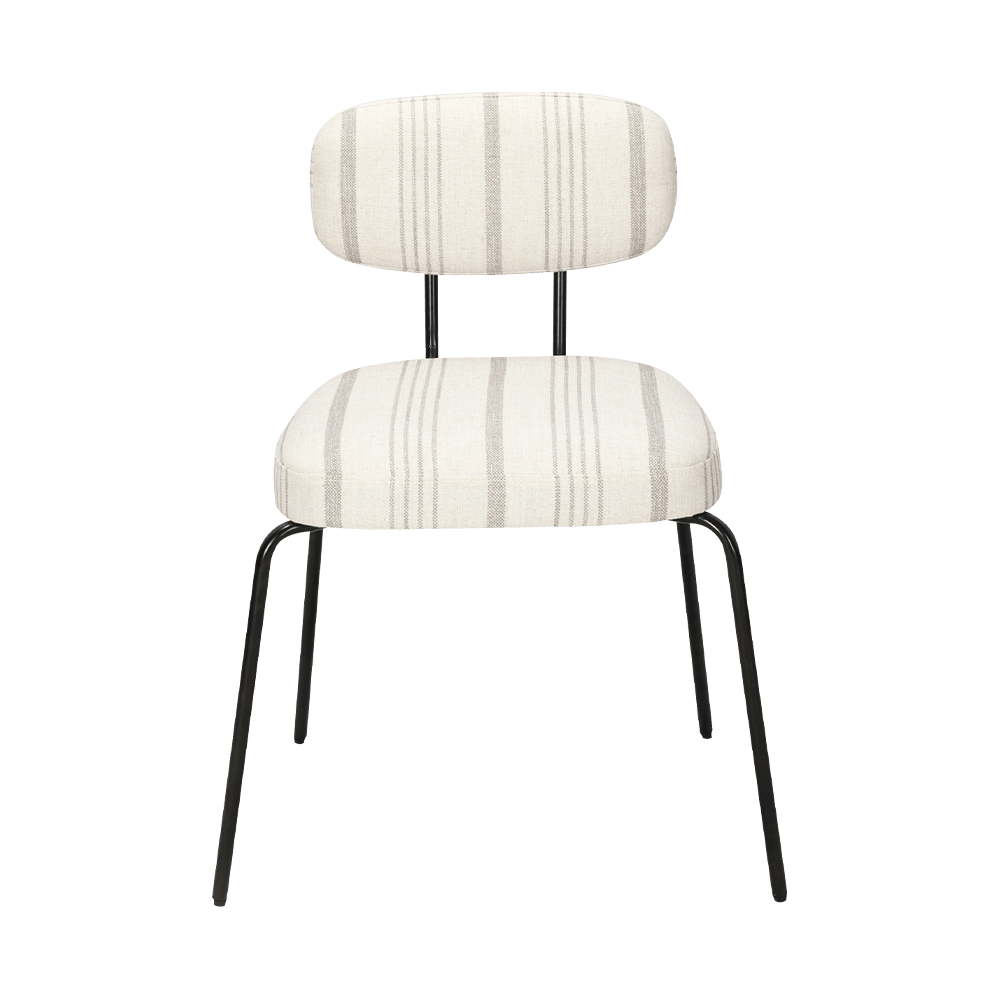
This WS6357 white modern metal dining chair features a simple and elegant design, paired with metal ... -
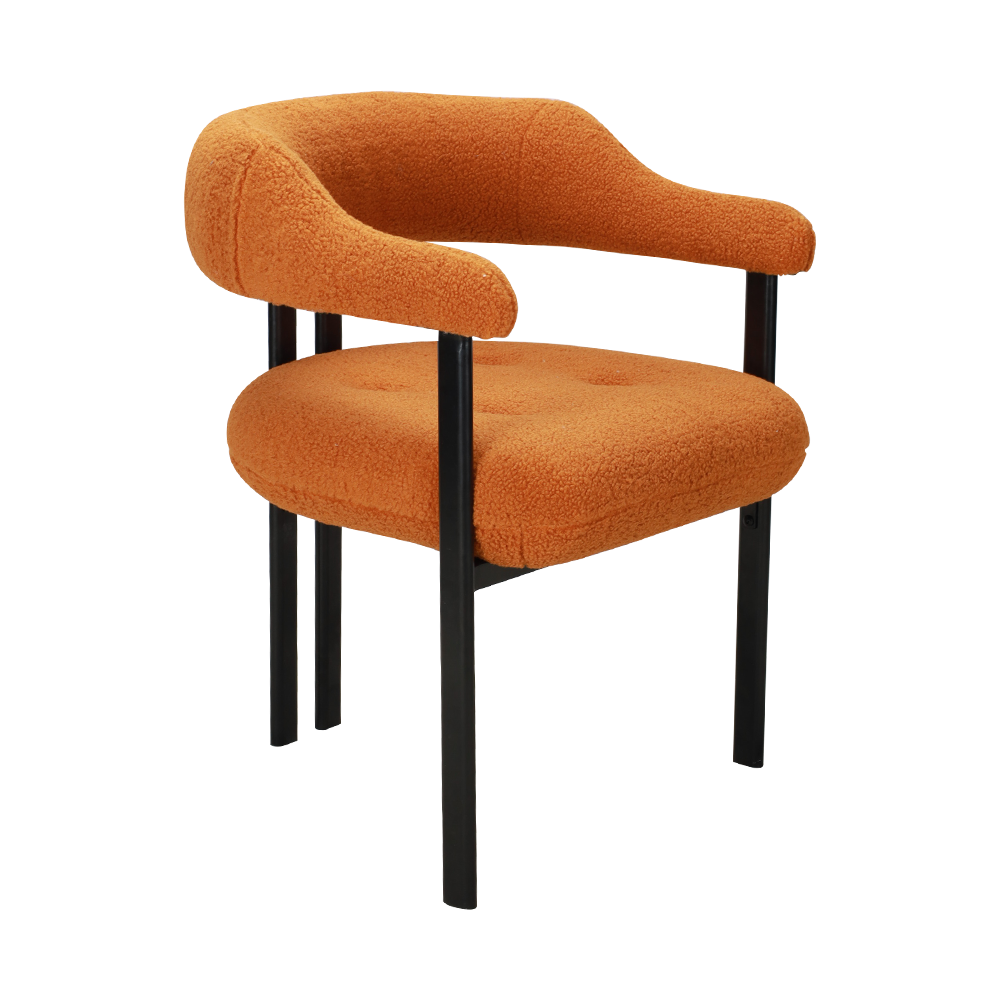
Elevate your dining experience with our WS6353 metal dining chair with a fabric cushion, a blend of ... -
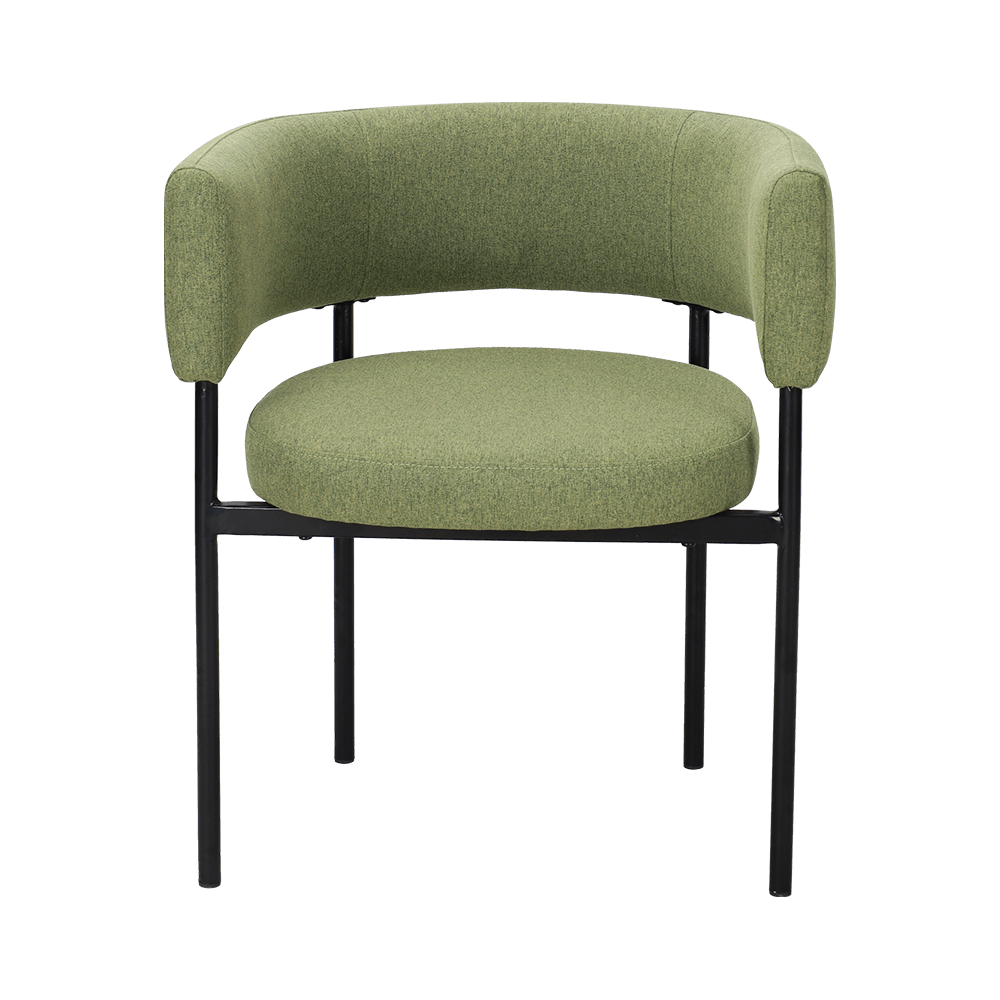
Crafted for both style and functionality, the WS6354 acid green metal leg dining chair features a st... -
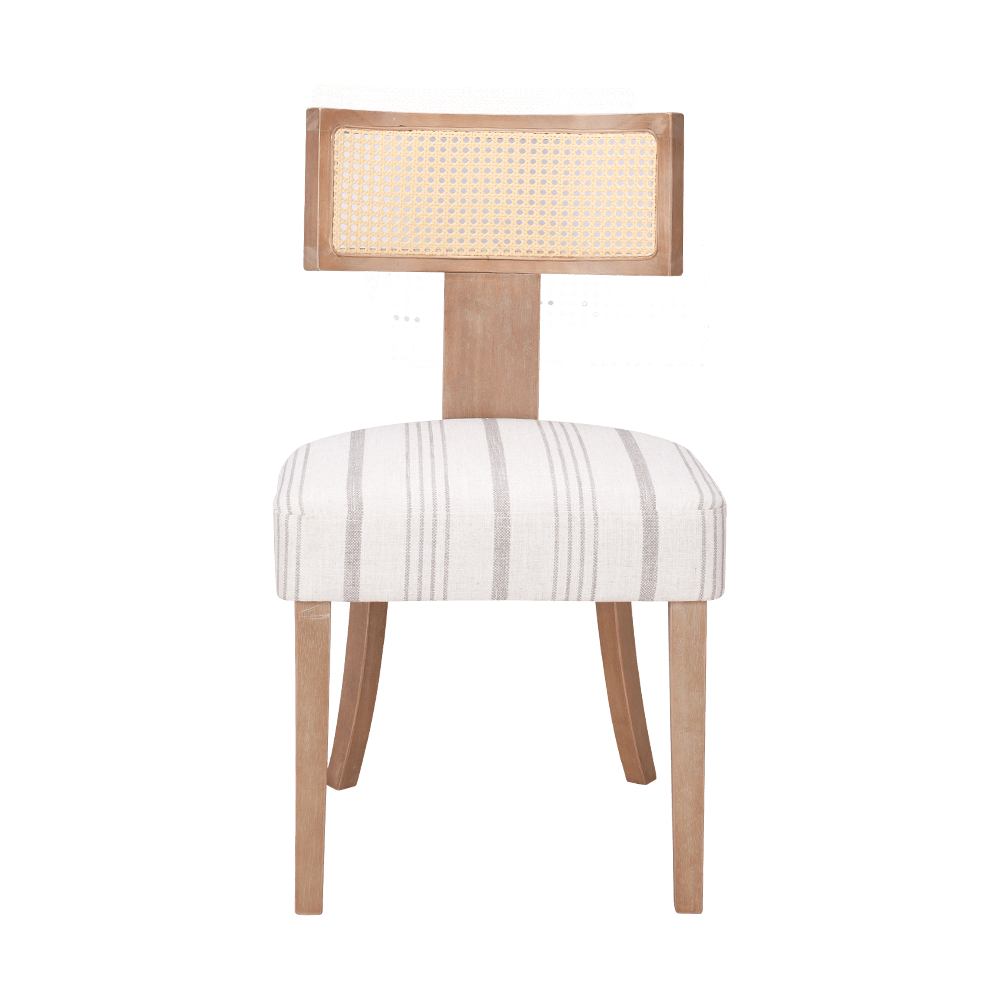
This solid rubber wood dining chair combines natural texture with comfort, featuring a simple yet el... -
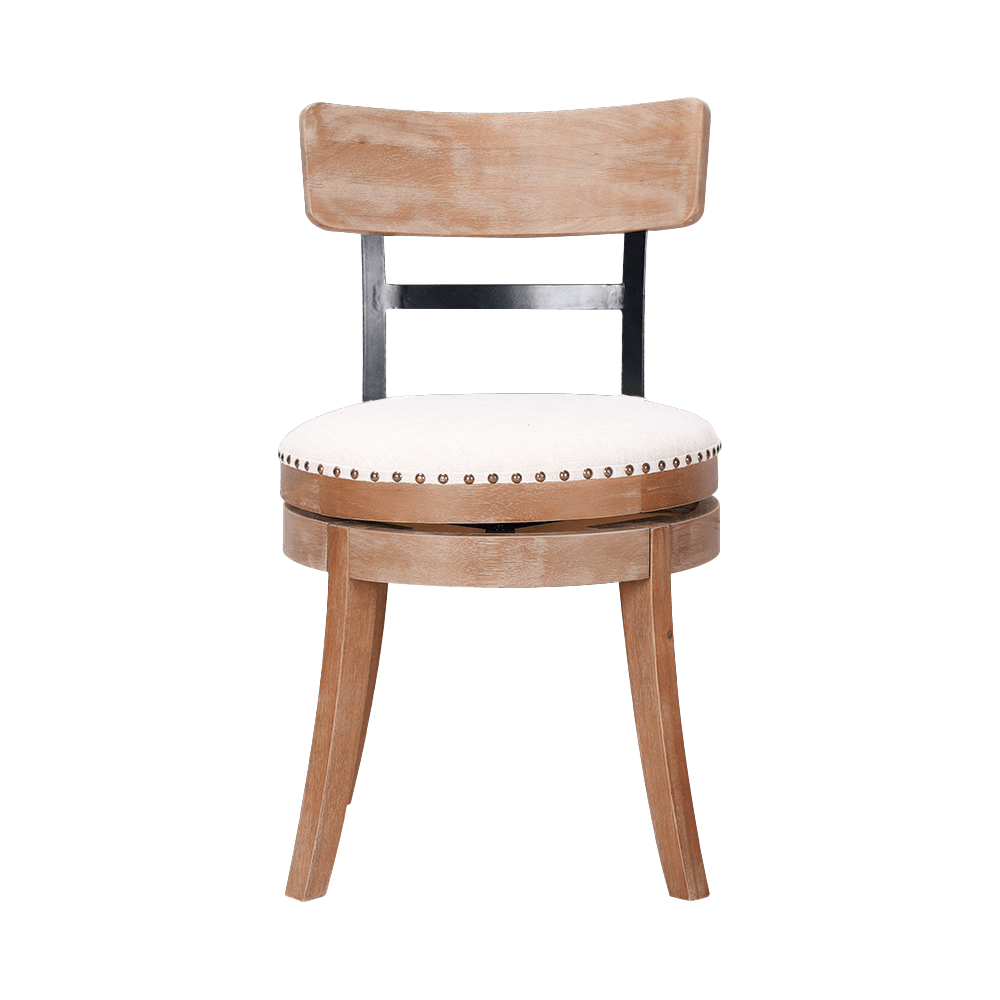
This WS6347 Round Cushion Solid Wood Dining Chair blends comfort with minimalist design, fitting var...

Copyright © Zhejiang Wanchang Furniture Co., Ltd.All Rights Reserved.
Indoor Fabric Sofa Manufacturers

-
 Xucunwancun, Xilong Xiang, Anji County, Zhejiang Province, China
-
 [email protected]
Mobile Site

WeChat Subscription Acount

Copyright © 2024Zhejiang Wanchang Furniture Co., Ltd.
All Rights Reserved.
