


 中文简体
 English
Furniture Industry News 2025: Key Trends, Trade Shows and Supply Chain Shifts
Posted by Zhejiang Wanchang Furniture Co., Ltd.
If your working life revolves around chairs, sofas and the people who buy them, 2025 was a year that rewarded good note-taking. Freight rates lurched, sourcing conversations shifted from pure cost towards resilience, and buyers who had spent two years clearing stock began asking much sharper questions about materials, comfort and lead times.
At Zhejiang Wanchang Furniture, working out of Anji — the town the trade simply calls China's chair capital — we spent the year listening to those questions from importers, distributors, hotel groups and restaurant operators across Europe, the Americas and Southeast Asia. What follows is our plain-language recap of the furniture industry news that mattered in 2025, and what it means if you are building a 2026 range.
Content
The Big Picture: What Actually Changed in 2025
Strip away the daily headlines and three forces really shaped the year. Trade policy stayed unpredictable from quarter to quarter, which pushed origin and documentation questions to the top of sourcing meetings. Supply chains became more regional, with programmes increasingly split between China and Southeast Asia rather than concentrated in a single location. And demand settled into a new rhythm: instead of one huge seasonal container order, buyers placed smaller, more frequent orders and expected the factory to keep pace.
For manufacturers, that combination was a test of planning rather than price. A factory able to run only long production campaigns struggled; one that could switch styles quickly, hold cushion and fabric options in stock and confirm realistic ship dates kept its customers. We felt that shift clearly in our own scheduling through the year, especially on dining chair and bar stool programmes where colour changes arrive late and volumes move up and down.
Four themes came up in almost every buyer conversation in 2025:
- Quick-turn replenishment replacing large seasonal container orders.
- Dual-region sourcing treated as risk management rather than a cost trick.
- Material documentation — timber origin, foam density, fabric composition — requested earlier in the process.
- Comfort specifications written into purchase orders instead of left to showroom impressions.
Trade Fairs Set the Pace Again
The exhibition calendar was busy again, and it did most of the market's talking. imm Cologne opened the year in January, CIFF Guangzhou followed in March, Milan in April, and High Point split its attention across spring and autumn editions. CIFF Shanghai in September and the autumn Canton Fair in October gave Asian suppliers and Western buyers two more checkpoints before the year closed.
The most interesting addition for us was the growing weight of Southeast Asian shows. The VIFA 2025 exhibition in Vietnam drew a genuinely international crowd, and it sits a short drive from our own overseas base in Nam Tan Uyen, Binh Duong — an 18,000 square metre plant with around 250 people. Being able to invite a buyer to walk a show in the morning and a production line the next day turned several conversations from price comparison into a real partnership discussion.
Design Trends That Stuck
On the product side, 2025 was less about shock and more about refinement. A few directions appeared in almost every showroom, from high-volume programmes to small-batch collections.
Curves and softer geometry
Square backs and hard edges retreated. Rounded backrests, U-shaped lounge chairs and gently tapered legs appeared at every price point, largely because curved plywood and moulded foam became easier to specify at volume without pushing cost out of range.
Mixed materials, led by metal and wood
Metal legs paired with upholstered seats remained one of the most requested combinations of the year, and the detailing improved: powder-coated finishes in warmer tones, slimmer profiles and better hidden fixings. If you want a sense of where that category is heading, our review of metal-leg dining chair design directions is a useful starting point.
Warm neutrals and textured fabrics
Cream, clay, sage and warm grey replaced cool greys in many collections. Bouclé, slub linen blends and soft-touch polyester all gained share, and buyers asked more often about rub counts and cleaning codes than about colour alone.
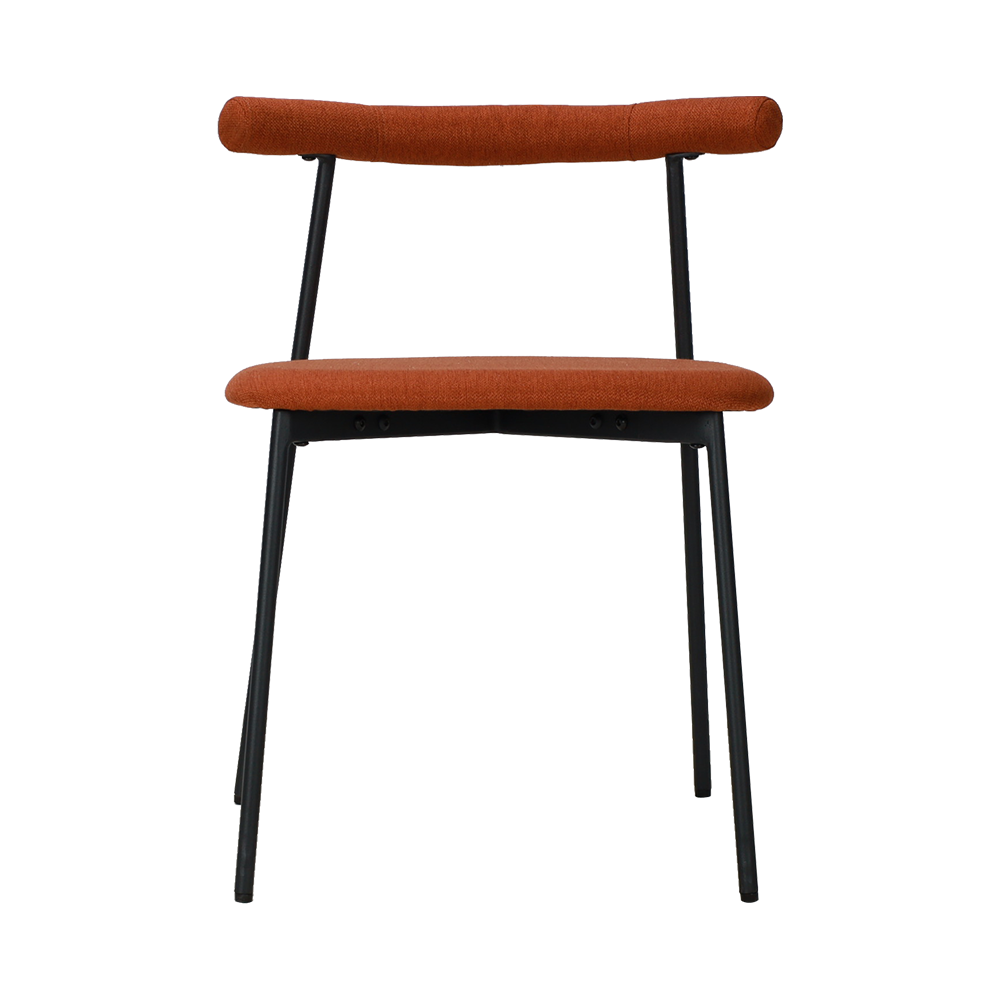 High-Resilience Sponge Dining Chair with Powder-Coated Metal LegsAn ergonomic dining chair with shape-retaining high-density sponge and powder-coated iron legs, suited to frequent-use dining spaces and easy-clean upholstery choices.View Product →
Hospitality Projects Came Back Strong
Commercial projects returned with more confidence in 2025. Hotel refurbishments that had been paused moved forward, café and restaurant groups opened new sites, and co-working operators refreshed seating in spaces that have been heavily used for years. What those buyers wanted was narrower than in the past: fewer SKUs, better durability, and a seat that still looks presentable after two years of daily use.
Bar stools carried a lot of that demand. Height flexibility, footrest comfort and fabric that can be wiped clean mattered more than novelty shapes. Our own fabric upholstered metal bar stool line grew steadily for exactly that reason — it is a specification buyers can repeat across venues without redesigning the room each time.
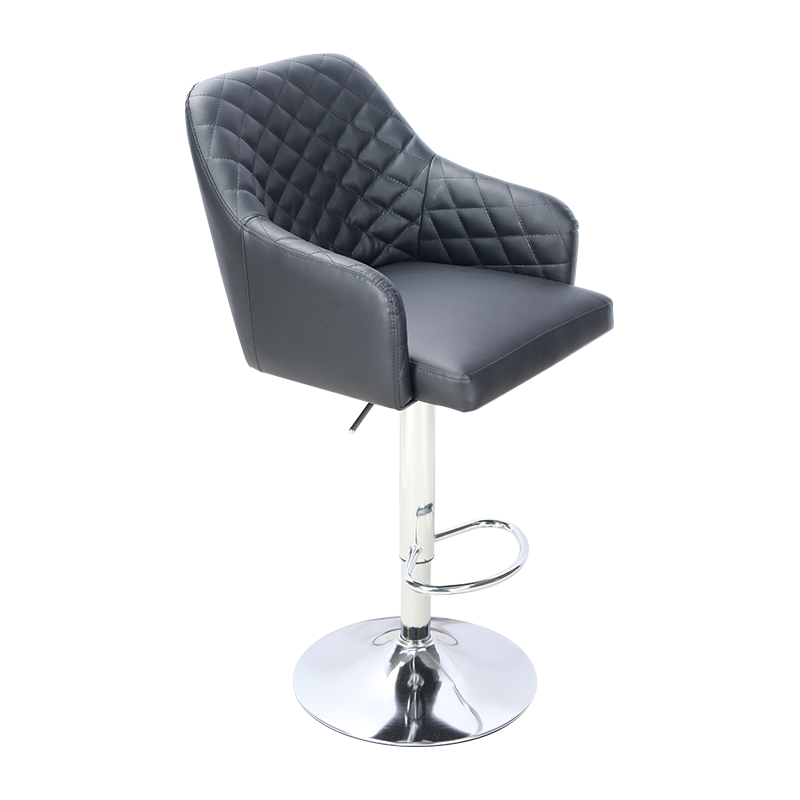 Fabric Upholstered Metal Bar Stool for Repeatable Venue SpecificationsA cushioned bar stool with a sturdy metal frame and fabric upholstery, offering a repeatable specification for kitchens, bars and hospitality seating across multiple venues.View Product →
Sourcing Lessons: Two Countries, One Standard
The sourcing story of 2025 was diversification without drama. Fewer buyers talked about leaving a country entirely; more asked how to run the same specification from two locations and keep quality identical. That is a harder, less glamorous question, and it is where a factory with both Chinese and Vietnamese capacity earns its place.
Our answer has been to keep one standard across both sites: the same drawings, the same foam specifications, the same inspection checklist. Anji handles design development, sample making and much of the component supply, while the Vietnam plant handles volume production for programmes that need a Southeast Asian origin. Neither site is a backup for the other — they are two rooms in the same house.
| Theme | How it played out in 2025 | What it means for buyers |
|---|---|---|
| Freight and lead times | Rates swung widely in the first half; capacity tightened before peak season | Build buffer weeks into launch calendars and confirm production slots early |
| Trade policy | Tariff and origin questions kept shifting; paperwork scrutiny increased | Ask for origin documentation and test reports alongside the quotation |
| Sourcing footprint | More programmes split between China and Southeast Asia | Qualify a second production site before you actually need one |
| Product design | Curves, mixed wood and metal frames, textured fabrics | Keep the frame simple and let upholstery carry the colour story |
| Comfort specifications | Foam density, seat height and back angle written into orders | Request sample seats and measure them rather than judging from photos |
Comfort Became a Specification, Not a Selling Word
Perhaps the quietest change of 2025 was linguistic. Buyers stopped asking whether a chair was comfortable and started writing comfort into the specification: seat height in millimetres, foam density, back angle, and how the cushion behaves after ten thousand sittings. It is a healthier conversation, because it lets a buyer compare quotations on equal terms.
High-resilience foam and spring-pack construction moved from premium options to expected features in mid-market ranges. Wooden frames with pronounced lumbar support sold well in the lounge and resting chair categories, where the seat is used for longer stretches and the shape of the back matters as much as the cushion beneath it.
 Wooden-Frame High-Rebound Lounge Chair with Ergonomic SupportA rubber wood lounge chair with high-rebound, high-density foam cushioning and a shaped back, designed for longer periods of reading or relaxing at home.View Product →
What We Are Watching in 2026
- Origin documentation arriving as a standard attachment rather than a request.
- Smaller opening orders with faster reorders, especially in dining chairs.
- Recycled and lower-impact upholstery options reaching mainstream price points.
- Hard-wearing, outdoor-adjacent fabrics moving into indoor commercial seating.
- Continued appetite for curved silhouettes, now with more attention to structural simplicity.
None of this makes 2025 a dramatic year in hindsight, and that may be the point. The industry spent it consolidating: tightening specifications, spreading risk, and paying closer attention to how a chair actually feels after two years of use. If you are planning a 2026 range and would like a partner who has already done that homework across both China and Vietnam, our team is always happy to talk specification before price.
-
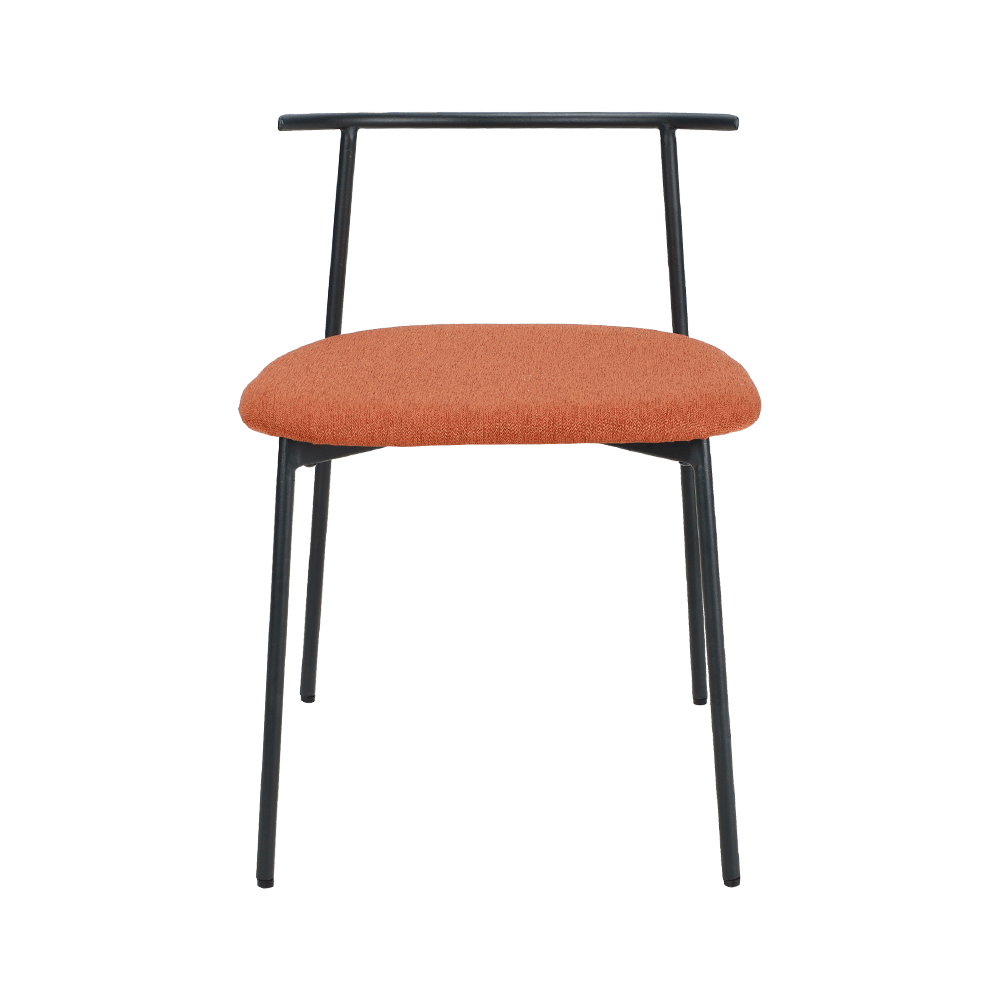
The curved back metal leg dining chair is a blend of modern design and classic comfort, offering an ... -
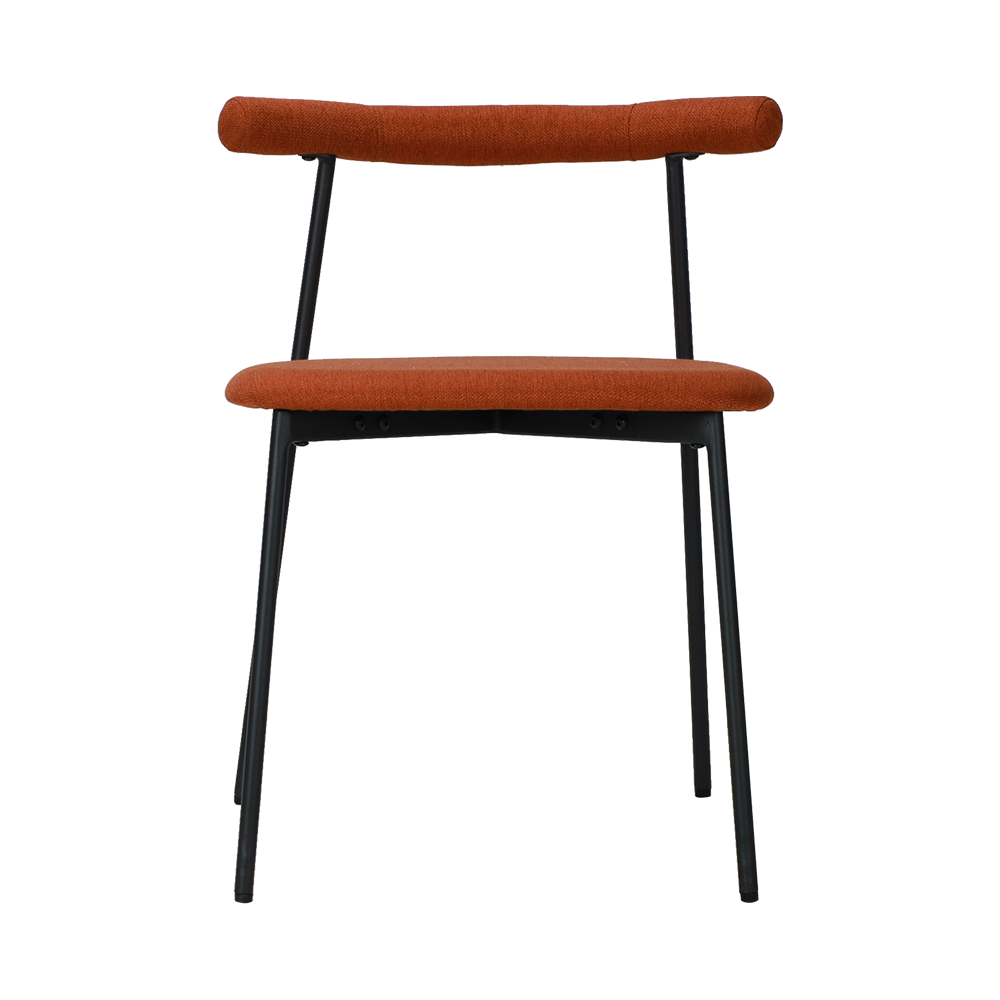
The High Resilience Sponge Cushion Metal Foot Dining Chair offers a blend of comfort, style, and dur... -
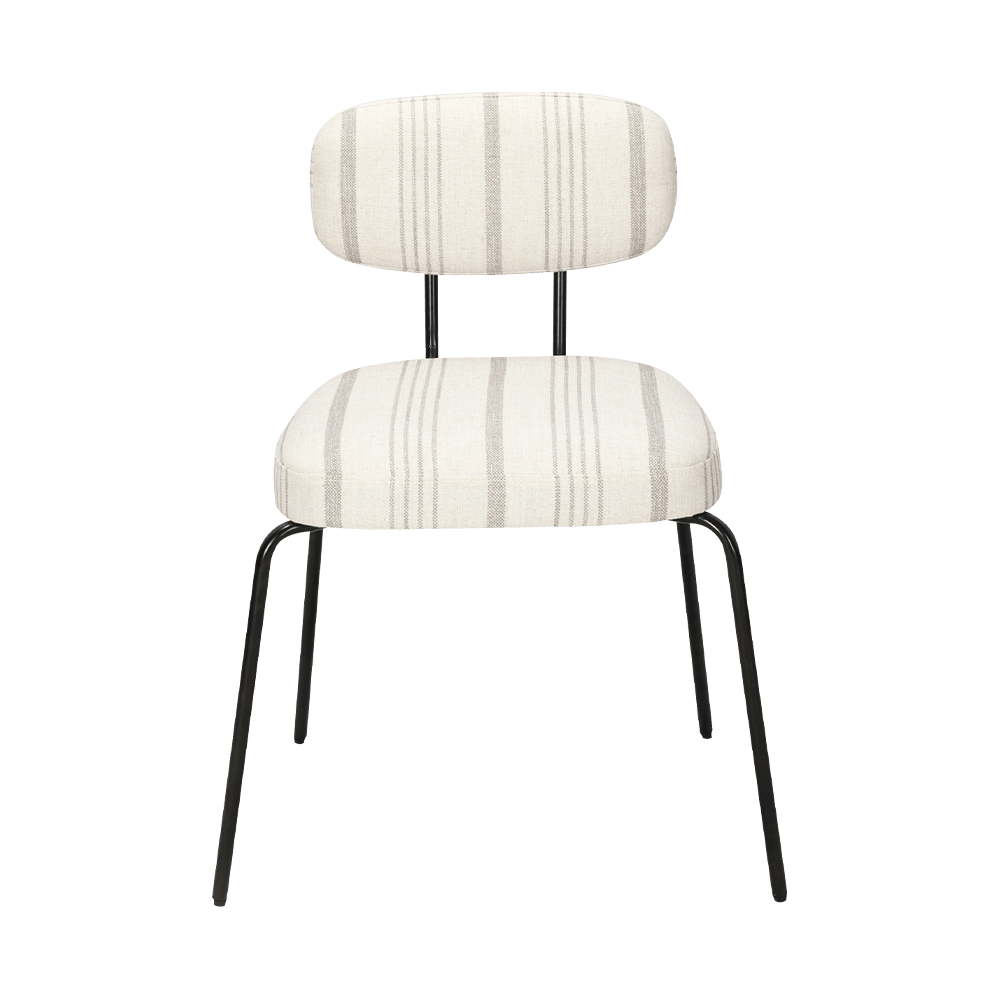
This WS6357 white modern metal dining chair features a simple and elegant design, paired with metal ... -
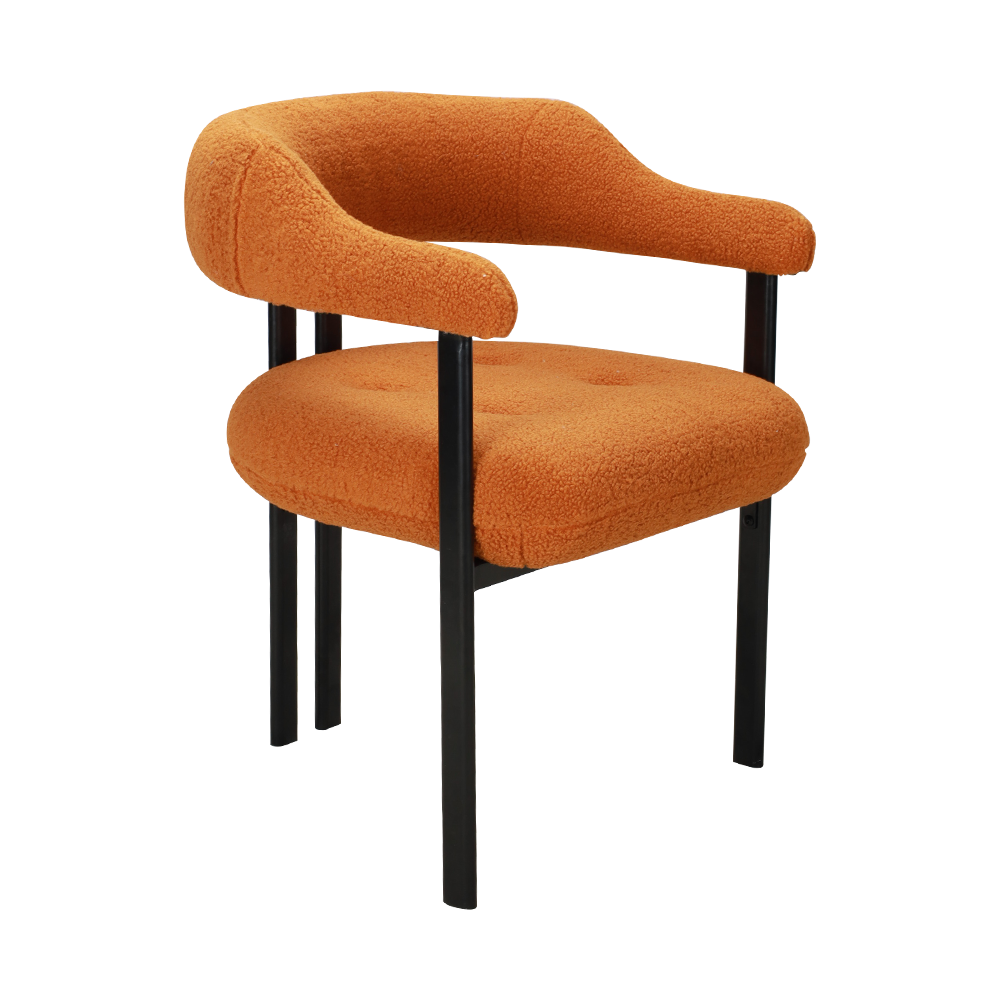
Elevate your dining experience with our WS6353 metal dining chair with a fabric cushion, a blend of ... -
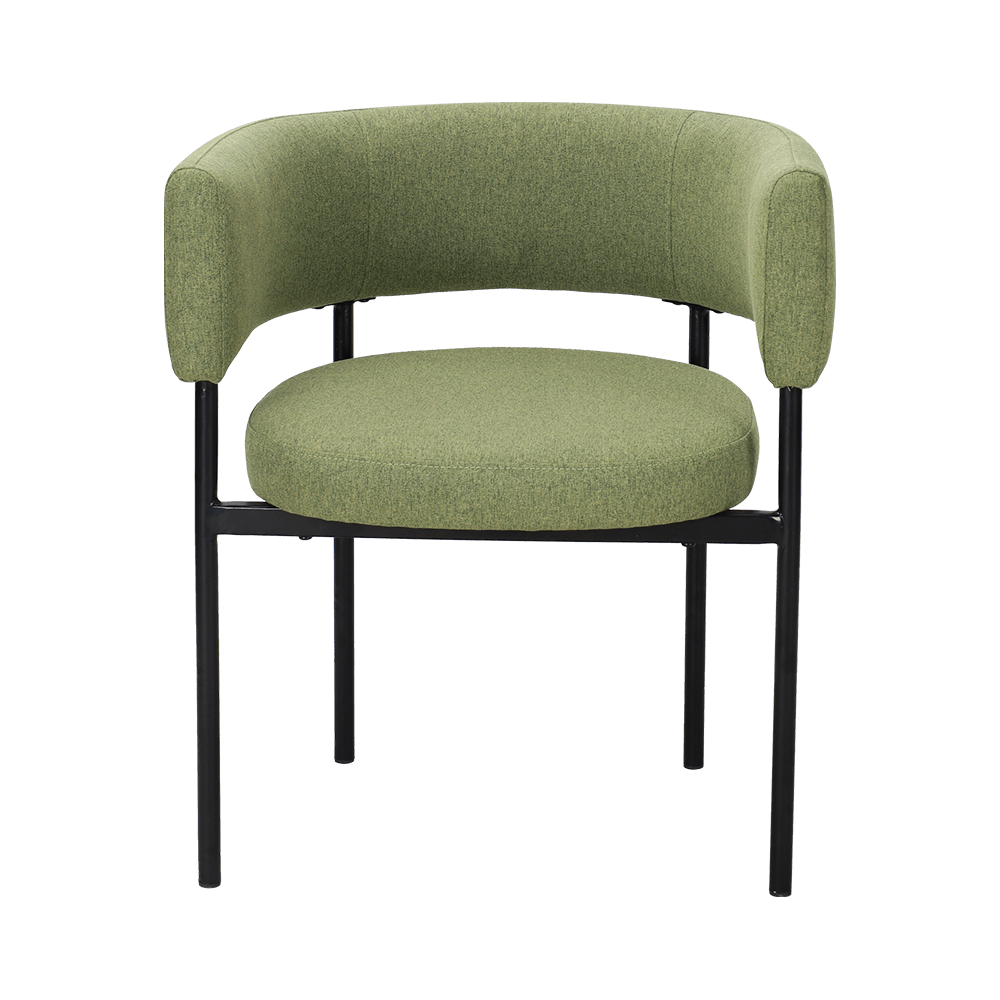
Crafted for both style and functionality, the WS6354 acid green metal leg dining chair features a st... -
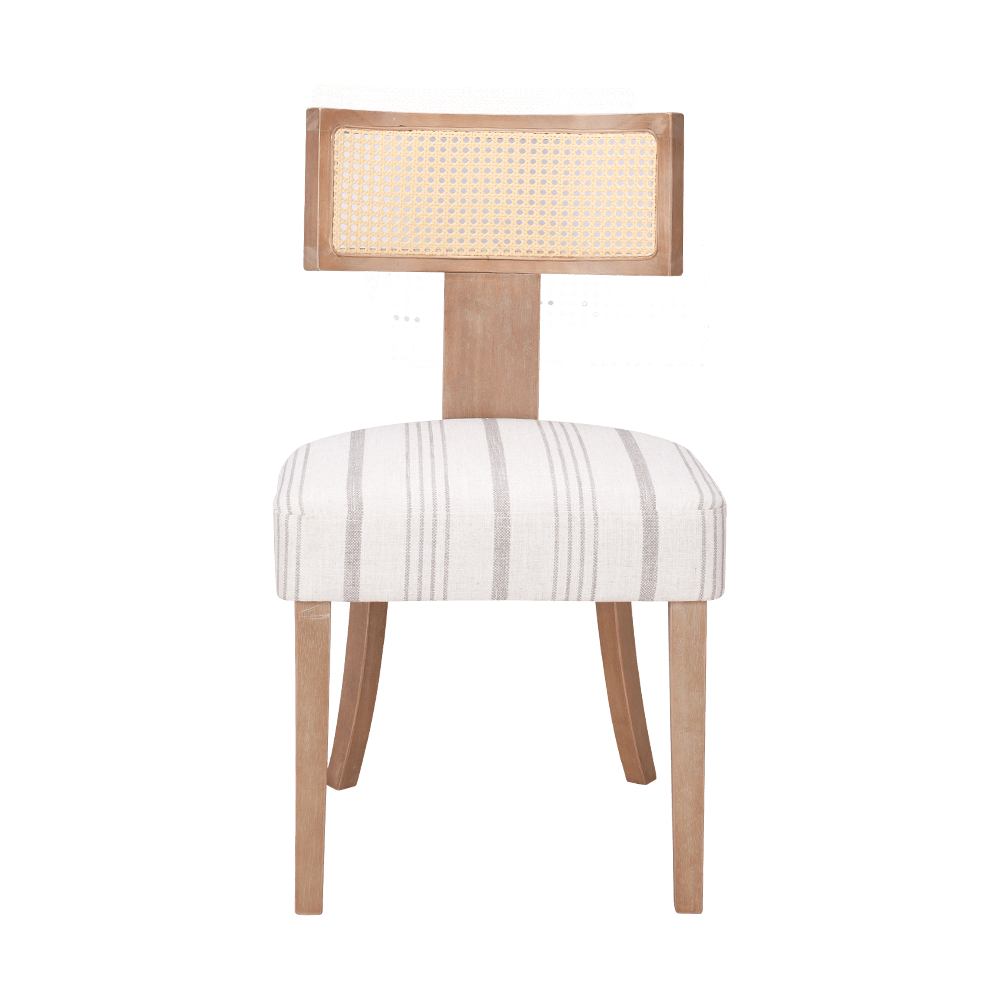
This solid rubber wood dining chair combines natural texture with comfort, featuring a simple yet el... -
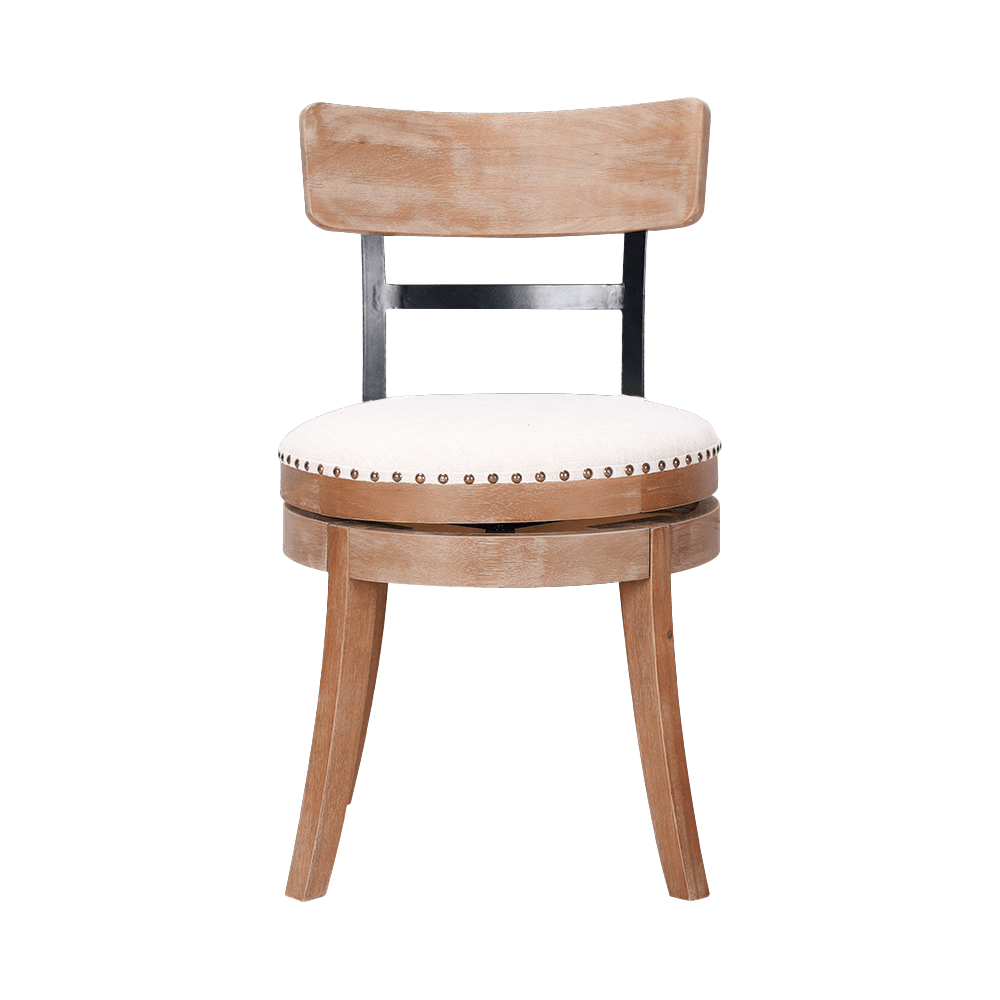
This WS6347 Round Cushion Solid Wood Dining Chair blends comfort with minimalist design, fitting var...

Copyright © Zhejiang Wanchang Furniture Co., Ltd.All Rights Reserved.
Indoor Fabric Sofa Manufacturers

-
 Xucunwancun, Xilong Xiang, Anji County, Zhejiang Province, China
-
 [email protected]
Mobile Site

WeChat Subscription Acount

Copyright © 2024Zhejiang Wanchang Furniture Co., Ltd.
All Rights Reserved.
