


 中文简体
 English
Consumer Spending Trends 2026: What They Mean for Furniture and Seating Buyers
Posted by Zhejiang Wanchang Furniture Co., Ltd.
Ask anyone who sources furniture for a living and they will tell you the same thing: the mood of the market shifted before the numbers did. Through the second half of 2025, our conversations with importers, restaurant groups and retail buyers kept circling three questions — will shoppers keep spending, where are they pulling back, and which seats will still sell next season? The consumer spending trends taking shape in 2026 give a clearer answer than the headlines do.
We build seating for a living, so we make no claim to forecasting macroeconomics. But order patterns are a kind of weather report, and after two decades of watching them we have learned to read the small signals early. What follows is what we are seeing, and what it usually means for the people who buy chairs, stools and lounge seating by the container.
Content
The 2026 Mood: Careful, Not Frozen
Inflation has eased from its peak, yet most households still feel prices sitting well above where they were a few years ago, and wages have caught up unevenly. The result is not a boycott of spending but a change of sequence. Consumers buy later, compare longer, and separate what they need from what they simply want. Big-ticket purchases get postponed; smaller upgrades that visibly improve daily life move forward.
That distinction matters enormously for furniture. Very few people wake up planning to refurnish a room. Many more decide, over a quiet weekend, that the dining chairs are finally uncomfortable or that the bar stools no longer match a refurbished counter. Replacement and refresh demand is far steadier than new-project demand, and it rewards suppliers who keep proven designs available instead of overhauling the catalogue every season.
Spending also looks increasingly two-speed. Value-conscious households trade down on materials and finishes, while higher-income buyers continue to pay for comfort, design and durability. The squeezed middle — mid-priced, mid-quality, mid-story — is where most margin quietly disappears.
Five Spending Shifts We Hear Most About
1. Value first, but not cheap
Buyers are not hunting for the lowest price; they are hunting for the most defensible price. They want to understand what the money actually buys — the frame, the foam density, the fabric performance. A chair that is easy to explain sells better than a chair that is merely inexpensive.
2. Experience still wins
Dining out, short trips and social gatherings remain priorities even when budgets tighten. That keeps hospitality operators investing in the visible parts of the guest experience, and seating is among the most visible. Restaurant and bar refreshes tend to happen in phases, one zone at a time, which suits smaller mixed orders rather than single large shipments.
3. Research happens before the visit
Shoppers arrive informed. They compare specifications, read reviews, ask an assistant or a search engine for a shortlist, and then walk in to confirm what they already believe. For manufacturers and importers that means product data has to be complete and honest; vague descriptions lose the sale long before anyone sits down.
4. Durability reads as good value
When money is tight, buy-once thinking becomes a selling argument. Consumers and trade buyers both ask harder questions about frame construction, cushion recovery and whether covers can be replaced. Simple, repairable construction is not a compromise — it is a feature worth naming out loud.
5. Smaller spaces, lighter footprints
Urban apartments and compact rentals keep pushing demand toward armless chairs, slim bar stools and pieces that tuck away neatly. Anything that photographs well in a small room tends to travel well across markets, which is why scale drawings matter as much as swatches.
Where These Trends Touch Seating and Dining Furniture
Seating sits at an unusually useful intersection of these shifts. It is visible, tactile and replaceable. A diner notices a chair within seconds; a guest notices a wobbly bar stool immediately; a family notices within a week when a dining chair stops being comfortable. That combination of visibility and moderate cost makes seating one of the first categories to move when budgets loosen, and one of the last to be cut when they tighten.
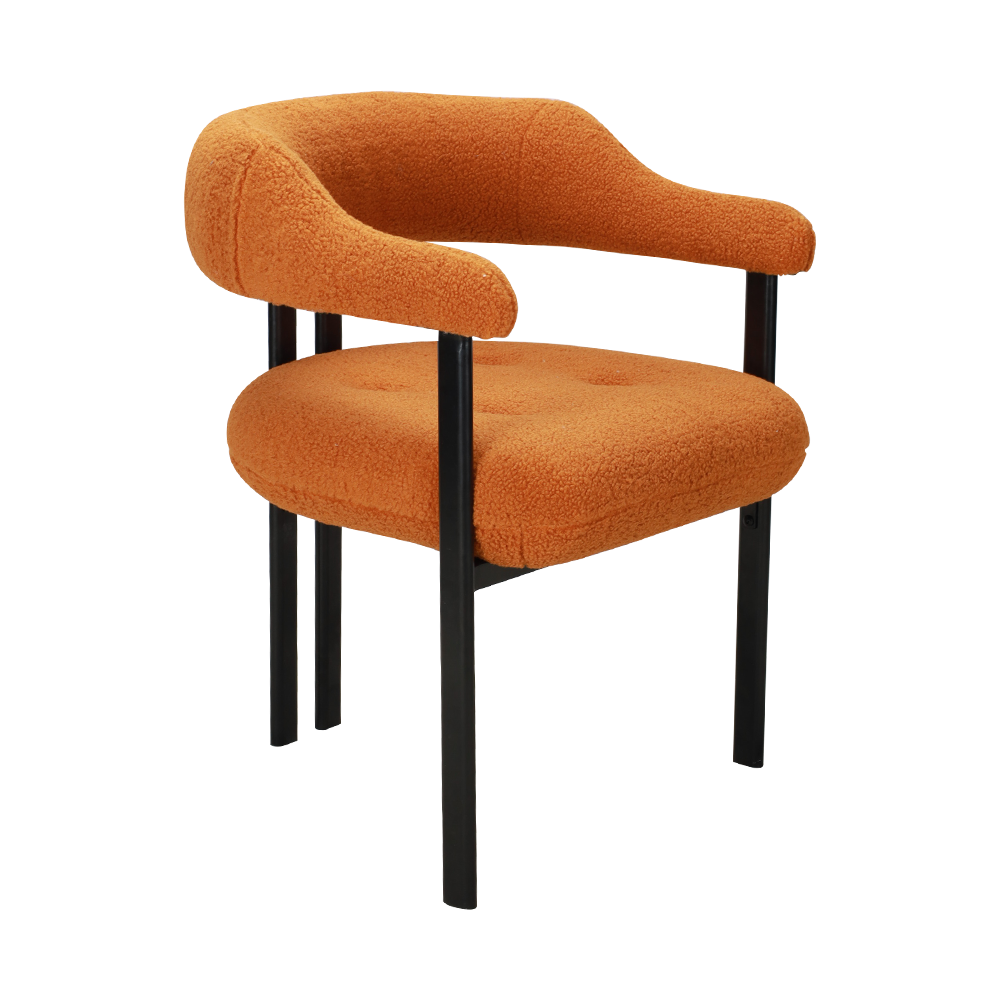 WS6353 Metal Dining Chair with Fabric CushionA fabric-cushioned metal dining chair for everyday meals, with an iron frame and easy-clean upholstery that suits family dining rooms and small cafés.View Product →
In metal-leg dining chairs we see steady demand for upholstered seats that look considered but clean easily — the kind of chair that works in a family dining room and a small café without modification. Consistent surface treatment on the legs matters as much as the fabric, because buyers now compare finishes side by side on a screen before they ever request a sample.
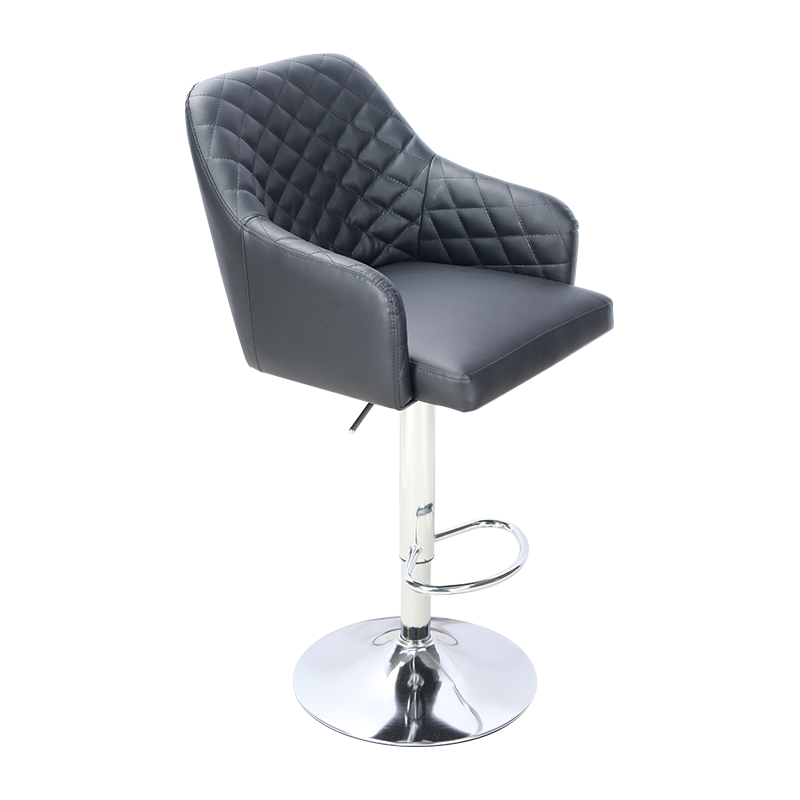 Fabric Upholstered Metal Bar Stool for Kitchen IslandsA cushioned metal bar stool for kitchen islands and home bars, offered in multiple colors and built for stable, comfortable daily seating.View Product →
Bar stools follow hospitality spending closely. Operators want a stool that reads well from across the room, holds its shape under daily use, and can be reordered in the same finish eighteen months later. That last point is the quiet requirement behind most repeat orders, and it is the one that separates a reliable supplier from a lucky one.
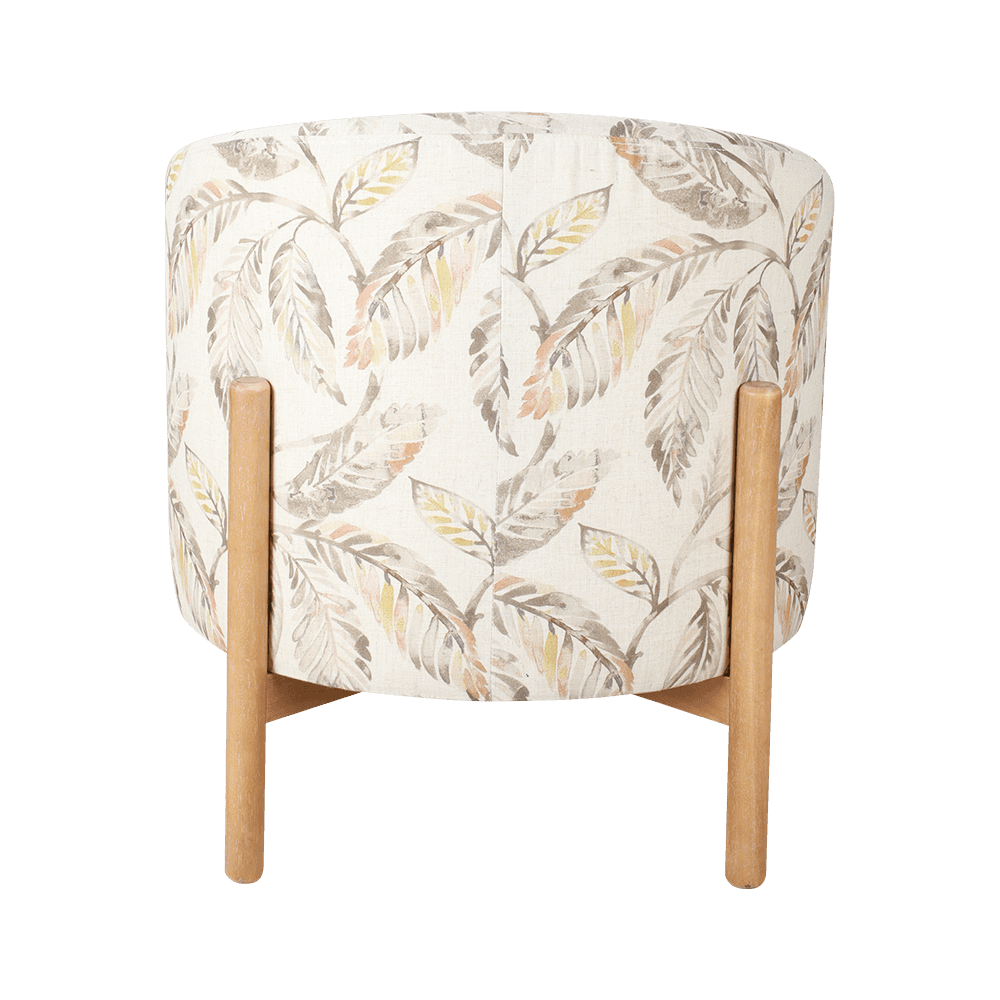 High-Resilience Sponge Cushion Lounge Chair with FootstoolA rubber-wood lounge chair with quick-rebound high-resilience sponge cushioning, intended for homes, offices and lounges; a footstool is included.View Product →
Lounge chairs tell a different story. They are what people buy when they decide to enjoy the home they already have — a corner chair for reading, a comfortable seat that turns an unused space into a used one. If you are weighing design directions for the year, our review of 2026 metal-leg dining chair trends covers the shapes and finishes buyers are asking about most.
Reading the Pattern at a Glance
The table below is the shorthand we use when a buyer asks how a change in shopper behaviour should change a purchase order. It is not a forecast; it is a translation.
| Consumer priority | What it looks like at retail | What it means for seating orders |
|---|---|---|
| Value without compromise | Shoppers compare specs and wait for the right moment to buy | Fewer, better-proven styles with clear material stories |
| Experience-led spending | More meals out and phased hospitality refurbishments | Commercial-grade stools and chairs with easy-clean covers |
| Trust and durability | Longer replacement cycles and repair-minded buyers | Solid frames, resilient foam, replaceable upholstery |
| Smaller living spaces | Compact dining sets and multifunctional corners | Armless chairs, slim stools, tight footprints |
| Research-first shopping | Buyers arrive already informed and ask detailed questions | Accurate specifications and stable finishes across batches |
What This Means for How We Build and Ship
Trends are only useful if they survive contact with a production calendar. For us, the practical answer to a cautious market has been boring in the best way: keep proven frames in production, control foam and fabric specifications tightly, and hold finishes steady so a reorder next year still matches an order placed this year.
Capacity helps. Our main campus in Anji — the Chinese town much of the chair industry calls home — covers 70,000 square metres of industrial space alongside roughly 80,000 square metres of production and warehousing, with a team of more than 500 people. Our Vietnamese plant in Nam Tan Uyen, Binh Duong, adds 18,000 square metres and about 250 colleagues, giving buyers a second origin for the same designs when tariffs, freight costs or lead times make one route awkward. You can read more about our facilities and background if you are mapping supply options.
In our experience, dual-origin production is less about cost arbitrage and more about calm. When a buyer can shift volume between two factories without redesigning the product, they stop making panic decisions in the middle of a season — and their retail partners stop noticing gaps on the floor.
A Short Checklist for 2026 Buying Plans
If you are building a range or a purchase order for the year ahead, these are the questions we find most useful to settle early, before samples are booked and containers are costed.
- Cut the tail. Keep the styles that sell and retire the ones that only fill a catalogue page.
- Write specifications your customer can repeat. Frame, foam, fabric and finish each deserve a sentence.
- Test the reorder. Place a second small order before the season ends; if the match is imperfect, you have found the problem while it is still cheap to fix.
- Split commercial and residential needs. Hospitality buyers want cleanability and stability; home buyers want comfort and the right scale.
- Plan a second origin. Even if you never use it, knowing the option exists changes how you negotiate.
None of this makes 2026 easy to predict. But the spending patterns of this year are less mysterious than they look: people are spending carefully, on things they can see, touch and justify. Seating happens to be one of those things. If you would like to talk through which chairs, stools or lounge pieces fit the demand you are seeing, our team is always glad to compare notes — the best product conversations usually start with a buyer describing a room.
-
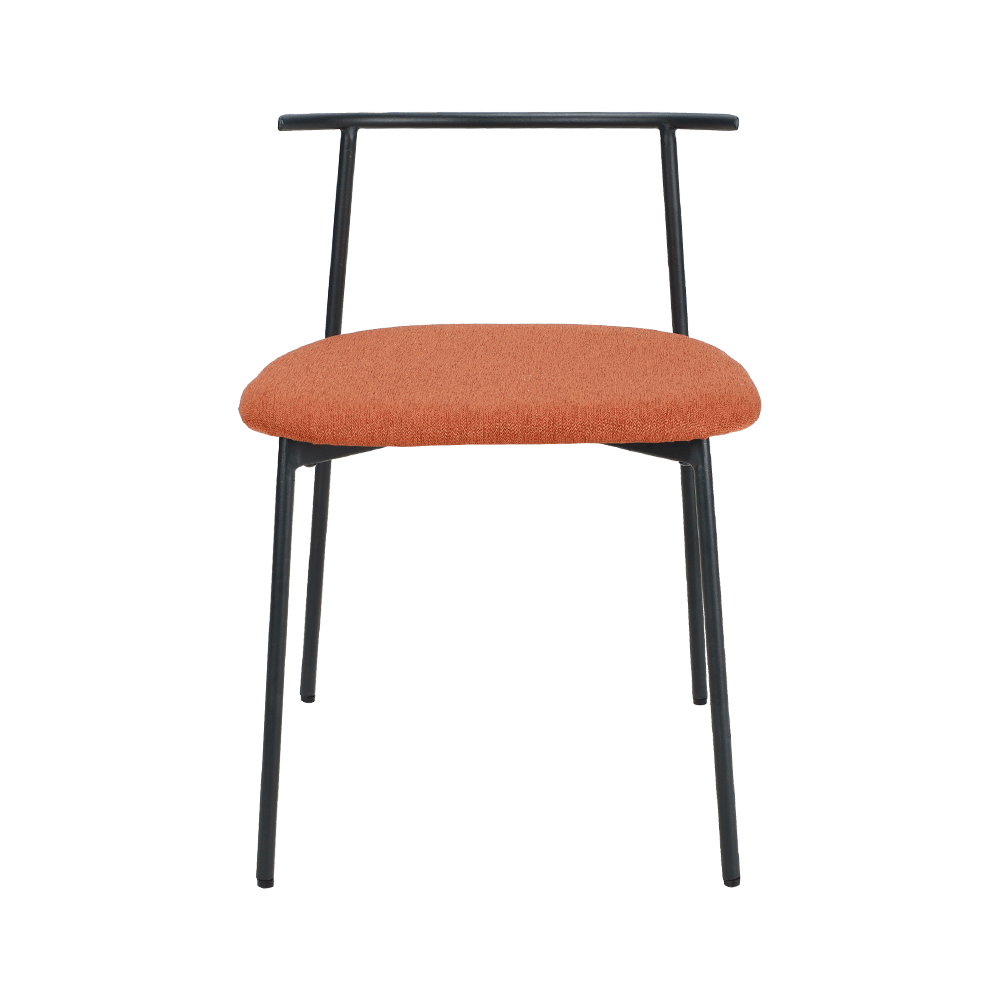
The curved back metal leg dining chair is a blend of modern design and classic comfort, offering an ... -
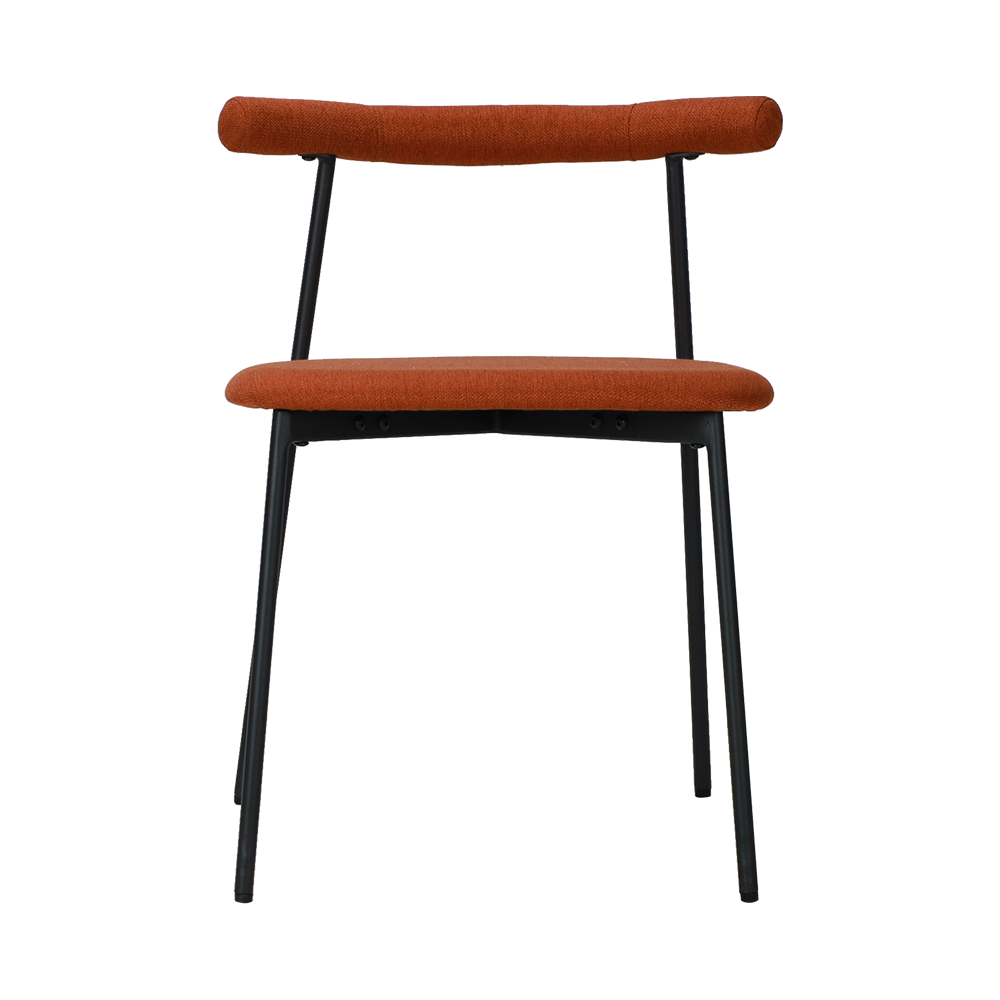
The High Resilience Sponge Cushion Metal Foot Dining Chair offers a blend of comfort, style, and dur... -
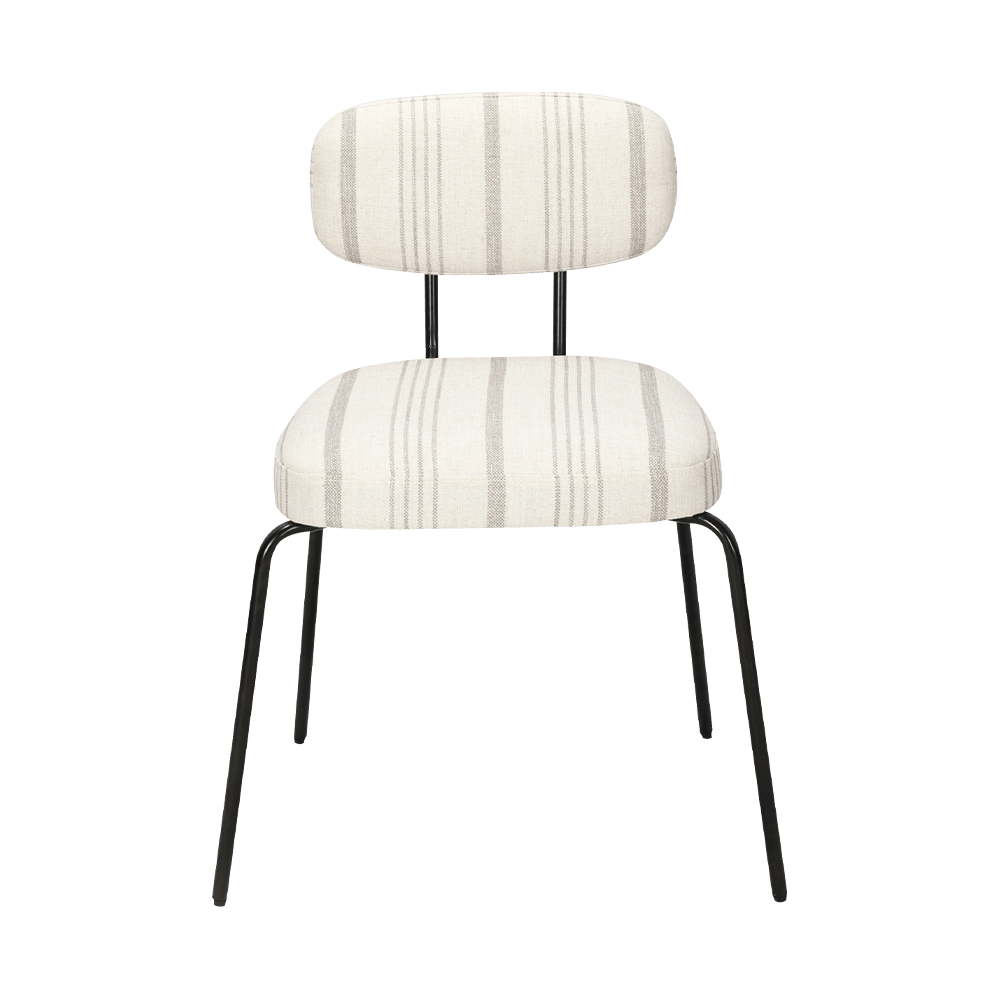
This WS6357 white modern metal dining chair features a simple and elegant design, paired with metal ... -
Elevate your dining experience with our WS6353 metal dining chair with a fabric cushion, a blend of ... -
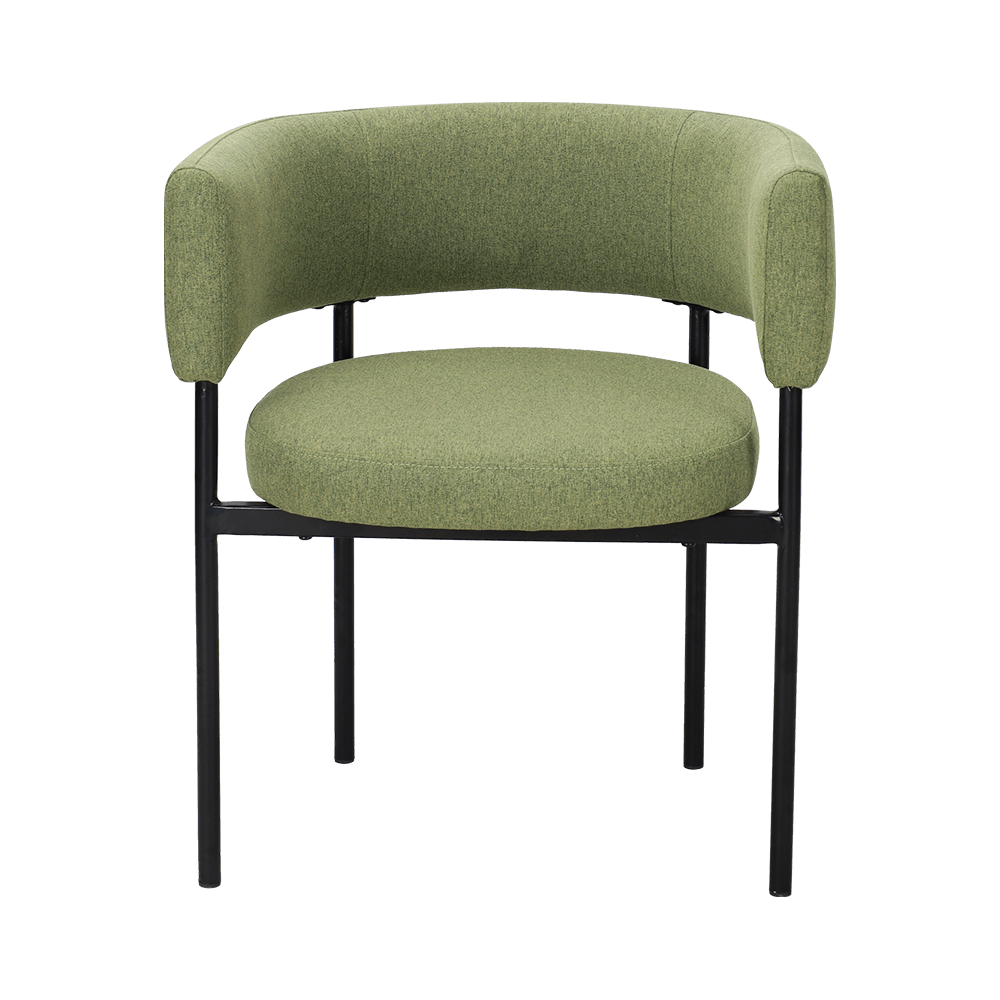
Crafted for both style and functionality, the WS6354 acid green metal leg dining chair features a st... -
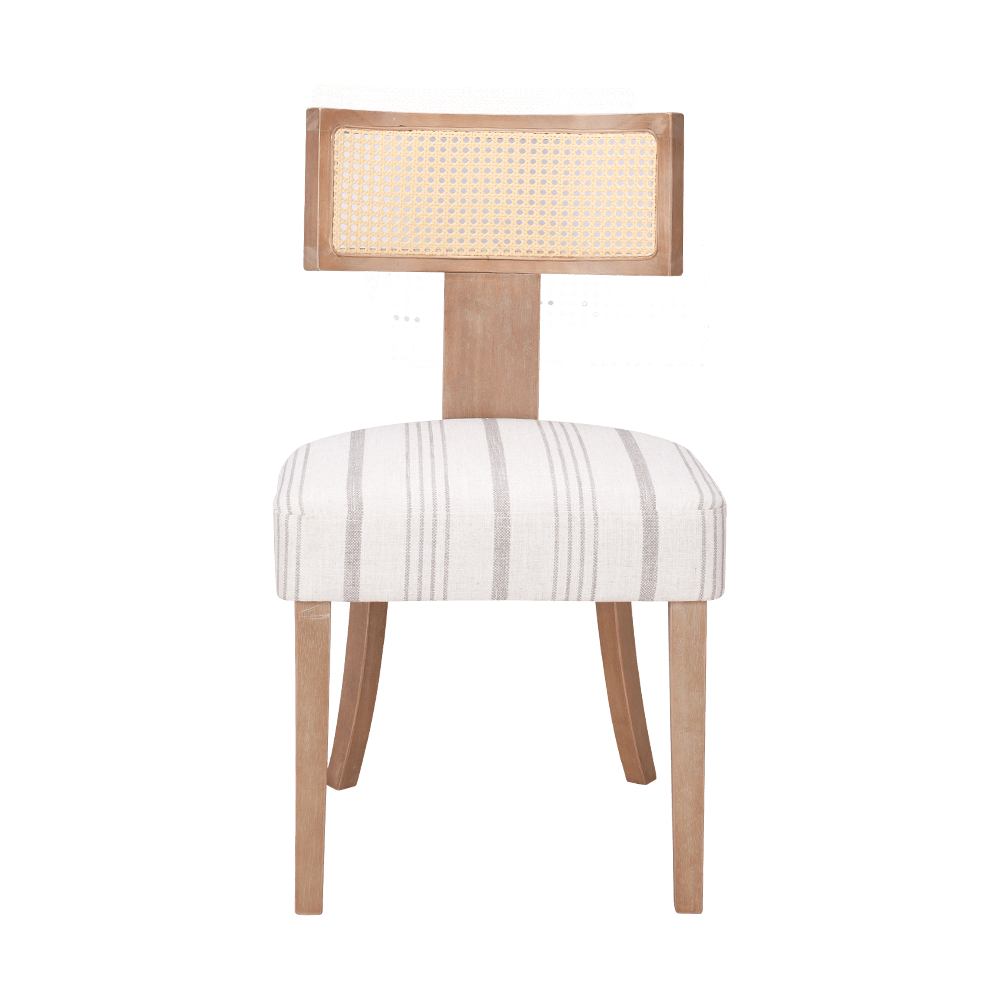
This solid rubber wood dining chair combines natural texture with comfort, featuring a simple yet el... -
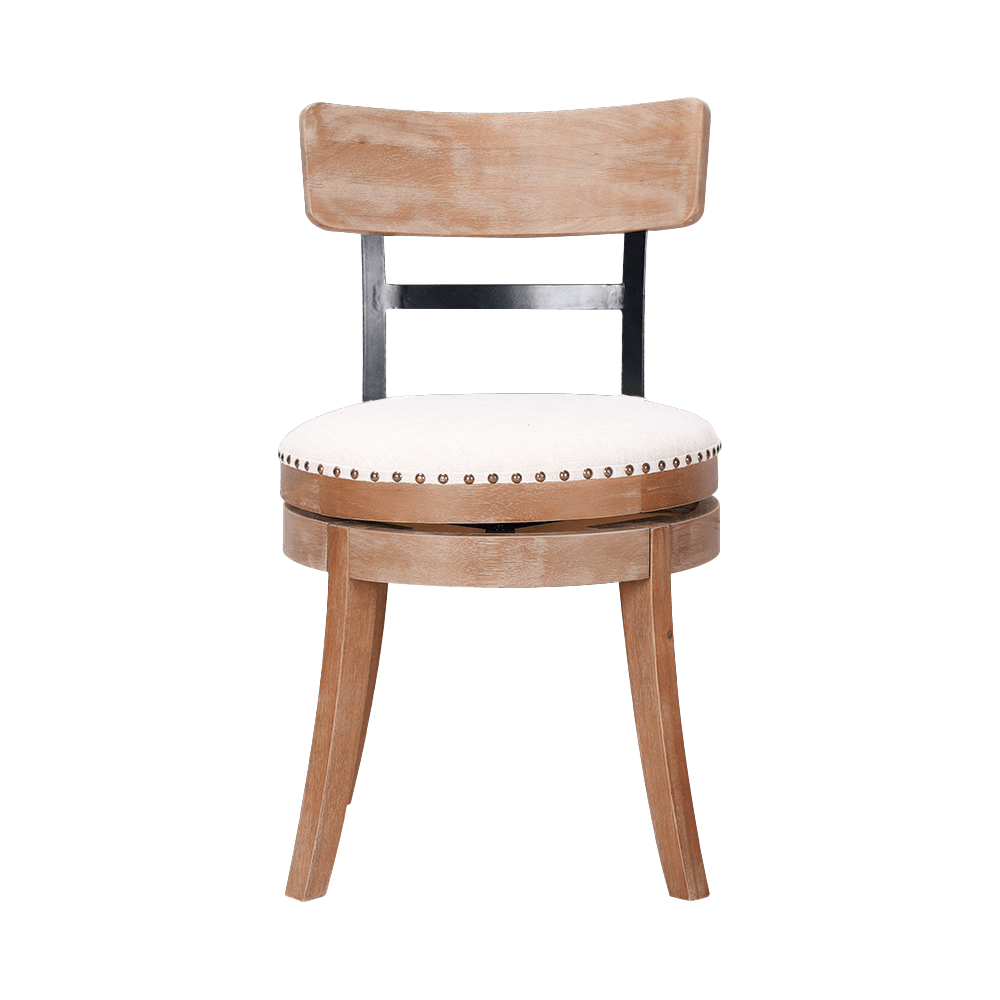
This WS6347 Round Cushion Solid Wood Dining Chair blends comfort with minimalist design, fitting var...

Copyright © Zhejiang Wanchang Furniture Co., Ltd.All Rights Reserved.
Indoor Fabric Sofa Manufacturers

-
 Xucunwancun, Xilong Xiang, Anji County, Zhejiang Province, China
-
 [email protected]
Mobile Site

WeChat Subscription Acount

Copyright © 2024Zhejiang Wanchang Furniture Co., Ltd.
All Rights Reserved.
