


 中文简体
 English
AmericasMart January 2026: A Seating Buyer's Guide to Atlanta Market Week
Posted by Zhejiang Wanchang Furniture Co., Ltd.
January in Atlanta means one thing for people in the home and gift trade: the winter edition of AmericasMart. The campus fills up, the showrooms open early, and buyers from independent shops, regional chains and hospitality projects walk the buildings looking for the pieces that will carry their floors through the year. If you are planning around the January 2026 market, this guide is for you — a practical, seating-focused walkthrough from a team that has spent years building chairs, bar stools and sofas for buyers who source in Atlanta and beyond.
We won't pretend the market is only about furniture. It isn't. But for anyone whose business depends on what people sit on — dining rooms, bars, hotel lobbies, living rooms — the winter edition is one of the most efficient weeks of the year to compare constructions, finishes and price points side by side.
Content
AmericasMart in January: What the Winter Market Is Really Like
AmericasMart is a permanent trade mart in downtown Atlanta, made up of connected buildings that hold hundreds of showrooms alongside temporary exhibits during market weeks. The winter edition pulls together gift, home decor, furniture, lighting, textiles and housewares, which is exactly why it works so well for seating buyers: you can see a dining chair in one showroom and the fabric and finish story three floors away, all in the same afternoon.
The rhythm takes some getting used to. Mornings tend to be appointment-heavy, with buyers moving deliberately between booked showrooms. Afternoons are better for discovery — walking floors you did not plan to visit, spotting a silhouette or a finish you did not know you needed. The buildings are large, the carpets are unforgiving and the best conversations often happen at the coffee station. Comfortable shoes are not a cliché here; they are strategy.
Dates shift from year to year, so confirm the official January 2026 calendar and showroom hours before you book travel. What does not change is the tempo: a week that rewards preparation and punishes improvisation.
What Seating Buyers Are Looking for in January
By the time January arrives, most buyers already have a rough floor plan for the year. They are not browsing for inspiration alone; they are narrowing. Over the years, the questions we hear in Atlanta and in follow-up emails tend to fall into a few clear categories.
Dining chairs and bar stools: the workhorses
Dining chairs carry the heaviest commercial burden in most assortments, so buyers check frames, joints and seat construction first. Metal-leg dining chairs get attention for their slim profiles and easy maintenance, while solid wood options appeal to customers who want warmth and weight. Bar stools sit close behind, especially height options and swivel features that suit both home bars and hospitality counters. The details that close a deal are usually practical: how the leg attaches, whether the cushion holds its shape, how the finish survives a cleaning cloth.
 Metal-Leg Upholstered Dining Chair with BackA practical dining chair with iron frame, fabric-upholstered sponge seat and rust-resistant metal finish, suited to commercial and home dining checks.View Product →
We also see buyers comparing similar chairs across several showrooms in one day. That is a good habit. Sit on each one for a full minute, not five seconds. Lean back. Shift your weight. If a chair feels tired after sixty seconds, it will feel worse after a year of restaurant service.
Lounge chairs and sofas: comfort that photographs well
Lounge chairs and small sofas have become a bigger part of the January conversation because so many retailers are mixing home and hospitality assortments. Buyers want pieces that look good in a photograph and still feel supportive in person — a combination that depends on foam density, frame geometry and upholstery tension. Single sofas, armless lounge chairs and storage-friendly ottomans all get a second look when they can serve more than one room.
 Spring Pack Foam Cushion Resting ChairA lounge chair pairing spring-supported high-density foam with plush upholstery and a sleek silhouette, worth viewing for supportive comfort in home and hospitality lounges.View Product →
For bar and counter seating, the calculation is slightly different. Height, footrest placement and back height matter more than fabric trend. A stool that looks elegant but forces a guest to perch will not survive a busy season.
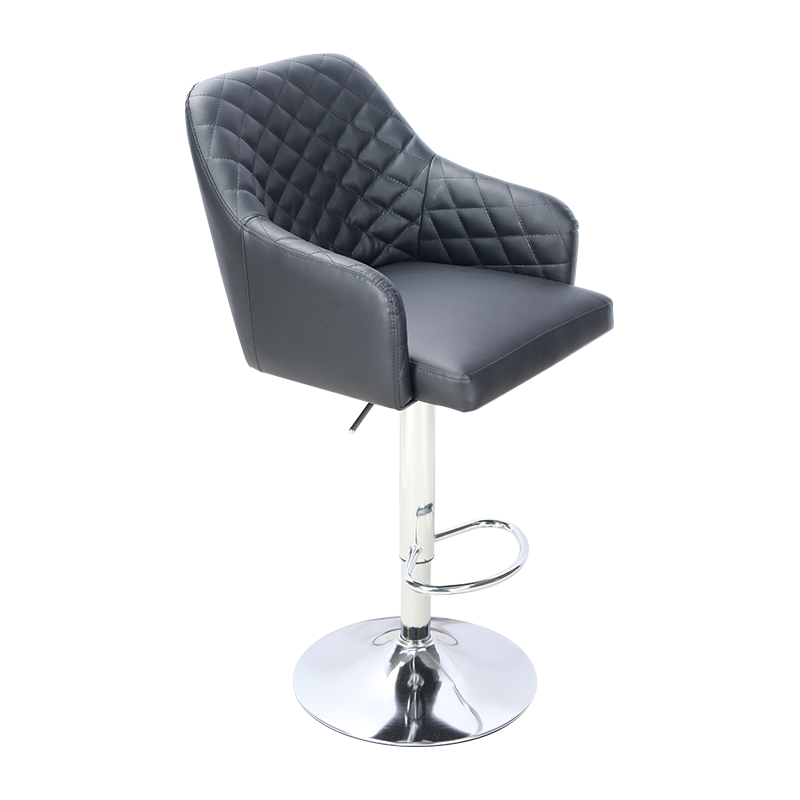 Fabric Upholstered Metal Bar StoolA cushioned bar stool with fabric upholstery and a stable metal frame, offered in multiple colors for kitchen islands and home bars.View Product →
A Simple Plan for Your Market Days
Most buyers we talk to arrive with a list and leave with a different list. That is normal. What separates a productive week from a frantic one is a loose structure that leaves room for surprises. Here is the rhythm we recommend to first-time and returning visitors alike.
| Day | Focus | What to bring or do |
|---|---|---|
| Day 1 | Walk the home and gift floors without a fixed agenda | Pick up a floor guide and mark showrooms worth a return visit |
| Days 2–3 | Booked appointments with seating suppliers | Swatches, finish chips, target price points and a tape measure |
| Day 4 | Second visits, sample requests and terms | Ask about minimums, lead times and container loading plans |
| Final day | Compare notes and build a shortlist | Photograph SKU tags and showroom numbers before you leave |
One small tip that saves hours later: write the showroom number next to every photo you take. A week after the market, a beautiful chair with no label is just a beautiful photo.
Materials, Finishes and the Details Buyers Keep Asking About
Fabric and finish questions dominate January conversations. Linen and velvet still sell, polyester blends win on durability and price, and PU leather remains a practical choice for bar stools and commercial seating. On frames, rubberwood and metal legs cover most of the market: wood for warmth and traditional settings, metal for cleaner lines and easier cleaning. Buyers are also asking more specific questions about filling — high-resilience foam, spring-pack cushions and how a seat holds up under daily use.
Finish durability is the quiet deciding factor. Powder-coated metal legs, sealed wood surfaces and removable or cleanable upholstery all reduce returns and complaints. If you want a deeper look at where metal-leg designs are heading this year, our team keeps a running note on metal-leg dining chair trends for 2026 that mirrors many of the questions we hear in Atlanta.
From Showroom to Container: What Happens After the Market
The week in Atlanta is only the beginning. The real work starts when samples are approved, finishes are confirmed and a purchase order turns into production. This is where factory location and communication matter more than a showroom's lighting.
We build seating in Anji, China — a region known as the chair capital — and at our own facility in Vietnam, which gives buyers a second production base and more flexibility on lead times and shipping routes. Between the two sites we handle dining chairs, bar stools, lounge chairs, sofas and ottomans, with custom development for buyers who need a specific silhouette, fabric or finish. You can read more about our company and production setup if that kind of detail helps your sourcing plan.
For buyers meeting a factory team for the first time, come with your target retail price, your preferred materials and an honest sense of volume. Those three numbers shape everything else, and they make a market conversation far more useful than a catalog flip-through.
Frequently Asked Questions
Do I need an appointment to see furniture showrooms at AmericasMart?
Many permanent showrooms welcome walk-ins during market, but appointments get you undivided attention and a proper sit-test. Book your priority seating showrooms first, then leave gaps for discovery.
How can I compare seating quality quickly across showrooms?
Sit for a full minute, check the frame joints and leg attachments, lift the chair if you can, and ask directly about foam density and warranty. Consistent questions across showrooms make comparisons much easier.
Can a smaller retailer source directly from an overseas seating factory?
Yes, especially with mixed-container options and stock programs. The key is being clear about quantities, finishes and timelines early, so samples and production planning match your floor plan.
AmericasMart in January is a long week, but it is also one of the few places where you can compare a dining chair, a bar stool and a lounge chair in the same day, then talk fabrics with the people who make them. If you are putting together your plan for the winter edition, we are always happy to talk through seating assortments, sample requests and production timelines — no pressure, just practical help from people who build chairs for a living.
-
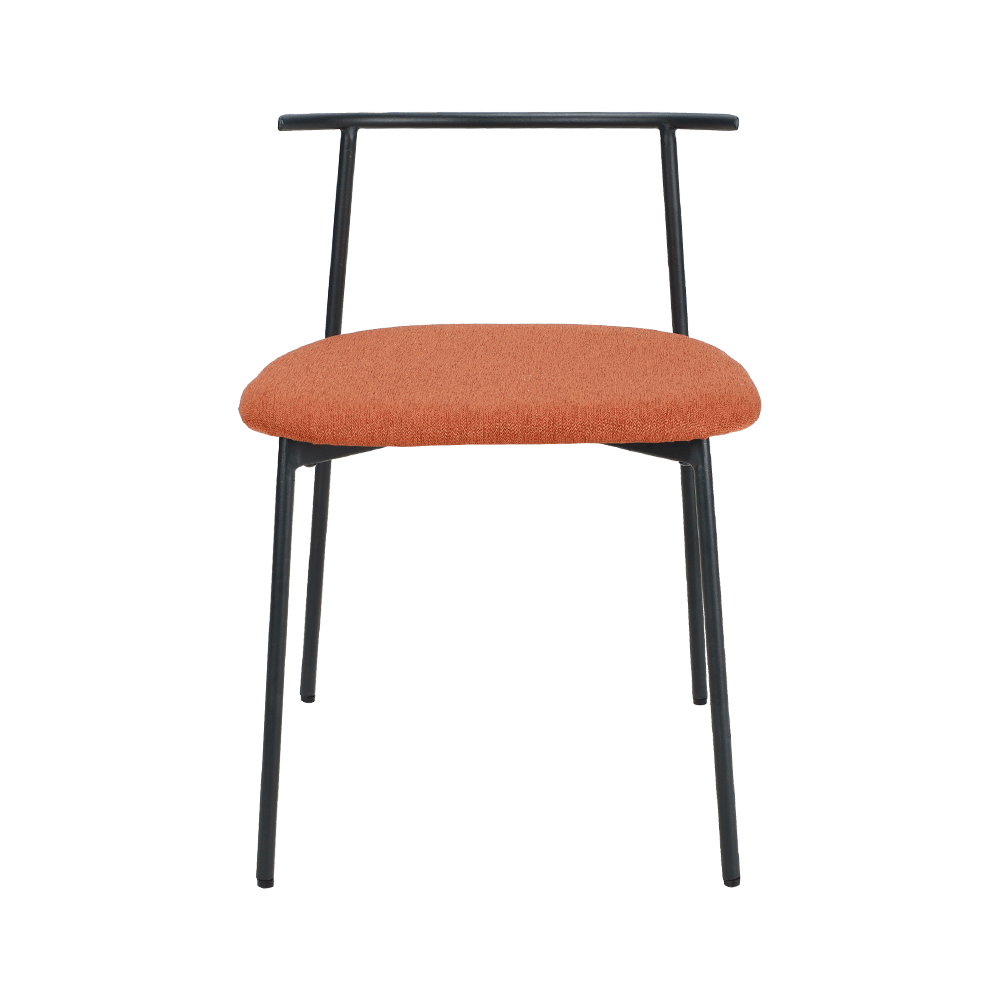
The curved back metal leg dining chair is a blend of modern design and classic comfort, offering an ... -
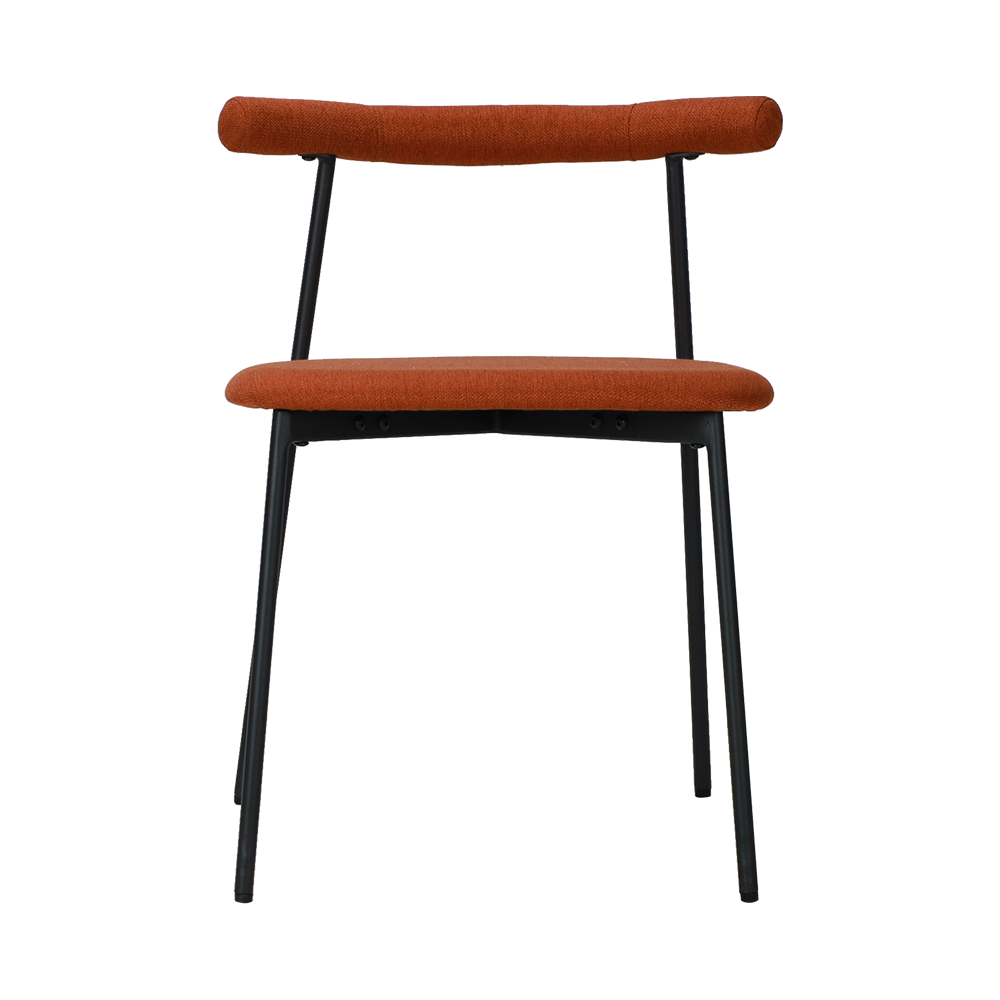
The High Resilience Sponge Cushion Metal Foot Dining Chair offers a blend of comfort, style, and dur... -
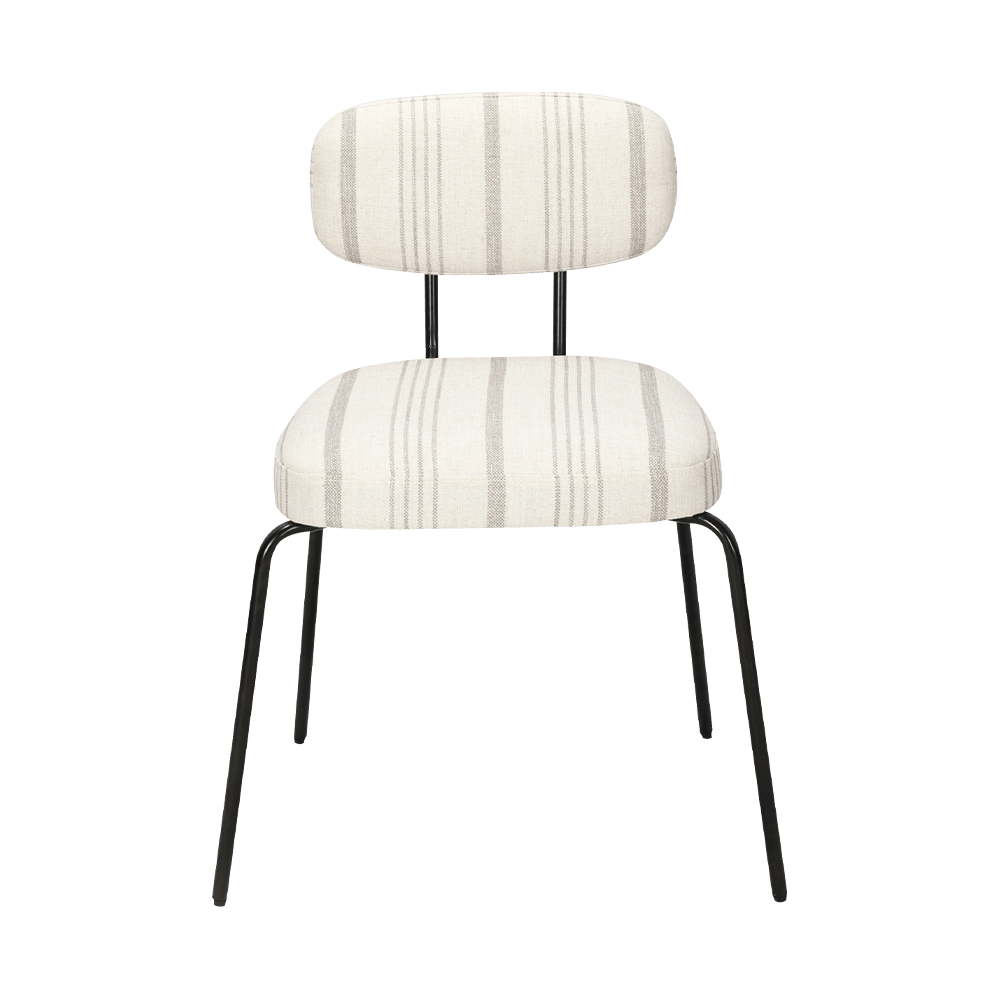
This WS6357 white modern metal dining chair features a simple and elegant design, paired with metal ... -
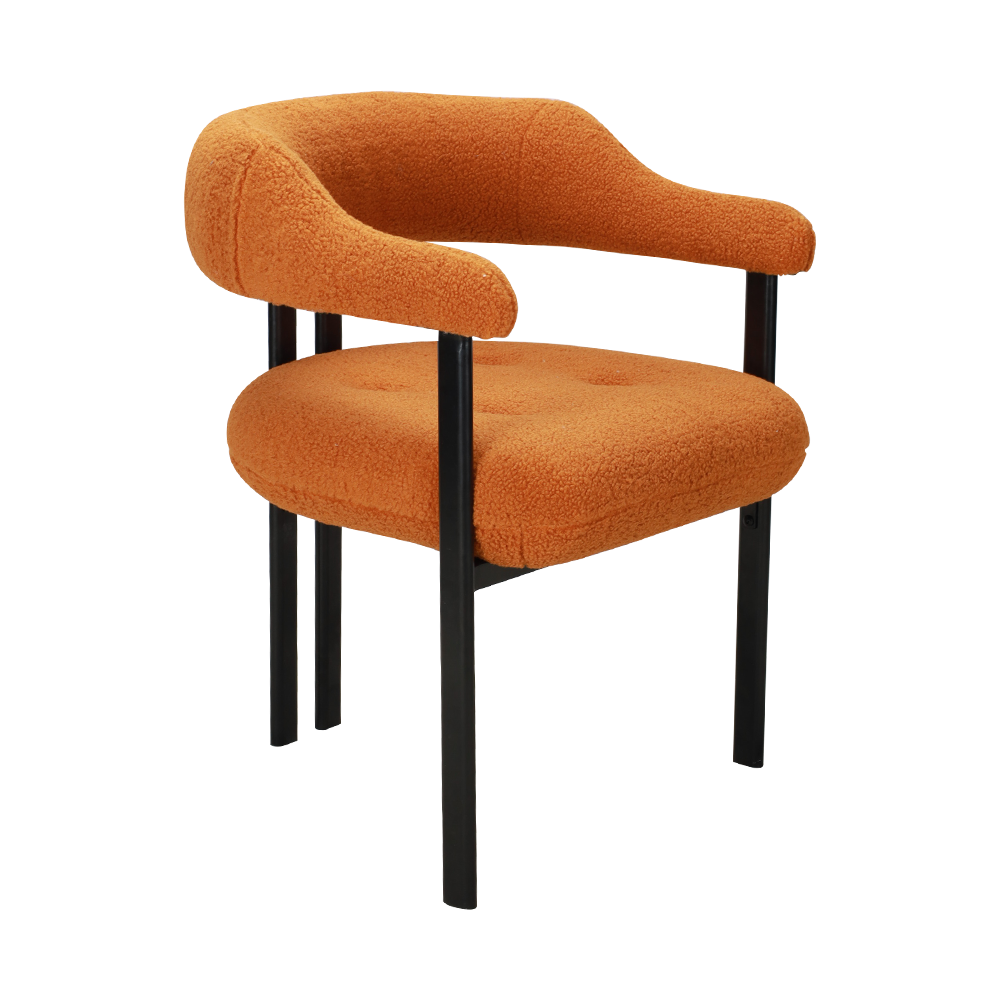
Elevate your dining experience with our WS6353 metal dining chair with a fabric cushion, a blend of ... -
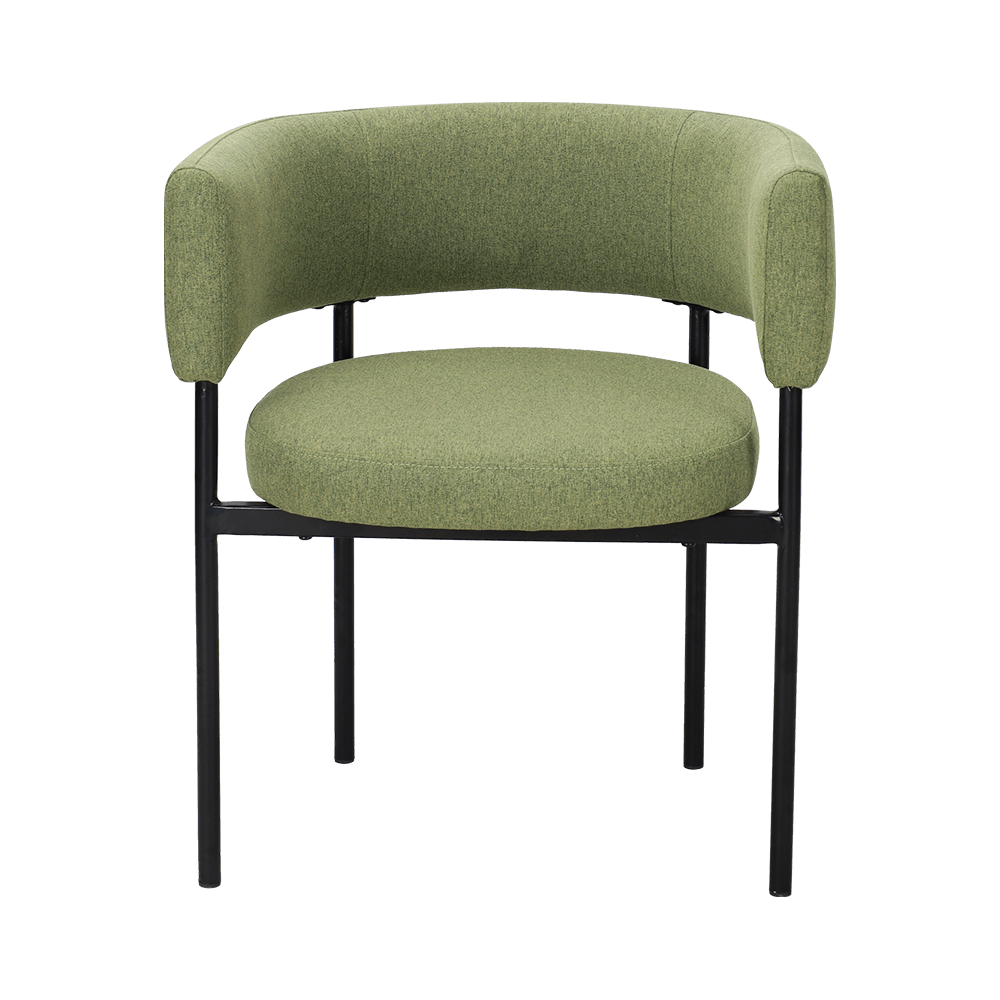
Crafted for both style and functionality, the WS6354 acid green metal leg dining chair features a st... -
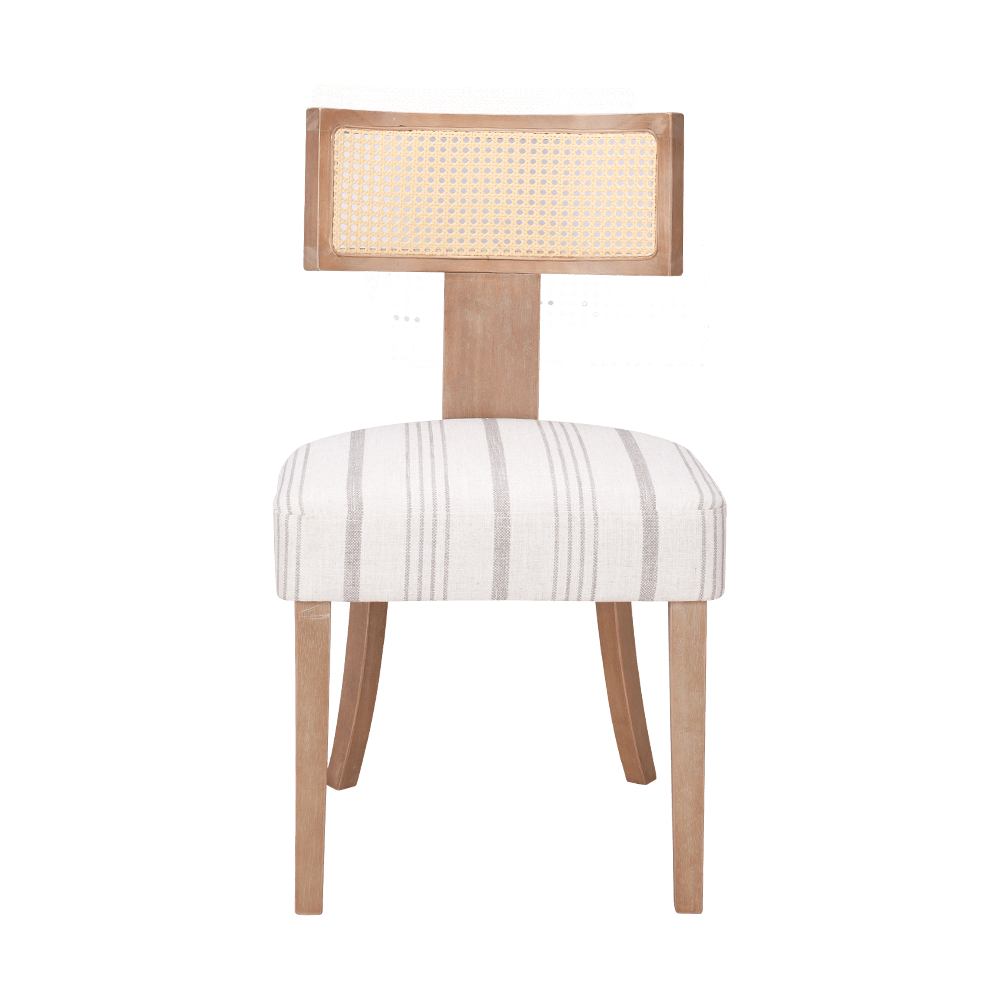
This solid rubber wood dining chair combines natural texture with comfort, featuring a simple yet el... -
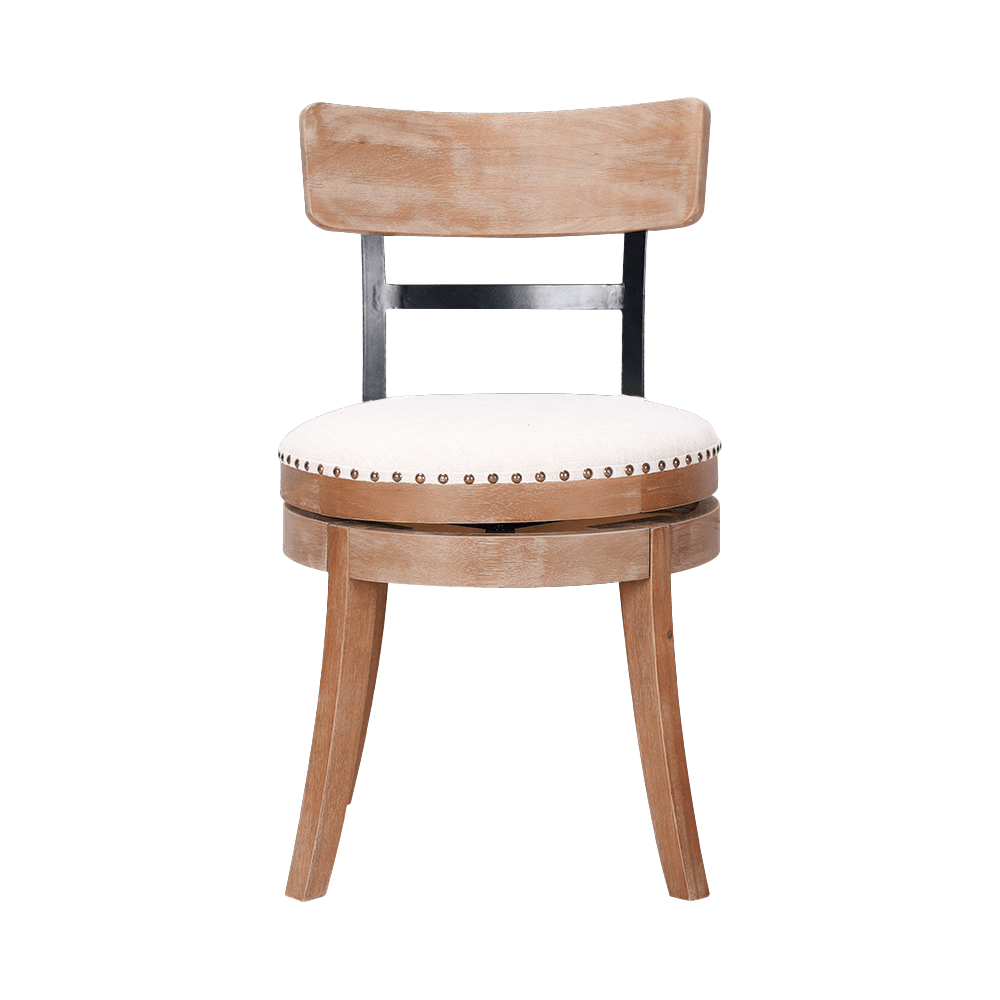
This WS6347 Round Cushion Solid Wood Dining Chair blends comfort with minimalist design, fitting var...

Copyright © Zhejiang Wanchang Furniture Co., Ltd.All Rights Reserved.
Indoor Fabric Sofa Manufacturers

-
 Xucunwancun, Xilong Xiang, Anji County, Zhejiang Province, China
-
 [email protected]
Mobile Site

WeChat Subscription Acount

Copyright © 2024Zhejiang Wanchang Furniture Co., Ltd.
All Rights Reserved.
