


 中文简体
中文简体 English
What Should You Look for When Buying Adjustable Swivel Metal Bar Stools?
Posted by Zhejiang Wanchang Furniture Co., Ltd.
Content
- 1 Why Adjustable Swivel Metal Bar Stools Are Worth the Investment
- 2 Measure Your Counter or Bar Height First
- 3 Evaluate the Height Adjustment Mechanism
- 4 Assess the Quality of the Metal Frame and Finish
- 5 Consider Seat Material and Comfort Features
- 6 Check the Swivel Mechanism and Base Stability
- 7 Match the Stool Style to Your Space
- 8 Confirm Weight Capacity and Safety Ratings
Why Adjustable Swivel Metal Bar Stools Are Worth the Investment
Adjustable swivel metal bar stools occupy a unique position in the furniture market — they combine structural durability, ergonomic flexibility, and contemporary aesthetics in a single piece. Unlike fixed-height stools, adjustable models accommodate a wider range of counter and bar heights, making them practical choices for households with multiple users or for commercial venues where seating versatility is a daily operational requirement. The swivel function adds another layer of convenience, allowing users to rotate freely without repositioning the entire stool, which is especially useful in social settings like home bars, kitchen islands, and restaurant counters.
Metal construction — typically steel, iron, or aluminum — gives these stools a load-bearing capacity and longevity that wood or plastic alternatives often cannot match. A well-chosen adjustable swivel metal bar stool will withstand years of daily use without warping, cracking, or losing structural integrity. However, with so many options on the market, selecting the right stool requires a clear understanding of several key factors. This guide walks through each one in practical detail to help you make a confident, informed purchasing decision.
Measure Your Counter or Bar Height First
The single most important starting point when choosing any bar stool is accurate measurement of the surface you intend to pair it with. Sitting comfort depends entirely on achieving the correct relationship between seat height and counter or bar height, and getting this wrong leads to awkward posture, back strain, and a generally uncomfortable experience regardless of how well-built the stool is.
As a general rule, there should be approximately 25 to 30 centimeters (10 to 12 inches) of clearance between the top of the seat and the underside of the counter or bar surface. This gap provides enough room for comfortable thigh clearance and natural arm positioning. The table below outlines the standard height categories and their corresponding recommended seat heights to use as a baseline when evaluating adjustable stools:
| Surface Type | Surface Height | Recommended Seat Height |
| Standard Counter | 86–91 cm (34–36 in) | 61–66 cm (24–26 in) |
| Bar Height Counter | 102–107 cm (40–42 in) | 71–76 cm (28–30 in) |
| Extra-Tall Bar | 112+ cm (44+ in) | 79–84 cm (31–33 in) |
The key advantage of an adjustable stool is that it covers a range of these heights within a single unit. When reviewing product specifications, confirm that the stool's adjustment range encompasses your target seat height. A stool with an adjustment range of 61 to 84 cm, for example, covers all three categories above and offers meaningful future flexibility if you ever change your furniture configuration.
Evaluate the Height Adjustment Mechanism
Not all height adjustment systems are created equal. The mechanism used to raise and lower the seat has a direct impact on ease of use, long-term reliability, and weight capacity. Understanding the main types helps you assess which is most appropriate for your setting.
Pneumatic Gas Lift
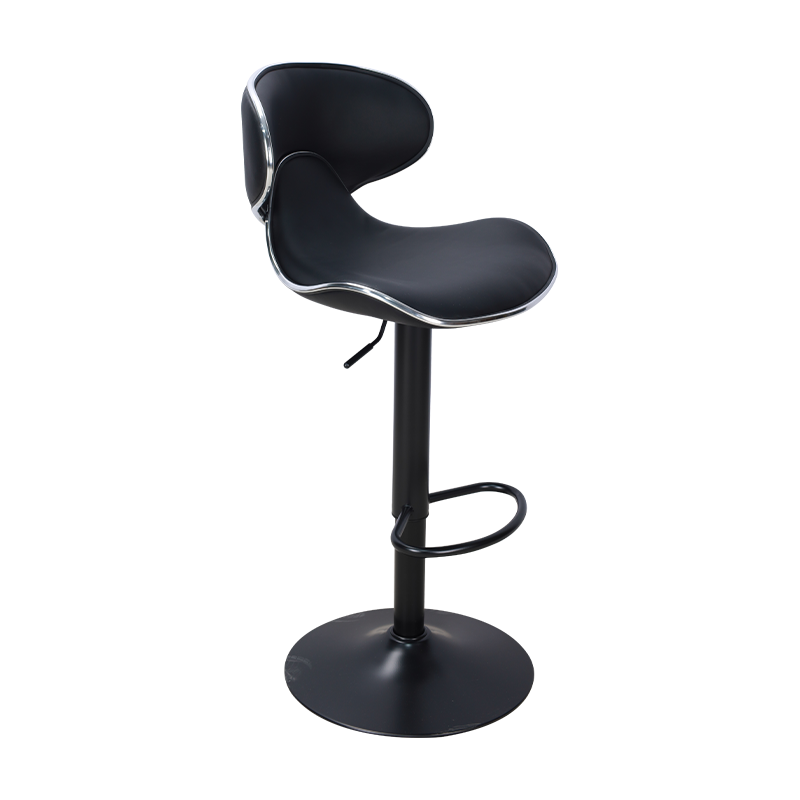
The pneumatic gas lift is the most common adjustment mechanism in modern adjustable bar stools. A compressed gas cylinder housed within the central column allows the user to raise or lower the seat with a simple lever or ring mechanism located beneath the seat. Gas lifts operate smoothly and quietly, support adjustment while seated, and are available in a wide range of stroke lengths to suit different height requirements. For commercial or high-frequency residential use, look for stools fitted with Class 4 gas lifts, which are rated for heavier loads and more frequent actuation cycles than entry-level Class 3 units.
Threaded Screw Adjustment
Some metal bar stools use a threaded post system where the seat height is adjusted by rotating the seat or a locking collar to raise or lower it along a threaded column. This mechanism offers infinite height adjustment within its range and is highly durable since it contains no pressurized components. The trade-off is that adjustment must be done while the stool is unoccupied, and the process takes more time than a gas lift. Threaded adjustment stools are a solid choice for settings where height changes are infrequent once an ideal position is established.
Ratchet or Pin-Lock Adjustment
Pin-lock systems use a spring-loaded pin that slots into pre-drilled holes along the stool's column at fixed height increments. While simple and robust, this mechanism offers only a limited number of height positions rather than continuous adjustment. It suits environments where only two or three height settings are ever needed, but may frustrate users seeking a more precise fit between the stool and their specific counter height.
Assess the Quality of the Metal Frame and Finish
The material composition and surface finish of the metal frame determine how the stool performs over time, particularly in environments exposed to moisture, cleaning chemicals, or heavy daily use. Most adjustable swivel metal bar stools use one of the following base metals, each with distinct characteristics:
- Steel: The most common choice for bar stool frames, steel offers excellent strength-to-cost ratio. Look for stools made from powder-coated steel rather than painted steel — powder coating is thicker, more chip-resistant, and more durable against scratches and everyday wear. Stainless steel is a premium option that adds corrosion resistance, making it ideal for outdoor use or bar environments where liquid spills are frequent.
- Cast Iron: Cast iron frames are extremely heavy and rigid, offering outstanding stability. They are commonly used in pub and restaurant seating where robust construction is non-negotiable. However, the additional weight makes cast iron stools less practical for frequent repositioning in residential kitchens.
- Aluminum: Aluminum frames are significantly lighter than steel or iron while still offering good corrosion resistance. They are a preferred material for outdoor bar stools on patios and rooftop bars. The trade-off is that aluminum is softer and more susceptible to denting under impact than steel.
When inspecting frame quality, check the welds at joint points — clean, smooth welds without visible gaps or rough edges indicate quality manufacturing. Wobble-test the stool if possible, as any lateral flex in the frame at the point of purchase will only worsen with use over time.
Consider Seat Material and Comfort Features
While the metal frame provides structure, the seat surface is what users interact with most directly, and its material has a significant impact on comfort, maintenance requirements, and visual style. Adjustable swivel metal bar stools are available with a range of seat options:
- Upholstered Seats: Fabric or faux leather upholstered seats provide cushioning and warmth, making them the most comfortable option for extended sitting. Faux leather is particularly practical in kitchen and bar environments due to its wipe-clean surface. Genuine leather offers a premium aesthetic and durability but requires more careful maintenance and carries a higher price point.
- Wooden Seat with Metal Frame: A wooden seat panel combined with a metal base offers a warm, mixed-material aesthetic that suits industrial and Scandinavian interior styles. Wood is comfortable for short-duration seating but can feel hard during prolonged use without a cushion.
- All-Metal Seat: Stools with perforated or contoured all-metal seats are the most durable and easiest to clean, making them ideal for outdoor use or commercial settings where hygiene is paramount. They are less comfortable without a seat pad, so consider purchasing compatible cushions if this style is preferred.
For stools that will be used for extended periods — such as a home office setup at a kitchen island — prioritize models with a contoured seat shape, adequate seat depth of at least 38 cm, and the availability of a footrest ring. A well-positioned footrest at approximately mid-calf height significantly reduces lower back fatigue during prolonged sitting by providing a natural support point for the legs.
Check the Swivel Mechanism and Base Stability
The swivel function is a defining feature of these stools, and its quality varies considerably between products. A high-quality swivel bearing allows the seat to rotate smoothly through a full 360 degrees with minimal friction and without wobbling or clicking. Budget stools often use inferior bearing materials that degrade quickly with regular use, leading to jerky rotation or seat drift over time.
When evaluating a swivel mechanism, look for stools that use sealed ball-bearing swivel systems, which are self-lubricating and highly durable. Check also whether the swivel mechanism includes a return-to-center function — some users find this convenient as it ensures the seat always faces forward when not in use, while others prefer the freedom of free-rotation without auto-return.
Base stability is equally critical. The most common base configurations for adjustable swivel metal bar stools include four-leg bases, pedestal bases with star-shaped spread legs, and single-column bases with a weighted foot ring. Four-leg bases offer maximum stability but limit leg movement space beneath the stool. Pedestal bases with five-point spreads provide excellent stability and greater leg freedom. Single-column designs are the most streamlined visually but require a heavy base plate or wide foot ring to prevent tipping. Always verify that the base feet include floor protection caps or non-slip rubber pads to protect flooring surfaces and reduce sliding.
Match the Stool Style to Your Space
Beyond functional considerations, the visual character of the stool should complement the overall interior design of the space it occupies. Metal bar stools span a wide stylistic range, and identifying where your space sits on this spectrum helps narrow the selection effectively.
- Industrial Style: Characterized by raw or brushed metal finishes, minimal ornamentation, and dark color palettes — matte black, gunmetal, and aged bronze. Works well in loft apartments, open-plan kitchens, and commercial bars with exposed brick or concrete surfaces.
- Modern Minimalist: Features clean geometric lines, polished chrome or brushed stainless finishes, and neutral upholstery. Suits contemporary kitchens and home bars with handleless cabinetry and integrated appliances.
- Mid-Century Modern: Combines tapered metal legs with warm wood or vinyl seat surfaces, often in mustard, teal, or burnt orange tones. Fits homes with retro-inspired or eclectic interiors.
- Rustic Farmhouse: Uses distressed or hammered metal finishes paired with reclaimed wood-effect seats. Complements kitchens with shaker-style cabinetry, butcher block counters, and warm neutral color schemes.
Confirm Weight Capacity and Safety Ratings
Every adjustable swivel metal bar stool carries a manufacturer-stated weight capacity, and selecting a stool that comfortably exceeds the expected user weight is essential for both safety and long-term durability. Most mid-range stools support between 100 and 135 kg (220 to 300 lbs), while heavy-duty commercial models are rated for 160 kg (350 lbs) or more. As a practical guideline, choose a stool rated for at least 20 percent more than the heaviest anticipated user weight to provide a safety margin and reduce mechanical stress on the adjustment mechanism and swivel bearing over time.
For commercial purchasing decisions, look for stools that carry recognized safety certifications such as BIFMA (Business and Institutional Furniture Manufacturers Association) standards in North America or EN 16139 in Europe. These certifications confirm that the stool has been independently tested for structural stability, durability, and load-bearing performance under simulated real-world conditions — providing a level of quality assurance that self-certified manufacturer specifications alone cannot offer.
-
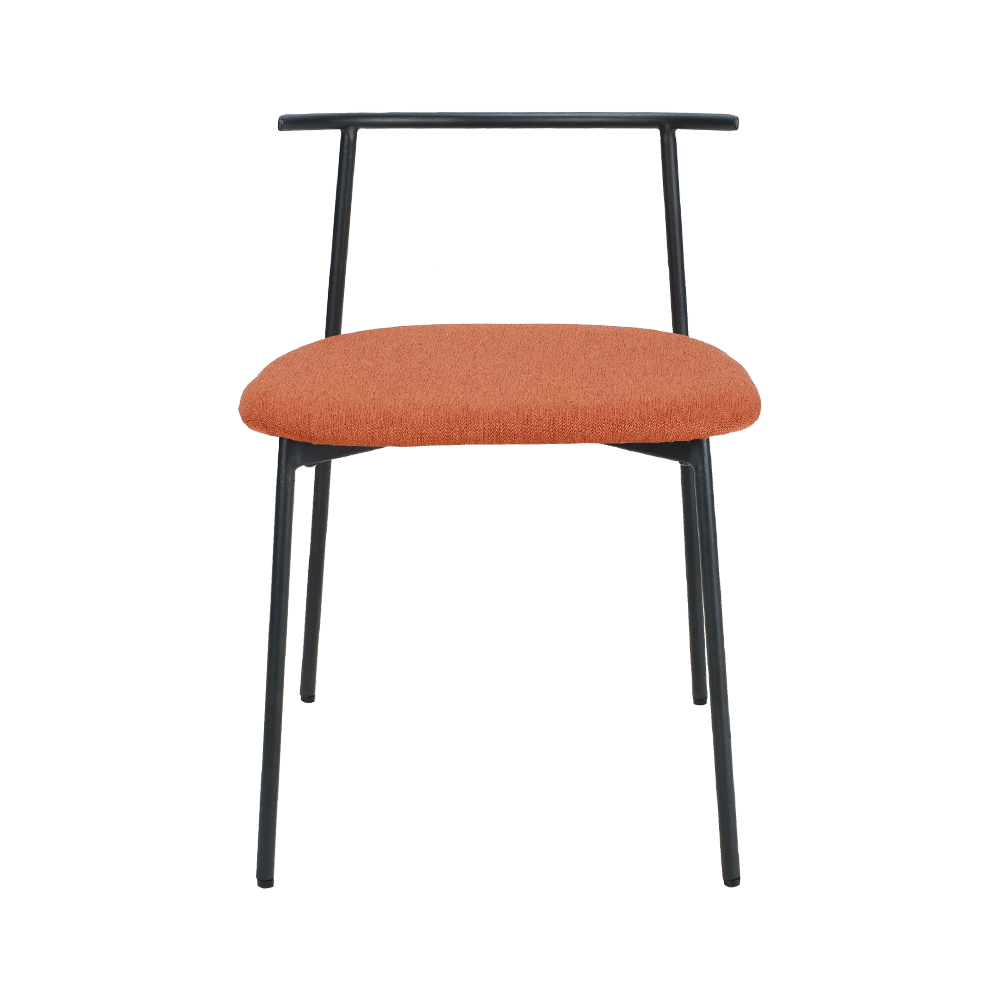
The curved back metal leg dining chair is a blend of modern design and classic comfort, offering an ... -
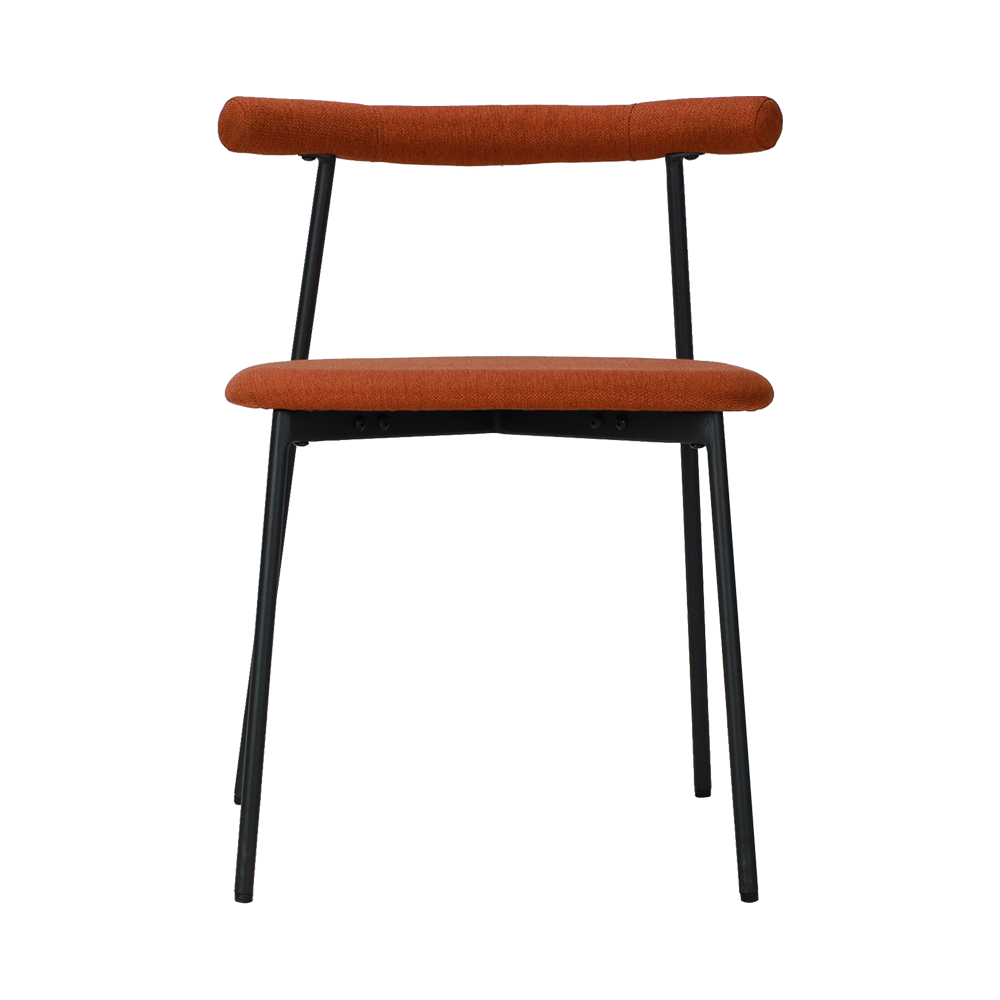
The High Resilience Sponge Cushion Metal Foot Dining Chair offers a blend of comfort, style, and dur... -
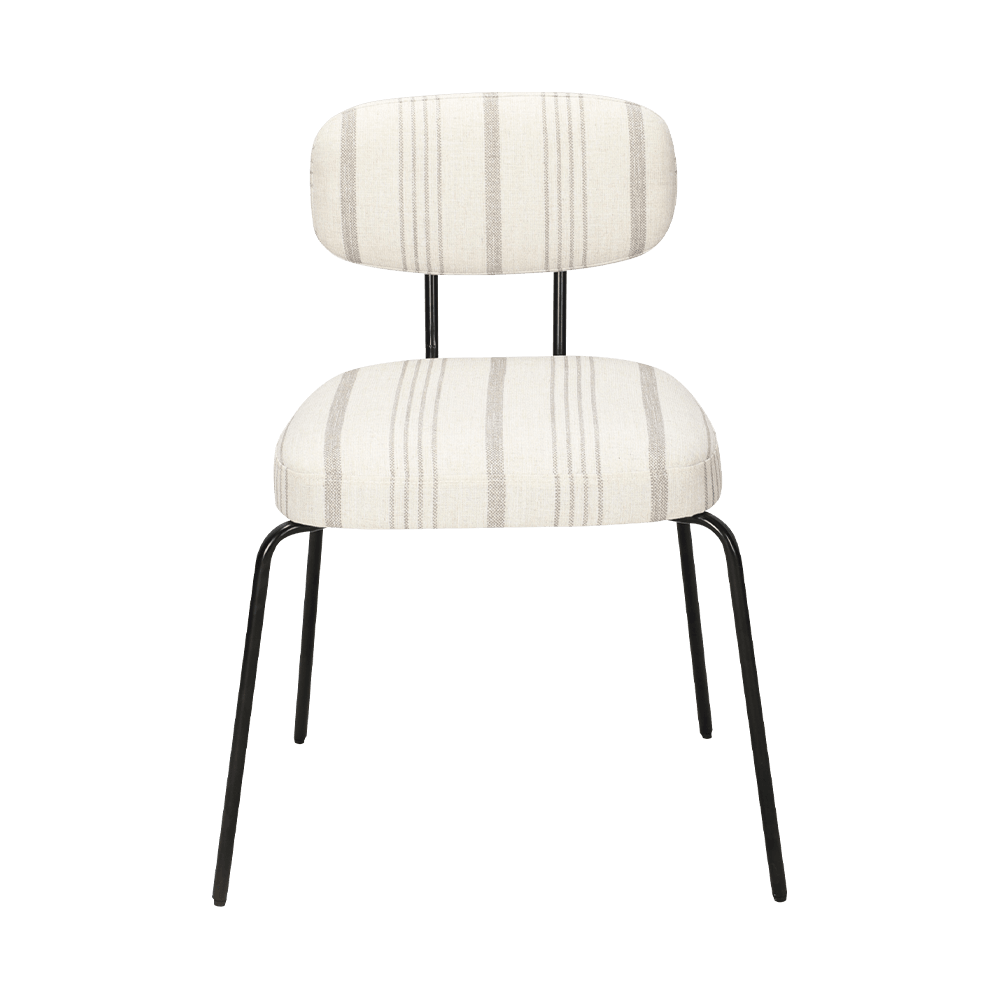
This WS6357 white modern metal dining chair features a simple and elegant design, paired with metal ... -
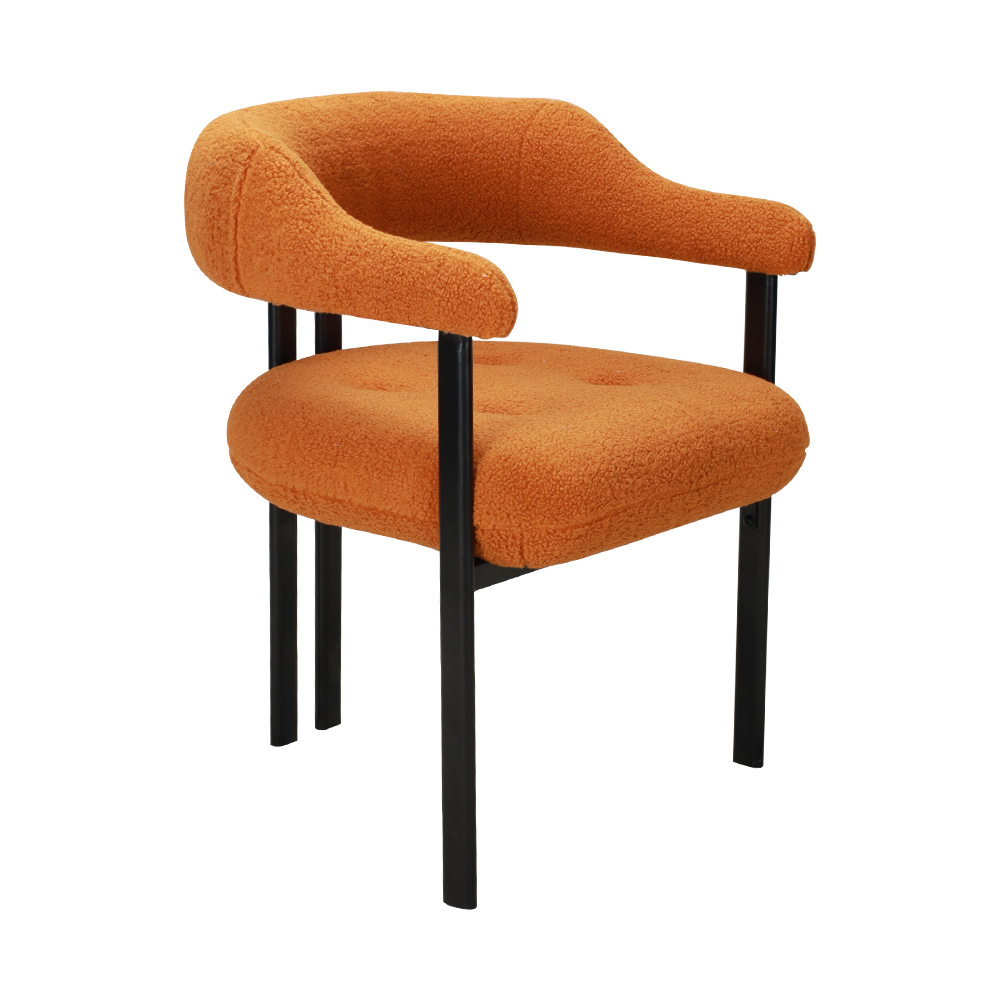
Elevate your dining experience with our WS6353 metal dining chair with a fabric cushion, a blend of ... -
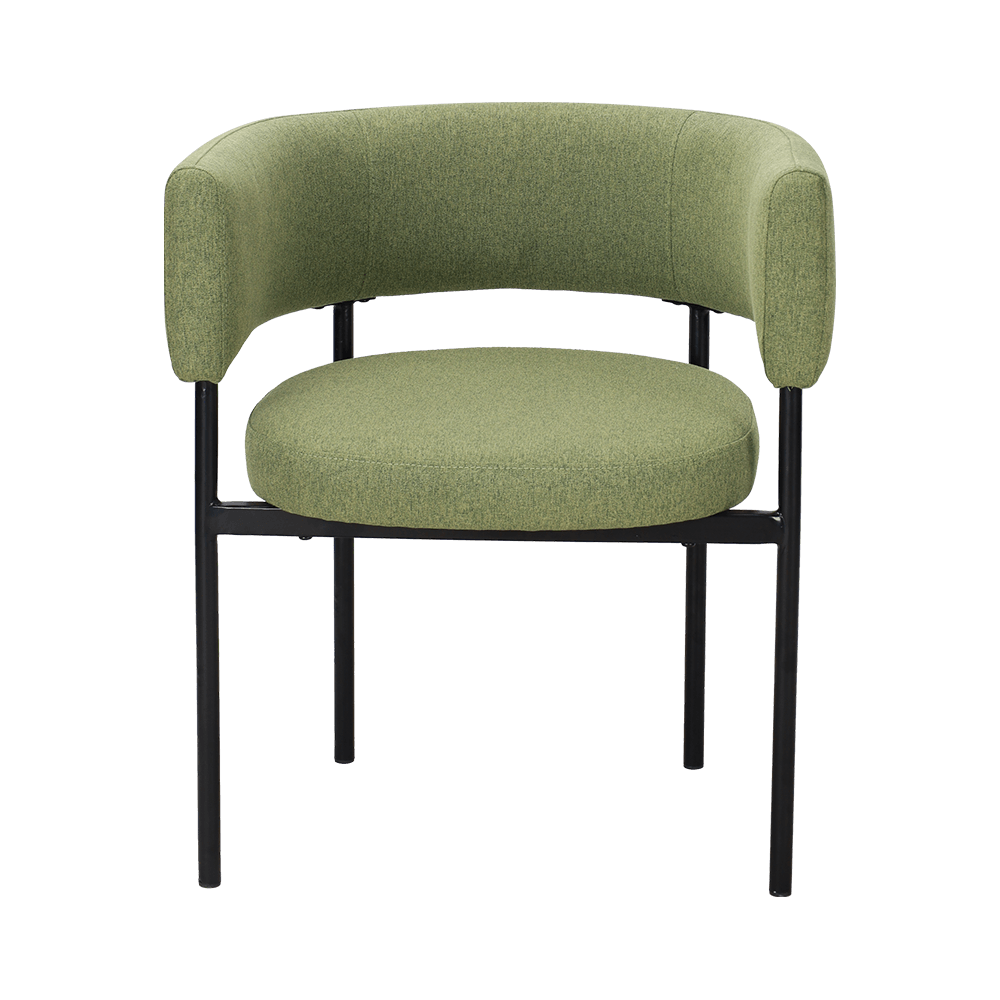
Crafted for both style and functionality, the WS6354 acid green metal leg dining chair features a st... -
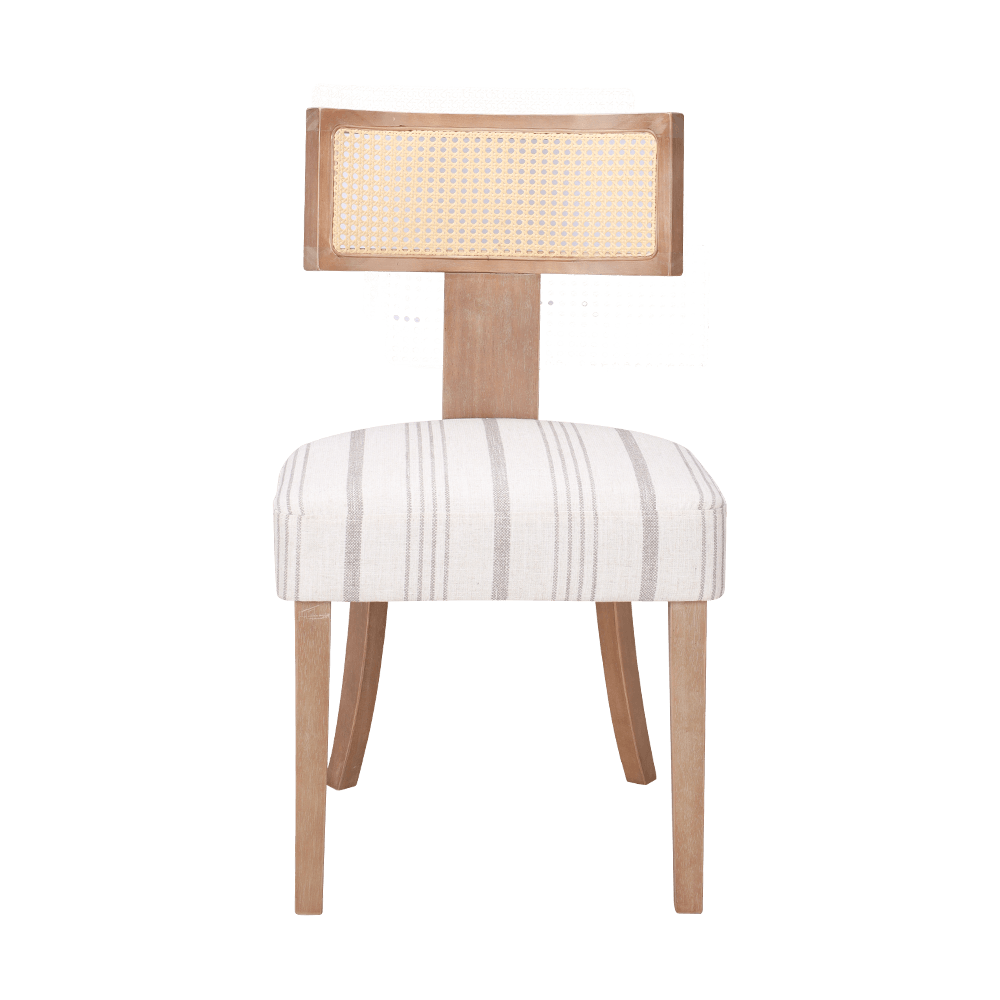
This solid rubber wood dining chair combines natural texture with comfort, featuring a simple yet el... -
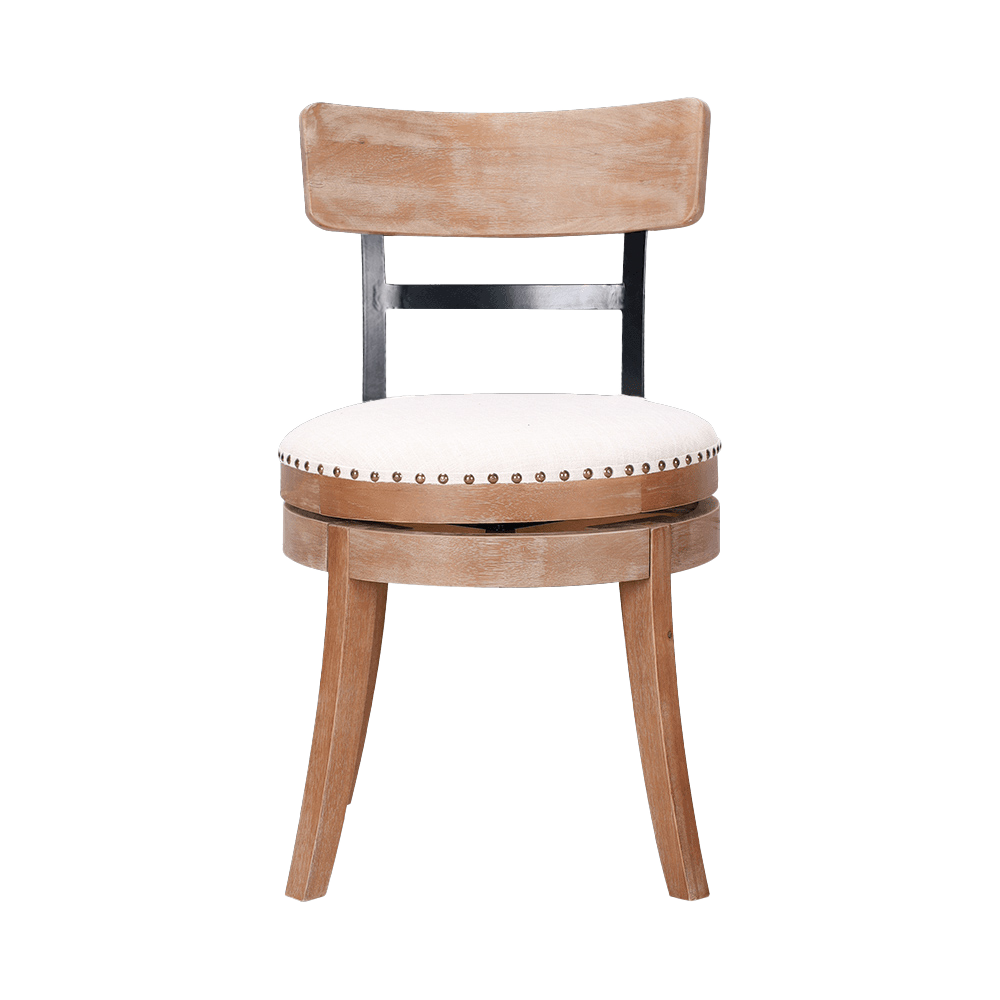
This WS6347 Round Cushion Solid Wood Dining Chair blends comfort with minimalist design, fitting var...

Copyright © Zhejiang Wanchang Furniture Co., Ltd.All Rights Reserved.
Indoor Fabric Sofa Manufacturers

-
 Xucunwancun, Xilong Xiang, Anji County, Zhejiang Province, China
-
 [email protected]
Mobile Site

WeChat Subscription Acount

Copyright © 2024Zhejiang Wanchang Furniture Co., Ltd.
All Rights Reserved.
