


 中文简体
中文简体 English
How Does a Backrest Solid Wood Dining Chair Protect Your Back During Meals?
Posted by Zhejiang Wanchang Furniture Co., Ltd.
Content
Why Your Dining Chair Matters More Than You Think
Most people spend between 30 minutes and two hours per day seated at the dining table—eating, working, or socializing. Over weeks and months, that accumulated time adds up to dozens of hours of sustained sitting, and the chair supporting you during every one of those hours has a direct and measurable impact on your spinal health, posture, and comfort. Yet dining chairs are frequently chosen for their visual appeal alone, with ergonomic considerations treated as an afterthought. The result is a common pattern of lower back stiffness, shoulder tension, and discomfort that people attribute to their lifestyle rather than to their furniture.
Backrest solid wood dining chairs represent a category of seating that takes both aesthetics and spinal support seriously. Unlike upholstered chairs with thick padding that can compress unevenly and lose shape over time, or metal chairs with rigid flat backs that offer no contouring, well-designed solid wood dining chairs with shaped backrests use the natural properties of wood—its slight flex, workability into ergonomic forms, and durability—to create a seated experience that is genuinely back-friendly. Understanding what makes these chairs effective, and how to choose the right one, transforms a furniture purchase into an investment in your daily wellbeing.
The Anatomy of a Back-Friendly Dining Chair Backrest
The backrest is the single most important ergonomic component of any dining chair, and in solid wood chairs it is where the quality of design and craftsmanship is most visible. A back-friendly backrest must do several things simultaneously: support the lumbar region of the spine (the inward curve of the lower back), allow the thoracic spine (mid-back) to rest comfortably without being forced into a rounded position, and maintain a position and angle that encourages the pelvis to sit in a neutral, upright tilt rather than rotating backward into a slumped posture.
In solid wood construction, this is achieved through several specific design features. The backrest slats or panel may be gently curved in the vertical plane to follow the natural S-curve of the spine, providing more contact and support at the lumbar region where it is most needed. The entire backrest is typically angled slightly backward from vertical—usually between 5 and 15 degrees—which allows the sitter to lean against it comfortably without sliding forward off the seat. This angle, known as the backrest recline angle, is a critical ergonomic parameter: too upright and the chair forces an unnaturally rigid posture; too reclined and it encourages slumping that places excessive load on the lumbar discs.
Key Backrest Features to Look For
- Lumbar prominence — a gentle forward curve or raised rail positioned at lower-back height (roughly 15–25 cm above the seat surface) that supports the inward curve of the spine
- Vertical curvature — the backrest follows the natural spinal curve rather than being a flat board that contacts only the upper back or only the lower back
- Backrest height — a taller backrest (extending to mid-shoulder blade height or above) provides more surface contact and supports a wider range of body sizes
- Recline angle — between 8 and 12 degrees from vertical is optimal for dining use, where a slightly active posture is maintained while eating
- Slat spacing and width — wider, closely spaced slats distribute pressure more evenly across the back than narrow slats with large gaps between them
How Solid Wood Contributes to Comfort and Longevity
The choice of solid wood as the construction material for a dining chair backrest is not merely aesthetic—it has specific functional advantages that directly affect the sitting experience and the chair's long-term performance. Solid wood possesses a natural micro-flexibility that distinguishes it from metal, plastic, or composite materials. When you lean against a well-made solid wood backrest, the wood responds with a subtle give that distributes pressure more evenly across your back, rather than creating pressure points at the points of contact as a completely rigid surface would.
This characteristic is particularly pronounced in certain wood species that are commonly used for dining chair construction. The elasticity of the wood grain means the backrest can absorb the minor postural shifts and weight transfers that naturally occur during a meal without creaking, loosening at the joints, or feeling jarring. At the same time, solid wood maintains its structural geometry over decades of use, unlike foam padding that compresses and deforms, or particleboard that swells and weakens with moisture exposure. A solid wood dining chair purchased today, if properly maintained, will provide the same level of support in 20 years as it does on the first day of use.
Comparing Common Solid Wood Species for Dining Chairs
| Wood Species | Hardness (Janka) | Flexibility | Best For |
| White Oak | 1360 lbf | Low-moderate | Durable structural frames, curved slats |
| Beech | 1300 lbf | Moderate | Steam-bent curved backrests, high-volume production |
| Walnut | 1010 lbf | Moderate-high | Premium chairs, detailed shaping, shock absorption |
| Ash | 1320 lbf | High | Flexible backrest slats, bent-wood designs |
| Rubberwood | 960 lbf | Moderate | Budget-friendly solid wood option, good stability |
Seat Design and Its Role in Spinal Alignment
A well-designed backrest can only deliver its full ergonomic benefit when paired with a seat that positions the sitter correctly in relation to it. The seat height, depth, and surface contour work together with the backrest to determine whether the pelvis is properly positioned, whether the lumbar spine can rest against the backrest's lumbar support zone, and whether the thighs and lower legs are supported without creating pressure behind the knees.
Standard dining chair seat height ranges from 43 to 48 cm, which suits the majority of adults when paired with a standard dining table height of 72 to 76 cm. Seat depth—the front-to-back measurement of the seating surface—should allow the sitter to rest their back against the backrest while maintaining a 2–3 finger gap between the front edge of the seat and the back of the knee. For most adults, a seat depth of 40 to 45 cm achieves this. In solid wood chairs, the seat surface may be flat, gently dished (curved downward at the center to cradle the seatbones), or fitted with a cushion. A dished solid wood seat distributes weight more evenly across the sitting bones and reduces pressure on the thighs, which in turn reduces the tendency to shift posture in ways that compromise back support.
Seat Dimensions for Optimal Posture
- Seat height: 43–48 cm from the floor suits most adults; adjustable-height options exist for households with significant height variation among family members
- Seat depth: 40–45 cm prevents pressure behind the knees while allowing full contact with the backrest
- Seat width: 42–50 cm provides comfortable lateral space without encouraging the sitter to slump sideways
- Front edge chamfer: a rounded or slightly downward-angled front edge reduces pressure on the underside of the thighs during extended sitting
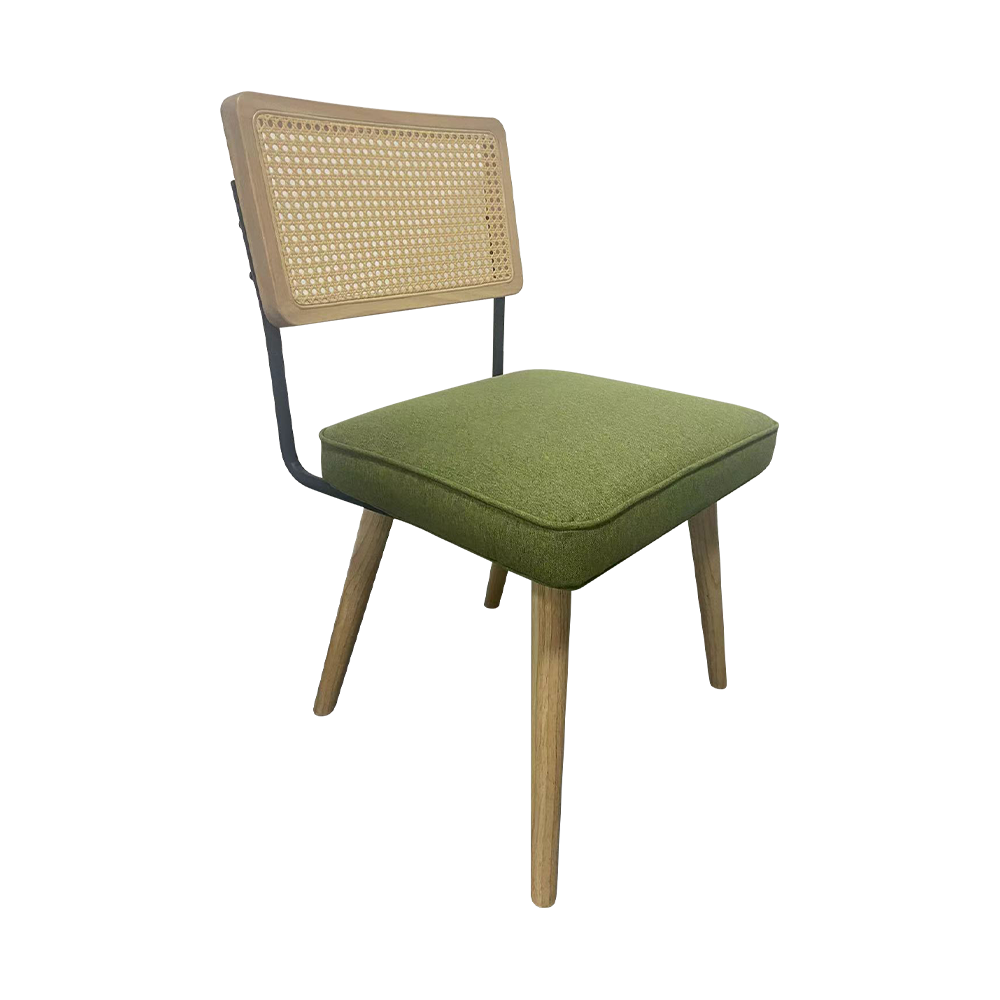
Construction Quality and Joint Integrity Over Time
A dining chair is subjected to significant mechanical stress in daily use—not just vertical load from the sitter's weight, but lateral and torsional forces from people leaning, shifting, and pushing back from the table. Over time, poorly constructed joints loosen, causing the chair to rock, creak, and eventually fail structurally. This structural degradation also directly compromises the ergonomic performance of the chair: a backrest that wobbles or tilts as a result of loose joints no longer provides stable lumbar support and instead becomes a source of instability that the body must constantly compensate for, increasing muscular fatigue.
In high-quality backrest solid wood dining chairs, the joinery between the backrest posts, seat frame, and legs is typically executed using mortise-and-tenon joints, dowel joints, or a combination of both, reinforced with high-strength adhesive. Corner blocks inside the seat frame add additional rigidity against racking forces. The quality of these joints is not always visible from the outside, but can be assessed indirectly by testing the chair for lateral flex—grasp the seat and backrest and apply gentle opposing horizontal force. A well-made chair should feel
-
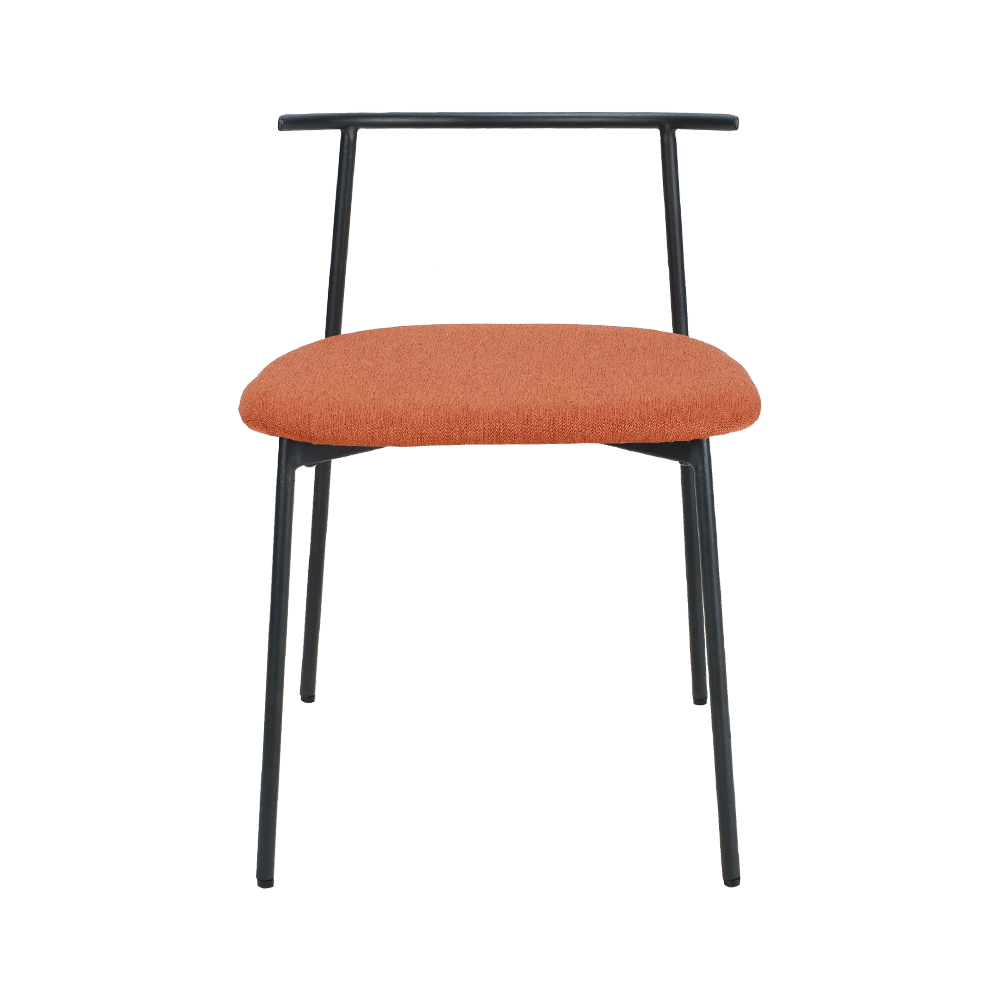
The curved back metal leg dining chair is a blend of modern design and classic comfort, offering an ... -
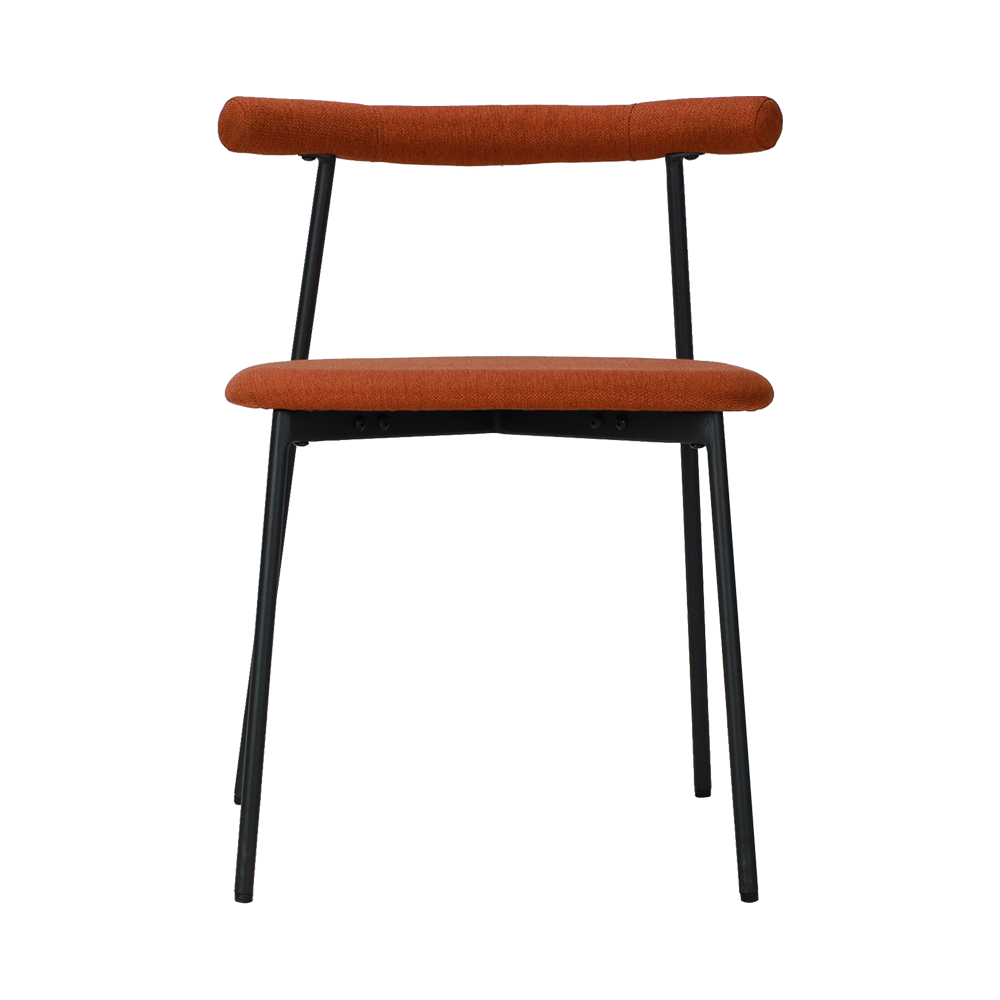
The High Resilience Sponge Cushion Metal Foot Dining Chair offers a blend of comfort, style, and dur... -
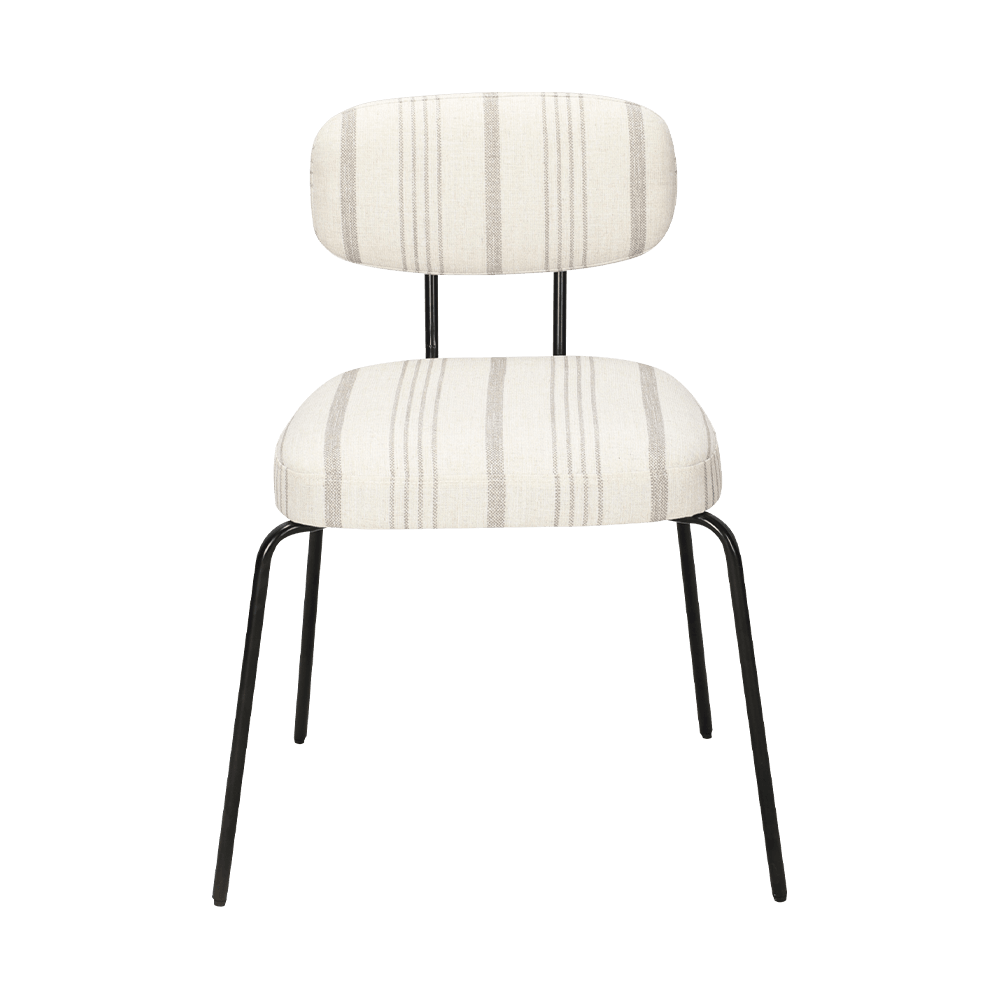
This WS6357 white modern metal dining chair features a simple and elegant design, paired with metal ... -
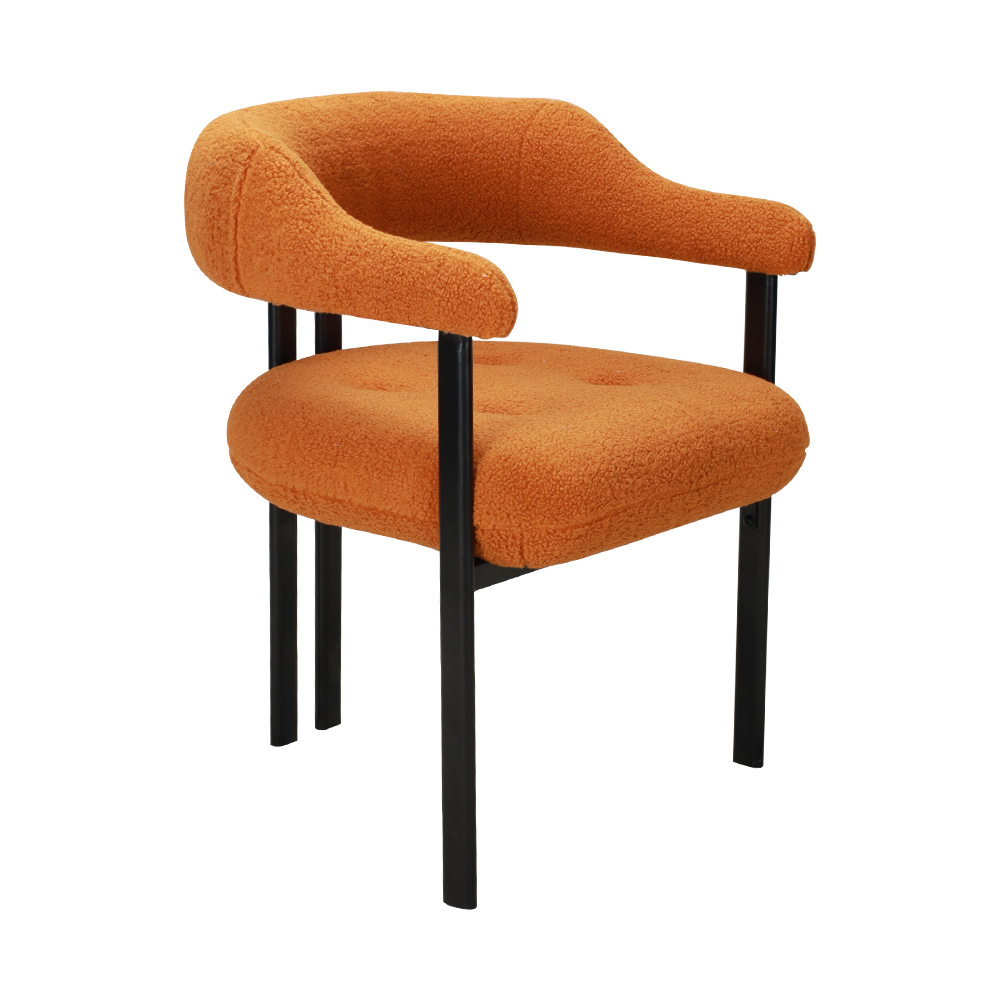
Elevate your dining experience with our WS6353 metal dining chair with a fabric cushion, a blend of ... -
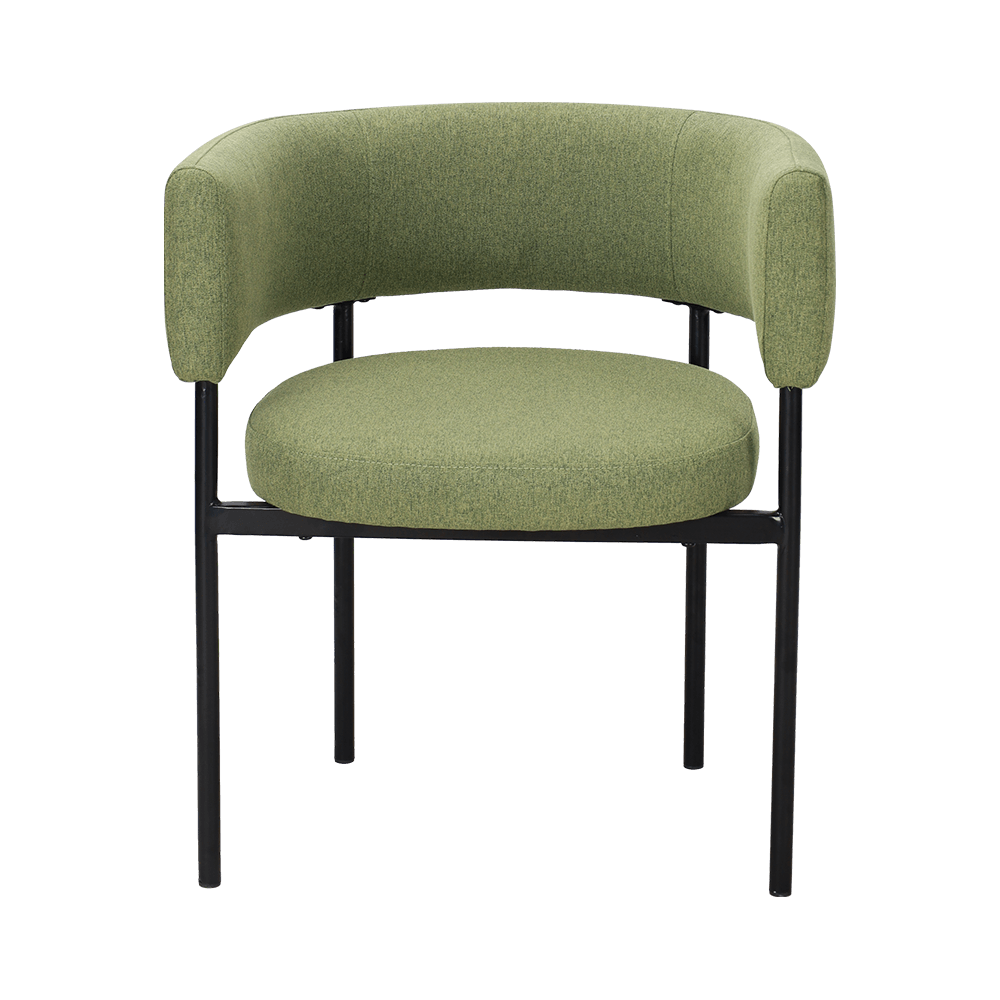
Crafted for both style and functionality, the WS6354 acid green metal leg dining chair features a st... -
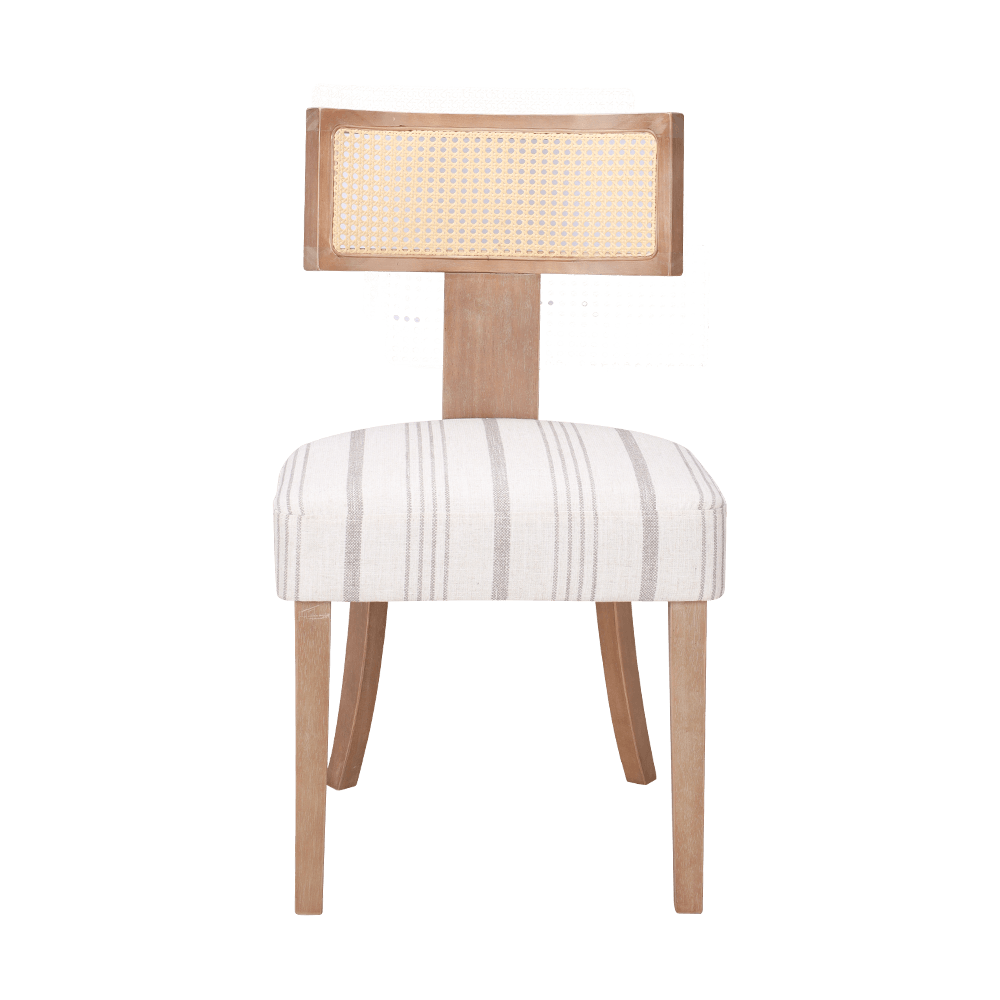
This solid rubber wood dining chair combines natural texture with comfort, featuring a simple yet el... -
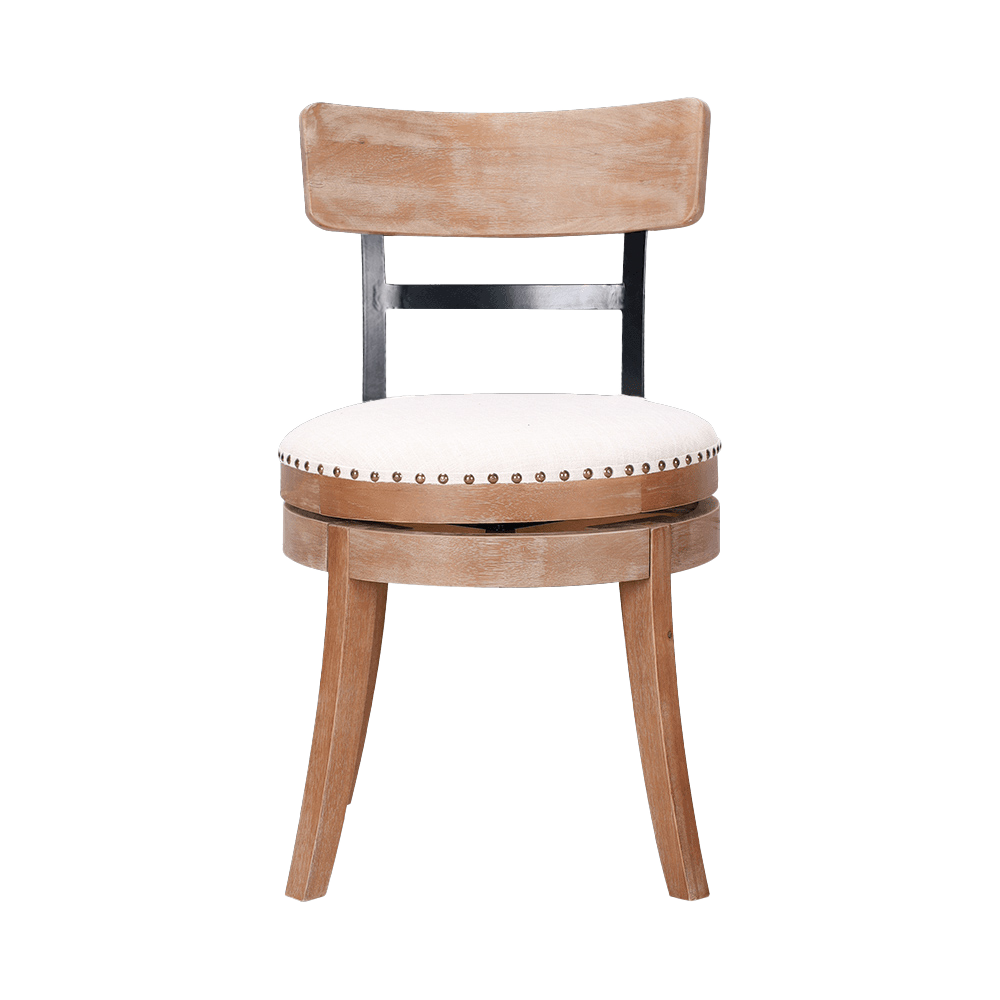
This WS6347 Round Cushion Solid Wood Dining Chair blends comfort with minimalist design, fitting var...

Copyright © Zhejiang Wanchang Furniture Co., Ltd.All Rights Reserved.
Indoor Fabric Sofa Manufacturers

-
 Xucunwancun, Xilong Xiang, Anji County, Zhejiang Province, China
-
 [email protected]
Mobile Site

WeChat Subscription Acount

Copyright © 2024Zhejiang Wanchang Furniture Co., Ltd.
All Rights Reserved.
