


 中文简体
中文简体 English
What Should You Look for When Buying a Solid Wood Dining Chair?
Posted by Zhejiang Wanchang Furniture Co., Ltd.
Content
- 1 Identify the Wood Species That Matches Your Lifestyle
- 2 Check Joinery and Construction for Long-Term Durability
- 3 Match Seat Height and Depth to Your Table and Body Size
- 4 Evaluate Finish and Maintenance Requirements
- 5 Balance Style With Your Existing Dining Room
- 6 Test Comfort and Weight Capacity Before You Buy
Identify the Wood Species That Matches Your Lifestyle
The wood species behind a dining chair determines how it handles daily wear, temperature swings, and accidental knocks. Oak and ash sit at the harder end of the spectrum, resisting dents from dragged chair legs and absorbing impact from kids climbing in and out. Walnut offers a softer surface but compensates with rich color depth that ages gracefully, making it a favorite for households that value appearance as much as toughness. Beech and rubberwood fall in the middle, providing a budget-friendly balance of strength and workability that suits chairs used moderately rather than several times a day by a large family.
Hardness ratings, measured on the Janka scale, give a concrete way to compare species before committing to a purchase. A chair built from a wood rated below 1,000 on this scale will show scratches and dents faster in a busy household, while anything above 1,300 holds up well even under heavy daily use.
| Wood Species | Janka Hardness (lbf) | Best Suited For |
| White Oak | 1,360 | High-traffic family dining |
| Ash | 1,320 | Active households, frequent moving |
| Walnut | 1,010 | Formal dining, lower daily use |
| Beech | 1,300 | Everyday use on a moderate budget |
| Rubberwood | 960 | Light use, occasional dining |
Check Joinery and Construction for Long-Term Durability
A dining chair fails far more often at its joints than through the wood itself splitting, so construction method matters more than most buyers realize. Chairs that rely only on screws or staples loosen within a year or two of regular use, while those built with traditional joinery distribute stress across a wider surface and resist wobbling even after thousands of sit-down-stand-up cycles.
Signs of Quality Joinery to Look For
- Mortise-and-tenon joints at the seat rails and legs, visible as a tight, glued connection with no visible gap
- Corner glue blocks reinforcing the underside of the seat frame where legs meet the apron
- Doweled connections with at least two dowels per joint rather than a single thin pin
- No visible metal brackets exposed on the outside of the frame, which often signal a shortcut repair rather than original construction
Picking up a chair and gently twisting the frame in the showroom or before checkout reveals a lot. A well-built solid wood chair feels rigid with no creaking, while a poorly joined one flexes slightly and produces a faint cracking sound under the same pressure.
Match Seat Height and Depth to Your Table and Body Size
Comfort during a meal depends heavily on proportions that are easy to overlook when shopping online. The standard gap between seat height and tabletop height should fall between 10 and 12 inches, giving enough room for knees and forearms without forcing shoulders up toward the ears. Most dining tables sit around 29 to 30 inches tall, which pairs naturally with chairs in the 17 to 19 inch seat height range.
Seat depth deserves equal attention, particularly for taller users. A depth under 16 inches can leave the back of the knees unsupported, while anything over 18 inches may force shorter users to either perch on the edge or slide back and lose lower-back support. Measuring an existing chair that already feels comfortable, then comparing it against the listed dimensions of a prospective purchase, avoids guesswork and reduces the chance of returns.
Evaluate Finish and Maintenance Requirements
The finish applied to a solid wood dining chair affects both its look and how much upkeep it demands over time. Oil-based and wax finishes let the natural grain show through and feel warm to the touch, but they need reapplication every six to twelve months to keep moisture from penetrating the wood. Lacquer and polyurethane finishes form a harder protective shell that resists spills and stains with almost no maintenance, though they can show scratches more visibly since the damage sits on the surface layer rather than blending into the wood tone.
Households with young children or frequent guests generally benefit more from a sealed lacquer or polyurethane finish, since red wine and sauce spills wipe away before they soak in. Anyone prioritizing a natural, tactile feel and willing to commit to periodic refinishing tends to prefer an oiled or waxed surface instead.
Balance Style With Your Existing Dining Room
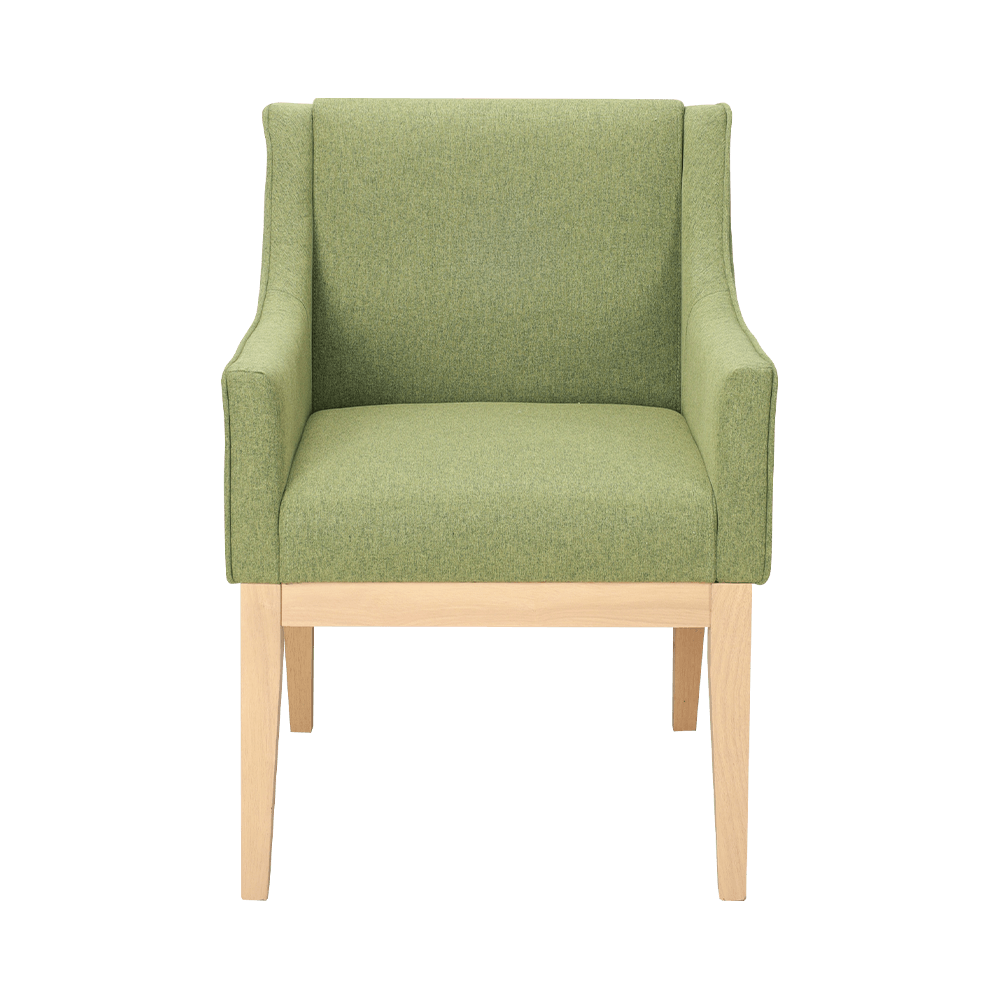
Solid wood dining chairs come in distinct silhouettes, and choosing one that fits the room's existing character makes the whole space feel intentional rather than mismatched. Ladder-back chairs bring a relaxed, farmhouse feel with their horizontal slats and lightweight frames. Windsor chairs, recognizable by their spindled backs and turned legs, suit both traditional and modern interiors thanks to their clean geometric lines. Cross-back, or X-back, chairs lean into a rustic European look and tend to pair well with reclaimed wood tables.
Mixing a slightly different chair style with the dining table itself has become a popular design choice, but the wood tone should still stay within the same warm or cool family to avoid visual clash. A honey-toned oak chair next to a gray-washed table can look intentional if a rug or other accent bridges the two tones, while pairing dramatically different finishes without any connecting element often reads as accidental rather than styled.
Test Comfort and Weight Capacity Before You Buy
Weight capacity is rarely printed clearly on product listings, yet it directly affects long-term safety and durability. Most well-built solid wood dining chairs support between 250 and 300 pounds, while reinforced designs with thicker legs and additional stretcher bars can handle 350 pounds or more. Checking the manufacturer's stated capacity, rather than assuming all wood chairs perform the same, prevents premature joint failure under regular use.
Sitting in the chair for several minutes, not just glancing at it, reveals issues that specifications alone cannot show. The backrest angle should support the lower back without forcing a slouch, the seat edge should not dig into the back of the thighs, and the chair should remain stable when shifting weight from side to side. A few minutes of testing before purchase often saves years of discomfort at the dinner table.
-
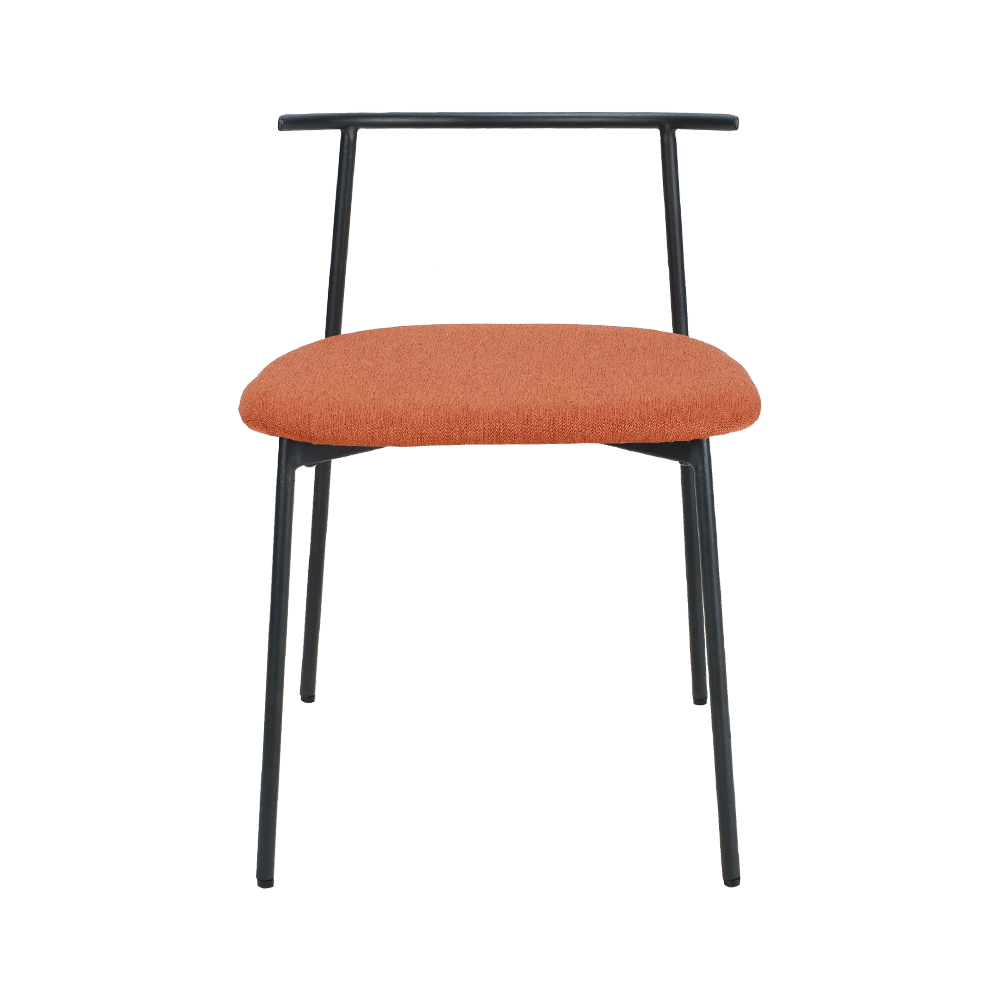
The curved back metal leg dining chair is a blend of modern design and classic comfort, offering an ... -
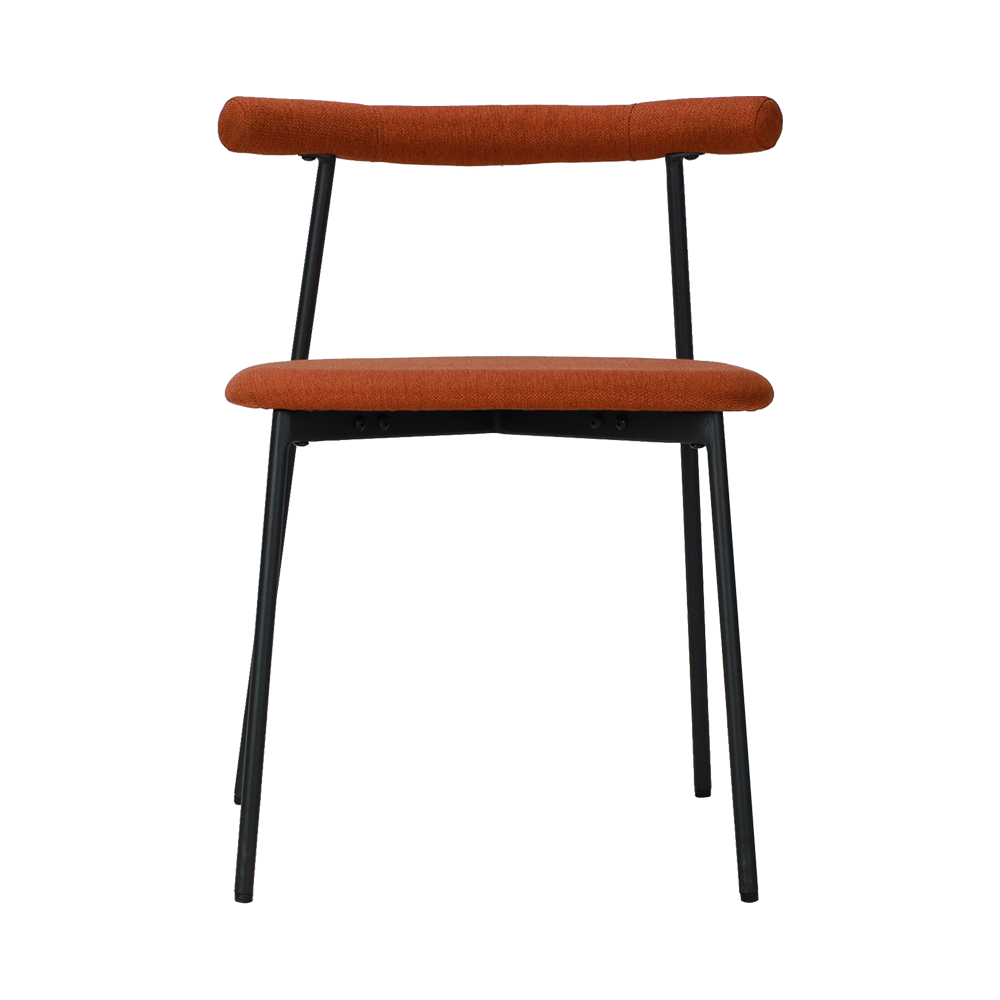
The High Resilience Sponge Cushion Metal Foot Dining Chair offers a blend of comfort, style, and dur... -
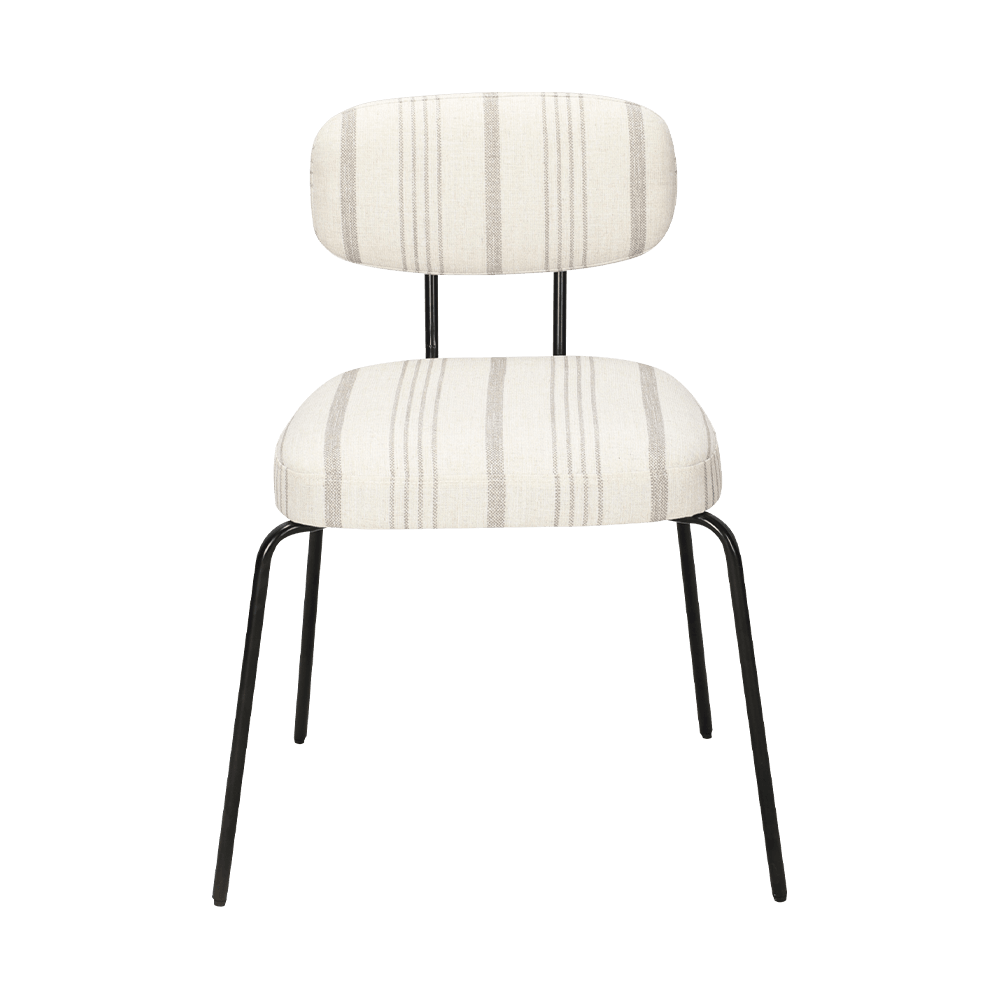
This WS6357 white modern metal dining chair features a simple and elegant design, paired with metal ... -
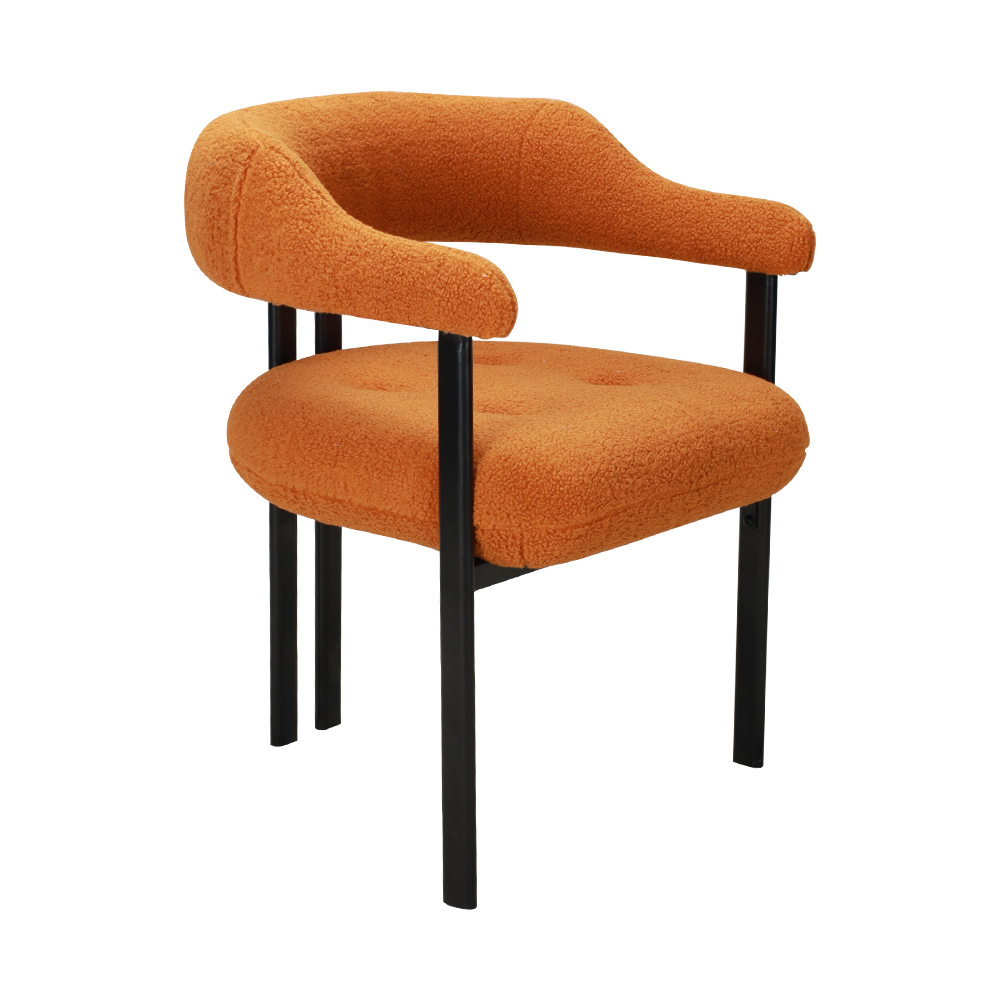
Elevate your dining experience with our WS6353 metal dining chair with a fabric cushion, a blend of ... -
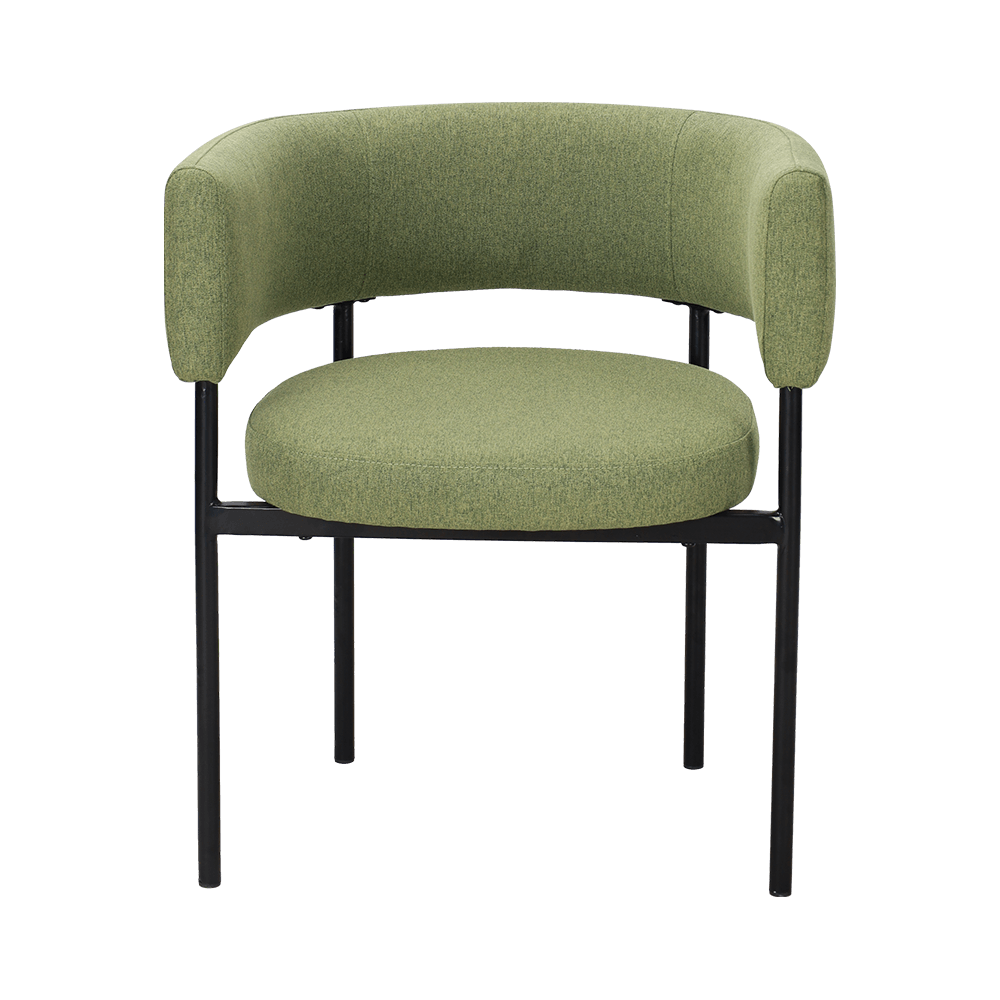
Crafted for both style and functionality, the WS6354 acid green metal leg dining chair features a st... -
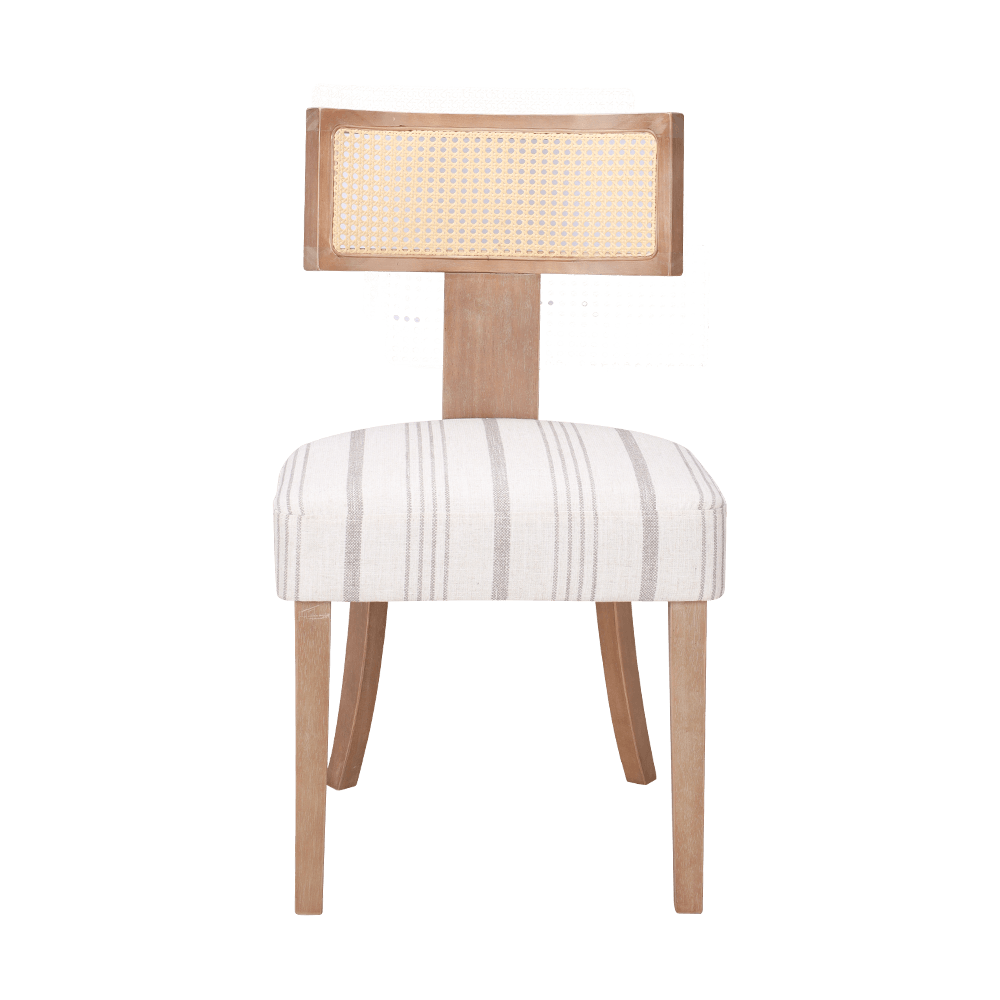
This solid rubber wood dining chair combines natural texture with comfort, featuring a simple yet el... -
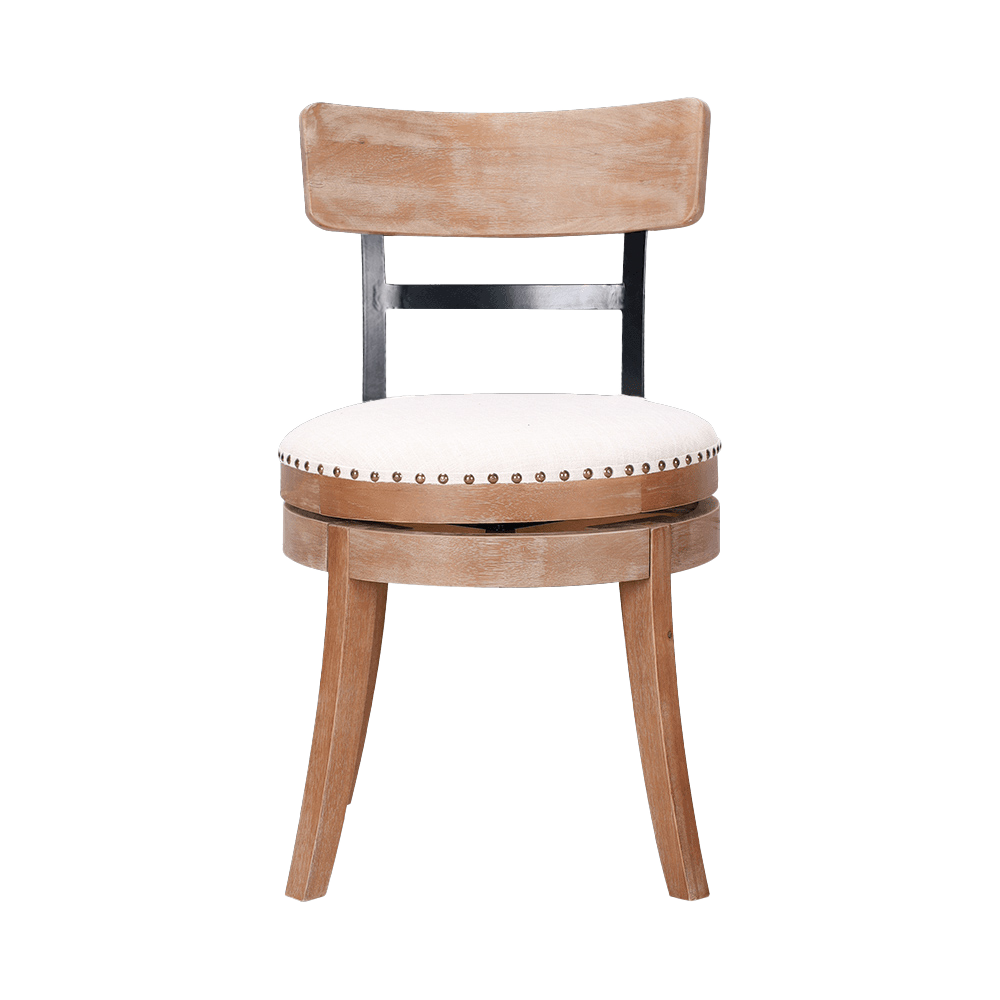
This WS6347 Round Cushion Solid Wood Dining Chair blends comfort with minimalist design, fitting var...

Copyright © Zhejiang Wanchang Furniture Co., Ltd.All Rights Reserved.
Indoor Fabric Sofa Manufacturers

-
 Xucunwancun, Xilong Xiang, Anji County, Zhejiang Province, China
-
 [email protected]
Mobile Site

WeChat Subscription Acount

Copyright © 2024Zhejiang Wanchang Furniture Co., Ltd.
All Rights Reserved.
