


 中文简体
中文简体 English
What Fabric Should You Choose for a Lounge Chair That Lasts?
Posted by Zhejiang Wanchang Furniture Co., Ltd.
Content
- 1 Why Fabric Choice Defines Your Lounge Chair Experience
- 2 Understanding Abrasion Resistance: The Wyzenbeek and Martindale Standards
- 3 The Most Common Lounge Chair Fabric Types and Their Properties
- 4 Matching Fabric to Your Specific Use Environment
- 5 Color, Pattern, and Texture: Practical Considerations Beyond Aesthetics
- 6 Cleanability Codes: Reading the Label Before You Buy
- 7 Fabric Weight, Weave Density, and Backing Treatments
- 8 Final Checklist Before Ordering Your Fabric Lounge Chair
Why Fabric Choice Defines Your Lounge Chair Experience
The fabric covering a lounge chair does far more than determine its visual appeal. It governs how comfortable the chair feels after hours of use, how well it resists spills and stains, how long it retains its original appearance, and whether it suits the specific environment where it will live. A fabric lounge chair placed in a busy family living room faces entirely different demands than one positioned in a quiet reading nook or a hotel lobby. Choosing the wrong upholstery leads to premature wear, difficult maintenance, and eventual disappointment — while choosing the right one means decades of satisfying use. This guide walks through every practical factor you need to evaluate before making your decision.
Understanding Abrasion Resistance: The Wyzenbeek and Martindale Standards
Before comparing fabric types, it is essential to understand how upholstery durability is measured. The two most widely used industry tests are the Wyzenbeek test, common in North America, and the Martindale test, standard in Europe and the UK. Both measure how many rub cycles a fabric can withstand before showing visible wear.
For a lounge chair in a residential setting used by one or two people daily, a fabric rated at 15,000 double rubs (Wyzenbeek) or 20,000 Martindale cycles is generally sufficient. For a chair in a high-traffic area — a family room with children and pets, a hotel suite, or a waiting room — look for ratings of 30,000 double rubs or higher. Commercial-grade fabrics often reach 100,000 double rubs, offering exceptional longevity even under constant use. Always check that the supplier provides certified test results rather than unverified claims, as testing methodology and results can vary significantly between manufacturers.
The Most Common Lounge Chair Fabric Types and Their Properties
Each fabric category brings a distinct combination of texture, durability, care requirements, and aesthetic character. Understanding these differences is the foundation of making an informed choice.
Cotton and Cotton Blends
Pure cotton is breathable, soft against the skin, and available in virtually unlimited colors and weave patterns. However, untreated cotton is susceptible to staining, fading from sunlight, and pilling over time. Cotton blends — particularly those that combine cotton with polyester or nylon — correct many of these weaknesses while retaining the natural feel. A cotton-polyester blend at a 60/40 ratio, for example, offers improved wrinkle resistance and greater color fastness without sacrificing much of cotton's breathability. Cotton fabric lounge chairs suit bedrooms, low-traffic sitting rooms, and other calm environments where the priority is comfort and natural aesthetics over heavy-duty performance.
Linen
Linen delivers a refined, textural appearance that ages gracefully and photographs beautifully in interior design contexts. It is stronger than cotton by fiber weight and resists pilling well. The drawback is that linen wrinkles easily and absorbs liquids quickly, making it less forgiving in households with young children or frequent entertaining. Linen blended with synthetic fibers improves its stain resistance significantly, and many manufacturers now offer linen-look polyester weaves that replicate the aesthetic of natural linen while adding practical durability. Pure linen remains the choice for formal sitting rooms and boutique hospitality settings where elegance takes priority over practicality.
Velvet and Microvelvet
Velvet creates an immediate sense of luxury through its dense pile construction, which catches light to produce rich, dimensional color. Traditional silk or cotton velvet requires careful maintenance and is prone to crushing and water marking. Modern performance velvet and microvelvet, woven from tightly packed microfiber polyester, overcome these issues substantially. Performance velvet fabrics often carry water-repellent treatments and achieve rub ratings above 30,000 double rubs. The pile direction must be consistent across all panels of an upholstered lounge chair to avoid shading inconsistencies, so professional upholstery installation is recommended for velvet applications.
Polyester and Performance Fabrics
Solution-dyed polyester and performance weaves have transformed upholstery options over the past two decades. Because the color is embedded into the fiber during manufacturing rather than applied as a surface dye, solution-dyed fabrics resist fading from UV exposure, bleach, and harsh cleaning agents far better than conventionally dyed textiles. Many performance fabrics also incorporate moisture-wicking, antimicrobial, or stain-release treatments. These fabrics are the practical choice for outdoor lounge chairs, children's rooms, pet-friendly households, and any commercial environment where the chair must withstand heavy use and frequent cleaning.
Leather and Faux Leather
While technically not a woven fabric, genuine leather and its synthetic alternatives — PU leather and PVC — are frequently selected for lounge chairs. Full-grain leather develops a distinctive patina with age and is exceptionally durable, but it requires conditioning to prevent cracking and is not ideal in humid climates. High-quality PU leather closely mimics the look and feel of genuine leather at a lower price point and with easier cleaning, though it does not breathe as well and may crack after five to eight years of heavy use. Both options suit contemporary and mid-century modern chair designs particularly well.
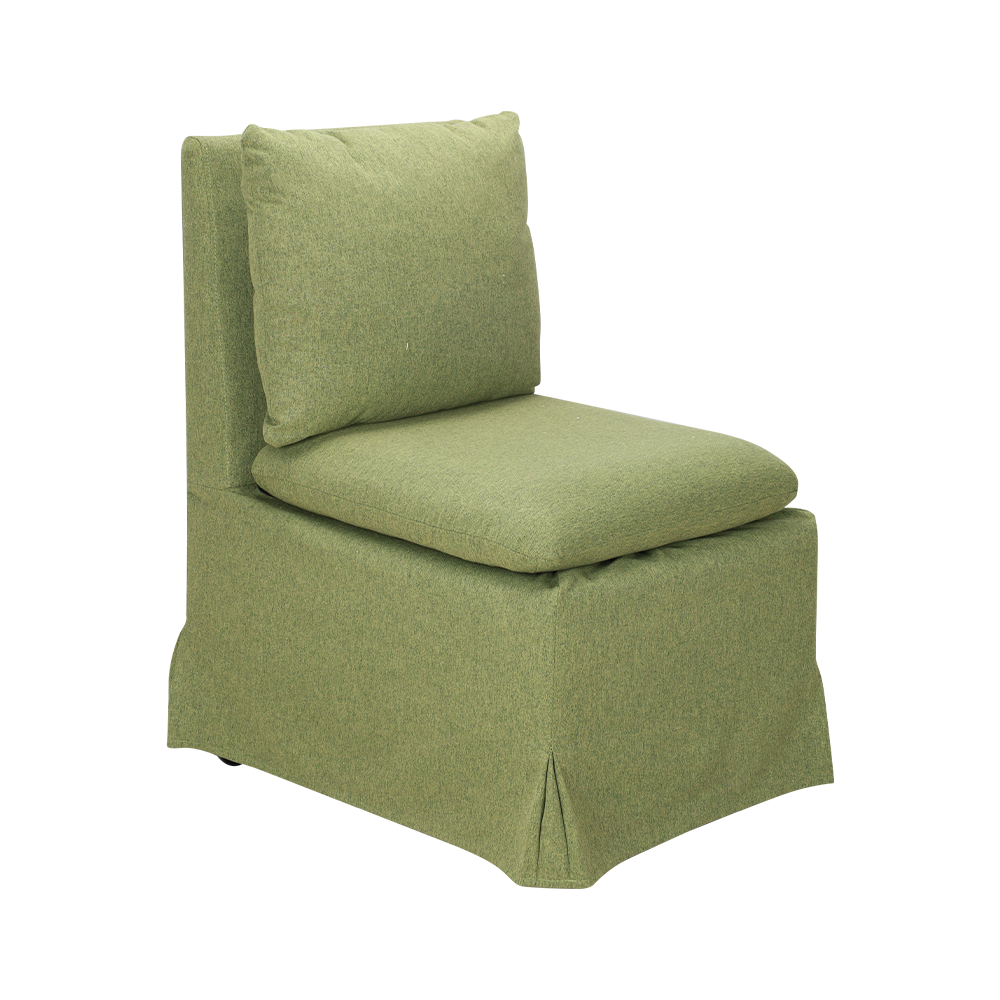
Matching Fabric to Your Specific Use Environment
The environment where the lounge chair will be used should be the primary filter when narrowing down fabric options. No single fabric excels in every context, and selecting based on aesthetics alone without considering conditions leads to rapid disappointment.
| Environment | Recommended Fabric | Key Priority |
| Formal living room | Linen, velvet, boucle | Aesthetics and texture |
| Family room with kids/pets | Performance polyester, microfiber | Stain resistance, durability |
| Bedroom or reading nook | Cotton, cotton blend, chenille | Softness and breathability |
| Outdoor or sunroom | Solution-dyed acrylic, olefin | UV and moisture resistance |
| Hotel or commercial space | Commercial-grade polyester, PU leather | High rub rating, easy cleaning |
Color, Pattern, and Texture: Practical Considerations Beyond Aesthetics
Color selection is not purely a design decision — it has direct implications for maintenance and longevity. Light-colored fabrics, while elegant and space-enhancing, show dust, pet hair, and stains more readily than medium or dark tones. However, very dark fabrics are more susceptible to visible fading from sunlight and may show lint or light-colored pet hair prominently. Mid-range neutral tones — warm grays, taupes, slate blues, and terracottas — offer a practical middle ground that conceals everyday soiling while remaining versatile within interior color schemes.
Pattern scale also matters. Large-scale patterns require careful alignment across upholstered panels, increasing fabric waste and labor costs. Small, all-over patterns and solid textures are more forgiving during manufacturing and reupholstering. Textured weaves such as boucle, herringbone, and jacquard add visual interest without relying on printed color patterns that may fade unevenly over time.
Cleanability Codes: Reading the Label Before You Buy
Most upholstery fabrics sold through reputable retailers are labeled with a standard cleaning code that tells you exactly what cleaning agents are safe to use. Knowing how to read these codes prevents costly damage from incorrect cleaning attempts.
- W (Water-based cleaner): Safe to clean with water-based shampoos or foam upholstery cleaners. The most forgiving category for everyday households.
- S (Solvent-based cleaner): Requires dry-cleaning solvents only. Water can cause shrinkage, staining, or ring marks. Common for natural fibers like rayon or certain linens.
- W-S (Water or solvent): Either water-based or solvent-based cleaners can be used safely, offering the most flexibility.
- X (Vacuum only): No liquid cleaners of any kind. Professional cleaning is recommended for spills. Rarely seen in modern upholstery fabric selections.
Always test any cleaning product on a hidden area of the fabric first, regardless of the cleaning code, as dye lots and fabric treatments can react unexpectedly. Keep a record of the fabric supplier and collection name so that professional cleaners can source compatible treatments if needed years after purchase.
Fabric Weight, Weave Density, and Backing Treatments
Heavier fabric weights generally indicate greater thread density and improved durability, though weight alone is not a reliable durability indicator. A tightly woven medium-weight polyester can outlast a loosely constructed heavy linen. When evaluating fabric swatches, hold them up to light — minimal light penetration indicates a dense weave that will resist snagging and pilling more effectively than an open, airy construction.
Many performance upholstery fabrics incorporate a backing layer bonded to the underside of the face fabric. Acrylic backing adds dimensional stability, preventing the fabric from stretching or distorting during upholstery and use. Latex or foam backing provides additional cushioning and insulation, which can be desirable in accent chairs but may add stiffness that reduces draping quality in designs with flowing shapes. Always ask the supplier whether the fabric includes a backing treatment and how it affects the cleaning protocol, as some backings are damaged by water or solvents.
Final Checklist Before Ordering Your Fabric Lounge Chair
Before committing to a fabric lounge chair purchase or a reupholstery project, run through this practical checklist to confirm your selection addresses every key requirement:
- Confirm the abrasion rating matches your traffic level — residential light use, residential heavy use, or commercial.
- Order physical swatches and evaluate them in your actual room lighting, both natural daylight and artificial evening light.
- Check the cleaning code and confirm you have access to the appropriate cleaning products before purchase.
- If the chair will receive direct sunlight, verify the fabric's lightfastness rating — look for a minimum of Grade 4 on the Blue Wool Scale for indoor use.
- For households with allergies, choose tightly woven fabrics that do not trap dust and dander, and consider antimicrobial-treated options.
- Verify the fabric repeat dimensions if the design includes a pattern, and calculate additional yardage needed for pattern matching.
Taking the time to systematically evaluate each of these factors transforms what can feel like an overwhelming decision into a straightforward, confident selection process — and ensures your fabric lounge chair delivers the comfort, beauty, and durability you expect for years to come.
-
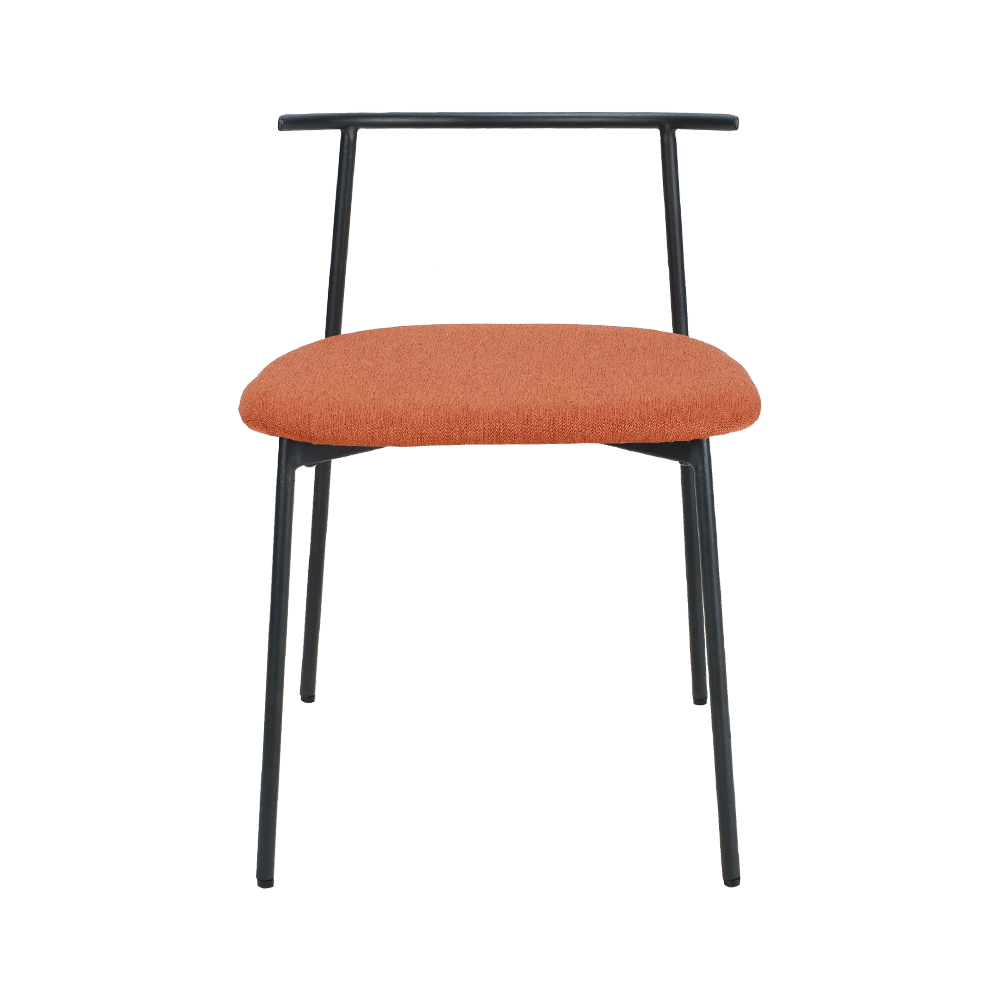
The curved back metal leg dining chair is a blend of modern design and classic comfort, offering an ... -
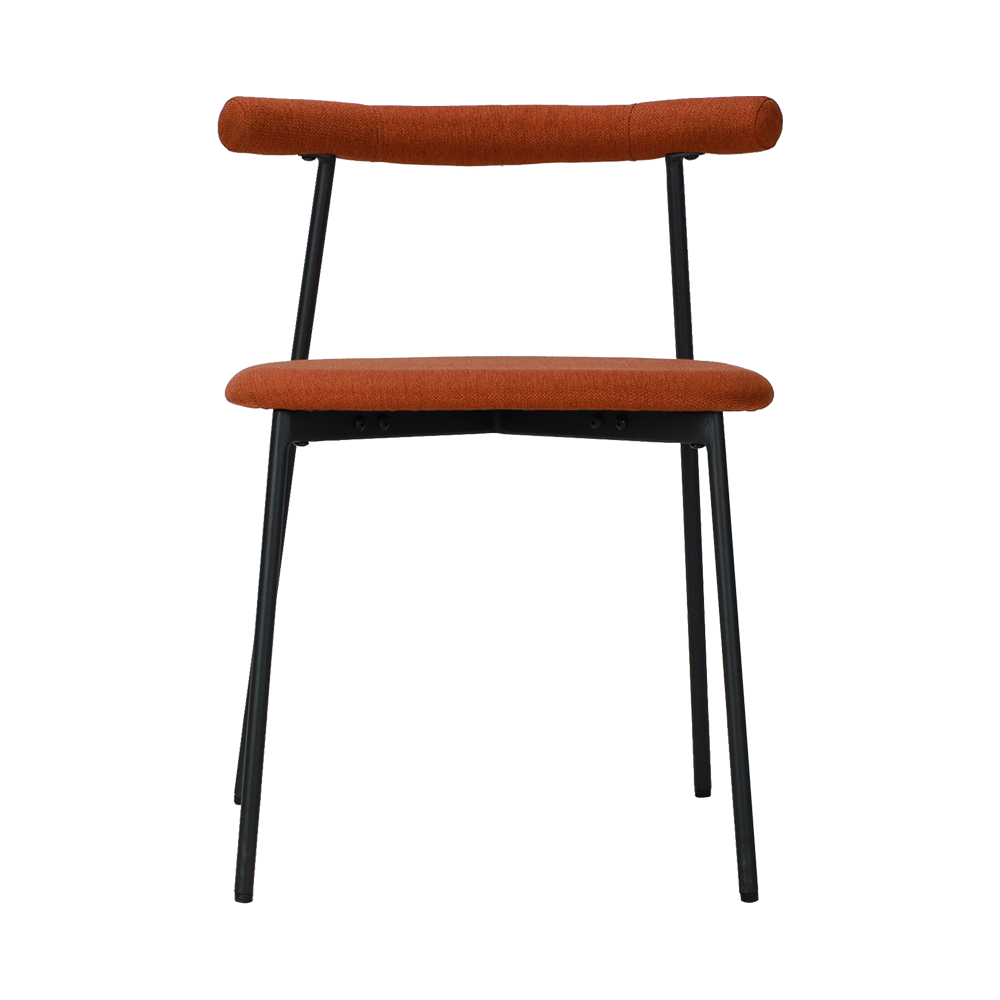
The High Resilience Sponge Cushion Metal Foot Dining Chair offers a blend of comfort, style, and dur... -
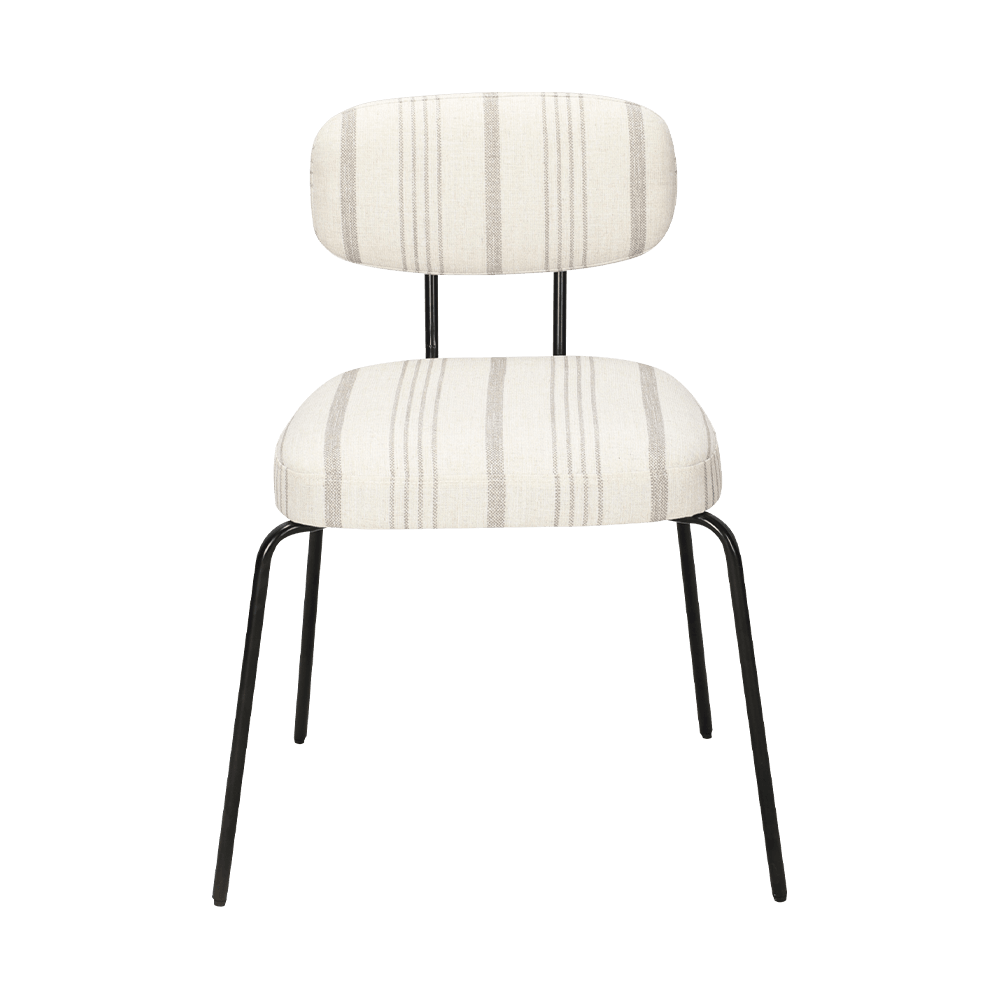
This WS6357 white modern metal dining chair features a simple and elegant design, paired with metal ... -
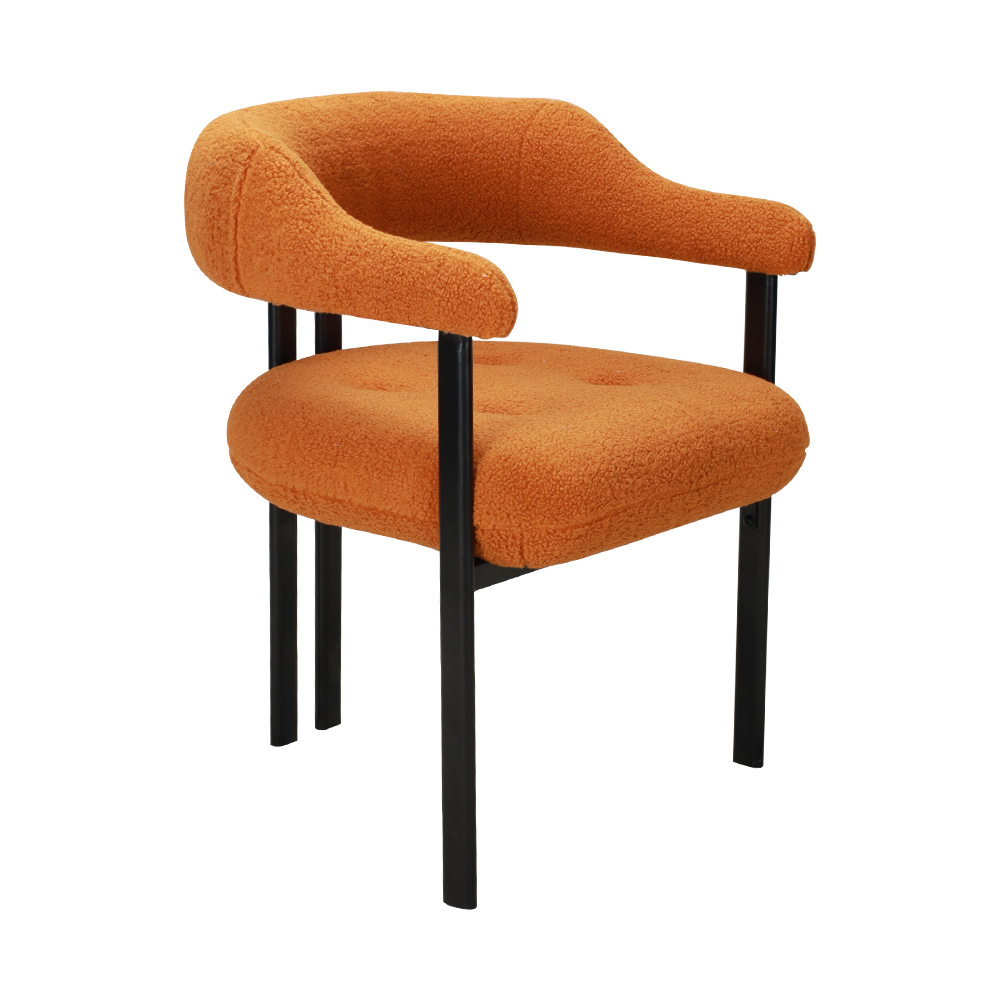
Elevate your dining experience with our WS6353 metal dining chair with a fabric cushion, a blend of ... -
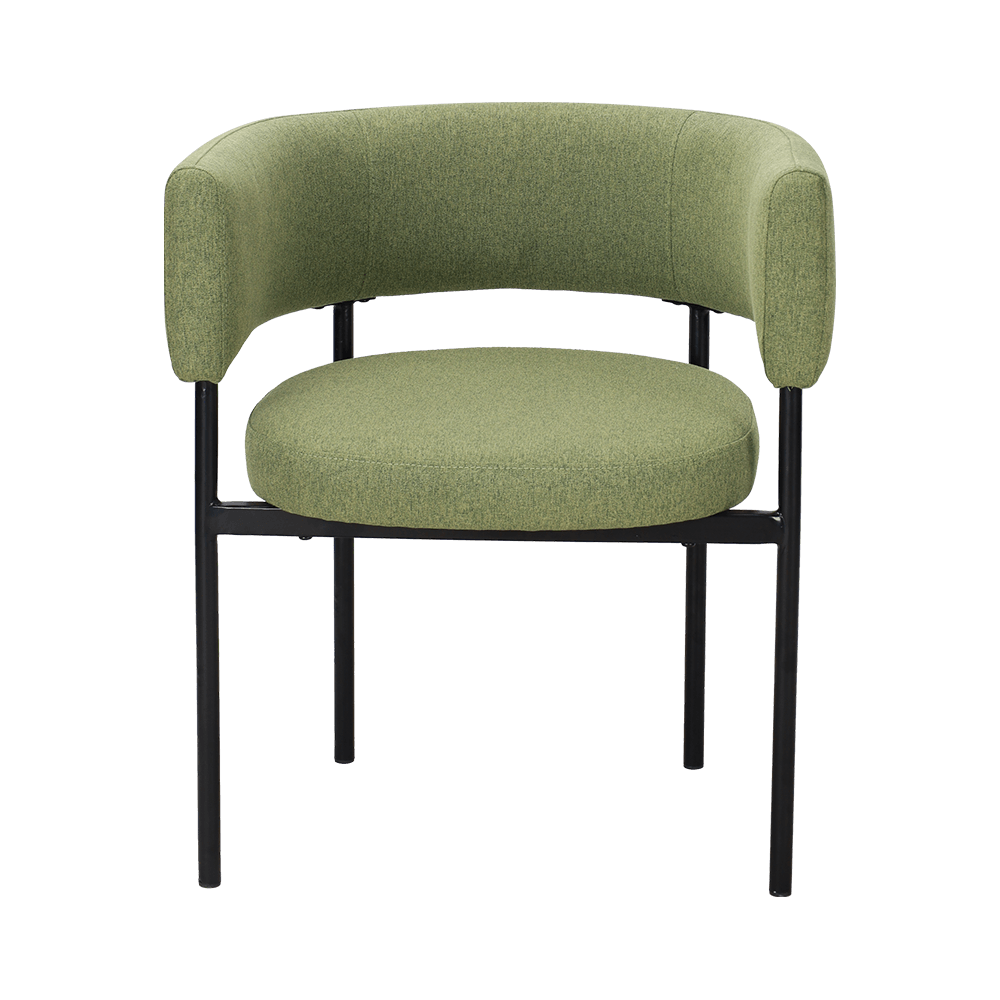
Crafted for both style and functionality, the WS6354 acid green metal leg dining chair features a st... -
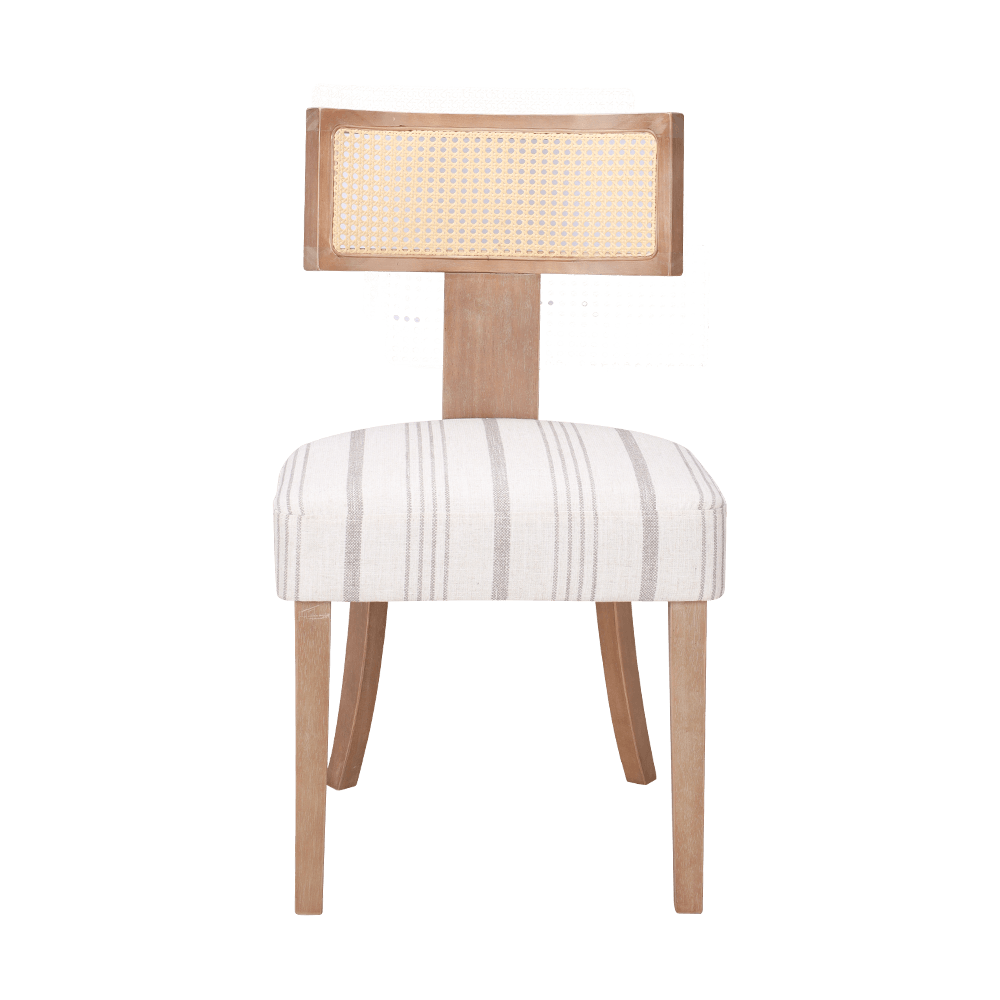
This solid rubber wood dining chair combines natural texture with comfort, featuring a simple yet el... -
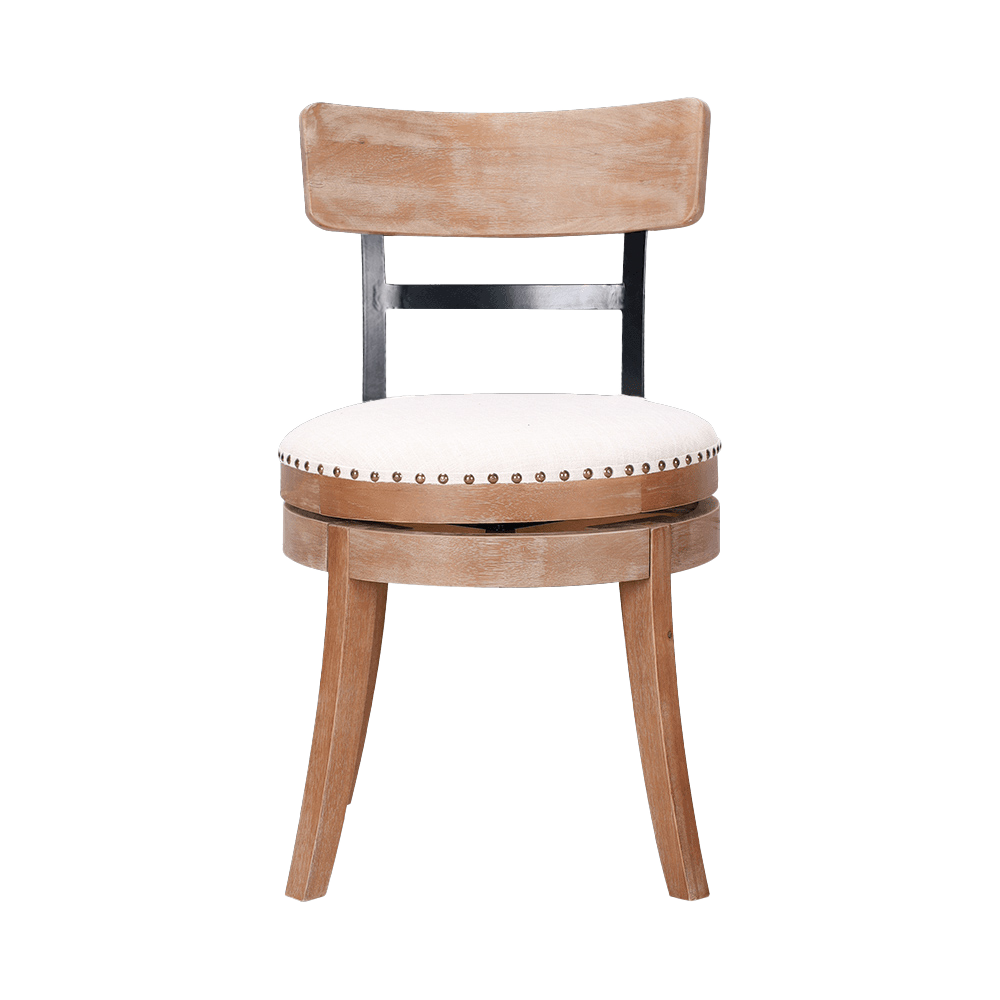
This WS6347 Round Cushion Solid Wood Dining Chair blends comfort with minimalist design, fitting var...

Copyright © Zhejiang Wanchang Furniture Co., Ltd.All Rights Reserved.
Indoor Fabric Sofa Manufacturers

-
 Xucunwancun, Xilong Xiang, Anji County, Zhejiang Province, China
-
 [email protected]
Mobile Site

WeChat Subscription Acount

Copyright © 2024Zhejiang Wanchang Furniture Co., Ltd.
All Rights Reserved.
