


 中文简体
中文简体 English
What frame materials provide the best structural support for upholstered dining chairs?
Posted by Zhejiang Wanchang Furniture Co., Ltd.
The frame is the structural backbone of an upholstered dining chair: it determines load capacity, long-term dimensional stability, joint life, and how the chair feels when sat on. Choosing the right material balances strength, weight, cost, manufacturability and appearance. Below are practical comparisons and guidance focused on real-world selection criteria for residential and commercial dining chairs.
Content
- 1 Solid hardwoods: traditional high-strength choice
- 2 Engineered woods and plywood: dimensional stability with cost benefits
- 3 Metals: steel, stainless steel and aluminum frames
- 4 Composites and engineered polymers
- 5 Joinery, fasteners and reinforcement techniques
- 6 Performance table: material comparison
- 7 Durability testing and performance metrics
- 8 Finishes, moisture and maintenance effects
- 9 Cost, sustainability and sourcing considerations
- 10 Selection checklist for designers and buyers
- 11 Conclusion: match material to function and lifecycle
Solid hardwoods: traditional high-strength choice
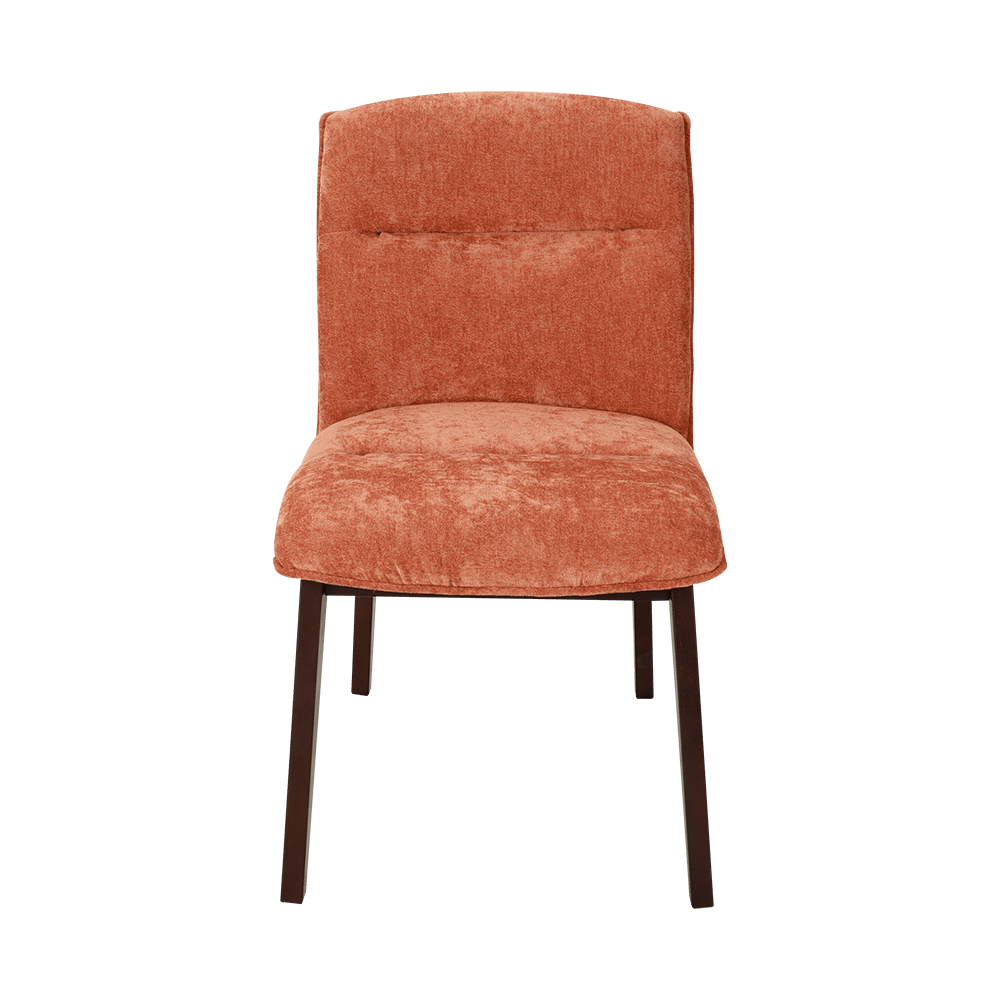
Hardwoods such as beech, oak, maple and ash are classic choices because of their high bending strength, good screw and glue retention, and predictable long-term performance. Beech is widely used in chair frames for its workability and excellent holding power for dowels and screws. Oak and maple provide higher stiffness and wear resistance — beneficial where legs see impact and abrasion. Ash is valued for good shock resistance and a light natural color that accepts stains well.
Advantages and limitations
Solid hardwood offers excellent repairability and traditional joinery options (mortise-and-tenon, dowel, double-pin). Limitations include susceptibility to seasonal movement if not kiln-dried properly and higher cost for premium species. For heavy commercial use, specify quarter-sawn or kiln-stabilized grades and protective finishes to limit moisture-related movement.
Engineered woods and plywood: dimensional stability with cost benefits
Multi-ply plywood, laminated hardwoods and finger-jointed components provide more consistent dimensional stability than plain-sawn solid wood. Cross-laminated veneers in plywood resist warping and splitting; laminated rails or laminated leg blanks allow longer, straighter components from lower-cost timber. Engineered components are especially useful for curved frames or for reducing defects in visible profiles.
When to prefer engineered wood
Choose plywood or laminated stock for mass production, for elongated chair rails, or when tight tolerances and low variability are required. Use exterior-grade adhesive systems if chairs will be exposed to higher humidity or occasional outdoor use.
Metals: steel, stainless steel and aluminum frames
Metal frames (formed steel tube, welded stainless, or aluminum extrusions) give excellent strength-to-weight ratios and are common in contemporary and commercial designs. Steel provides very high stiffness and fatigue resistance when properly detailed and welded. Stainless steel adds corrosion resistance for humid environments or contract use. Aluminum offers low weight and corrosion resistance but requires thicker sections or clever geometry to match steel stiffness.
Design and joining considerations
Metal frames are often spot-welded, MIG/TIG welded, or joined with mechanical fasteners. For upholstered chairs, metal-to-upholstery attachments must distribute loads through gussets or plates; direct stitching to thin metal can tear. Powder-coating or anodizing finishes protect metals and improve adhesion for bonded pads.
Composites and engineered polymers
High-performance composites (glass-fiber reinforced polymers, carbon-fiber laminates) and engineered plastics (nylon-reinforced, glass-filled polypropylene) are used where unusual shapes, translucency or very low weight are priorities. Composites can match or exceed wood in specific stiffness while enabling single-piece molded frames that reduce joinery needs.
Trade-offs
Composites are costly and more complex to repair; they also behave differently under concentrated loads (less forgiving than wood near screws). For mass-market upholstered dining chairs, composites are most appropriate where form and repeated geometries justify tooling cost, or where water resistance is essential.
Joinery, fasteners and reinforcement techniques
Material choice must be paired with appropriate joint design. Mortise-and-tenon (or knock-down variants), corner blocks glued and screwed, splines, and reinforced dowels all improve resistance to racking. In metal frames, gusset plates and welded corner boxes provide durable joints. Use mechanical reinforcement (corner blocks, metal brackets) where repeated lateral loads occur, such as in dining chairs that see lateral leaning or high-traffic use.
Recommended standards for fasteners
For wood frames, use long-grain glue surfaces and screws sized to engage adequate wood depth; avoid end-grain screw anchorage without reinforcement. For knock-down fittings, specify metric or UNC fasteners with hardened washers and test torque retention across cycles.
Performance table: material comparison
| Material | Strength / stiffness | Weight | Dimensional stability | Cost | Best use-case |
| Beech / Oak / Maple | High | Medium | Good (with kiln-dry) | Medium–High | Classic, repairable chairs |
| Plywood / Laminates | Medium–High | Medium | Very Good | Medium | Mass production, curved parts |
| Steel (tube / welded) | Very High | High | Excellent | Medium–High | Contract use, modern designs |
| Aluminum / Stainless | High (section-dependent) | Low–Medium | Excellent | High | Lightweight, corrosion resistance |
| Composites / FRP | High (directional) | Low | Excellent | Very High | Designer pieces, outdoor use |
Durability testing and performance metrics
Specify objective tests to verify frame performance: cyclic load testing for seat and back racking, drop and impact tests for legs, fastener pull-out tests, and vertical load-to-failure tests. For contract or hospitality chairs, require compliance with standards such as BIFMA X5.1 (seating) or equivalent national standards to ensure frames meet repeated-use life-cycle expectations.
Finishes, moisture and maintenance effects
Finish selection affects both durability and joint life. Clear lacquers, conversion varnishes, and catalyzed finishes provide moisture resistance for wood frames. Metal frames benefit from galvanizing or powder coat. For environments with high humidity or frequent cleaning, avoid end-grain exposure and specify sealed joints; fastener galleries and knock-down fittings should include thread-locking measures and access for torque re-checks.
Cost, sustainability and sourcing considerations
Balance initial material cost with expected life and reparability. Solid hardwood can be refurbished, while some engineered plastics or composites are harder to repair but offer long field life. Consider certified sustainable timber (FSC) or recycled metal content to meet eco-labeling goals and procurement policies, and include lifecycle thinking when assessing total cost of ownership.
Selection checklist for designers and buyers
- Define target use: residential light-use, heavy domestic, or contract/hospitality.
- Specify load and durability tests required (cycles, impact, racking).
- Choose material based on stiffness-to-weight, repairability and appearance goals.
- Design joints and reinforcement for expected lateral loads; prefer mortise/tenon or gusseted blocks.
- Plan finishes and maintenance instructions to extend frame life in the intended environment.
Conclusion: match material to function and lifecycle
No single material is "best" in every case. For traditional craftsmanship and reparability, choose solid hardwoods with proven joinery. For consistent production and dimensional stability, use engineered plywood and laminates. For modern, lightweight or high-duty commercial chairs, metal frames provide unrivaled stiffness and longevity. Combine material choice with robust joinery, proper finishes and validated testing to deliver upholstered dining chairs that perform for years.
-
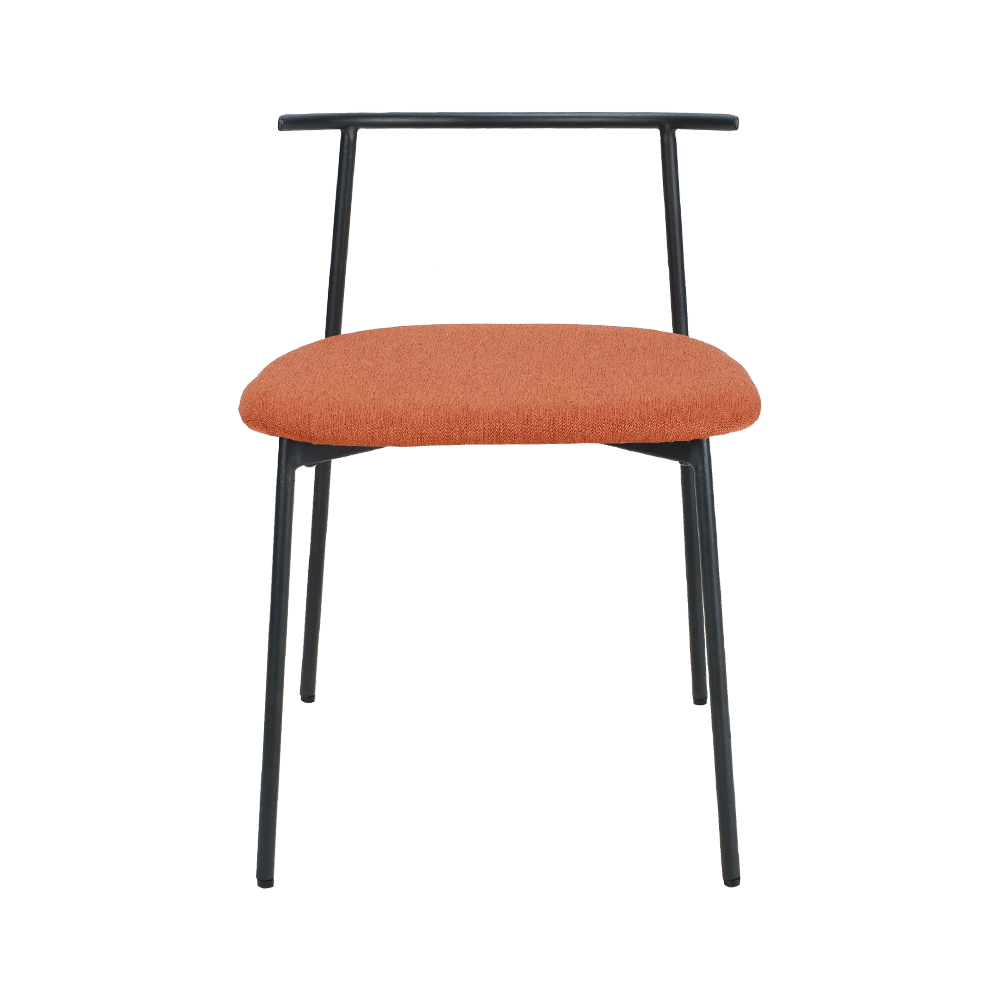
The curved back metal leg dining chair is a blend of modern design and classic comfort, offering an ... -
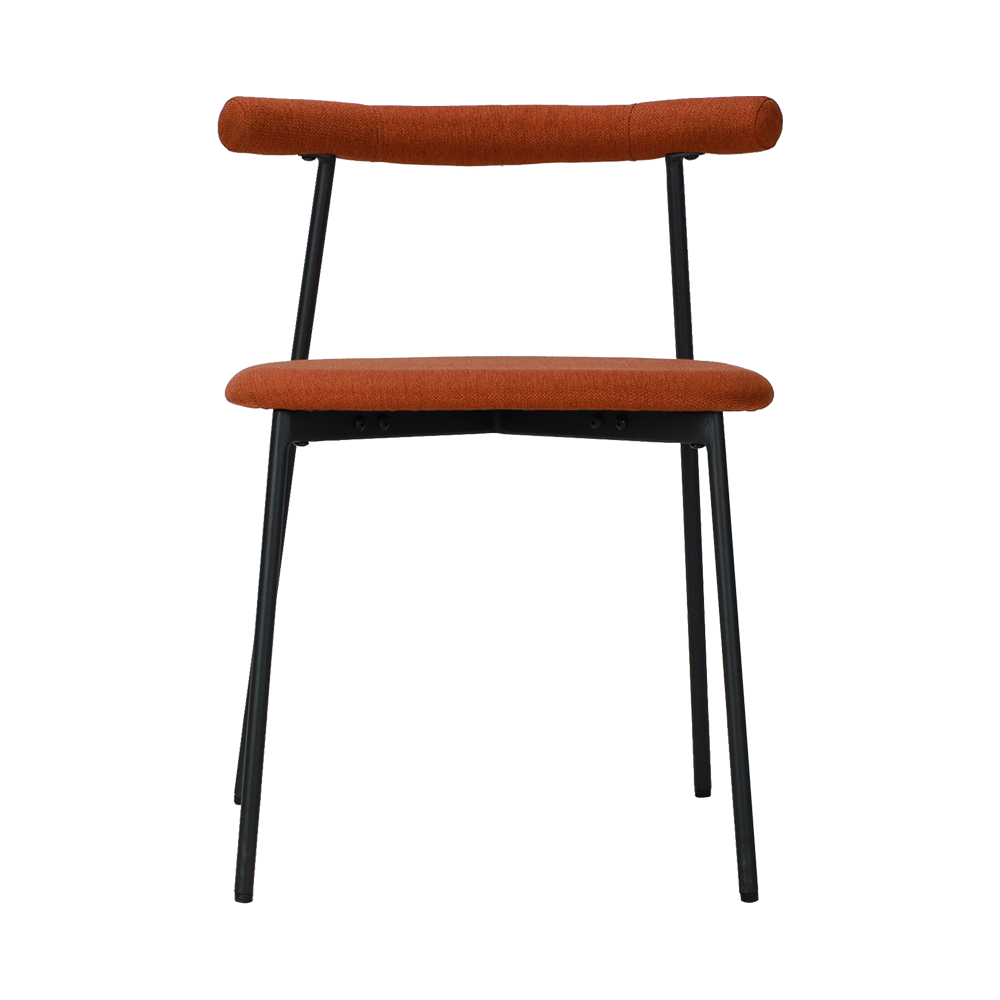
The High Resilience Sponge Cushion Metal Foot Dining Chair offers a blend of comfort, style, and dur... -
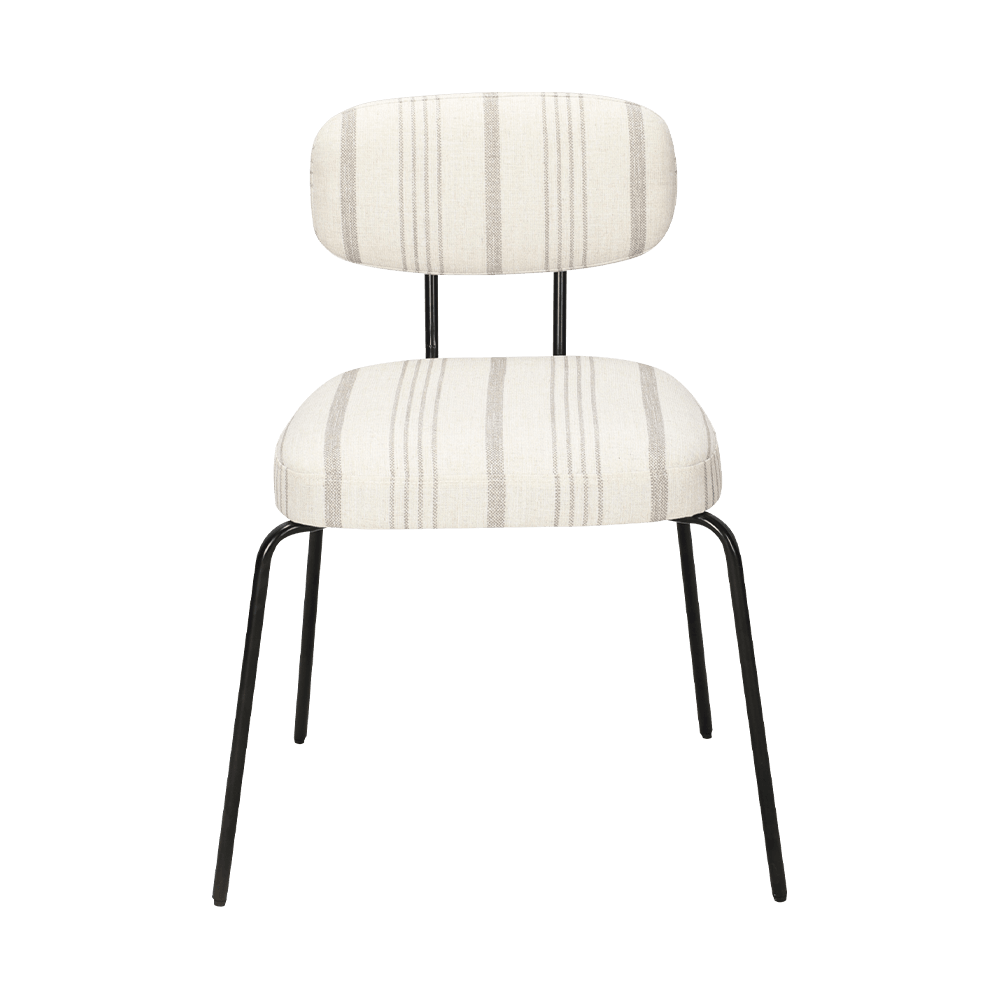
This WS6357 white modern metal dining chair features a simple and elegant design, paired with metal ... -
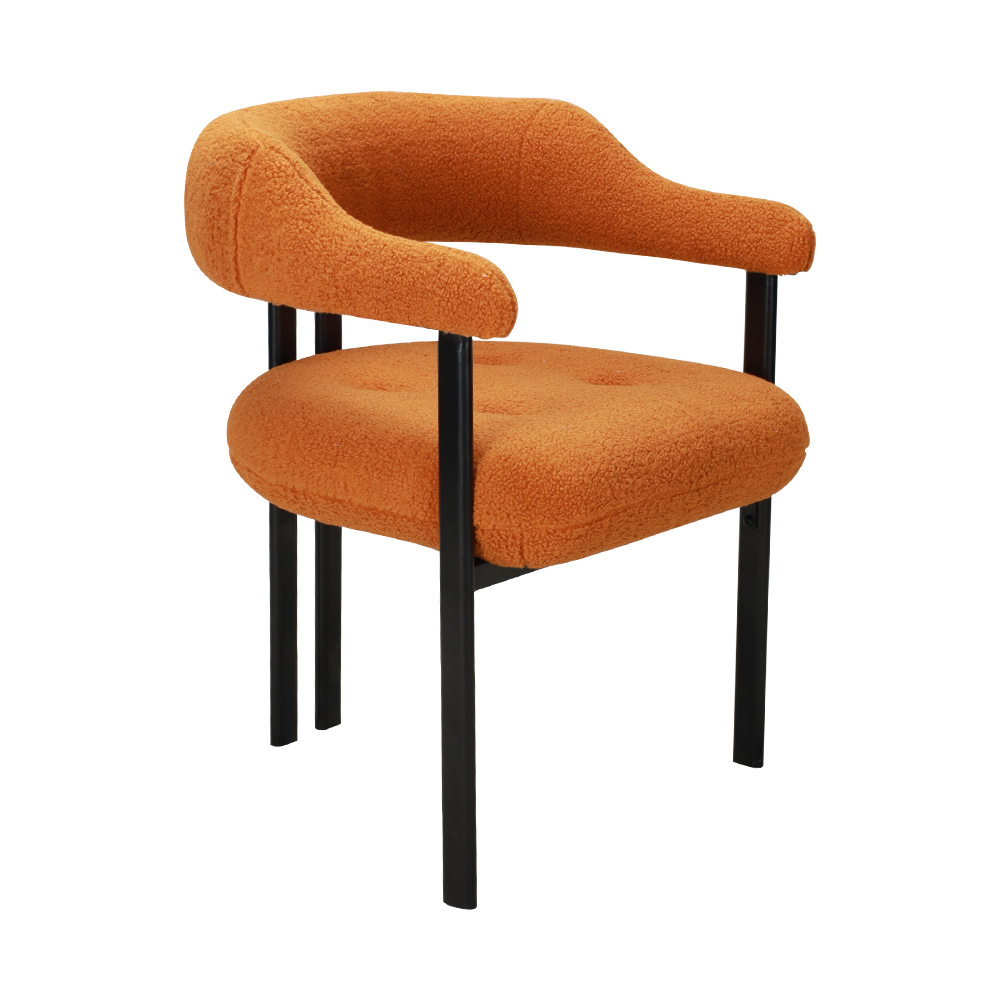
Elevate your dining experience with our WS6353 metal dining chair with a fabric cushion, a blend of ... -
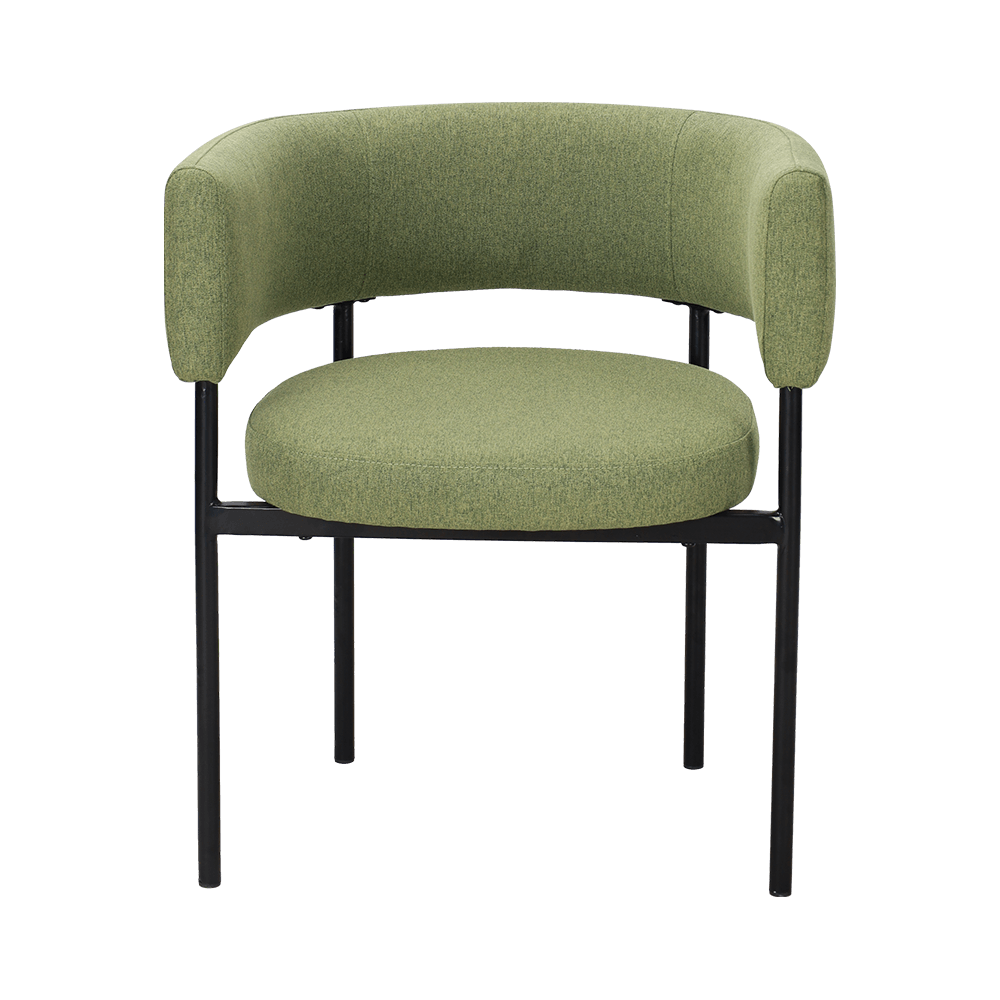
Crafted for both style and functionality, the WS6354 acid green metal leg dining chair features a st... -
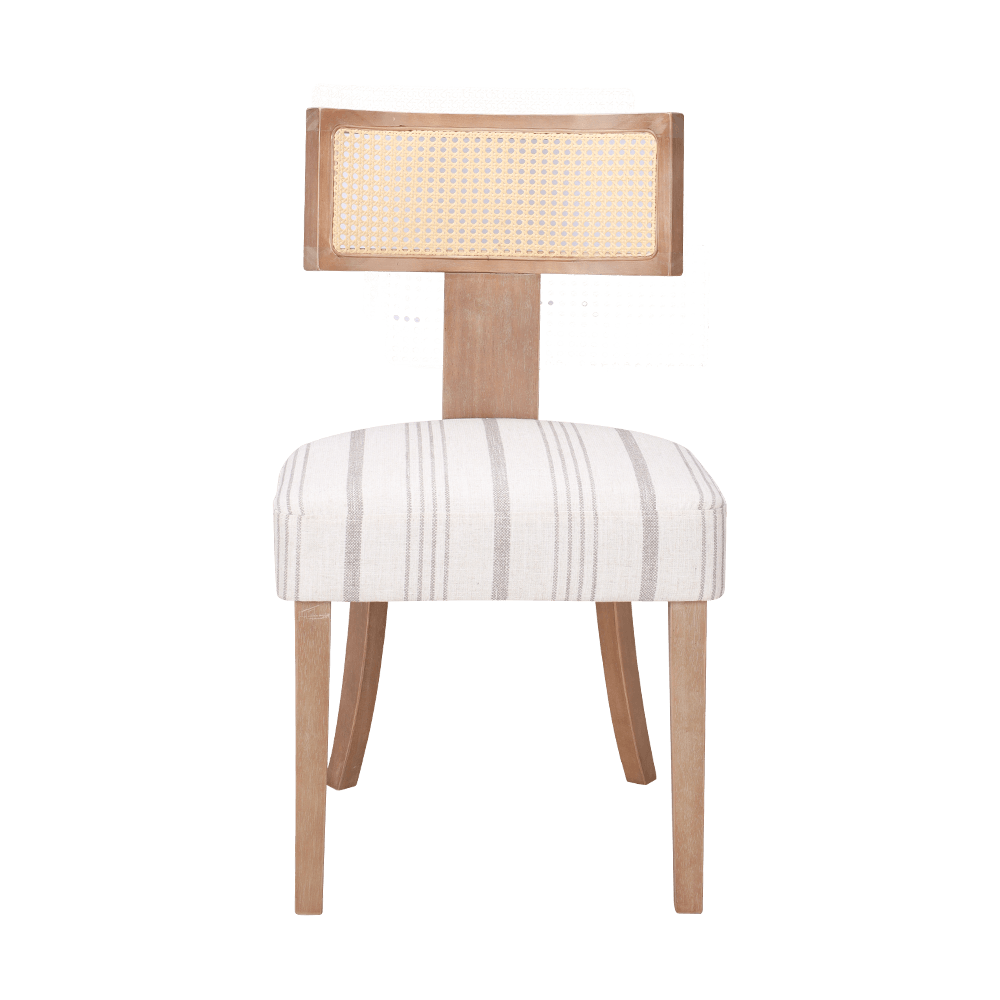
This solid rubber wood dining chair combines natural texture with comfort, featuring a simple yet el... -
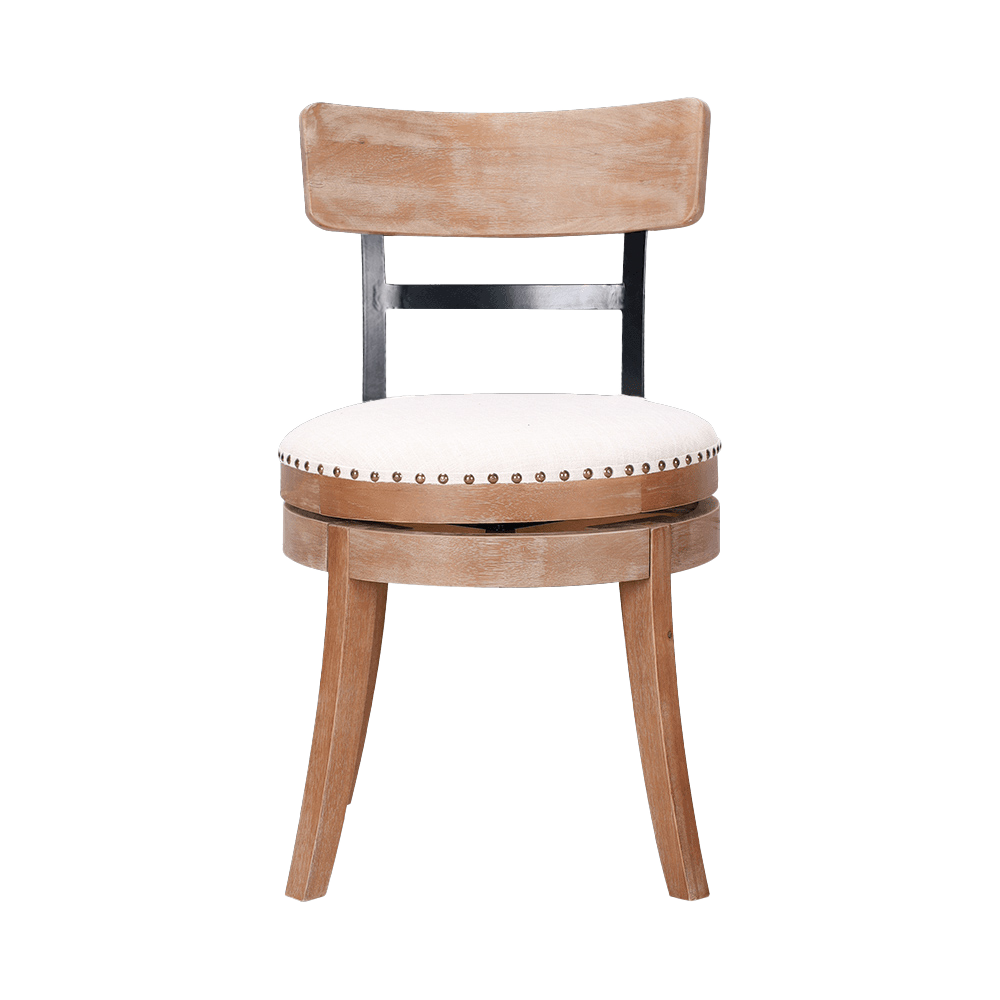
This WS6347 Round Cushion Solid Wood Dining Chair blends comfort with minimalist design, fitting var...

Copyright © Zhejiang Wanchang Furniture Co., Ltd.All Rights Reserved.
Indoor Fabric Sofa Manufacturers

-
 Xucunwancun, Xilong Xiang, Anji County, Zhejiang Province, China
-
 [email protected]
Mobile Site

WeChat Subscription Acount

Copyright © 2024Zhejiang Wanchang Furniture Co., Ltd.
All Rights Reserved.
