


 中文简体
中文简体 English
Metal Leg Dining Chairs vs Wooden Leg Chairs: Which Is Better for Your Home?
Posted by Zhejiang Wanchang Furniture Co., Ltd.
Content
Choosing the Right Dining Chair for Your Home
When selecting dining chairs for your home, the material of the legs plays a crucial role in both the chair's functionality and its aesthetic appeal. Two popular options for dining chair legs are metal and wood. While both offer unique advantages, your choice will depend on your style preferences, durability needs, and the overall design of your dining area. In this article, we compare metal leg dining chairs with wooden leg chairs to help you decide which is better suited for your home.
Design and Aesthetic Appeal
The design of your dining chairs can significantly influence the look and feel of your dining room. Metal leg chairs tend to offer a modern, industrial, or contemporary look. They often feature sleek, clean lines and minimalist designs that can complement modern, urban, or even mid-century modern interiors. Metal legs can also be shaped into more intricate designs, offering flexibility in terms of aesthetics.
On the other hand, wooden leg chairs bring warmth, elegance, and a more traditional or rustic feel to a space. They often feature classic, timeless designs that evoke a sense of comfort and sophistication. Wood is highly versatile and can fit well with various décor styles, from rustic farmhouse to vintage chic or even Scandinavian-inspired interiors.
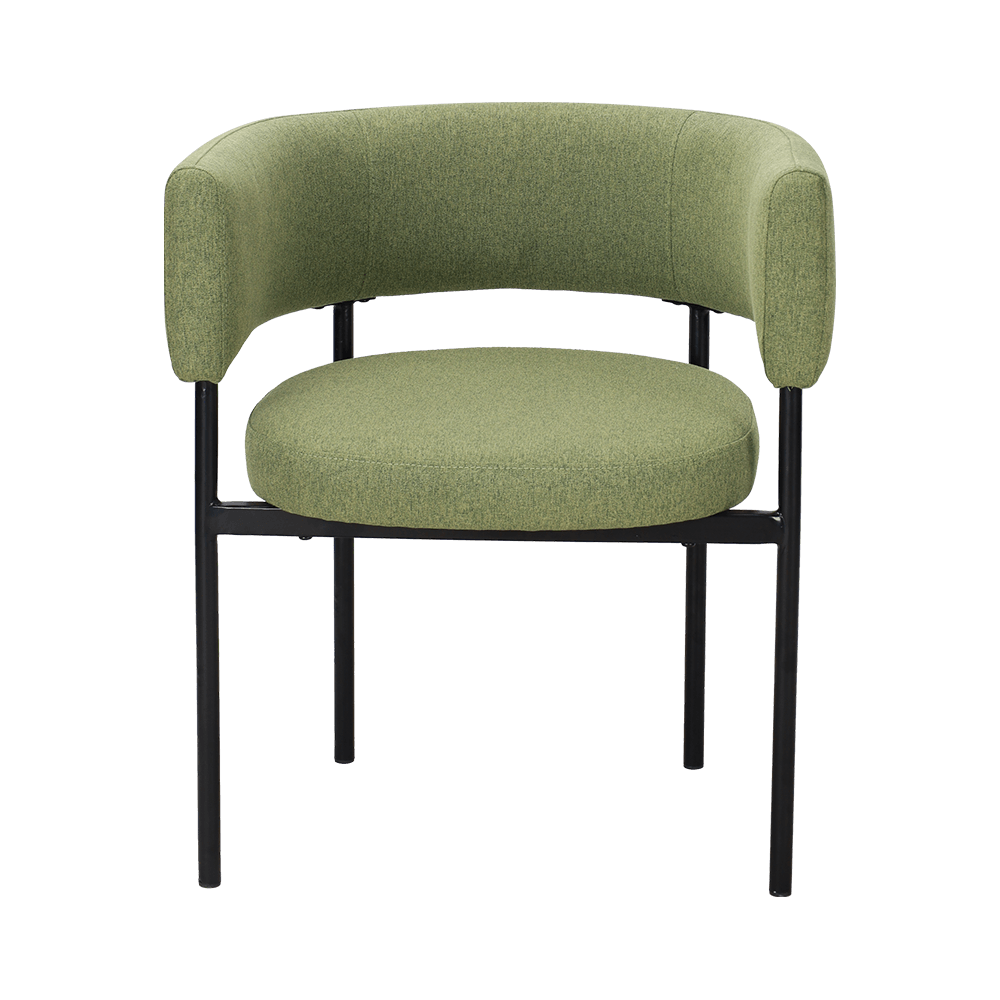
Aesthetic Pros of Metal Leg Chairs
- Sleek and contemporary design.
- Modern appeal with clean lines and metallic finishes.
- Ideal for industrial or minimalist-themed spaces.
Aesthetic Pros of Wooden Leg Chairs
- Warm, inviting, and classic appearance.
- Matches with a wide range of traditional, rustic, and vintage designs.
- Provides a natural element in the room.
Durability and Strength
When it comes to durability, metal leg chairs generally offer superior strength. Metal legs are designed to withstand heavier loads and are less prone to wear and tear over time. They are resistant to scratches and dents, making them a great choice for households with children or high-traffic dining areas. Additionally, metal is often treated to prevent rusting, increasing its longevity.
Wooden leg chairs, while durable, can be more susceptible to damage. They may scratch more easily, especially in high-traffic environments. Wooden legs can also warp or crack if exposed to extreme temperatures or moisture, making them less ideal for areas with fluctuating humidity. However, high-quality wood, such as hardwood, can provide a strong and long-lasting base when properly maintained.
Advantages of Metal Leg Chairs for Durability
- Highly durable and resistant to scratches, dents, and wear.
- Suitable for heavy-duty use and high-traffic spaces.
- Less susceptible to environmental factors such as humidity or temperature changes.
Advantages of Wooden Leg Chairs for Durability
- Offers natural strength when using hardwoods.
- Can be repaired or refinished if damaged.
- Aesthetic appeal that improves with age when properly maintained.
Maintenance and Care
Metal leg dining chairs are relatively low-maintenance. They are easy to clean, requiring only a wipe down with a damp cloth to remove dust or spills. The metal finish can often be restored or buffed to eliminate minor scratches, making them ideal for busy households.
Wooden leg chairs, however, require more attention. They should be regularly polished or treated with appropriate wood care products to maintain their sheen and protect against damage. Additionally, wooden legs may need to be re-stained or refinished over time to preserve their appearance and prevent fading, especially in areas with heavy sunlight exposure.
Maintenance Benefits of Metal Leg Chairs
- Easy to clean and maintain with minimal effort.
- Resistant to environmental damage such as water stains or fading.
- Requires less frequent upkeep compared to wood.
Maintenance Benefits of Wooden Leg Chairs
- Offers the potential for refinishing to restore the look.
- Natural aging can add character and charm to wooden furniture.
- Ideal for those who appreciate the tactile and visual qualities of natural wood.
Price and Value
In general, metal leg dining chairs are often more affordable than their wooden counterparts. The materials used in metal legs are typically less expensive, and the manufacturing process can be more streamlined, contributing to a lower overall price point. This makes metal leg chairs an attractive option for those on a budget or for those who need to furnish a space quickly and cost-effectively.
Wooden leg chairs, especially those made from high-quality hardwood, tend to be more expensive due to the cost of materials and the labor involved in crafting them. However, they can offer excellent value over time if properly maintained, as they can last for many years and improve with age.
Cost Advantages of Metal Leg Chairs
- More affordable and budget-friendly options.
- Cost-effective for outfitting larger dining areas or commercial spaces.
- Lower initial investment compared to wood-based chairs.
Cost Advantages of Wooden Leg Chairs
- Long-term value, especially with high-quality hardwoods.
- Timeless appeal that may increase the chair’s perceived value over time.
- Can be a long-lasting investment when well cared for.
Conclusion: Which is Better for Your Home?
Ultimately, the choice between metal leg dining chairs and wooden leg chairs depends on your personal preferences, budget, and the style of your dining room. Metal leg chairs offer modern design, durability, and low maintenance, making them a practical and cost-effective option for contemporary homes. Wooden leg chairs, on the other hand, offer timeless elegance, a warm aesthetic, and can be an investment in lasting value, though they require more care and may come with a higher price tag.
Both options have their merits, and the right choice will depend on your specific needs and the atmosphere you wish to create in your dining space.
-
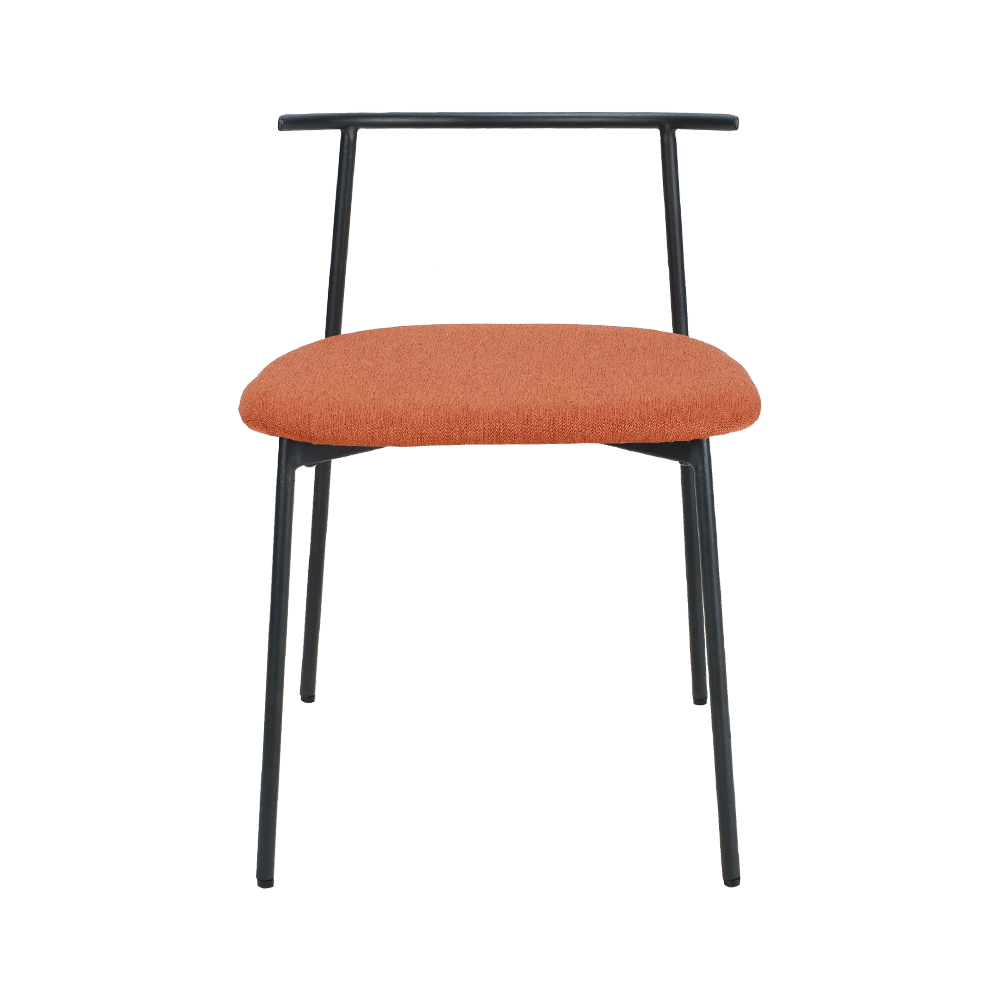
The curved back metal leg dining chair is a blend of modern design and classic comfort, offering an ... -
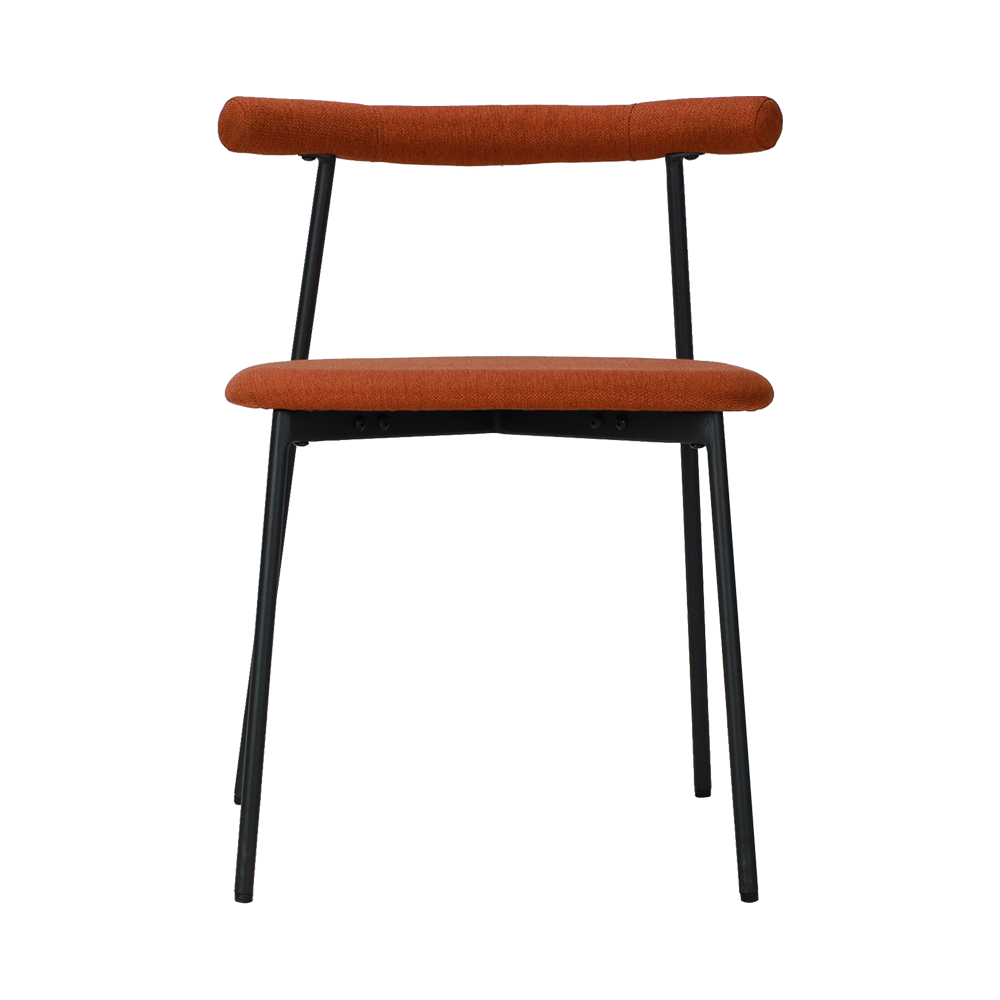
The High Resilience Sponge Cushion Metal Foot Dining Chair offers a blend of comfort, style, and dur... -
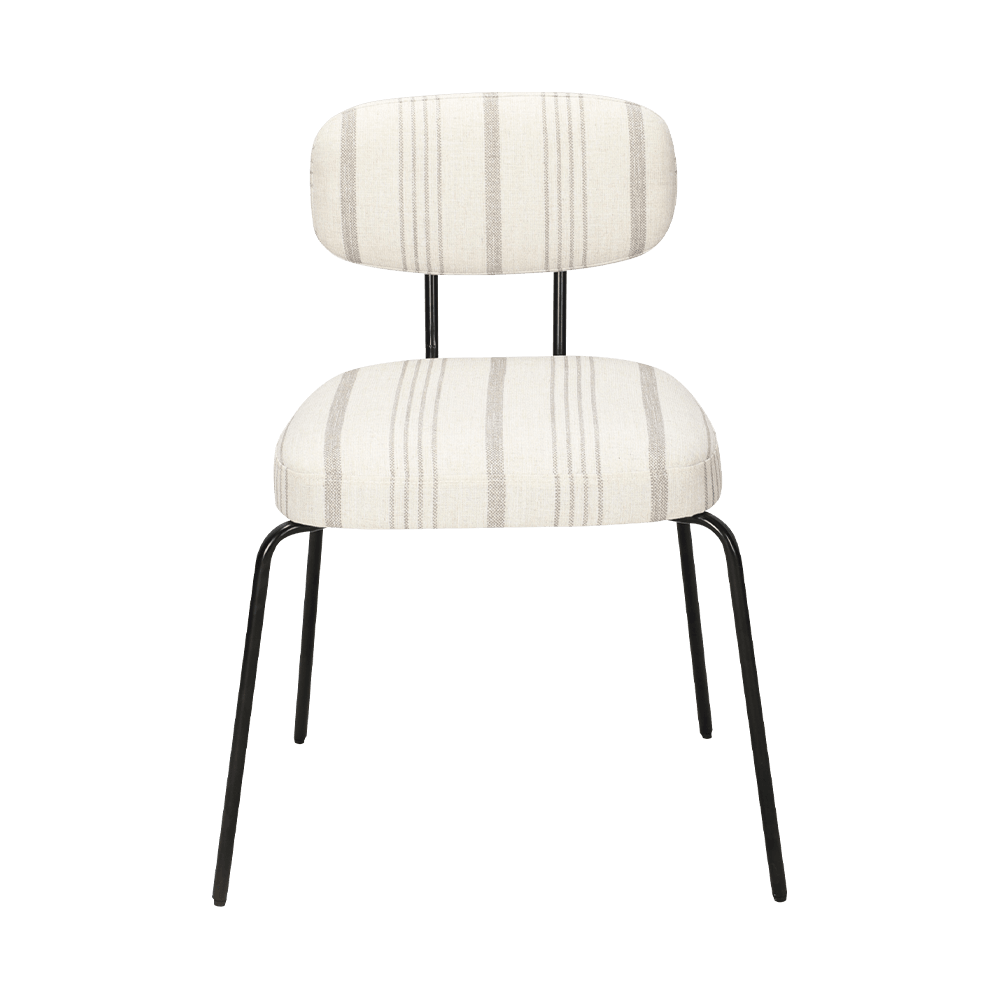
This WS6357 white modern metal dining chair features a simple and elegant design, paired with metal ... -
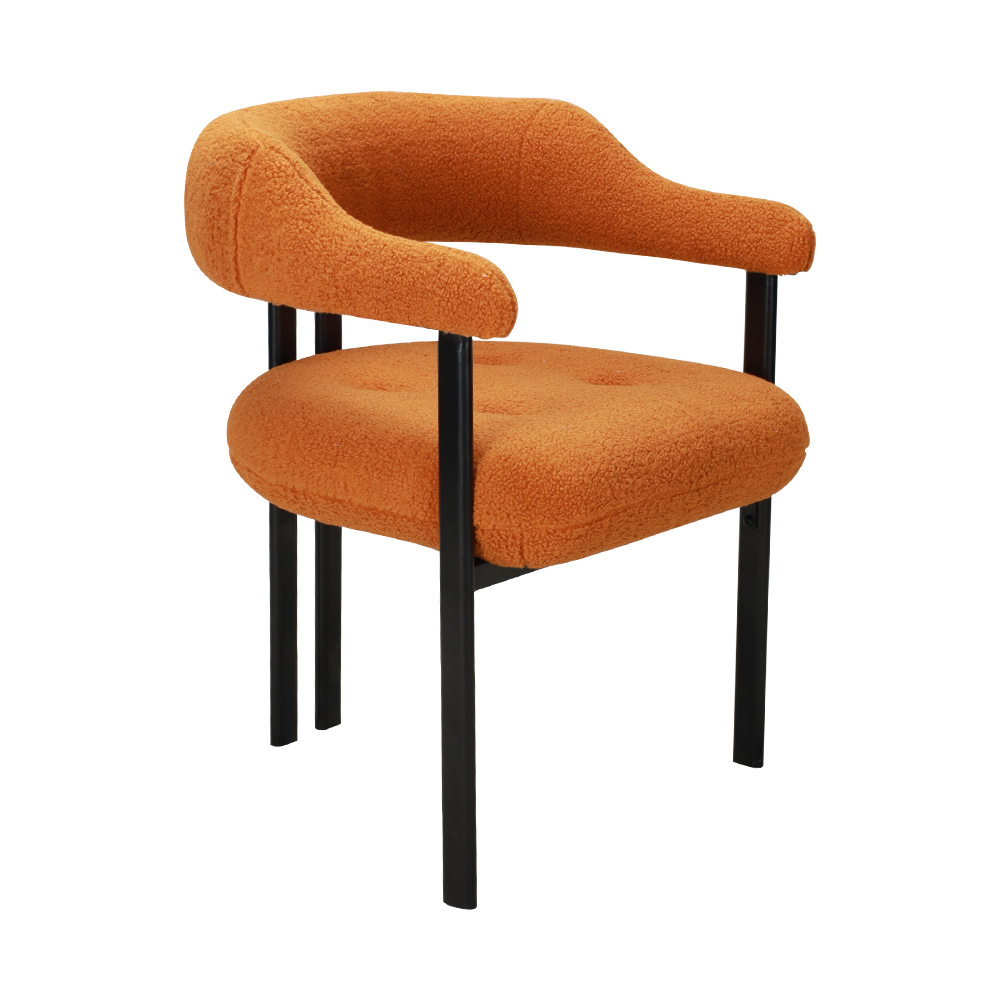
Elevate your dining experience with our WS6353 metal dining chair with a fabric cushion, a blend of ... -

Crafted for both style and functionality, the WS6354 acid green metal leg dining chair features a st... -
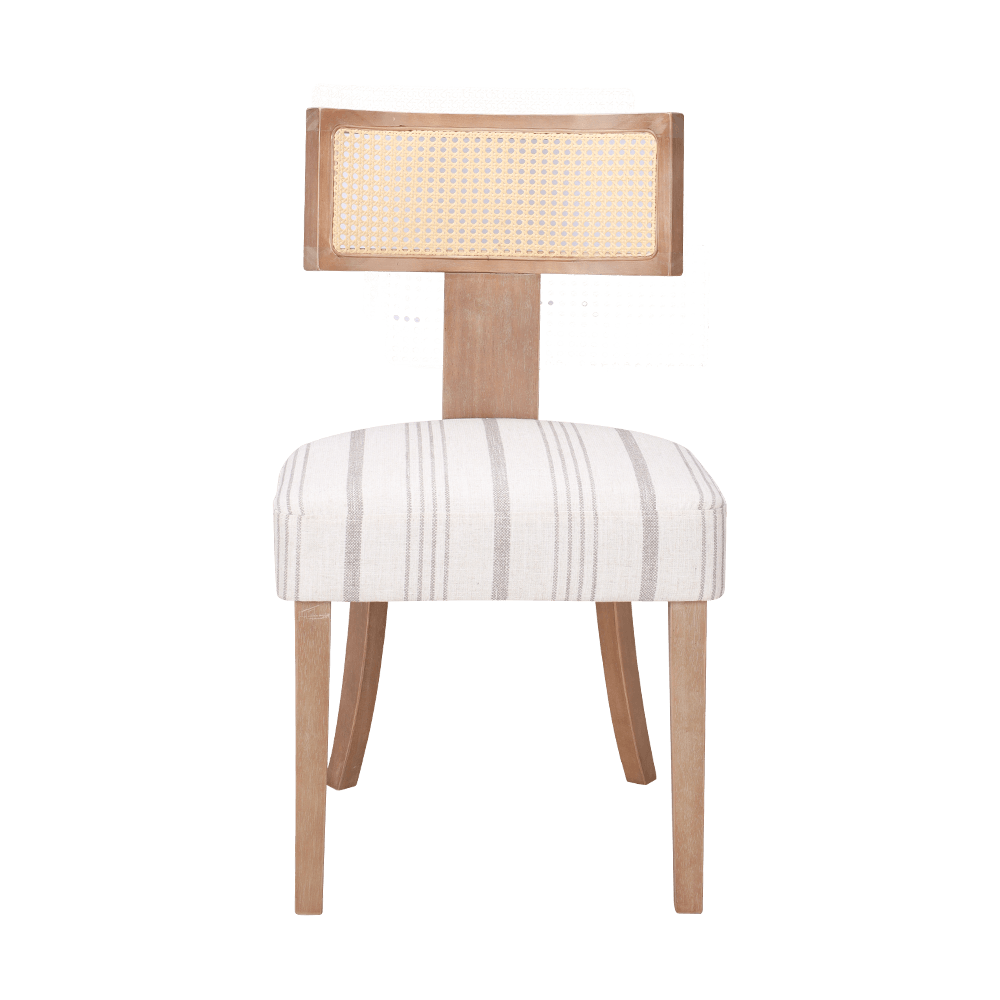
This solid rubber wood dining chair combines natural texture with comfort, featuring a simple yet el... -
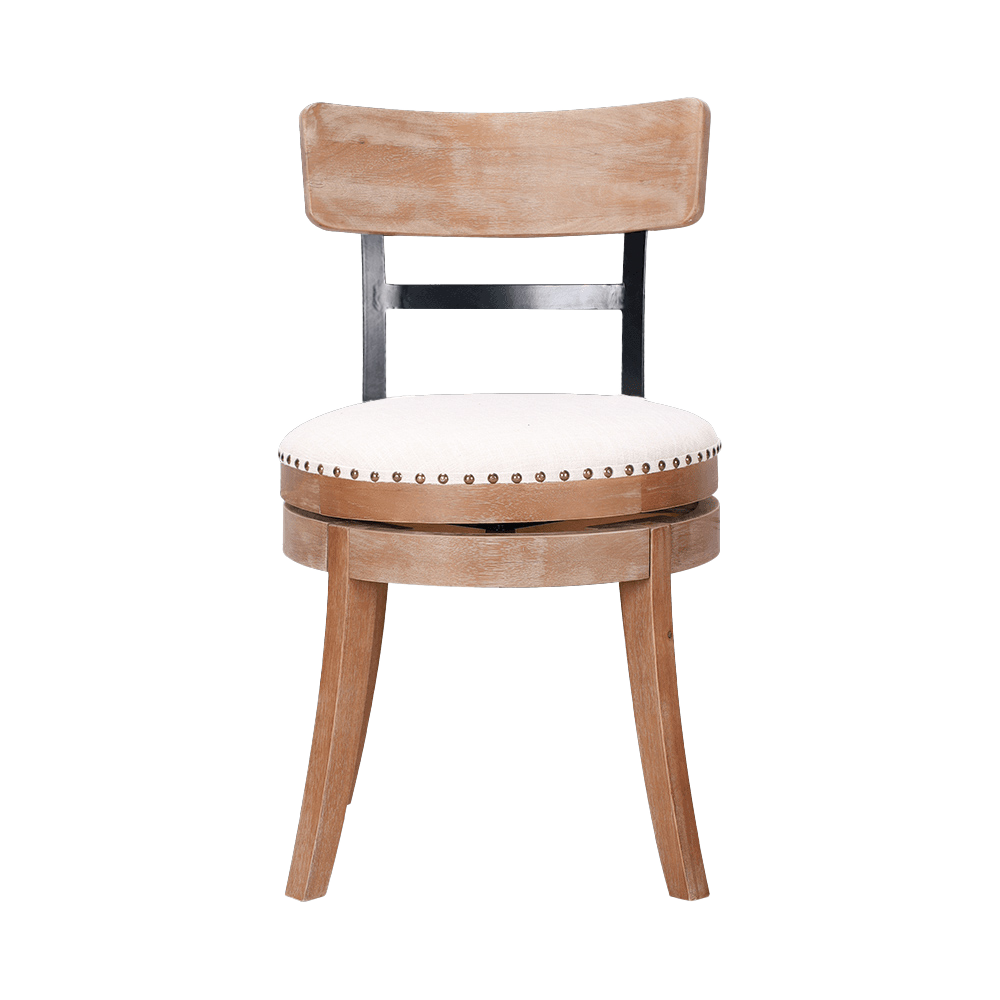
This WS6347 Round Cushion Solid Wood Dining Chair blends comfort with minimalist design, fitting var...

Copyright © Zhejiang Wanchang Furniture Co., Ltd.All Rights Reserved.
Indoor Fabric Sofa Manufacturers

-
 Xucunwancun, Xilong Xiang, Anji County, Zhejiang Province, China
-
 [email protected]
Mobile Site

WeChat Subscription Acount

Copyright © 2024Zhejiang Wanchang Furniture Co., Ltd.
All Rights Reserved.
