


 中文简体
中文简体 English
How Do You Choose the Right Ottoman or Footstool to Add Style and Comfort to Your Home?
Posted by Zhejiang Wanchang Furniture Co., Ltd.
Content
- 1 Why Ottomans and Footstools Deserve a Place in Every Home
- 2 Understanding the Difference: Ottoman vs. Footstool
- 3 The Main Types of Ottomans and Footstools
- 4 Choosing the Right Material for Comfort and Durability
- 5 Sizing and Placement: Getting the Proportions Right
- 6 How to Style Ottomans and Footstools in Different Rooms
- 7 Practical Tips for Buying the Right Ottoman or Footstool
Why Ottomans and Footstools Deserve a Place in Every Home
Few pieces of furniture are as quietly versatile as the ottoman or footstool. At first glance, they appear to serve a simple purpose — somewhere to rest your feet after a long day. But in practice, these compact pieces punch well above their weight in both function and visual impact. A well-chosen ottoman can anchor a seating arrangement, provide extra storage in a small living room, double as occasional seating for guests, or serve as a coffee table substitute in a more casual space.
The renewed popularity of ottomans and footstools in contemporary interior design reflects a broader shift toward furniture that earns its place through versatility. As homes become more compact and multi-functional, pieces that can serve two or three roles simultaneously — rest, storage, seating — have become genuinely valuable. Understanding the different types available, the materials they come in, and how to match them to your existing furniture and space is the foundation for making a purchase you'll be satisfied with for years.
Understanding the Difference: Ottoman vs. Footstool
The terms "ottoman" and "footstool" are often used interchangeably, but they do have distinct characteristics that are worth understanding before you shop. A footstool is typically a smaller, lower piece — often 25 to 35 cm in height — designed primarily for foot support when seated in a chair or sofa. It is usually lightweight, easy to move around, and simple in construction. Classic footstool styles include the tufted Chesterfield-style footstool, the turned-leg wooden footstool, and the simple upholstered cube.
An ottoman is generally larger and more structurally substantial. It typically sits between 40 and 50 cm in height, closer to coffee table height, and is wide enough to serve multiple purposes simultaneously. Many ottomans include internal storage — a hinged or removable lid opens to reveal a cavity ideal for storing blankets, remote controls, books, or children's toys. Large square or rectangular ottomans are commonly used as coffee table replacements, particularly in family homes where a softer surface is preferable to glass or hard wood.
In terms of practical selection: if you primarily want a place to rest your feet beside a reading chair, a footstool is the cleaner, more proportionate choice. If you want a centrepiece for a seating arrangement that also provides storage or casual seating, an ottoman in a larger format makes more sense.
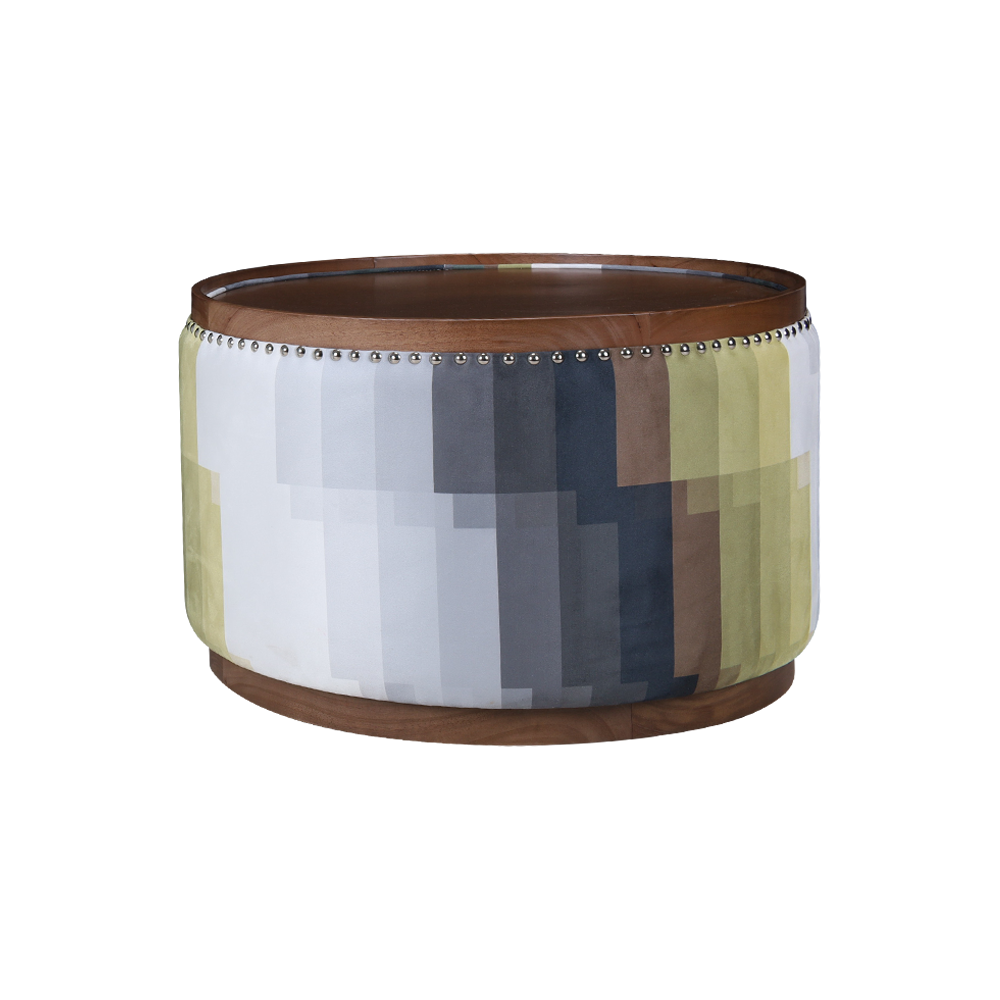
The Main Types of Ottomans and Footstools
The market offers a wide range of ottoman and footstool styles, each suited to different spaces and needs. Knowing the key categories helps narrow the choice considerably.
Storage Ottomans
Storage ottomans are among the most practical choices for family living rooms and smaller spaces. The interior cavity — typically 20 to 40 litres of usable space — is ideal for frequently used items you want to keep accessible but out of sight. Quality storage ottomans have a sturdy lid construction that supports sitting without flexing, a smooth hinge mechanism if lidded, and an interior that is cleanable and free of rough edges. Fabric-covered storage ottomans in neutral linen, velvet, or faux leather are the most popular, as they blend easily with a range of sofa and rug combinations.
Tufted and Upholstered Footstools
The classic tufted footstool — typically round or rectangular with button detailing and turned wooden legs — is a timeless choice that suits traditional, transitional, and even contemporary eclectic interiors. Velvet tufted footstools in jewel tones such as deep green, navy, or burnt orange have become particularly popular as statement accessories in otherwise neutral living rooms. These pieces work especially well positioned in front of a winged armchair or alongside a Chesterfield sofa, where they reinforce the formal aesthetic while adding a layer of tactile luxury.
Cube and Bench Ottomans
Cube ottomans are among the most flexible form factors available. A set of four matching cubes can be grouped together to form a large central ottoman, separated for individual seating, or stacked for occasional use. Bench ottomans — long, narrow, and low — are widely used at the foot of beds, in hallway entryways, or in front of larger sectional sofas. Upholstered bench ottomans with hairpin or tapered legs have a clean, mid-century modern aesthetic that suits Scandinavian-influenced and minimalist interiors particularly well.
Poufs and Floor Cushions
Poufs occupy a category between cushion and furniture. Typically 30 to 40 cm in height and filled with polystyrene beads, shredded foam, or natural materials like cotton, poufs are lightweight, portable, and available in an enormous range of textures — knitted wool, braided jute, Moroccan leather, and woven cotton are among the most popular. They work well in children's rooms, reading nooks, and bohemian-styled living spaces. While less structured than a traditional footstool, a well-filled pouf provides comfortable foot rest and casual seating without taking up significant visual space.
Choosing the Right Material for Comfort and Durability
Material selection affects both the aesthetic character of an ottoman or footstool and its practical performance over time. The following comparison covers the most common upholstery and construction materials:
| Material | Aesthetic | Durability | Ease of Cleaning | Best For |
|---|---|---|---|---|
| Velvet | Luxurious, rich | Medium | Moderate (spot clean) | Formal living rooms, low-traffic areas |
| Linen / Cotton | Relaxed, natural | Medium | Easy (washable covers) | Casual living rooms, Scandinavian style |
| Faux Leather (PU) | Modern, sleek | High | Very easy (wipe clean) | Family homes, high-traffic areas |
| Genuine Leather | Premium, classic | Very high | Easy (wipe clean) | Study, lounge, long-term investment |
| Knitted / Woven | Textured, cosy | Low–Medium | Difficult (hand wash) | Bedrooms, reading nooks, seasonal styling |
For households with children or pets, faux leather or tightly woven performance fabrics labelled as stain-resistant are the most practical choices. For spaces where the ottoman is primarily decorative or used infrequently, velvet or textured woven materials deliver the greatest visual impact.
Sizing and Placement: Getting the Proportions Right
Even the most beautiful ottoman will look awkward if it's the wrong size for the space or positioned incorrectly relative to your sofa and seating arrangement. A few practical rules make sizing decisions much clearer:
- Height alignment — an ottoman or footstool used for foot rest should ideally be at or slightly below the height of your sofa seat (typically 40–48 cm). A piece that is too low forces an awkward downward leg angle; one that is too high strains the knees.
- Coffee table substitute sizing — when using an ottoman in place of a coffee table, aim for a surface area roughly two-thirds the length of your sofa. For a standard 220 cm three-seater, a 130–150 cm rectangular ottoman is proportionate.
- Clearance space — leave at least 40–45 cm of clearance between the front of your sofa and the ottoman to allow comfortable leg movement and easy access to the room. In smaller spaces, this clearance can reduce to 35 cm if needed.
- Round vs. rectangular — round ottomans soften angular room layouts and work well in square rooms or compact seating areas. Rectangular and square ottomans provide more usable surface area and suit open-plan layouts with longer sofas or sectionals.
How to Style Ottomans and Footstools in Different Rooms
Beyond the living room, ottomans and footstools have practical and aesthetic applications throughout the home. Placing them thoughtfully in unexpected spaces is one of the most effective ways to add both function and considered style.
Bedroom
A bench ottoman at the foot of a bed serves as a dressing aid, an extra surface for laying out clothes, and a visual anchor that completes the bed frame. For bedrooms without a dedicated dressing chair, a compact tufted footstool tucked into a corner alongside a floor lamp creates a functional reading or dressing spot. Upholstered bedroom footstools in soft, muted tones — dusty pink, sage green, warm grey — integrate naturally with bedding and cushion colour schemes.
Home Office and Reading Room
A leather or fabric footstool positioned beneath a reading chair or beside a recliner transforms a functional seat into a genuine relaxation space. In home offices, a small upholstered cube ottoman under the desk provides an ergonomic footrest that reduces lower back strain during long sitting periods — a benefit often overlooked when furnishing a workspace.
Entryway and Hallway
A narrow bench ottoman in the entryway provides a seat for putting on and removing shoes — a simple but genuinely useful addition to any hallway. Versions with internal storage are especially valuable in this location, as they conceal shoes, scarves, and seasonal accessories that otherwise clutter entryway floors. A well-styled entryway ottoman in a bold fabric or a natural material like rattan also makes a strong first visual impression on guests entering the home.
Practical Tips for Buying the Right Ottoman or Footstool
Before finalising your purchase, a short checklist of practical considerations helps avoid the most common buying mistakes:
- Test the fill density — a quality upholstered ottoman should feel firm and supportive, not soft and spongy. Press down firmly: the surface should compress slightly but spring back and not bottom out. High-density foam or spring-and-foam constructions last significantly longer than low-density polyurethane fillings.
- Check the base construction — wooden legs should be solid hardwood, not MDF or particle board inserts. Legs attached with screws and corner blocks are more durable than those glued in place. Shake the piece gently: there should be no wobble or creaking.
- Evaluate the fabric finish — seams should be tight and straight, tufting (if present) should be evenly spaced and symmetrical, and the fabric should be taut without puckering. Pull gently on a corner of the upholstery: well-stapled or tacked fabric should show no immediate give.
- Consider a tray for surface use — if you plan to use an ottoman as a coffee table, add a firm tray to the top surface. This creates a stable platform for drinks, books, and candles, preventing items from tipping on the upholstered surface.
An ottoman or footstool that fits your space, suits your lifestyle, and is built to last is one of the most cost-effective additions you can make to a room. Its combination of physical comfort, storage utility, and design flexibility makes it one of the few furniture categories where the investment genuinely pays dividends every single day.
-
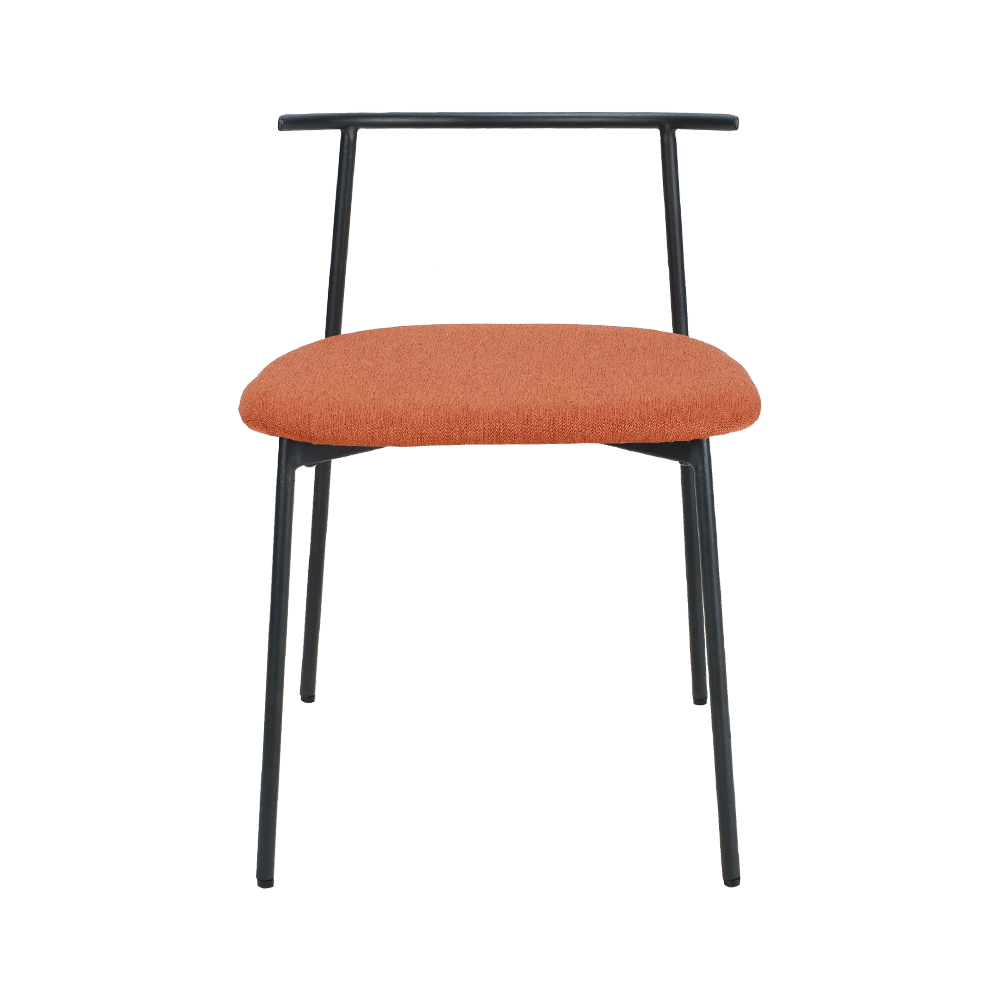
The curved back metal leg dining chair is a blend of modern design and classic comfort, offering an ... -
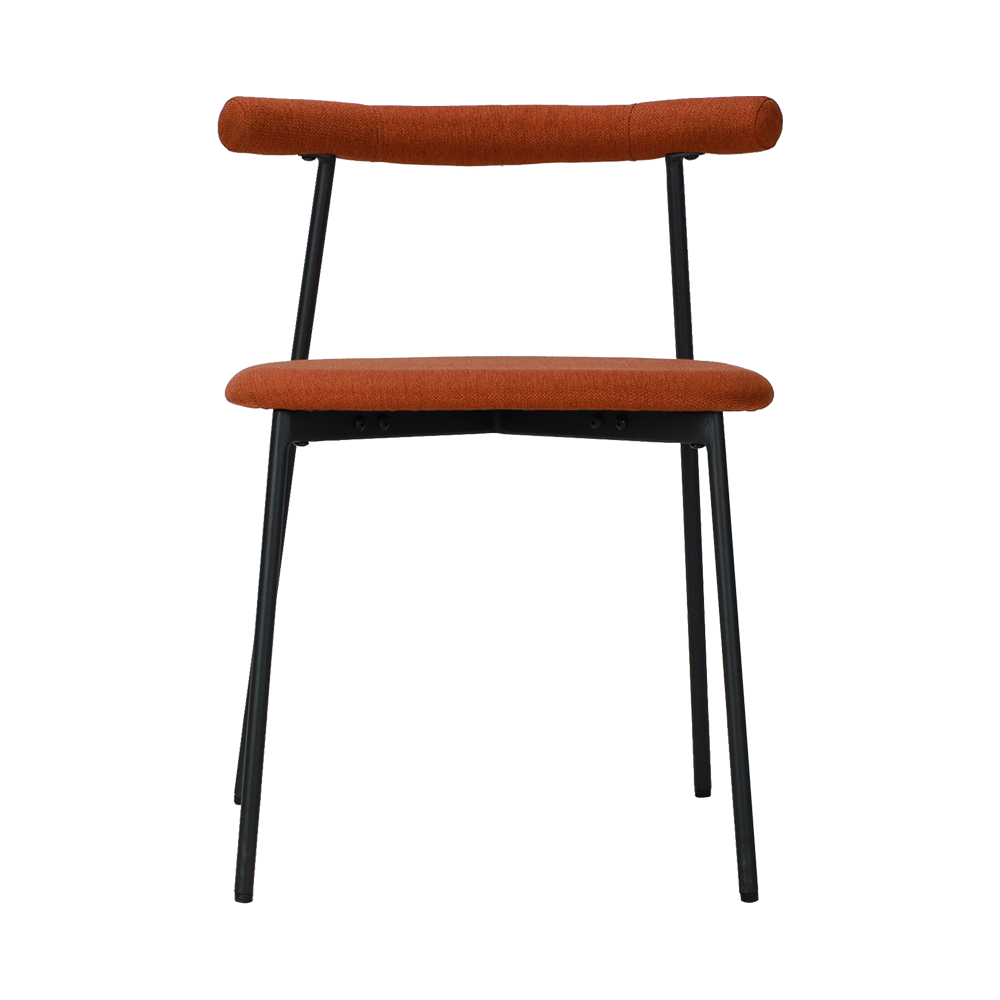
The High Resilience Sponge Cushion Metal Foot Dining Chair offers a blend of comfort, style, and dur... -
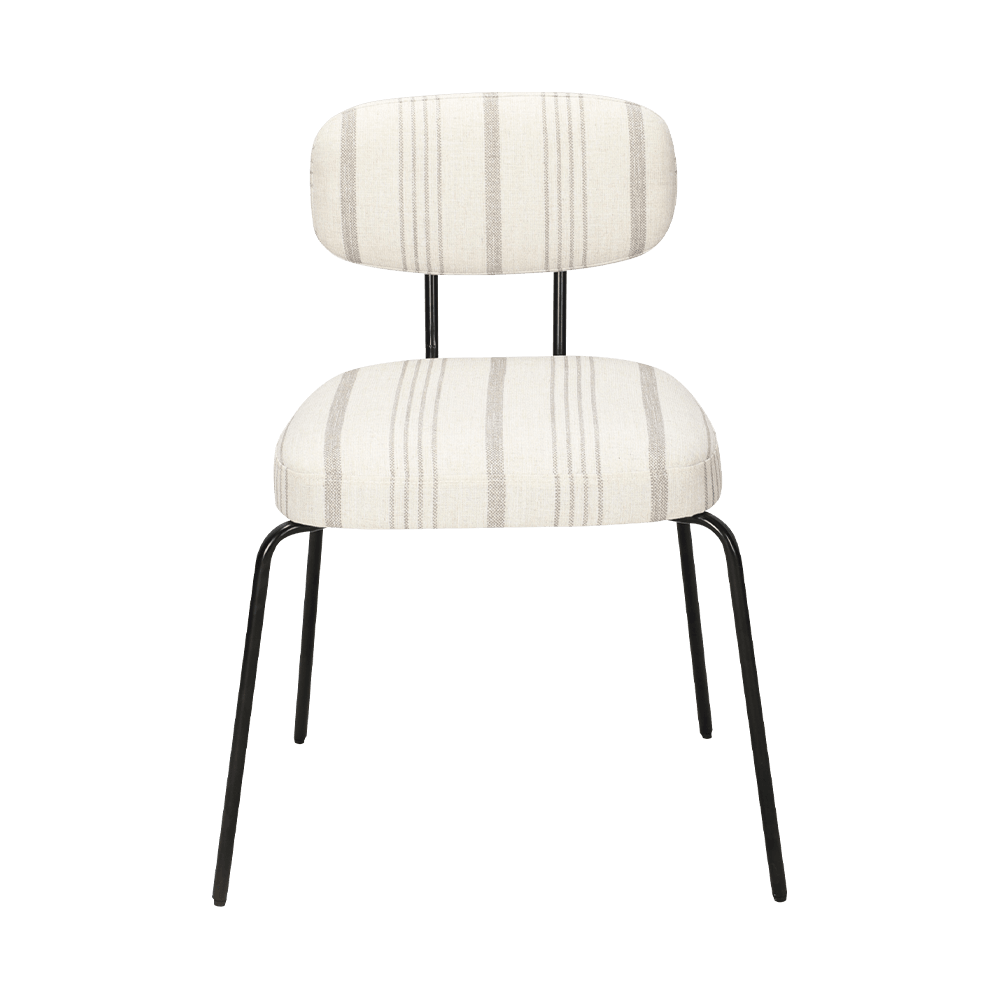
This WS6357 white modern metal dining chair features a simple and elegant design, paired with metal ... -
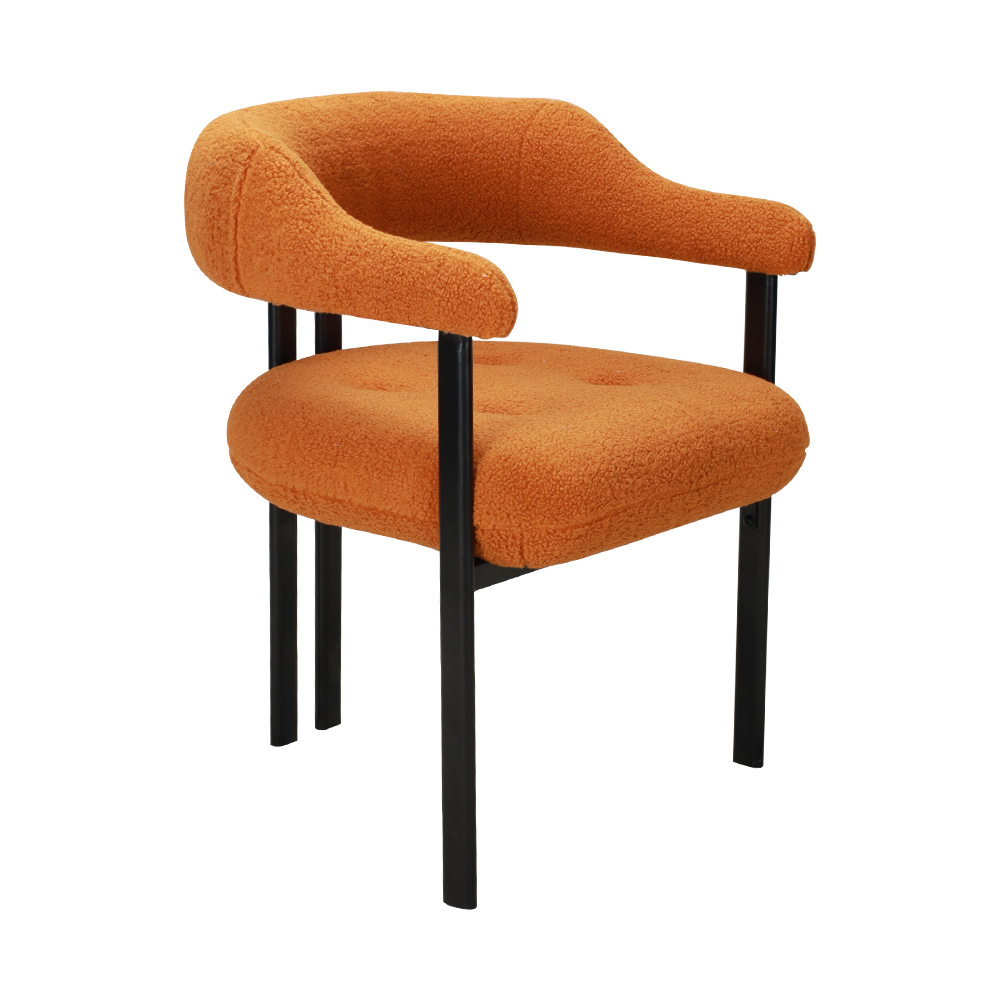
Elevate your dining experience with our WS6353 metal dining chair with a fabric cushion, a blend of ... -
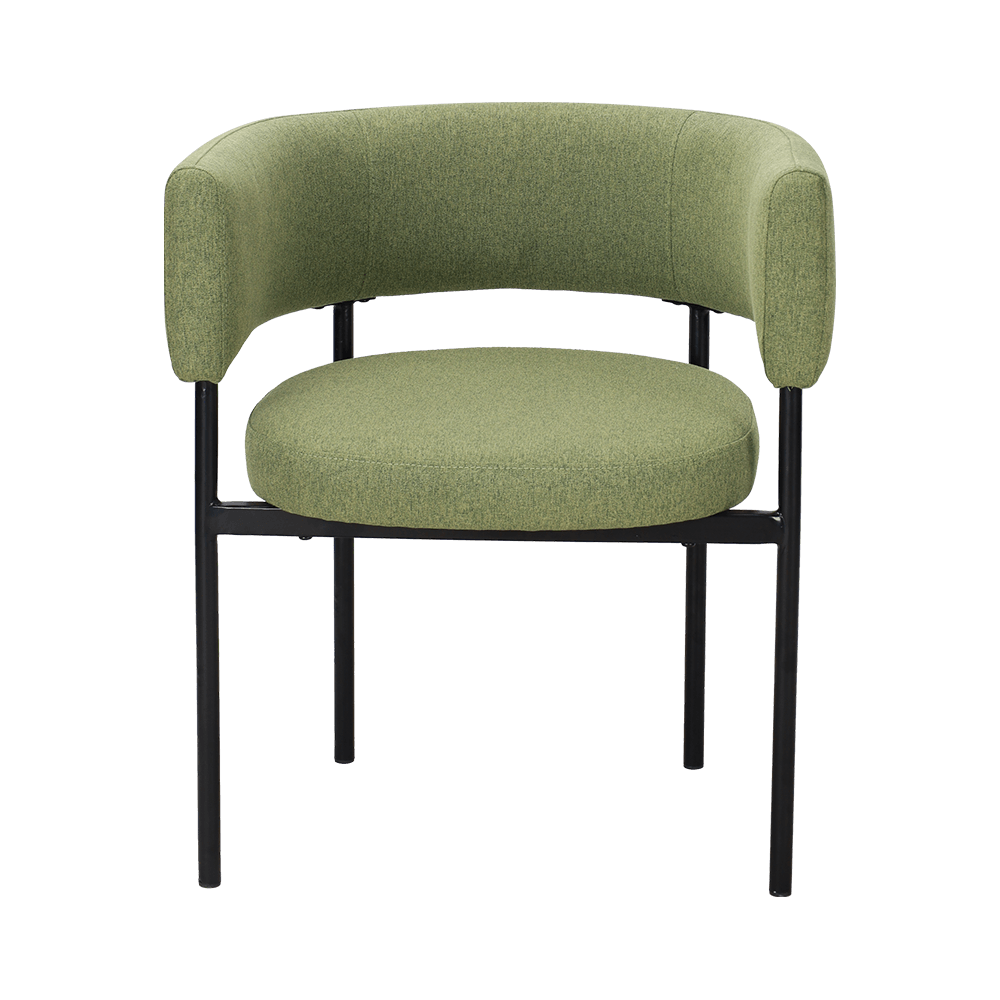
Crafted for both style and functionality, the WS6354 acid green metal leg dining chair features a st... -
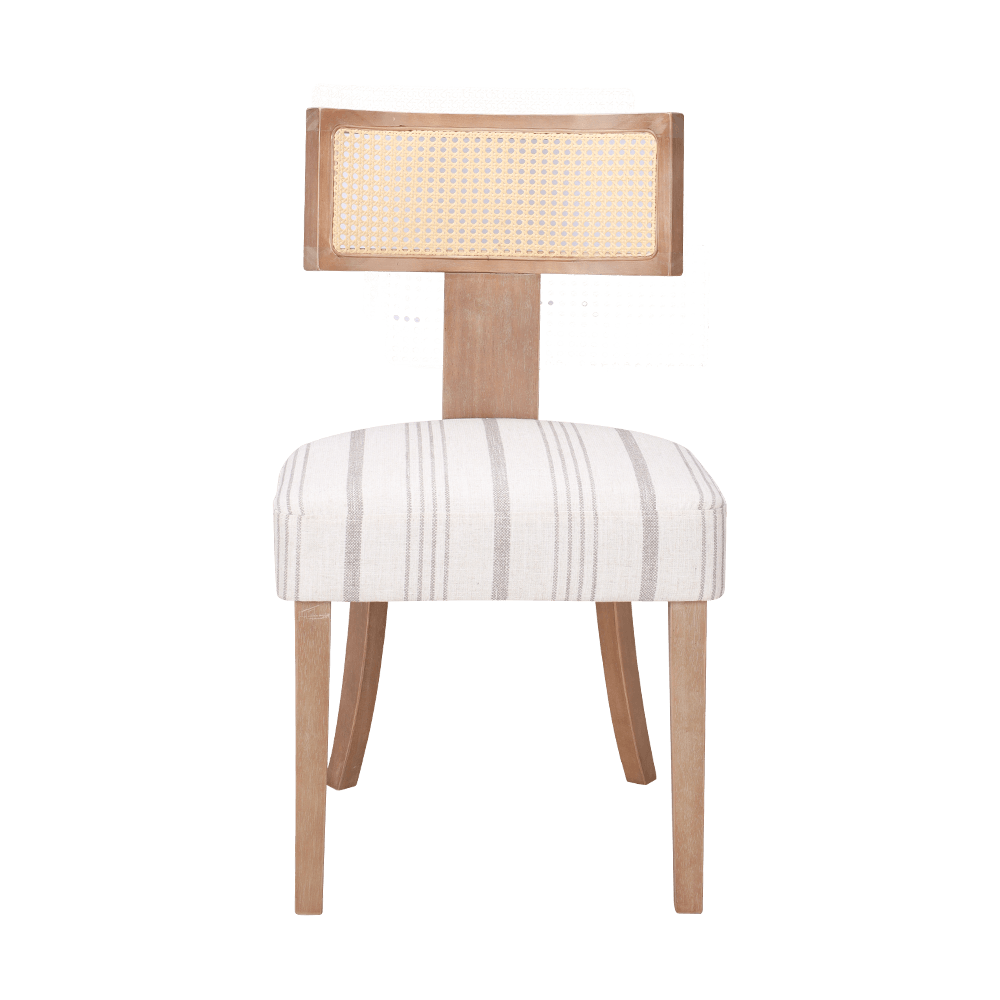
This solid rubber wood dining chair combines natural texture with comfort, featuring a simple yet el... -
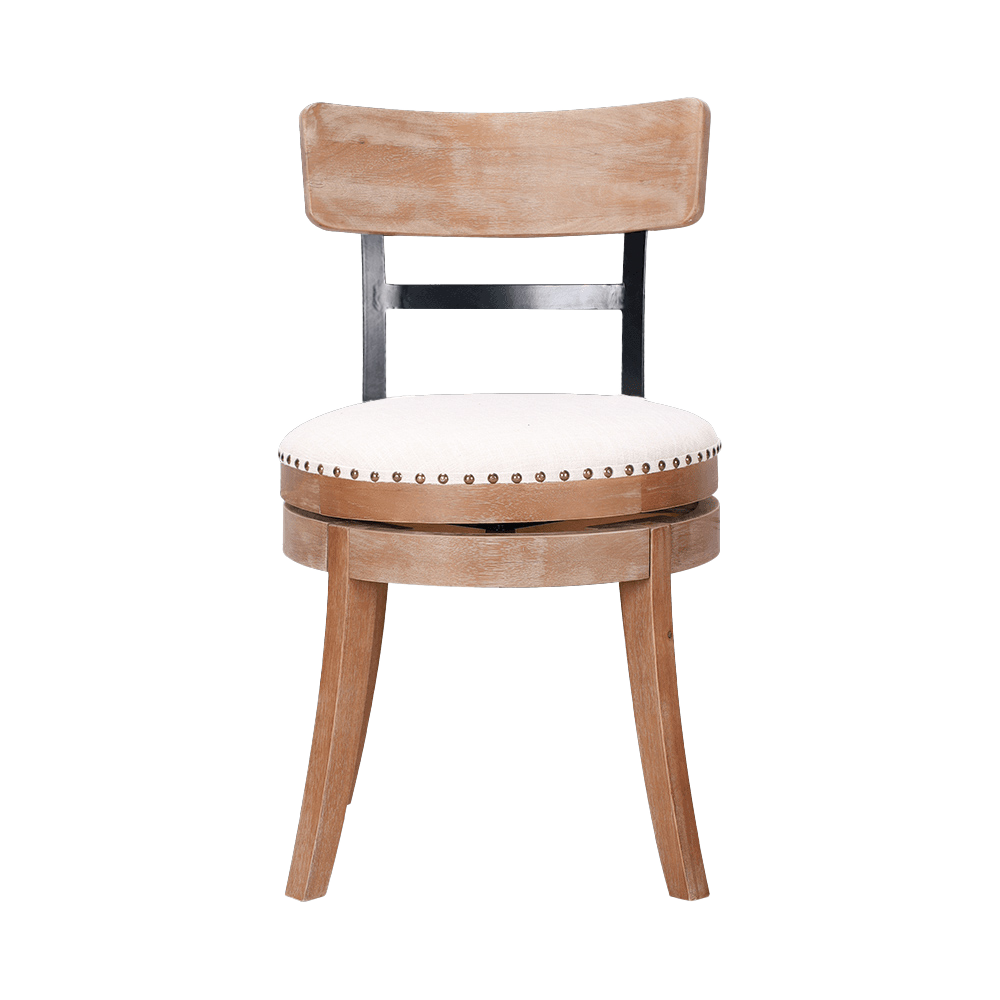
This WS6347 Round Cushion Solid Wood Dining Chair blends comfort with minimalist design, fitting var...

Copyright © Zhejiang Wanchang Furniture Co., Ltd.All Rights Reserved.
Indoor Fabric Sofa Manufacturers

-
 Xucunwancun, Xilong Xiang, Anji County, Zhejiang Province, China
-
 [email protected]
Mobile Site

WeChat Subscription Acount

Copyright © 2024Zhejiang Wanchang Furniture Co., Ltd.
All Rights Reserved.
