


 中文简体
中文简体 English
How Do You Choose the Right Fabric Upholstered Metal Bar Stool for Your Space?
Posted by Zhejiang Wanchang Furniture Co., Ltd.
Fabric upholstered metal bar stools occupy a unique position in the furniture market: they combine the structural durability and slim visual profile of a metal frame with the seated comfort and design warmth that only upholstered seating can provide. Whether you are outfitting a kitchen island, a home bar, a restaurant counter, or a commercial hospitality space, the range of options available — in frame finish, fabric type, seat height, back configuration, and base style — is broad enough to satisfy virtually any aesthetic or performance requirement. Making a confident selection, however, requires understanding how each specification variable affects real-world usability, longevity, and visual outcome. This guide walks through every major decision point in sequence.
Content
- 1 Getting the Height Right: Counter Stool vs. Bar Stool vs. Extra-Tall
- 2 Metal Frame Construction: Material, Finish, and Structural Quality
- 3 Fabric Selection: Balancing Comfort, Durability, and Cleanability
- 4 Back Style and Seat Depth: Comfort Across Different Use Scenarios
- 5 Base Style: Four-Leg, Pedestal, and Swivel Configurations
- 6 Key Specifications Comparison by Application Type
- 7 Weight Capacity, Foam Density, and Long-Term Seat Integrity
- 8 Practical Checklist Before Purchasing
Getting the Height Right: Counter Stool vs. Bar Stool vs. Extra-Tall
Seat height is the single most functionally critical specification in bar stool selection, and it is the one most commonly overlooked until the stools arrive and sit either too high or too low for the surface they were purchased to accompany. The standard industry rule is to allow 25 to 30 cm (10 to 12 inches) of clearance between the top of the stool seat and the underside of the counter or bar surface above it. This clearance provides adequate thigh room for comfortable seated posture without forcing the user to sit with knees pressing against the counter underside or arms reaching awkwardly upward to a surface that is too high above the seat.
Three height categories cover the vast majority of residential and commercial applications. Counter stools with seat heights of 58 to 66 cm (23 to 26 inches) are designed for standard kitchen counters and breakfast bars that fall in the 86 to 91 cm (34 to 36 inch) height range. Bar stools with seat heights of 66 to 76 cm (26 to 30 inches) suit pub-height tables and home bars typically measuring 100 to 107 cm (40 to 42 inches). Extra-tall or spectator stools with seat heights of 76 to 86 cm (30 to 34 inches) are designed for custom-height bars, raised countertops, and commercial service counters. Measure your counter or bar surface height before selecting any stool, and apply the clearance rule precisely — a 3 cm error in seat height produces a noticeably uncomfortable seating experience that no amount of fabric quality or frame finish will compensate for.
Fixed Height vs. Adjustable Height Models
Fixed-height metal frame bar stools are structurally simpler, visually cleaner, and generally more durable than height-adjustable alternatives because they have no moving mechanical components. For households or commercial spaces with a single counter height, fixed stools are the preferred choice. Adjustable-height models use a gas lift cylinder — the same mechanism as an office chair — to allow the seat to be repositioned across a height range, typically spanning 15 to 20 cm. These are useful in multipurpose spaces where the same stools serve different surface heights, or in settings with users of significantly different statures who share the same seating. Note that gas lift cylinders in bar stools receive heavier use cycles than office chairs and should be specified at commercial grade for any application beyond light residential use.
Metal Frame Construction: Material, Finish, and Structural Quality
The metal frame defines the bar stool's structural integrity, weight capacity, and long-term durability. Most fabric upholstered metal bar stools use frames made from one of three materials: steel tube, solid steel rod, or cast iron. Steel tube frames — typically using 16 to 19 mm diameter tube with 1.2 to 2.0 mm wall thickness — are the most common construction in both residential and commercial products. Heavier wall thickness and larger tube diameter increase rigidity and weight capacity directly. Entry-level products often use 1.0 mm wall tube that flexes perceptibly under load; commercial-grade stools typically use 1.5 mm or heavier tube that maintains rigid geometry even under daily heavy use.
Welded joints are the primary structural variable to evaluate. Look for continuous welds at all leg-to-seat frame and stretcher-to-leg junctions rather than tack welds, which are faster to produce but far weaker under repeated loading. The presence of floor glides or rubber feet on all legs is also a practical quality indicator — stools without protective feet scratch floor surfaces and sit unevenly on any slight floor irregularity.
Frame Finish Options and Durability
Powder coating is the standard finish for metal bar stool frames and, when applied correctly to properly prepared steel, provides excellent resistance to chipping, scratching, and corrosion. Matte black, brushed nickel, antique brass, and chrome are the dominant finish options in current market offerings, each carrying different maintenance implications. Matte powder-coated finishes conceal fingerprints and minor surface marks well and are the most practical choice for high-use environments. Chrome and polished finishes show fingerprints and water spots readily and require more frequent wiping to maintain appearance. Electroplated brass and gold finishes on lower-priced products are often thin deposits that wear through at contact points within one to two years of regular use; solid brass hardware or thick physical vapor deposition (PVD) coating offers significantly better longevity at a higher price point.
Fabric Selection: Balancing Comfort, Durability, and Cleanability
The upholstery fabric is the component that most directly affects both the daily comfort of the stool and the long-term maintenance burden it places on the owner. For bar stools specifically — which are frequently used at mealtimes in kitchens and dining areas where food and drink spills are routine — fabric selection requires careful attention to cleanability and abrasion resistance alongside aesthetic preference.
Performance Fabrics: The Practical Benchmark
Performance fabrics — including solution-dyed acrylic, polyester microfiber, and vinyl-backed woven textiles — are engineered to resist staining, moisture absorption, and UV fading while maintaining a soft, upholstered appearance. Solution-dyed acrylic (such as Sunbrella) resists bleach cleaning and outdoor UV exposure, making it an excellent choice for bar stools on covered outdoor patios or in brightly sunlit kitchen spaces. High-density polyester microfiber with a stain-resistant finish applied during manufacturing is the most widely used performance fabric in residential bar stools: it feels soft and textile-like against skin, cleans easily with mild soap and water, and resists pilling under abrasive contact. For commercial applications or households with young children, a fabric with a Martindale abrasion rating of 30,000 cycles or higher is the appropriate minimum specification.
Velvet, Boucle, and Decorative Fabrics
Velvet and boucle upholstered metal bar stools are popular in contemporary interior design for their tactile richness and visual texture. Both fabrics perform well in low-to-moderate use residential settings but require more careful maintenance than performance fabrics. Velvet can develop crush marks from sustained pressure and is difficult to spot-clean without leaving tide marks; boucle's looped yarn structure catches debris and can snag under sharp objects. For spaces where bar stools are used primarily for occasional entertaining rather than daily kitchen seating, these decorative fabrics can be specified with confidence. For everyday kitchen use, the maintenance overhead of velvet or boucle typically outweighs the aesthetic benefit within the first year of use.
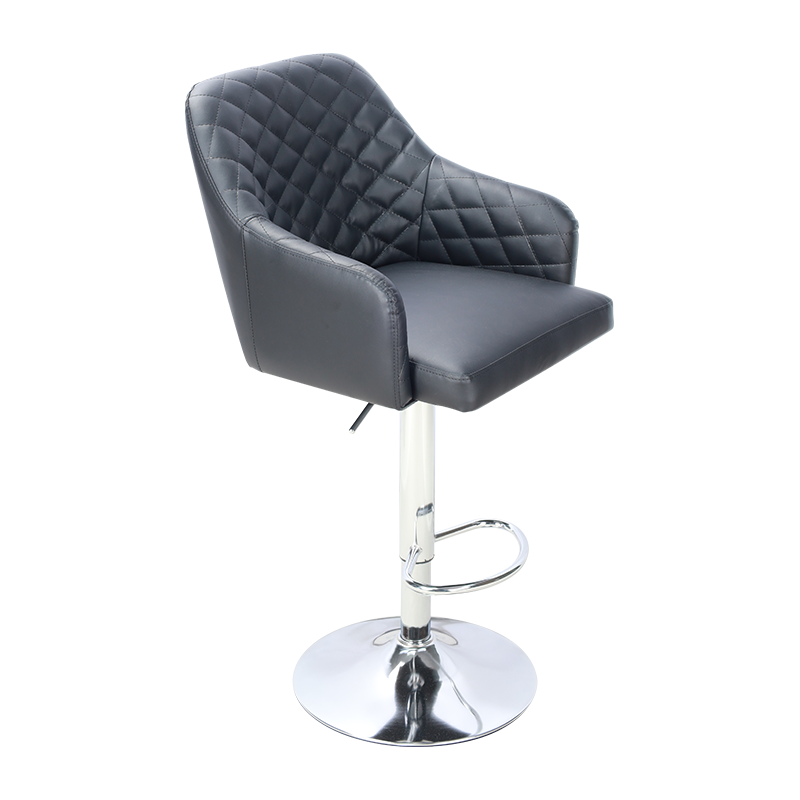
Back Style and Seat Depth: Comfort Across Different Use Scenarios
Whether a bar stool has a back — and what form that back takes — significantly affects how comfortable it is for extended sitting and how suitable it is for the intended space. Backless stools are the most compact and visually lightweight option, tuck neatly under counters when not in use, and allow maximum flexibility for seating arrangement in tight spaces. They are well suited to kitchen islands and bar counters where users sit for short periods during meal preparation or quick eating. For sit-down dining at a bar-height table, or for any context where users will be seated for 30 minutes or more at a time, a backed stool is meaningfully more comfortable because it supports the lumbar region and reduces the postural fatigue that accumulates in unsupported seating over time.
Back height varies from low-back designs that support only the lower lumbar region to full-back designs that support the entire spine up to shoulder height. Low-back stools offer a visual compromise — they provide some support without the visual bulk of a full back — and are well suited to home bar settings where the stool is visible as part of the room's aesthetic. Full-back designs are the most comfortable option for extended seating but occupy more visual space and may obscure sightlines in open-plan kitchen and living areas.
Seat depth on bar stools is often underspecified in product listings. A seat depth of 38 to 45 cm (15 to 18 inches) accommodates most adult users comfortably, supporting the full length of the thigh without forcing the sitter to perch at the front edge. Shallower seats under 35 cm feel cramped for taller users; seats deeper than 46 cm may leave shorter users with their legs dangling without thigh support at the front of the seat.
Base Style: Four-Leg, Pedestal, and Swivel Configurations
The base configuration of a fabric upholstered metal bar stool affects stability, ease of use, floor clearance, and maintenance access. Four-leg bases are the most stable configuration under lateral loading and the easiest to maintain because all contact points are static and easily fitted with protective floor glides. They are the standard choice for commercial environments where robustness is prioritized and swivel convenience is not required.
Pedestal bases — a single central column connecting the seat to a weighted footring or cross-base — create a lighter visual profile and allow users to turn freely without the seat rotating, which simplifies getting on and off the stool without needing to angle the seat toward the user first. Cross-base pedestal designs distribute weight effectively and resist tipping well when the footring is correctly positioned at a height where seated users can rest their feet comfortably — typically 20 to 25 cm below the seat surface.
Swivel stools add a bearing mechanism at the seat-to-base junction that allows the seat to rotate 360 degrees. This is a genuine convenience feature in kitchen and bar settings where users frequently turn to face different directions during conversation or while cooking. Swivel mechanisms vary considerably in quality: cheap plastic-bushed swivels develop play and squeak within months of regular use, while ball-bearing swivel mechanisms rated for commercial use maintain smooth, quiet rotation for years. Always verify the swivel mechanism specification before purchasing for any high-use application.
Key Specifications Comparison by Application Type
The table below provides a practical specification reference for selecting fabric upholstered metal bar stools across common residential and commercial application scenarios.
| Application | Seat Height | Recommended Fabric | Back Style | Base Type |
|---|---|---|---|---|
| Kitchen island (daily use) | 58–66 cm | Performance polyester or vinyl | Backless or low-back | Four-leg or swivel pedestal |
| Home bar / dining area | 66–76 cm | Velvet, boucle, or microfiber | Low-back or full-back | Four-leg or swivel |
| Restaurant / café counter | 66–76 cm | Commercial-grade vinyl or coated fabric | Low-back or full-back | Four-leg (heavy-gauge frame) |
| Covered outdoor patio bar | 66–76 cm | Solution-dyed acrylic (Sunbrella) | Backless or low-back | Four-leg with powder-coated frame |
| Hospitality lounge / hotel bar | 66–76 cm | Contract-grade woven fabric or velvet | Full-back with armrests | Pedestal or four-leg |
Weight Capacity, Foam Density, and Long-Term Seat Integrity
Two specification variables that are rarely highlighted in product listings but have a significant impact on long-term satisfaction are weight capacity and seat foam density. Weight capacity on residential bar stools is typically rated between 100 and 150 kg (220 to 330 lbs); commercial-grade products should be rated to a minimum of 136 kg (300 lbs) to accommodate the full range of adult users in a public setting. Frame welds and footring attachment points are the most common structural failure locations when weight capacity ratings are exceeded or approached over extended periods; verifying the rated capacity against the actual user population is basic due diligence before purchasing for any commercial application.
Seat foam density — measured in kg/m³ — determines how well the cushion retains its shape and supportive properties over time. Low-density foam in the 18 to 22 kg/m³ range feels soft initially but compresses permanently within months of regular use, leaving the seat feeling hard and flat as the foam bottoms out. High-density foam in the 32 to 45 kg/m³ range feels firmer initially but maintains its support profile for years of daily use. For bar stools that will be used at every meal or in a commercial setting, specifying a minimum foam density of 32 kg/m³ is a practical requirement for acceptable long-term seat comfort.
Practical Checklist Before Purchasing
Bringing the selection criteria together into a pre-purchase verification process prevents the most common buying mistakes in this category.
- Measure counter height first: Confirm the exact height of the surface being served, then apply the 25–30 cm clearance rule to identify the correct seat height range before looking at any product listings.
- Verify frame tube gauge and weld quality: Request product specification sheets or review them in showroom settings. Avoid products where wall thickness and weld type are not disclosed.
- Match fabric to use intensity: Daily kitchen use demands performance fabric rated to at least 30,000 Martindale cycles. Occasional use spaces can accommodate decorative fabrics with appropriate care.
- Check seat depth against primary users: Measure thigh length for the tallest and shortest regular users to confirm the seat depth will provide full thigh support for both without excessive overhang or cramping.
- Assess swivel mechanism grade if swivel is required: Inquire about swivel bearing type — ball bearing mechanisms are significantly more durable than bushed plastic swivels and worth the price premium in any moderate-to-high use application.
- Confirm foam density for cushioned seats: Request foam density specifications in kg/m³ and reject any product where this information is unavailable, as undisclosed foam density almost always indicates low-grade material.
A fabric upholstered metal bar stool that scores well across all of these criteria will deliver years of comfortable, attractive, low-maintenance service in virtually any setting. Cutting corners on any single specification — particularly seat height, fabric grade, or foam density — tends to produce dissatisfaction within the first year of use that no amount of visual appeal can offset.
-
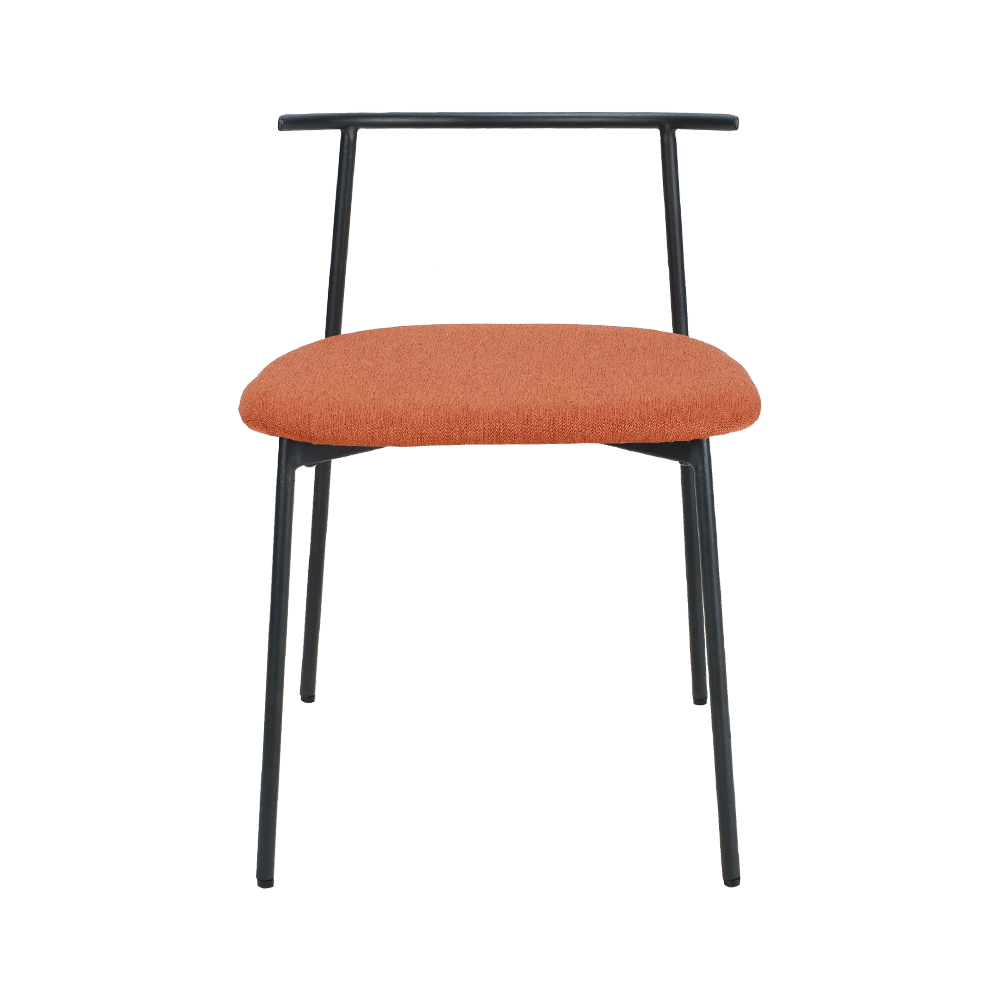
The curved back metal leg dining chair is a blend of modern design and classic comfort, offering an ... -
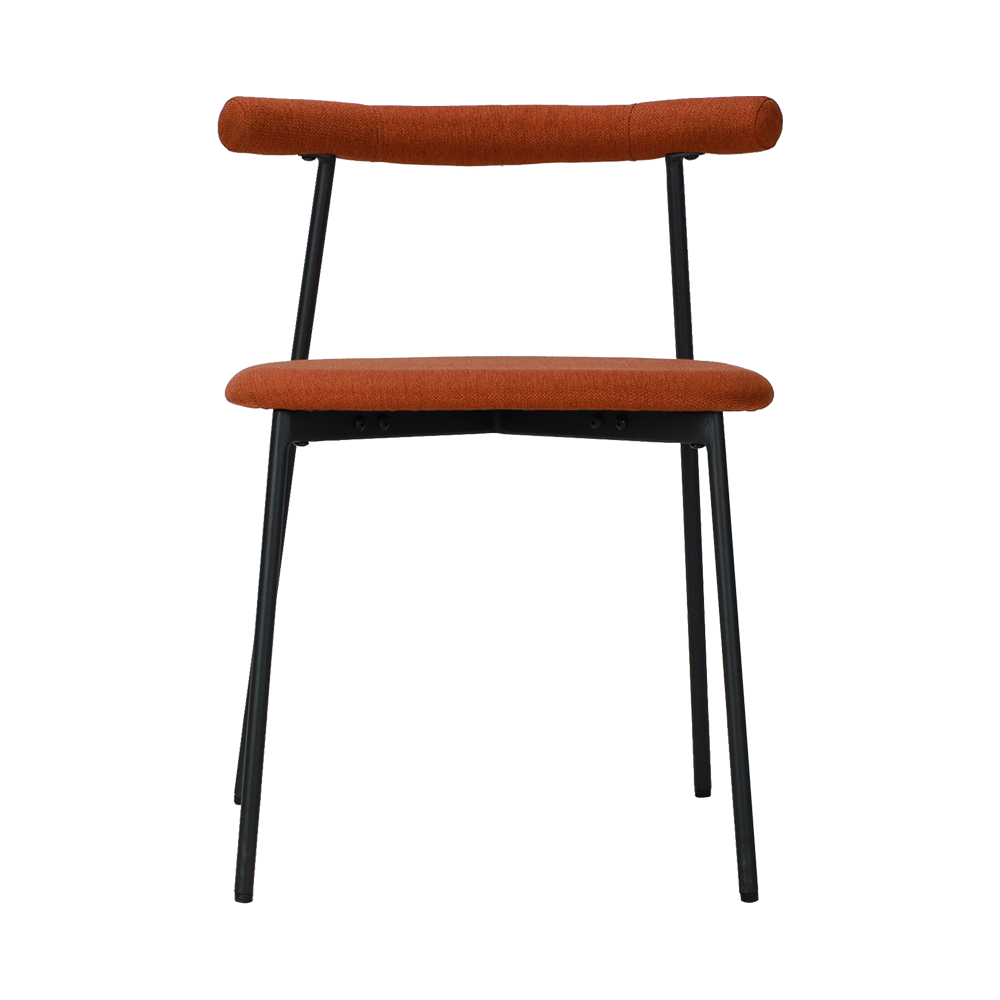
The High Resilience Sponge Cushion Metal Foot Dining Chair offers a blend of comfort, style, and dur... -
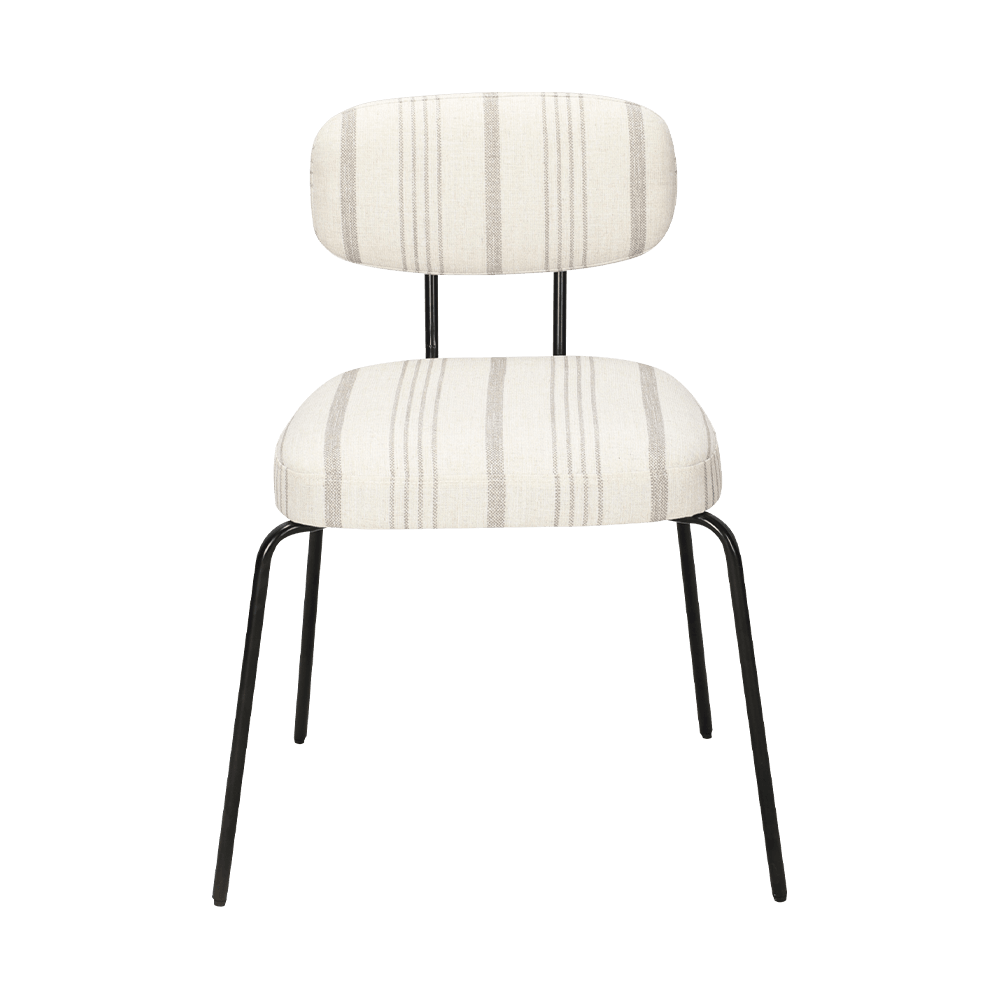
This WS6357 white modern metal dining chair features a simple and elegant design, paired with metal ... -
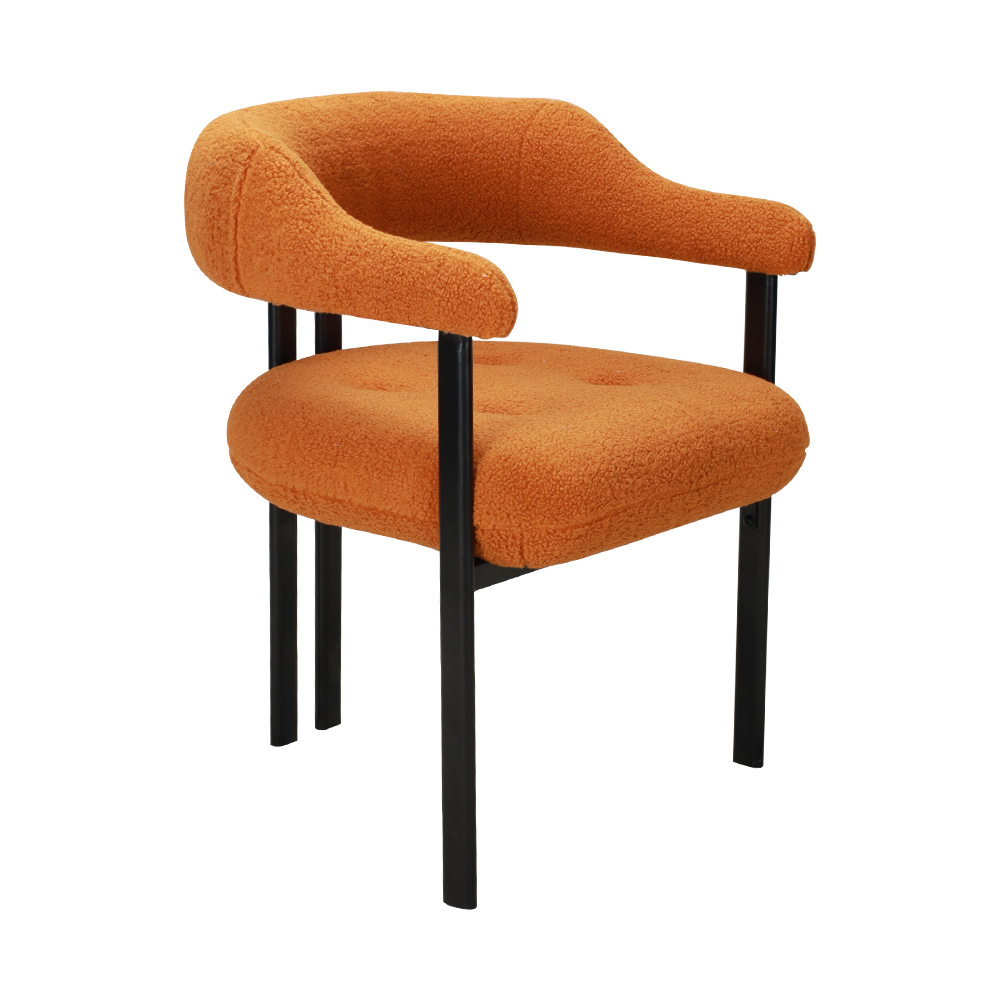
Elevate your dining experience with our WS6353 metal dining chair with a fabric cushion, a blend of ... -
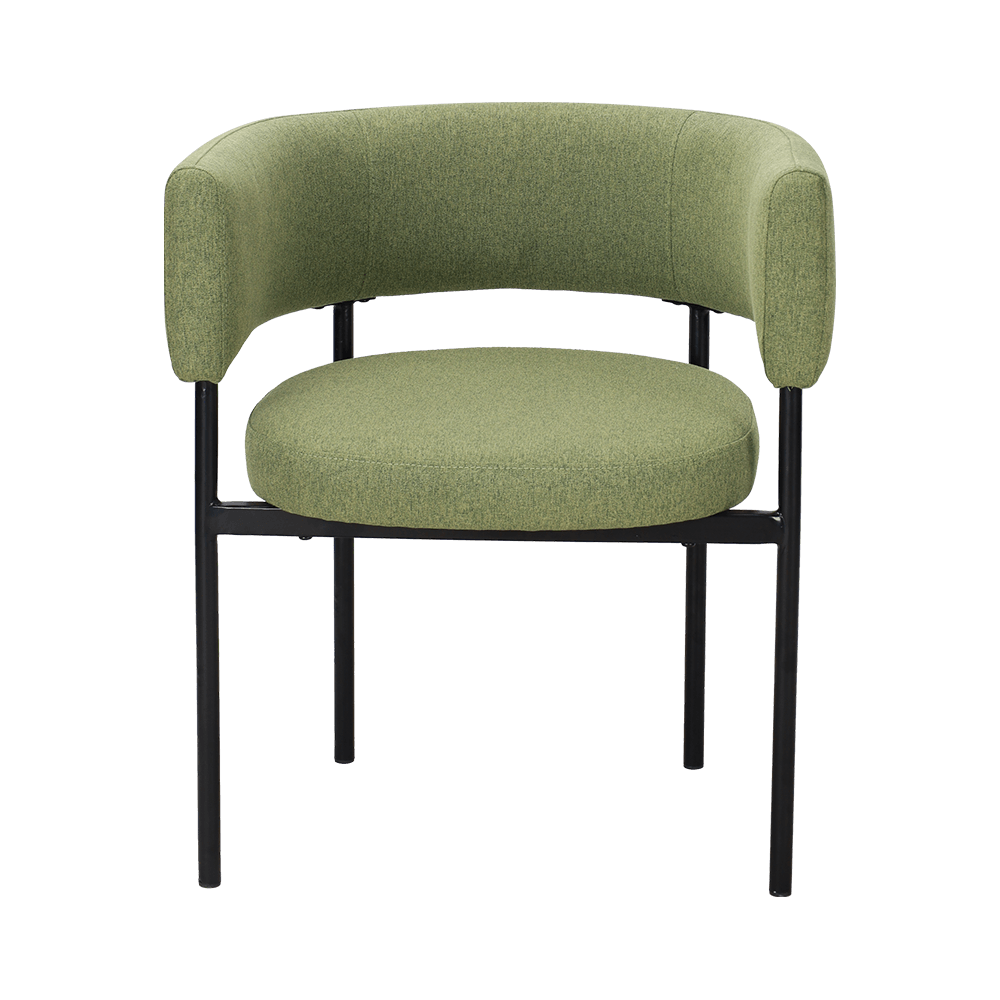
Crafted for both style and functionality, the WS6354 acid green metal leg dining chair features a st... -
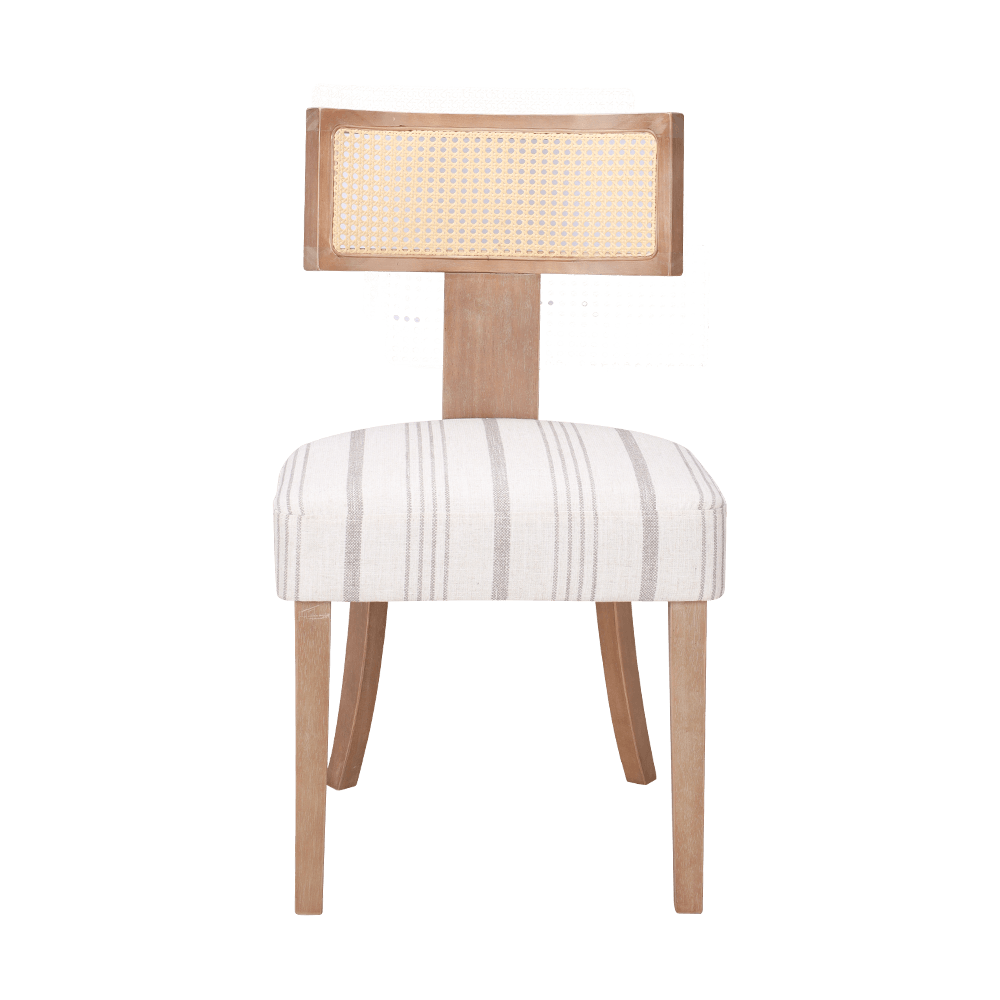
This solid rubber wood dining chair combines natural texture with comfort, featuring a simple yet el... -
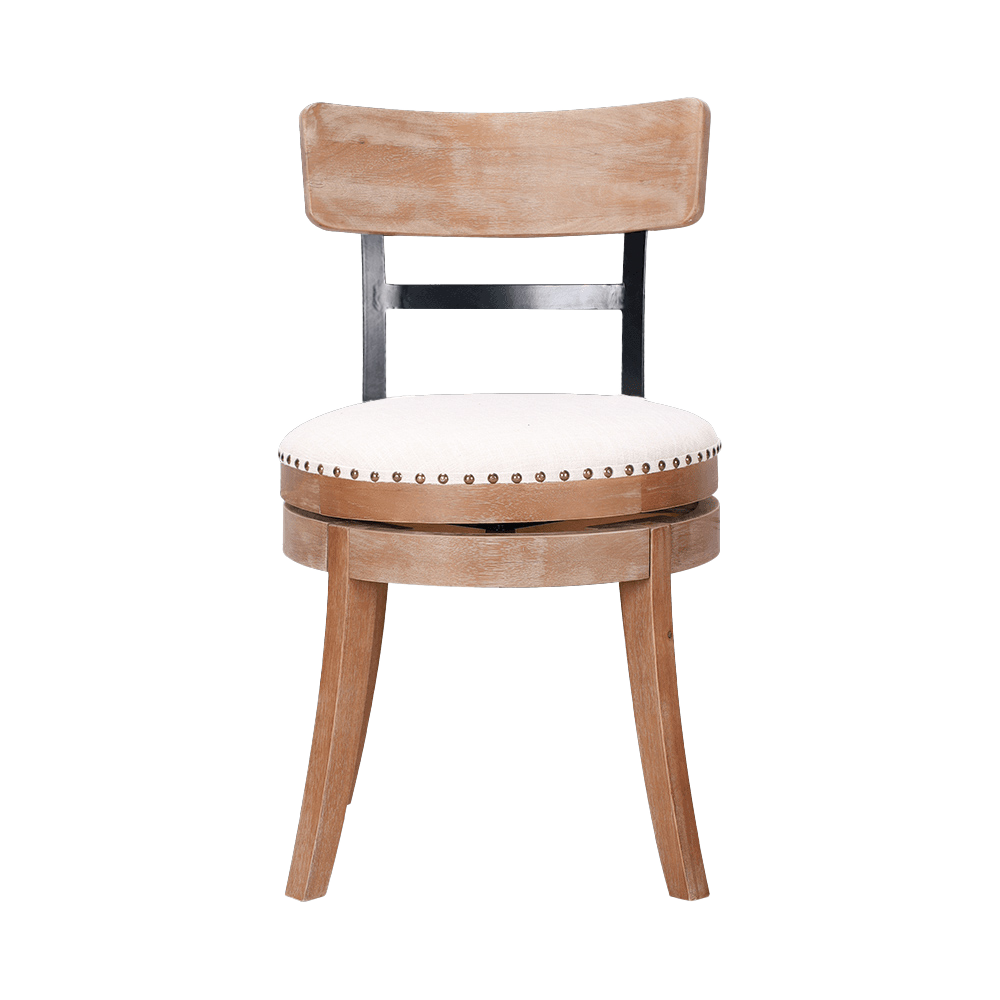
This WS6347 Round Cushion Solid Wood Dining Chair blends comfort with minimalist design, fitting var...

Copyright © Zhejiang Wanchang Furniture Co., Ltd.All Rights Reserved.
Indoor Fabric Sofa Manufacturers

-
 Xucunwancun, Xilong Xiang, Anji County, Zhejiang Province, China
-
 [email protected]
Mobile Site

WeChat Subscription Acount

Copyright © 2024Zhejiang Wanchang Furniture Co., Ltd.
All Rights Reserved.
