


 中文简体
中文简体 English
Can You Mix Upholstered Dining Chairs and Solid Wood Dining Chairs at the Same Table?
Posted by Zhejiang Wanchang Furniture Co., Ltd.
Content
- 1 Why Mixing Dining Chair Styles Has Become a Design Standard
- 2 Understanding What Each Chair Type Brings to the Table
- 3 The Most Effective Placement Strategies for Mixed Seating
- 4 Establishing Visual Coherence Between the Two Chair Types
- 5 Choosing the Right Upholstery Fabric for a Mixed Scheme
- 6 Style Combinations That Work Particularly Well
- 7 Common Mistakes to Avoid in a Mixed Chair Scheme
- 8 Practical Considerations for Long-Term Maintenance and Flexibility
Why Mixing Dining Chair Styles Has Become a Design Standard
The era of perfectly matched dining sets — where every chair around the table is identical in material, finish, and form — has given way to a more considered, layered approach to dining room design. Combining upholstered dining chairs with solid wood dining chairs at the same table is no longer a compromise or an accident of mismatched furniture acquisitions. It is now a deliberate design strategy embraced by interior designers and homeowners alike, valued for the visual richness, functional versatility, and personalized character it brings to the dining space. When executed with intention, a mixed seating scheme creates a dining room that feels curated rather than catalog-ordered — one that reflects the layered, lived-in quality that defines genuinely comfortable and sophisticated interiors.
The combination works because upholstered chairs and solid wood chairs each bring something the other lacks. Upholstered chairs contribute softness, comfort, color, and textile texture — qualities that warm a dining space and make extended time at the table genuinely pleasurable. Solid wood chairs contribute structure, grain texture, natural material beauty, and visual lightness — qualities that ground the composition and prevent the softness of the upholstered pieces from tipping into an overly soft, undifferentiated aesthetic. Together, they create a dialogue between hard and soft, natural and refined, that is far more interesting than either material alone could produce. This article provides a practical, detailed guide to making that combination work successfully in your dining room.
Understanding What Each Chair Type Brings to the Table
Before working out how to combine upholstered and solid wood dining chairs, it is worth being precise about what each type contributes to the overall composition — both functionally and aesthetically. This clarity helps ensure that the combination is balanced rather than accidental, and that each chair type is positioned to contribute its strengths most effectively.
What Upholstered Dining Chairs Offer
Upholstered dining chairs — whether fully upholstered with fabric or leather covering the seat, back, and sometimes arms, or partially upholstered with a padded seat on an otherwise exposed frame — introduce softness, comfort, and color into the dining space. A well-upholstered dining chair with a padded seat and cushioned back significantly extends the comfort of sitting at the table, making long dinner parties and extended family meals physically more enjoyable. They introduce fabric texture — velvet, linen, boucle, leather, performance weave — into a room where hard surfaces otherwise dominate, adding acoustic warmth and tactile richness. Upholstered chairs also serve as a primary color accent in the dining room, allowing the introduction of a specific hue that ties the chair seating to curtains, a rug, or decorative accessories elsewhere in the space.
What Solid Wood Dining Chairs Offer
Solid wood dining chairs — whether ladder-back, Windsor, spindle, cross-back, or contemporary sculptural forms — bring structural clarity, natural material beauty, and visual lightness to the table composition. Their exposed wooden frames showcase grain patterns, joinery details, and the warmth of natural timber in a way that upholstered chairs, by definition, cannot. Solid wood chairs are typically visually lighter than upholstered equivalents because their profiles are thinner and more linear, helping to prevent a table setting from feeling heavy or overscaled. They are also significantly easier to clean than fabric-upholstered alternatives, making them the practical choice for seats that will be occupied by children or used daily in a busy family household. In a mixed seating scheme, solid wood chairs provide the structural counterpoint that keeps the composition grounded and prevents the visual softness of the upholstered pieces from dominating.
The Most Effective Placement Strategies for Mixed Seating
How the two chair types are distributed around the table is the single most important decision in a mixed dining chair scheme. Placement determines whether the combination reads as a coherent, intentional design decision or as a random assortment of mismatched furniture. Several well-established placement strategies deliver reliable results across different table shapes and dining room configurations.
Host and Side Chair Configuration
The most classic and widely used mixed seating configuration places upholstered armchairs at the two head positions of a rectangular dining table — the "host" seats — with solid wood side chairs filling the long sides. This arrangement has a long tradition in formal dining room design, where the head positions are differentiated to signal hierarchy and occasion, but it translates equally well into relaxed contemporary interiors where the contrast simply adds visual interest. The upholstered armchairs at the heads provide comfort and visual weight at the table ends, anchoring the composition, while the solid wood side chairs create a rhythmic, lighter visual sequence along the longer sides. This configuration works particularly well with tables seating six to ten people and is especially effective when the solid wood side chairs pick up the same wood species or finish as the dining table itself.
Alternating Pattern Around the Table
An alternating arrangement — one upholstered chair, one solid wood chair, repeated around the full perimeter of the table — creates a rhythmic, pattern-driven composition that works particularly well with round and square tables where there are no natural "head" positions to differentiate. This strategy requires that the two chair types be closely related in scale and silhouette to avoid a choppy, unresolved appearance — the rhythm only reads as intentional when the chairs are clearly in dialogue with one another rather than simply adjacent. Pairs of chairs in the same upholstery color alternating with pairs of matching wood chairs also works well as a variation, particularly at longer rectangular tables where strict alternation might feel too repetitive over many seats.
Bench and Chair Combinations
A popular contemporary variant of the mixed seating strategy pairs an upholstered bench along one long side of a rectangular table with solid wood chairs on the opposite side and at the table ends. The bench — particularly a bench with a continuous upholstered seat and optional back cushion — provides flexible, casual seating that accommodates extra guests and introduces a strong horizontal textile element into the composition. The solid wood chairs on the opposite side provide the structured, individual seat rhythm that prevents the overall scheme from feeling too casual. This configuration is particularly effective in kitchen-dining spaces and family dining rooms where a relaxed, practical character is the design objective.
Establishing Visual Coherence Between the Two Chair Types
The success of any mixed seating scheme depends on establishing clear visual connections between the two chair types — points of shared design language that signal to the eye that the combination is intentional. Without these connections, even a well-considered placement strategy will read as a collection of unrelated pieces rather than a coherent composition. The following connecting elements are the most effective tools for achieving visual coherence in a mixed dining chair scheme.
- Shared wood species or finish: The most powerful unifying element in a mixed scheme is using the same wood species or stain color in both chair types. If the upholstered chairs have exposed wooden legs in natural oak, the solid wood dining chairs should also be oak — or at minimum, a wood with a matching tone. This shared material creates an immediate visual family relationship between pieces that may otherwise look very different.
- Consistent seat height: All chairs at the table should have the same seat height — typically 45–48 cm for standard dining tables — regardless of their style. Mismatched seat heights create awkward visual breaks and practical discomfort that immediately signals that the mix is unintentional rather than designed.
- Related silhouette language: Pair chair types that share a general silhouette approach — both in a clean, linear contemporary style, or both with curved, organic forms, or both with tapered legs. Combining a heavily ornate carved wood chair with a sleek, minimal upholstered frame creates a style clash that no amount of color coordination will resolve.
- Upholstery color tied to the wood tone: Selecting upholstery fabric in a tone that complements or contrasts deliberately with the wood finish of both chair types ties the two materials together chromatically. Warm-toned wood finishes pair naturally with earth-toned, terracotta, or amber upholstery; cooler grey or whitewashed wood finishes work well with grey, sage, dusty blue, or charcoal fabrics.
- Scale consistency: Both chair types should be similar in overall scale — seat width, back height, and visual mass — so that the mixed group reads as a single, coherent seating family around the table rather than as a collection of chairs of different scales competing for visual dominance.
Choosing the Right Upholstery Fabric for a Mixed Scheme
In a mixed seating scheme, the upholstery fabric on the padded chairs carries significant visual responsibility — it must work not only with the dining table and the room's broader color palette, but also specifically with the exposed wood of the solid wood dining chairs and the wood frame of the upholstered chairs themselves. Fabric selection therefore deserves more careful thought than it might receive in a fully upholstered dining room where all chairs share the same covering.
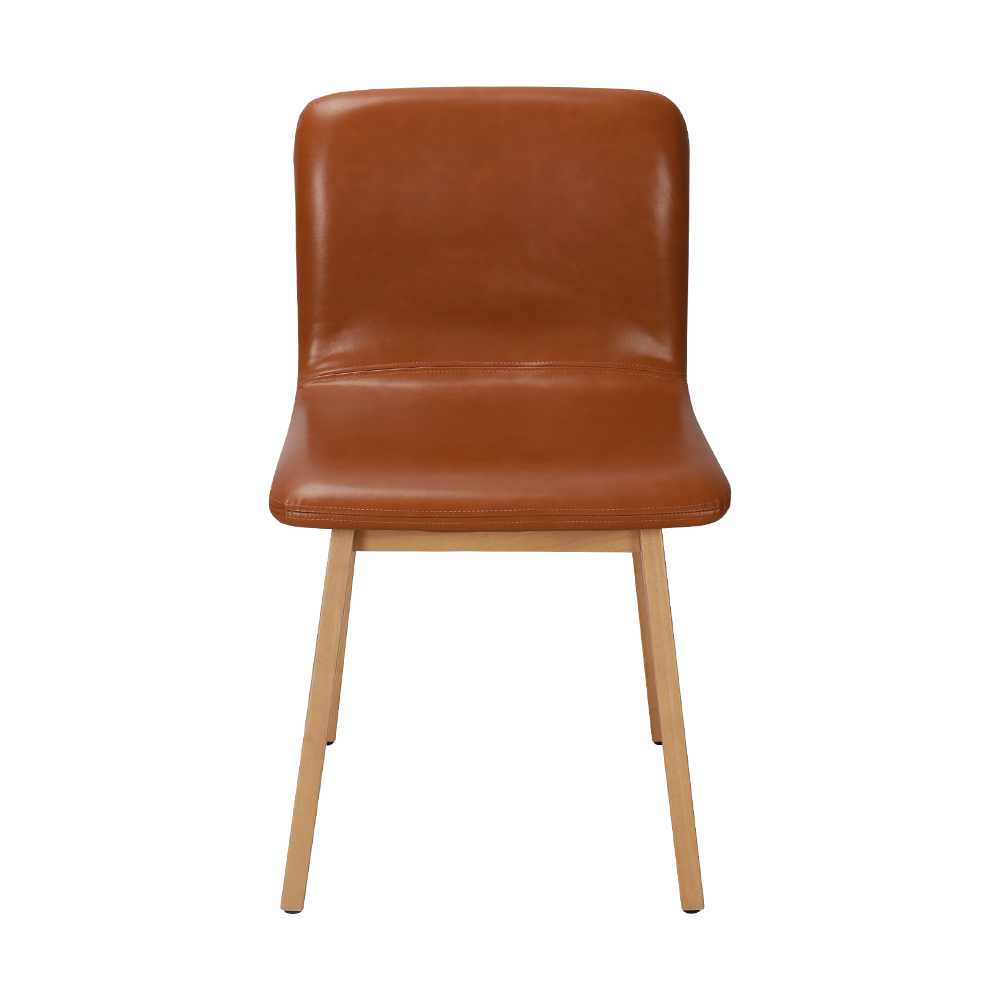
Performance upholstery fabrics — solution-dyed acrylics, treated polyesters, and performance weaves — are strongly recommended for dining chair applications where spills, food contact, and daily cleaning are realities. These fabrics resist staining, maintain color under UV exposure, and can typically be cleaned with mild soap and water without damaging the fiber or finish. Velvet and boucle upholstery fabrics deliver exceptional tactile richness and visual depth and are well-suited to dining rooms used primarily for evening entertaining, but they require more careful maintenance and are less appropriate for family dining rooms with young children. Leather and faux leather are the most practical upholstery options for dining chairs subjected to heavy daily use — they are impervious to most food and drink spills, clean with a damp cloth, and develop a pleasing patina with age that adds character to the seating.
Style Combinations That Work Particularly Well
Certain style pairings between upholstered and solid wood dining chairs have proven consistently effective across a range of interior design contexts. The following combinations represent reliable starting points for planning a mixed dining chair scheme:
| Upholstered Chair Style | Solid Wood Chair Style | Interior Style Fit |
| Linen or velvet armed host chair with tapered legs | Cross-back or ladder-back side chair | Farmhouse, transitional, Scandinavian |
| Button-tufted leather armchair | Windsor or spindle-back side chair | Traditional, English country, colonial |
| Minimalist performance fabric side chair with metal base | Solid wood sculptural contemporary side chair | Modern, contemporary, Japandi |
| Boucle or bouclé upholstered armchair with wood legs | Oak or walnut bentwood or slatted side chair | Organic modern, Scandinavian, warm minimal |
| Velvet upholstered armchair with turned legs | Solid mahogany or dark walnut dining chair | Eclectic, maximalist, jewel-tone interiors |
Common Mistakes to Avoid in a Mixed Chair Scheme
Understanding what makes a mixed dining chair scheme work also requires awareness of the most common errors that undermine the combination's effectiveness. Avoiding these pitfalls is as important as following the positive design principles outlined above.
- Mismatching seat heights: As noted above, different seat heights at the same table create immediate visual and ergonomic discomfort. Always verify seat height specifications before purchasing any chair for a mixed scheme, and return pieces that do not meet the same standard as the existing chairs.
- Too many different wood finishes: If the upholstered chairs have light oak legs, the solid wood chairs are in walnut, and the dining table is in whitewashed pine, the wood tones compete rather than unite. Limit the scheme to no more than two closely related wood tones to maintain coherence.
- Ignoring scale relationships: A large, heavily cushioned armchair placed next to a small, delicate wood side chair creates a scale mismatch that draws attention to the difference between the pieces rather than the relationship between them. Choose chair types of broadly similar visual weight and scale.
- Placing too few of one type: A single upholstered armchair among seven solid wood chairs reads as an anomaly — an error rather than a design decision. A mixed scheme needs sufficient numbers of each type to establish a clear visual rhythm. As a practical guideline, neither type should represent less than one quarter of the total seating count.
- Clashing style vocabularies: The most fundamental error is pairing chair types from incompatible stylistic traditions — combining a heavily ornate traditional carved wood chair with a stark Bauhaus-influenced upholstered piece, for example. Ensure both chair types share enough stylistic common ground that they appear to inhabit the same design world even if they are not identical.
Practical Considerations for Long-Term Maintenance and Flexibility
A mixed dining chair scheme requires a slightly different approach to long-term maintenance and future flexibility than a matched set. Because the two chair types have different material surfaces — fabric or leather upholstery on one, finished wood on the other — they have different care requirements that should be factored into the selection of both chair types from the outset.
For the solid wood chairs, the primary maintenance consideration is protecting the finish from food acids, moisture, and UV fading, and addressing any scratches or wear marks before they penetrate to bare wood. Wax or oil-finished wood chairs require periodic re-oiling or waxing to maintain their protective coating; lacquered or polyurethane-finished chairs are more durable in daily use but harder to repair if the finish is damaged. For the upholstered chairs, the fabric type determines cleaning protocol — removable, machine-washable covers offer the greatest practical flexibility, while fixed upholstery requires spot cleaning with fabric-appropriate cleaners. Choosing upholstery fabric with a high rub count rating — at least 30,000 Martindale rubs for dining use — ensures that the fabric will withstand years of regular contact without showing premature wear at the seat and arm contact areas.
The mixed chair scheme also offers a practical flexibility advantage over a matched set: individual chairs can be replaced or refreshed without disrupting the entire dining room composition. If an upholstered chair's fabric becomes worn or dated, reupholstering that single chair in a new fabric refreshes the dining room's look without requiring replacement of the solid wood chairs. Equally, if the solid wood chairs develop wear, they can be refinished or replaced with a new version in the same style and finish, while the upholstered chairs remain in place as the continuing anchor of the scheme. This modular flexibility makes the mixed approach not just aesthetically richer but also more economically adaptable over the full lifespan of the dining room.
-
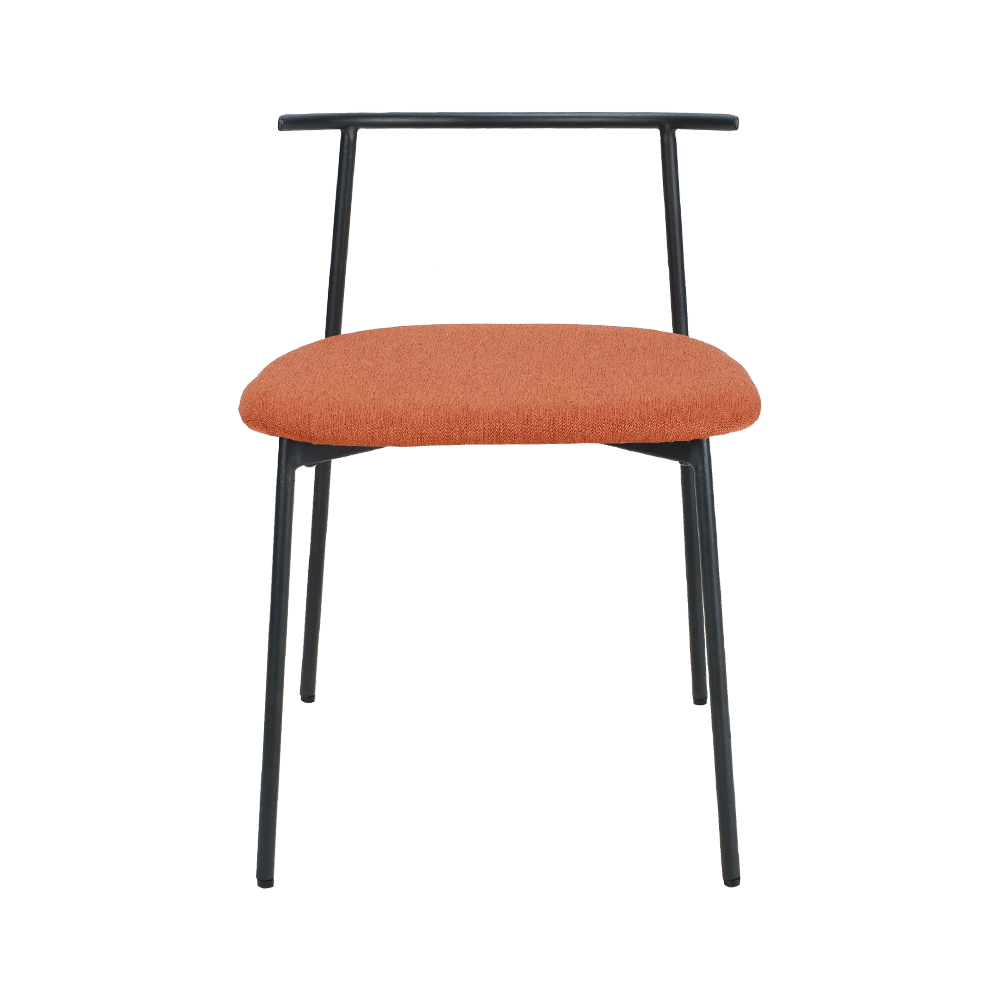
The curved back metal leg dining chair is a blend of modern design and classic comfort, offering an ... -
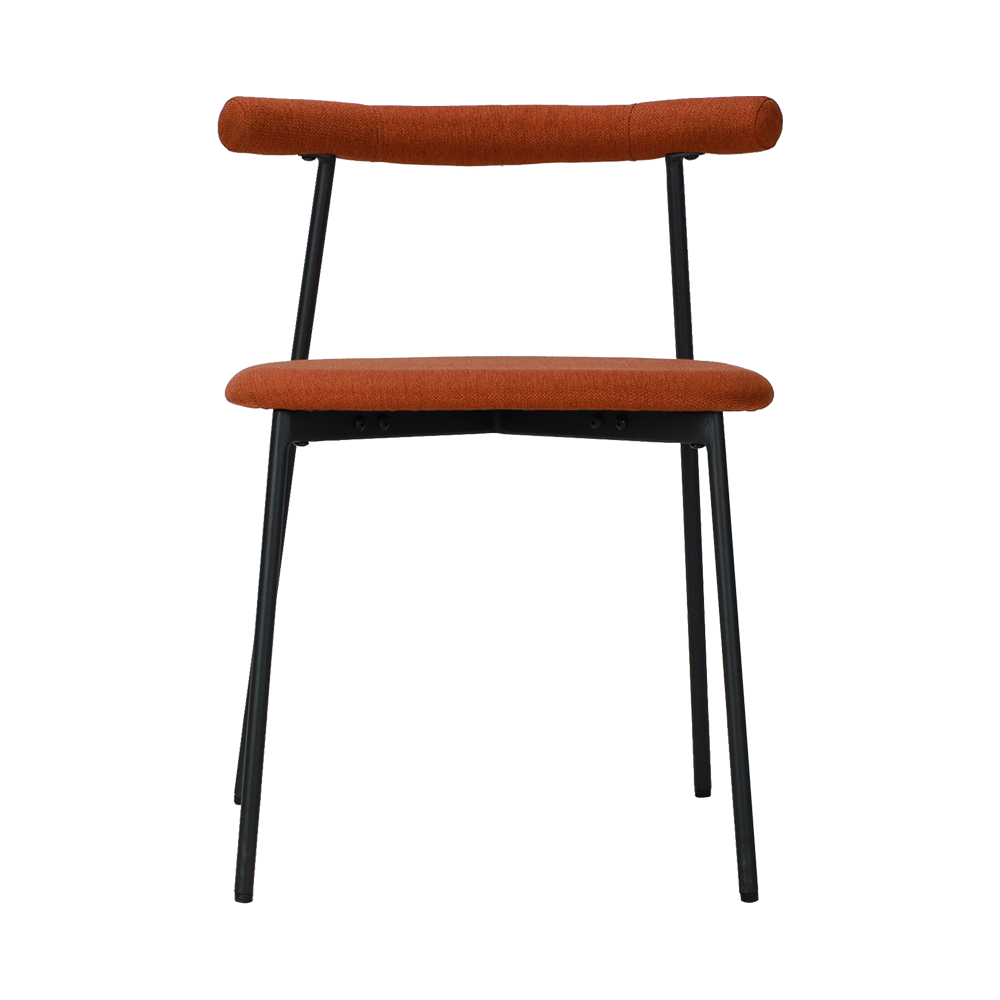
The High Resilience Sponge Cushion Metal Foot Dining Chair offers a blend of comfort, style, and dur... -
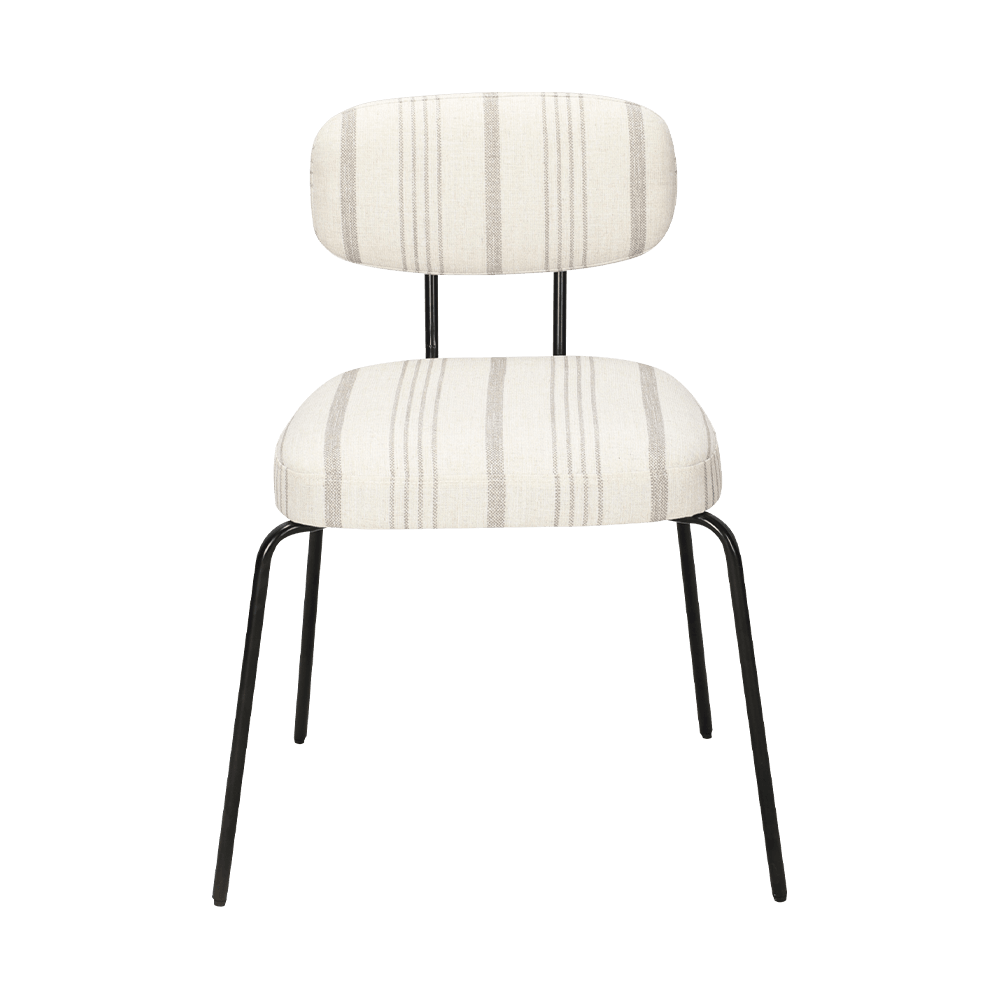
This WS6357 white modern metal dining chair features a simple and elegant design, paired with metal ... -
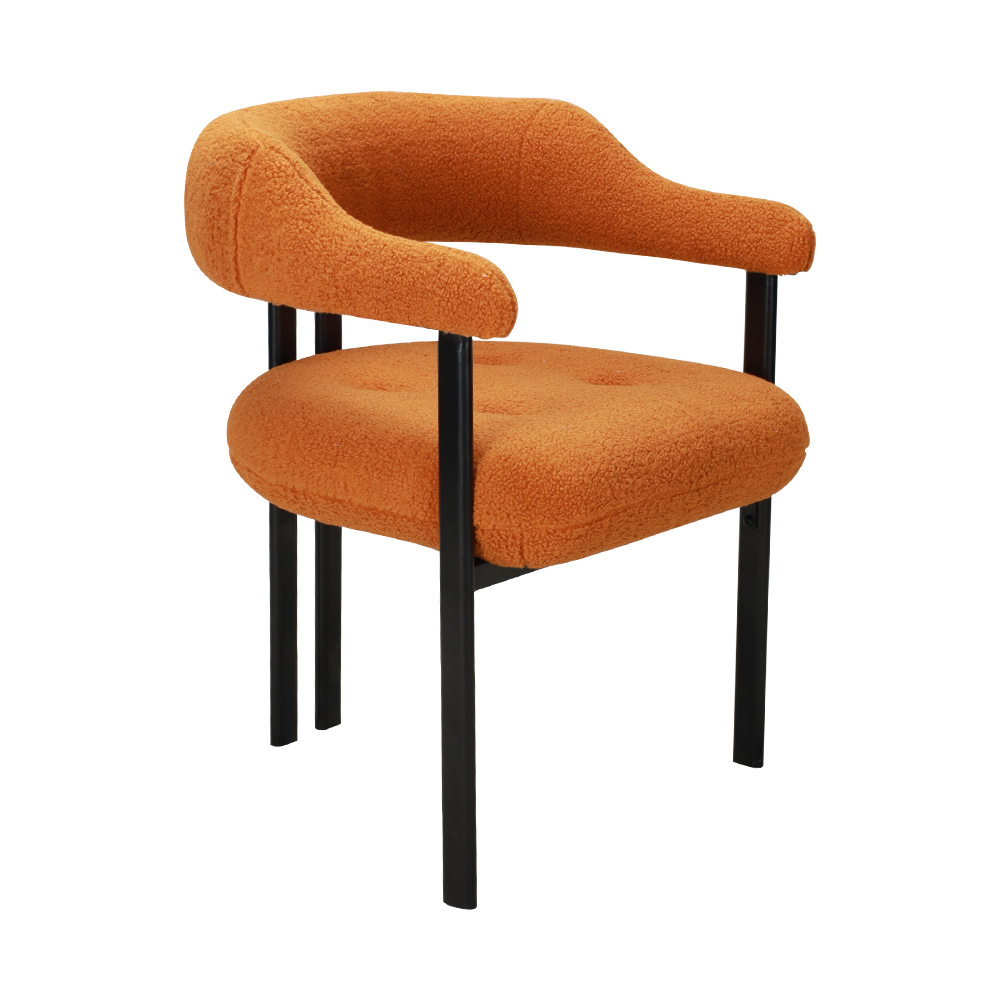
Elevate your dining experience with our WS6353 metal dining chair with a fabric cushion, a blend of ... -
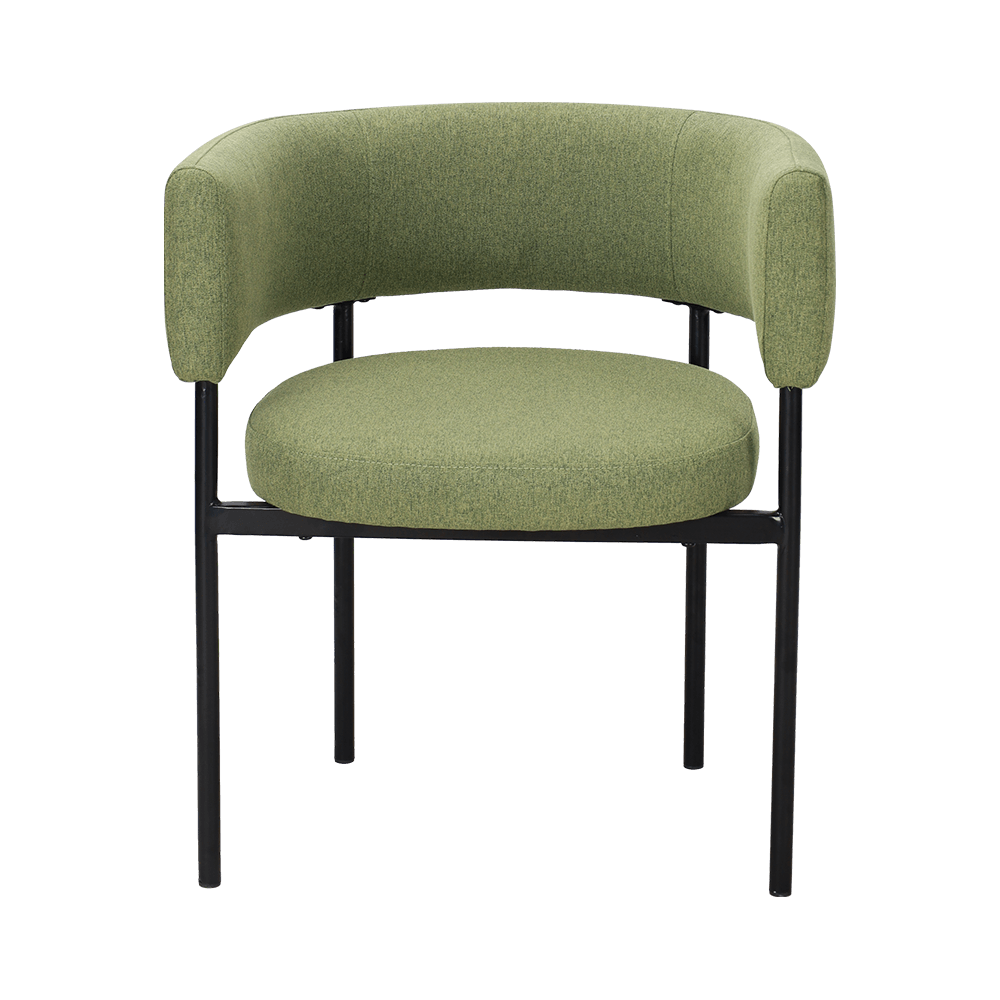
Crafted for both style and functionality, the WS6354 acid green metal leg dining chair features a st... -
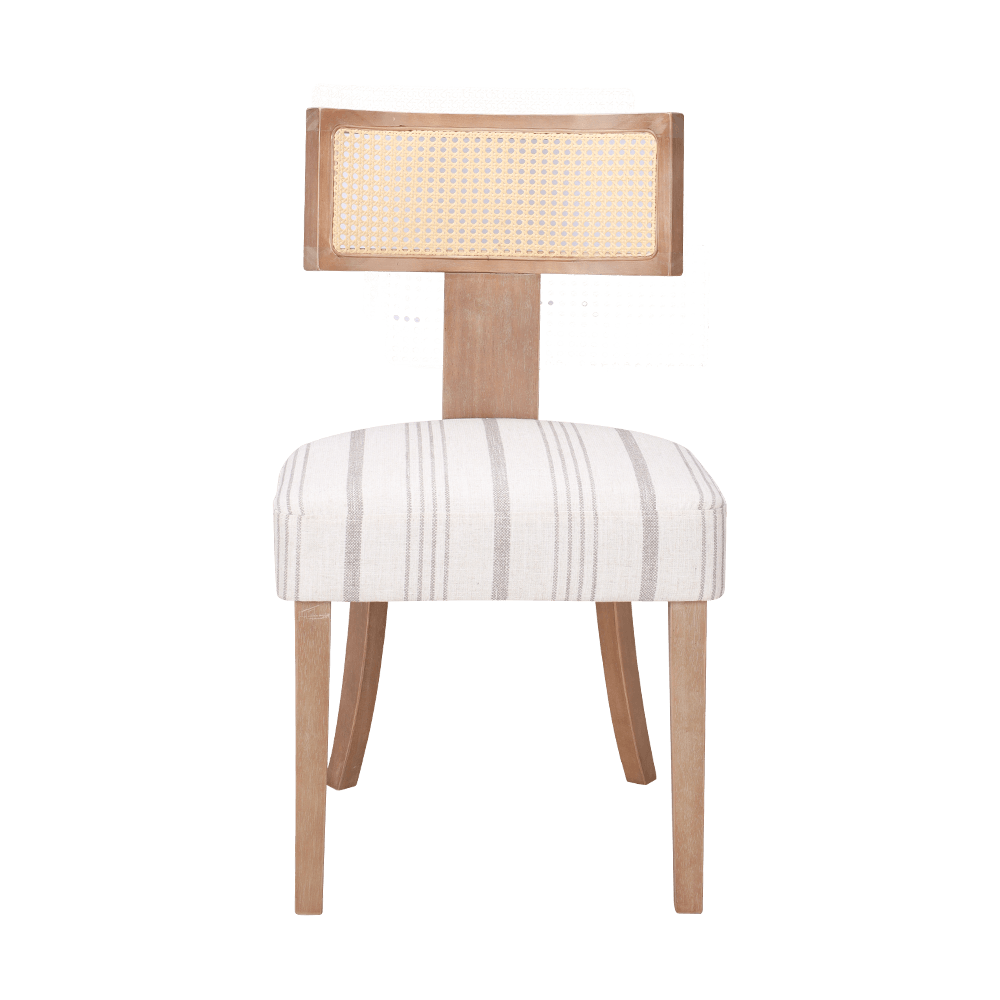
This solid rubber wood dining chair combines natural texture with comfort, featuring a simple yet el... -
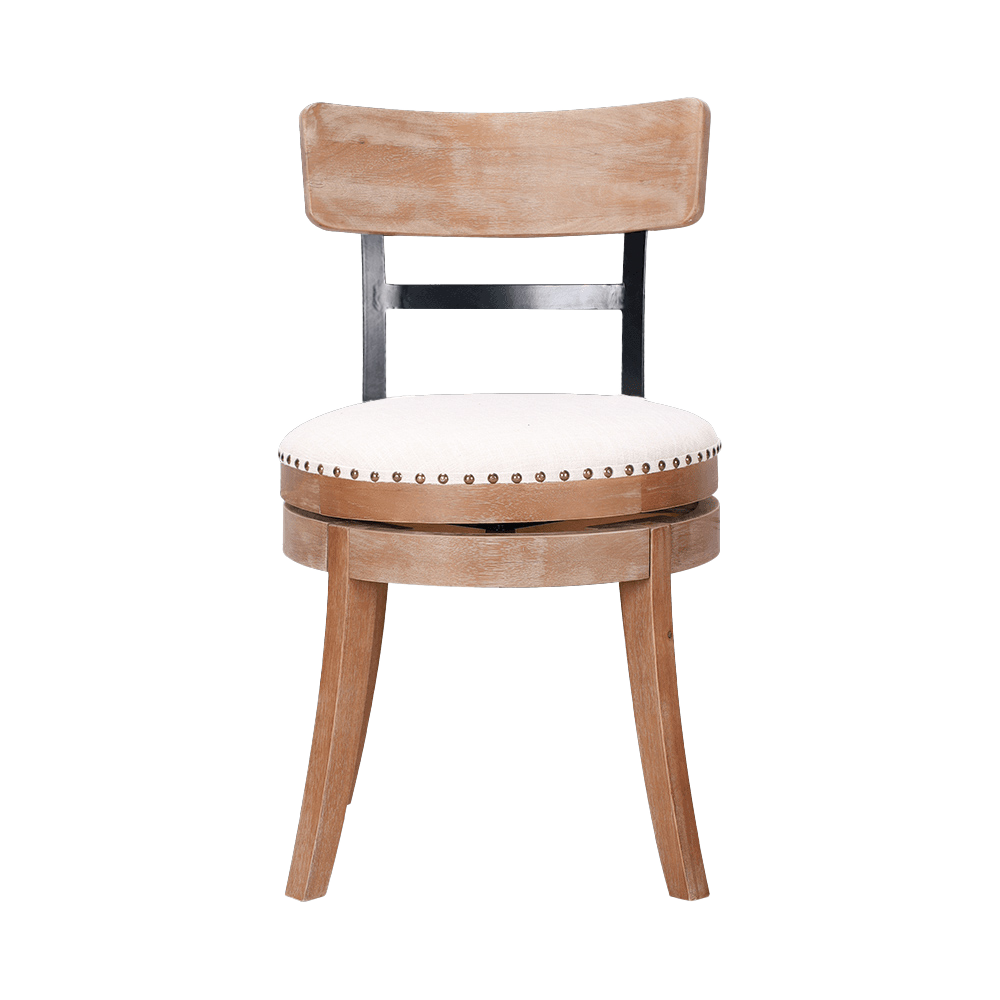
This WS6347 Round Cushion Solid Wood Dining Chair blends comfort with minimalist design, fitting var...

Copyright © Zhejiang Wanchang Furniture Co., Ltd.All Rights Reserved.
Indoor Fabric Sofa Manufacturers

-
 Xucunwancun, Xilong Xiang, Anji County, Zhejiang Province, China
-
 [email protected]
Mobile Site

WeChat Subscription Acount

Copyright © 2024Zhejiang Wanchang Furniture Co., Ltd.
All Rights Reserved.
