


 中文简体
中文简体 English
What Factors Should Be Considered When Choosing Fabric for Lounge Chairs?
Posted by Zhejiang Wanchang Furniture Co., Ltd.
Content
Understanding Fabric Types for Lounge Chairs
Selecting the right fabric for a lounge chair is more than just aesthetics. Different materials offer varying levels of comfort, durability, and maintenance requirements. Common fabric types include natural fibers such as cotton, linen, and wool, as well as synthetic fibers like polyester, microfiber, and blends. Each type has unique properties that influence the chair's longevity, feel, and ease of cleaning.
Natural Fabrics: Comfort and Breathability
Cotton
Cotton is a soft, breathable material ideal for comfort-driven lounge chairs. Its natural fibers allow for air circulation, keeping users cool in warmer climates. However, cotton is prone to staining and fading over time and requires regular cleaning to maintain its appearance.
Linen
Linen is highly durable and has a luxurious texture. It resists pilling and can last for years if properly maintained. Linen does wrinkle easily, which may be undesirable in high-use areas, but its natural aesthetic appeals to those seeking a sophisticated, timeless look.
Wool
Wool is excellent for cooler climates due to its insulating properties. It is naturally resistant to dirt and flames but may require professional cleaning to prevent shrinkage or matting. Wool lounge chairs often feel plush and provide a premium tactile experience.
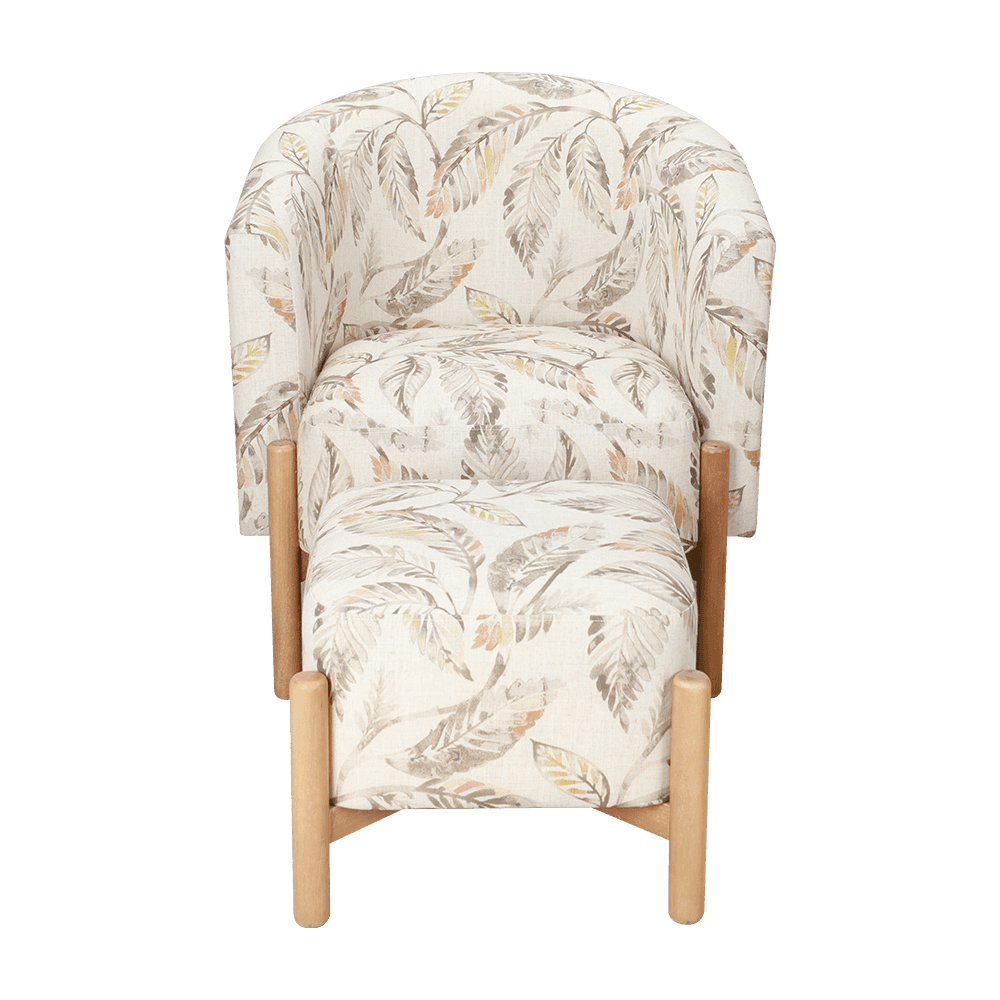
Synthetic Fabrics: Durability and Easy Maintenance
Polyester
Polyester is a strong, fade-resistant fabric that maintains its color over time. It is ideal for households with children or pets due to its stain resistance and easy cleaning. Polyester blends often combine the softness of natural fibers with the resilience of synthetics, providing a balanced option.
Microfiber
Microfiber offers exceptional stain resistance and is incredibly soft to the touch. Its tight weave prevents liquids from penetrating easily, making it a practical choice for high-traffic areas. Microfiber also has excellent color retention, reducing the need for frequent replacement or reupholstery.
Blended Fabrics
Blended fabrics combine natural and synthetic fibers to balance comfort and durability. For example, cotton-polyester blends offer the breathability of cotton with polyester’s strength and stain resistance. Blends often provide enhanced wrinkle resistance and easier care compared to pure natural fibers.
Evaluating Fabric Durability
Durability is a key consideration for lounge chair fabrics. Factors affecting longevity include fiber strength, weave type, and fabric weight. High-density weaves and heavier fabrics tend to resist abrasion better, making them suitable for commercial or frequently used home environments. The table below highlights durability metrics for common lounge chair fabrics:
| Fabric | Durability | Maintenance | Comfort |
| Cotton | Medium | Frequent cleaning required | High |
| Linen | High | Professional cleaning recommended | Medium |
| Wool | High | Professional or gentle cleaning required | High |
| Polyester | Very High | Low maintenance, easy cleaning | Medium |
| Microfiber | Very High | Minimal maintenance, stain resistant | High |
| Blends | High | Moderate maintenance | High |
Additional Selection Factors
Beyond material type, consider these elements:
- Colorfastness: Lighter fabrics may fade under direct sunlight, so choose materials with UV resistance for sunlit areas.
- Texture and Aesthetics: Fabric texture impacts both visual appeal and tactile comfort; velvet or chenille provides luxury, while smooth weaves suit minimalist designs.
- Allergen Considerations: Certain natural fibers can harbor dust mites or allergens; hypoallergenic synthetic fabrics may be preferable for sensitive users.
- Cost and Longevity: Higher-quality fabrics typically have greater upfront costs but offer longer service life and reduced maintenance expenses.
Conclusion: Making an Informed Fabric Choice
Choosing the right fabric for a lounge chair requires a balanced assessment of comfort, durability, maintenance, and aesthetic appeal. Natural fabrics like cotton, linen, and wool provide softness and elegance but may require more care. Synthetic fabrics such as polyester and microfiber offer resilience, easy maintenance, and long-term performance. Blended fabrics combine the best of both worlds, providing versatility for modern home environments. By carefully evaluating these factors, consumers can select a lounge chair that remains comfortable, visually appealing, and functional for years to come.
-
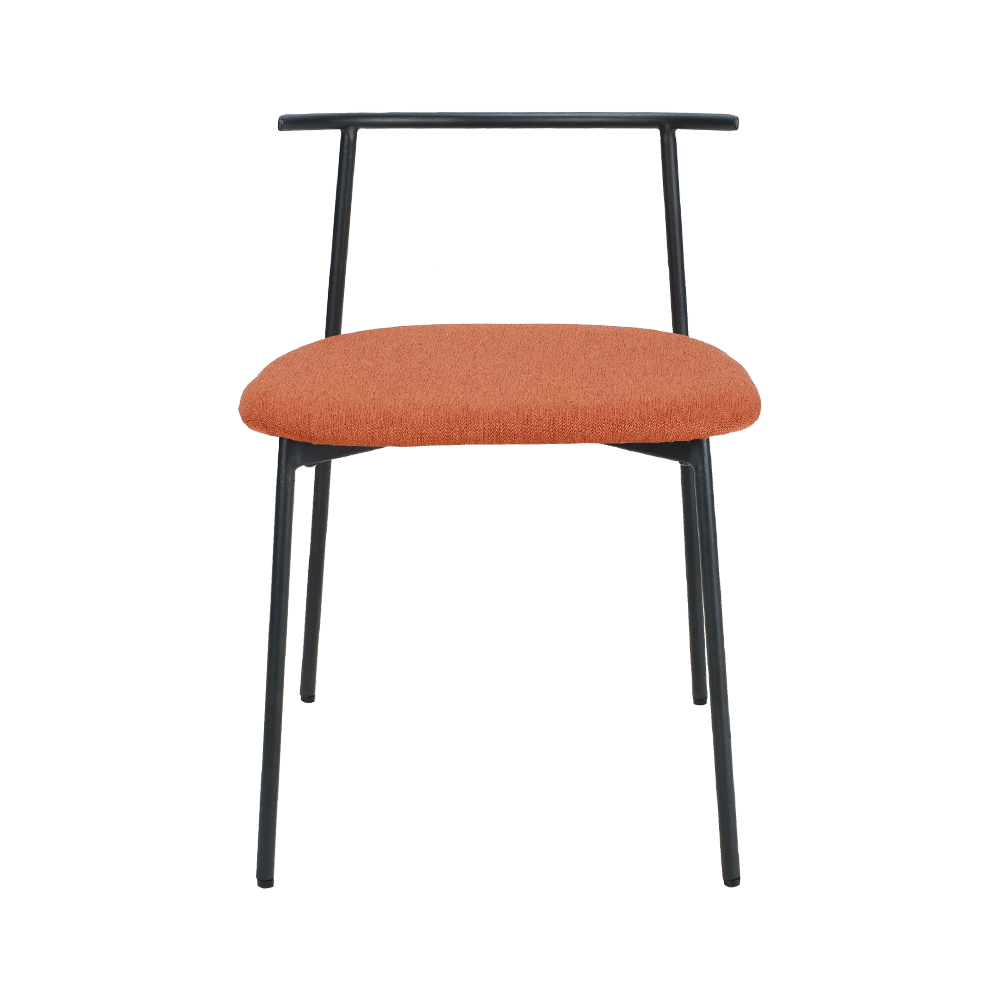
The curved back metal leg dining chair is a blend of modern design and classic comfort, offering an ... -
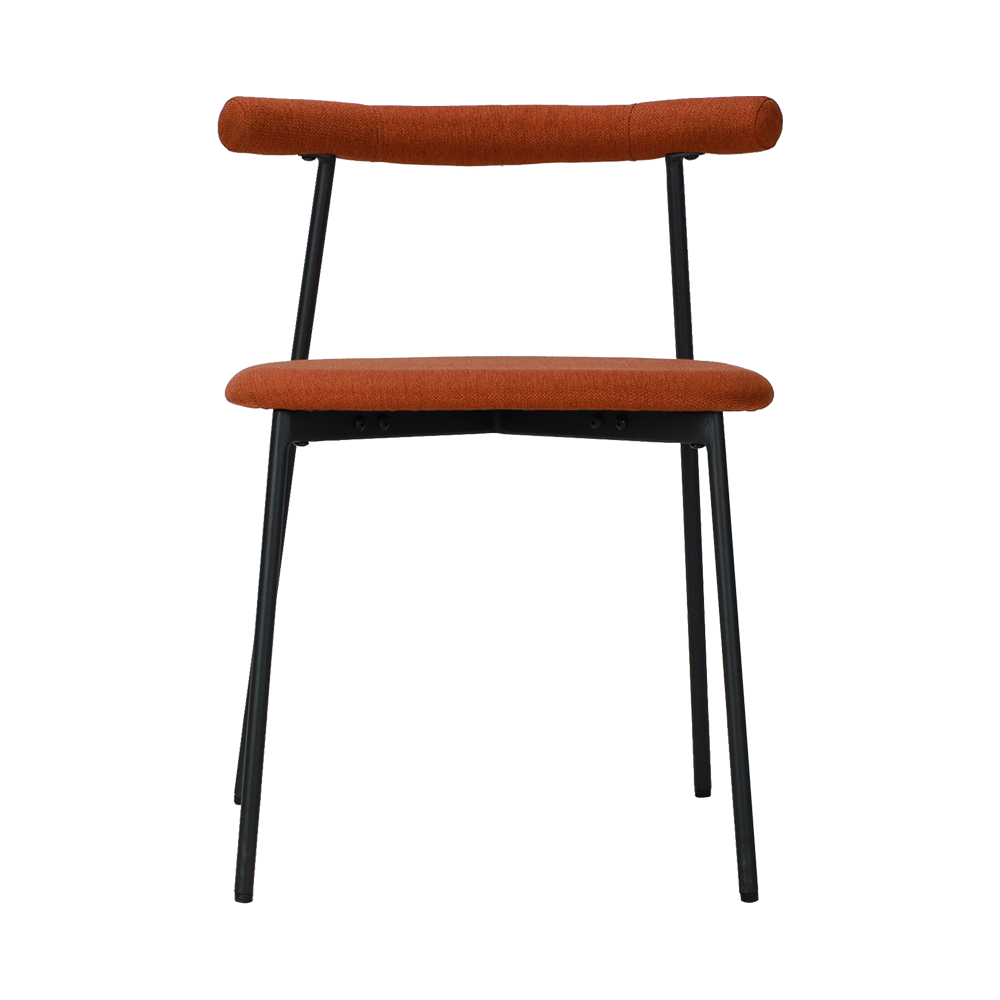
The High Resilience Sponge Cushion Metal Foot Dining Chair offers a blend of comfort, style, and dur... -
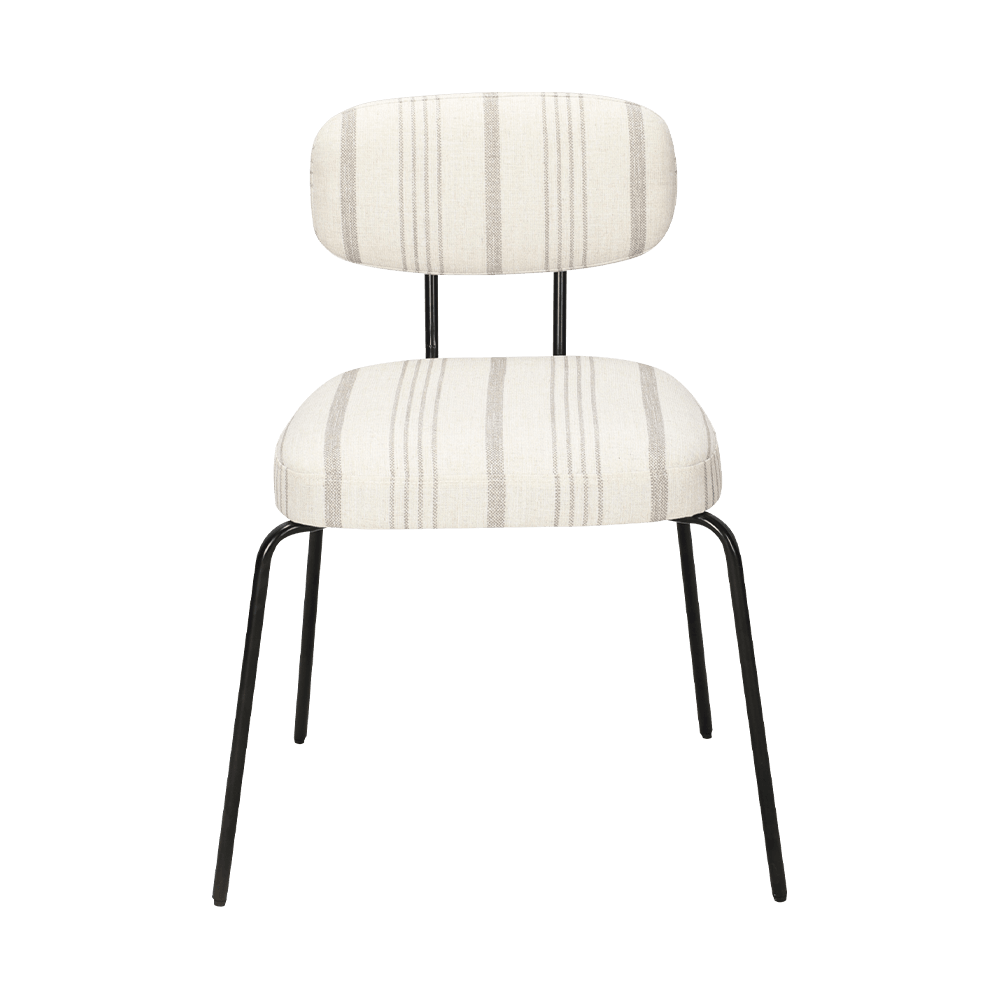
This WS6357 white modern metal dining chair features a simple and elegant design, paired with metal ... -
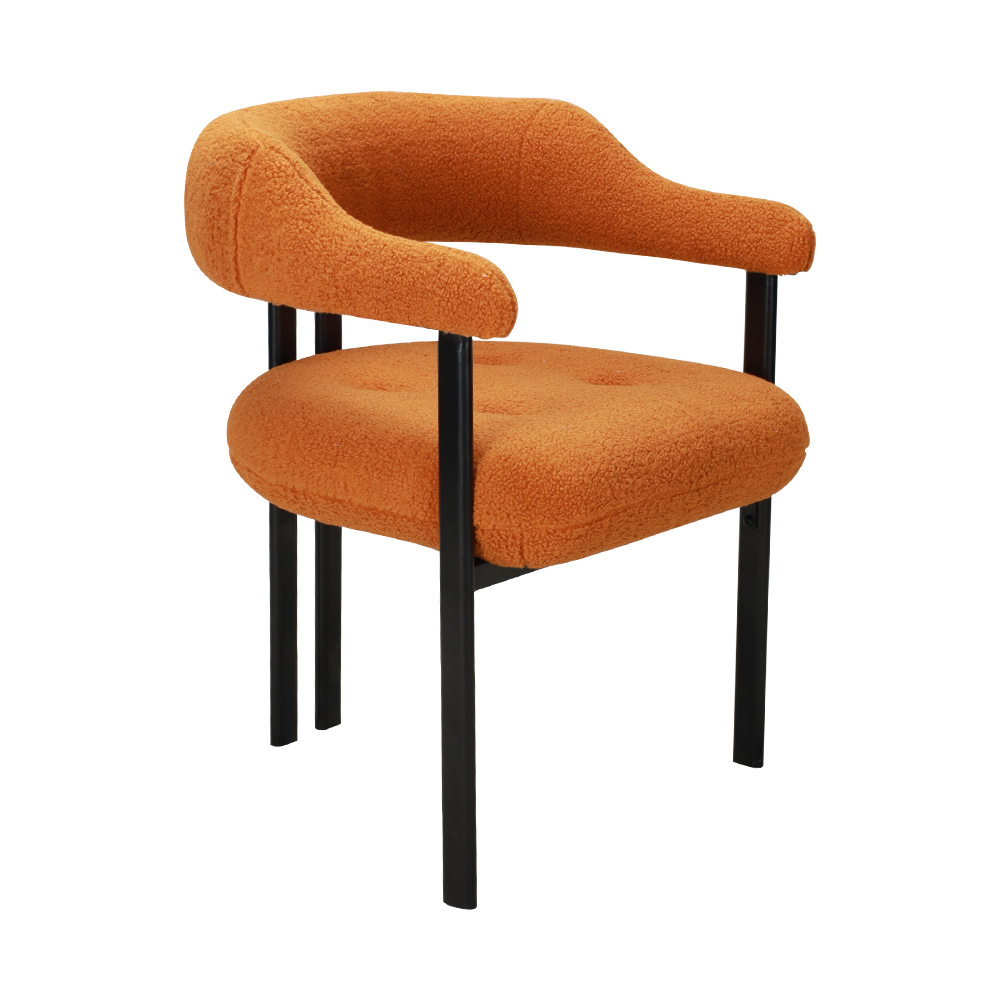
Elevate your dining experience with our WS6353 metal dining chair with a fabric cushion, a blend of ... -
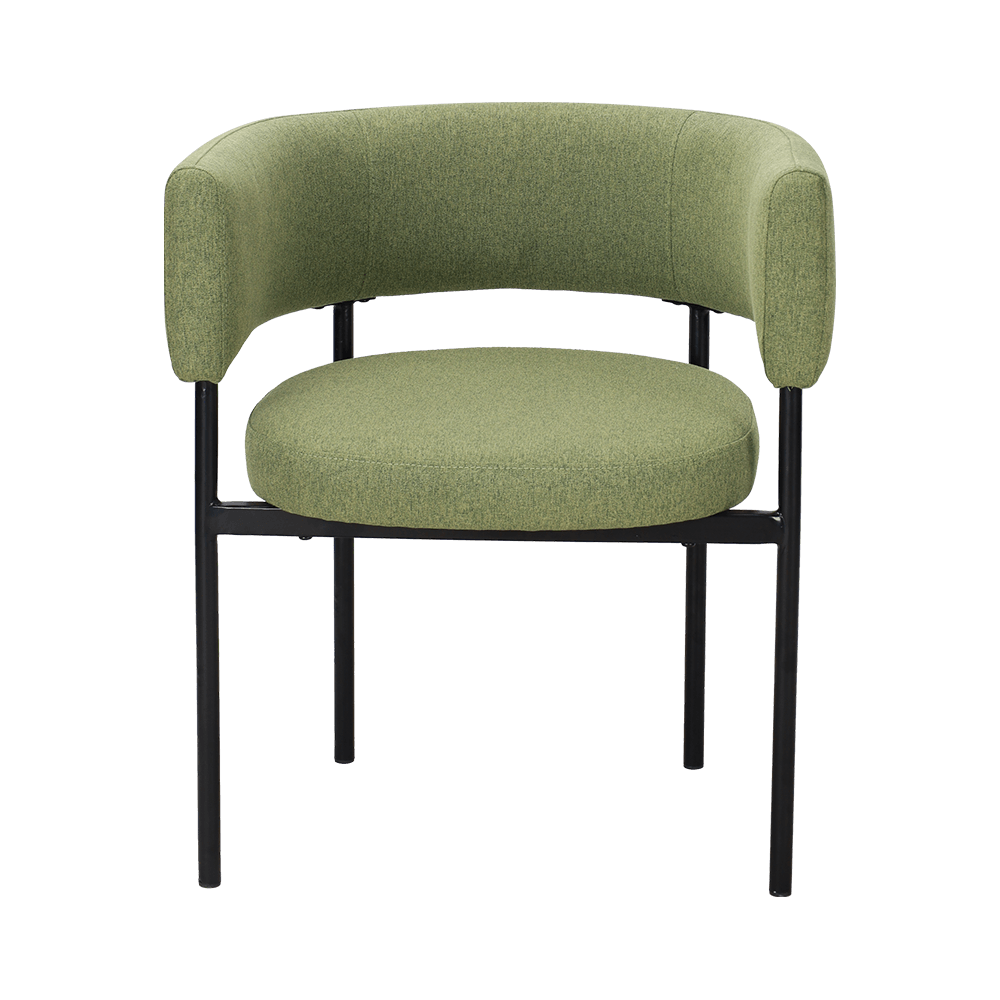
Crafted for both style and functionality, the WS6354 acid green metal leg dining chair features a st... -
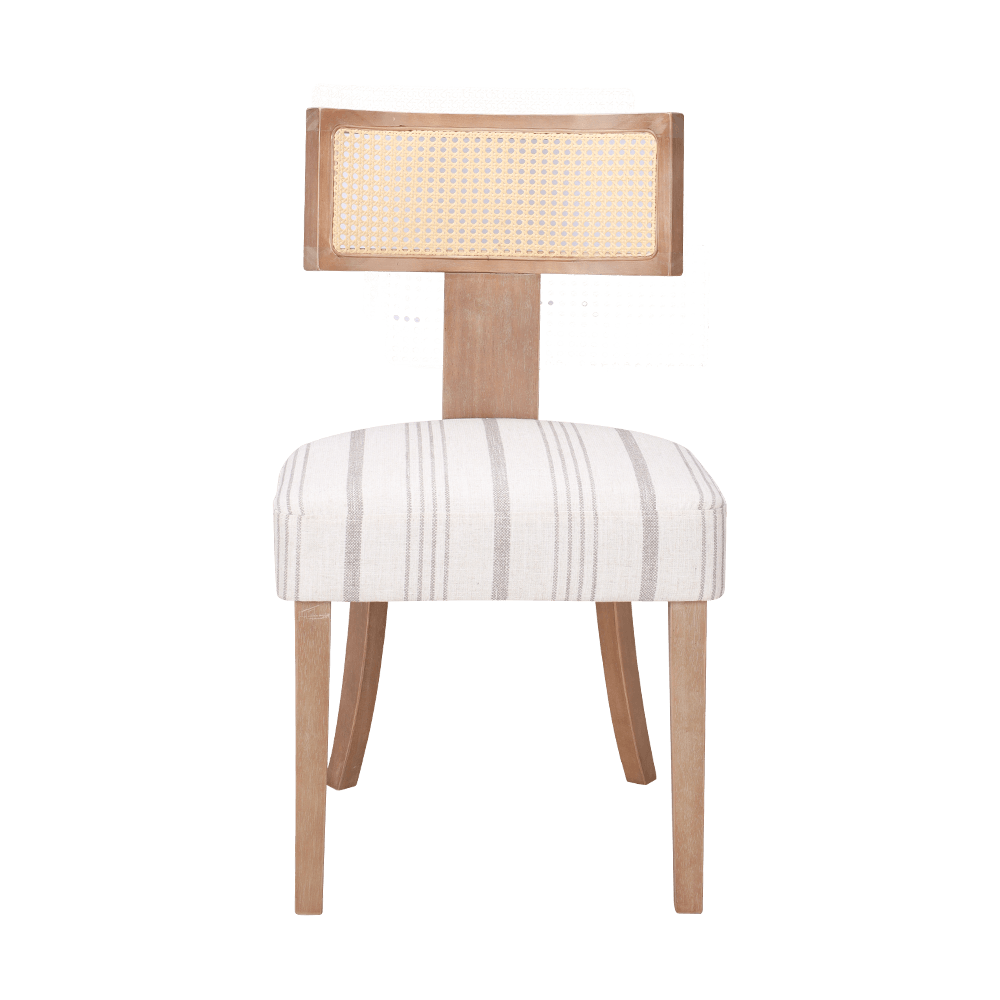
This solid rubber wood dining chair combines natural texture with comfort, featuring a simple yet el... -
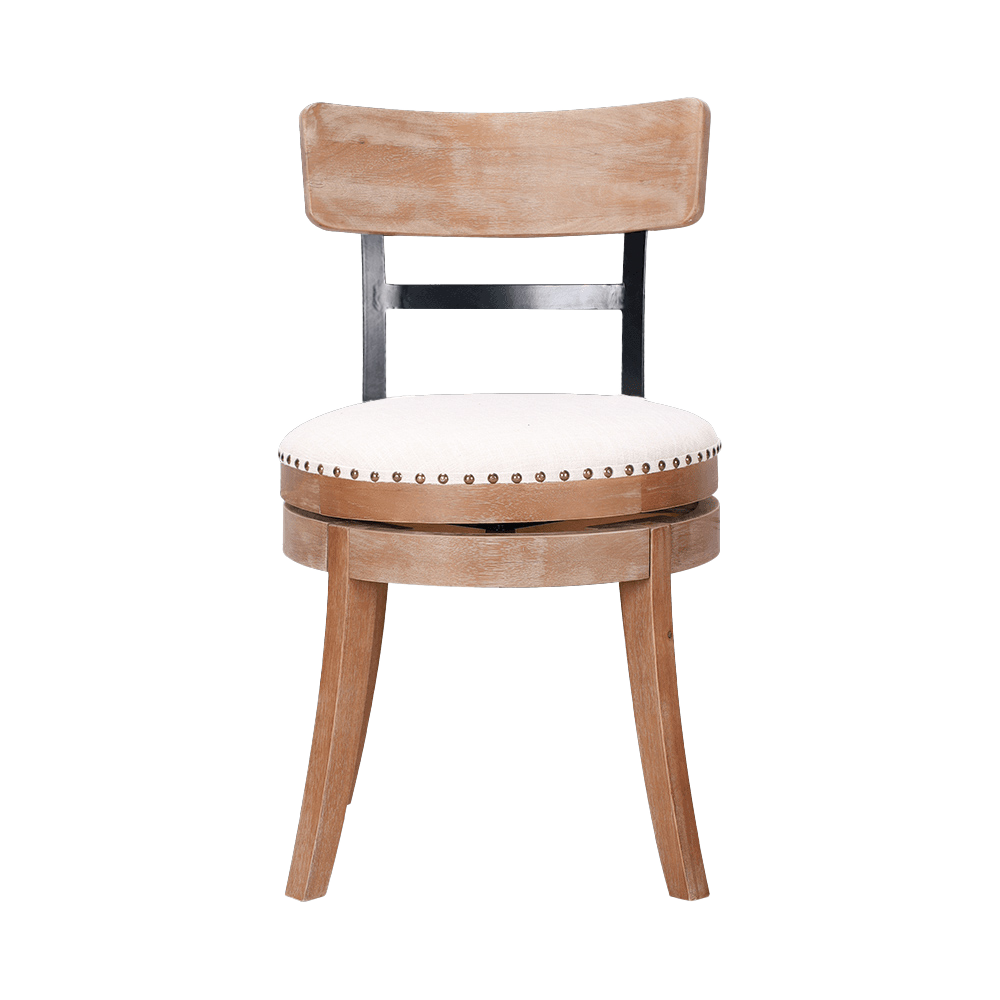
This WS6347 Round Cushion Solid Wood Dining Chair blends comfort with minimalist design, fitting var...

Copyright © Zhejiang Wanchang Furniture Co., Ltd.All Rights Reserved.
Indoor Fabric Sofa Manufacturers

-
 Xucunwancun, Xilong Xiang, Anji County, Zhejiang Province, China
-
 [email protected]
Mobile Site

WeChat Subscription Acount

Copyright © 2024Zhejiang Wanchang Furniture Co., Ltd.
All Rights Reserved.
